|
# # # # At the end of each month, the SoPD writes a post which provides an overview of some of the major or interesting pieces of Parkinson’s-related research that were made available during May 2026. The post is divided into 10 parts based on the type of research:
# # # # |
In May 2026, there were 1,205 research articles added to the Pubmed website with the tag word Parkinson s attached (compared to 6,382 for all of 2026). In addition, there was a wave to news reports regarding various other bits of Parkinson s research activity (clinical trials, etc).
The top 5 pieces of Parkinson’s news
1. Parkinson’s Clinical Trial pipeline report:
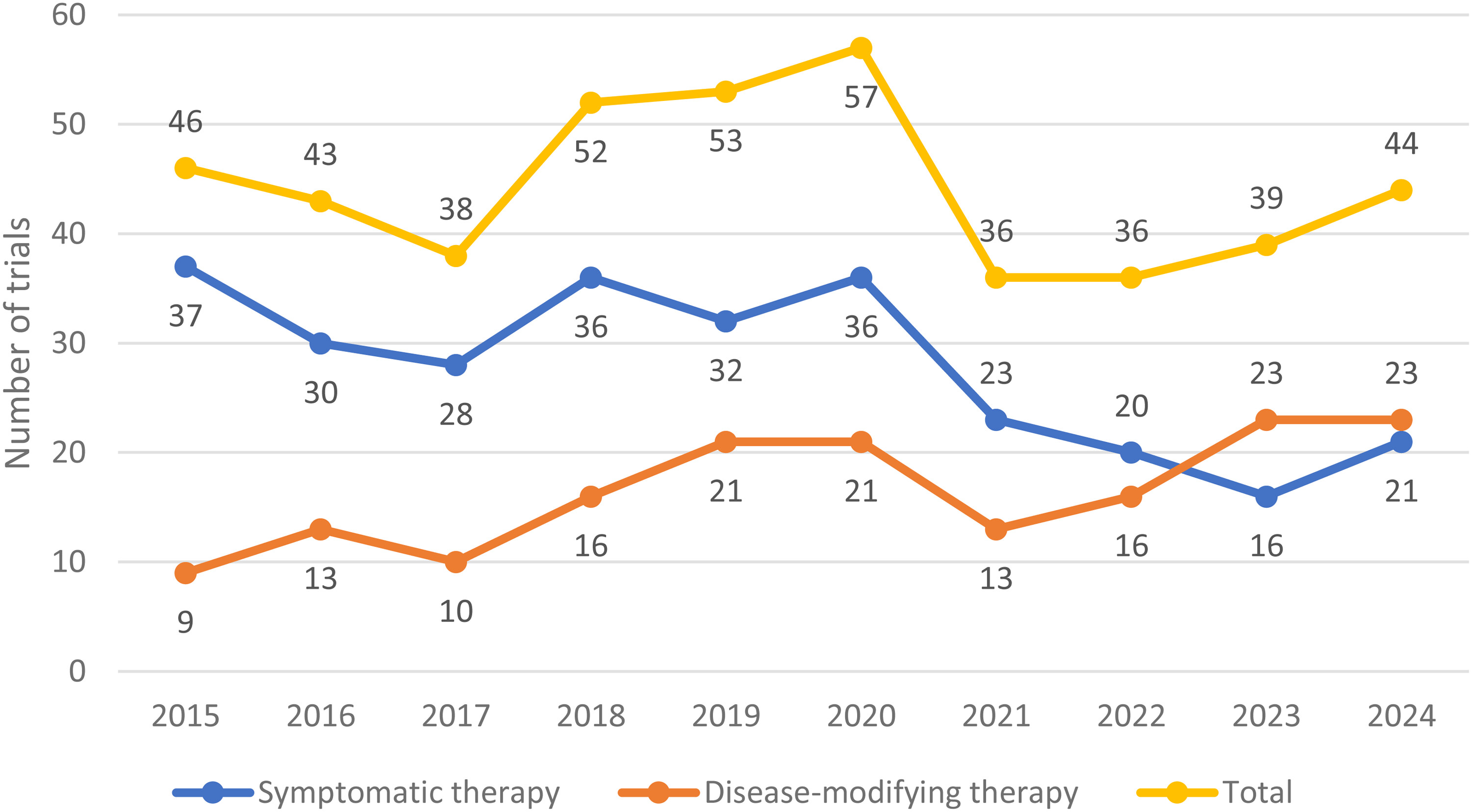
The latest edition of the Parkinson’s drug therapies in the clinical trial pipeline report has been published and we did something special with it: We have conducted a 10 year longitudinal analysis of Parkinson’s trials (n=444), highlighting some interesting trends; Symptomatic trials registered each year has been trending down, while DMT trials have been shifting up; Only 9 Phase 3 DMTs in the last 10 years! (Click here to read more about this).
2. The LUMA study results:
Biogen and Denali Therapeutics announced their Phase 2b LUMA study of BIIB122 in early-stage Parkinson’s disease did not meet its primary or secondary endpoints; They are discontinuing development of BIIB122 in idiopath. PD (Denali is continuing BEACON study). Results “show that BIIB122 did not slow the progression of Parkinson’s vs placebo, as measured by the primary endpoint of Time to Confirmed Worsening in the modified MDS-UPDRS Part II & III combined score. Secondary endpoints also did not show a benefit with BIIB122”. “>90% kinase inhibition of peripheral LRRK2 (phosphoserine 935) &, in a CSF sub-study, up to approximately 30% reduction observed in a biomarker of LRRK2 activity (phosphorylated Rab10). Expected levels of BIIB122 in the blood & CSF were sustained across the study” (Click here to read more about this, click here for a news summary, and click here to read an SoPD post on this announcement).
3. The conversion of GBA1 variant carriers:
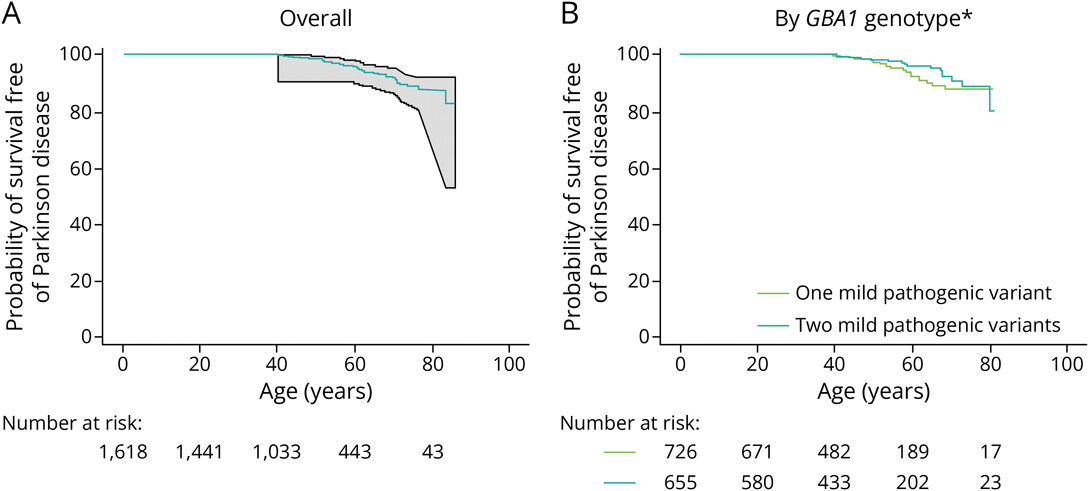
In a large longitudinal cohort study of 1,618 people with with Gaucher disease type 1 approximately 1/9 were diagnosed with Parkinson’s & more than 1/5 patients were diagnosed with PD/DLB or experienced movement disorder symptoms by 80 years of age; “Finding that most patients remain free of Parkinson’s despite very low residual enzyme activity informs the hypothesis that acid ß-glucosidase levels directly predict risk of PD”; “Understanding these modifiers could ultimately pave the way for targeted neuroprotective strategies” (Click here to read more about this).
4. The STEM-PD programme gets handed on:
The Novo Nordisk STEM-PD cell transplantation programme for Parkinson’s finds a new home at AI company Cellular Intelligence; Novo becomes equity investor in Cellular Intelligence & is eligible to receive future milestones and royalties (Click here to read more about this and click here for a news summary).

5. The imaging of synuclein in the brain:
Researchers (in collaboration with MODAG) present the development of the α-Syn PET tracer [11C]MODAG-005, providing in vitro & in vivo data (including first-in-human testing in patients with clinically established Multiple Systems Atrophy & Parkinson’s (Click here to read more about this).

6. The PADOVA trial results were published:
The results of the PADOVA trial have been published by Roche – this was a phase 2b, multicentre, randomised, double-blind, placebo-controlled study assessing the efficacy & safety of intravenous prasinezumab in 586 individuals with early-stage Parkinson’s; “Although PADOVA did not meet the primary endpoint, prespecified exploratory evidence suggests clinical activity of prasinezumab in early-stage Parkinson’s disease, supporting continued investigation in the ongoing phase 3 PARAISO trial (NCT07174310)” (Click here to read more about this and click here for a commentary).