Say it with me: Farn-e-syl-trans-fer-ase


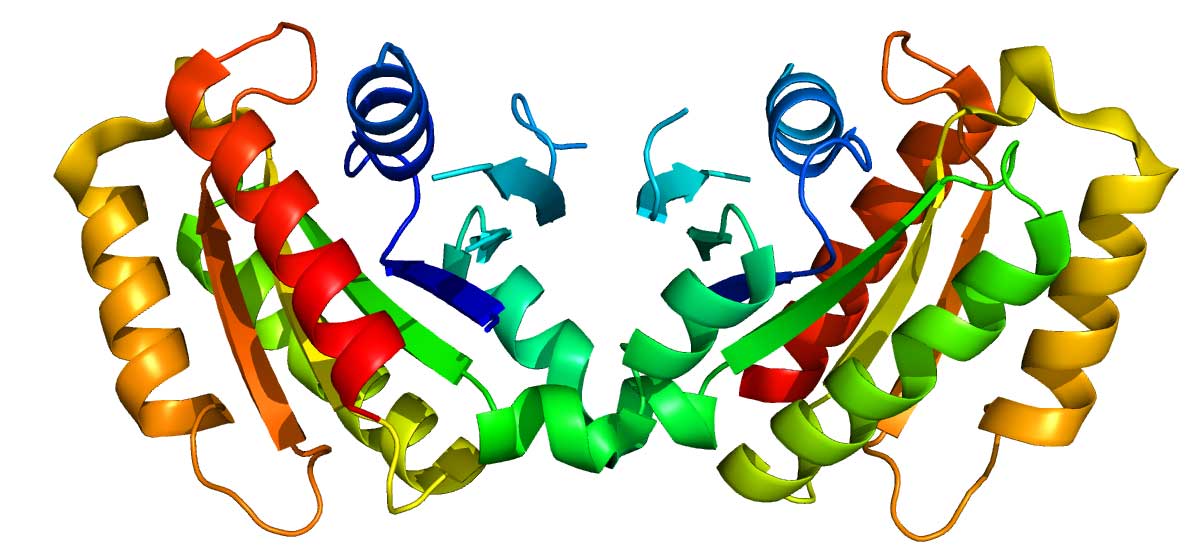
Not a week goes by without some new peice of research suggesting yet another biological mechanism that could be useful in slowing or stopping Parkinson’s. This week researchers in Chicago reported that pharmacologically inhibiting a specific enzyme – farnesyltransferase – may represent a novel means of boosting waste disposal and helping stressed cells to survive.

A number of farnesyltransferase inhibitors are being developed for cancer, and there is the possibility of repurposing some of them for Parkinson’s.

In today’s post, we will discuss what farnesyltransferase is and does, what the new research report found, and we will consider whether inhibition of this biological pathway is do-able for Parkinson’s.


Source: Knowledgepathinc

I am in the midst of preparing the “end of year review” and “road ahead” posts for 2019/2020 (they take a while to pull together). But it is already extremely apparent that we have an incredible amount of preclinical data piling up,…. and a serious bottleneck at the transition to clinical testing.

It is actually rather disturbing.

Previously this was a concern, but going forward – as more and more novel preclinical work continues to pile up – one can foresee that it is going to be a serious problem.

But there is just SOOOO much preclinical data on Parkinson’s coming out at the moment. Every single week, there is a new method/molecular pathway proposed for attacking the condition.

A good example of this frenetic pace of preclinical research is a recent report from researchers in Chicago, who discovered that a farnesyltransferase inhibitor could be beneficial in Parkinson’s.

Farne…syl… what?

Continue reading “Say it with me: Farn-e-syl-trans-fer-ase”

An exercise in expectations: Exenatide III


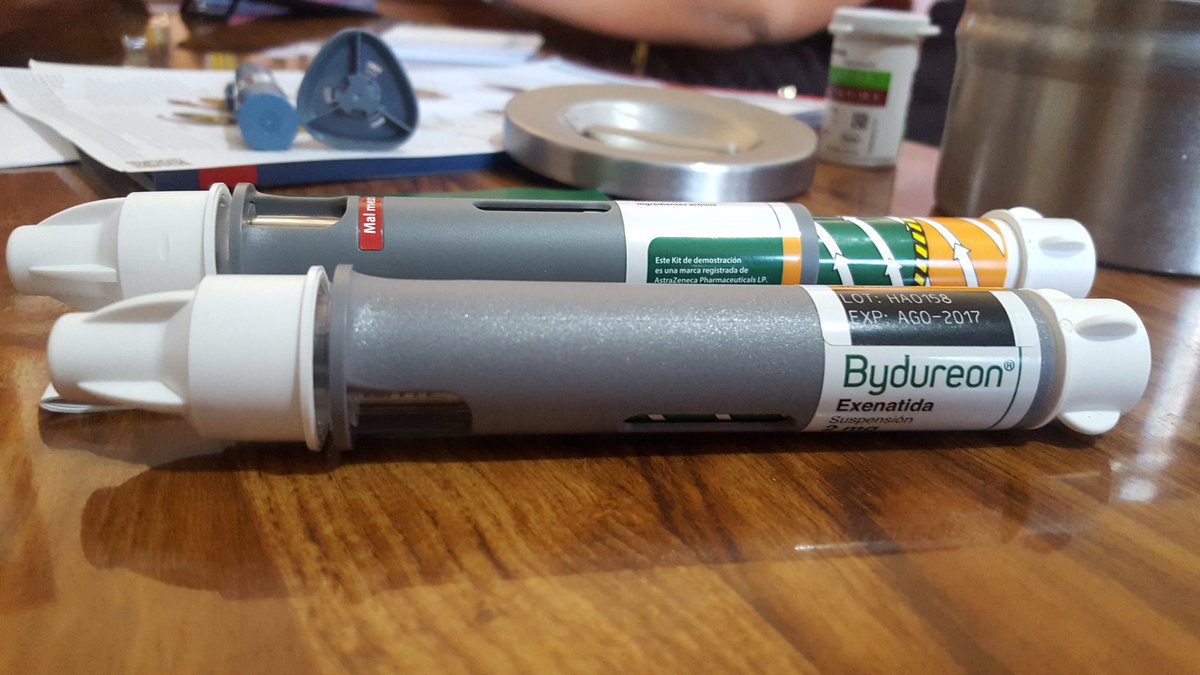
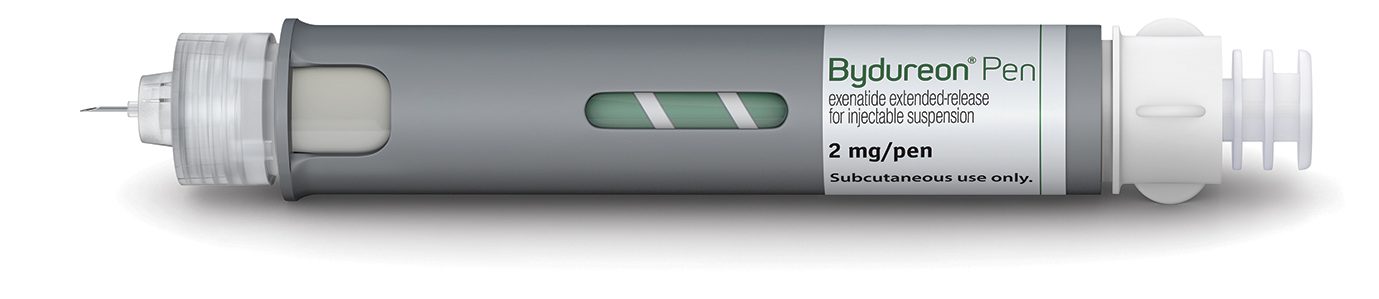
In August 2017, the results of a Phase II double-blind, placebo controlled clinical trial investigating whether the diabetes drug Exenatide (aka Bydureon) can be repurposed for the treatment of Parkinson’s were published.

Despite the fact that the study did not meet most of its end points, the Parkinson’s community got very excited about one of the results: The exenatide treated group demonstrated a stabilisation of their motor features over the 48 week trial, while the control group continued to worsen.

Over night, for many in the community, the hypothetical (a “disease-halting medication”) suddenly become a possibility. After such a long trail of negative clinical trial results, it was a very human and natural response for everyone to get excited. But with the news this month, that the Phase III exenatide clinical trial is about to start, the community needs to curb that excitement in order for a proper evaluation of the drug to take place.

In today’s post, we will look at the details of the new Phase III clinical trial for Exenatide and discuss why it is important to manage expections.


Here on the SoPD website we are often discussing novel potentially disease modifying therapies for Parkinson’s. And it is rather staggering the number and range of different approaches currently being tested on Parkinson’s.

And I am often asked, “Simon, if you were a betting man, which one I would put my money on? Which one are you expecting to work?

Now, before we go on dear reader, please understand that my answer to this question will problably disappoint you.

You see, I do not expect any of these experimental treatments being clinically tested to work.

WHAT THE?!?

Now, before you turn off, please let me explain – because this is important (it is not click-bait).

Ok, I’m listening. Why don’t you expect any of these treatments to work?!?

Continue reading “An exercise in expectations: Exenatide III”

The 2019 Linked Clinical Trials meeting


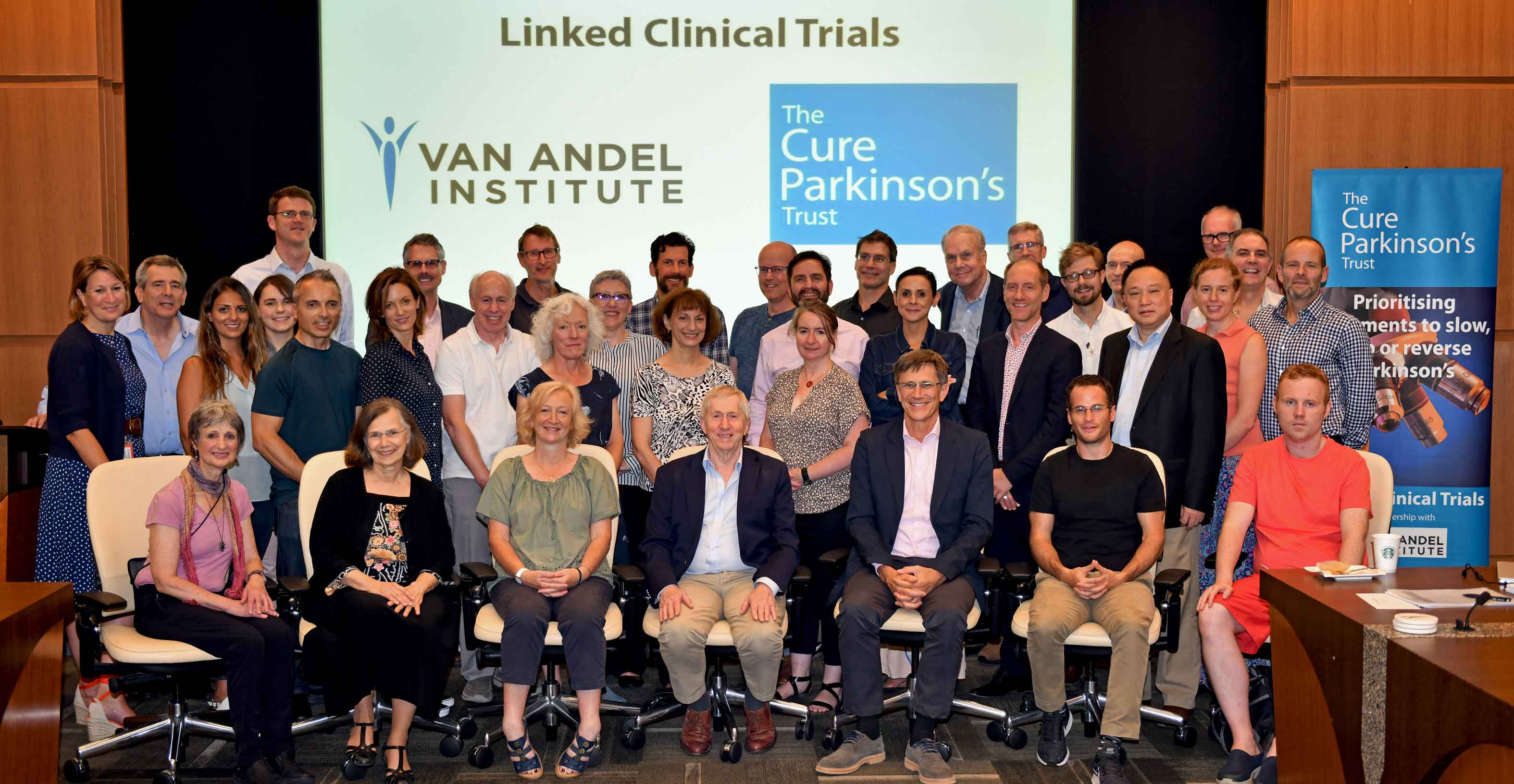
Things were a bit quiet on the SoPD over the summer, but for good reasons. There was a short hiatus for a family break, but the rest of the time I was rather occupied with the day job. Tremendous efforts were being made at the Cure Parkinson’s Trust, as we were gearing up for our main event of the year: the Linked Clinical Trials (LCT) meeting.

This is an annual meeting at which 20 Parkinson’s experts from around the world, gather for a two day face-to-face pow-wow. They evaluate dossiers which contain everything we know about 20+ compounds which have exhibited potential for disease modification in Parkinson’s. The goal of the committee is to decide which of them is ready for clinical evaluation.

The writing of those LCT dossiers is a year long exercise, which inevitably becomes a bit of a panic in June and July (hence the lack of activity here at SoPD HQ during that period). It is a mammoth, marathon task, but as you shall see it is one that I rather like.

In today’s post, we will discuss what the Linked Clinical Trials initiative is, the process behind the project, and some of the progress being made by the programme.


Archimedes. Source: Lecturesbureau

Archimedes of Syracuse (287 BC – 212 BC) the ancient Greek mathematician, once said that the “shortest distance between two points is a straight line“.

My dad (who is not a regular readers of this blog, but is possibly on par with Archie – just in case he does ever read this) has often been heard saying “Just get to the point Simon“.

Source: Actioncoach

Millennia apart, but their collective wisdom is same: Ignore everything else, and get straight to the heart of the matter as quickly as you can.

And this is one of the aspect I really like about the Linked Clinical Trials initiative.

It is all about getting to potentially disease modifying treatments for Parkinson’s to the community as quickly as possible.

What is the Linked Clinical Trials programme?

Continue reading “The 2019 Linked Clinical Trials meeting”

Something LRRKing in the immune system


Canadian scientists recently reported that mice with a specific genetic variation – in the Parkinson’s-associated LRRK2 gene – differ in how they are able to deal with bacterial and viral infections.

Curiously, mice with the Parkinson’s-associated LRRK2 mutation could handle a bacterial infection better than normal mice, while mice with no LRRK2 protein struggled against the infection. And the researchers found that this effect was most prominent in female mice in particular.

And curiously, when the mice are infected with a dangerous virus, female mice with the Parkinson’s-associated LRRK2 mutation fared worse than their male counterparts.

In today’s post, we will discuss what LRRK2 is, review the new research, and explore what the sex difference could mean in terms of Parkinson’s.


Autumn colours. Source: Visitsunlimited

I am a big fan of Autumn.

The colours and the crisp/bracing air. I love the long, slow afternoon strolls and anticipation of the festive season to come.

But most of all I love the license to eat all the good wintery food. After a summer of salads and light food, there is nothing better that entering a warm cottage or pub, and smelling the hearty food (my wife if French – we navigate based on the quality of eateries).

Autumn bliss. Source: Askdrake

But there is a down side to autumn: The start of the flu season.

Luckily, our immune systems are pretty robust – doing battle on a moment-to-moment basis with all manner of pathogenic agents.

Recently, some Canadian scientists discovered something interesing about the immune system and it relates to Parkinson’s.

What did they find?

Continue reading “Something LRRKing in the immune system”

When miro just can’t let go


Stanford University researchers have recently published an interesting report in which they not only propose a novel biomarker for Parkinson’s, but also provide some compelling data for a novel therapeutic approach.

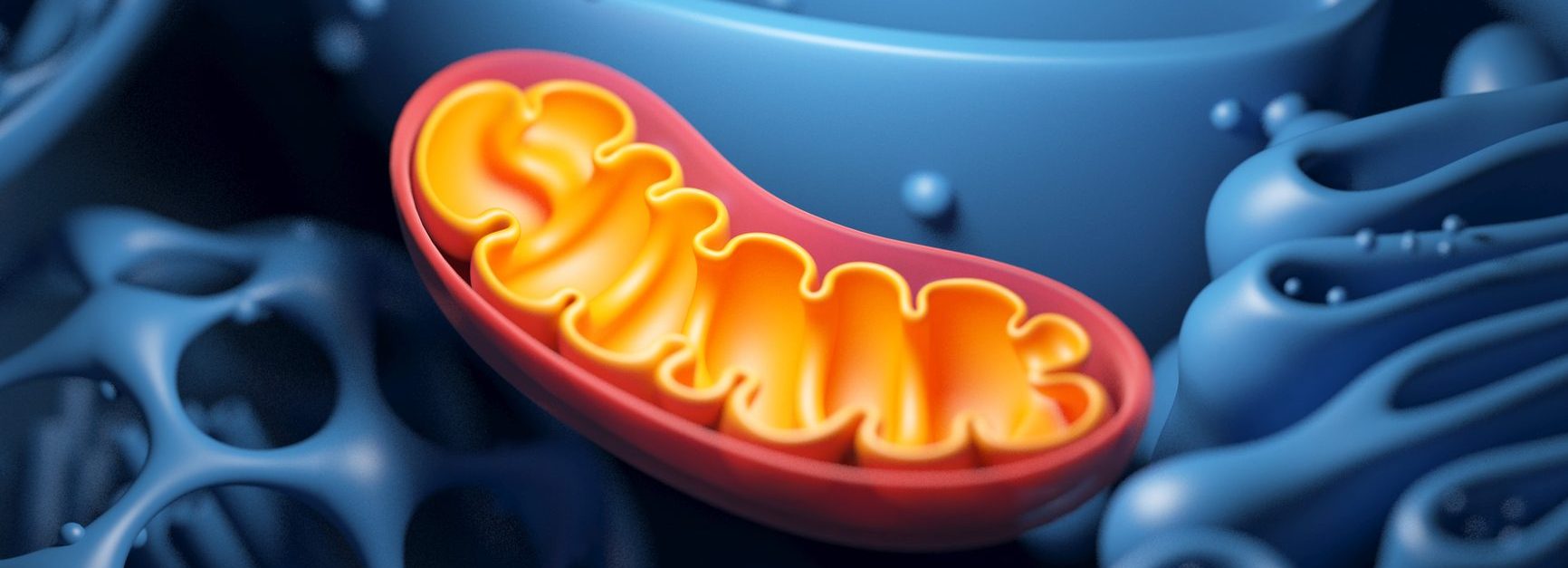
Their research focuses on a protein called Miro, which is involved in the removal of old or faulty mitochondria. Mitochondria are the power stations of each cells, providing cells with the energy they require to do what they do.

Specifically, the researchers found that Miro refuses to let go of mitochndria in people with Parkinson’s (which could act as a biomarker for the condition). They also found that pharmacologically forcing Miro to let go, resulted in neuroprotective benefits in models of Parkinson’s

In today’s post, we will discuss what Miro is, what the results of the new research suggest, and we will consider what will happen next.


Source: Amazingaccelerators

Every now and then a research report comes along and you think: “Whoa, that’s amazing!”

It a piece of work that breaks down your cynicism (which you have proudly built up over years of failed experiments) and disciplined scepticism (a critical ingredient for a career in scientific research – mantra: ‘question everything’). And for a moment you are taken in by the remarkable beauty of not just good research, but biology itself.

A couple of weeks ago, one such research report was published.

This is it here:

Title: Miro1 Marks Parkinson’s Disease Subset and Miro1 Reducer Rescues Neuron Loss in Parkinson’s Models.
Authors: Hsieh CH, Li L, Vanhauwaert R, Nguyen KT, Davis MD, Bu G, Wszolek ZK, Wang X.
Journal: Cell Metab. 2019 Sep 23. [Epub ahead of print]
PMID: 31564441

It’s a really interesting study for several reasons.

So what did they report?

Continue reading “When miro just can’t let go”

Is it time to back NAC?


A lot of Parkinson’s research is focused on antioxidants – molecules that can reduce the level of stress a cell is under when it is not feeling well.

One of the most widely discussed antioxidants on Parkinson’s online forums is a molecule called Nacetylcysteine (or NAC).

Recently, the results of a small clinical trial – in which NAC was administered to people with Parkinson’s – have been published. The results are rather interesting.

In today’s post, we will discuss what NAC is, why it is important in the context of Parkinson’s, and we will look at what the new clinical trial report suggests about this molecule.


NAC. Source: Draxe

One question I get asked a lot is “What do you think of NAC?”

And I usually answer with my standard “I’m not a clinician, just an ex-research scientist. I can’t talk about medications or supplements, etc…”

But recently some interesting new data has been published regarding NAC and it’s kind of interesting.

What is NAC?

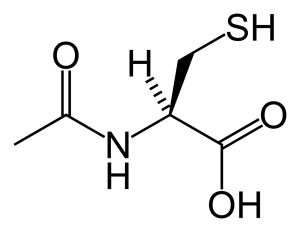
N-acetylcysteine (or NAC; also known as Acetylcysteine – commercially named Mucomyst) is a prodrug – that is a compound that undergoes a transformation when ingested by the body and then begins exhibiting pharmacological effects.

Acetylcysteine-2D-skeletalAcetylcysteine. Source: Wikimedia

Acetylcysteine serves as a prodrug to a protein called L-cysteine, and – just as L-dopa is an intermediate in the production of dopamine – L-cysteine is an intermediate in the production of another protein called glutathione.

If you remember nothing else today, remember this: Acetylcysteine allows for increased production of glutathione.

And what is glutathione?

Continue reading “Is it time to back NAC?”

Administrative news: One year #PostAc


Today’s post will be something a little different: 12 months ago today I stepped away from being a Parkinson’s research scientist and joined the Cure Parkinson’s Trust in a new role of deputy director of Research.

It has been an amazing (and very busy – note the back dating of this post!) year! I definitely have no regrets, and the honeymoon is certainly not over – I am still very much loving the new role and the challenges/opportunities it brings.

There have been some major adjustments though and a few unexpected surprises.

In today’s post, I will discuss what I have learnt over the last 12 months and share some of my observations.


As regular readers will know, after 15 years of both lab- and clinic-based Parkinson’s research, last year on the 1st October I stepped away from the academic world to take on a new role as the Deputy Director of Research at the Cure Parkinson’s Trust.

It was a rather crazy moment for me personally, because at the same time that I was being offered this deputy director job, I was also being offered a lecturer position at a UK university.

A university lecturer. Source: Salford

Now, understand dear reader that I had been gunning for a lecturer position for the last 5 years – completing dozens of applications and only being invited to a handful of interviews. It had been a long hard slog, but having my own research group had been the goal for a long time. I was so focused on that idea, that I had not really entertained any other options.

So it was somewhat bewildering when a group like the Cure Parkinson’s Trust came out of left field and offered me something completely different.

And it was truly one of the more surreal moments of my life to then actually say ‘Sorry, but no thanks‘ to the one thing that I had been striving for for so long, and to say ‘Yes please!‘ to this fascinating second option.

But the decision to join the Trust was very easy in the end.

What do you mean?

Continue reading “Administrative news: One year #PostAc”

Monthly Research Review – September 2019


At the end of each month the SoPD writes a post which provides an overview of some of the major pieces of Parkinson’s-related research that were made available during September 2019.

The post is divided into seven parts based on the type of research:

  • Basic biology
  • Disease mechanism
  • Clinical research
  • New clinical trials
  • Clinical trial news
  • Other news
  • Review articles/videos


So, what happened during September 2019?

In world news:

11th September – Astronomers announced the detection of water in the atmosphere of an exoplanet called K2-18b – the first such discovery for an exoplanet in the habitable zone around a star (Click here to read more about this).

17th September – Josh Thompson from New Zealand was going to be made redundant, so he hired a clown to take to his redundancy meeting as his ‘support person’ (as is provided by NZ law). Joe the clown made sad faces when the conversation went negative and also made balloon animals throughout the meeting (only in NZ! – Click here to read more about this):

20th September – The Rugby World Cup started in Japan… and we all know who’s going to win (famous last words!)

28th September – SpaceX presented the Mark1 – the first prototype of their ‘Starship’ which is being developed for interplanetary travel.


And it was with sadness that the Parkinson’s research community heard about the passing of Prof Sir Chris Dobson. Most readers will not be aware of his incredible contributions to the field of Parkinson’s and neurodegeneration in general – he will be missed (Click here to read more about this).

In the world of Parkinson’s research, a great deal of new research and news was reported:

In September 2019, there were 831 research articles added to the Pubmed website with the tag word “Parkinson’s” attached (6215 for all of 2019 so far, and compared to 5978 at the same time in 2018). In addition, there was a wave to news reports regarding various other bits of Parkinson’s research activity (clinical trials, etc).

The top 5 pieces of Parkinson’s news

Continue reading “Monthly Research Review – September 2019”

A.S.A.P


Yesterday the Aligning Science Across Parkinson’s (ASAP) initiative published a point of view in the scientific journal eLife. It laid out the objectives, themes and philosophy of an enormous new scientific effort to better understand Parkinson’s.

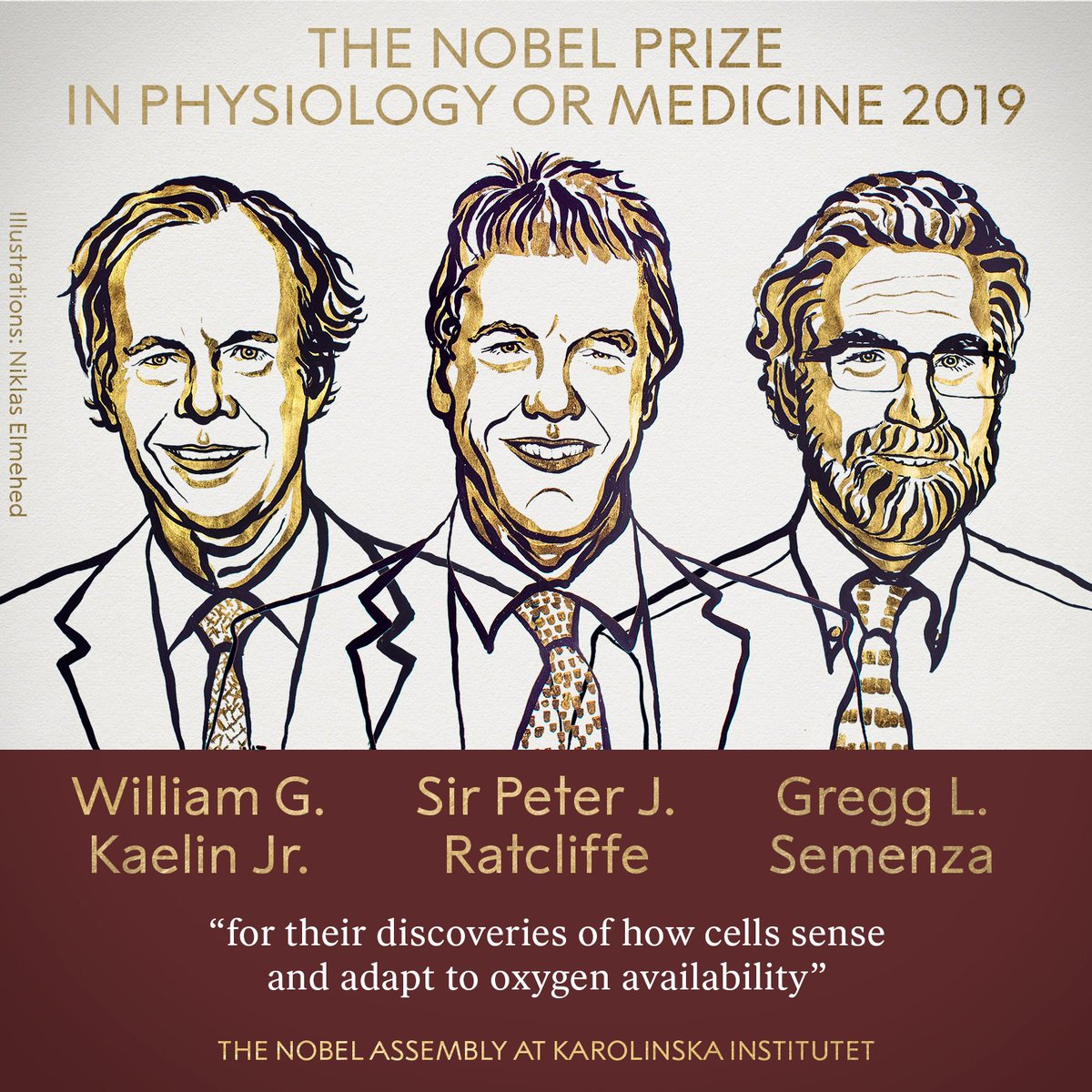
The overall project is being led by a Nobel prize winner scientist and employing the considerable resources of a very wealthy family that has been affected by Parkinson’s.

In today’s post we will have a look at what the ASAP initiative is planning to do and how it will hopefully significantly enhance our understanding of Parkinson’s.


Google co-founder Sergey Brin. Source: Emaze

Every so often something comes along that is so ‘next level’ in its scale and ambition that it gives you pause.

Two years ago, key Parkinson’s researchers from around the world were invited to the Milken Institute Center in for a grand meeting that was organised to plan out the foundations of a major new Parkinson’s research program that was to be called Aligning Science Across Parkinson’s (or ASAP).

The event was organised by Google co-founder Sergey Brin and his family foundation. The Brin family have been affected by Parkinson’s (Sergey’s mother and aunt both have the condition, and Sergey has a genetic risk factor that increases his risk of developing Parkinson’s).

The Brin Family – Sergey and his mother on the right. Source: CS

Sergey and his mother both carry a genetic variation in a region of DNA called PARK8. It is also known as Leucine-rich repeat kinase 2 (or simply LRRK2 – pronounced ‘lark 2’). The variant increases the risk of developing an young-onset, slow progressing form of Parkinson’s (Click here to read more about LRRK2). Sergey may never develop the condition, but he has decided not to take any chances. He has taken out an “insurance policy” by investing hundreds of millions of dollars into Parkinson’s research.

Part of that insurance policy is the ASAP effort.

And ASAP is being coordinated by Prof Randy Schekman.

Who is Prof Randy Schekman?
Continue reading “A.S.A.P”

A new reason to hate mosquitos?


Theories of viral agents as possible causal (or influencing) factors in Parkinson’s have long existed.

This week a research team from Colorado in the USA published a new report demonstrating that mice infected with a mosquito-borne alphavirus (called Western equine encephalitis virus) develop Parkinson’s-like features.

These features include the loss of dopamine neurons, increased neuroinflammation, locomotor issues, and the wide spread presence of aggregated protein (all classical hallmarks of the Parkinsonian brain).

In today’s post, we will look at what mosquito-borne alphaviruses are, what this new study found, and how the results could help us to better understand some cases of Parkinson’s.


Electron micro photograph of Influenza viruses. Source: Neuro-hemin

Between January 1918 and December 1920, there were two terrible outbreaks of an influenza virus.

The event became known as the 1918 flu pandemic.

Approximately 500 million people across the globe were infected by the H1N1 influenza virus during this period, and there were approximately 50 to 100 million associated death.

Now, to put that into perspective for you, that was basically 3-5% of the world’s population at that time.

photo_66943_landscape_650x433

1918 Spanish flu. Source: Chronicle

At the time, much of the world was blind to these events. Given that this pandemic occurred during World War 1, censors limited the media coverage of the pandemic in many countries in order to try and maintain some sort of morale (very thoughtful of them).

The Spanish media, however, were not censored and this is why the 1918 pandemic is often referred to as the ‘Spanish flu’.

But at the same time that H1N1 influenza virus was causing havoc, a Romanian born neurologist named Constantin von Economo noticed something interesting.

What did he notice?

Continue reading “A new reason to hate mosquitos?”