New research – Urate and Parkinson’s

New research this week lends further support to ongoing clinical trials focused on urate in Parkinson’s disease:

urate

Title: Prospective study of plasma urate and risk of Parkinson disease in men and women.
Authors: Gao X, O’Reilly ÉJ, Schwarzschild MA, Ascherio A.
Journal: Neurology. 2016 Jan 13.
PMID: 26764029

The researchers in this study looked at 90,214 participants who are involved in three ongoing US-based longitudinal studies (the Nurses’ Health Study (NHS), the Cancer Prevention Study II Nutrition (CPS-IIN), and the Health Professionals Follow-up Study (HPFS)). They identified 388 people in these cohorts who had developed Parkinson’s disease (202 men and 186 women) since their respective longitudinal studies began, and they matched them to 1,267 randomly selected control subjects.

Blood samples that had been taken from the Parkinson’s and control subjects were analysed, and the level of urate was measured. Normal levels of urate range from 3.5-7.2 milligrams per deciliter (mg/dL). The researchers found that there was no difference between in spectrum of urate levels in the women (with or without Parkinson’s).

In men, however, things were very different. The men with the lowest levels of urate had less than 4.9 mg/dL, while those with the highest levels had 6.3-9.0 mg/dL. Among the men with Parkinson’s disease, 45 had the highest level of urate and 58 had the lowest – if no difference existed, this number should be 50:50, but instead there is more than 30% difference. Men with high levels of urate had a lower chance of developing Parkinson’s disease.

The researchers then combined their results with the results from three previous studies on the same topic and found a very similar result. This led the researchers to conclude that men, but not women, with higher urate concentrations had a lower future risk of developing Parkinson’s, suggesting that urate could be protective against Parkinson’s risk or could slow disease progression during the preclinical stage of disease.

So, what is urate?

During the breaking down of dietary proteins, the liver produces large amounts of a chemical called ‘ammonia’. Ammonia is toxic for the body, so the liver breaks it down further, and one of the products of that process is urate. If the body does not get rid of it, urate can build up and form crystals within the joints. High blood concentrations of urate can lead to gout and is also associated with other medical conditions, such as diabetes and the formation of kidney stones.

Paradoxically, urate is also an ‘antioxidant’ – a chemical that prevents tissue from being damaged by the negative effects of oxygen (yes, we need oxygen but not too much). Other antioxidants include vitamin C, and vitamin E. It is this antioxidant function of urate that researchers believe has a positive effect in Parkinson’s disease.

What are the clinical trials we mentioned?

rfi-util-logo

In September 2015, a Phase III trial of Inosine was initiated. The study will involve 270 people with early-stage Parkinson’s. Inosine is a chemical precursor to urate and Phase III is the ‘acid test’ – a double blind test of treatment efficacy. A Michael J Fox Foundation-funded Phase II study showed that Inosine is safe and tolerable, and it also raised levels of urate in people with early-stage Parkinson’s disease. Now it is time to see if this raising of urate levels has a positive outcome. Enrollment for this trial is currently underway and -given the results of the study published this week – it will be interesting to see if there is a stronger effect in men in this phase III trial.


IMPORTANT EDITOR’S NOTE HERE: Inosine is commercially available as a dietary supplement, but we must stress that patients should act with caution. Inosine has not yet been proven as a therapy for Parkinson’s disease, and, as we indicated above, it can cause serious conditions such as gout and kidney stones. Please do not initiate usage of this chemical without first discussing it with your physician.

New Research -Shared genetic features

There was an interesting new study published yesterday:

Sanchez-Mut-Title

Title: Human DNA methylomes of neurodegenerative diseases show common epigenomic patterns.
Author: Sanchez-Mut JV, Heyn H, Vidal E, Moran S, Sayols S, Delgado-Morales R, Schultz MD, Ansoleaga B, Garcia-Esparcia P, Pons-Espinal M, de Lagran MM, Dopazo J, Rabano A, Avila J, Dierssen M, Lott I, Ferrer I, Ecker JR, Esteller M.
Journal: Transl Psychiatry. 2016 Jan 19;6:e718. doi: 10.1038/tp.2015.214.
PMID: 26784972 – this article is OPEN ACCESS if you would like to read it.

The researchers were curious to look for common genetic markers between the major neurodegenerative disease. It is often forgotten that the different neurodegenerative conditions, such as Alzheimer’s disease and Parkinson’s disease, share some common pathological features (the characteristic signs of the diseases in the brain).

For example, when you look at the brains of people with Alzheimer’s disease, approximately 50% of them will also have the alpha-synuclein-containing ‘Lewy bodies’ in their brains, which are more commonly associated with Parkinson’s disease. Likewise, Beta-amyloid plaques and neurotangles, which are characteristic features of Alzheimer’s disease are commonly found in Parkinson’s disease brains (click here and click here for more on this topic).

To find these shared genetic markers, the researcher extracted DNA from the prefrontal cortex (Brodmann area 9) of the brains of people with Alzheimer’s disease, dementia with Lewy bodies, Parkinson’s disease and Alzheimer-like neurodegenerative profile associated with Down’s syndrome samples (more than 75 percent of people with Down Syndrome aged 65 and older develop Alzheimer’s disease – click here for more on this).

Importantly, the researchers were looking at DNA methylation, which is a commonly used tool that allows a cell to fix genes in the “off” position. That is to say, the gene can not be activated. Thus the researchers were looking for regions of DNA that have to closed down.

They found that a very defined set of genes are turned off in these neurodegenerative disorders, suggesting that these condition might have similar underlying mechanisms or processes that subsequently develop into different clinical entities. These newly identified regions of DNA methylation will be further investigated with the goal that one day they may be used as biomarkers in diagnosis and also as potential new targets for the regenerative therapies.

Viruses and Parkinson’s – a hit and run story?

SupportGroup

I was recently presenting a talk at a Parkinson’s support group meeting. Afterwards I sat with some of the attendees and we chatted over tea and cookies. At one point the lady sitting beside me tapped me on the arm and said:

“The other day we were discussing some of the commonalities that we [people with Parkinson’s] share. I wonder if they would be of interest to you?”

“Absolutely”‘ I replied, “Let’s hear them”

“Well, firstly, most of us have little or any sense of smell” she said

And I nodded, “this is a common feature amongst people with Parkinson’s disease” (Click here for more on this)

“Ok. Number two, we all have trouble doing ‘number twos'”

I nodded again, and explained that constipation and gastrointestinal problems are also common features of Parkinson’s disease. (Click here for more on this)

“Interesting”, she said, before aiding: “Thirdly, none of us have ever had chickenpox”

I confess I looked at her a long time.

I was speechless.

I had never heard of anything like that.

In science, we are always looking for the presence of possible causal agents – not their absence. I was so intrigued that I took her contact details and told her that I would go away and do some homework on the matter.

I’d like to share my findings here as part of a larger discussion on viruses and Parkinson’s disease.


Given the random and indiscriminate way in which Parkinson’s disease attacks people, scientists have looked for a virus that may be causing the condition.

283615-virus

Throughout our lives, our immune system is constantly under attack from viruses. They are small infectious agent that thrive by replicating themselves inside the living cells of other organisms. Technically speaking they are not alive as they lack most of the machinery which characterizes ‘life’ (most importantly the components that is necessary for reproduction). We currently know of approx. 3000 viruses, but we can only guess at the total number of viruses (it may be in the millions!).

There are several different ways that Parkinson’s disease could theoretically be caused in some way by a virus:

1. There may be a specific virus that we are unaware of that infects the body at some point in one’s life causing the slow progressive disease. This could be consider the ‘lightning bolt’ theory – a single unlucky event with terrible consequences. Such a theory has weight as it would explain why some clusters of Parkinson’s disease is sometimes observed. People often use the example of Michael J Fox and his TV work colleagues in this theory.


leadership-fox-m-img_2

Actor Michael J Fox and three other people who worked on the Canadian TV show ‘Leo & me’ went on to develop Parkinson’s disease. Image source: Michael J Fox Foundation

2. A virus attacking the body coincides with a secondary event (e.g. a bacterial infection) that may result in the slow progressive events that result in Parkinson’s disease. The secondary event may be a genetic mutation or exposure to an environmental toxin. The virus attack in itself may not be enough in itself.

The two theories outlined above are just theories. We do not know if Parkinson’s disease is caused by a viral infection.

There is, however, some lines of evidence supporting the idea:

Influenza and Parkinson’s disease

Between January 1918 and December 1920 there were two outbreaks of an influenza virus during an event that became known as the 1918 flu pandemic. Approximately 500 million people across the globe were infected, and this resulted in 50 to 100 million deaths (basically 3-5% of the world’s population). Given that is occurred during World War 1, censors limited the media coverage of the pandemic in many countries in order to maintain morale. The Spanish media were not censored, however, and this is why the 1918 pandemic is often referred to as the ‘Spanish flu’.

Influenza is the virus that causes ‘the flu’. Most commonly in a mild form (runny nose, sore throat, coughing, and fatigue), the symptom will arise two days after exposure and last for about a week. There are three types of influenza viruses, called Type A, Type B, and Type C. Type A are the most virulent in humans. The influenza virus behind both of the outbreaks in the 1918 pandemic was a Type A. It was called H1N1.

NOTE: The “H” (hemagglutinin) and the “N” (neuraminidases) are both proteins that are found on the outer surface of the virus. Different viruses have different hemagglutinin and neuraminidase proteins, hence the numbering.

At the same time that H1N1 was causing havoc, a Romanian born neurologist named Constantin von Economo reported a number of unusual symptoms which were referred to as encephalitis lethargica (EL). This disease left many of the victims in a statue-like condition, both motionless and speechless. You may be familiar with the Oliver Sacks book ‘Awakenings’ which was turned into a film starring Robin Williams and Robert De Niro – the patients in that book were victims of EL.

robin_williams_con_robert_de_niro_en_1990

Robin Williams and Robert De Niro in Awakenings

Historically, it was believed that EL was caused by the influenza virus from the 1918 Spanish influenza pandemic. This was largely due to a temporal association and the finding of influenza antigens in some of the suffers of EL. More recent evidence rejects this hypothesis (e.g. an absence of viral RNA recovered from the brains of postencephalitic PD patients – click here for more on this). We genuinely don’t know what caused EL.

But there has recently been some evidence suggesting a link between Parkinson’s disease and influenza:

Jang-title

Title: Highly pathogenic H5N1 influenza virus can enter the central nervous system and induce neuroinflammation and neurodegeneration.
Author: Jang H, Boltz D, Sturm-Ramirez K, Shepherd KR, Jiao Y, Webster R, Smeyne RJ.
Journal: Proc Natl Acad Sci U S A. 2009 Aug 18;106(33):14063-8.
PMID: 19667183

The researchers in this study found that when they injected the highly infectious H5N1 influenza virus into mice, the virus progressed from the periphery into the brain, where it induced Parkinson’s disease-like symptoms. The virus also caused a significant increase in the aggregation of the protein Alpha Synuclein. Importantly, they witnessed the loss of dopamine neurons in the midbrain of the mice 60 days after resolution of the infection.

This study supports the theory we discussed above (theory 1.) of a virus possibly causing Parkinson’s disease. These same researchers have also looked at other influenza viruses and found additional results:

Sadasivan-title

Title: Induction of microglia activation after infection with the non-neurotropic A/CA/04/2009 H1N1 influenza virus.
Author: Sadasivan S, Zanin M, O’Brien K, Schultz-Cherry S, Smeyne RJ.
Journal: PLoS One. 2015 Apr 10;10(4):e0124047.
PMID: 25861024

In this second study, however, the different type of influenza (H1N1) did not infect the brain, but did cause the immune system to flare up. This is an interesting example of the second theory we discussed above (theory 2.), the double hit theory of Parkinson’s disease, in which the virus doesn’t necessarily cause Parkinson’s disease but plays a supportive role to some other toxic agent in attacking the body.

In a follow up study to their 2009 report on H5N1, these same researchers found that the Parkinson’s disease-like symptoms that they observed were actually only temporary:

Jang-title2

Title: Inflammatory effects of highly pathogenic H5N1 influenza virus infection in the CNS of mice.
Authors: Jang H, Boltz D, McClaren J, Pani AK, Smeyne M, Korff A, Webster R, Smeyne RJ.
Journal: Journal for Neuroscience, 2012 Feb 1;32(5):1545-59.
PMID: 22302798

This third study may give further support to the double hit theory (theory 2.), but also indicates how complicated a viral component to Parkinson’s disease can be.

And influenza is not the only virus to be associated with Parkinson’s disease.

Hepatitis C and Parkinson’s disease

Hepatitis C is a contagious liver disease, which is caused by the hepatitis C virus (HCV). The virus has been found in the brains of infected people, and it has also been shown to kill dopamine neurons in cell culture. Only in the last few months, however, has a more direct association with Parkinson’s disease been proposed:

HepC-Title

Title: Hepatitis C virus infection as a risk factor for Parkinson disease: A nationwide cohort study.
Authors: Tsai HH, Liou HH, Muo CH, Lee CZ, Yen RF, Kao CH.
Journal: Neurology, 2015 Dec 23. Published early online.
PMID: 26701382

The researchers in this study wanted to investigate whether hepatitis C could be a risk factor for Parkinson’s disease. They did this by analyzing data from 2000-2010 drawn from the Taiwan National Health Insurance Research Database.

The database included 49,967 people with either hepatitis B, hepatitis C or both, in addition to 199,868 people without hepatitis. During the 12 year period, 270 participants who had a history of hepatitis developed Parkinson’s disease (120 still had hepatitis C). This compared with 1,060 participants who were free of hepatitis, but went on to develop Parkinson’s disease.

When the researchers controlled for potentially confounding factors (such as age, sex, etc), the researchers found participants with hepatitis C had a 30% greater risk of developing Parkinson’s disease than the controls.

Summary

It is tempting to consider a viral theory for Parkinson’s disease, especially as the condition seems to strike indiscriminately from out of the blue. Maybe a virus works in cahoots with another factor (unable to do the job alone). The evidence of this, however, has not been apparent to allow for a definitive conclusion.


Finally, regarding my homework… 

Never having Chickenpox could mean two different things – never being exposed to it OR being exposed to it and not getting infected (missing a particular protein required for infection). The first would suggest that exposure to the virus would given some kind of resistance to Parkinson’s disease. The latter would suggest that a protein which makes you vulnerable to Chickenpox gives you resistance to Parkinson’s disease.

As to the scientific literature, there have been two studies published regarding Chickenpox and Parkinson’s disease. The first:

Semchuk-title

Title: Parkinson’s disease: a test of the multifactorial etiologic hypothesis.
Authors: Semchuk KM, Love EJ, Lee RG.
Journal: Neurology, 1993 Jun;43(6):1173-80.
PMID: 8170564

In this study, the researchers collected life-time information (family history, occupational and medical records, etc) from 130 people with Parkinson’s disease. When the looked at all of the variables, they noted that a family history of Parkinson’s had the strongest association with Parkinson’s disease. This was followed by head trauma and occupational herbicide use. The subjects with Parkinson’s disease did not differ from control subjects with regards to:

  • exposure to smoking or ionizing radiation
  • family history of essential tremor
  • work-related contact with aluminum, carbon monoxide, cyanide, manganese, mercury, or mineral oils
  • history of arteriosclerosis, chicken pox, encephalitis, hypertension, hypotension, measles, mumps, rubella, or Spanish flu.

They proposed that the results supported the idea of a multifaceted cause of Parkinson’s disease, “probably involving genetic, environmental, trauma, and possibly other factors”.

And the second published study was:

Title: Infections as a risk factor for Parkinson’s disease: a case-control study.
Authors: Vlajinac H, Dzoljic E, Maksimovic J, Marinkovic J, Sipetic S, Kostic V.
Journal: Int J Neurosci. 2013 May;123(5):329-32. doi: 10.3109/00207454.2012.760560. Epub 2013 Feb 4.
PMID: 23270425

In this study the researchers found that Parkinson’s Disease was significantly associated to mumps, scarlet fever, influenza, whooping cough and herpes simplex infections. But they found no association between Parkinson’s disease and Tuberculosis, measles or chickenpox

So it would appear that chickenpox is not associated with Parkinson’s disease. And at a subsequent Parkinson’s support group meeting I asked the audience for a raise of hands as to who has had chickenpox and there was a sea of hands.

Back to the drawing board I guess.


The Placebo effect and Parkinson’s disease

According to our friends at Wikipedia:

A placebo (/pləˈsiboʊ/ plə-see-boh; Latin placēbō, “I shall please” from placeō, “I please”) is a simulated or otherwise medically ineffectual treatment for a disease or other medical condition intended to deceive the recipient. Sometimes patients given a placebo treatment will have a perceived or actual improvement in a medical condition, a phenomenon commonly called the placebo effect or placebo response.


power-of-placebo-effect

In our previous post we wrote about cell transplantation and we cited the two double-blind clinical studies that found little positive effect resulting from the procedure.

In both of those studies, half the participants were given a sham surgery – that is, they were put into the surgery room, anesthetized, an incision was made in their scalps, but nothing was injected into their brains. They (and their assessing investigators) were not told if they were in the transplant group or the sham/control group and they were left in this ‘blind’ state for 12-18 months.

Time is a funny thing.

After a couple of weeks of wondering which group they were in and self assessing their abilities since the surgery, some of the individuals in those studies may have started to think that you are in one group or the other. This is a very human thing to do.

The effect is VERY strong. And it can mess with a clinical study in terrible ways.

In one of the double-blind clinical studies discussed in the last post (Freed et at, 2001), one of the patients had described herself as ‘not being physically active for several years’ before her surgery. Shortly after her surgery, she found that she was able to hike and ice skate again. A miraculous change in situations.

Twelve months after the surgery, however, she found out that she’d had been in the sham/control surgery group. Nothing had been injected into her brain. She had received NO treatment.

Her response was solely due to the placebo effect.

The Placebo effect in Parkinson’s disease

Early last year there was an interesting study conducted that looked at the placebo effect and Parkinson’s disease.

Placebo1

Title: Placebo effect of medication cost in Parkinson disease: a randomized double-blind study.
Author: Espay AJ, Norris MM, Eliassen JC, Dwivedi A, Smith MS, Banks C, Allendorfer JB, Lang AE, Fleck DE, Linke MJ, Szaflarski JP.
Journal: Neurology. 2015 Feb 24;84(8):794-802.
PMID: 25632091

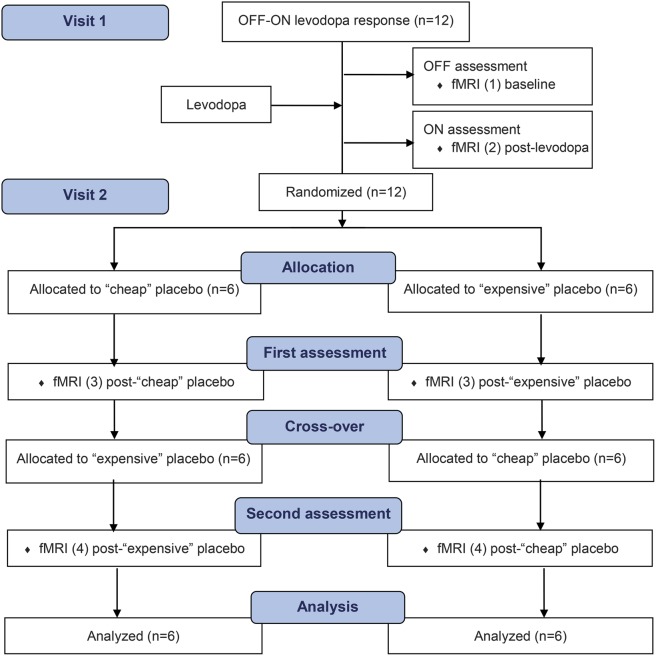
The investigators conducted a double-blind study involving 12 patients with moderate-severe Parkinson disease (average age of the subjects was 62.4 ± 7.9 years; and their average time since diagnosis was 11 ± 6 years). The study involved two visits to the clinic – the first visit involved a clinical assessment while the subjects were both ‘off’ and ‘on’ their standard medication. The assessment also involved a brain scan (fMRI). This was done to determine the magnitude of the dopaminergic benefit of their standard medication.
During the second visit, the subjects were told that they would be given two formulations – a “cheap” and “expensive” – of a “novel injectable dopamine agonist”. Both of these solutions were simply the same saline (medical salt water) solution. Four hours after being give the first injection, the subjects were given the other solution. In this manner, the subjects were exposed to both the ‘cheap’ and ‘expensive’ solutions. During visit 2, the subjects were clinically assessed and brain scanned 3 times, once before the first solution was injected, once after the first solution, and once after the second solution was given.

Below is a flowchart illustrating the structure study:

NEUROLOGY2014583914FF1

Source: Neurology

The results were interesting:

  • Both of the placebos improved motor function when compared with the baseline (no medication state)
  • The expensive placebo had more effect than the cheap placebo (remember: they were the same solution!)
  • The benefits were greater when patients were randomized first to expensive placebo followed by the cheap.
  • There was a significant difference in the level of improvement between the cheap and expensive placebos (UPDRS-III), with the expensive placebo giving better benefits
  • Brain imaging demonstrated that activation was greater when the cheap placebo was given first.

The authors concluded that the “expensive placebo significantly improved motor function and decreased brain activation in a direction and magnitude comparable to, albeit less than, levodopa. Perceptions of cost are capable of altering the placebo response in clinical studies“.

The authors also wrote a summary of the debriefing that followed the study, where the subjects were informed about the true nature of the study. They told the subjects that rather than being injected with a novel dopamine agonist, they were simply given a saline solution – the same solution for both ‘cheap’ and ‘expensive’. They reported that “responses ranged from disbelief to amazement regarding changes experienced“. It must have been rather bewildering to have been told that the positive benefits you experienced were ‘all in your head’ and not based on any pharmacological effect.

While extremely unethical, we here at the SoPD can’t help but wonder about long this placebo effect could last. Would the difference between the cheap and expensive solutions still exist in 12 months time if the subjects were left blinded and continued to take them?

So how might this work?
We know that the placebo effect in Parkinson’s disease is controlled by the release of dopamine – one of the chemicals in the brain that is affected by Parkinson’s disease. Importantly, we know that it the endogenous dopamine that is causing the effect – that is the dopamine our brains are producing naturally as opposed to the L-dopa treatment.

The dopamine that helps to control our motor movements is also involved with positive anticipation, motivation, and response to novelty. Thus when the placebo solution was given to subjects in this study, they believed that they were receiving an active drug and demonstrated an “expectation of reward” response. And the more expensive solution simply heightened the expectation and positive anticipation, therefore increasing the amount of dopamine produced/released.

Given that dopamine is involved with both the features of Parkinson’s disease AND with the mechanisms of anticipation/expectation, you can begin to understand why the placebo effect is such an enormous problem for clinicians undertaking clinical trials.

It would be nice, however, to have a better understanding of the placebo effect and try to harness its positive benefits while also treating Parkinson’s with diseasing slowing/halting therapies.

A call to arms

While our primary goal here at the Science of Parkinson’s is to highlight and explain new research dealing with Parkinson’s disease, we are also keen to encourage the general public to get involved with efforts to cure this debilitating condition.

To this end, we would like to bring your attention to the fact that 2017 represents the 200th anniversary of the first report of Parkinson’s disease by one Dr James Parkinson:

320px-Parkinson,_An_Essay_on_the_Shaking_Palsy_(first_page)

Although there were several earlier descriptions of individuals suffering from rigidity and a resting tremor, Dr Parkinson’s 66 page publication of six cases of ‘Shaking Palsy’, is considered the seminal report that gave rise to what we now call Parkinson’s disease. The report was published in 1817.

The 200th anniversary represents a fantastic opportunity to raise awareness about the disease and a rallying point for a concerted research effort to deal with the condition once and for all. It is still a year away, but now is the time to start planning events and building awareness. We would encourage you to mark 2017 as the year of Parkinson’s disease, share this with everyone you know, and endeavour to make some small effort to help in the fight against this condition.

Parkinson’s disease and the cancer drug

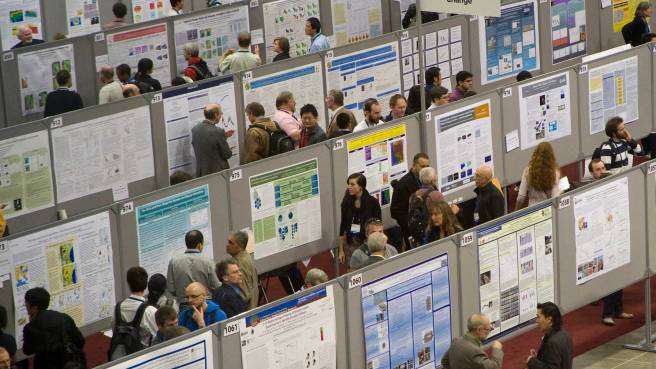
In October, 40,000 neuroscientists from all over the world gathered in Chicago for the annual Society for Neuroscience conference. It is one of the premier events on the ‘brain science’ calendar each year and only a few cities in the USA have the facilities to handle such a huge event.


agu20141212-16

Science conference. Source: JPL

During the five day neuroscience marathon, hundreds of lecture presentations were made and thousands of research poster were exhibited. Many new and exciting findings  were presented to the world for the first time, including the results of an interesting pilot study that has left everyone in the Parkinson’s research community very excited, but also scratching their heads.

The study (see the abstract here) was a small clinical trial (12 subjects; 6 month study) that was aiming to determine the safety and efficacy of a cancer drug, Nilotinib (Tasigna® by Novartis), in advanced Parkinson’s Disease and Lewy body dementia patients. In addition to checking the safety of the drug, the researchers also tested cognition, motor skills and non-motor function in these patients and found 10 of the 12 patients reported meaningful clinical improvements.

The study investigators reported that one individual who had been confined to a wheelchair was able to walk again; while three others who could not talk before the study began were able to hold conversations. They suggested that participants who were still in the early stages of the disease responded best, as did those who had been diagnosed with Lewy body dementia.

So what is Nilotinib?

Nilotinib (pronounced ‘nil-ot-in-ib’ and also known by its brand name Tasigna) is a small-molecule tyrosine kinase inhibitor, that has been approved for the treatment of imatinib-resistant chronic myelogenous leukemia (CML). That is to say, it is a drug that can be used to treat a type of leukemia when the other drugs have failed. It was approved for this treating cancer by the FDA in 2007.

The researchers behind the study suggest that Nilotinib works by turning on autophagy – the “garbage disposal machinery” inside each neuron. Autophagy is a process that clears waste and toxic proteins from inside cells, preventing them from accumulating and possibly causing the death of the cell.

Print

The process of autophagy – Source: Wormbook

Waste material inside a cell is collected in membranes that form sacs (called vesicles). These vesicles then bind to another sac (called a lysosome) which contains enzymes that will breakdown and degrade the waste material.


Some details about the study:

  • The study was run at the Georgetown University Medical Center
  • The patients were given increasing doses of Nilotinib (150mg to 300mg/day) that were are significantly lower than the doses of Nilotinib used for CML treatment (800-1200mg/day).
  • The researchers took cerebrospinal fluid (CSF; the liquid surrounding the brain) and blood samples at the start of the study, 2 and 6 months into the study.
  • Nilotinib was detected in the CSF, indicating that it had no problem crossing the protective blood-brain-barrier – the membrane covering the brain that blocks many drugs from entering.
  • Participants exhibited positive changes in various cerebrospinal fluid biomarkers with statistically significant changes in an important protein called, Tau, which have been shown to increase with the onset of dementia.
  • The researchers found a significant reduction (>60%) in levels of α-Synuclein detected in the blood, but no change in CSF levels of α-Synuclein. 
  • The investigators report that one individual confined to a wheelchair was able to walk again; three others who could not talk were able to hold conversations.

If the outcomes of this study are reproducible, then we here at the Science of Parkinson’s are assuming that Nilotinib is working by turning on the garbage disposal system of the remaining cells in the brain and allowing them to function better. This would suggest that there is a certain level of dysfunction in those remaining cells, which would be expected as this is a progressive disease. The study researchers reported that the small, daily dose of nilotinib turns on autophagy for about four to eight hours, and if that is enough to have such remarkable effects, then this treatment deserves more research.

The results of the study are intriguing and the participants of the study will continue to be treated and followed to see if the improvements continue.

BUT before we go getting too excited:

While these results sound extremely positive, there are several issues with this study that need to be considered before we celebrate the end of Parkinson’s disease.

Firstly, this study was an open-label trial – that means that everyone involved in the study (both researchers and subjects) knew what drug they were taking. There was also no control group or control treatment for comparative analysis in the study. Given these conditions there is always the possibility that what some of the subjects were experiencing was simply a placebo effect. Indeed the lead scientist on the project, Dr Fernando Pagan, pointed out that “It is critical to conduct larger and more comprehensive studies before determining the drug’s true impact.”

In addition, according to Novartis (the producer of the drug), the current cost of Nilotinib is about $10,360 (£6,900) per month for the daily 800mg dose used for cancer treatment. Even if the dose used in this study was only 150 to 300 mg/daily, it would still make this treatment extremely expensive. 

Thirdly, Nilotinib has a number of adverse side-effects when used as an anti-cancer drug (at 800mg/day). These include headache, fatigue, nausea, vomiting, diarrhea, constipation, muscle/joint pain, skin issues, flu-like symptoms, and reduced blood cell count. It may not be the nicest of treatments to tolerate.

There are important reasons for optimism, however, with the results of this study:

In 2010, a group of researchers published a paper demonstrating the neuroprotective effects of another cancer drug very similar to Nilotinib. That drug was ‘Gleevec’

Gleevec-PD1

Title: Phosphorylation by the c-Abl protein tyrosine kinase inhibits parkin’s ubiquitination and protective function.
Authors: Ko HS, Lee Y, Shin JH, Karuppagounder SS, Gadad BS, Koleske AJ, Pletnikova O, Troncoso JC,Dawson VL, Dawson TM.
Journal: Proc Natl Acad Sci U S A. 2010 Sep 21;107(38):16691-6.
PMID: 20823226

And that Gleevec publication was followed up a couple of years ago with a second study demonstrating the neuroprotective effects of another Abl-inhibitor: Nilotinib!

Gleevec-PD2

Title: The c-Abl inhibitor, nilotinib, protects dopaminergic neurons in a preclinical animal model of Parkinson’s disease.
Authors: Karuppagounder SS, Brahmachari S, Lee Y, Dawson VL, Dawson TM, Ko HS
Journal: Sci Rep. 2014 May 2;4:4874.
PMID: 24786396

These studies provided a strong rationale for testing brain permeable c-Abl inhibitors as potential therapeutic agents for the treatment of PD. The phase 2 trial at Georgetown will be starting in early 2016 and we will be watching this trial very closely.

“Red hair, sir, in my opinion, is dangerous”

Henna-Hair-Red-Hair-Ginger-Hair-Benefits-Beauty

The quote entitling this post is from a PG Wodehouse book ‘Very Good, Jeeves!’.


We have previously discussed the curious connection between melanoma and Parkinson’s disease. There is also a well known connection between melanoma and red hair. And believe it or not, there is another really strange relationship between Parkinson’s disease and red hair.

Redhair

Title: Genetic determinants of hair color and Parkinson’s disease risk.
Authors: Gao X, Simon KC, Han J, Schwarzschild MA, Ascherio A.
Journal: Ann Neurol. 2009 Jan;65(1):76-82.
PMID: 19194882

In 2009, researchers from Harvard University found a relationship between hair color and risk of Parkinson’s disease, when they examined the records of 131,821 US men and women who participated in the two large longitudinal studies, the Health Professionals Follow-up Study (HPFS) and the Nurses’ Health Study (NHS).


The HPFS, which started in 1986, sends questionnaires to US health professionals (dentists, optometrists, etc) – aged 40-75.  Every couple of years, members of the study receive questionnaires dealing with diseases and health-related issues (e.g. smoking, physical activity, etc). The questionnaire is supplemented by another questionnaires which is sent every four years, that deals with dietary information.

The NHS study – which was established in 1976 and then expanded in 1989 – has also collected questionnaire-based information from 238,000 registered nurses. Similar to the HPFS, every two years the study participants receive a questionnaire dealing with diseases and health-related topics.


In their study, the investigators found 264 of the male and 275 of the female responders to the HPFS and NHS questionnaires had been diagnosed with Parkinson’s disease. Of these individuals, 33 were black haired, 418 had brown hair, 62 were blond and 26 were redheads. Given that redheads make up just 1% of the general population but 5% of the people who were diagnosed with Parkinson’s disease in their study, the authors suggested that red haired people have a higher risk of developing Parkinson’s disease. Interestingly, they found a stronger association between hair color and Parkinson’s disease in younger-onset of PD (that is being diagnosed before 70 years of age) than those with age of onset greater than 70 years. When they took health and age related matters into account, the authors concluded that people with red hair are almost four times more likely to develop Parkinson’s disease than people with black hair.

NOTE: This result does not mean that people with red hair are definitely going to develop Parkinson’s disease, it simply suggests that they may be more vulnerable to the condition. And we should add that this result have never been replicated and we are not sure if anyone has ever attempted to reproduce it with a different database.

So how does (or could) this work?

The short answer is: we really don’t know.

The long answer involves explaining where there are no connections:

Red hair results from a genetic mutation. 80% of people with red hair have a mutation in a gene called MC1R – full name: melanocortin-1 receptor. Another gene associated with red hair is called HCL2 – ‘Hair colour 2’. We know that the connection between red hair and Parkinson’s disease is not genetic, as there is no association between MC1R mutations and Parkinson’s disease (for more on this, click here). We are not sure about HCL2, but this gene has never been associated with any disease.

What we do know is that redheads:

  • are more sensitive to cold (for more on this, click here)
  • are less responsive to subcutaneously (under the skin) administered anaesthetics (for more on this, click here)
  • suffer more from toothaches (for more on on this, click here)
  • are more sensitive to painkillers (for more on this, click here)
  • require more anesthetic for surgery (for more on this, click here)

Common myths associated with red hair include:

  • redheads bled more than others (this is not true – click here)…but they do bruise easier!
  • redheads are at greater risk of developing endometriosis (this is not true – click here)
  • redheads are more frequently left-handed (I can find no evidence for this, so I’ll put it in the myth basket until corrected).

There is also a strange link between red hair and multiple sclerosis, but it is too complicated to understand at the moment (women with red hair are more vulnerable to multiple sclerosis than men with red hair, for more on this, click here).

How any of these findings relates to Parkinson’s disease is unclear – we provide them here for those who are interested in following up this curious relationship.

One important caveat regarding this study is that incidence rates of Parkinson’s disease in countries with very high levels of red hair do not support the relationship (PD & red hair). In Scotland, approx. 10% of the population have red hair (source), and yet the England has a higher incidence of Parkinson’s disease (28.0/10,000 in England vs 23.9/10,000 in Scotland – source).

It may well be, however, that there is no direct connection between red hair and Parkinson’s disease. And until the results of the 2009 study mentioned above are replicated or supported by further findings, we here at the ‘Science of Parkinson’s disease’ shall consider this simply as a curious correlation.


The difference between men and women

At the bottom of our previous post, we mentioned that Japan is the only country where women have a higher incidence of Parkinson’s disease than men.

JapanPanorama_top

We also suggested that we have no idea why this difference exists. Well, a study presented at the Cardiovascular, Renal and Metabolic Diseases conference in Annapolis City (Maryland) last week may now be able to explain why this is.


The prevalence of Alzheimer’s disease is significantly higher in women compared to men. One recent estimate suggested that almost two-thirds of individuals diagnosed with Alzheimer’s disease are women (More information here). One possible reason for this is that Alzheimer’s disease is a condition of the elderly and women live longer.

So why is it then is the exact opposite true in Parkinson’s disease???


elderly-cake_2165089b

Source: The Telegraph Newspaper

Men are approximately twice as likely to develop Parkinson’s disease as females (More information here)

In addition, women are on average diagnosed 2 years later than men (More information here)

This gender difference has long puzzled the Parkinson’s research community. But now a group from the University of North Texas Health Science Center think that they may have the answer.

UNTHSC-copy

The researchers – lead by Shaletha Holmes from Dr Rebecca Cunningham’s lab – observed that when they stressed dopamine neurons, adding the male hormone testosterone made the damage worse. Interestingly, they found that testosterone was doing this by acting on a protein called cyclooxygenase 2 (or COX2). When they blocked the actions of COX2 while stressing dopamine neurons, they found that they also blocked the damaging effect of testosterone. The researchers concluded that testosterone may exacerbate the damage (and death) in dopamine neurons that occurs in Parkinson’s disease, thus possibly explaining the sex differences described above.

Now, there are several interesting aspects to this finding:

Firstly, the use of Ibuprofen, the nonsteroidal anti-inflammatory drug used for relieving pain, has long been associated with reducing the risk of Parkinson’s disease (More information here).

Ibuprofen is a COX2 inhibitor.

But more importantly, several years ago it was shown that Japanese men have lower levels of testosterone than their Western equivalents. Here is the study:

Japan1

Title: Evidence for geographical and racial variation in serum sex steroid levels in older men.
Authors: Orwoll ES, Nielson CM, Labrie F, Barrett-Connor E, Cauley JA, Cummings SR, Ensrud K, Karlsson M, Lau E, Leung PC, Lunggren O, Mellström D, Patrick AL, Stefanick ML, Nakamura K, Yoshimura N, Zmuda J, Vandenput L, Ohlsson C; Osteoporotic Fractures in Men (MrOS) Research Group.
Journal: Journal of Clinical Endocrinol. Metab. 2010 Oct;95(10):E151-60.
PMID: 20668046

The study suggested that total testosterone levels (while similar in men from Sweden, Tobago and the US) were 16 per cent higher in men from Hong Kong and Japan. BUT – and here’s the catch – Japanese men also had higher levels of a testosterone-binding hormone (Sex hormone-binding globulin or SHBG), so there is less of the testosterone floating around free to act. As a result, Japanese men had the lowest levels of active testosterone in the study.

Intriguingly, the researchers found that Japanese men who emigrated to the US had similar testosterone levels to men of European descent, suggesting that environmental influences may be having an effect of testosterone levels. Diet perhaps?

If testosterone is found to play a role in the gender difference found in Parkinson’s disease, the lower levels of free testosterone observed in Japanese men may explain why women in Japan have a higher risk of Parkinson’s disease than men.


EDITOR’S NOTE: WHILE WE HAVE NO DOUBTS REGARDING THE RESEARCH OF DR CUNNINGHAM AND HER GROUP, WE ARE TAKING A LEAP IN THIS POST BY APPLYING THE TESTOSTERONE RESULTS TO THE GENDER DIFFERENCE IN JAPAN. THIS IS PURE SPECULATION ON OUR PART. WE HAVE SIMPLY SAT DOWN AND TRIED TO NUT OUT POSSIBLE REASONS AS TO WHY THERE IS A REVERSED GENDER DIFFERENCE FOR PARKINSON’S DISEASE IN JAPAN. OUR THEORY IS YET TO BE TESTED, AND MAY BE COMPLETELY BONKERS. WE PRESENT IT HERE PURELY FOR DISCUSSION SAKE AND WELCOME YOUR THOUGHTS.

The Honolulu Heart Study

In 1950, Dr Tavia Gordon noticed that while the overall mortality rates for men in the USA and Japan were very similar, the incidence of heart disease was significantly lower in Japan. This observation resulted in three longitudinal studies – one of which became known as the Honolulu Heart Study.

Dr Travis Gordon. Source: JSTOR


The original purpose of the study was to determine whether there was a difference in heart disease incidence between Japanese people living in Japan and individuals of Japanese ancestry living in Hawaii.

The subjects recruited for the study were “non-institutionalized men of Japanese ancestry, born 1900-1919, resident on the island of Oahu.” In all, 12,417 men were identified as meeting the criteria. Of those contacted, 1,269 questionnaires were ‘return to sender’, 2,962 men declined to participate in the study, and 180 died before the study commenced. That left 8,006 participants who would be studied and followed for the rest of their lives.

From October 1965 onwards, the participants were interviewed and given physical examinations every few years. The interview processed asked for:

  • Family and personal history of illness
  • Sociological history
  • Smoking status
  • Physical activity level

The physical examination was very thorough, looking at:

  • ECG (Electrocardiography – electrical activity of the heart)
  • Urine analysis
  • Measurements of weight, height, skinfold thickness, etc.
  • Blood pressure and serum cholesterol

As a result, the study built up a HUGE amount of epidemiological information regarding these 8,006 individuals.

So, what does this have to do with Parkinson’s disease????

Given the enormous number of individuals involved in the study and the length of time that they were followed, it was inevitable that a certain percentage of them would develop Parkinson’s disease as the study progressed. As a result, the Honolulu Heart Study represents one of the largest epidemiological study of Parkinson’s to date. In 1994, a group of research involved in the study, published some very interesting findings relating to Parkinson’s disease. That published article was:

Morens


Title: Epidemiologic observations on Parkinson’s disease: incidence and mortality in a prospective study of middle-aged men.
Authors: Morens DM, Davis JW, Grandinetti A, Ross GW, Popper JS, White LR.
Journal: Neurology, 1996 Apr;46(4):1044-50.
PMID: 8780088

In total, 92 of the 8006 individuals enrolled in the study developed Parkinson’s disease. The incidence of Parkinson’s cases was registered between 1965 and November 30th 1994. The majority of the cases were diagnosed between 55 and 79 years of age (n=80). Diagnosis after the age of 80 was very rare. It is interesting to note that when the researchers divided the group into those ‘born before 1910’ and those ‘born after 1910’, the older group (born before 1910) had a lower risk of Parkinson’s disease.

In another study, the same group of investigators noted


Smoking


Title: Prospective study of cigarette smoking and the risk of developing idiopathic Parkinson’s disease.
Authors:  Grandinetti A, Morens DM, Reed D, MacEachern D.
Journal: American Journal of Epidemiology 1994 Jun 15;139(12):1129-38.
PMID: 8209872

In this study the authors found that men who had smoked cigarettes at any time prior to their enrollment in the study in 1965, had a reduced risk of developing idiopathic Parkinson’s disease (relative risk = 0.39). That is to say, smoking reduced the chance of developing Parkinson’s disease. And a few years later the authors published a follow up paper which rejected the possibility that smoking was killing people before they could develop Parkinson’s disease (selective mortality representing a false positive). That follow up report can be found here.

EDITOR’S NOTE: THIS DOES NOT MEAN THAT EVERYONE SHOULD RUSH OUT AND START SMOKING. THERE DOES, HOWEVER, APPEAR TO BE SOME INGREDIENT IN CIGARETTES THAT REDUCES THE INCIDENCE OF PARKINSON’S DISEASE. A LOT OF RESEARCH IS CURRENTLY TRYING TO IDENTIFY THAT INGREDIENT.

This finding was made alongside other interesting correlations (Note: coffee and alcohol reduce the risk of Parkinson’s disease):

Smoking-table

From Grandinetti et al (1994).

It should be noted that many of these associations (smoking in particular) had been reported before, but the Honolulu Heart Study was the first epidemiological study providing definitive proof. And it should be noted that subsequent epidemiological studies have found similar results.

INTERESTING FACTS ABOUT THE JAPANESE:

  1. The Japanese as a population have a lower incidence of Parkinson’s disease (much like most of the Asian nations) than their western equivalents, despite living longer.
  2. Japan is the only country in the world where females have a higher incidence of Parkinson’s disease than men (and we have no idea why!). Look here for more on this.

Alzheimer’s news – and how it relates to Parkinson’s disease

It all began with a 51 year old woman named Auguste Deter.

320px-Auguste_D_aus_Marktbreit

Auguste Deter. Source: Wikipedia

She was admitted by her husband to the Institution for the Mentally Ill and for Epileptics in Frankfurt, Germany on the 25th November, 1901. Her husband complained that she suffering memory loss and having delusions.

The attending doctor was Dr Alois Alzheimer.

Over the next year, Alois continued to examine Auguste – and what he began calling the “Disease of Forgetfulness” – until he left the institute to take up a position in Munich. He made regular visits back to Frankfurt, however, to follow up on Auguste.

Auguste dies on the 8th April, 1906. She had become completely demented and had existed in a vegatative state. When he examined the brain, Alois found the hall marks of what we today call ‘Alzheimer’s disease’ (namely neurofibrillary tangles and plaques).

Now, almost 110 years later, Alzheimer’s disease is the most common neurodegenerative condition – Parkinson’s disease is the second most common. Alzheimer’s affects 850,000 people in the UK alone (Source: Alzheimer’s Society). Huge efforts have been made in researching this condition and last week some interesting new data was published about the disease that may also have implications for Parkinson’s disease.

Jaunmuktane

Title: Evidence for human transmission of amyloid-β pathology and cerebral amyloid angiopathy.
Authors: Jaunmuktane Z, Mead S, Ellis M, Wadsworth JD, Nicoll AJ, Kenny J, Launchbury F, Linehan J, Richard-Loendt A, Walker AS, Rudge P, Collinge J, Brandner S.
Journal: Nature. 2015 Sep 10;525(7568):247-50.
PMID: 26354483

Published in the prestigious science journal, Nature, the article found signs of Alzheimer’s disease in the autopsied brains of people who had died from Creutzfeldt-Jakob disease (CJD) – the prion induced neurodegenerative condition.

What’s a prion?

Good question! A prion is a small infectious particle – usually composed of an abnormally-folded version of a normal bodily protein – that causes progressive neurodegenerative conditions. The first prion discovered in mammals was Prion protein (PRP): this is the prion that causes CJD.

PrP is considered the only known prion in mammals, but recently other proteins have exhibited prion-like behaviour. One such protein is Amyloid-β protein – the protein that is found clustered in clumps in the brains of people with Alzheimer’s disease.

The brains that were analysed in the study from the journal Nature were collected at death from people who had received human growth-hormone earlier in their lives. The growth-hormone had been extracted from human cadavers and it was injected into people with growth problems (this was a common practise during the 1950s to mid 1980s). Unfortunately, some of the growth-hormone appears to have been contaminated with PrP (possibly one of the cadavers used had undiagnosed CJD) and numerous people were injected with it (65 cases in Britain alone). Many of these individuals have been followed and we have learned a great deal from them regarding CJD. Some of these individuals have also donated their brains to science and it was some of these brains that were analysed in the study being discussed here.

What the authors of the study were expecting to see when they analysed these brains was lots of clusters of PrP. What the authors were not expecting to see was the clustering of Amyloid-β protein in these brains.

Fig1H

Amyloid-β protein (brown) in a section of brain tissue. Source: Nature

Of the eight brains (from people who received PrP infected growth-hormone) the authors analysed, six of them had clustering of Amyloid-β protein present in the brain (in four of those cases it was wide-spread). These brains came from people aged between aged 36–51 years – in such cases it is very rare to see large accumulations of Amyloid-β protein. The researchers also analysed the DNA of the individuals involved in the study and found that none of them were genetically susceptible to Alzheimer’s disease.

The researchers then compared these six brain with the brains of people who died from CJD caused by other means – 119 brains in total and none of them had Amyloid-β protein present in the brain. From these and other experiments, the authors suggested that this was the first human evidence of transmission of Alzheimer’s related pathology.

It is very important to note several details in the study:
1. None of the people whose brains were used in the study exhibited the clinical signs of Alzheimer’s.

2. None of the brains with Amyloid-β pathology had what is called ‘hyperphosphorylated tau neurofibrillary tangles’ – SImilar clumps of Amyloid-β protein, tau neurofibrillary tangles are another characteristic feature of Alzheimer’s disease brains. Their absence is curious.

3. The authors can not dismiss the possibility that the Amyloid-β was not present in the growth-hormone solution. In this case, the Amyloid-β accumulation in the brains could have been caused by some other unknown agent that was present in the injected solution.


A rare editorial note here: The Science of PD is disappointed with the way that this study has been handled by the wider media. While the results are interesting and the authors can be congratulated on their work, a correct interpretation of the results requires further study. This study has simply demonstrated was that Amyloid-β protein may be transmissible in a similar fashion to PrP. 


So why are we discussing this Alzheimer’s research here at the Science of Parkinson’s Disease?

Well, for a long time now Parkinson’s researchers have suspected that similar mechanisms may underlying what is happening in PD. That is to say, a prion-like protein may be transmitted between cells in the body (possibly from the gut to the brain – see previous posts) allowing the disease to progress. One protein in particular, Alpha Synuclein, which is present in Lewy bodies – the neurological features associated with Parkinson’s disease, has been implicated in this regards. Recent evidence from lab-based studies suggest that this is possible in cell cultures and in rodents, but whether it is possible in humans is yet to be determined.


NOTE:  Since publishing this post, we contacted the authors of the study regarding the presence of Alpha Synuclein and they told us that they were currently conducted a large study investigating what other proteins are also present. Thus far they have not seen any Alpha Synuclein accumulation. Interesting….