
|
# # # # At the end of each month the SoPD writes a post which provides an overview of some of the major pieces of Parkinson’s-related research that were made available during December 2023. The post is divided into 10 parts based on the type of research:
# # # # |
So, what happened during December 2023?
In world news:
December 4th – Tech giant IBM revealed two quantum computers: One (dubbed ‘Condor’) is the second largest ever made and the other (called ‘Heron’) produces fewer errors than any quantum computer the company has built so far (Click here to read more about this).
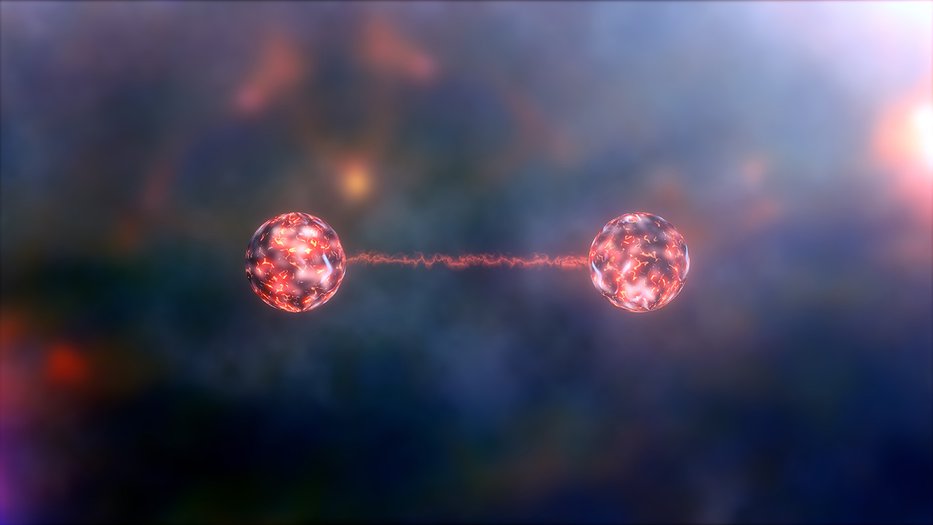
December 7th – Quantum entanglement of molecules was achieved for the first time, by researchers at Princeton University (Click here to read more about this).
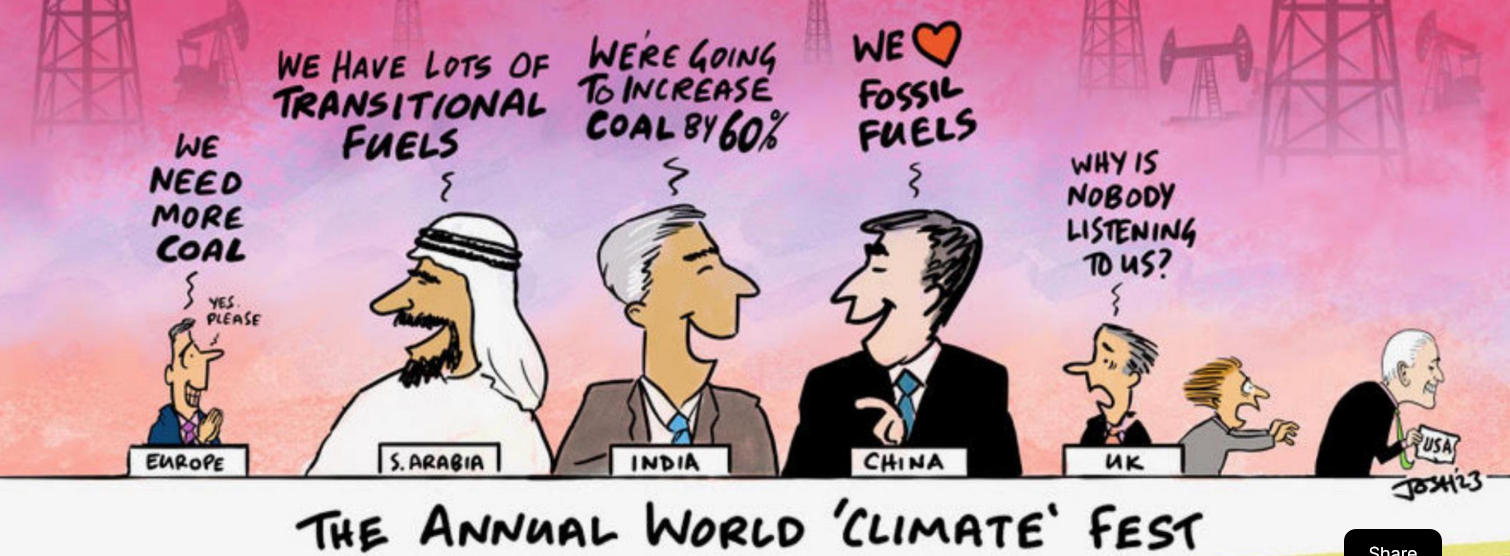
December 12th – At the COP28 (“FLOP28”) climate summit in Dubai, a “consensus” was reached for countries to “transition away from fossil fuels”, the first such agreement in the conference’s 30-year history (?!?!). Great, but the transition is specifically for energy systems (meaning it completely excludes plastics, transport or agriculture). And these are the people who are going to save us…
December 13th – Scientists report that the contents of the sample-return mission of the OSIRIS-REx mission to asteroid Bennu revealed organic molecules as well as unknown materials which require more study to have a better idea of their composition and makeup.
December 31 – Queen Margrethe II of Denmark announced her abdication (effective January 14, 2024) after 52 years on the throne:

In the world of Parkinson’s research, a great deal of new research and news was reported:
In December 2023, there were 1,134 research articles added to the Pubmed website with the tag word “Parkinson’s” attached (11,416 for all of 2023 so far). In addition, there was a wave to news reports regarding various other bits of Parkinson’s research activity (clinical trials, etc).




















 The Science of Parkinson's