
|
# # # # At the end of each month the SoPD writes a post which provides an overview of some of the major pieces of Parkinson’s-related research that were made available during March 2023. The post is divided into 10 parts based on the type of research:
# # # # |
So, what happened during March 2023?
In world news:
March 10th – 2023 People’s Republic of China presidential election: The National People’s Congress unanimously re-elects Xi Jinping as the President of the People’s Republic of China to an unprecedented third term.

March 10th – Silicon Valley Bank, the 16th largest bank in the United States, failed, creating then the largest bank failure since the 2008 financial crisis, affecting tech companies around the world.

March 13th – Researchers reported at the Lunar and Planetary Science Conference that Martian dirt may have all the necessary nutrients for growing rice (Click here to read more about this).

March 19 – In a deal brokered by the Swiss government, the investment bank UBS agreed to buy perennial financial disaster site Credit Suisse for CHF 3 billion (US$3.2 billion) in an all-stock deal.

March 28th – Researchers at the Pan-STARRS telescope at Hawaii discovered that Earth has a “new moon”, and the strangest part of this story is that it has been with us since 100 B.C… and nobody noticed it until now! But before you get too excited, this quasi-moon “2023 FW13” as it has been named, is only a small asteroid (about 20 meter in diameter) and it will leave us around the year 3700 (Click here to read more about this).

In the world of Parkinson’s research, a great deal of new research and news was reported:
In March 2023, there were 903 research articles added to the Pubmed website with the tag word “Parkinson’s” attached (2753 for all of 2023 so far). In addition, there was a wave to news reports regarding various other bits of Parkinson’s research activity (clinical trials, etc).
The top 5 pieces of Parkinson’s news
1. A nose for Parkinson’s and prodromal PD:
New bioRxiv manuscript reports that Joy Milne (the woman who can smell Parkinson’s), her amazing nose, and newly developed technology have been applied to REM sleep behaviour disorder and found indicators of progression in high-risk cases. A further step toward early detection and prevention of subsequent neurodegenerative conditions? (Click here to read more about this).

2. Another GLP-1 receptor agonist clinical trial announces results:
The biotech firm Neuraly announced topline results of their randomized, double-blind, placebo-controlled trial designed to assess safety, tolerability, & efficacy of their GLP-1 receptor agonist NLY01 in 255 individuals with early, untreated Parkinson’s. The company reported that their agent (NLY01) was safe and well tolerated, but did not meet the primary or secondary endpoints of the study. Interestingly, they did say that they saw positive indications in some of the exploratory endpoints (Click here to read more about this).

3. Longitudinal study of REM Sleep Behavior Disorder:
More research results on REM sleep behaviour disorder: The International REM Sleep Behavior Disorder Study Group presented follow-up data from 28 centers of 1160 participants followed for more than 3 years; The “findings provide optimized clinical endpoints & sample size estimates to inform future neuroprotective trials” (Click here to read more about this).

4. Inflammation. Always inflammation.
Across two independent cohorts, new data suggests a relationship between systemic inflammation & dopaminergic degeneration in Parkinson’s. The data also indicates that the relationship is mainly driven by the lymphocyte count (N=211 PD & 344 de novo PD from PPMI – click here to read more about this).

5. The development of a multi-arm, multi-stage clinical trial platform for Parkinson’s:
The team at the Edmond J Safra Accelerating Clinical Treatments for Parkinson’s Disease (EJS ACT-PD) project provide an overview of the effort to move towards a multi-arm multi-stage platform trial of disease modifying approaches in Parkinson’s. At Cure Parkinson’s, we’re VERY proud to be part of this effort – right from its inception (Click here to read more about this).

Articles of general interest
- The early treatment phase in Parkinson’s is “not a honeymoon for all, not a honeymoon at all“; Interesting discussion on why the term the ‘honeymoon period’, once helpful, is not accurate or appropriate, & should be abandoned (Click here to read more about this).
- A prescription for wellness in early Parkinson’s: Moving beyond the medical model, the authors propose a more holistic, proactive wellness approach incorporating lifestyle choices (Click here to read more about this).
- Self-image in women with Parkinson’s – “Current literature is scarce & conflicting with how this disease affects women”; Results from the Experience of Women with PD survey; N=2.6K (Click here to read more about this).

- People with Parkinson’s as partners for the journal Parkinson’s – “We look forward to welcoming more PwP engagement with JPD, & are open to receiving further suggestions” (Click here to read more about this).
- The Top 12 Finalists of the World Parkinson’s Congress 2023 Video Competition are up & it’s time to select your favourite. All of them look at Parkinson’s from different angles (Click here to read more about this).
Basic biology news
- New study reports a duplication of 21 nucleotides in one allele of SNCA in a case of juvenile-onset synucleinopathy, which inserts the sequence MAAAEKT after residue 22 of α-synuclein; Insight into possible mechanism of fibrillation (Click here to read more about this).
- New research finds that alpha synuclein predominantly phosphorylated at serine 129 (PSER129) accumulates in the mitral cells of the healthy human olfactory bulb as part of a-synuclein normal cellular functions (Click here to read more about this).
- New biorxiv manuscript presents an amazing high-resolution transcriptomic & spatial atlas of cell types in the whole mouse brain; Human brain here we come? (Click here to read more about this).
- The new p.F1700L LRRK2 variant causes Parkinson’s by extensively increasing kinase activity; “Is among the variants with the highest kinase activity of all LRRK2 variants“; A 74 yr-old male case study (Click here to read more about this).
- Researchers describe 3 astrocyte subpopulations shared across different brain regions & evolutionarily conserved between humans & mice; Single-nucleus transcriptomics of control, Alzheimer’s & Parkinson’s striata (Click here to read more about this).
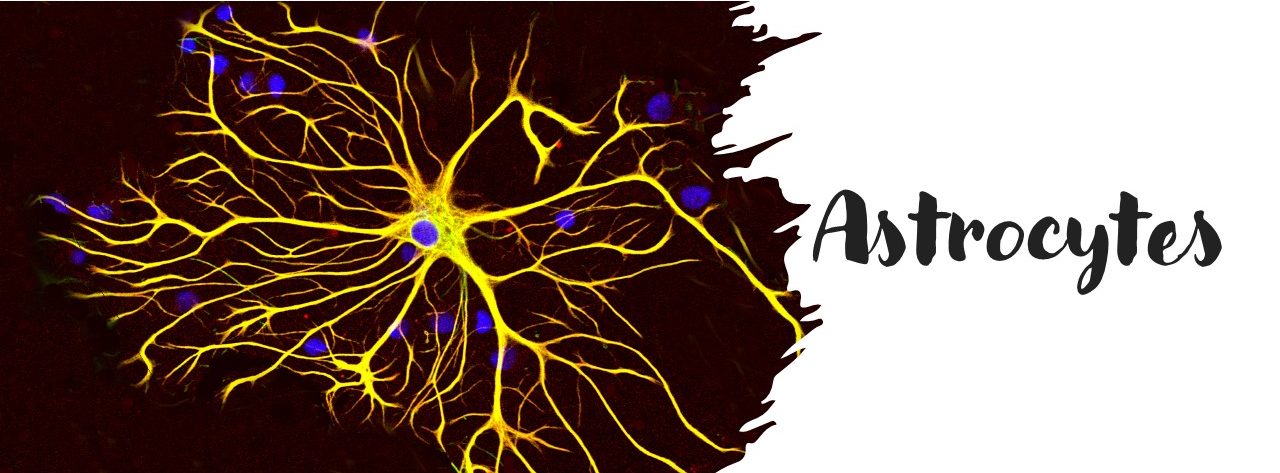
- New research finds the brain critically depends on astrocytic OxPhos to degrade fatty acids & maintain lipid homeostasis, but aberrant astrocytic OxPhos induces lipid droplet accumulation followed by neurodeg. that recapitulates key features of Alzheimer’s (Click here to read more about this).
- Oligodendrocytes, again. New biorxiv manuscript reports a large-scale single cell transcriptomics dataset (∼80K nuclei from human substantia nigra from 15 Parkinson’s & 14 controls – click here to read more about this).
- Parkinson’s-associated LRRK2 regulates the accumulation vs. secretion of neuropeptide VGF; LRRK2 interacts with the endosomal v-SNAREs VAMP4 & VAMP7; Overexpression of LRRK2 impairs VGF peripheral localization in primary cultured neurons (Click here to read more about this).
- New biorxiv manuscript explores post-translational modifications, such as O-GlcNAc modification, of Parkinson’s-associated α-Synuclein; Heat shock proteins interactions with O-GlcNAc fibrils inhibit their seeding activity (Click here to read more about this).

- New research reports donor brain extracts from cases of amyotrophic lateral sclerosis–parkinsonism dementia complex of Guam “contain tau & β-amyloid prions with a molecular phenotype distinct from the prions found in Alzheimer’s” (Click here to read more about this).
- New research finds RIT2 (Ras Like Without CAAX 2) can inhibit overactive LRRK2 to restore autophagy/lysosome pathways; Also counteracts Parkinson’s-associated a-synuclein aggregation & related deficits (Click here to read more about this).
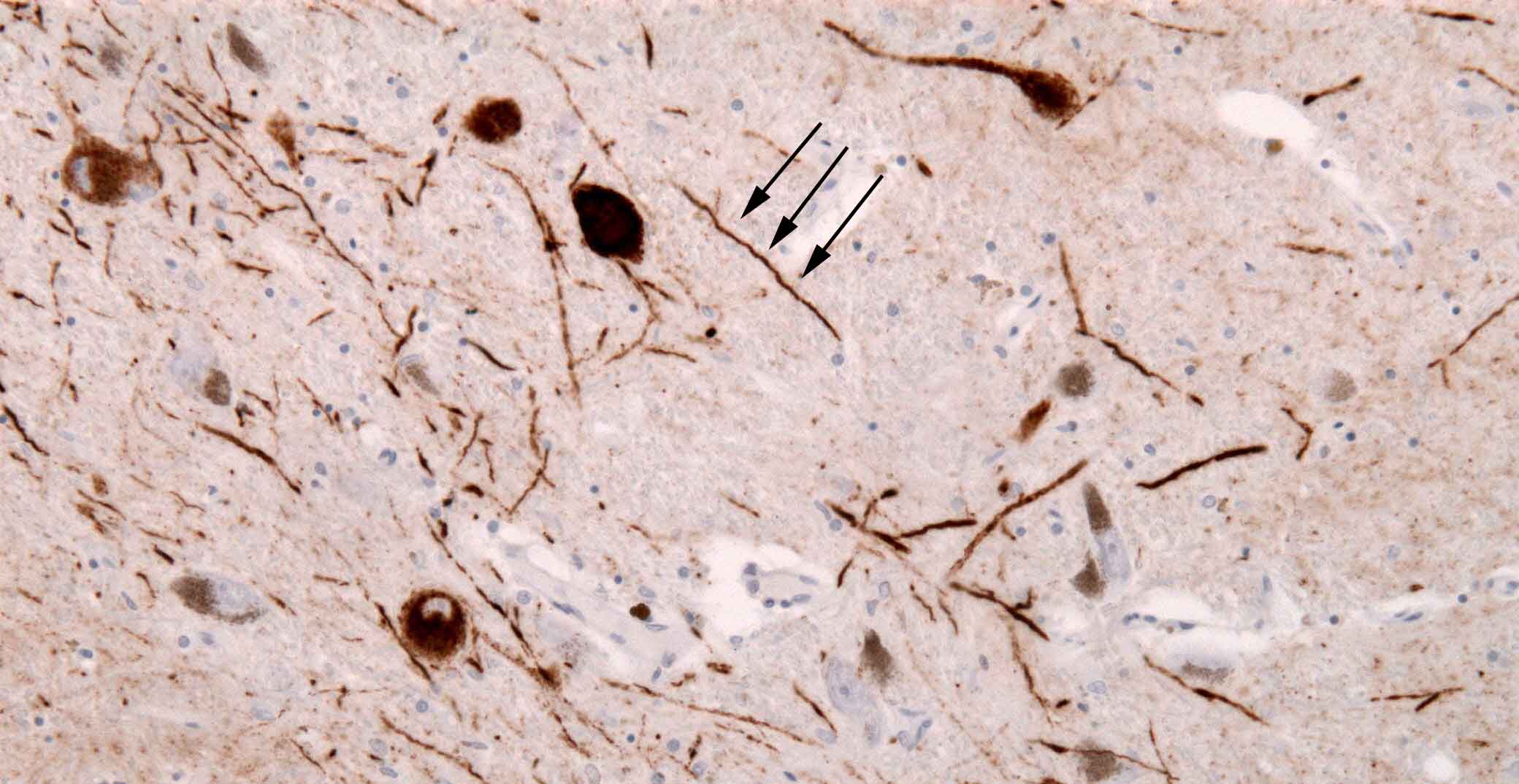
- α-synuclein seed amplification assay using multiple tissue & biofluid sample in 59 Parkinson’s cases (vs 21 controls) finds higher sensitivity & specificity compared to total α-synuclein measures (cerebrospinal fluid>submandibular gland – click here to read more about this).
- New biorxiv manuscript suggests that targeted nitration of fibrils may represent an effective strategy to prevent the accumulation & spreading of pathology involving α-Syn fibrils of different morphologies/strains (Click here to read more about this).
- A new paper using exploration & exploitation approaches based on generative machine learning identifies potent small molecule inhibitors of Parkinson’s-associated α-synuclein secondary nucleation (Click here to read more about this).
- New biorxiv manuscript reports differential expression of RET & GDNF family receptor, GFR-α1, between striatum & substantia nigra following nigrostriatal lesion in rodents: a case for diminished GDNF-signaling (Click here to read more about this).
- New paper reports neuron-type-intrinsic properties modulate toxicity of Parkinson’s-associated α-synuclein & tau in flies, & the pathways that define vulnerability in flies predicts neuron types affected in humans (Click here to read more about this).
- New study finds dopamine metabolite 3,4-dihydroxyphenylacetaldehyde (DOPAL) can initiate αSyn-dependent impairments in proteostasis & degeneration of neuronal projections; Identifies increases in DOPAL-modified αSyn in brain tissues from idiopathic Parkinson’s (Click here to read more about this).
- New study extends previous analysis of Parkin activation mutants & suggests that molecules mimicking RING0:RING2 or REP:RING1 destabilisation may offer therapeutic potential for Parkinson’s patients harbouring certain Parkin variants (Click here to read more about this).
- New paper uses a multi-part-enrichment proteomics & post-translational modification workflow to identify a numbers of dysregulated proteins in het. GBA-N370S iPSC neurons-derived from Parkinson’s patients (Click here to read more about this).
- DSP-4 (selective noradrenergic neurotoxin) pretreatment increases dopaminergic neuron loss after 6OHDA, but DSP-4 pretreatment protected dopaminergic neurons after Parkinson’s-associated α-synuclein overexpression (Click here to read more about this).
- New medrxiv manuscript reports rare functional & loss-of-function ARSA (Arylsulfatase A) variants may be associated with Parkinson’s (Click here to read more about this).
- “All disease begins in the gut” – New research reports that blocking dPerk in the intestine suppresses neurodegeneration in a Drosophila model of Parkinson’s (Click here to read more about this).
- New research finds dopamine transporter & synaptic vesicle sorting defects underlie auxilin (DNAJC6/PARK19)-associated Parkinson’s; Auxilin KO mice exhibit key features of PD & respond to L-DOPA (Click here to read more about this).
Disease mechanism
- New biorxiv manuscript identifies synaptic defects in cholinergic neurons in premotor-stage familial fly Parkinson’s models & patient samples that cause olfactory problems; Nicotine corrects & rescues dopaminergic cell loss (Click here to read more about this).
- More data on α1-adrenergic receptor antagonist Terazosin – rodents with VTA dopamine depletion had higher interval timing variability, improved by daily terazosin; Plus more epidemiological Parkinson’s data (Click here to read more about this).

- New small-molecule Cdc25A inhibitors protect neuronal cells from death evoked by NGF deprivation & 6-hydroxydopamine; “these Cdc25A inhibitors could be effective treatments for Alzheimer’s & Parkinson’s” (Click here to read more about this).
- New data researchers & collaborators finds unexpected phenotypic & molecular changes by combining glucocerebrosidase/GBA1 & acid sphingomyelinase deficiencies in zebra fish; Rescue of swimming & mitochondrial complexes I & IV in DKOs (Click here to read more about this).
- Researchers report astrocyte-targeted gene delivery of interleukin 2 specifically increases brain-resident regulatory T cell numbers & protects against pathological neuroinflammation in TBI, stroke & multiple sclerosis models (Click here to read more about this).
- An AI-guided screen identifies anti-hyperlipidemic drug probucol (Lorelco) as an enhancer of mitophagy (via modulation of lipid droplets); It functioned independently of PINK1/Parkin & improved survival in in vivo models (Click here to read more about this).

- Researchers report differential remodeling of subthalamic projections to basal ganglia output nuclei in a 6-OHDA-induced mouse model of Parkinson’s; Inhibition of the STN-GPi projection may be a potential therapeutic strategy for neuromodulation in PD (Click here to read more about this).
- iPSC-derived neural precursor cells engineering GBA1 rescues acid β-glucosidase deficiency; Intravenous delivery in Gaucher disease mice = ∼50% reduction of α-synuclein aggregates, reduced inflammation & reduced neurodegeneration; Potential for Parkinson’s? (Click here to read more about this).
Clinical research
- New data suggests the utility of the endolysosomal lipid, bis(monoacylglycerol) phosphate (BMP) in the urine “as a target modulation biomarker in therapeutic trials of genetic & sporadic Parkinson’s but not as a prognostic or disease progression biomarker” (Click here to read more about this).
- Ginkgo biloba? Researchers present real-world data (n = 1084 participants) on some over-the-counter supplements associated with fewer Parkinson’s patient-reported symptoms; Most frequently used = Vit D (71%), B12 (44%), vit C (38%) & fish oil (38% – click here to read more about this).

- Researchers report no evidence for the contribution of Neanderthal introgression in the heritability of Alzheimer’s, ALS & Parkinson’s, “suggesting that common deleterious disease variants are unlikely to be maintained by positive selection” (Click here to read more about this).
- Biotech firm Lysosomal Therapeutics (now part of Bial) reported data from 5 studies, evaluating GCase activity, GCase protein, GluCer, LacCer, & GluSph in PBMCs and/or CSF from GBA-PD, Parkinson’s, & controls; Plasma glucosylceramide levels differentiate GBA-PD (Click here to read more about this).
- New report using data from 80K women (Nurses’ Health Study, 1984–2016) & 48K men (Health Professionals Follow-up Study, 1986–2016) suggests a higher intake of folate or Vit B6 is NOT associated with reduced risk of Parkinson’s; Moderate support for Vit B12 (Click here to read more about this).
- Autonomic dysfunction in Parkinson’s includes cardiovascular dysregulations which may manifest as an increased risk of atrial fibrillation. New research finds AF & co-existing PD is not associated with increased in-hospital mortality (Click here to read more about this).

- New paper finds that patients with Gaucher disease type 1 & Parkinson’s have a significantly higher PD genetic risk score than those without PD; Could common risk variants be affecting underlying biological pathways? (Click here to read more about this).
- Do clocks tick differently in Parkinson’s? Researchers report that striatal substructures affected by early dopamine depletion in PD are part of connectivity networks associated with time reproduction performance in context of a motor imagery task (Click here to read more about this).
- Longitudinal follow-up study of a nationwide (South Korea) cohort finds hypertension, diabetes, dyslipidemia, stroke, ischemic heart disease, depression, osteoporosis (???), & obesity were independently associated with a higher risk for Parkinson’s (Click here to read more about this).
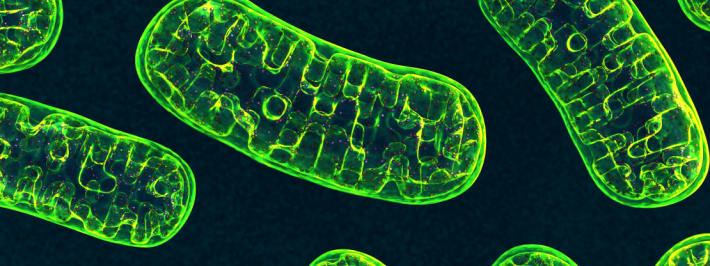
- New research explores ATP & NAD+ deficiency in Parkinson’s; “An association between mitochondrial impairment of function & muscle function and worse PD symptoms” (Click here to read more about this).
- Researchers are struggling to find clear evidence for causal associations of inflammatory bowel disease with Parkinson’s, Alzheimer’s, ALS, & multiple sclerosis; Potential confounders might contribute to the previously observed associations (Click here to read more about this).

- New research finds that natural Aβ antibody levels in Alzheimer’s were similar to age- & sex-matched controls, but significantly reduced in Parkinson’s. The authors ask if this could point towards patients who may be more prone to amyloid aggregation? (Click here to read more about this).
- New paper demonstrates that DBS-evoked cortical responses index optimal contact orientations and motor outcomes in Parkinson’s (Click here to read more about this).
- New paper describes a virtual 3-day hackathon event, during which 49 early-career scientists from 12 countries built tools & pipelines with a focus on Parkinson’s; New tools for PD genetics research (Click here to read more about this).
- New research evaluates plasma levels of NFL, GFAP, UCHL1 & tau as Parkinson’s biomarkers (using multiplexed single molecule counting); NFL & GFAP correlate with motor features of PD (N=29 PD & 30 controls – click here to read more about this).
- Symptoms assessment & decision to treat patients with advanced Parkinson’s based on wrist-worn wearables data (Global Kinetics PKG) – 8 neurologists examined 8 virtual cases (Click here to read more about this).
- Researchers used UK Biobank data (from 31,661 individuals) & found that longer leucocyte telomere length was protective against certain related clinical manifestations, namely all-cause dementia, but not stroke or Parkinson’s (Click here to read more about this).

- Interesting paper provides a comparative assessment of recruitment to the STEADY-PD III & SURE-PD3 clinical trials, finding that STEADY was able to recruit a higher % of patients from racial & ethnic marginalized groups (Click here to read more about this).
- Visualization of the Movement Disorder Society Unified Parkinson’s Disease Rating Scale (MDS-UPDRS) results (Click here to read more about this).
- The results of the Biomarker and Endpoint Assessment to Track Parkinson’s (BEAT-PD) DREAM Challenge (which leveraged data coupling patient-reported severity measures with smartwatch data) have been published; Passive, low-burden, at-home monitoring of PD (Click here to read more about this).
- A comparative blind study presents data that “favour the use of skin biopsy & seed amplification assay to disclose pathological α-synuclein as diagnostic tools for a synucleinopathy in idiopathic REM sleep behavior disorder” (Click here to read more about this).
- New report provides evidence base for selection of clinical trial endpoints (potential functional, cog., clinical or imaging measures of progression) for atypical parkinsonian syndromes (Click here to read more about this).
- Gene-wide significant association analyses of DNMT1 genetic variants with Parkinson’s in a Han Chinese population comprising 712 PD patients & 696 controls (Click here to read more about this).
- Researchers report that Swedish top division football players had a significantly increased risk of neurodegenerative disease (vs population controls); Alzheimer’s & other dementias, but not for other types of neurodegen.; Plus outfield players, but not goalkeepers (Click here to read more about this).

- Free water imaging – all the cool kids are doing it! Researchers present substantia nigra free water values across prodromal & clinical stages of Parkinson’s; Involves 48 controls, 43 prodromal PD cases, 50 de novo PD patients, & 49 medicated PD cases (Click here to read more about this).
- New paper reports on 12 saccade behaviour parameters in a large cross-sectional data set of 5 disease cohorts (Alzheimer’s/MCI, ALS, frontotemporal dementia, Parkinson’s, & cerebrovascular disease (n=391) & controls (n=149 – click here to read more about this).
- Researchers present whole-genome sequencing data that reveals an association between small genomic deletions (in clustered loci located in the GPR27 region) & an increased risk of developing Parkinson’s; Small study (310 + 100 PD vs 200 Controls – click here to read more about this).
- Sex hormones & Parkinson’s: A multimodal biomarker study finds male PD patients had higher estradiol & testosterone levels than controls; Estradiol might have protective role in motor impairment, testosterone may be involved in male vulnerability to PD (Click here to read more about this).
- New research finds that nicotinamide riboside supplementation is not associated with altered methylation homeostasis in Parkinson’s; 1000mg/day NR for 30 days does not alter DNA methylation in blood (Click here to read more about this).

- Using data from 4324 people with Parkinson’s & gait impairments (Fox Insight & Parkinson NEXT cohorts), researchers report that PwP deploy a wide array of mental state alteration strategies to cope with their gait impairment (Click here to read more about this).
- A new study two different missense variants in ATP5F1B, which encodes subunits of the mitochondrial ATP synthase, may cause autosomal dominant isolated dystonia with incomplete penetrance, likely through a dominant-negative mechanism (Click here to read more about this).
- New data indicates distinct relationships between glymphatic dysfunction & the severity/types of Parkinson’s motor symptoms, suggesting the potential of diffusion tensor image analysis along the perivascular space index as a biomarker for PD motor symptoms (Click here to read more about this).
- New study explores quick computer aided differential diagnostics based on repetitive finger tapping in Parkinson’s & atypical parkinsonisms; MSA & controls groups were the easiest to discern (100%), while PSP was the most elusive diagnosis (Click here to read more about this).
- New data suggests that “significant synuclein pathology occurs in the duodenum of patients with Parkinson’s“; Aggregated α-Syn (αSyn-5G4) identified in all PD biopsies (early & advanced) compared to barely in controls (Click here to read more about this).
- Further data on brain-originating extracellular vesicles/exosomes for improved differential diagnosis of Parkinson’s & multiple system atrophy (MSA – click here to read more about this).

- Largest study of the University of Penn. Smell Identification Test (UPSIT): N=9,396 (5,336 females, 4,060 males), aged 50-95; Olfactory function declined with age, better among women vs men, & same among individuals with/out family history of Parkinson’s (Click here to read more about this).
- All the world is a stage… The COPPADIS Study Group reports that staging Parkinson’s according to a novel simple classification called MNCD correlated with Quality of life & disease severity; “MNCD could be a proper tool to monitor the progression of PD” (Click here to read more about this).
- 18F-DPA-714 (a translocator protein 18kd ligand) imaging demonstrates increased central inflammation in de novo Parkinson’s cases (n = 58 vs n = 62 controls); CSF levels of MIP-1α & TARC also increased PD cases; CD4+ Tregs are decreased; Longitudinal follow-up needed (Click here to read more about this).
New clinical trials
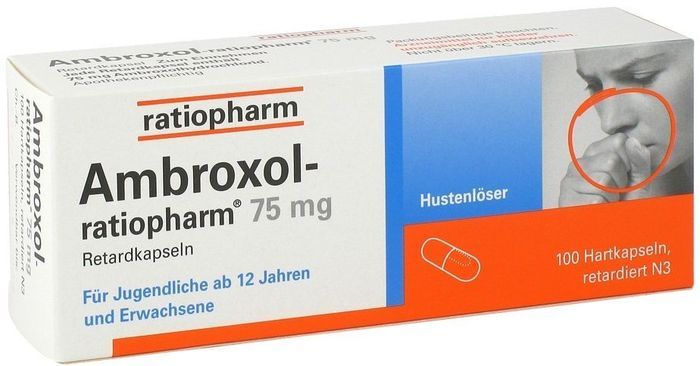
- New clinical trial registered: Ambroxol to Slow Progression in Parkinson’s (ASPro-PD); Randomised, double blind, placebo controlled, Phase 3a trial of daily ambroxol hydrochloride (420mg) as a potential disease modifying treatment; N=330 (Click here to read more about this).
- New clinical trial registered: A new study will explore a month of ketone ester (KetoneAid) supplementation in a small open label exploratory clinical trial involving 30 people with Parkinson’s (Click here to read more about this – click here to read more about this).
- New clinical trial registered: Neuramedy Co is conducting Phase I testing of their Parkinson’s-targeted anti-TLR2 antibody NM-101 in 56 healthy volunteers; Single & multiple ascending dose studies to assess safety, tolerability & pharmacokinetics (Click here to read more about this).
- New clinical study registered: The Novo Nordisk TRANSCEND 1 study will recruit 96 participants with Parkinson’s in USA, UK & Sweden for an observational study (this is associated with the STEM-PD study of cell transplantation – click here to read more about this).

- New clinical trial registered: The ‘Alter-G’ study – Gait training with an anti-gravity treadmill in 20 patients with Parkinson’s (Click here to read more about this).
- New clinical study registered: Researchers are recruiting 25 people with Parkinson’s to take part in a 14 day remote tracking study, using fitbit & video data collection (Click here to read more about this).
- New clinical study registered: Evaluating the possible efficacy of the diabetes drug Metformin in 60 individuals with Parkinson’s (Click here to read more about this).
Clinical trial news
- Researchers report the results of a randomized clinical trial exploring the effect of GLP-1R agonist exenatide on idiopathic intracranial hypertension; Significantly lowered intracranial pressure; On to Phase 3 (Click here to read more about this).
- The results of a randomized repeat-dose, placebo-controlled clinical pilot study of fecal microbiota transplantation in Parkinson’s have been published; N=12, dosing 2x per week for 12 weeks, followed 9 additional months (Click here to read more about this).

- Results of an open-label, 1:1, multicenter, randomized, controlled clinical trial of a interactive mobile application for Parkinson’s deep brain stimulation (MAP DBS) reports improvements of key aspects of DBS programming time & clinical efficacy (Click here to read more about this).
- Results of a 28-week, double-blind, placebo-controlled clinical trial of candesartan for cognitive impairment in Parkinson’s; N=30 (candesartan=14; placebo=16); Safe/well tolerated; No objective diff. in global cognitive status, but improved apathy (Click here to read more about this).
- Analytical & clinical validity of wearable, multi-sensor technology (Verily Study Watch) for assessment of motor function in individuals with Parkinson’s in Japan (Click here to read more about this).
Conferences/lectures
- The International Conference on Alzheimer’s and Parkinson’s Diseases will be held in Gothenburg (Sweden) between 28th March to 1st April.

- The 6th World Parkinson’s Congress will be held in Barcelona (Spain) between the 4th – 7th July. This event only happens once every 3 years, and brings together researchers, clinicians, patients, and the broader Parkinson’s community – a truly unique scientific meeting with something for everyone.

- The 2023 Grand Challenges in Parkinson’s conference will be held on the 27th & 28th September at the Van Andel Institute in Grand Rapids, Michigan. The theme this year will be “Pathophysiological Mechanisms to Therapeutics” and the list of speakers is excellent.

Other news
- Bluerock Therapeutics will incorporate wearable & invisible contactless digital health technologies from Rune Labs & Emerald Innovations in their stem cell-based therapy bemdaneprocel (BRT-DA01) trial for Parkinson’s (Click here to read more about this).

- New biotech is focused on developing a gene therapy to improve care for people with Parkinson’s; CavGene Therapeutics will deliver shRNA for CaV1.3 calcium channels to reduce L-dopa-induced dyskinesia (Click here to read more about this).
- Biotech firm Biohaven Therapeutics acquires exclusive license for an oral, brain-penetrant, dual inhibitor of Tyrosine Kinase 2 (TYK2) and Janus Kinase 1 (JAK1) inhibitor for immune-mediated brain indications, including Parkinson’s (Click here to read more about this).

Review articles/videos
- New review revisits the pharmacological treatment of tremor in Parkinson’s; “When patients report troublesome tremor, it is important to determine if this is part of motor fluctuations, in which case control of fluctuations becomes the treatment goal” (Click here to read more about this).
- New perspective hypothesizes that aging first drives Alzheimer’s pathology which induces glial senescence; Glial senescence, particularly local senescent microglia accumulation, sustains & drives spread of AD pathologies, glial aging, & further senescence (Click here to read more about this).
- New review on the genetic testing of Parkinson’s in clinical practice from one of the best in the business (Click here to read more about this).
- Is disrupted mitophagy a central player to Parkinson’s pathology? (Click here to read more about this).
- Comprehensive review asks if spinal cord stimulation improve gait in Parkinson’s; 25 studies explored, involving a total 103 participants; Conclusion: it may improve gait in PD patients with neuropathic pain, but efficacy remains uncertain in pain-free PD (Click here to read more about this).

- A systematic review of ketogenic clinical trial interventions in mild cognitive impairment, Alzheimer’s, & Parkinson’s finds “class “C” evidence (possibly effective) for improvement of non-motor features & class “U” evidence (unproven) for motor features in PD” (Click here to read more about this).
- New review explores alpha-synuclein-related pathological processes observed at peripheral level in Parkinson’s, from molecular mechanisms, through cellular processes, to systemic modifications (Click here to read more about this).
- A systematic review & dose–response meta-analysis of observational studies suggests that vitamin E intake can reduce the risk of Parkinson’s & may play a preventive role; 13 studies included; No significant association between high-dose vit C & risk of PD (Click here to read more about this).
- New review on the mechanisms of Glucocerebrosidase dysfunction in Parkinson’s (Click here to read more about this).
- Could the Vitamin D receptor as a potential target for the treatment of age-related neurodegenerative conditions like Alzheimer’s & Parkinson’s? A new review explores this idea (Click here to read more about this).

- New review attempts “to reinforce the explanatory power of subtle neurodegenerative behavioral decline in-the-wild through the explainable digital phenotyping taxonomy that delineates borders between neuroscience, neurodegenerative diseases, healthcare & AI” (Click here to read more about this).
- New review explores mitochondrial complex I as a pathologic & therapeutic target for Parkinson’s (Click here to read more about this).
- New review explores the question (& evidence) of whether there is impaired dopamine release in Parkinson’s before there is any cell loss (Click here to read more about this).
* * * * * * * * * * * *
And there it is, just some of the highlights from March 2023 – another very busy month of Parkinson’s research. Hopefully there will be bits and pieces of interest for everyone in the list. Much of the material used here was collected from the Science of Parkinson’s Twitter feed (and there is a lot more posted there each day).
Any thoughts/feedback would be greatly appreciated (either in the comments below, or contact me directly).
And now: on to April!!!
 All of the material on this website is licensed under a
Creative Commons Attribution 4.0 International License
You can do whatever you like with it!
EDITOR’S NOTE: The author of this post is an employee of Cure Parkinson’s, so he might be a little bit biased in his views on research and clinical trials supported by the trust. That said, the trust has not requested the production of this post, and the author is sharing it simply because it may be of interest to the Parkinson’s community.
The information provided by the SoPD website is for information and educational purposes only. Under no circumstances should it ever be considered medical or actionable advice. It is provided by research scientists, not medical practitioners. Any actions taken – based on what has been read on the website – are the sole responsibility of the reader. Any actions being contemplated by readers should firstly be discussed with a qualified healthcare professional who is aware of your medical history. While some of the information discussed in this post may cause concern, please speak with your medical physician before attempting any change in an existing treatment regime.
In addition, many of the companies mentioned in this post are publicly traded companies. That said, the material presented on this page should under no circumstances be considered financial advice. Any actions taken by the reader based on reading this material is the sole responsibility of the reader. None of the companies have requested that this material be produced, nor has the author had any contact with any of the companies or associated parties. This post has been produced for educational purposes only.

 The Science of Parkinson's