
|
# # # # At the end of each month the SoPD writes a post which provides an overview of some of the major pieces of Parkinson’s-related research that were made available during August 2023. The post is divided into 10 parts based on the type of research:
# # # # |
So, what happened during August 2023?
In world news:
August 1- The world’s oceans reached a new record high temperature of 20.96 °C, exceeding the previous record in 2016.

August 8th – Christopher Lunsford (artist name: Oliver Anthony) released the single “Rich Men North of Richmond” independently, and it debuted at number 1 on the Billboard Hot 100 after going viral on YouTube:
August 14th – Researchers reported the first ever image of quantum entanglement (Click here and here to read more about this).

August 19th – As 1/4 of people going to the beach in the United Kingdom are avoiding swimming due to raw sewage releases, the UK Environment Agency (whose funding has been cut by 50% over the last 10 years – source) announced that nationwide annual health check of England’s water bodies which used to take place annually, will now take six years to complete (Click here to read more about this).

August 23rd – India’s Chandrayaan-3 becomes the first spacecraft to land near the south pole of the Moon, carrying a lunar lander named Vikram and a lunar rover named Pragyan.

In the world of Parkinson’s research, a great deal of new research and news was reported:
In August 2023, there were 831 research articles added to the Pubmed website with the tag word “Parkinson’s” attached (7,379 for all of 2023 so far). In addition, there was a wave to news reports regarding various other bits of Parkinson’s research activity (clinical trials, etc).
The top 8 pieces of Parkinson’s news
1. The eyes have it!
A new study found reduced thickness of the inner nuclear layer & ganglion cell-inner plexiform layer of the retina in people with Parkinson’s (using AlzEye & UK Biobank data). The “differences appear early, being discernible several years prior to clinical presentation”,… it is “unclear whether such changes relate to the increased neurodegeneration found in the brains of individuals with Parkinson’s and resulting retrograde trans-synaptic axonal degeneration or could represent a primary dopaminergic degeneration focused within the inner retina with anterior propagation of neurodegeneration” (Click here to read more about this and click here to read a press summary on this research).

2. Neuroprotection against neurodegeneration?
Researchers reported that specific HLA-DRB1*04 alleles are protective against Alzheimer’s, Parkinson’s, and other neurodegenerative conditions. Multi-ancestry analysis of the HLA locus finds shared adaptive immune response mediated by HLA-DRB1*04 subtypes. They found that these HLA subtypes selectively bind to a piece of the Tau protein (the aggregation-prone PHF6 sequence), but they only bind when it is acetylated at a lysine (K311), a common post-translational modification central to tau aggregation. This acetylated PHF6 piece is significant because it is a common post-translational modification of Tau found in Alzheimer’s brains. This immune response may protect against AD, PD, & neurodegeneration, explaining the HLA association; Vaccination with acetylated PHF6 in HLA-DRB1*04 individuals may have preventive effects (Click here to read more about this).

3. Alpha synuclein autoimmunity
Researchers reported that α-synuclein autoimmunity induces constipation & gut pathology in mice, with loss of enteric neurons that can elicit symptoms similar to prodromal Parkinson’s. Genetically engineered mice (MHCII−/− & expressing HLA-DRB1∗15:01) immunised with a fragment of alpha synuclein protein (α-syn32-46) produced α-synuclein-targeting T cells in the peripheral lymphoid organs. These T cell populations entered the gut & converted to mucosal tissue-resident memory cells found during infection/inflammation. The activation of both innate & adaptive immune responses in these α-syn32-46-immunized HLA mice may trigger enteric neurodegeneration in the lining of the gut. NOTE: No inflammation or T cell infiltration was observed in the brains of these mice (Click here to read more about this).

4. An Africa-specific genetic risk factor for Parkinson’s
ASAP Research and The Michael J Fox Foundation funded research identified a novel genetic risk factor in GBA1 in people of African ancestry (has not been seen in European populations) and “it could be a major mechanistic basis of Parkinson’s in African populations”. Over 197,000 individuals (1,488 Parkinson’s cases & 196,000 controls) were involved in the analysis. The researchers found a novel risk factor for PD (both increased risk of developing PD and lowered age at onset) in the GBA1 gene (rs3115534-G) for individuals with African ancestry (Click here to read more about this and click here to read a press summary on this research).
5. A mitochondrial DNA biomarker for LRRK-associated Parkinson’s
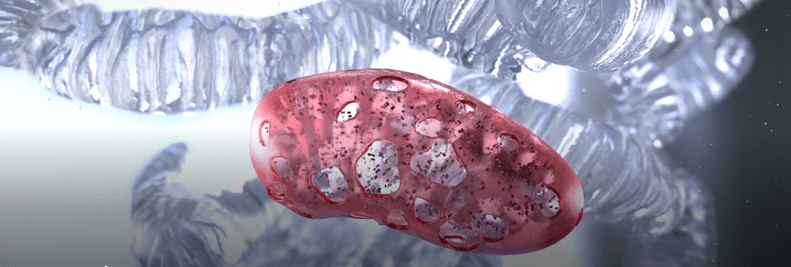
Researchers reported a real-time PCR-based biomarker assay for mitochondrial DNA damage that shows increased levels mtDNA damage in PBMCs derived from idiopathic Parkinson’s & LRRK-PD cases. They also found that LRRK2 inhibition rescued the effect in cell cultures. They reported that mitochondrial DNA damage is elevated in non–disease-manifesting LRRK2 mutation carriers. Lots of different angles to be explored here! (Needs longitudinal fluctuation analysis – click here to read more about this and click here to read an editorial on this research).
6. Blue skies for BlueRock:
Encouraging Phase 1 clinical trial results from the cell transplantation biotech firm BlueRock Therapeutics. Their cellular therapy, bemdaneprocel was well tolerated in all 12 participants with Parkinson’s over 12 months; Phase II expected to begin enrolling in H1 2024 (Click here to read more about this).

7. Long-term outcomes of a Parkinson’s gene therapy clinical trial
Researchers reported on the long-term (10 years+) persistent activity (transgene expression and bioactivity) following gene delivery to the nigrostriatal system from a gene therapy clinical trial for Parkinson’s. Postmortem studies on two patients with advanced Parkinson’s that survived 10 years following AAV-neurturin gene (Cere120). Neurturin is a neurotrophic factor like GDNF and scientists used engineered viruses to deliver Neurturin to the brains of people with Parkinson’s in the early 2000s (click here to read more about this).
8. Brief pesticide exposure = long-term consequences in rodents
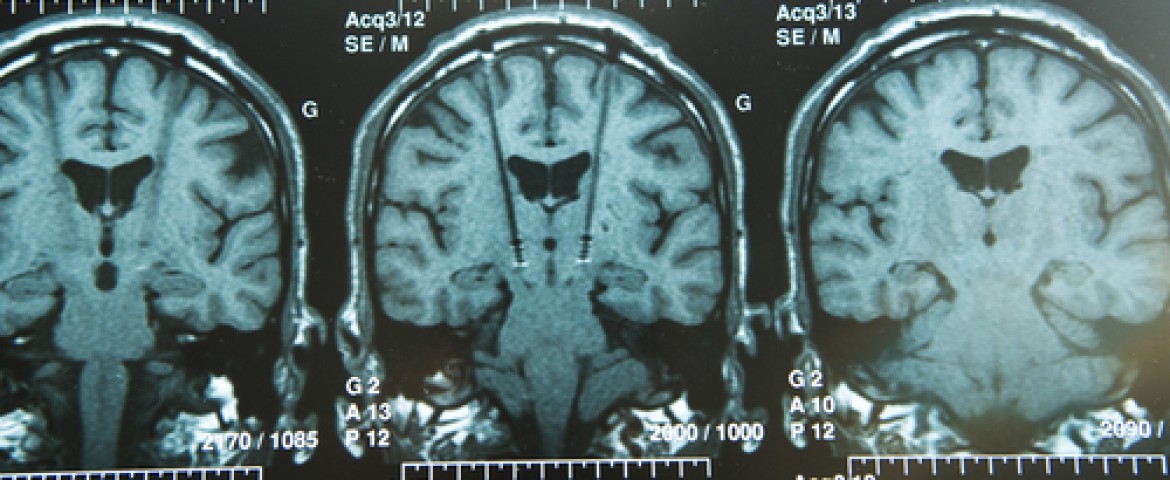
Researchers gave middle-aged rats a single daily injection of rotenone for 5 consecutive days & observed them over the next 8–9 months. From 3-4 months post injection, progressive motor abnormalities began to develop. Motor abnormalities were associated with loss of nigral dopaminergic neurons & microglial activation; Delayed accumulation of Parkinson’s-associated α-synuclein in neurons of the substantia nigra & frontal cortex was maximal at 9 months post-rotenone. “In summary, a brief temporally-remote exposure to rotenone causes delayed & progressive behavioral & neuropatholgical changes similar to Parkinson’s. This model mimics the human clinical situation, in which pathogenesis is well-established by the time diagnostic motor deficits appear” (Click here to read more about this).

Articles of general interest
- WPC2023 Parkinson’s without borders: Larry and Bec Gifford share their takeaways from Barcelona (Click here to read more about this)
- Take a moment this weekend & watch David Plummer’s “Shaking hands with the Devil” – a very powerful short documentary sharing the stories of people with Parkinson’s in Kenya (Click here to learn more).
- A letter from a wise man with Parkinson’s – poem:
“Then I realized, the day was not so cloudy.
I can deconstruct the darkness I’ve built, then.
I am a man with a disease.
But I am not a diseased man”
(Click here to read more about this).
Basic biology news
- KAT8 & KANSL1 encode part of the histone acetylating non-specific lethal complex; Researchers report that genes encoding the non-specific lethal complex are highly correlated with & regulate genes associated with Parkinson’s (Click here to read more about this).
- New research demonstrates that molecular expression patterns can serve as a common framework to dissect dopaminergic functions; Connecting functional & genetic dopamine subtypes (Click here to read more about this).
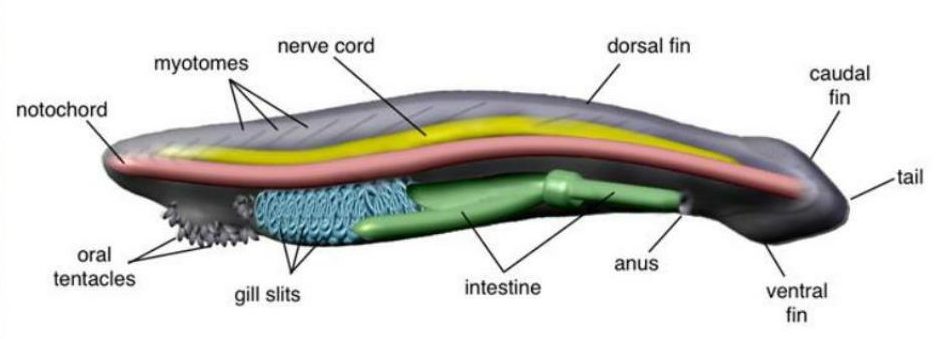
- When your model of Parkinson’s only has 2 dopamine neurons: “Dopamine-regulated disinhibitory locomotor control circuit reminiscent of the vertebrate nigrostriatopallidal system was thus already present at the origin of ancestral chordates” (Click here to read more about this).
- Researchers identify 2 groups of antagonistic TGF-β family members (BMP6/2–Smad1 & TGF-β2–Smad2) regulate dopaminergic synapse development of nigrostriatal & mesolimbic neurons, respectively; Smad1 mutant mice=motor defects, & Smad2 mice present reduced motivation (Click here to read more about this).
- New research presents engineered Hsp104 variants that selectively suppress toxicity of Parkinson’s-associated α-synuclein; Interestingly, the Hsp104 background used was critical (Click here to read more about this).
- LINE-1/L1 retrotransposons make up 17% of the human genome – now researchers highlight the effect of the polymorphic nature of LINE-1 retrotransposons on gene regulation & progression of Parkinson’s (Click here to read more about this).
- New research describes how CRISPR/sgRNA-directed synergistic activation mediator (SAM) can induce expression of the astrocyte´s endogenous th gene, resulting in dopamine-producing astrocytes that effectively reduce the motor deficits in Parkinson’s models (Click here to read more about this).
- Researchers report Rab38 is a physiologic regulator of Parkinson’s-associated LRRK2 function & provide support to a model in which LRRK2 plays a central role in Rab GTPase coordination of vesicular trafficking (Click here to read more about this).
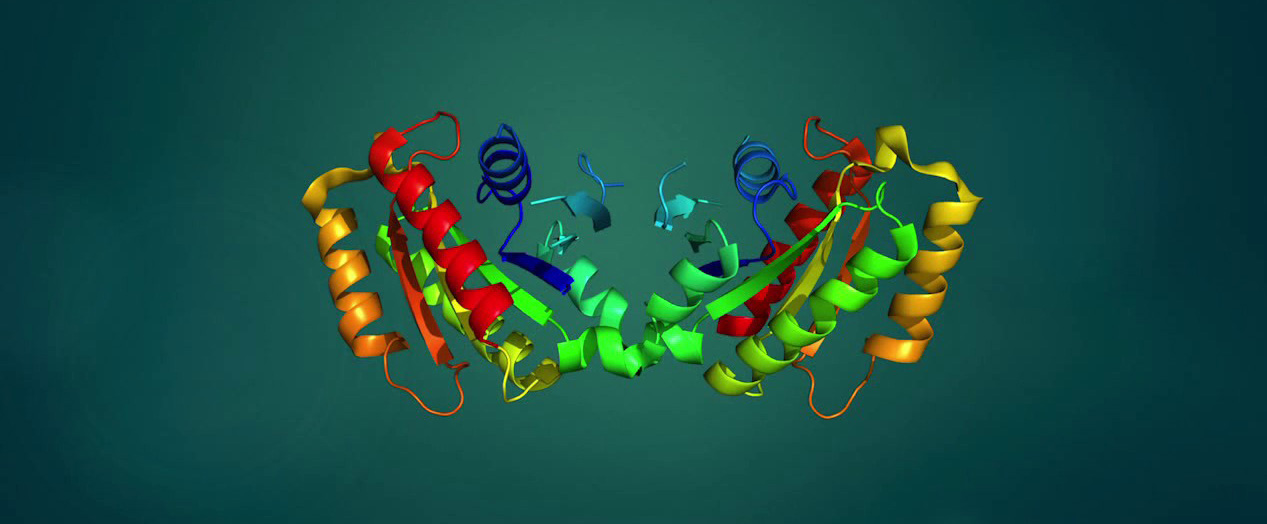
- Parkinson’s-associated LRRK2 coordinates a cell-intrinsic itaconate-dependent defense pathway against intracellular Salmonella; “This positions LRRK2 centrally within a host defense mechanism” (Click here to read more about this).
- Researchers report Parkinson’s-associated PINK1 regulates selective clearance of endoplasmic reticulum & mitochondria via the balancing of Keap1- & Parkin-dependent ubiquitylation of substrates (Click here to read more about this).
- New research reports limited interaction between VPS35 & α-Synuclein in the modulation of neurodegeneration in rodent models of Parkinson’s; They finish by asking is Lewy pathology a feature of VPS35-linked PD? (Click here to read more about this).
- New research proposes that FBXO7/nutcracker works in equilibrium with USP30 to provide a checkpoint for mitochondrial quality control in basal conditions; New avenue for therapeutic approaches? (Click here to read more about this).
Disease mechanism
- New research finds dopamine toxicity (quinone formation, etc) can lead to apoptotic mitochondrial fragmentation (via Calcineurin-DRP1 axis); Calcineurin inhibition protects against dopamine toxicity & attenuates behavioral decline in a Parkinson’s model (Click here to read more about this).
- Calcineurin stimulation by Cnb1p overproduction mitigates protein aggregation & Parkinson’s-associated α-synuclein toxicity in a yeast model of synucleinopathy (Click here to read more about this).
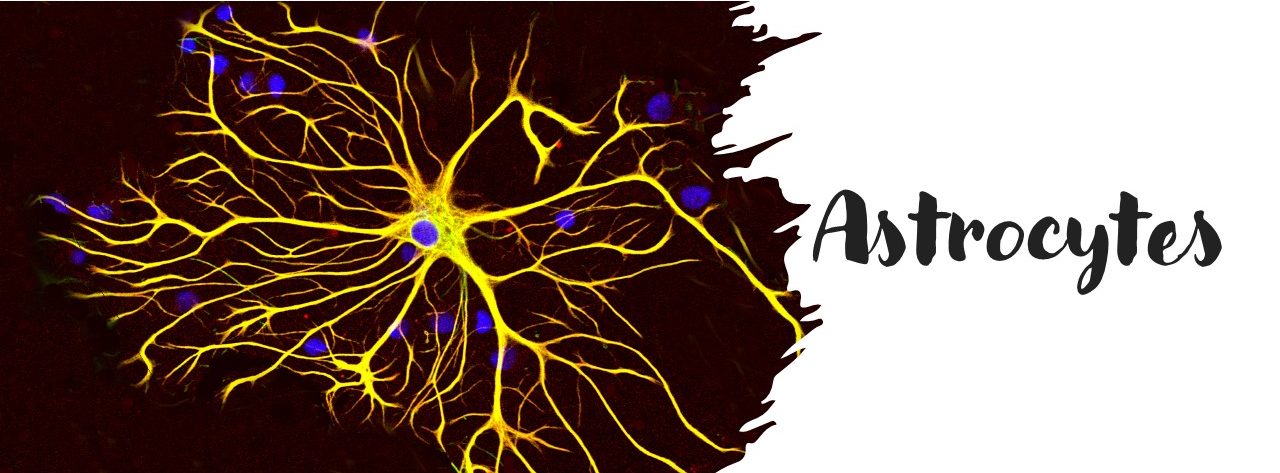
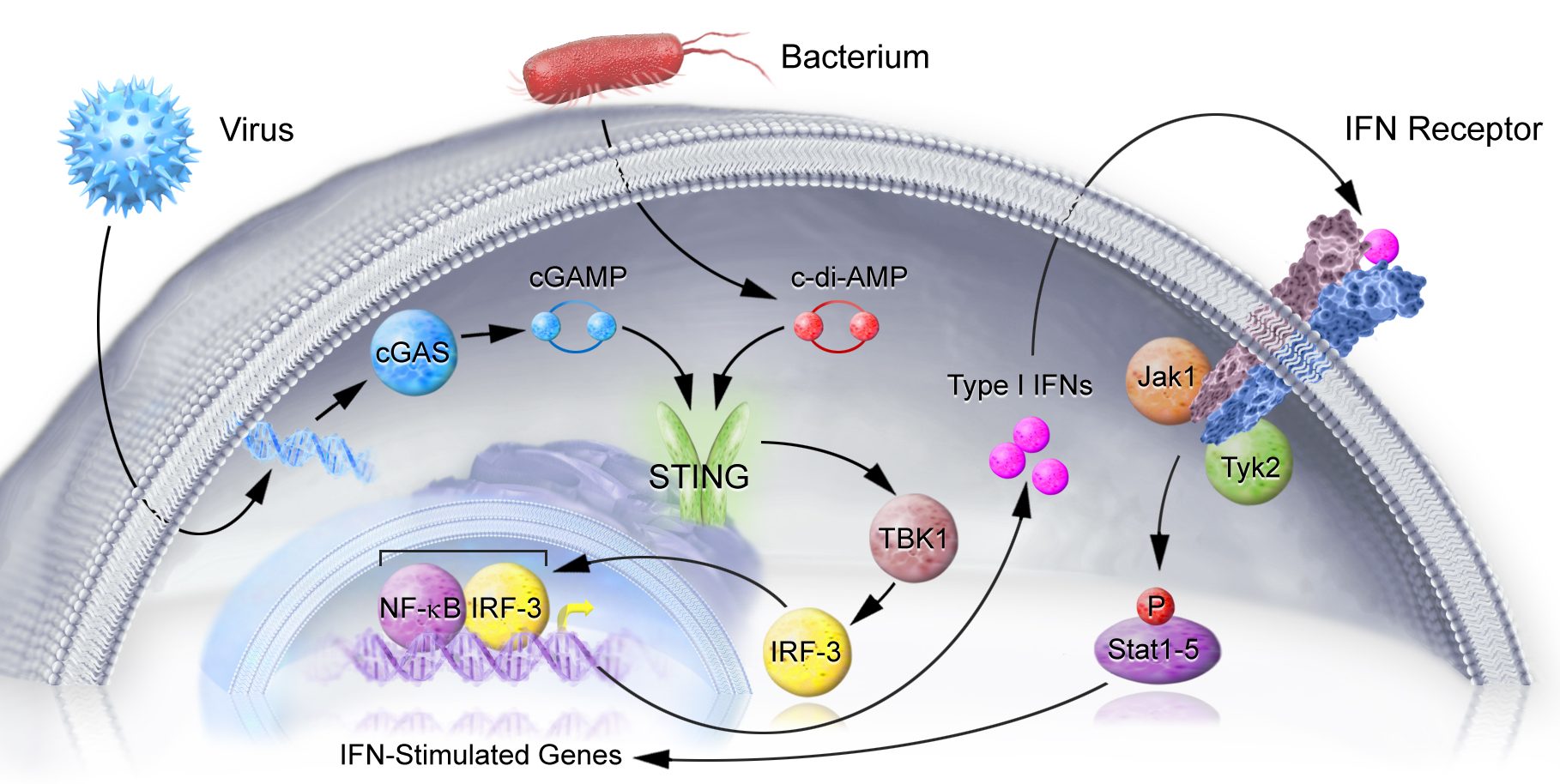
- Researchers present data indicating the involvement of the cGAS-STING-YY1-LCN2 signaling cascade in the control of astrocyte senescence in aged wildtype mice & a mouse model of Parkinson’s (Click here to read more about this).
- New research utilises machine learning to accurately predict “Parkinson’s subtypes” (generated via chemical induction or the presence of mutation) in vitro, using image-based deep neural networks (95% accuracy – click here to read more about this).
- New research finds PINK1 & Parkin activity control ER calcium release by regulating IP3R activity; Loss of CISD or treatment with the CISD inhibitor pioglitazone rescues the Parkinson’s-related phenotypes induced by PINK1 or Parkin deficiency (in flies – click here to read more about this).
- Researchers report that Parkinson’s-associated dopamine neuron degeneration induces cell subtype– & input-specific reduction of thalamic excitation to M1 pyramidal tract neurons; Rescued by chemogenetically reducing basal ganglia (Click here to read more about this).
- New research reports that natural small molecule Honokiol can modulate levels of Parkinson’s-associated α-synuclein protein & transcript both directly (gene regulation) & indirectly (metabolism regulation – click here to read more about this).
- Researchers report the cGAS–STING pathway as a driver of ageing-related inflammation in peripheral organs and the brain, & reveal that the blockade of cGAS–STING signalling may be a potential strategy to halt neurodegenerative processes during old age (Click here to read more about this).
- New study refutes previously reported inverse relationship between DNA methylation age acceleration & age of onset in Parkinson’s; Findings are fully accounted for by an expected over/underestimation of DNA methylation age in younger/older individuals (Click here to read more about this).
- Researchers present the development of a highly potent & selective degrader (“JH-XII-03-02”) of Parkinson’s-associated LRRK2 – eliminating both the kinase activity as well as the scaffolding function of LRRK2 (Click here to read more about this).
- Researchers present preclinical data for the oligomer/protofibril-selective α-syn antibody ‘mAb47’; reduced Parkinson’s-associated α-syn pathology & transient beneficial effect on some cognitive functions in Thy-1-h[A30P] α-syn tg mice (Click here to read more about this).
- Research investigates the effect of the seaweed-derived mixture of oligosaccharides sodium oligomannate, GV-971, on α-synuclein aggregation (in vitro, ex vivo using PD & DLB brain slices, & in vivo in Prnp-SNCAA53T mice); reduced α-syn accumulation & aggregation (Click here to read more about this).
- Gain Therapeutics presents preclinical data demonstrating a reduction of plasma neurodegeneration biomarker neurofilament light chain after administration of its brain-penetrant drug candidate GT-02287 in a model of GBA1-associated Parkinson’s (Click here to read more about this).

- Researchers investigated the in vivo propagation pattern & aggregation state of mutant α-synuclein by injecting AAV-α-synuclein-A53T-EGFP into the mouse olfactory cortex, & found monomeric mutant α-synuclein propagates faster via the lymphatic system (Click here to read more about this).
- The involvement of progranulin (PGRN) for α-Synuclein reduction through autolysosome formation; Intracerebroventricular administration of PGRN rescues MPTP & 6-OHDA models of Parkinson’s; PGRN also increased α-Syn degradation (via the autophagy-lysosome pathway – click here to read more about this).
- ATIC – a purine biosynthesis pathway enzyme – regulates LRRK2 mRNA levels via an mRNA decay pathway. Precursor AICAr suppresses LRRK2 expression & rescues LRRK2-induced dopaminergic neurodegen. & neuroinflam. in models of Parkinson’s (Click here to read more about this and click here to read the press summary of this research).
- Mefloquine (a well-known antimalarial) is identified as a highly selective & potent NLRP3 inhibitor in a FDA-approved drug library screen; Attenuates symptoms in models of lipopolysaccharide-induced systemic inflammation & Parkinson’s (Click here to read more about this).

Clinical research
- Using TriNetX (US-based medical records database), researchers report dysphagia, gastroparesis, irritable bowel syndrome without diarrhoea, & constipation might predict Parkinson’s (vs Alzheimer’s & cerebrovascular disease). “An appendectomy appeared protective, leading to further speculation about its role in Parkinson’s pathophysiology. These findings warrant alertness for GI syndromes in patients at higher risk for PD & highlight the need for further investigation of GI precedents in AD & CVD” (Click here to read more about this and click here to read the press summary of this research).
- Researchers conducted a case-control study of 98 Parkinson’s cases & 83 controls (household=53; community=30) in central California assessing diet; Diet quality of of PD patients is lower vs both controls. Longer disease duration cases of Parkinson’s & those on higher doses of dopamine agonists consumed higher amounts of sugars & trans fats; “Dietary modifications may alleviate non-motor symptoms like constipation, & promoting a healthy diet should become a part of routine care” (Click here to read more about this).

- A prospective study among 126,283 UK Biobank participants finds plant-based diets are associated with a lower risk of Parkinson’s (in particular the inclusion of readily achievable intakes of vegetables, nuts & tea in the habitual diet). Interesting to note that the results were significant only for those with a lower polygenic risk score for PD (Click here to read more about this).
- Retrospective cohort study found allergic rhinitis (AR) was associated with a higher risk for Parkinson’s (vs participants without AR – aHR 1.18, 95% CI 1.1–1.3); This risk-increasing assoc. was preserved even among people with healthy lifestyle behaviors (Click here to read more about this).
- Can we identify subtypes of Parkinson’s using nuclear imaging biomarkers targeting the cardiac sympathetic nervous & nigro-striatal systems? Evidently yes: 3 clusters with distinct onset ages, dopamine-replacement therapy & DBS requirement characteristics (Click here to read more about this).
- White matter matters: Diffusion tensor imaging techniques indicate that the parkin gene S/N167 polymorphism is associated with extensive brain white matter damage in patients with Parkinson’s (Click here to read more about this).
- “Our findings imply an increased vulnerability to long-term Parkinson’s development among patients with celiac disease diagnosed before 60s”. No overall association was observed, but under 60s = HR = 1.29; 95% CI: 1.02–1.62 (Click here to read more about this).
- Small cross-sectional study, but researchers find an association between dietary inflammatory index & Parkinson’s from US National Health & Nutrition Examination Survey (NHANES 2003–2018) data set; “…because the diet is a factor that can be changed” (Click here to read more about this).

- New research explores using AI to measure Parkinson’s severity at home; 250 global participants performed a standardized motor task involving finger-tapping in front of a webcam (Click here to read more about this).
- The protocol for a multi-centre cross-sectional, longitudinal ambulatory clinical trial in rheumatoid arthritis & Parkinson’s patients analysing the relation between the gut microbiome, fasting & immune status (“ExpoBiome” – click here to read more about this).
- Researchers use diffusion tensor imaging along the perivascular space to explore glymphatic function in 54 de novo Parkinson’s cases (vs 54 controls); Reduced glymphatic function in PD, correlated with motor & cognitive dysfunction, but not DATspect (Click here to read more about this).
- Classification of mild Parkinson’s using data augmentation of time-series gait data obtained via inertial measurement units (Click here to read more about this).
- Researchers explore neurotransmitter deficits in GBA-related Parkinson’s & present ‘JuSpace’ – toolbox to indirectly reveal neurotransmitter changes; Grey matter atrophy related to specific neurotransmitter deficits in de novo GBA-PD & iPD patients (Click here to read more about this).
- New data reports increased levels of natural killer cells as a percentage & absolute number in early Parkinson’s cases (<2 years since diagnosis); Small study (n=10 PD & 8 controls), larger longitudinal studies required (Click here to read more about this).

- Can digital mobility assessment enhance the clinical assessment of disease severity in Parkinson’s? Researchers suggest it may add unique information to quantify disease progression remotely, but further validation required (Click here to read more about this).
- Researchers present preliminary data suggesting that high Parkinson’s genetic susceptibility is associated with olfactory impairment in middle-aged & older women (Click here to read more about this).
- Genome-wide analysis studies highlight the potential role of mitochondrial lipid homeostasis in the motor progression in Parkinson’s; N=3,572 PD cases from 5 observational cohorts & 1 drug trial (Click here to read more about this).
- Researchers analysed 99 post-mortem eyes from a mixed cohort of neurodegenerative conditions (including Parkinson’s); They find α-Synuclein pathology in the retina & optic nerve is associated Braak LB staging (Click here to read more about this).
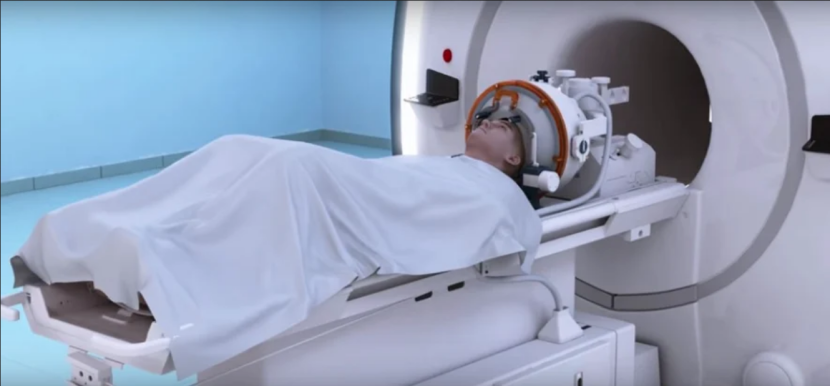
- New report provides a prospective experience of unilateral magnetic resonance guided focused ultrasound (MRgFUS) thalamotomy for the treatment of medically refractory tremor-dominant Parkinson’s; Clinical outcomes of 48 patients, up to 3 years post (Click here to read more about this).
- A meta-analysis was conducted of 6 cohorts in the Million Person Study of low-dose health effects to assess whether Parkinson’s could be associated with radiation dose to brain; N=517,608 workers, 1573 cases of PD; 5/6 cohorts=positive associations (Click here to read more about this).
- The “Living Lab study” is a cross-sectional observational study of cognition & behaviour in people living with neurodegenerative conditions (including Parkinson’s); Think: an apartment-laboratory providing an environment to develop novel digital biomarkers (Click here to read more about this).
- Synaptic vesicle glycoprotein 2A (11C-UCB-J PET) imaging studies in 58 healthy individuals finds mild motor signs during healthy aging are associated with lower synaptic density throughout the brain (Click here to read more about this).
- Researchers report reduced integrity of the cortical cholinergic pathways in Parkinson’s-related cognitive impairment; Observed up to 1 year prior to cognitive decline (Click here to read more about this).
- Participation in American football might be a risk factor for developing parkinsonism or Parkinson’s; Cross-sectional study, Fox Insight data, N=729 participants with a history of playing organized football; Longer duration & higher level=higher odds (Click here to read more about this).

New clinical trials
- New clinical trial registered: Forest Hills Lab has initiated a phase 2, double-blind, multi-center, placebo-controlled clinical study to assess the safety, tolerability, efficacy, & PK of FHL-301 (a PPARa agonist) in early-stage Parkinson’s (N=32 – click here to read more about this).
- New clinical trial registered: Cerevance is initiating a multicenter, 12-week, double-blind, placebo-controlled trial of CVN424 (a GPR6 modulator) in 60 individuals with early Parkinson’s (Click here to read more about this).

- New clinical trial registered: Taiwan Mitochondrion Applied Technology Co. is planning a phase 1 open-label dose-escalation study of MitoCell (an autologous stem cell product for intrastriatal implantation) in 9 individuals with Parkinson’s (Click here to read more about this).
- New clinical trial registered: AC Immune has initiated a prospective, multicenter, placebo-controlled, double-blind, randomized study with adaptive features to assess the safety, tolerability, immunogenicity, and pharmacodynamic effects of their anti-alpha synuclein vaccine (ACI-7104.056) in 150 patients with recently diagnosed Parkinson’s (Click here to read more about this).

- New clinical trial registered: Scion NeuroStim have initiated a single arm study is to evaluate the feasibility and safety of treatments with a non-invasive neuromodulation device in 12 adults diagnosed with mild/moderate Parkinson’s disease dementia(Click here to read more about this).
- New clinical trial registered: Researchers at Imperial College London have initiated a small pilot study to determine whether spinal cord stimulation can reduce imbalance and falls in Parkinson’s (Click here to read more about this).
- New clinical trial registered: Researchers at University of Texas Southwestern Medical Center have initiated the “SegwayPD study” to explore the effect of sensory-augmented postural training using segway on motor and cognitive function in 15 individuals with Parkinson’s (Click here to read more about this).
Clinical trial news
- New 16-week, phase 2a clinical trial results report that SYN120 (dual serotonin receptor (5-HT6/5-HT2A) antagonist) was adequately tolerated, but mild worsening of motor symptoms was noted & it did not improve cognition in 82 Parkinson’s dementia patients (Click here to read more about this).
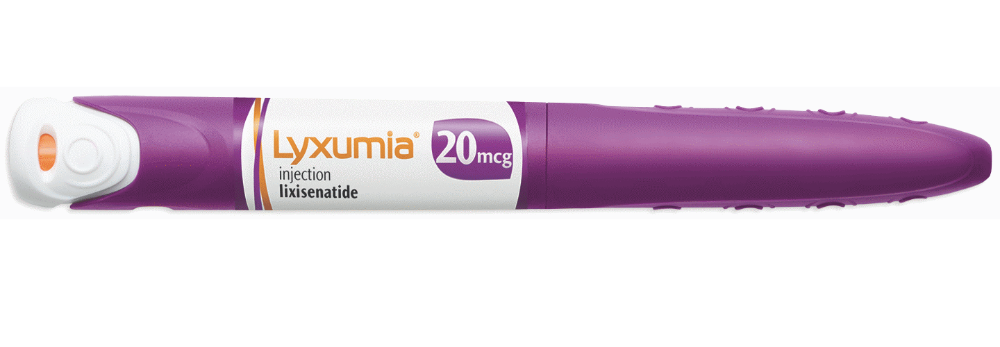
- Preliminary results of the LixiPark Phase 2 trial were presented in a poster at the Movement Disorders Society 2023 meeting. They were encouraging as the data indicates a slowing of Parkinson’s progression in the participants taking Lixisenatide – a type 2 diabetes drug – for 1 year. The research team are seeking to publish the detailed results before the end of the year (Click here to read more about this).
- The results of the Phase 3 RISE-PD Randomized Clinical Trial have been published: Amneal Pharmaceuticals‘ extended-release carbidopa-levodopa (IPX203) = more hours of good on-time per day than immediate-release carbidopa-levodopa (N=630 – click here to read more about this).
Conferences/lectures
- The 2023 Grand Challenges in Parkinson’s conference will be held on the 27th & 28th September at the Van Andel Institute in Grand Rapids, Michigan. The theme this year will be “Pathophysiological Mechanisms to Therapeutics” and the list of speakers is excellent.

Other news
- Inhibikase Therapeutics initiates pre-clinical development of 2nd generation c-Abl inhibitors & announces the re-naming of IkT-148009 as Risvodetinib (or nicknamed ‘risvo’), which is being clinically tested in Parkinson’s (Click here to read more about this).
- Aspen Neuroscience has announced US FDA clearance for their IND (investigational new drug) application for ANPD001 – a personalized (autologous) cell therapy for the treatment of Parkinson’s. No time frame provided, but the company is planning a Phase 1/2a, single-arm, open-label, dose escalation study evaluating the safety, tolerability & preliminary efficacy of ANPD001 in individuals with moderate to severe Parkinson’s in the U.S (Click here to read more about this).

- Aspen Neuroscience & Rune labs announce collaboration to remotely collect patient data in Aspen’s non-interventional trial-ready cohort screening study of Parkinson’s – in preparation for the Phase 1/2 cell transplantation study (Click here to read more about this).
Review articles/videos
- How should we be using biomarkers in trials of disease modification in Parkinson’s; “An ongoing systematic process of confirming clinico-biomarker validity & utility is required”, Useful review! (Click here to read more about this).
- A useful new review on cerebral dopamine neurotrophic factor (CDNF) & mesencephalic astrocyte-derived neurotrophic factor (MANF) in the brain dopamine system & their potential as treatment for Parkinson’s (Click here to read more about this).
- A new consensus paper on outcome measures for disease-modifying trials in Parkinson’s by the EJS ACT-PD Multi-Arm Multi-Stage Trial Initiative (Click here to read more about this).

- Interesting discussion on the challenges in developing geroscience clinical trials – “the goal of which is to develop new biologically-based therapeutic & preventive approaches that target fundamental aging processes” (Click here to read more about this).
- A new systematic review of sex differences in alpha-synucleinopathies (Rapid Eye Movement Behavior Disorder (RBD), Parkinson’s, Dementia with Lewy Bodies, Multiple System Atrophy – click here to read more about this).
- New review explores the systemic immune response in Parkinson’s, with a focus on the peripheral immune component & the road ahead (Click here to read more about this).
- A new review explores “What is really known about the effects of nicotinamide riboside supplementation in humans” (the NADPARK Parkinson’s clinical trial research gets mentioned – click here to read more about this).
- You know how Deep Brain Stimulation is an exclusion for many clinical studies in Parkinson’s? Researchers now ask if it is time to rethink this idea & they seek to start a conversation on this topic (Click here to read more about this).
* * * * * * * * * * * *
And there it is, just some of the highlights from August 2023 – another very busy month of Parkinson’s research. Hopefully there will be bits and pieces of interest for everyone in the list. Much of the material used here was collected from the Science of Parkinson’s Twitter feed (and there is a lot more posted there each day).
Any thoughts/feedback would be greatly appreciated (either in the comments below, or contact me directly).
And now: on to September!!!
 All of the material on this website is licensed under a
Creative Commons Attribution 4.0 International License
You can do whatever you like with it!
EDITOR’S NOTE: The author of this post is an employee of Cure Parkinson’s, so he might be a little bit biased in his views on research and clinical trials supported by the trust. That said, the trust has not requested the production of this post, and the author is sharing it simply because it may be of interest to the Parkinson’s community.
The information provided by the SoPD website is for information and educational purposes only. Under no circumstances should it ever be considered medical or actionable advice. It is provided by research scientists, not medical practitioners. Any actions taken – based on what has been read on the website – are the sole responsibility of the reader. Any actions being contemplated by readers should firstly be discussed with a qualified healthcare professional who is aware of your medical history. While some of the information discussed in this post may cause concern, please speak with your medical physician before attempting any change in an existing treatment regime.
In addition, many of the companies mentioned in this post are publicly traded companies. That said, the material presented on this page should under no circumstances be considered financial advice. Any actions taken by the reader based on reading this material is the sole responsibility of the reader. None of the companies have requested that this material be produced, nor has the author had any contact with any of the companies or associated parties. This post has been produced for educational purposes only.


Why do I receive SoPD posts so late??? Here it is February 2024 and I’m just receiving August 2023s.
Struby
LikeLike
Sorry Struby – I’m just trying to catch up a bit with the backlog of old posts. More mis-dated updates coming through shortly.
Kind regards,
Simon
LikeLike