
|
# # # # At the end of each month the SoPD writes a post which provides an overview of some of the major pieces of Parkinson’s-related research that were made available during April 2023. The post is divided into 10 parts based on the type of research:
# # # # |
So, what happened during April 2023?
In world news:
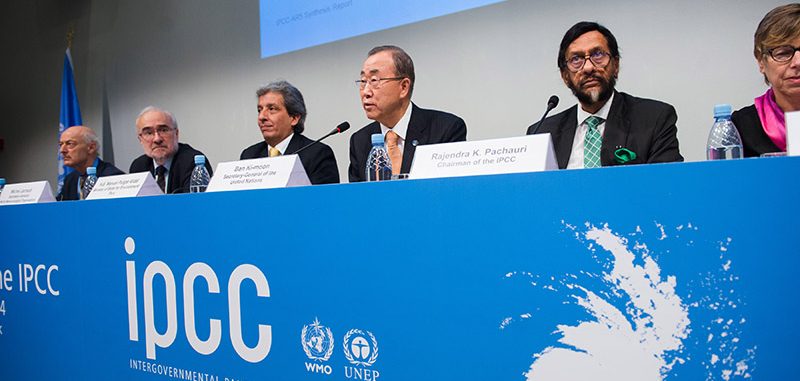
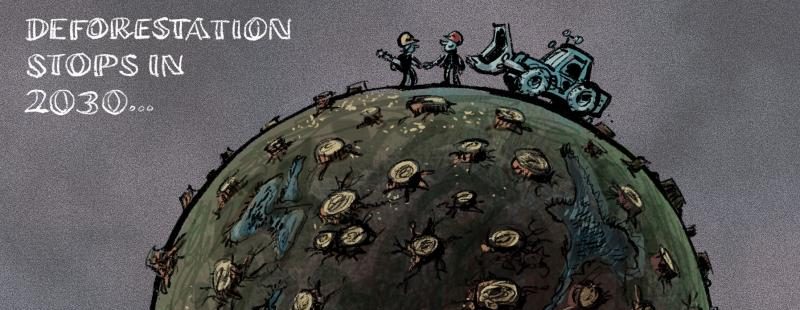
April 4th – The Intergovernmental Panel on Climate Change (IPCC) releases the third and final part of its Sixth Assessment Report on climate change, warning that greenhouse gas emissions must peak by 2025 at the latest and decline 43% by 2030, in order to limit global warming to 1.5 °C (2.7 °F – click here to read more about this).
April 13th – COVID-19 pandemic: The number of confirmed cases exceeds 500 million worldwide.

April 15th – Nuclear power in Germany ends after 50 years, with the closure of the final power plants.

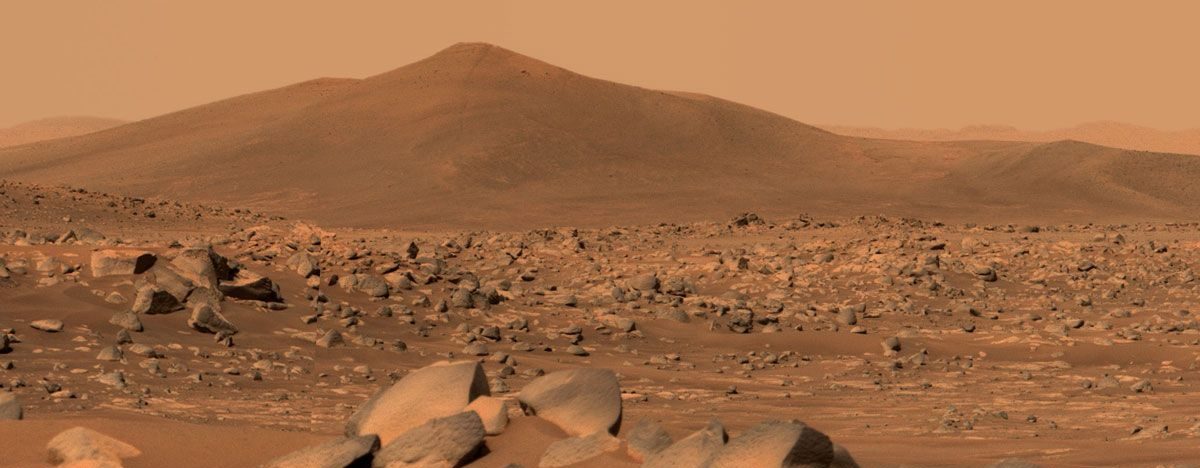
April 20 – SpaceX’s Starship rocket, the largest and most powerful rocket ever built, is launched during a flight test from a base in Boca Chica, Texas. It explodes four minutes after launch:
April 26th – The Bank of England’s top economist Huw Pill (who earns £180,000 per year, compared to a UK average of £35,000) told a podcast in the US that there was a “reluctance to accept that, yes, we’re all worse off and we all have to take our share” (I should apply for a job at the BoE if this is the kind of wisdom and leadership that is required – Click here to read more about this).

In the world of Parkinson’s research, a great deal of new research and news was reported:
In April 2023, there were 887 research articles added to the Pubmed website with the tag word “Parkinson’s” attached (3640 for all of 2023 so far). In addition, there was a wave to news reports regarding various other bits of Parkinson’s research activity (clinical trials, etc).




















 The Science of Parkinson's