Update: Stem cells trial for Parkinson’s disease

Deep-Brain-Stimulation-60pghfsukanm4j4bljb8mbq9hyafm3pj0e6t4iuyndm

Last night surgeons at the Royal Melbourne Hospital, conducted an 8 hour surgery during which stem cells were injected into 14 sites in the brain of a 64 year old person with Parkinson’s disease. This was the first of 12 surgeries being conducted in a phase 1 clinical trial that will assess the safety of this particular type of stem cell in human.

6380900-3x2-940x627

Surgeons at work. Source: Reuters

Some media outlets have reported the surgery as taking us ‘one step closer to a cure for Parkinson’s disease’ (Click here, here, and here to see their reports). We here at the SoP.com are less excited by this new development, having previously expressed serious concerns about this trial (Click here for that post). We believe that the preclinical data presented thus far does not support going forward to the clinic prematurely with this particular type of stem cell.

Our primary concerns arise from some of the most recent preclinical work published by the company – International Stem Cell Corporation (ISCO) – behind the trial, particularly their preclinical non-human primate work:

stem

Title: Neural Stem Cells Derived from Human Parthenogenetic Stem Cells Engraft and Promote Recovery in a Nonhuman Primate Model of Parkinson’s Disease.
Authors: Gonzalez R, Garitaonandia I, Poustovoitov M, Abramihina T, McEntire C, Culp B, Attwood J, Noskov A, Christiansen-Weber T, Khater M, Mora-Castilla S, To C, Crain A, Sherman G, Semechkin A, Laurent LC, Elsworth JD, Sladek J, Snyder EY, Jr DE, Kern RA.
Journal: Cell Transplant. 2016, 25 (11), 1945-1966.
PMID: 27213850     (This article is OPEN ACCESS if you would like to read it)

In this study, 12 African Green monkeys with induced Parkinson’s disease (caused by the neurotoxin MPTP) were injected in the brain with the ISCO’s stem cells (called hpNSCs). The cells are injected into two areas of the brain: the midbrain (where the dopamine cell that are lost in Parkinson’s disease normal reside) and the striatum (where the dopamine cells release their dopamine). Six additional monkeys with induced Parkinson’s disease received saline as a control condition. Behavioural testing was conducted and the brains were inspected at 6 and 12 months.

When the brains were analysed at 12 months post surgery, the researchers found that less than 2% of the transplanted cells actually developed into dopamine neurons. While this is a very low number of dopamine neurons, of greater concern is that we don’t know what became of the remaining transplanted cells.

More disturbing, however, is that the authors noted extensive migration of the cells into other areas of the brain. They have also reported this phenomena in their previous study involving mice. This is represents a major concern regarding the move to the clinic. The goal of the surgery is to inject the cells into a specific region of the brain for a specific reason  – localised production of dopamine. The surgeons want the cells to stay where they are placed and for them to produce dopamine in that location. If cells are migrating away from that location and the dopamine is being produced in different areas of the brain, the therapeutic effect of the cell transplantation procedure may be reduced and there could also be unexpected side-effects (for example, dopamine being produced in the wrong areas of the brain – areas where dopamine should not be produced). Based on these findings, we still believe that proceeding to the clinic with these particular types of stem cells is premature and unwise.

ISCO is yet to make a press release about this overnight surgery (we can hopefully expect it later today given US time zones). The surgeons who conducted the surgery, however, have reiterated that this study is just a phase 1 trial to determine the safety of these cells in human. The transplanted subjects will be monitored for 12 months.

We will follow the proceedings here at the Science of Parkinson’s and keep you updated.


FULL DISCLOSURE – The author of this blog is associated with research groups conducting the current Transeuro transplantation trials and the proposed G-Force embryonic stem cell trials planned for 2018. He shares the concerns of the Parkinson’s scientific community that the research supporting the current Australian trial does not support the trial moving into the clinic. 

EDITORIAL NOTE – It is important for all readers of this post to appreciate that cell transplantation for Parkinson’s disease is still experimental. Anyone declaring otherwise (or selling a procedure based on this approach) should not be trusted. While we appreciate the desperate desire of the Parkinson’s community to treat the disease ‘by any means possible’, bad or poor outcomes at the clinical trial stage for this technology could have serious consequences for the individuals receiving the procedure and negative ramifications for all future research in the stem cell transplantation area. 


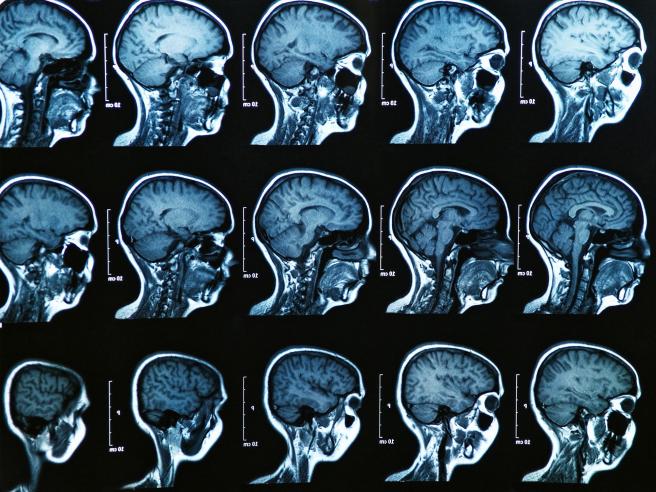
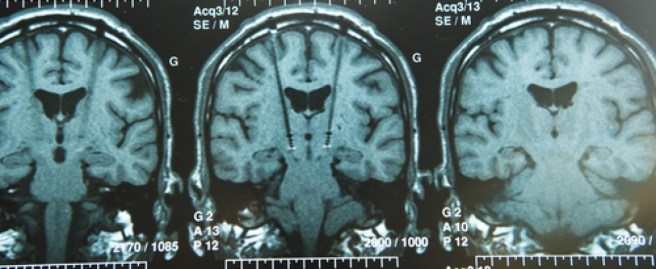
The banner for today’s post is of a scan of a brain after surgery. Source: Bionews-tx

Vaccine for Parkinson’s – AFFiRiS update


affiris_logo

Interest press release from the biotech company AFFiRiS last week (Click here for the press release) regarding their clinical trial of a vaccine for Parkinson’s disease. We have previously outlined the idea behind the trial (Click here for that post) and the team at Michael J Fox foundation also provide a great overview (Click here for that – MJF are partly funding the trial). In today’s post we will briefly review what results AFFiRiS has shared.


getty_rf_photo_of_senior_man_getting_pneumonia_vaccination

Vaccination. Source: WebMD

Vaccination represents an efficient way of boosting the immune system in the targeting of foreign or problematic agents in the body. For a long time it has been believed that the protein Alpha Synuclein is the ‘problematic agent’ involved in the spread of Parkinson’s disease inside the brain. Alpha synuclein is required inside brain cells for various normal functions. In Parkinson’s disease, however, this protein aggregates for some reason and forms circular clusters inside cells called Lewy bodies.

Fig2_v1c

A lewy body (brown with a black arrow) inside a cell. Source: Cure Dementia

It has been hypothesized (and there is a lot of experimental evidence available to support the idea) that released alpha synuclein – freely floating between brain cells  – may be one method by which Parkinson’s disease spread through the brain. With this in mind, groups of scientists (like those at AFFiRiS) are attempting to halt the spread of the condition, by training the immune system to target free-floating alpha synuclein. Vaccination is one method by which this is being attempted.

AFFiRiS is a small biotech company in Vienna (Austria) that has an ongoing clinical trial program for a vaccine (called ‘AFFITOPE® PD01A’) against alpha synuclein. The subjects in the study (22 people with Parkinson’s disease) received four vaccinations – each injection given four-weeks apart – and then the subjects were observed for 2-3 years (6 additional subjects were included in the study for comparative sake, but they did not receive the vaccine.

 Last week the company issued a press release regarding a phase 1 trial (AFF008), which indicated that PD01A is safe and well tolerated, and causing an immune response (which is a good thing) in 19 of 22 (86%) of vaccinated subjects. In 12 of those 19 (63%) participants with and immune response, the researchers found alpha-synuclein antibodies in the blood, suggesting that the body was reacting to the injected vaccine and producing antibodies against alpha synuclein (for more on what antibodies are, click here).

The scientists also conducted some exploratory efficacy assessments – to determine if they could see if the vaccine was working clinically and slowing down the disease. Eight of the 19 (42%) subjects with an immune response, had no increase of their dopaminergic medication (eg. L-Dopa) over the course of the observational period (average three years per subject). And five of those eight subjects had stable clinical motor scores at the end of the study.

The company also conducted parallel laboratory-based experiments which indicate that AFFITOPE® PD01A-induced antibodies are binding to alpha-synuclein in various models of Parkinson’s disease.

The company will be presenting the results on a poster at the 4th World Parkinson Congress in Portland, Oregon, USA on September 21.

So this is a good result right?

It is easy to get excited by the results announced in the press release, but they must be taken with a grain of salt. This is a Phase I trial which is only designed to test the safety of a new therapeutic agent in humans. From this point of view: Yes, the study produced a good result – the vaccine was well tolerated by the trial subjects.

Drawing any other conclusions, however, is not really possible – the study was not double-blind and the assignment of subjects to the treatment groups was not randomize. In addition, the small sample size makes it very difficult to make any definitive conclusions. It must be noted that of the 22 people with Parkinson’s disease that started the study, only five exhibited stabilized clinical motor scores at the end of the study. It may be too soon to tell if the vaccine is having an effect in most of the people involved in the study. Thus longer observation periods are required – which the company is currently undertaking with their follow-up study, AFF008AA. The results of that study are expected in middle-late 2017.

We shall keep you posted.


The banner for today’s post was sourced from AFFiRiS

Game changer for Alzheimer’s?

TOP-L-Concussion Front Page

Exciting results published this week regarding a small phase 1b clinical trial of a new treatment for Alzheimer’s disease. In this post, we shall review the findings of the study and consider what they may mean for Parkinson’s disease.


4-studyingdown

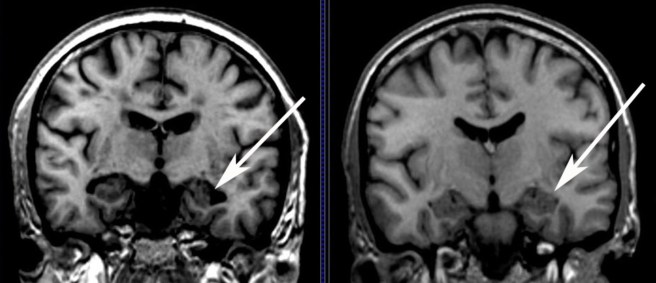
An Alzheimer’s brain scans on the left, compared to a normal brain (right). Source: MedicalExpress

Alzheimer’s disease is the most common neurodegenerative disease, accounting for 60% to 70% of all cases of dementia. It is a progressive neurodegenerative condition, like Parkinson’s disease, affecting approximately 30 million people around the world.

Inside the brain, in addition to cellular loss, Alzheimer’s is characterised by the increasing presence of two features:

  • Neurofibrillary tangles
  • Amyloid plaques


F1.large

A schematic demonstrating the difference between healthy and Alzheimer’s affected brains. Source: MmcNeuro

The tangles are aggregations of a protein called ‘Tau’ (we’ll comeback to Tau in a future post). These tangles reside within neurons initially, but as the disease progresses the tangles can be found in the space between cells – believed to be the last remains of a dying cell.

Amyloid plaques are clusters of proteins that outside the cells. A key component of the plaque is beta amyloid. Beta-amyloid is a piece of a larger protein that sits in the outer wall of nerve cells where it has certain functions. In certain circumstances, specific enzymes can cut it off and it floats away.


Amyloid-plaque_formation-big

The releasing of Beta-Amyloid. Source: Wikimedia

Beta-amyloid is a very “sticky” protein and it has been believed that free floating beta-amyloid proteins begin sticking together, gradually building up into the large amyloid plaques. And these large plaques were considered to be involved in the neurodegenerative process of Alzheimer’s disease. Thus, for a long time scientists have attempted to reduce the amount of free-floating beta-amyloid in the brain. One of the main ways they do this is with antibodies.

What are antibodies?

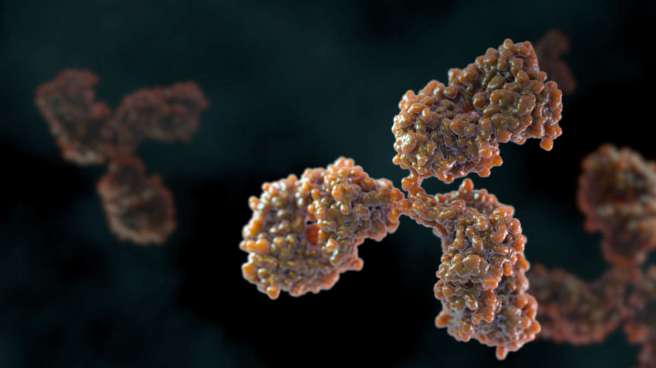
An antibody is the foundation of our immune system. It is a Y-shaped structure, that is used to alert the body when a foreign or unhealthy agent is present.

cq5dam.web.1200.YTE_Chapter_31

An artist’s impression of a Y-shaped antibody. Source: Medimmune

Two arms off the Y-shaped antibody have what is called ‘Antigen binding sites‘. An antigen is a molecule that is capable of inducing a response from the immune system (usually a foreign agent, but it can be a sick/dying cell).

2000px-Antibody.svg

A schematic representation of an antibody. Source: Wikipedia

There are currently billions of antibodies in your body -each with specific sets of antigen binding sites – awaiting the presence of their antigen. Antibodies are present in two forms: secreted, free floating antibodies, and membrane-bound antibodies. Secreted antibodies are produced by B-cells, which are part of the immune system. And it’s this secreted form of antibody that modern science has used to produce new medicines.

Really? How does that work?

Scientists can make antibodies in the lab that target specific proteins and then inject those antibodies into a patient’s body and trick the immune system into removing that particular protein. This can be very tricky, and one has to be absolutely sure of the design of the antibody because you do not want any ‘off-target’ effects – the immune system removing a protein that looks very similar to the one you are actually targeting.

These manufactured antibodies are used in many different areas of medicine, particularly cancer (over 40 antibody preparations have been approved by the U.S. Food and Drug Administration for use in humans against cancers). Recently, large pharmaceutical companies (like Biogen) have been attempting to use these manufactured antibodies against other conditions, like Alzheimer’s disease.

Which brings us to the study published this week:

Abeta

Title: The antibody aducanumab reduces Aβ plaques in Alzheimer’s disease.
Authors: Sevigny J, Chiao P, Bussière T, Weinreb PH, Williams L, Maier M, Dunstan R, Salloway S, Chen T, Ling Y, O’Gorman J, Qian F, Arastu M, Li M, Chollate S, Brennan MS, Quintero-Monzon O, Scannevin RH, Arnold HM, Engber T, Rhodes K, Ferrero J, Hang Y, Mikulskis A, Grimm J, Hock C, Nitsch RM, Sandrock A.
Journal: Nature. 2016 Aug 31;537(7618):50-6.
PMID: 27582220

In this study, the researcher conducted a 12-month, double-blind, placebo-controlled trial of the antibody Aducanumab. This antibody specifically binds to potentially harmful beta-amyloid aggregates (both small and large). At the very start of the trial, each participants was given a brain scan which allowed the researchers to determine the baseline level of beta-amyloid in the brains of the subjects. 

All together the study involved 165 people, randomly divided into five different groups: 4 groups received the 4 different concentrations of the drug (1, 3, 6 or 10 mg per kg) and 1 group which received a placebo treatment. Of these, 125 people completed the study which was 12 months long. Each month they received an injection of the respective treatment (remember these are manufactured antibodies, the body can’t make this particular antibody so it has to be repeated injected).

After 12 months of treatment, the subjects in the  3, 6 and 10 mg per kg groups exhibited a significant reduction in the levels of beta-amyloid protein in the brain (according to brain scan images), indicating that Aducanumab – the injected antibody – was doing it’s job. Individuals who received the highest doses of Aducanumab had the biggest reductions in beta-amyloid in the brain. Interestingly, this reduction in beta-amyloid in the brain was accompanied by a slowing of the clinical decline as measured by tests of dementia.  Individuals treated with the placebo saw neither any reduction in their brain levels of beta amyloid nor their clinical decline.

The authors considered this study strong justification for larger phase III trials. Two of them are now in progress, with completion dates expected around 2020.

So this is a good thing right?

Yes, this is a very exciting result for the Alzheimer’s community. But the results must be taken with a grain of salt. We have discussed beta-amyloid in a previous post (Click here for that post). While it has long been considered the bad boy of the Alzheimer’s world, the function of beta-amyloid remains the subject of debate. Some researchers worry about the medical removal of it from the brain, especially if it has positive functions like anti-microbial (or disease fighting) properties.

Given that the treatment is given monthly and can thus be controlled, we can sleep easy knowing that disaster won’t befall the patients receiving the antibody. And if they continue to demonstrate a slowing/halting of the disease, it would represent a MASSIVE step forward in the neurodegenerative field. I guess what I am saying is that it is too soon to say. It will be interesting, however, to see what happens as these patients are followed up over time. And the two phase 3 clinical trials currently ongoing, which involve hundreds of participants, will provide a more definitive idea of how well the treatment is working.

So what does this have to do with Parkinson’s disease?

Yeah, so let’s get back to our area of interest: Parkinson’s disease. Biogen is the pharmaceutical company that makes the Alzheimer’s antibody (Aducanumab) discussed above. Biogen is also currently conducting a phase 1 safety trial (on normal healthy adults) of an antibody that targets the Parkinson’s disease associated protein, alpha synuclein. We are currently waiting to hear the results of that trial.

Several other companies have antibody-based approaches for Parkinson’s disease (all of them targeting the protein alpha synuclein). These companies include:

There are some worries regarding this approach, however. For example, alpha synuclein is highly expressed in red blood cells, and some researchers worry about what affects the antibodies may have on their function. In addition, alpha synuclein has been suspected of having anti-viral properties – reducing viruses ability to infect a cell and replicate (click here to read more on this). Thus, removal of alpha synuclein by injecting antibodies may not necessarily be a good thing for the brain’s defense system.

Unlike beta-amyloid, however, most of alpha synuclein’s activities seem to be conducted within the walls of brain cells, where antibodies can’t touch it. Thus the hope is that the only alpha synuclein being affected by the antibody treatment is the variety that is free floating around the brain.

The results of the Alzheimer’s study are a tremendous boost to the antibody approach to treating neurodegenerative diseases and it will be very interesting to watch how this plays out for Parkinson’s disease in the near future.

Watch this space!


The banner for today’s post was sourced from TheNewsHerald

Nilotinib update – new trial delayed

DSK_4634s

It is with great frustration that we read today of the delayed start to the phase 2 clinical trial of the re-purposed cancer drug Nilotinib for Parkinson’s disease (click here for a story outlining the background, and click here for the Michael J Fox Foundation statement).

We have previously  discussed both the preclinical and clinical research regarding Nilotinib and its use in Parkinson’s disease (click here and here for those posts). And the Parkinson’s community certainly got very excited about the findings of the small phase 1 unblinded clinical trial conducted by researchers at Georgetown University in 2015.

With the recent failure of the GDNF trial in Bristol, what the Parkinson’s community (both suffers and researchers alike) needs to do is refocus on moving ahead with exciting new projects, like Nilotinib. To hear that the follow-up trials for Nilotinib, however, will be delayed until 2017 (TWO YEARS after the initial results were announced) due to disagreements regarding the design of the study and who is seemingly in charge of the project, is both baffling and deeply disappointing.

Currently it appears that parties involved in the follow-up clinical trial have decided to go their separate ways, with the researchers at Georgetown University looking to conduct a single site phase 2 study of 75 subjects (if they can access the drug from supplier Novartis), while the Michael J Fox backed consortium will set up a multi-site phase 2 study.

We will continue to follow this situation as it develops and will report events as they happen.

Bees! Bees! Hark to your bees!

Bee-Wallpapers-Desktop-HD-Pictures-3

The title of today’s post comes from a Rudyard Kipling poem, and it seemed appropriate as we review the results of a clinical study for Parkinson’s disease…involving bees!  Much has been written about the medicinal properties of the lovely honey that bees make. The healing properties of the sweet produce of our little friends seems to cure all ailments.

Today’s post, however, is not about honey.

No, today’s post is about the other thing bees are known for: their sting!


ofdbubwgay8bjrwbdvhz

Source: Gizmodo

Earlier today a group of researchers in Paris (France), published the results of a clinical trial in which they gave bee venom to people with Parkinson’s disease for 11 months.

Beetitle

Title: Bee Venom for the Treatment of Parkinson Disease – A Randomized Controlled Clinical Trial.
Authors: Hartmann A, Müllner J, Meier N, Hesekamp H, van Meerbeeck P, Habert MO, Kas A, Tanguy ML, Mazmanian M, Oya H, Abuaf N, Gaouar H, Salhi S, Charbonnier-Beaupel F, Fievet MH, Galanaud D, Arguillere S, Roze E, Degos B, Grabli D, Lacomblez L, Hubsch C, Vidailhet M, Bonnet AM, Corvol JC, Schüpbach M.
Journal: PLoS One. 2016 Jul 12;11(7):e0158235.
PMID: 27403743        (This study is OPEN ACCESS if you would like to read it)

No! What? Bee Venom? Really?

Yeah, I know. Weird, right? But there is actually some logic to the idea.

Bee venom has recently become in vogue for all kinds of health associated products (eg. face masks, etc – click here for more on this), but preclinical experiments have also demonstrated that it can have beneficial effects in models of Parkinson’s disease.

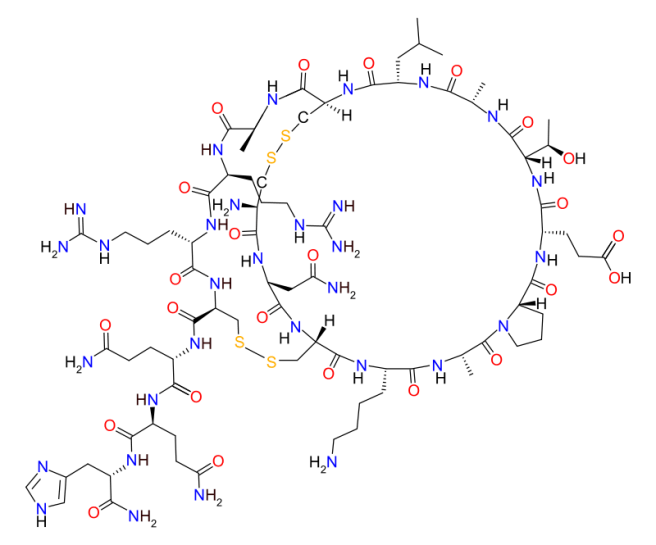
Bee venom (or Apitoxin as it known to the science types) contains some interesting components, one of which is called Apamin.

800px-Apamin.svg

Apamin. Source: Wikipedia

Apamin is the only component of bees venom that can pass through the blood-brain-barrier and enter into the brain. Once inside the brain, Apamin selectively blocks structures on the membrane of cells called ‘calcium channels’.

Calcium channels allow calcium (surprise) to enter a cell, and control many physiological functions including neurotransmitter release, muscle contraction and cell survival. It has already been demonstrated in models of Parkinson’s disease that Apamin has neuroprotective properties on the dopamine neurons in the brain:

bees

Title: Bee venom and its component apamin as neuroprotective agents in a Parkinson disease mouse model.
Authors: Alvarez-Fischer D, Noelker C, Vulinović F, Grünewald A, Chevarin C, Klein C, Oertel WH, Hirsch EC, Michel PP, Hartmann A.
Journal: PLoS One. 2013 Apr 18;8(4):e61700.
PMID: 23637888               (this article is OPEN ACCESS if you would like to read it)

The researchers in this preclinical study demonstrated that bee venom was protective in models of Parkinson’s disease. When they tested Apamin alone, however, they found that it reproduced the protective effects only partially. They concluded that other components of bee venom must be enhancing the protective action of Apamin.

So what happened in the clinical trial?

The researchers in France conducted a randomized double-blind study (meaning that nobody – researchers included – knew who was getting the bee venom or the saline control solution). They took 40 people with early stage Parkinson disease (Hoehn & Yahr stages 1.5 to 3) and assigned them to either monthly bee venom injections or equivalent injections of saline.

After 11 months of monthly injections, the researchers found that bee venom did not significantly decrease the motor features of Parkinson’s disease (as judged by UPDRS III scores during ‘off’ condition). In addition, brain imaging (DAT-scan) did not differ significantly between treatment groups over the 11 months.

The researchers did, however, see improvements in some of the cognitive measures in subjects receiving the bee venom (albeit non-significant).

In their concluding remarks, the researchers questioned whether lack of significant effect was due to the low frequency of injections (once per month). Maybe the subjects in the trial were simply receiving too little of the treatment for it to have an effect. With the support of more preclinical experimental results, they propose that a larger study is warranted with a higher administration frequency and possibly higher individual doses of bee venom.

Will this happen?

It is unclear at present.

In the study, 4 subjects had immune system responses to the bee venom, so it may be wise to firstly establish what components of bee venom are having any beneficial effect before proceeding with further clinical trials.


The banner for today’s post was sourced from modern.scot

Nilotinib and Parkinson’s disease – an update

2000px-Nilotinib.svg

We have previously discussed news briefings regarding a cancer drug that displayed interesting results in a pilot clinical study of Parkinson’s disease (click here to read that post). Today we will delve more deeply into the results of that particular study and consider what they mean.


DSK_4634s

Nilotinib (Tasigna) from Novartis. Source: William-Jon

In October of last year, at the Society for Neuroscience meeting in Chicago, a presentation of data from a clinical trial got the Parkinson’s community really excited. The study was investigating the effects of a cancer drug called ‘Nilotinib’ (also known as Tasigna) on Parkinson’s disease and the initial results were rather interesting.

The results of the pilot clinical study for Nilotinib were published today in the Journal of Parkinson’s disease:

Nilo-title

Title: Nilotinib Effects in Parkinson’s disease and Dementia with Lewy bodies
Authors: Pagan F, Hebron M, Valadez E, Tores-Yaghi Y,Huang X, Mills R, Wilmarth B, Howard H, Dunn C, Carlson A, Lawler A, Rogers S, Falconer R, Ahn J, Li Z, & Moussa C.
Journal: Journal of Parkinson’s Disease, vol. Preprint
PMID: Yet to be allocated              (This article is OPEN ACCESS if you would like to read it).

The study was setup to determine safety of using Nilotinib in Parkinson’s disease dementia or dementia with Lewy bodies.

What is Nilotinib?

Nilotinib is a drug that can be used to treat a type of leukemia when the other cancer drugs have failed. It was approved for this treating cancer by the FDA in 2007.

The researchers behind the current study believe that Nilotinib works by turning on autophagy – the “garbage disposal machinery” inside brain cells. Autophagy is a process that clears waste and toxic proteins from inside cells, preventing them from accumulating and possibly causing the death of the cell.

Print

The process of autophagy – Source: Wormbook

Waste material inside a cell is collected in membranes that form sacs (called vesicles). These vesicles then bind to another sac (called a lysosome) which contains enzymes that will breakdown and degrade the waste material.

The researchers suggest that Nilotinib may be working in Parkinson’s disease by helping affected cells to better clear away the build up of unnecessary proteins, which helps cells to function more efficiently.

What happened in the clinical study?

Twelve people with either Parkinson’s disease dementia or dementia with Lewy bodies were randomized given either 150 mg (n = 5) or 300 mg (n = 7) daily doses of Nilotinib for 24 weeks. After the treatment period the subjects were followed up for 12 weeks. All of the subjects were considered to have mid to late stage Parkinson’s features (Hoehn and Yahr stage 3–5). One subject was withdrawn from the study at week 4 due to a heart attack and another discontinued at 5 months due to unrelated circumstances.

An important question in the study was whether Nilotinib could actually enter the brain. Various tests conducted on the subjects suggesting that the drug had no problem crossing the ‘blood brain barrier‘ and having an effect in the brain. The levels of Nilotinib in the brain peaked at 2 hrs after taking the drug and the levels of the target protein (called p-Abl) were reduced by 30% at 1 hr. This level of activity remained stable for several hours.

The motor features of Parkinson’s disease were assessed using the Unified Parkinson’s Disease Rating Scale (UPDRS) and the investigators observed an average decrease of 3.4 points and 3.6 points at six months (week 24) compared to the baseline measures (scores from the start of the study) with 150 mg and 300 mg Nilotinib, respectively. A decrease in motor scores represent a reduction in Parkinson’s motor features.

The really remarkable result, however, comes from the testing of cognitive performance, which was monitored with Mini Mental Status Examination (MMSE). The researchers report an average increase of 3.85 and 3.5 points in MMSE at six months (24-week) compared to baseline, for 150 mg and 300 mg of Nilotinib, respectively. This means that the mental processing of the subjects improved across the study.

The motor and cognitive results were complemented by measures of proteins in blood and cerebrospinal fluid samples taken from the subjects. The researchers saw increases in dopamine related proteins (suggesting that more dopamine was present in the brain) and stabilization of alpha synuclein levels.

The researchers concluded that these observations warrant a larger randomized, double-blind, placebo-controlled trial to truly evaluate the safety and efficacy of Nilotinib.

Here at the SoPD, we are inclined to agree.

So what does all this mean?

The results of the study are very interesting, and the researchers should be congratulated on the outcome (and presentation of all the data in the report). As they themselves acknowledge, the study was open labelled – meaning that everyone in the study knew that they were getting the treatment – so the placebo effect could be at play here.

One intriguing note in the report was that most of the participants in the study ‘experienced increased psychotic symptoms (hallucination, paranoia, agitation) and some dyskinesia whilst on Nilotinib’ suggesting an increase in dopamine levels in the brain.

Obviously a larger, double-blind study is required to determine whether the effect of the drug in Parkinson’s disease is real. The Michael J. Fox Foundation, the Van Andel Research Institute (Michigan, USA) and the Cure Parkinson’s Trust are collaborating on the development program for a double-blind, placebo-controlled clinical trial of nilotinib, which it is hoped will begin in 2017.


The banner for today’s banner was sourced from Wikimedia 

The GDNF trial (Bristol) initial results

_70387399_70387394

We learned today that the phase 2 GDNF clinical trial in Bristol (UK) has not met the primary end point of efficacy (demonstrating a positive effect compared to a placebo treatment). That is to say, the initial results suggest that the drug has not worked. In this post we will review what we know and discuss what will happen next.


infusion1

GDNF was pumped into the striatum (green area). Source: Bankiewicz lab

We have previously discussed GDNF and Parkinson’s disease (Click here to read that post). This drug was considered the great hope for Parkinson’s disease and a lot was riding on the results. Today’s announcement is extremely unwelcomed news, but it is not necessarily the end of the road for GDNF.

What is GDNF?

Glial cell-derived neurotrophic factor (or GDNF) is a neurotrophic factor (neurotrophic = Greek: neuron – nerve; trophikós – pertaining to food/to feed). It is a chemical produced in the brain. GDNF has previously been found to have miraculous effects on some of the neurons in the brain that are most affected by Parkinson’s disease (particularly the dopamine neurons).

Given the amazing results in laboratories around the world, clinical trials were set up for people with Parkinson’s disease. The first study had astounding results, but a larger follow up study did not replicate those results and so a third GDNF clinical trial was initiated: the Bristol GDNF study

What is the Bristol GDNF study?

The Bristol GDNF study run by the the North Bristol NHS Trust, was funded by Parkinson’s UK, with support from The Cure Parkinson’s Trust. The company MedGenesis Therapeutix supplied the GDNF and additional project resources/funding. MedGenesis Therapeutix itself has funding support from the Michael J. Fox Foundation for Parkinson’s Research.

The study involved participants having GDNF (or a placebo drug) pumped directly into their brains, into an area called the putamen. The putamen is where the greatest loss of dopamine occurs in people with Parkinson’s disease.

All together there were 41 people with Parkinson’s disease enrolled in the clinical trial. The trial was divided into two phases and the first of those is now complete. During the first phase 35 participants received either GDNF or a placebo drug over 9-months in a double blind fashion

What does double blind mean?

It means that neither the researchers nor the participants know which drug they are receiving. Everyone is ‘blind’ to the treatment. Single blind studies involve the researchers being aware of the treatment allocation, but the participants are blind. Single blind studies can be affected by what is called ‘investigator bias’ – where the investigators start to think that they see an effect when there may not be an effect. Double blind is considered the gold standard, but there are problems with this type of study as well.

If phase one has finished what is phase two of the trial?

The second phase of the study will involve all participants receiving GDNF. This part is already underway.

What was the “primary efficacy end point”?

The press release from the company behind the study, MedGenesis, suggested that:

‘The primary endpoint of the study is the percentage change from baseline in the practically defined OFF-state Unified Parkinson’s Disease Rating Scale (UPDRS) motor score (part III) after nine months of double-blind treatment’

With the limited information we currently have, we are assuming that the researchers were looking for a significant improvement in the motor symptoms rating scale (‘UPDRS’) of the subjects when compared to how they were at the start of the trial (‘baseline’). The subject’s motor features were assessed during periods when they were not taking their medication (‘OFF-state’), and the initial indications are that the researchers have not seen any improvement in the GDNF treated group compared to the placebo control treated group.

Is this negative result the end of the world?

NO. Most definitely not.

There are many reasons why the trial may have not achieved its primary end point, and the researchers have emphasized that they need time to analyse all of the results. It will be interesting to see the final analysis (and we will summarise it here when it is available – end of 2016 apparently).

It will also be important to follow up the participants to determine if there are any delayed positive outcomes. It may take longer than 9 months to see improvements (fetal transplant studies, for example, usually require 2-3 years before improvements are observed).


Maybe GDNF just needs a bit more time. We will keep you updated as more information comes to hand.


For more on the study, please see Parkinson’s UK and MedGenesis.

The debate surrounding a new Stem cell transplantation trial for Parkinson’s

Deep-Brain-Stimulation-60pghfsukanm4j4bljb8mbq9hyafm3pj0e6t4iuyndm

In December last year, the Australian government gave official clearance for an American company – International Stem Cell Corporation – to conduct a stem cell based clinical trial at the Royal Melbourne Hospital in Melbourne. This news was greeted with both excited hope from the Parkinson’s support community, but also concern from the Parkinson’s research community. In this post we will explore exactly what is going on.

Before reading on it may be wise for those unfamiliar with transplantation therapy in Parkinson’s disease to read our previous post about the topic, where we discuss the concept and the history of the field. Click here to read that post.


logo

On the 14th December, the ‘Therapeutics Goods Administration’ (TGA) of Australia passed a regulatory submission from International Stem Cell Corporation (ISCO) for its wholly owned subsidiary, Cyto Therapeutics, to conduct a Phase I/II clinical trial of human stem cell-derived neural cells in patients with moderate to severe Parkinson’s disease. The hospital where the trial will be conducted -the  Royal Melbourne Hospital in Melbourne – gave ethical approval in March this year for the trial to start and the company is now recruiting subjects.

What are the details of the trial?

logo

Cyto Therapeutics (the subsidiary of ISCO) is planning a Phase I/IIa clinical study. This will evaluate the safety of the technique and provide some preliminary efficacy results. They are going to transplant human parthenogenetic stem cells-derived neural stem cells (ISC-hpNSC, for an explanation of this, please see below) into the brains of 12 patients with moderate to severe Parkinson’s disease. The study will be:

  • an open-label (meaning that everyone knows what they are being treated with),
  • single center (Royal Melbourne Hospital in Melbourne),
  • uncontrolled (there wil be no sham/placebo treated group for comparison)
  • an evaluation of three different doses of neural cells (from 30,000,000 to 70,000,000)

Following the transplantation procedure, the patients will be monitored for 12 months at specified intervals, to evaluate the safety and biologic activity of ISC-hpNSC. The monitoring process will include various neurological assessments and brain scans (PET) performed at baseline (as part of the initial screening assessment), and at 6 and 12 months post surgery.

What are ISC-hpNSCs?

Transplantation of cells is theoretically a good way of replacing the tissue that is lost in neurodegenerative conditions, like Parkinson’s disease. Previous (and the current Transeuro) clinical trials have usually used tissue dissected from aborted fetuses to supply the dopamine neurons required for the transplantations. Obviously there are major ethic and moral issues/problems with this approach. There are also procedural issues with these trials (surgeries being cancelled as not enough tissue is available – tissue from at least three fetuses is required for each transplant).

Growing dopamine cells in petri dishes solves many of these problems. Millions of cells can be grown from a small number of starting cells, and there are no ethical issues regarding the fetal donors. As a result, there has been a major effort in the research community to push stem cells to become dopamine neurons that can be used in transplantation procedures.

Embryonic stem (ES) cells are of particular interest to researchers as a good starting point because the cells have the potential to become any type of cell in the body – they are ‘pluripotent’. ES cells can be encouraged using specific chemicals to become whatever kind of cell you want.

Humanstemcell

Embryonic stem cells in a petridish. Source: Wikipedia

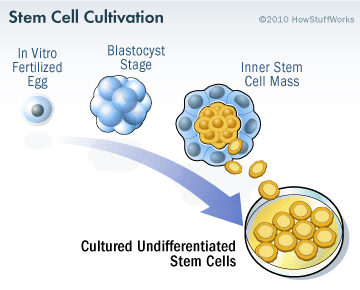
Embryonic stem cells are derived from a fertilized egg cell. The egg cell will divide, to become two cells, then four, eight, sixteen, etc. Gradually, it enters a stage called the ‘blastocyst’. Inside the blastocyst is a group of cell that are called the ‘inner stem cell mass’, and it is these cells that can be collected and used as ES cells.
stem-cell-cultivation-3

The process of attaining ES cells. Source: Howstuffworks

The human parthenogenetic stem cells-derived neural stem cells (hpNSC) that are going to be used in the Melbourne trial are slightly different. The hpNSCs come from an unfertilized egg – that is to say, no sperm cell is involved. The egg cell is chemically encouraged to start dividing and then becoming a blastocyst. This process is called ‘Parthenogenesis’, and it actually occurs naturally in some plants and animals.  Proponents of the parthenogenic approach suggest that this is a more ethical way of generating ES cells as it does not result in the destruction of a viable organism.

What has been the response to the announced trial?

In general, the response from the Parkinson’s community has been very positive. The announcement of the trial was greeted by numerous support groups as a positive step forward (for some examples see Parkinson’s UK and the stem cellar blog).

So why then is the research community concerned about the study?

Basically the research community is concerned that this trial will be a repeat of the infamous Colorado/Columbia Trial and Tampa Bay trial back in the 1990s (two double-blind studies which initially suggested no positive effect from transplantation). Both of these studies have been criticised for methodological flaws, but more importantly longer term follow-ups with patients have suggested that the period of observation was too short (12-24 months post transplant), and longer term the transplants have had more positive outcomes – the cells simply required a longer period of time to fully develop into mature neurons. This last detail is important when considering the new trial in Australia – the trial will only follow the subjects for a period of one year.

There are concerns that the absence of paternal genes in parthenogenic stem cells has not been thoroughly investigated (remember that these cells only have the genes from the female egg cell). Paternal genes are believed to be more dominant that female genes during development (Click here for more on this). They may play an important role in the development of dopamine neurons, but this has never been investigated. As a result, researchers are asking if it is wise to move to the clinic before such issues are addressed.

There is also concerns that the preclinical research supporting the trial from the companies involved (ISCO and Cyto Therapeutic) is lacking. While there has been some research into the use of parthenogenic stem cells in models of Parkinson’s (Click here for an example), the research from the company involved in this trial is limited to just a couple of peer-reviewed publications.

The research community has begun expressing their concerns in editorial comments in various journals – the most recent being in the Journal of Parkinson’s disease (Click here to read that article – it is open access).

What preclinical research is supporting the trial?

As far as we here at the SoPD are aware (and we would be very pleased to be corrected on this), there is one research article on the company website dealing with the production of dopamine neurons, and that study did not deal with transplantation. It simply described the recipe from making dopamine neurons.

SciRep-title

Title: Deriving dopaminergic neurons for clinical use. A practical approach.
Authors: Gonzalez R, Garitaonandia I, Abramihina T, Wambua GK, Ostrowska A, Brock M, Noskov A, Boscolo FS, Craw JS, Laurent LC, Snyder EY, Semechkin RA.
Journal: Sci Rep. 2013;3:1463.
PMID: 23492920                 (This article is OPEN ACCESS if you would like to read it)

(One important caveat here – the research published in this study was conducted using both embryonic stem cells (WA-09 cell line) and hpNSCs, but there is no indication in the text as to which cells were used for each result or whether the different types of pluripotent cells gave the same results. The text is unclear on this)

The company also published a study last year in which they transplanted the hpNSCs into both a rodent and primate model of Parkinson’s disease:

Gonzalez-title

Title: Proof of concept studies exploring the safety and functional activity of human parthenogenetic-derived neural stem cells for the treatment of Parkinson’s disease.
Authors: Gonzalez R, Garitaonandia I, Crain A, Poustovoitov M, Abramihina T, Noskov A, Jiang C, Morey R, Laurent LC, Elsworth JD, Snyder EY, Redmond DE Jr, Semechkin R.
Journal: Cell Transplant. 2015;24(4):681-90.
PMID: 25839189

The researchers in this study grew the hpNSCs in petridishes and pushed the cells towards becoming dopamine neurons, and then transplanted them into ten Parkinsonian rats and two Parkinsonian primates. Several months after transplantation, the researchers found the hpNSCs inside the brain and some of them had become dopamine neurons. There was, unfortunately, no indication as to how many of the hpNSCs survived the transplantation procedure. Nor any indication as to how many of them actually became dopamine neurons.

In addition, no behavioural data is presented in the study so there is no evidence that the cells had any functional effect. The researchers did measure the amount of dopamine in the brain, but those result suggested that there was only marginally more dopamine in the transplanted animals than the control animals (which had lesioned dopamine systems and saline injections rather than hpNSCs). Thus there is very evidence that the cells are functional inside the brain.

The researchers wrote in the report that “Most of the engrafted hpNSCs were dispersed from the graft site and remained undifferentiated”. This is not an ideal situation for a cell being transplanted into a particular region of the brain. Nor is it ideal for an undifferentiated cell to be going to the clinic.

And given that these two papers form the bulk of what has been published by the company with regards to their Parkinson’s disease work, researchers are concerned that the company is moving so aggressively to trial.

To be completely fair, ISCO has stated in a press release from April 2014, that their hpNSCs have been tested in 18 Parkinsonian primates. They suggested that those transplanted animals presented “significant improvement in the main Parkinson’s rating score”. Given that those results have never been made public, however, we are unclear as to what they actually mean (what is the “main Parkinson’s rating score”?).


We will follow the proceedings here at the Science of Parkinson’s with great interest.


FULL DISCLOSURE – The author of this blog is associated with research groups conducting the current Transeuro transplantation trials and the proposed G-Force embryonic stem cell trials planned for 2018. He has endeavoured to present an unbiased review of the current situation, but ultimately he is human and it is difficult to remain unbiased. He shares the concerns of the Parkinson’s scientific community that the research supporting the current Australian trial is lacking in its thoroughness. 

It is important for all readers of this post to appreciate that cell transplantation for Parkinson’s disease is still experimental. Anyone declaring otherwise (or selling a procedure based on this approach) should not be trusted. While we appreciate the desperate desire of the Parkinson’s community to treat the disease ‘by any means possible’, bad or poor outcomes at the clinical trial stage for this technology could have serious consequences for the individuals receiving the procedure and negative ramifications for all future research in the stem cell transplantation area. 


The header is of a scan of a brain after surgery. Source: Bionews-tx


UPDATE: 26/05/2016
ISCO has published further pre-clinical data this week regarding the cells that will be transplanted in their clinical trial. The data presented is from 18 transplanted monkeys:

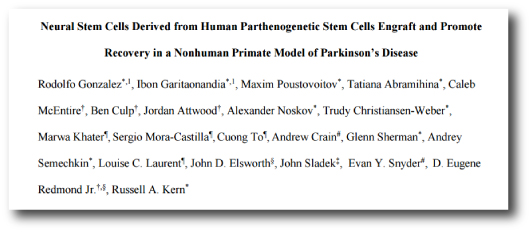
Title: Neural Stem Cells Derived from Human Parthenogenetic Stem Cells Engraft and Promote Recovery in a Nonhuman Primate Model of Parkinson’s Disease.
Authors: Gonzalez R, Garitaonandia I, Poustovoitov M, Abramihina T, McEntire C, Culp B, Attwood J, Noskov A, Christiansen-Weber T, Khater M, Mora-Castilla S, To C, Crain A, Sherman G, Semechkin A, Laurent LC, Elsworth JD, Sladek J, Snyder EY, Jr DE, Kern RA.
Journal: Cell Transplant. 2016 May 20. [Epub ahead of print]
PMID: 27213850     (This article is OPEN ACCESS if you would like to read it)

In this study, 12 African Green monkeys with induced Parkinson’s disease (caused by the neurotoxin MPTP) were transplanted with hpNSCs in the midbrain and the striatum. 6 additional monkeys with induced Parkinson’s disease received saline as a control condition. Behavioural testing was conducted and the brains were inspected at 6 and 12 months.

Behaviourally, there was very little difference between the animals that were transplanted versus the control animals when they were compared at 12 months of age. This suggests that the transplant procedure is safe, but may not be having an effect at 12 months.

An inspection of the brain suggested that 10% of the transplanted cells survive to 12 months of age, and a few of them become dopamine neurons.

Some concerns regarding this new study:
Again the researchers have chosen to use saline injections as their control condition. It would be useful to see a comparison of hpNSCs with other types of transplanted cells (eg. fetal tissue or embryonic stem cells) – for a fairer comparison of efficiency.

The biochemical readings (the amount of dopamine in the brain) suggest an small increase in dopamine levels following transplantation, but only in one or two areas of the brain. Most of the analysed regions show no difference. And there is no comparison with a normal brain so it is difficult judge how truly restorative this procedure is. The increases that are observed may be minimal compared to what they should be in a normal brain.

Less than 2% of the transplanted cells became dopamine neurons. This is a bit of a worry given that we don’t know what the rest of the transplanted cells are doing. And the authors noted extensive migration of the cells into other areas of the brain. They reported this in their previous study. This is cause for real concern leading up to their clinical trial. The cells are being transplanted into a specific region of the brain for a specific reason (localised production of dopamine). If that dopamine is being produced in different areas of the brain, there may be unexpected side-effects from the procedure.

Another cause for concern leading up to the clinical trial is that the follow up period for the trial is only 12 months. Given that so little improvement has been seen in these monkeys over 12 months, how do the investigators expect to see significant changes in human over 12 months? The cells may well have an effect long term, but from the behavioural results presented in this new study, it is apparent that it will be extremely difficult to judge efficacy within 12 months.

Even when trying to view the study with an unbiased eye, it is difficult to agree with the researchers conclusion that the results “support the approval of the world’s first pluripotent stem cell based Phase I/IIa study for the treatment of Parkinson’s disease”. The lack of effect over 12 months and the migration of the transplanted cells suggest a serious rethink of the planned clinical study is required.

The Parkinson’s UK 2016 Gretschen Amphlet Memorial Lecture

Gretschen Amphlet was a long-time resident of Cambridge (UK) who suffered from Parkinsons’s disease. Every year she is remembered in a memorial lecture in April.

This year, Prof Roger Barker of Cambridge University was asked to give the talk.

roger_barker

He is a Professor of Clinical Neuroscience at the University of Cambridge and an Honorary Consultant Neurologist at Addenbrooke’s Hospital in Cambridge. Prof |Barker conducts both lab-based and clinical research on Parkinson’s disease, co-ordinating large clinical studies such as the Transeuro cell transplantation trial currently being conducted.

His lecture was titled: Can stem cells deliver on their promise for Parkinson’s?

The event is organised by Parkinson’s UK.

logo

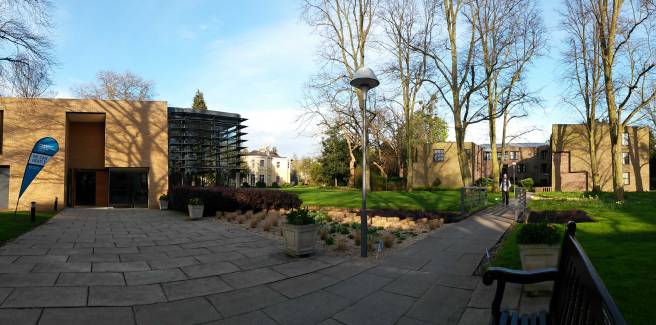
It was a beautiful evening outside the auditorium at FitzWilliams college in Cambridge…

FitzCollege

…and we were present in the lecture hall for the event. Parkinson’s UK filmed the lecture and that footage is available online (click here to watch it). We also offer a transcript of the lecture – to read the transcript, please click here.


Cleaning up with Ambroxol

Exciting news recently with the announcement of the Ambroxol study starting.

Exciting for two reasons:

  1. Ambroxol has the potential to make a major impact in the lives of some people with Parkinson’s disease.
  2. It illustrates how FAST things are moving in the world of Parkinson’s disease!


Inside each and every cell, there are millions of tiny actions taking place. Minute processes all working in a collective manner allowing the cell to function normally. There are lots of proteins helping to make other proteins, lots of proteins helping other proteins to get to where they need to be, and lots of proteins helping to break down other proteins after they have done their job.

All this activity generates a lot of waste. And a fundamental part of the activity in any cell is waste disposal. If that does not function properly, the cell is in serious trouble.

One of the most common genetic mutations associated with Parkinson’s disease – called GBA – results in cells having trouble getting rid of waste.

GBA-cartoon

Adapted from a cartoon by Dr Jing Pu. Source: The Nichd connection

What is GBA?

Glucocerebrosidase (or GBA) is an enzyme that helps with the recycling of waste. It is active in inside ‘lysosomes‘.

What are Lysosomes?

Lysosomes are small structures inside cells that act like recycling centers. Waste gets put inside the lysosome where enzymes like GBA help to break it down into useful parts. Mutations in the GBA gene can result in an abnormally short, non-functioning version of the enzyme. And in those cases the breaking down of waste inside the lysosome because inhibited.

What is the connection between GBA and Parkinson’s disease?

GBA mutations are the most common genetic anomaly associated with Parkinson’s disease. People with a mutation in their GBA gene are at higher risk of developing Parkinson’s disease than the general population. And people with Parkinson’s are approximately five times more likely to carry a GBA mutation than healthy control subjects.

So what is Ambroxol?

Ambroxol is a commonly used treatment for respiratory diseases. It promotes mucus clearance and eases coughing. Ambroxol is also anti-inflammatory, reducing redness in a sore throat.

Ok, but why the excitement for Parkinson’s disease?

In May of 2014 – less than 2 years ago – this study was published:

McNeil1

Title: Ambroxol improves lysosomal biochemistry in glucocerebrosidase mutation-linked Parkinson disease cells.
Authors: McNeill A, Magalhaes J, Shen C, Chau KY, Hughes D, Mehta A, Foltynie T, Cooper JM, Abramov AY, Gegg M, Schapira AH.
Journal: Brain. 2014 May;137(Pt 5):1481-95.
PMID: 24574503    (This report is OPEN ACCESS if you want to read it)

It was the first time that Ambroxol – a commercially available drug – had been tested in a Parkinson’s disease related context.

In this study the researchers collected skin cells (called fibroblasts) from eleven people with GBA mutations (some had been diagnosed with Parkinson’s disease). They measured the amount of glucocerebrosidase protein and enzyme activity in these cells, and they found that glucocerebrosidase enzyme activity was significantly reduced in fibroblasts from GBA mutations (on average just the enzyme was acting at just 5% of normal levels). They found that ambroxol increased glucosylceramidase activity in fibroblasts from people with GBA mutations AND in fibroblasts from healthy controls. Ambroxol treatment also reduced markers of oxidative stress in GBA mutant cells.

Given the increase in glucocerebrosidase activity after ambroxol treatment, the researchers wondered whether the drug would reduce alpha-synuclein levels in cells that were over-expressing this protein. Amazingly, after 5 days of ambroxol treatment, levels of alpha-synuclein had decreased significantly (15% on average 15%).

You can understand why the researchers were a little bit excited by these results. Here was a drug that re-activated the recycling unit in the cell and reduced levels of one of the main proteins associated with Parkinson’s disease. If the drug can reduce the levels of alpha synuclein in the brains of people with Parkinson’s disease, maybe the researchers will be able to slow down (or even halt) the disease!

Additional studies have now been reported which have confirmed the initial results.

And now the clinical trial?

Funded by the Cure Parkinson’s Trust and the Van Andel Research Institute (USA), it was announced this week that they had started recruiting subjects to be involved in a clinical trial at the Royal Free Hospital in London. The trial is a phase 1 study which will test the safety of Ambroxol in Parkinson’s disease. The researchers will also look to see if Ambroxol can increase levels of glucocerebrosidase and whether this has any beneficial effects in the subjects. The study will be conducted on 20 people with Parkinson’s disease who also have GBA mutations. They will be given the drug and followed over the next 24 months.

These are exciting times for the world of Parkinson’s disease as these drugs are no longer simply reducing the motor features of the condition, but actually attempting to slow/halt the disease.

And as we suggested at the start of the post the pace of these developments is becoming hard to keep up with.