Busy day for Parkinson’s – 9/2/2017


o-busy-facebook

Today there was a lot of Parkinson’s related activity in the news… well, more than usual at least.

Overnight there was the publication of a blood test for Parkinson’s disease, which looks very sensitive. And this afternoon, Acorda Therapeutics announced positive data for their phase three trial.

In this post, we’ll look at what it all means.

happens-many-red-blood-cells_891c9a08c6bfe4aa

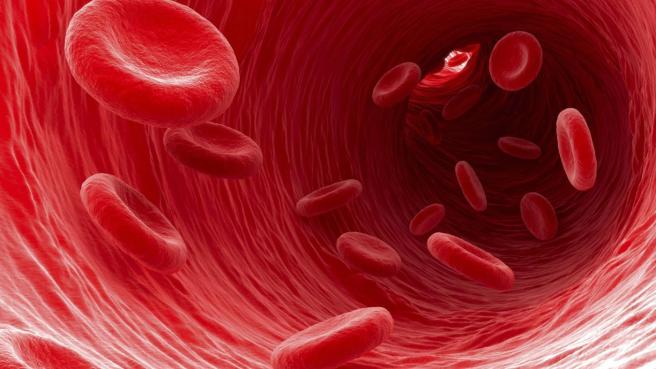
Blood cells. Source: Reference.com

Today we found out about an interesting new study from scientists at Lund University (Sweden), where they are developing a test that can differentiate between different types of Parkinsonisms (See our last post about this) using a simple blood test.

We have previously reported about an Australian research group working on a blood test for Parkinson’s disease, but they had not determined whether their test could differentiate between different kinds of neurodegenerative conditions (such as Alzheimer’s disease). And this is where the Swedish study has gone one step further…

blood
Title: Blood-based NfL: A biomarker for differential diagnosis of parkinsonian disorder
Authors: Hansson O, Janelidze S, Hall S, Magdalinou N,  Lees AJ, Andreasson U, Norgren N, Linder J, Forsgren L, Constantinescu R, Zetterberg H, Blennow K, & For the Swedish BioFINDER study
Journal: Neurology, Published online before print February 8, 2017
PMID: N/A       (This article is OPEN ACCESS if you would like to read it)

The research group in Lund had previously demonstrated that they could differentiate between people with Parkinson’s disease and other types of Parkinsonism to an accuracy of 93% (Click here to read more on this). That is a pretty impressive success rate – equal to basic clinical diagnostic success rates (click here for more on this).

The difference was demonstrated in the levels of a particular protein, neurofilament light chain (or Nfl). NfL is a scaffolding protein, important to the cytoskeleton of neurons. Thus when cells die and break up, Nfl could be released. This would explain the rise in Nfl following injury to the brain. Other groups (in Germany and Switzerland) have  also recently published data suggesting that Nfl could be a good biomarker of disease progression (Click here to read more on this).

There was just one problem: that success rate we were talking about above, it required cerebrospinal fluid. That’s the liquid surrounding your brain and spinal cord, which can only be accessed via a lumbar puncture – a painful and difficult to perform procedure.

lumbar-puncture-cropped

Lumbar puncture. Source: Lymphomas Assoc.

Not a popular idea.

This led the Swedish researchers to test a more user friendly approach: blood.

In the current study, the researchers took blood samples from three sets of subjects:

  • A Lund set (278 people, including 171 people with Parkinson’s disease (PD), 30 people with Multiple system atrophy (MSA), 19 people with Progressive Supranuclear Palsy (PSP), 5 people with corticobasal syndrome (CBS), and 53 people who were neurologically healthy (controls).
  • A London set (117 people, including 20 people with PD, 30 people with MSA, 29 people with PSP, 12 people with CBS, and 26 neurologically healthy controls
  • An early disease set (109 people, including 53 people with PD, 28 people with MSA, 22 people with PSP, 6 people with CBS). All of the early disease set had a disease duration less than 3 years.

When the researchers looked at the levels of NfL in blood, they found that they could distinguish between people with PD and people with PSP, MSA, and CBS with an accuracy of 80-90% – again a very impressive number!

One curious aspect of this finding, however, is that the levels of Nfl in people with PD are very similar to controls. So while this protein could be used to differentiate between PD and other Parkinsonisms, it may not be a great diagnostic aid for determining PD verses non-PD/healthy control.

In addition, what could the difference in levels of Nfl between PD and other Parkinsonisms tell us about the diseases themselves? Does PD have less cell death, or a more controlled and orderly cell death (such as apoptosis) than the other Parkinsonisms? These are questions that can be examined in follow up work.


but-wait

Source: 3rd-Solutions

Like we said at the top, it’s been a busy day for Parkinson’s disease: Good news today for Acorda Therapeutics, Inc.

acordatherapeuticslogo_calogo2306

Source: Acorda

They announced positive Phase 3 clinical trial results for their inhalable L-dopa treatment, called CVT-301, which demonstrated a statistically significant improvement in motor function in people with Parkinson’s disease experiencing OFF periods.

We have previously discussed the technology and the idea behind this approach to treating Parkinson’s disease (Click here for that post).

levodopa-inhaler-lead-658x394

The ARCUS inhalation technology. Source: ParkinsonsLife

Basically, the inhaler contains capsules of L-dopa, which are designed to break open so that the powder can escape. By sucking on the inhaler (see image below), the open capsule starts spinning, releasing the levodopa into the air and subsequently into the lungs. The lungs allow for quicker access to the blood system and thus, the L-dopa can get to the brain faster. This approach will be particularly useful for people with Parkinson’s disease who have trouble swallowing pills/tablets – a common issue.

The Phase 3, double-blind, placebo-controlled clinical trial evaluated the efficacy and safety of CVT-301 when compared with a placebo in people with Parkinson’s disease who experience motor fluctuations (OFF periods). There were a total of 339 study participants, who were randomised and received either CVT-301 or placebo. Participants self-administered the treatment (up to five times daily) for 12 weeks.

The results were determined by assessment of motor score, as measured by the unified Parkinson’s disease rating scale III (UPDRS III) which measures Parkinson’s motor impairment. The primary endpoint of the study was the amount of change in UPDRS motor score at Week 12 at 30 minutes post-treatment. The change in score for CVT-301 was -9.83 compared to -5.91 for placebo (p=0.009). A negative score indicates an improvement in overall motor ability, suggesting that CVT-301 significantly improved motor score.

The company will next release 12-month data from these studies in the next few months, and then plans to file a New Drug Application (NDA) with the Food and Drug Administration (FDA) in the United States by the middle of the year and file a Marketing Authorization Application (MAA) in Europe by the end of 2017. This timeline will depend on some long-term safety studies – the amount of L-dopa used in these inhalers is very high and the company needs to be sure that this is not having any adverse effects.

All going well we will see the L-dopa inhaler reaching the clinic soon.


The banner for today’s post was sourced from the Huffington Post

Something ‘new and fresh’ from Korea

42734181_l-1024x682

The word ‘Kainos‘ comes from ancient Greek, meaning ‘new’ or ‘fresh’.

A company in South Korea has chosen to use this word as their name.

Why?

In today’s post we will discuss a clinical trial that started this week that is taking a ‘new and fresh’ approach to treating Parkinson’s disease.


south_korea

Enchanting country. Source: Eoasia

South Korea is an amazing place, with a long and proud history of innovation and technological development. This week a biotech company there called Kainos Medicine has added itself to that history by initiating a clinical trial that takes a new approach to treating Parkinson’s disease.

As Kainos Medicine points out on their website, the current treatment options for Parkinson’s disease function by alleviating symptoms, for example L-dopa simply replaces the lost dopamine rather than treating the underlying disease. Kainos’s new experimental treatment, called KM-819, is trying to help in a different way: it is trying to slow down the cell death that is associated with Parkinson’s.

How does it do that?

KM-819 is an inhibitor of Fas Associated Factor 1 (or FAF1).

And what is FAF1?

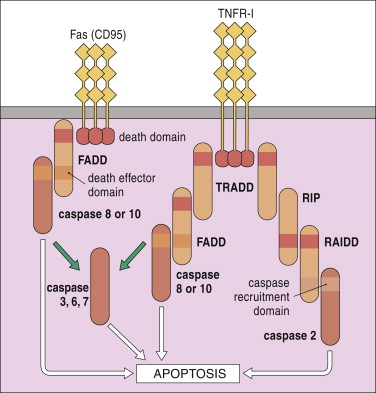
Fas Associated Factor 1 is a protein that interacts with and enhances the activity of a protein on the surface of cells with the ominous name: Fas Cell Surface Death Receptor…and yes, the use of the word ‘death’ in that name should give you some indication as to the function of this protein. When Fas Cell Surface Death Receptor gets activated on any given cell, things have definitely taken a turn for the worse for that particular cell.

Fas Cell Surface Death Receptor (also called CD95) is an initiator of apoptosis.

3-s2-0-b9780323069472100203-f20-05-9780323069472

FasSource: Sciencedirect

What is apoptosis?

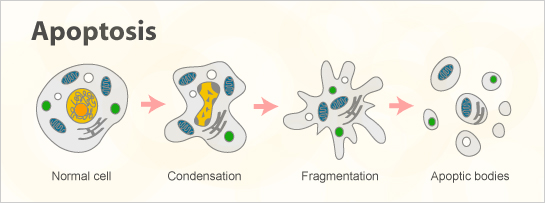
Apoptosis (from Ancient Greek for “falling off”) is the process of programmed cell death – a cell initiates a sequence of events that result in the cell shutting down and dying.

apoptosis_b

The process of apoptosis. Source: Abnova

Apoptosis is a very clean and organise process of a cell being removed from the body, with it eventually being broken down into small units (called apoptotic bodies) which are consumed by other cells.

Sounds interesting, but what research has been done on FAF1 and Parkinson’s disease?

Back in 2008, this research report was published:

faf1

Title: Fas-associated factor 1 and Parkinson’s disease.
Authors: Betarbet R, Anderson LR, Gearing M, Hodges TR, Fritz JJ, Lah JJ, Levey AI.
Journal: Neurobiol Dis. 2008 Sep;31(3):309-15.
PMID: 18573343   (This article is OPEN ACCESS if you would like to read it)

The researcher who conducted this study noticed that the FAF1 gene was located in the ‘PARK 10’ region of chromosome 1. PARK regions are areas of our DNA where mutations (or disruptions to the sequence of DNA) can result in increased vulnerability to Parkinson’s disease (there are currently at least 20 PARK regions). PARK 10 is a region of DNA in which mutations have been associated with late-onset Parkinson’s disease. The scientists thought this was interesting and investigated FAF1 in the context of Parkinson’s disease.

When they looked at postmortem brains, the researchers found that FAF1 levels were significantly increased in brains from people with Parkinson’s disease when compared to brains from healthy control cases. In addition, increased levels of FAF1 exaggerated the cell death observed in different cell culture models of Parkinson’s disease, suggesting an important role for FAF1 in sporadic Parkinson’s disease.

NOTE: More recently, a closer analysis of the PARK10 region resulted in a shrinking of the area which resulted in FAF1 falling outside the PARK10 domain (click here and here to see that research). We are currently not sure if genetic variations in the FAF1 gene infer vulnerability to PD.

This initial work led others to researching FAF1 in the context of Parkinson’s disease and in 2013 this research report was published:

faf2

Title: Accumulation of the parkin substrate, FAF1, plays a key role in the dopaminergic neurodegeneration.
Authors: Sul JW, Park MY, Shin J, Kim YR, Yoo SE, Kong YY, Kwon KS, Lee YH, Kim E.
Journal: Hum Mol Genet. 2013 Apr 15;22(8):1558-73.
PMID: 23307929

These researchers found that Parkinson’s associated protein, Parkin (which we have briefly discussed in a previous post) labels FAF1 for disposal. And they found in the absence of Parkin there was a build up of FAF1, making the cells more vulnerable to apoptosis. They followed this finding up by demonstrating that FAF1-mediated cell death was rescued by re-introducing the normal parkin protein. Interestingly, there was no rescue when the mutant parkin protein was re-introduced. These results suggest that normal Parkin acts as an inhibitor FAF1.

To further investigate this finding, the researchers next modelled Parkinson’s disease in genetically engineered mice which had the FAF1 gene removed. They found that the behaviour motor problems and loss of dopamine cells in the brain was significantly reduced in the FAF1 mutant mice, indicating that the FAF1 pathway could be a worthy target for future Parkinson’s disease treatment.

And this and other research has led those same researchers to the clinical trial started in Korea by Kainos Medicine.

So what is the clinical trial all about?

The company will be conducting a phase 1 dose-escalation clinical trial in South Korea, which will evaluate the safety, tolerability, and biochemical properties of their drug KM-819 in 48 healthy adults (click here to read more about the trial).

This is the very first step in the clinical trial process.

The study is split in two parts: Part A is a single dose of KM-819 or a placebo given in ascending doses to participants. And Part B is the same except that multiple ascending doses of the compound will be given to the participants.

The trial will last around six weeks, and – according to the press release – the first subject has just been dosed.

What does it all mean?

Parkinson’s disease is a neurodegenerative condition, which means that certain cells in the brain are dying. Medication that could block that cell death from occurring represents an interesting way of treating the disease and this is what Kainos are attempting to do.

Blocking or slowing cell death is a tricky business, however, because in other parts of the body, cell death is a very necessary biological process. In some areas of our body, cells are born, conduct a particular function and die off relatively quickly. By slowing that cell death in the brain which may be a good thing, we may be causing issues elsewhere in the body, which would be bad.

In addition there has recently been concerns raised about the clinical use of apoptosis inhibitors, such as this study:

liver

Title: Caspase Inhibition Prevents Tumor Necrosis Factor-α-Induced Apoptosis and Promotes Necrotic CellDeath in Mouse Hepatocytes in Vivo and in Vitro.
Authors: Ni HM, McGill MR, Chao X, Woolbright BL, Jaeschke H, Ding WX.
Journal: Am J Pathol. 2016 Oct;186(10):2623-36.
PMID: 27616656

The researchers who conducted this study found that using apoptosis inhibitors on a mouse model of liver disease did stop apoptosis from occurring, but this didn’t save the cells which eventually died via another cell death mechanism called necrosis (from the Greek meaning “death, the act of killing” – lots of Greek in this post!). In necrosis, rather than breaking down in a systematic and organised fashion (apoptosis), a cell will simply rupture and fall apart. Very messy.

Thus there is the possibility with the Kainos drug, KM-819, will protect cells in the Parkinsonian brain from dying via apoptosis, but as the disease continues to progress those cells may become more ill and eventually disappear as a result of necrosis. That said, if the drug can slow down Parkinson’s disease, it would still represent a major step forward in our treatment of the condition!

The connection with Parkin is also very interesting.

It would be wise for future phase 2 and 3 trials – which will test efficacy – to include (or specifically recruit) people with Parkinson’s disease who have mutations in the Parkin gene. This is a very small proportion of the overall Parkinson’s community (approx. 20% of people with early onset PD have a Parkin mutation – click here to read more on this), but if the drug is going to be effective, these would be the best people to initially test it in.

This will be a very interesting set of clinical trials to watch. The phase 1 safety trial will be very quick (6 weeks), and hopefully Kainos Medicine will be able to progress rapidly to a phase 2 efficacy trial. Fingers crossed for positive results.


The banner for today’s post was sourced from Koreabizwire

A smartphone application for Parkinson’s disease

umotif

Here at the SoPD, we like our gadgets and new technology.

And we believe that there is enormous potential for people with Parkinson’s disease to benefit hugely even from some of the small technological advances that seem to be occurring on a day basis.

Today’s post will review a recent study that looked at tested the benefits of a smartphone application for people with Parkinson’s disease.


selfcare-infographic-english

A schematic illustrating the limited monitoring of Parkinson’s. Source: Riggare

On her great blog, Swedish engineer and ‘proud mother’ Sara Riggare posted the image above to illustrate the ridiculous current situation regarding the standard monitoring of Parkinson’s disease.

As the schematic perfectly illustrates, in 2014 Sara spent 8,765 hours conducting ‘self care’. That is, she was applying her own knowledge and experience to managing her Parkinson’s disease. For just one hour in that year was her Parkinson’s actually being monitored by a medical clinician (8,766 being the number of hours in a year).

This is actually a very serious problem – for not only the Parkinson’s community – but anyone suffering from a long-term medical condition. How are they to gage their current situation on a day to day basis when they have such infrequent visits to their medical specialist?

And this is where technology can help.

But, before we begin:

FULL DISCLOSURE NO.1: the author of this blog is an author in the study that will be discussed (#ThisIsNotShamelessSelfPromotion).

FULL DISCLOSURE NO.2: We here at the SoPD are in no way benefitting from mentioning the study here. The company behind the product, umotif, has not asked us nor been contacted by us regarding this post (in fact, they are completely unaware that we are posting this). We are writing this post simply because we thought that it would be of interest to the wider Parkinson’s community. And yes, as other technology comes to along, we will bring it to you attention by posting about it here.

With all of that out of the way, the study is AMAZING!

smart

Title: Using a smartphone based self-management platform to support medication adherence and clinical consultation in Parkinson’s disease: Results from the SMART-PD Randomised Controlled Trial v4.
Authors: Lakshminarayana R, Wang D, Burn D, Barker RA, Chaudhuri KR, Galtrey C, van Guzman N, Hellman B, Pal S, Stamford J, Steiger M, Stott SRW, Teo J, Barker RA, Wang E, Bloem BR, van der Eijk M, Rochester L, & Williams A
Journal: NPJ Parkinson’s disease (2017), 3, 2.
PMID: N/A          (This article is OPEN ACCESS if you would like to read it)

The company behind the application approached various clinical research groups around the UK and proposed to run a study of their new product. The software had many features (including information about medication, a reminder alarm for when medication should be taken, tests/games, and links to other resources online).

41531_2016_3_fig4_html

A programmable reminder system for medication. Source: Nature

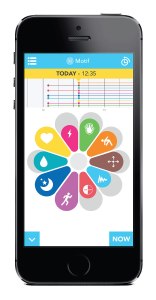
The primary focus of the software, however, was a flower-petal shaped motif that the participants could manipulate to indicate how they were feeling.

umotif-app-screenshot-2

The umotif flower motif. Source: SalusDigital

Participants could drag each coloured petal in or out to indicate how they were feeling at a particular moment in time. The smaller the petal, the more lower the score. And each petal represented different aspects of daily life, for example the moon and stars (dark blue) petal allowed an indication of how one slept.

Each time the participant indicated their current status on the flower motif, the information was recorded and could be tracked over days, weeks, and months. This level of information allowed people to begin to see patterns in their own behaviour over time, with some people getting poorer sleep during the middle of the month for example. And different variables could be compared (such as sleep score with exercise score), providing users with a more dynamic idea of their situation over time.

41531_2016_3_fig5_html-1

Comparing scores between measures over time. Source: Nature

A total of 215 people with Parkinson’s disease were randomly assigned to either receive the application (106 subjects) or not (acting as a control subject; 109 subjects). Both groups were contacted by the investigators fours times during the 16 week trial and feedback was provided in addition to any changes in their treatment regimes.

72% of participants application group continued to use and engage with the application throughout the 16-week trial. By the end of the study, the application group demonstrated significantly improved adherence to their treatment regime when compared to the control group. Curiously, the application also significantly improved patients’ perception of quality of follow up consultations, demonstrating unexpected benefits.

And at the end of the study all of the control group participants in the study were allowed to begin using the application, while the application group continued to use it.

One interesting aspect of the study was the lack of interaction with technology by the target population. 180 people who were initially invited to take part in the study could not because they did not have smartphones (with iPhone/iPad or Android operating systems). So obviously there are opportunities for alternative approaches to this kind of tracking (other than a smartphone).

What does it all mean?

This smartphone application is a user friendly approach to tracking someone’s Parkinson’s over time, getting around the ‘lack of monitoring’ issue that concerns many in the community.

Umotif and Parkinson’s UK have kindly made this video about the study results so we might just sit back and let them explain what it all means and point out all of the benefits.

We are working on additional posts about wearable tech for Parkinson’s disease, which will be coming soon.

So stay tuned.


The banner for today’s post was sourced from ParkinsonsMovement