In December 2020, a research paper was published that drew a lot of attention.
It involved a molecule that reversed memory deficits in aged mice – even weeks after treatment has stopped.
The treatment involved inhibition of the integrated stress response.
In today’s post, we will explore what the integrated stress response is, review the data presented in new report, and consider what might happen next with this line of research (and be warned, there is quite a bit of biology to kick things off).
# # # #
Title: Small molecule cognitive enhancer reverses age-related memory decline in mice. Authors: Krukowski K, Nolan A, Frias ES, Boone M, Ureta G, Grue K, Paladini MS, Elizarraras E, Delgado L, Bernales S, Walter P, Rosi S. Journal: Elife. 2020 Dec 1;9:e62048. PMID: 33258451 (This report is OPEN ACCESS if you would like to read it)
This report was published in December 2020.
It starts with a quote:
“Of the capacities that people hope will remain intact as they get older, perhaps the most treasured is to stay mentally sharp” (Source)
The report then proceeds to describe an experiment in which a small drug-like molecule reverses memory deficits in aged mice, even weeks after treatment has stopped.
Wow! What was the treatment?
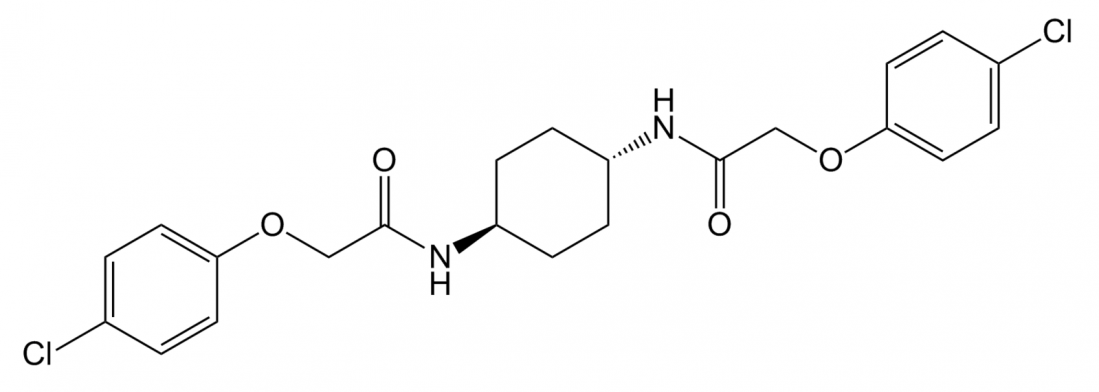
The molecule is an ‘integrated stress response‘ (or ISR) inhibitor that has conveniently been called ISRIB (or ISR InhiBitor).
What is ISR and why would the researchers be inhibiting it?
I started writing about the research being conducted in Parkinson’s in 2014.
If I’m honest, it was simply an experiment. Having failed to write the next great kiwi novel (think Katherine Mansfield, Margaret Mahy, Witi Ihimaera, Eleanor Catton, and most recently Rose Carlyle), to distract myself I started playing around with science writing to see if I liked it.
And what do ye know: I did
One thing led to another… and now there’s 500 posts on this thing called “The Science of Parkinson’s” (Click here for the full list).
In today’s post, we will revisit some of the key moments and thoughts on that journey.
# # # #
MOMENT OF CONCEPTION
The Science of Parkinson’s began life in the clinic room in the photo above.
It is clinic room 1 at the Brain Repair Centre at the University of Cambridge.
Back in 2014, yours truly had been working as a postdoctoral research scientist in Prof Roger Barker‘s lab, and (this will sound cliché, but) after almost 15 years of researching the biology of the Parkinson’s, I realised that I didn’t have much practical experience with the disease itself. Kind of like a taxi driver who thinks he has memorised all the roads, but has never actually climbed behind the wheel and interacted with a stranger wanting to be driven somewhere.
So I volunteered to help out in the clinic once or twice a week, doing some of the cognitive assessments.
It was straight forward work – leading folks through the various standardised tests – but the experience was extremely enlightening. Not just because one saw the heterogeneity of cases and the impact that the condition has on a human body (over time, with periodic visits), but also the human side of the whole beastly thing. You met and got to know the people affected and their families. You learnt their stories and listened to their lived experience of PD. It was a fascinating experience – one which further energized my efforts in the lab.
Everything had been going smoothly for about 8-9 months…
At the end of each month the SoPD writes a post which provides an overview of some of the major pieces of Parkinson’s-related research that were made available during March 2021.
The post is divided into ten parts based on the type of research:
March 5th – The UK Government has offered “claps” and a 1% pay rise to NHS nurses. Minister of State for Mental Health, Suicide Prevention and Patient Safety, Nadine Dorries said that a 1% offer “is the most we think we can afford” (you can’t make this stuff up – click here to read more about it).
March 8th – British shoe company “Shoezone” announced that Terry Boot would be replacing Peter Foot as their next finance director (Source) – you really can’t make this stuff up!
March 8th – Japanese researchers discovered that a species of sea slug (Elysia cf. marginata) can regenerate it’s entire body from a decapitated head (Click here to read more about this).
March 16th – Scientists reported the discovery of a new unknown bacteria species of Methylobacterium (designated IF7SW-B2T, IIF1SW-B5, and IIF4SW-B5). They were discovered… on the International Space Station (Source).
March 18th – COVID-19 pandemic: The number of vaccinations administered worldwide exceeded 400 million.
March 21st – Twitter turned 15 years old (makes one feel kinda… – click here to read more about this).
March 25 – COVID-19 pandemic: The number of vaccinations administered worldwide exceeds 500 million.
In the world of Parkinson’s research, a great deal of new research and news was reported:
In March 2021, there were 986 research articles added to the Pubmed website with the tag word “Parkinson’s” attached (3,449 for all of 2021 so far). In addition, there was a wave to news reports regarding various other bits of Parkinson’s research activity (clinical trials, etc).
Alpha synuclein is a protein that is closely associated with Parkinson’s. It was the first gene to be associated with increased risk of developing Parkinson’s, and the alpha synuclein protein was found to be present in Lewy bodies – a characteristic feature of the Parkinson’s brain.
As a result of this association, researcher have used high levels of this protein to model Parkinson’s in cell culture and animal experiments.
Recently, scientists have reported that high levels of alpha synuclein can cause shrinkage of motorneurons, resulting in a reduction of gut motility in mice – potentially connecting multiple features of Parkinson’s in one study.
In today’s post, we will review the results of this new study and consider what could happen next.
A reader recently emailed me to ask if Parkinson’s is a channelopathy?
It’s a good question.
What is a channelopathy?
Channelopathies are conditions caused by disruption of the function of proteins involved in ion channels or the proteins that regulate them. These diseases can be either congenital (present from birth, often resulting from a genetic mutation) or acquired (often resulting from an insult such as autoimmune attack or toxin on a particular type of ion channel – click here to read a good review on this topic).
Hang on a second, what are ion channels?
Ion channels are protein structures in membranes that allow certain elements to pass through them into (or out of) the interior of a cell.
These conduits play critical roles in many processes of normal cellular life – from passing signals between cells to general cellular well being (homeostasis). Many of these channels are very selective in what they allow to pass (for example, there are calcium channels and sodium channels which only allow calcium and sodium to pass, respectively).
When components of a channel are disrupted (resulting in dysfunctional activity in that channel), it can have serious implications for cells and the organisms that they inhabit.
Can you give an example of a disease that is a channelopathy?
Spinocerebellar ataxia type 6 (or SCA6) can be used as an example of a channelopathy.
Spinocerebellar ataxia are a collection of rare, genetic condition that is characterized by slowly progressive cerebellar ataxia (a lack of muscle coordination that can make speech and movement difficult) and nystagmus (involuntary, uncontrollable eye movements).
This video explains what spinocerebellar ataxia are:
SCA6 is a late onset form of spinocerebellar ataxia (typically starting after 65 years of age) – many people with SCA6 can be misdiagnosed with ALS or Parkinson’s. SCA6 is caused by mutations in CACNA1A, a gene that provides the instructions for making one part (the alpha-1 subunit) of a calcium channel called CaV2.1.
Very interesting. But how does this relate to Parkinson’s?
Neurotrophic factors – like Glial cell line-derived neurotrophic factor (or GDNF) – hold great hope for regenerative therapy in Parkinson’s research. New research, however, indicates that simply injecting the protein into the brain may not be enough.
Scientists at Rush University Medical Center (in Chicago) conducted a postmortem analysis of brains from people who passed away with Parkinson’s and made an intriguing discovery.
They found that many of the remaining dopamine neurons appear to not be producing a protein called Ret, which is required for GDNF signaling. In addition, other components of GDNF signaling pathway were missing.
In today’s post, we will review the background of this new study, outline what the study found, and discuss the implications of the research.
Glial cell line-derived neurotrophic factor (or GDNF) is a topic that gets a lot of reader attention on the SoPD. It is a tiny protein that holds great hope for the Parkinson’s community in terms of providing a potential neuroprotective and regenerative therapy.
GDNF is a type of neurotrophic factor, which are small naturally-occurring proteins that nurture neurons and support their growth. There are different kinds of neurotrophic factors, and the testing of some of them in preclinical models of Parkinson’s has generated encouraging results (particularly in the case of GDNF – click here to read a previous SoPD post on this topic).
But the translation of those initial results in cell culture and animal models of Parkinson’s has been difficult in clinical trials of neurotrophic factors.
This has led to many questions being asked within the research community about the nature of biological signaling pathways involved with neurotrophic factors and whether they might be affected in Parkinson’s.
The majority of the neurotrophic factors that have been tested in models of Parkinson’s and in clinical trials for Parkinson’s belong to a branch that requires the RET signaling pathway to be available to have their neuroprotective effect.
It is one of those stories that will ultimately become the stuff of legend. And other areas of medical research will come to envy the fact that they don’t have a similar compelling tale. It is such a fascinating story that one feels fortunate to be a researcher living through the period of time during which it is actually unfolding.
The background of the narrative is really simple: A lady in an audience made a wonderous association, and then had the courage to publicly ask an odd question (“Why do people with Parkinson’s smell different?“). An intrepid researcher then had the curiosity to follow up on that question, and the resulting findings have opened up amazing new opportunities for us.
Recently researchers in Manchester (and their collaborators) have published a series of updates on their research exploring the “smell of Parkinson’s”
In today’s post, we will discuss what they have found and how their research could potentially affect our understanding of and approach to Parkinson’s.
Dr Les Milne was a consultant anaesthesiologist at Macclesfield in Cheshire for 25 years.
He was one of the first medical directors in the Mersey region, at one point having five departments under his management. Instrumental in changing the training of theatre operating assistants in the hospital, Les was known for giving up his own time to provide extra training to trainees to help them get their qualifications. His was an impressive career.
It is said that beside every great man, there is a great woman, and Les met his when he was 17.
When Les was 31 year old, he came home one evening, and Joy noticed something different about him.
Specifically, he smelleddifferent.
“His lovely male musk smell had got this overpowering sort of nasty yeast smell,” she says (Source).
It was a “sort of woody, musky odour” Joy suggests, and she “started suggesting tactfully to him that he wasn’t showering enough or cleaning his teeth. He clearly didn’t smell it and was quite adamant that he was washing properly.” (Source).
Joy, who had trained as a nurse, let the matter go, but as we shall see this simple observation was to have important ramifications.
Last year the results of the large STEADY-PD study were published. The investigators behind the Phase III clinical trial reported that the experimental treatment being tested had no effect on the progression of Parkinson’s in recently diagnosed individuals.
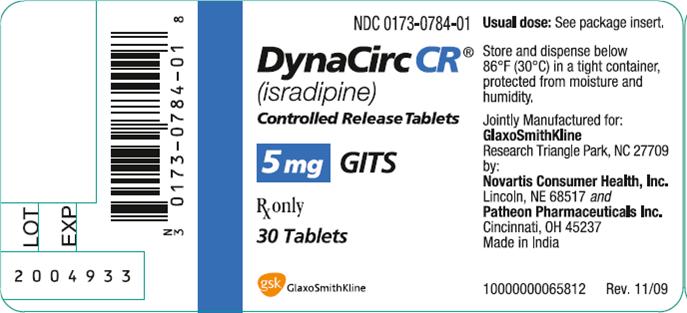
The treatment being evaluated was a calcium channel blocker called isradipine – it is used for treating high blood pressure.
Since publishing the results, some of the researchers behind the study have been conducting post hoc analysis of the data… and they have found something interesting: An effect.
In today’s post, we will look at why isradipine was evaluated in Parkinson’s, what the results of the STEADY-PD study were, and what the newly discovered effect could mean.
In the scientific world, post hoc analysis (from the Latin post hoc, meaning “after this”) consists of statistical analyses that are specified after the data has been seen. This type of analysis should only be considered for “hypothesis forming” exercises, and not be viewed as cherry-picking of the data in order to find an effect.
And one must be careful with interpretation of data (eg. most people who are involved in car crashes have been reported as wearing clothes at the time of the incident, thus we should get rid of clothes to assess if this will reduce the incidence of automobile accidents).
Post hoc analyses of completed clinical trial data, however, can be very useful process of identifying interesting trends that could be explored in future studies.
A good example of this has recently been conducted on the STEADY-PD clinical trial study.
New approaches for potentially slowing the progression of Parkinson’s are being announced on a regular basis. Some of them can not be independently replicated (such is the nature of science), while others open up whole new areas of research.
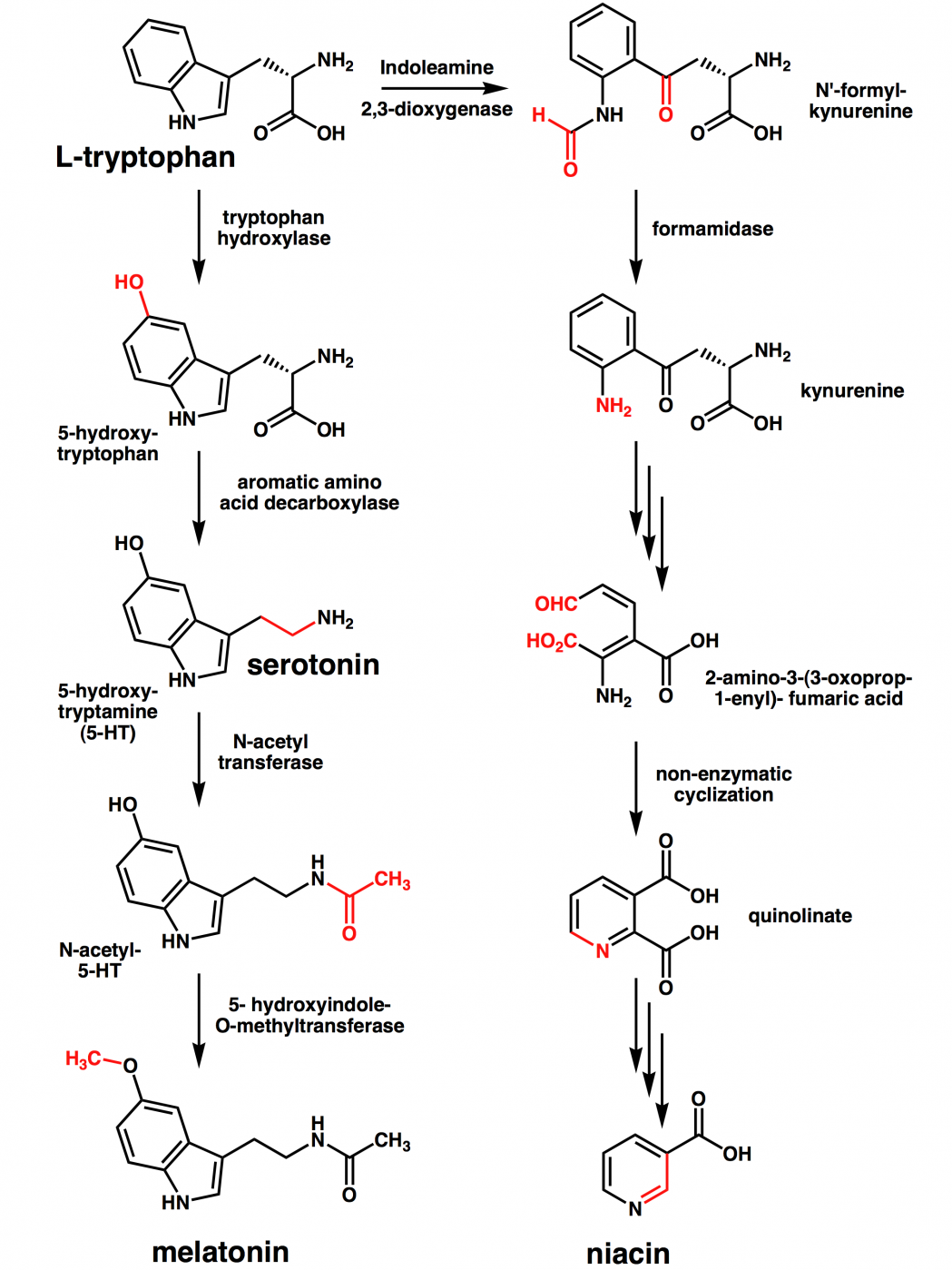
Recently scientists have reported that inhibiting certain aspects of the kynurenine pathway – which plays a critical role in generating energy in cells – can have neuroprotective results in models of Parkinson’s.
Many of the results have been independently replicated and the findings are now resulting in a new class of drug heading for clinical testing.
In today’s post, we will delve into what the kynurenine pathway is, explore how it relates to Parkinson’s, and discuss some of the approaches soon heading for the clinic.
Amino acids are the fundamental building blocks of proteins in biology, but the “essential” label in this case does not refer to its necessity (although it is necessary), but rather the fact that it cannot be made by our bodies. As a result, all essential amino acids must come from the food we consume.
Tryptophan has many functions within the body:
it is a precursor to the neurotransmitter serotonin (which influences your mood, cognition, and behaviour)
it is a precursor of the hormone melatonin (which governs your sleep-wake cycle)
At the end of each month the SoPD writes a post which provides an overview of some of the major pieces of Parkinson’s-related research that were made available during February 2021.
The post is divided into eight parts based on the type of research:
February 4th – More injections than infections – more people have now been vaccinated against Covid-19 than infected worldwide (Source).
February 15th – Ngozi Okonjo-Iweala elected as the seventh Director-General of the World Trade Organisation – a first for women and a first for Africa (Source).
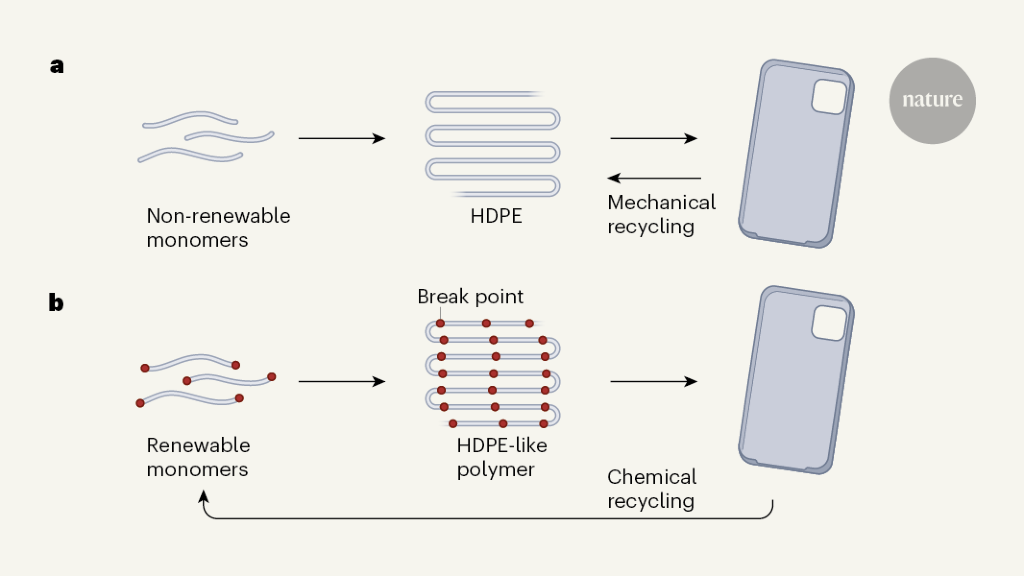
February 17th – Researchers reported a high-performance polyethylene plastic made from renewable oils that is chemically recyclable (Source).
February 18th – Nasa’s Perseverance (“Percy”) rover was safely delivered to the surface of Mars (Source).
In the world of Parkinson’s research, a great deal of new research and news was reported:
In February 2021, there were 1,228 research articles added to the Pubmed website with the tag word “Parkinson’s” attached (2,463 for all of 2021 so far). In addition, there was a wave to news reports regarding various other bits of Parkinson’s research activity (clinical trials, etc).
Over the last 20 years, researchers have identified a number of genetic variations that can confer an increased risk of developing Parkinson’s. Tiny alterations in regions of DNA (called genes) – which provide the instructions for making a protein – can increase one’s chances of Parkinson’s.
A better understanding of the biological pathways associated with these genetic risk factors is opening up vast new areas of research.
Recently researchers have been exploring the biology behind one particular genetic risk factor – involving a gene called TMEM175 – and they have discovered something quite unexpected: While one genetic variation in the TMEM175 gene increases the risk of Parkinson’s, another variation reduces it.
In today’s post, we will explore the biology of TMEM175, review what the results of the new research indicate, and consider why these findings might be interesting in terms of potential future therapeutic targets.
Robert Pershing Wadlow was always in the back of school photos.
Born February 22nd 1918, Wadlow’s birth certificate indicated that he was “normal height and weight“, but from that point onwards, there was nothing normal about his rate of growth.
By the time, Robert was 8 years old, he was taller than his father (he was 6 foot/183cm). And eight years later when he turned 16, Robert was 8 foot 1 (2.47 m)… and he was still growing.
Here is a picture of him with his family at 19 years of age:
Robert was the tallest person in recorded history, and at the time of his death – at the tragically young age of 22 – Robert was almost 9 feet tall (8 ft 11; 2.72 m)… and still growing.
His incredible growth was caused by a condition called hyperplasia of his pituitary gland. This condition that results in an overactive pituitary gland which causes an abnormally high level of the human growth hormone to be produced.
Human growth hormone (or somatotropin) is a peptide hormone that belongs to a much larger group of molecules that are referred to as growth factors.
In general terms, growth factors are small molecule that plays an important and fundamental role in biology. They stimulate cell proliferation, wound healing, and occasionally cellular differentiation.
And Robert’s story is an example of how powerful the effect these tiny molecules can have.
Growth factors are secreted from one cell and they float around in the extracellular world until they interact with another cell and initiate survival- and growth-related processes.
We have often discussed growth factors on this website in the past, with posts of growth factors like GDNF (Click here to read a SoPD about this) and CDNF (Click here to read a SoPD post on this). These discussions have largely focused on how growth factors could have neuroprotective and regenerative potential for Parkinson’s, stimulating survival and growth of cells.
Recently, however, new research has been published that demonstrates how some of these growth factors could be influencing an entirely different aspect of cellular biology that is connected to Parkinson’s: lysosomal function.
 Title: Small molecule cognitive enhancer reverses age-related memory decline in mice.


















 The Science of Parkinson's

