PAQ-ing more punch for Parkinson’s

Punch

In the 1990, scientists identified some fruits that they suspected could give people Parkinson’s. 

These fruit are bad, they reported.

More recently, researchers have identified chemicals in that exist in those same fruits that could potential be used to treat Parkinson’s. 

These fruit are good, they announce.

In today’s post, we will explain why you should avoid eating certain members of the Annonaceae plant family and we will also look at the stream of research those plants have given rise to which could provide a novel therapy for Parkinson’s.


les_saintes_guadeloupe-1

Guadeloupe. Source: Bluefoottravel

In the late 1990s, researchers noticed something really odd in the French West Indies.

It had a very strange distribution of Parkinsonisms.

What are Parkinsonisms?

‘Parkinsonisms’ refer to a group of neurological conditions that cause movement features similar to those observed in Parkinson’s disease, such as tremors, slow movement and stiffness. The name ‘Parkinsonisms’ is often used as an umbrella term that covers Parkinson’s disease and all of the other ‘Parkinsonisms’.

Parkinsonisms are generally divided into three groups:

  1. Classical idiopathic Parkinson’s disease (the spontaneous form of the condition)
  2. Atypical Parkinson’s (such as multiple system atrophy (MSA) and Progressive supranuclear palsy (PSP))
  3. Secondary Parkinson’s (which can be brought on by mini strokes (aka Vascular Parkinson’s), drugs, head trauma, etc)
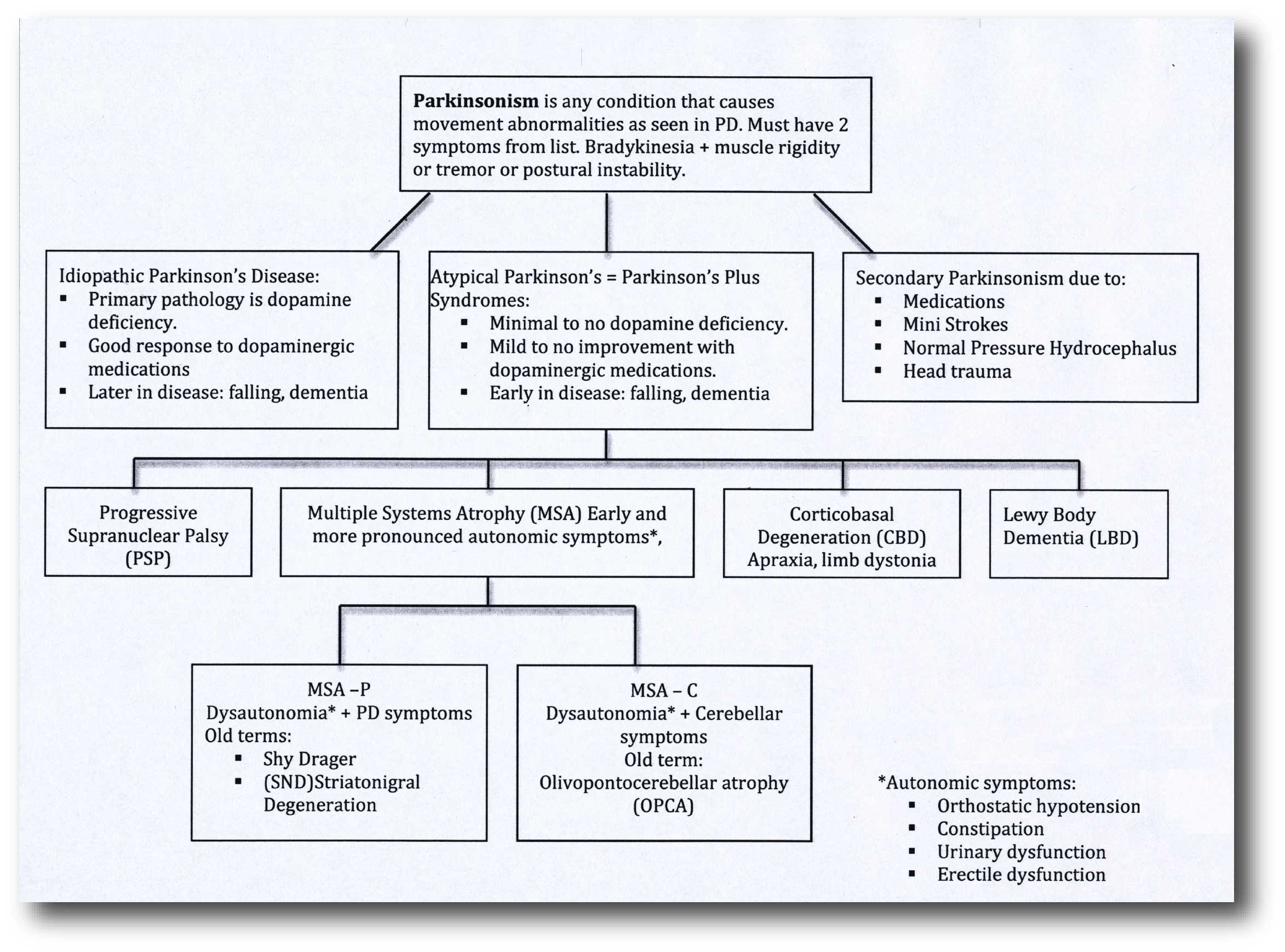
Source: Parkinsonspt

Some forms of Parkinsonisms that at associated with genetic risk factors, such as juvenile onset Parkinson’s, are considered atypical. But as our understanding of the genetics risk factors increases, we may find that an increasing number of idiopathic Parkinson’s cases have an underlying genetic component (especially where there is a long family history of the condition) which could alter the structure of our list of Parkinsonisms.

So what was happening in the French West Indies?
Continue reading “PAQ-ing more punch for Parkinson’s” →

“Three hellos” for Parkinson’s

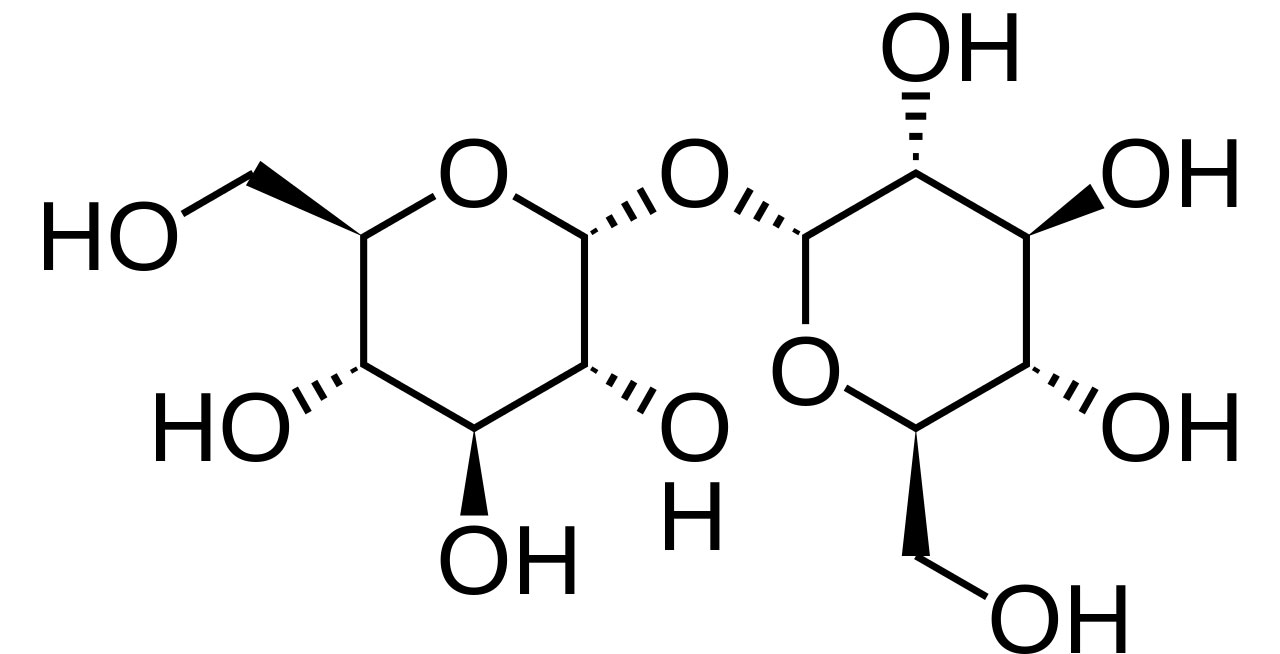
Trehalose is a small molecule – nutritionally equivalent to glucose – that helps to prevent protein from aggregating (that is, clustering together in a bad way).

Parkinson’s disease is a neurodegenerative condition that is characterised by protein aggregating, or clustering together in a bad way.

Is anyone else thinking what I’m thinking?

In today’s post we will look at what trelahose is, review some of the research has been done in the context of Parkinson’s disease, and discuss how we should be thinking about assessing this molecule clinically.


Neuropathologists examining a section of brain tissue. Source: Imperial

When a neuropathologist makes an examination of the brain of a person who passed away with Parkinson’s, there are two characteristic hallmarks that they will be looking for in order to provide a definitively postmortem diagnosis of the condition:

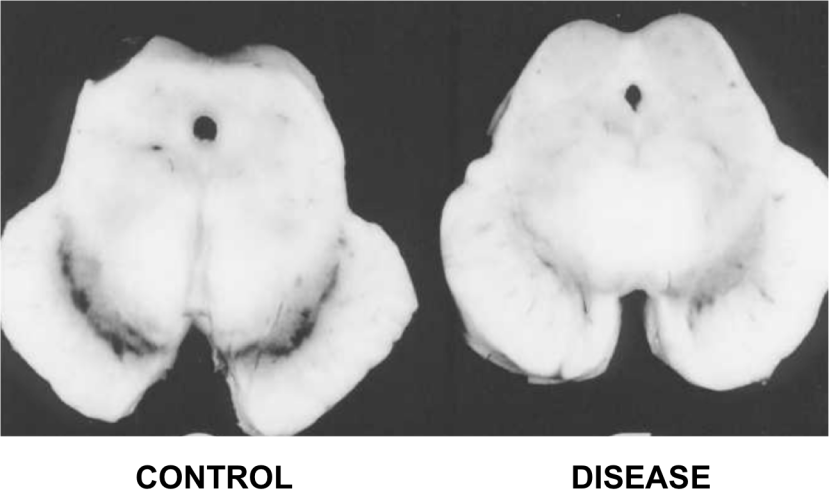
1.  The loss of dopamine producing neurons in a region of the brain called the substantia nigra.

d1ea3d21c36935b85043b3b53f2edb1f87ab7fa6

The dark pigmented dopamine neurons in the substantia nigra are reduced in the Parkinson’s disease brain (right). Source:Memorangapp

2.  The clustering (or ‘aggregation’) of a protein called alpha synuclein. Specifically, they will be looking for dense circular aggregates of the protein within cells, which are referred to as Lewy bodies.

A Lewy body inside of a neuron. Source: Neuropathology-web

Alpha-synuclein is actually a very common protein in the brain – it makes up about 1% of the material in neurons (and understand that there are thousands of different proteins in a cell, thus 1% is a huge portion). For some reason, however, in Parkinson’s disease this protein starts to aggregate and ultimately forms into Lewy bodies:

shutterstock_227273575

A cartoon of a neuron, with the Lewy body indicated within the cell body. Source: Alzheimer’s news

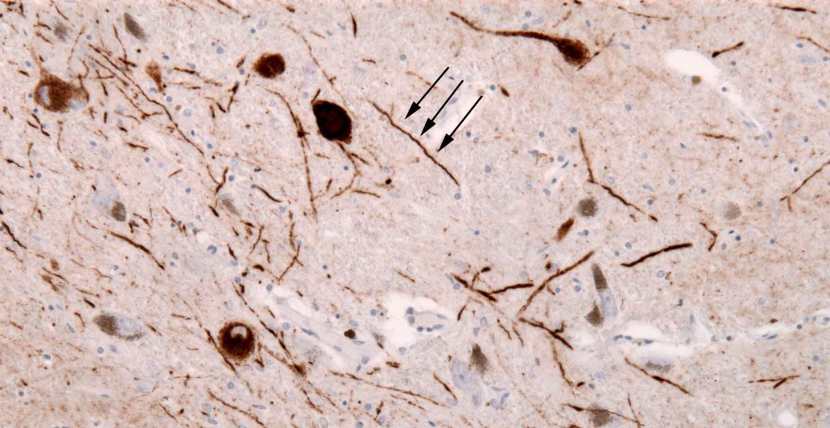
In addition to Lewy bodies, the neuropathologist may also see alpha synuclein clustering in other parts of affected cells. For example, aggregated alpha synuclein can be seen in the branches of cells (these clusterings are called ‘Lewy neurites‘ – see the image below where alpha synuclein has been stained brown on a section of brain from a person with Parkinson’s disease.

Lewy_neurites_alpha_synuclein

Examples of Lewy neurites (indicated by arrows). Source: Wikimedia

Given these two distinctive features of the Parkinsonian brain (the loss of dopamine neurons and the aggregation of alpha synuclein), a great deal of research has focused on A.) neuroprotective agents to protect the remaining dopamine-producing neurons in the substantia nigra, and B.) compounds that stop the aggregation of alpha synuclein.

In today’s post, we will look at the research that has been conducted on one particular compounds that appears to stop the aggregation of alpha synuclein.

It is call Trehalose (pronounces ‘tray-hellos’).

Continue reading ““Three hellos” for Parkinson’s” →