Could heart failure medication be good for Parkinson’s?

Bumetanide (Bumex) is a diuretic drug (a medication that removes water, by increasing the production of urine). It is used to treat swelling caused by heart failure or liver or kidney disease. 

Recently, researchers in France have been exploring its use in Parkinson’s, and their results are really interesting.

‘Interesting’ because they not only point towards a clinically available drug that could (potentially) be repurposed for the treatments of Parkinson’s, but they also help to explain how our brains control movement.

In today’s post we will review the new results, discuss what they suggest about our ability to move, and we will look at efforts to take this drug to the clinic for Parkinson’s.


Source: Timemail

Heart failure (sometimes referred to as congestive heart failure) occurs when the heart is unable to pump sufficiently enough to maintain the required blood flow to meet the body’s needs. The most common causes of heart failure include coronary artery disease, high blood pressure, atrial fibrillation,valvular heart disease, and lifestyle issues (such as excess alcohol use). Overall around 2% of adults have heart failure; in those over the age of 65, this percentage increases to 6–10%. In 2015, it was estimated to affected approximately 40 million people worldwide (Source).

Common symptoms include:

  • shortness of breath
  • excessive tiredness
  • leg swelling.

A common treatment option for heart failure are diuretics.

What are diuretics?

Diuretics (sometimes called water pills) are medications that have been designed to increase the amount of water and salt expelled from the body as urine.

There are three types of diuretic medications. They are:

  • Thiazide
  • Loop
  • Potassium-sparing

Thiazide diuretics are the most commonly prescribed, generally for the treatment of high blood pressure. This class of drugs not only decreases the level of fluids in your body, they also cause your blood vessels to relax. Potassium-sparing diuretics reduce fluid levels in your body without – as the label suggests – causing you to lose potassium. The other types of diuretics can cause you to lose potassium, which can result in other health complications such as arrhythmia.

And then there are loop diuretics, which also decrease the level of fluid in the body.

But some loop diuretics have additional properties. And today we are going to have a look at one of them in the context of Parkinson’s.

It is called Bumetanide.

Why is Bumetanide interesting for Parkinson’s?

Continue reading “Could heart failure medication be good for Parkinson’s?”
Diabetes and Parkinson’s

A reader recently asked for an explanation of some recent research regarding diabetes and Parkinson’s.

You see, a significant proportion of the Parkinson’s community have glucose intolerance issues and some live with the added burden of diabetes. That said, the vast majority of diabetics do not develop PD. Likewise, the vast majority of people with Parkinson’s do not have a diagnosis of diabetes.

There does appear to be a curious relationship between Parkinson’s and diabetes, with some recent research suggests that this association can be detrimental to the course of the condition. 

In today’s post we will look at what what diabetes is, consider the associations with Parkinson’s, and we will discuss the new research findings.


Foreman and Ali. Source: Voanews

1974 was an amazing year.

On October 30th, the much-hyped heavyweight title match – the ‘Rumble in the Jungle’ – between George Foreman and Muhammad Ali took place in Kinshasa, Zaire (Democratic Republic of the Congo).

Stephen King. Source: VanityFair

A 26-year-old author named Stephen King published his debut novel, “Carrie” (April 5, with a first print-run of just 30,000 copies).

Lucy. Source: Youtube

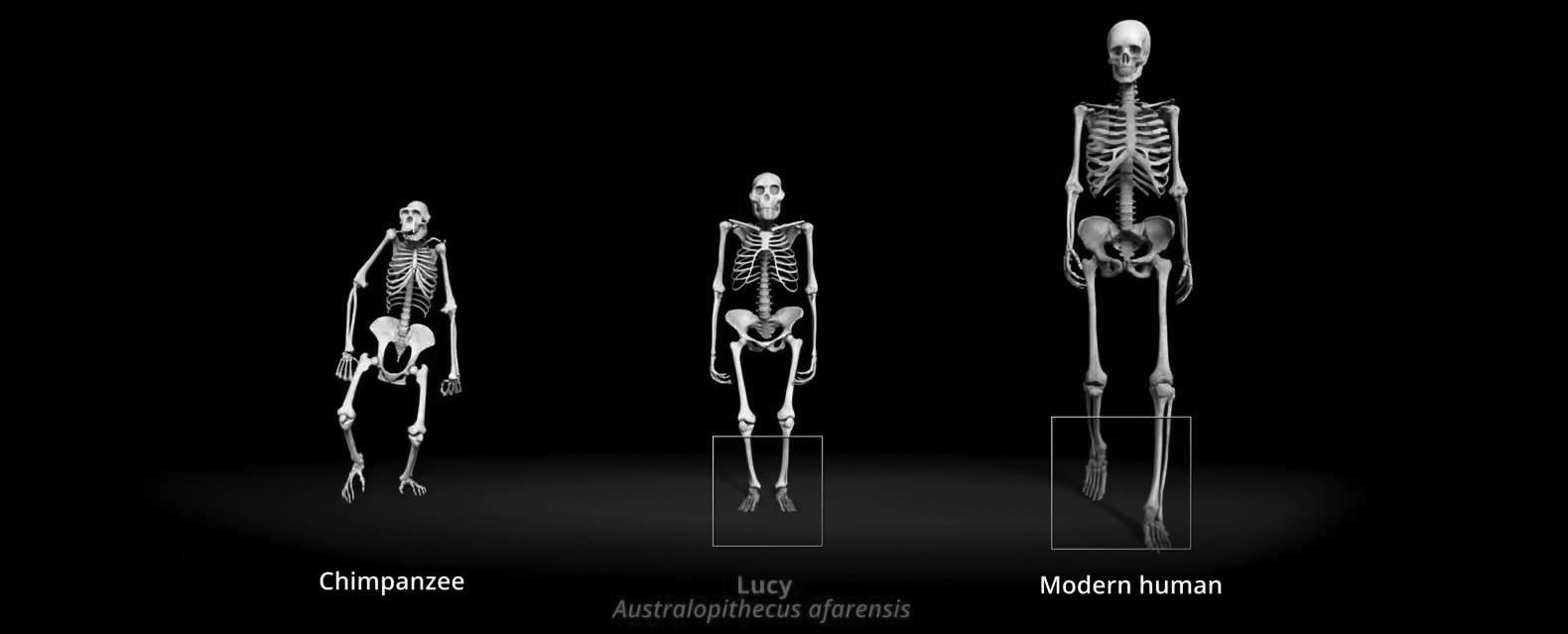
The fossil remains of a 3.2 million years old hominid skeleton was discovered in Ethiopia (November 24th). It was named ‘Lucy’ – after the song “Lucy in the Sky with Diamonds” by The Beatles which was played repeatedly in the expedition camp the evening after the team’s first day of work on the site (Source).

And Richard Nixon becomes the first US president to resign from office (August 9th).

President Richard Nixon. Source: Fee

In addition to all of this, in December of 1974, a small study was published in the Journal of Chronic Diseases.

It dealt with Parkinson’s and it presented a rather startling set of findings:

Continue reading “Diabetes and Parkinson’s”

The aggregating antics of (some) anaesthetics

This is one of those posts that I am reluctant to write because there is the very real possibility of it being taken out of context and causing someone to panic. But several readers have asked me to address a new piece of research that was published this week which has them concerned.

Anaesthetics are very useful agents in medicine, but they have long been known to have biological effects beyond simply numbing/sedating individuals. Some of those effects are beneficial, while others….mmm, not so beneficial. And the new research published this week leans towards the latter: Certain anaesthetics apparently induce mutant protein aggregation in neurons and cause stress responses in those brain cells.

In today’s post, we will discuss what anaesthetics are, how (we think) they work, and what the results of this new research actually mean.


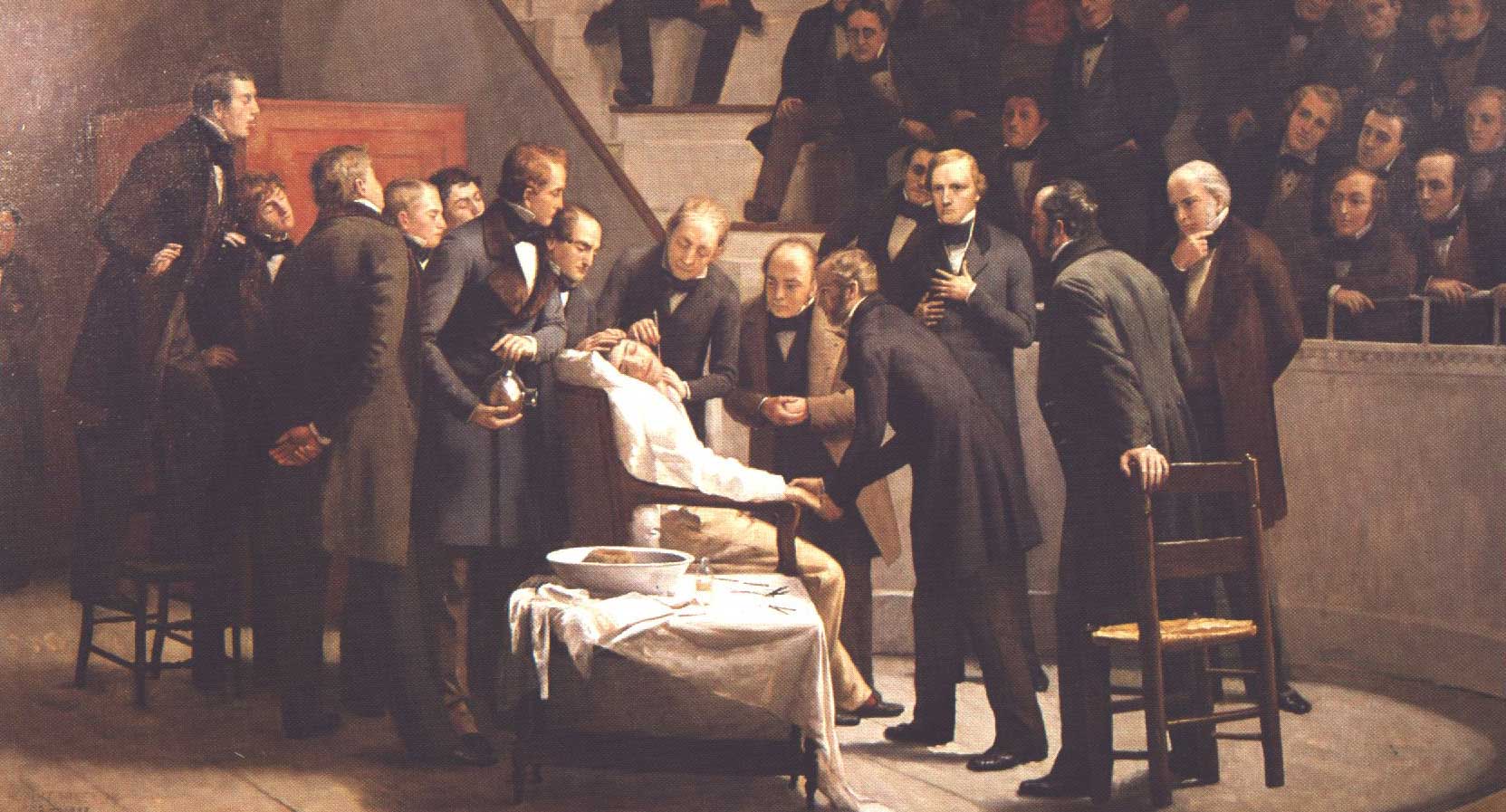
William Morton’s first public demonstration. Source: Pinterest

On Friday 16th October 1846, history was made.

On that date, an American dentist named William T. G. Morton (1819-1868) made the first public demonstration of the use of inhaled ether as a surgical anaesthetic.

William Morton. Source: Wikipedia

At this demonstration Dr. John Collins Warren painlessly removed a tumor from the neck of a Mr. Edward Gilbert Abbott. After finishing the operation and Abbott had regained consciousness, Warren asked Abbott how he felt.

John Collins Warren. Source: General-anaesthesia

Abbott replied, “Feels as if my neck’s been scratched.”

Warren then turned to the medical audience and said:

“Gentlemen, this is no Humbug”

This was an obvious shot at an unsuccessful demonstration of nitrous oxide as a anaesthesia the year before (by Horace Wells in the same theatre), which ended with the audience shouting “Humbug!” after they heard the patient groaning with pain during the procedure.

The important thing to appreciate here is the magnitude of Morton’s achievement within in the history of medicine.

Before 16th October 1846, surgical procedures were not very pleasant affairs.

After 16th October 1846,… well, to be honest, they are still not very pleasant affairs, but at least the patient can skip most of the painful parts of an operation.

Interesting. But what does this have to do with Parkinson’s?

Continue reading “The aggregating antics of (some) anaesthetics”

Is there NOP hope for Parkinson’s?

Please do not misread the title of this post!

Compounds targeting the Nociceptin receptor (or NOP) could provide the Parkinson’s community with novel treatment options in the not-too-distant future.

In pre-clinical models of Parkinson’s, compounds designed to block NOP have demonstrated neuroprotective properties, while drugs that stimulate NOP appear to be beneficial in reducing L-dopa induced dyskinesias. 

In today’s post we look at exactly what NOP is and what it does, we will review some of the Parkinson’s-based research that have been conducted so far, and we will look at what is happening in the clinic with regards to NOP-based treatments.


4237_20160422175355

Source: LUMS

On the surface of every cell in your body, there are lots of small proteins that are called receptors.

They are numerous and ubiquitous.

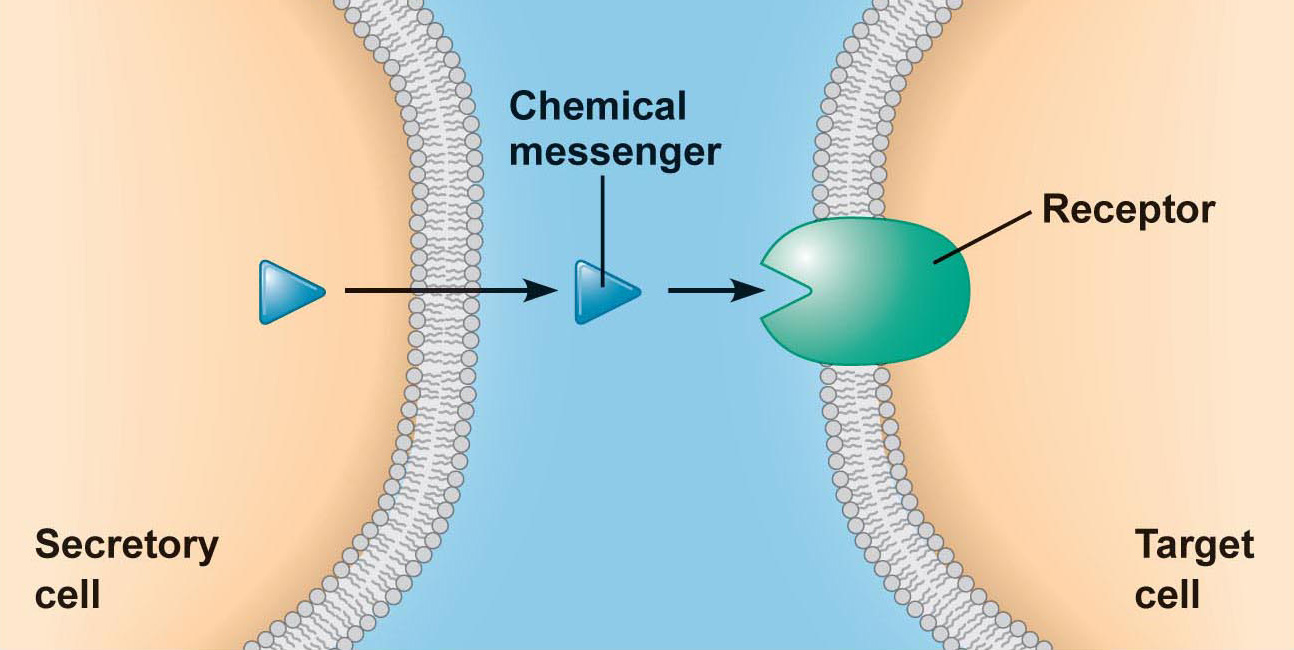
And they function act like a ‘light switch’ – allowing for certain biological processes to be initiated or inhibited. All a receptor requires to be activated (or blocked) is a chemical messenger – called a ligand – to come along and bind to it.

An example of a receptor on a cell. Source: Droualb

Each type of receptor has a particular structure, which is specific to certain shaped ligands (the chemical messenger I mentioned above). These ligands are floating around in the extracellular space (the world outside of the cell), having been released (or secreted) by other cells.

And this process represents one of the main methods by which cells communicate with each other.

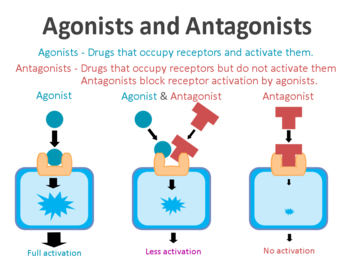
By binding to a receptor, the ligand can either activate the receptor or alternatively block it. The activator ligands are called agonists, while the blockers are antagonists.

Agonists_and_antagonists

Agonist vs antagonist. Source: Psychonautwiki

Many of the drugs we currently have available in the clinic function in this manner.

For example, with Parkinson’s medications, some people will be taking Pramipexole (‘Mirapex’ and ‘Sifrol’) or Apomorphine (‘Apokyn’) to treat their symptoms. These drugs are Dopamine agonists because they bind to the dopamine receptors, and help with dopamine-mediated functions (dopamine being one of the chemicals that is severely in the Parkinsonian brain). As you can see in the image below the blue dopamine agonists can bypass the dopamine production process (which is reduced in Parkinson’s) and bind directly to the dopamine receptors on the cells that are the intended targets of dopamine.

Source: Bocsci

There are also dopamine antagonists (such as Olanzapine or ‘Zyprexa’) which blocks dopamine receptors. These drugs are not very helpful to Parkinson’s, but dopamine antagonist are commonly prescribed for people with schizophrenia.

Are there other receptors of interest in Parkinson’s?

Continue reading “Is there NOP hope for Parkinson’s?”

Objective measures: Getting smart about pills

There has been a lot of discussion on this site (and elsewhere on the web) regarding the need for more objective systems of measuring Parkinson’s – particularly in the setting of clinical trials.

Yes, subjective reports of patient experience are important, but they can easily be biased by ‘placebo responses’.

Thus, measures that are beyond the clinical trial participants conscious control – and focused on biological outcomes – are needed. 

In today’s post, we will consider one possible approach: Smart pills. We will discuss what they are, how they work, and how they could be applied to Parkinson’s research.


Source: Chicagotribune

In order to encourage a growing discussion regarding objective measures of Parkinson’s (and to follow up on previous rants – Click here and here for examples), I have decided to regularly (once a month) highlight new technologies that could provide the sort of unbiased methods of data collection that are required for assessing whether a treatment is having an impact on Parkinson’s.

Today, we will look at smart pills.

What is a smart pill?

Continue reading “Objective measures: Getting smart about pills”

Alpha Synuclein: New Species

On this website, we regularly talk about a Parkinson’s-associated protein called Alpha Synuclein.

It is widely considered to be ‘public enemy #1’ in the world of Parkinson’s research, or at the very least one of the major ‘trouble makers’. It is a curious little protein – one of the most abundant proteins in your brain. 

But did you know that there are different ‘species’ of alpha synuclein? 

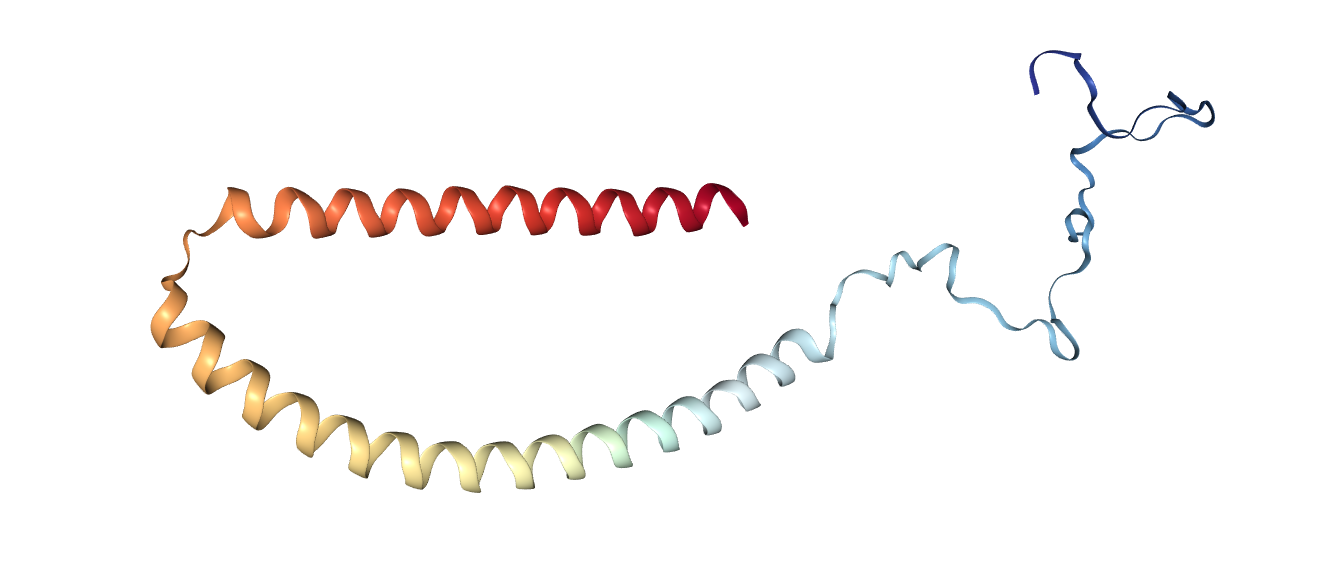
And recently researchers in Florida announced that they had identified an all new species of alpha synuclein that they have called “P-alpha-syn-star” or Pα-syn*.

In today’s post, we will discuss what is meant by the word ‘species’, look at the different species of alpha synuclein, and explore what this new species could mean for the Parkinson’s community.


 Source: Nationalgeographic

This microscopic creature is called Macrobiotus shonaicus. 

Isn’t it cute?

The researchers that discovered it found it in a Japanese parking lot.

It is one of the newest species of life discovered to date (Click here for the research report). It is a species of Tardigrade (meaning “slow stepper”; also known as a water bear or moss piglet). And for the uninitiated: Tardigrade are remarkable creatures.

Tardigrade. Source: BBC

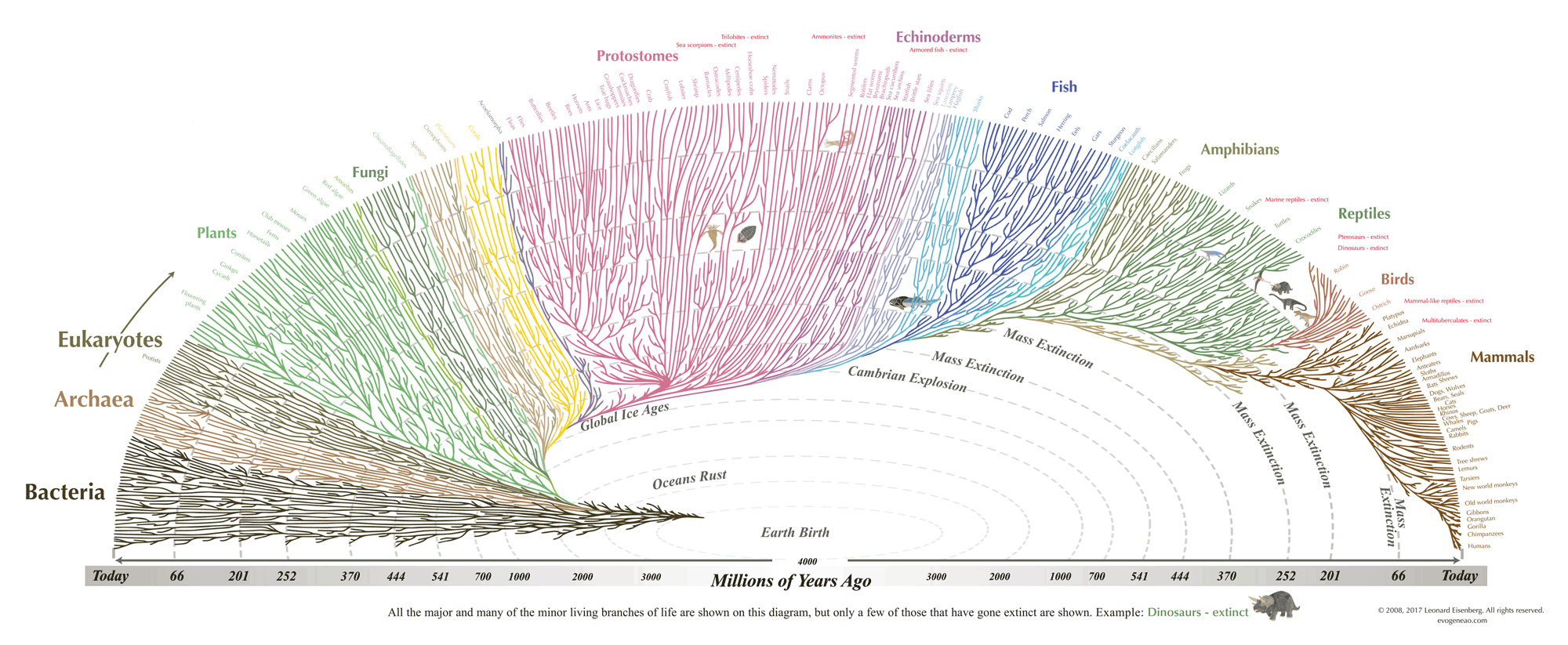
They measure just 0.5 mm (0.02 in) long, there are approximately 1,150 known species of them, and they have been around for a VERY long time – with fossil records dating back to the Cambrian period (500 million years ago).

The tree of life (try and find the dinosaurs). Source: Evogeneao

But most importantly, tardigrade are EXTREMELY resilient:

  • they are the first known animals to survive in hard vacuum and UV radiation of outer space. Some of them can withstand extreme cold – down to temperatures of −458 °F (−272 °C), while other species of Tardigrade can withstand extremely hot temperatures  – up to 300 °F (150 °C) (Click here to read more)
  • they can withstand 1,000 times more radiation than other animals (Click here for more on that)
  • some species of Tardigrade can also withstand pressure of 6,000 atmospheres (that is nearly SIX times the pressure of water in the deepest ocean trench – the Mariana trench! Click here for more on this)
  • They are one of the few groups of species that are capable of suspending their metabolism; surviving for more than 30 years at −20 °C (−4 °F – Click here to read about this)

They are utterly remarkable creatures.

Great, but what does this have to do with Parkinson’s? Continue reading “Alpha Synuclein: New Species”

Happy birthday: Silverstein Foundation

Over the last 12 months, the Silverstein Foundation has quickly established itself as a major focused force in the fight against Parkinson’s.

And when I say ‘focused’, I mean ‘focused’ –  the foundation is “actively pursues and invests in cutting edge research with the goal of discovering new therapies for the treatment of Parkinson’s Disease in glucocerebrosidase (GBA) mutation carriers”.

But the output of this effort may well have major benefits for the entire Parkinson’s community.

In today’s post, we will discuss what GBA is, how it functions inside cells, its association with Parkinson’s, and what all of this GBA focused research being funded by the Silverstein Foundation could mean for the Parkinson’s community.


Jonathan Silverstein. Source: Forbes

This is Jonathan Silverstein.

He’s a dude.

He is also a General Partner and a Co-Head of Global Private Equity at OrbiMed – the world’s largest fully dedicated healthcare fund manager. During his time at OrbiMed, the company has invested in healthcare companies that have been involved with over 60 FDA approved products.

In February 2017, he was diagnosed with Parkinson’s disease at just 49 years of age.

Rather than simply accepting this diagnosis, however, Mr Silverstein decided to apply the skills that he has built over a long and successful career in funding biotech technology, and in March 2017, he and his wife, Natalie, set up the Silverstein Foundation.

They raised $6 million from donors and then provided another $10 million of their own money to fund the endeavour, which has funded a dozen research projects and started a new company called Prevail Therapeutics (we’ll come back to this shortly).

Source: Businesswire

The foundation has just one mission: “to actively pursue and invest in cutting edge research with the goal of discovering new therapies for the treatment of Parkinson’s Disease in GBA mutation carriers”

And it seeks to address this by achieving three goals:

  1. to find a way to halt the progression of Parkinson’s with GBA.
  2. to identify regenerative approaches to replace the damaged/lost cells
  3. to find preventative measures

What is ‘GBA’?

Continue reading “Happy birthday: Silverstein Foundation”

An idea: “O Canada”

This short post is just an idea I want to throw out their into the aether for someone/anyone to chew on.

Being diagnosed with Parkinson’s throws an individual into a hypothetical ‘foreign land’, where people (doctors and members of the affected community) talk in a strange new dialect about medication, brain chemicals called dopamine and accumulation of proteins that sound like distant galaxies (‘alpha synuclein‘).

The diagnosed individual has to adapt their lives to this new reality in order to get by. They are analogous to a refugee (bad analogy I appreciate, but bare with me – I’m going somewhere with this). Many fantastic support groups are available to help make that adjustment easier. But what happens when that individual wants to get involved with the research being conducted on the condition?

Efforts are being made in this direction, but we can always do better.

In today’s post I would like to discuss/explore an idea that deals with involving the Parkinson’s community in the research side of things, and has the goal of making the research more ‘patient-centric’.


Source: Yanghu

When a refugee moves to a new country, it is an overwhelming experience.

Can you imagine leaving the mountain village that you have lived in your whole life – everything that is normal for you – and moving to some strange, big western city. Being exposed to a new culture, new societal expectations, new eco system, new prejudices, new everything. It must be a shock to the entire system.

If you speak the local language, great. You should be able to make do and get by with a bit of effort. But in order to truly integrate into the new community, you will still need a lot of support.

I was recently talking with a man who was a refugee and he had moved to Canada five years ago.

Canada. Source: Kuoni 

He was originally from central Asia, and he talked at length about the hardships of the whole process. Even though his new home in North America was vastly more comfortable than his previous situation, he had still found the whole process extremely tiring and disorientating.

What stuck with me from that conversation, however, was that he could not say enough good things about the Canadian system of integration. He was extremely grateful for everything that they had done for him to help him insert himself into Canadian society. He was particularly impressed with the ‘Groups of Five‘ programme.

Continue reading “An idea: “O Canada””

One black sheep per week

Each time a cell divides, the DNA inside the resulting pair of cells has changed slightly. These small alterations – known as genetic mutations – provide a method by which an organism can randomly determine traits that may be beneficial.

New research indicates that in certain parts of the brain, post-mitotic (non-dividing) cells are taking on as many as one mutation per week across the span of our lives. This results in thousands of genetic variations accumulating in each cell by the time we eventually pass away in old age.

In today’s post we will review new research and consider what this gradual build up of genetic mutations could mean for our understanding of neurodegenerative conditions, like Parkinson’s.


Source: Pexels

Coming from the back waters of third world New Zealand, you will understand that sheep hold a very special place in my heart.

I grew up a simple country lad, and each year I had a pet lamb that I would raise and train to do silly tricks in the hope of impressing the judges at the annual agricultural/farm day at school. In addition to instilling me with a crazy fanaticism for the sport (read: religion) of rugby, my parents figured that having a pet lamb each year would teach me a sense of responsibility and a sort of discipline.

I’m not really sure how this practice has influenced my later life, but I certainly do have very fond memories of those early years (the first lamb was named ‘Woolly’, the 2nd lamb was named ‘Woolly2’, the third lamb was actually a goat – bad lambing season – which I named ‘Billy the kid’, the 4th lamb was named ‘MacGyver’,…).

Lots of happy memories.

Source: Countryliving

But as I grew into the teenage years, there was one thing that really bothered me with regards to my pet lambs.

It was that whole negative stigma associated with the ‘black sheep’.

Why, I would wonder, was it the ‘black sheep of the family’ that was the bad kid? And why was the one black sheep in every flock considered the worst of the bunch?

Source: theodysseyonline

Why was this association applied to sheep?

Why not dogs? Or cows? Why do we pick on sheep?

Continue reading “One black sheep per week”

Mickey becomes more human?

For a long time researchers have lacked truly disease-relevant models of Parkinson’s.

We have loaded cells with toxins to cause cell death, we have loaded cells with mutant proteins to cause cell death, we have loaded cells with… well, you get the idea. Long story short though, we have never had proper models of Parkinson’s – that is a model which present all of the cardinal features of the condition (Lewy bodies, cell loss, and motor impairment).

The various models we have available have provided us with a wealth of knowledge about the biology of how cells die and how we can protect them, which has led to numerous experimental drugs being tested in the clinic. But there has always been a linger question of ‘how disease-relevant are these models?’

This situation may be about to change.

In today’s post we will look at new research in which Japanese researchers have genetically engineered mice in which they observed the generation of Lewy bodies, the loss of dopamine neurons and motor impairments. We will look at how these mice have been generated, and what it may tell us about Parkinson’s.


Walt Disney. Source: PBS

Ok, before we start today’s post: Five interesting facts about the animator Walt Disney (1901 – 1966):

  • Disney dropped out of high school at age 16 with the goal of joining the Army to help out in the war effort. He was rejected for being underage, but was able to get a job as an ambulance driver with the Red Cross in France.
  • From 1928 (the birth of Mickey Mouse) until 1947, Disney himself performed the voice of Mickey.
  • Mickey Mouse was originally named “Mortimer Mouse”, but it was Disney’s wife who suggested that the name Mortimer sounded too pompous (seriously, can you imagine a world with the “Mortimer Mouse show”?). She convinced Disney to change the name to Mickey (the name Mortimer was later given to one of Mickey’s rivals).
  • To this day, Disney holds the record for the most individual Academy Awards and nominations. Between 1932 and 1969, he won 22 Academy Awards and was nominated 59 times (Source).
  • And best of all: On his deathbed as he lay dying from lung cancer, Disney wrote the name “Kurt Russell” on a piece of paper. They were in effect his ‘last words’. But no one knows what they mean. Even Kurt is a bit perplexed by it all. He (along with many others) was a child actor contracted to the Disney company at the time, but why did Walt write Russell’s name as opposed to something more deep and meaningful (no disrespect intended towards Mr Russell).

Actor Kurt Russell. Source: Fxguide

When asked why he thought his great creation “Mickey mouse” was so popular, Walt Disney responded that “When people laugh at Mickey Mouse, it’s because he’s so human; and that is the secret of his popularity”.

Mickey Mouse. Source: Ohmy.Disney

This is a curious statement.

Curious because in biomedical research, mice are used in experiments to better understand the molecular pathways underlying basic biology and for the testing of novel therapeutics, and yet they are so NOT human.

There are major biological differences between us and them.

Not human. Source: USNews

It has been a major dilemma for the research community for some time with regards to translating novel therapies to humans, and it raises obvious ethical questions of whether we should be using mice at all for the basic research if they are so different from us. This problem is particularly apparent in the field of immunology, where the differences between ‘mice and men’ is so vast in some cases that researcher have called for moving away from mice entirely and focusing on solely human models (Click here and here for a good reads on this topic).

What does this have to do with Parkinson’s?

Continue reading “Mickey becomes more human?”