“What’s the evolutionary advantage of Parkinson’s?”

Each year King’s College London holds the Edmond J. Safra Memorial Lecture. It is a public event – exploring cutting-edge research on Parkinson’s – held in honour of the late philanthropist and financier, Mr Edmond J Safra, .

I was lucky enough to attend this year’s event (entitled A vision of tomorrow: How can technology improve diagnosis and treatment for Parkinson’s patients?). It highlighted the fantastic research being carried out by Professor Marios Politis and his team.

During the Q&A session of the event though, a question was asked from the audience regarding what the evolutionary advantage of Parkinson’s might be. The question drew a polite chuckle from the audience.

But the question wasn’t actually as silly as some might think.

In today’s post we look at some evidence suggesting an evolutionary advantage involving Parkinson’s.


King’s College London Chapel. Source: Schoolapply

Despite the impressive name, King’s College London is not one of the grand old universities of England.

Named after its patron King George IV (1762-1830), the university was only founded in 1829 (compare this with 1096 for Oxford and 1209 for Cambridge; even silly little universities like Harvard date back further – 1636). The university is spread over five separate campuses, geographically spread across London. But if you ever get the chance to visit the main Strand campus, ask for the chapel and take a moment to have a look – it is very impressive (the image above really doesn’t do it justice).

As I mentioned in the intro, each year King’s College London holds the Edmond J. Safra Memorial Lecture. It is an event that is open to the public and it involves a discussion regarding innovative new research on Parkinson’s. The evening is held in honour of the late Mr Edmond J Safra.

Edmond J. Safra. Source: Edmondjsafrafoundation

This year, Professor Marios Politis and members of his research group were presenting lectures on “How can technology improve diagnosis and treatment for Parkinson’s”. The lectures were very interesting, but the reason I am writing about it here is because during the question and answer session at the end of the lectures, the following question was asked:

“What’s the evolutionary advantage of Parkinson’s?”

Given the debilitating features of the condition, the audience was naturally amused by the question. And there was most likely several people present who would have thought the idea of any evolutionary advantage to Parkinson’s a ridiculous concept.

But it’s not.

And there is actually research to suggest that something evolutionary could be happening with Parkinson’s.

?!?!? What do you mean?

Continue reading ““What’s the evolutionary advantage of Parkinson’s?””

The dilemma of success

Late last year, I wrote a post for Parkinson’s UK‘s excellent blog on Medium.

My piece was called the Dilemma of Success, and it explored a hypothetical situation that we may very well face in the not-so-distant future.

Optimistic as I am about the future of Parkinson’s research, I think this is a very serious issue – one which the Parkinson’s community needs to discuss and start planning for. I am re-posting it here today as I am keen for some thoughts/discussion on this matter.

 
BP

Lord Robert Baden-Powell. Source: Utahscouts

My scout master looked around the horse shoe, making eye contact with each of us, before asking a simple question:

“When did Noah build the ark?”

My fellow scouts and I looked at each other. Some of us were wondering if the guy had completely lost the plot and somehow thought that it was Sunday morning and he was doing the sermon. Others seriously looked like they were trying to calculate an exact date.

He waited a moment for one of us to offer up some idiotic attempt at an answer, before he solemnly said:

“Before the rain”

It’s one of those childhood moments that didn’t make sense at the time, but comes back to haunt you whenever you can foresee certain troubles coming over the hill towards you.


The dilemma of success

It will be nice to have this problem, but it will still be a problem.
And we need to plan for it

Continue reading “The dilemma of success”

Alpha Synuclein: New Species

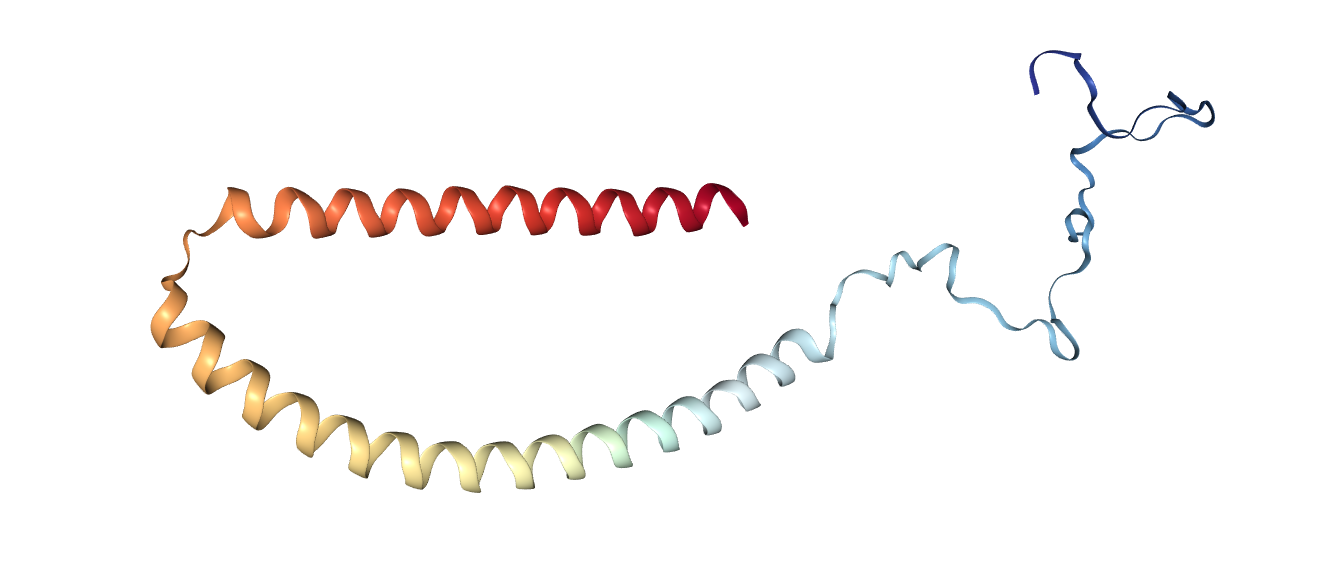
On this website, we regularly talk about a Parkinson’s-associated protein called Alpha Synuclein.

It is widely considered to be ‘public enemy #1’ in the world of Parkinson’s research, or at the very least one of the major ‘trouble makers’. It is a curious little protein – one of the most abundant proteins in your brain. 

But did you know that there are different ‘species’ of alpha synuclein? 

And recently researchers in Florida announced that they had identified an all new species of alpha synuclein that they have called “P-alpha-syn-star” or Pα-syn*.

In today’s post, we will discuss what is meant by the word ‘species’, look at the different species of alpha synuclein, and explore what this new species could mean for the Parkinson’s community.


 Source: Nationalgeographic

This microscopic creature is called Macrobiotus shonaicus. 

Isn’t it cute?

The researchers that discovered it found it in a Japanese parking lot.

It is one of the newest species of life discovered to date (Click here for the research report). It is a species of Tardigrade (meaning “slow stepper”; also known as a water bear or moss piglet). And for the uninitiated: Tardigrade are remarkable creatures.

Tardigrade. Source: BBC

They measure just 0.5 mm (0.02 in) long, there are approximately 1,150 known species of them, and they have been around for a VERY long time – with fossil records dating back to the Cambrian period (500 million years ago).

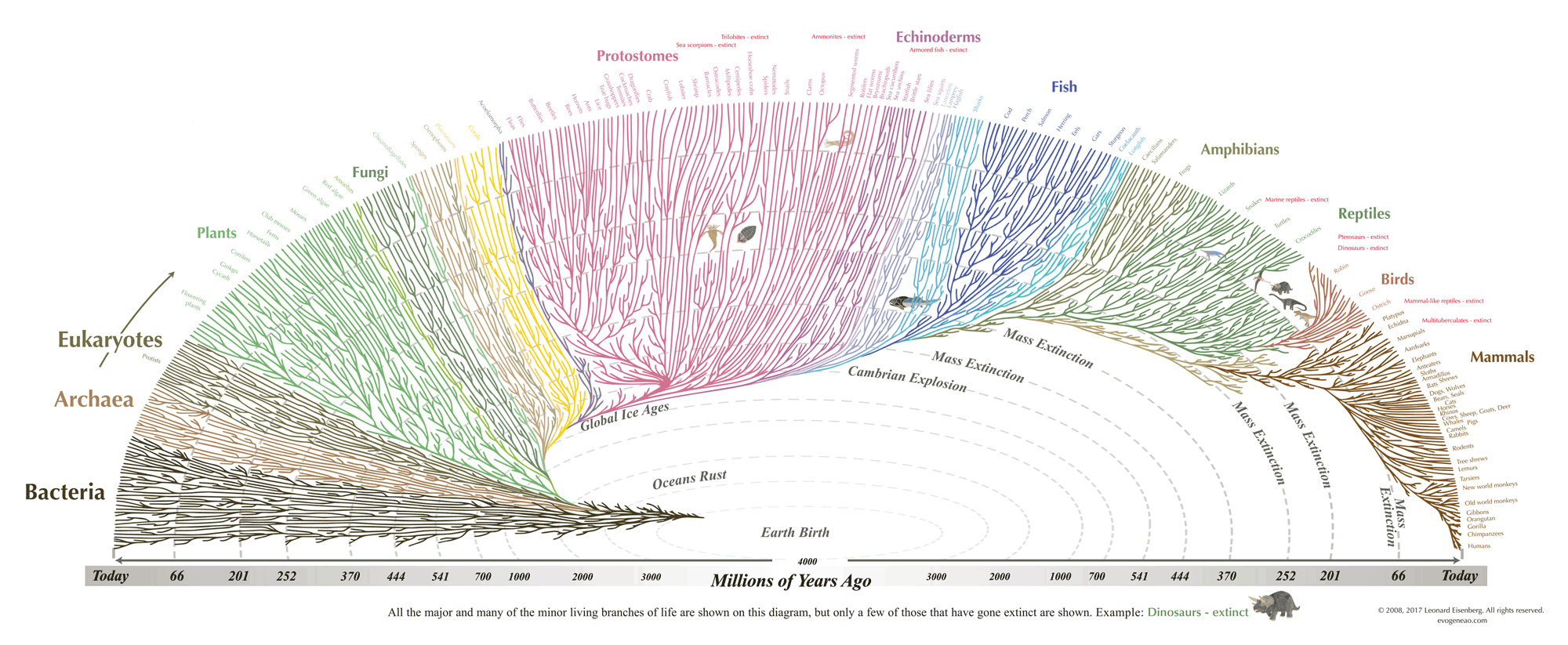
The tree of life (try and find the dinosaurs). Source: Evogeneao

But most importantly, tardigrade are EXTREMELY resilient:

  • they are the first known animals to survive in hard vacuum and UV radiation of outer space. Some of them can withstand extreme cold – down to temperatures of −458 °F (−272 °C), while other species of Tardigrade can withstand extremely hot temperatures  – up to 300 °F (150 °C) (Click here to read more)
  • they can withstand 1,000 times more radiation than other animals (Click here for more on that)
  • some species of Tardigrade can also withstand pressure of 6,000 atmospheres (that is nearly SIX times the pressure of water in the deepest ocean trench – the Mariana trench! Click here for more on this)
  • They are one of the few groups of species that are capable of suspending their metabolism; surviving for more than 30 years at −20 °C (−4 °F – Click here to read about this)

They are utterly remarkable creatures.

Great, but what does this have to do with Parkinson’s? Continue reading “Alpha Synuclein: New Species”

Voyager Therapeutics: Phase I clinical trial update

Today biotech company Voyager Therapeutics announced an update on their ongoing phase Ib clinical trial. The trial is evaluating the safety and tolerance of a gene therapy approach for people with advanced Parkinson’s.

Gene therapy is a technique that involves inserting new DNA into a cell using viruses. In this clinical trial, the virally delivered DNA helps the infected cell to produce dopamine in order to alleviate the motor features of Parkinson’s.

In today’s post we will discuss what gene therapy is, review the new results mentioned in the update, and look at other gene therapy approaches for Parkinson’s.


Source: Baltimoresun

Voyager Therapeutics is a clinical-stage gene therapy company that is focused on treatments for neurological conditions, such as Parkinson’s. Today the company announced an update of their ongoing Phase 1b trial of their product VY-AADC01 (Click here to see the press release).

VY-AADC01 represents a new class of treatment for Parkinson’s, as it is a form of gene therapy.

What is gene therapy?

The gene therapy involves introducing a piece of DNA into a cell which will cause the cell to produce proteins that they usually do not (either by nature or by mutation). The DNA is artificially inserted into cells and the cell’s protein producing machinery does the rest.

Source: Yourgenome

How does gene therapy work?

Continue reading “Voyager Therapeutics: Phase I clinical trial update”

The Parkinson’s association-‘s’

In an effort to better understand Parkinson’s, researchers have repeatedly analysed data from large epidemiological studies in order to gain insight into factors that could have a possible causal influence in the development of the condition.

This week a manuscript was made available on the preprint website BioRxiv that provided us with a large database of information about aspects of life that are associated with increased incidence of Parkinson’s. 

Some new associations have been made… and some of them are intriguing, while others are simply baffling!

In today’s post, we will have a look at what has been learnt from epidemiological research on Parkinson’s, and then discuss the new research and what it could mean for Parkinson’s. 


What are the differentiators? Source: Umweltbundesamt

What makes me different from you?

Other than my ridiculous height and the freakishly good looks, that is. What influential factors have resulted in the two of us being so different?

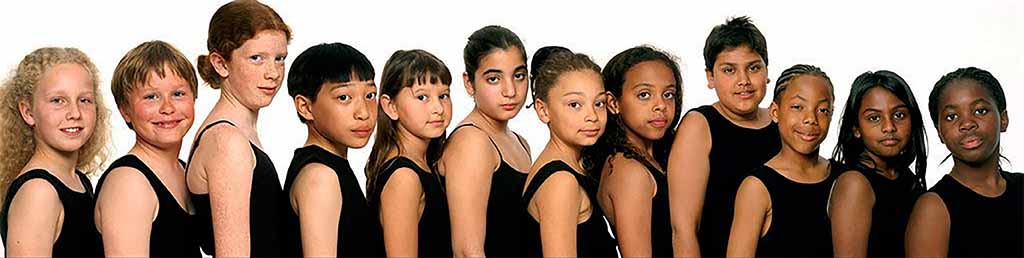
Yes, there is the genetics component playing a role, sure. 7,500 generations of homo sapien has resulted in a fair bit of genetic variation across the species (think red hair vs brown hair, dark skin vs light skin, tall Scandinavians vs African pygmies, etc). And then there are aspects like developmental noise and epigenetics (factors that cause modifications in gene activity rather than altering the genetic code itself).

Source: Presentationvoice

And over-riding all of this, is a bunch of other stuff that we generally refer to simply as ‘life’. Habits and routines, likes and dislikes, war and famine, etc. The products of how we interact with the environment, and how it interacts with us.

But which of all these factors plays a role in determining our ultimate outcome?

It is a fascinating question. One that absorbs a large area of medical research, particularly with regards to factors that could be influential in causing a specific chronic conditions.

What does this have to do with Parkinson’s?

Continue reading “The Parkinson’s association-‘s’”

Monthly Research Review – February 2018

At the end of each month, the Science of Parkinson’s writes a post which provides an overview of some of the major pieces of Parkinson’s-related research that were made available.

In this post we review some of the research from February 2018.

The post is divided into four parts based on the type of research (Basic biology, disease mechanism, clinical research, and other news). 


Seeing shadows: Punxsutawney Phil. Source: Wordonfire

In major world event news: On the 2nd February of 2018, Punxsutawney Phil – the groundhog who resides at Gobbler’s Knob of Punxsutawney, Pennsylvania – scurried out of his little hole and saw his shadow. This omen indicates that we have a long winter. Given how hard and bitter this particular winter has been, Americans naturally rejoiced.

On the 6th February, SpaceX successfully launched a Tesla sports car into space – see the video below for the highlights (and if you don’t have time to watch it all, at the very least jump forward to 3:45 and watch the two boosters land simultaneously – surely they didn’t plan for it to be that perfect!)

In other news, on the 1st February, the Centers for Disease Control and Prevention announced that it was dramatically downsizing its epidemic prevention activities in 39 out of 49 countries, due to concerns about funding.

And of course we had the 2018 Winter Olympics – where New Zealand came in 27th on the medals board:

Source: Madison365

In the world of Parkinson’s research, a great deal of new research and news was reported.

In February 2018, there were 698 research articles added to the Pubmed website with the tag word “Parkinson’s” attached (1577 for all of 2018 so far). In addition, there was a wave to news reports regarding various other bits of Parkinson’s research activity (clinical trials, etc).

The top 5 pieces of PD news

Continue reading “Monthly Research Review – February 2018”

An idea: “O Canada”

This short post is just an idea I want to throw out their into the aether for someone/anyone to chew on.

Being diagnosed with Parkinson’s throws an individual into a hypothetical ‘foreign land’, where people (doctors and members of the affected community) talk in a strange new dialect about medication, brain chemicals called dopamine and accumulation of proteins that sound like distant galaxies (‘alpha synuclein‘).

The diagnosed individual has to adapt their lives to this new reality in order to get by. They are analogous to a refugee (bad analogy I appreciate, but bare with me – I’m going somewhere with this). Many fantastic support groups are available to help make that adjustment easier. But what happens when that individual wants to get involved with the research being conducted on the condition?

Efforts are being made in this direction, but we can always do better.

In today’s post I would like to discuss/explore an idea that deals with involving the Parkinson’s community in the research side of things, and has the goal of making the research more ‘patient-centric’.


Source: Yanghu

When a refugee moves to a new country, it is an overwhelming experience.

Can you imagine leaving the mountain village that you have lived in your whole life – everything that is normal for you – and moving to some strange, big western city. Being exposed to a new culture, new societal expectations, new eco system, new prejudices, new everything. It must be a shock to the entire system.

If you speak the local language, great. You should be able to make do and get by with a bit of effort. But in order to truly integrate into the new community, you will still need a lot of support.

I was recently talking with a man who was a refugee and he had moved to Canada five years ago.

Canada. Source: Kuoni 

He was originally from central Asia, and he talked at length about the hardships of the whole process. Even though his new home in North America was vastly more comfortable than his previous situation, he had still found the whole process extremely tiring and disorientating.

What stuck with me from that conversation, however, was that he could not say enough good things about the Canadian system of integration. He was extremely grateful for everything that they had done for him to help him insert himself into Canadian society. He was particularly impressed with the ‘Groups of Five‘ programme.

Continue reading “An idea: “O Canada””

One black sheep per week

Each time a cell divides, the DNA inside the resulting pair of cells has changed slightly. These small alterations – known as genetic mutations – provide a method by which an organism can randomly determine traits that may be beneficial.

New research indicates that in certain parts of the brain, post-mitotic (non-dividing) cells are taking on as many as one mutation per week across the span of our lives. This results in thousands of genetic variations accumulating in each cell by the time we eventually pass away in old age.

In today’s post we will review new research and consider what this gradual build up of genetic mutations could mean for our understanding of neurodegenerative conditions, like Parkinson’s.


Source: Pexels

Coming from the back waters of third world New Zealand, you will understand that sheep hold a very special place in my heart.

I grew up a simple country lad, and each year I had a pet lamb that I would raise and train to do silly tricks in the hope of impressing the judges at the annual agricultural/farm day at school. In addition to instilling me with a crazy fanaticism for the sport (read: religion) of rugby, my parents figured that having a pet lamb each year would teach me a sense of responsibility and a sort of discipline.

I’m not really sure how this practice has influenced my later life, but I certainly do have very fond memories of those early years (the first lamb was named ‘Woolly’, the 2nd lamb was named ‘Woolly2’, the third lamb was actually a goat – bad lambing season – which I named ‘Billy the kid’, the 4th lamb was named ‘MacGyver’,…).

Lots of happy memories.

Source: Countryliving

But as I grew into the teenage years, there was one thing that really bothered me with regards to my pet lambs.

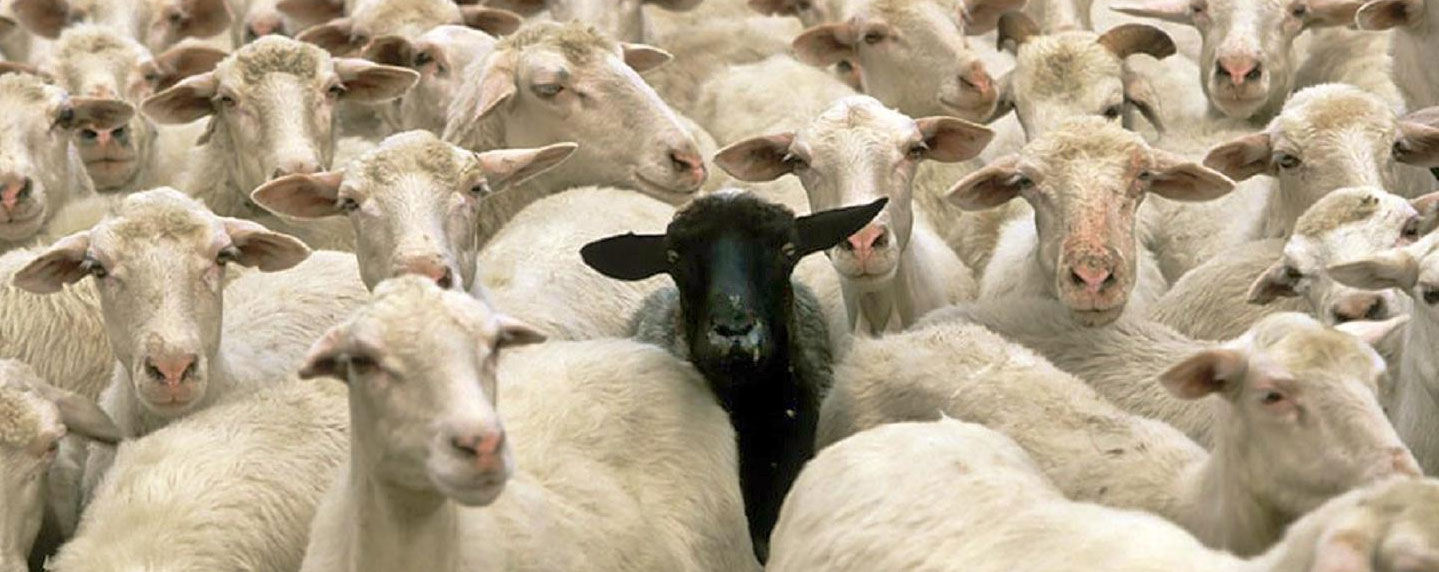
It was that whole negative stigma associated with the ‘black sheep’.

Why, I would wonder, was it the ‘black sheep of the family’ that was the bad kid? And why was the one black sheep in every flock considered the worst of the bunch?

Source: theodysseyonline

Why was this association applied to sheep?

Why not dogs? Or cows? Why do we pick on sheep?

Continue reading “One black sheep per week”

Monthly Research Review – January 2018

Today’s (experimental) post provides something new – an overview of some of the major bits of Parkinson’s-related research that were made available in January 2018.


In January of 2018, the world was rocked by news that New Zealand had become the 11th country in the world to put a rocket into orbit (no really, I’m serious. Not kidding here – Click here to read more). Firmly cementing their place in the rankings of world superpowers. In addition, they became only the second country to have a prime minister get pregnant during their term in office (in this case just 3 months into her term in office – Click here to read more about this).

A happy New Zealand prime minister Jacinda Ardine

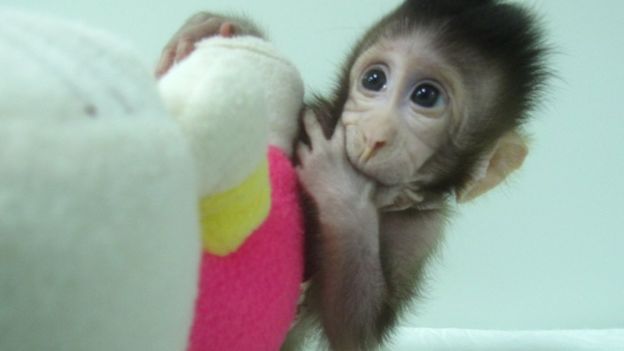
In major research news, NASA and NOAA announced that 2017 was the hottest year on record globally (without an El Niño), and among the top three hottest years overall (Click here for more on this), and scientists in China reported in the journal Cell that they had created the first monkey clones, named Zhong Zhong and Hua Hua (Click here for that news)

Zhong Zhong the cute little clone. Source: BBC

Continue reading “Monthly Research Review – January 2018”

FASN-ating PINK research

Pink

In 2018, there is one particular clinical trial that I will be watching, because the drug being tested could have a big impact on certain kinds of Parkinson’s.

The clinical trial is focused on people with cancer and they will be treated with a drug called TVB-2640TVB-2640 is an inhibitor of an enzyme called fatty acid synthase (or FAS). 

In today’s post we will discuss why TVB-2640 might be a useful treatment for certain kinds of Parkinson’s.


Mitochondria

Mitochondria and their location in the cell. Source: NCBI


Regular readers of this blog are probably getting sick of the picture above.

I use it regularly on this website, because a.) it nicely displays a basic schematic of a mitochondrion (singular), and where mitochondria (plural) reside inside a cell. And b.) a lot of evidence is pointing towards mitochondrial dysfunction in Parkinson’s.

What are mitochondria?

Mitochondria are the power stations of each cell. They help to keep the lights on. Without them, the party is over and the cell dies.

How do they supply the cell with energy?

They convert nutrients from food into Adenosine Triphosphate (or ATP). ATP is the fuel which cells run on. Given their critical role in energy supply, mitochondria are plentiful (some cells have thousands) and highly organised within the cell, being moved around to wherever they are needed.

Source: Mangomannutrition

What does this have to do with Parkinson’s?

Continue reading “FASN-ating PINK research”