
|
# # # # At the end of each month the SoPD writes a post which provides an overview of some of the major pieces of Parkinson’s-related research that were made available during February 2023. The post is divided into 10 parts based on the type of research:
# # # # |
So, what happened during February 2023?
In world news:
February 2nd – The European Central Bank and Bank of England raise their interest rates by 0.5 percentage points to combat inflation, one day after the US Federal Reserve raised its federal funds rate by 0.25 percentage points.

February 5th – Cyclone Freddy formed in the Indian Ocean. It would become the longest lasting tropical cyclone in history and cause over 1,400 deaths and countless injuries and property damage across southeastern Africa (Click here to read more about this).

February 14 – The European Parliament approves a ban on the sale of new petrol and diesel vehicles in the European Union from 2035, citing the need to combat climate change in Europe and promote electric vehicles.

February 16th – Blockbuster action movie star Bruce Willis announced that he has received a new diagnosis of frontotemporal dementia (Click here to read more about this)

February 25th – A rare supermassive black hole – 1 billion times the mass of our sun – was discovered at the center of the galaxy COS-87259. This ancient galaxy formed just 750 million years after the Big Bang, and the black hole was spotted by the Atacama Large Millimeter Array (ALMA) in Chile (Click here to read more about this).

In the world of Parkinson’s research, a great deal of new research and news was reported:
In February 2023, there were 853 research articles added to the Pubmed website with the tag word “Parkinson’s” attached (1850 for all of 2023 so far). In addition, there was a wave to news reports regarding various other bits of Parkinson’s research activity (clinical trials, etc).
The top 4 pieces of Parkinson’s news
1. Remote recording and stimulation:
A wearable platform for closed-loop stimulation & recording of single-neuron & local field potential activity in freely moving humans: Current technologies that record single-neuron activity are bulky, costly and require a person to be wired down and immobile. But now researchers present “Neuro-stack” – a handheld-sized device that can record and stimulate single-neuron activity in humans. Could this have implications for deep brain stimulation in Parkinson’s? (Click here to read more about this).

2. Genomics/proteomic drug screen:
Integrating genetic & proteomic data from brain & blood, researchers highlighted potential drug targets for neurodegenerative conditions. In the case of Parkinson’s, they highlighted CD38, DGKQ, GPNMB, & SEC23IP as candidate targets. GPNMB again,… I’m just saying (Click here to read more about this report and click here to read a previous SoPD post about GPNMB).

3. The impact of small things in the context of LRRK2:
An 8-year study identified novel serum derived miRNA alterations in premotor stages of Parkinson’s (that co-occur with progressive DaT-SPECT decline) before motor manifestation in LRRK2-G2019S variant carriers. The researchers highlighted four miRNAs in particular with relatively high discriminative ability. Potential biomarkers for LRRK2-associated Parkinson’s? (Click here to read more about this).

4. Fundamental resources for Parkinson’s:
The Foundational Data Initiative for Parkinson Disease (FOUNDIN-PD) is an international collaboration producing fundamental resources for Parkinson’s. A new paper from the program presented a multi-layered molecular dataset from analysis of differentiated iPSCs to dopamine neurons from 95 PPMI participants with varying Parkinson’s genetic variants. These data reveal that iPSC-derived DA neurons provide a valuable cellular context and foundational atlas for modeling PD genetic risk (Click here to read more about this).

Articles of general interest
- Hopamine (‘’hope of mine”) as personalized medicine for people with Parkinson’s – a really interesting piece; Offers recommendations on how medical professionals can introduce it in daily clinical practice (Click here to read more about this).
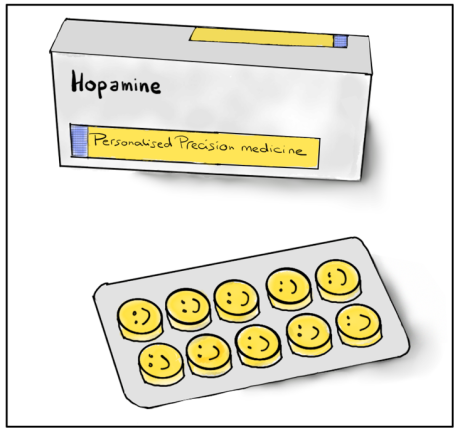
- New primer on Parkinson’s: management of motor & nonmotor symptoms. “PD presents a challenging array of motor and nonmotor symptoms that necessitates collaboration between family physicians, PD specialists, & allied health professionals” (Click here to read more about this).
Basic biology news
- Researchers generate a computational model centred on the Parkinson’s-associated “hub protein” LRRK2 to explore the differential expression patterns & the co-expression behaviours of the LRRK2 interactors in 15 different healthy tissue types (Click here to read more about this).
- New research reveals the microscopic processes governing the aggregation Parkinson’s-associated α-synuclein within liquid condensates at physiological pH (Click here to read more about this).
- French researchers report inhibition by pesticides of the Parkinson’s-related DJ-1/Park7 protein; They screen many pesticides & find 15 of them are strong inhibitors of DJ-1 (IC50 values between 0.02 – 30 µM); Thiocarbamates gets highlighted (Click here to read more about this).

- New research reveals that (in Drosophila) the endocytic protein Endophilin-A (EndoA) connects activity-induced calcium influx to synaptic autophagy & neuronal survival in a Parkinson’s-relevant fashion (Click here to read more about this).
- New research reports that palmitoylation of Parkinson’s–associated protein synaptotagmin-11 links its turnover to α-synuclein homeostasis; “Begins to bring mechanistic clarity to the role of Syt11 in disease” (Click here to read more about this).
- Single-cell transcriptomic analysis reveals that chondroitin sulfate proteoglycan 4 (Cspg4)-expressing microglia represent a subset of microglia with proliferative capability during neurodegeneration that is different from other microglia subtypes in mice & humans (Click here to read more about this).
- Mesencephalic astrocyte-derived neurotrophic factor (MANF) regulates neuronal survival & unfolded protein response via its endoplasmic reticulum-located receptor IRE1α; MANF-IRE1α interaction crucial for MANF pro-survival activity in models of Parkinson’s (Click here to read more about this).
- New research presents a structural basis for ATG9A recruitment to the ULK1 complex in mitophagy initiation; Implications for Parkinson’s? (Click here to read more about this).
- Data Archive for the BRAIN Initiative (DABI) “is a data repository and portal for BRAIN Initiative projects that collect human & animal intracranial recordings, & it allows users to search, visualize, & analyze multimodal data from these projects” (Click here to read more about this).
- Further data on SNCA gene methylation in Parkinson’s & Multiple System Atrophy (MSA); Different patterns of the epigenetic regulation between these 2 conditions (Click here to read more about this).
- New paper presents a new approach to determine the number & size of Parkinson’s-associated α-synuclein aggregates down to picomolar concentrations in biologically relevant samples (Click here to read more about this).
- New paper explores the DNA Methylation of α-Synuclein Intron 1; GBA1-associated Parkinson’s & idiopathic PD have distinct epigenetic profiles, & highlights importance of separating idiopathic PD & PD-GBA1 cases (Click here to read more about this).
- South Korean researchers report a novel alternative splicing variant of DJ-1 in the substantia nigra of patients with Parkinson’s (an exon 6 (E6) skipping variant of DJ-1); In 4/9 cases of PD, but less in AD or LBD cases & 1/6 in controls (Click here to read more about this).
- Regulators of proteostasis are translationally repressed in fibroblasts from patients with sporadic & LRRK2-G2019S Parkinson’s; 77% overlap in affected proteins; ATG9A & YTHDF3 get the spot light (Click here to read more about this).
- Parkinsonism mutations in Drosophila DNAJC6 cause lipid defects & neurodegeneration that are rescued by Synj1; A functional relation between 2 Parkinson’s-associated proteins (Click here to read more about this).
- Increased oligomerization of Parkinson’s-associated α-synuclein in red blood cell membranes observed in Gaucher disease patients but also in GBA1 variant carriers; Enzyme replacement therapy reverses biochemical defects & normalizes α-syn. homeostasis (Click here to read more about this).
- New research reports that major synaptic vesicle proteins & ATG9A are differentially sorted; An important step towards the elucidation of how SV traffic & vesicle traffic are interconnected (Click here to read more about this).
- New research finds that GBA1-associated Parkinson’s-dopamine neurons have autophagy defects that may be caused by the deleterious effects of glucosylsphingosine-dependent mTOR hyperactivation; Inhibition of acid ceramidase prevents this & reduces synuclein aggregation (Click here to read more about this).
- New research further explores the intracellular build-up of neuromelanin, demonstrating for the feasibility & therapeutic potential of modulating neuromelanin production in vivo by modifying dopamine homeostasis/metabolism with VMAT2 (Click here to read more about this).
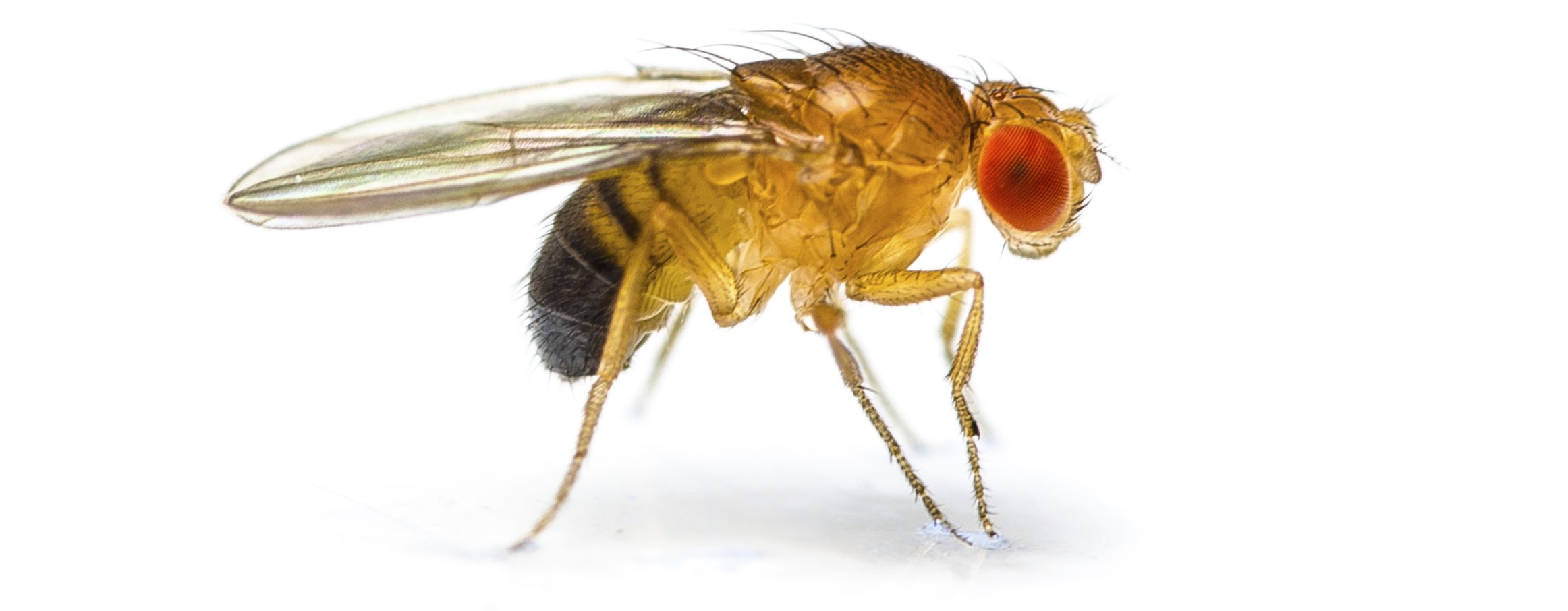
- New research finds parkin-mediated mitophagy can be induced by the probiotics Saccharomyces boulardii & Lactococcus lactis (in drosophila); In paraquat treated flies, these strains improved longevity & motor function (Click here to read more about this).
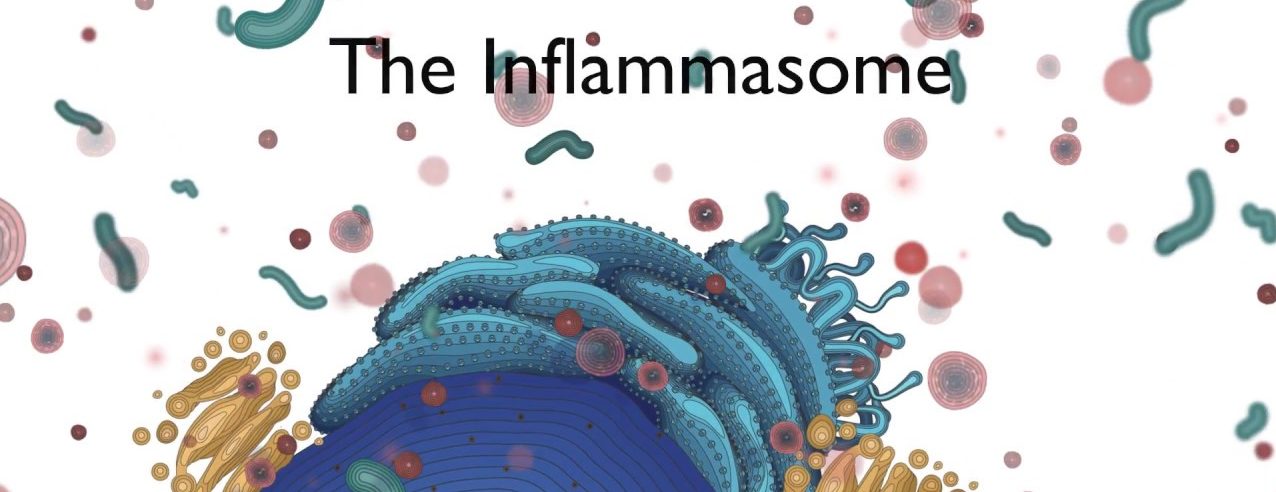
- Further evidence that adaptor apoptosis-associated speck-like protein containing a CARD (ASC) specks can exacerbate Parkinson’s-associated α‑synuclein pathology via amplifying NLRP3 inflammasome activities (in vitro & in vivo data – Click here to read more about this).
Disease mechanism
- The prodrug of a catechol-containing lead dopamine agonist, D-685, reported to reverses motor deficits & reduce accumulation of human α-Synuclein protein in 2 different Parkinson’s models (reserpinized PD model & α-syn transgenic model – D line – click here to read more about this).
- Impaired autophagic-lysosomal fusion in Parkinson’s patient iPSC-derived midbrain neurons occurs through loss of ykt6 & is rescued by farnesyltransferase inhibition (Click here to read more about this).
- Inhibition of inflammatory microglia in mice by dietary fiber & short-chain fatty acids; “It remains an open question if SCFAs affect microglia through neural and/or humoral pathways” – implications for Parkinson’s? (Click here to read more about this).

- Deficiency in Melanoma-associated antigen D1 (Maged1) protected dopamine neurons against MPTP-induced toxicity in vitro; Plus loss of dopamine neurons in elderly Maged1-knockout mice more mild than wild-type mice under physiological conditions (Click here to read more about this).
- More data on chlorogenic acid – suppressing inflammatory status by inhibiting the p38, MAPK, & NF-κB pathways (Click here to read more about this).
- New research presents two small molecules (CNS-11 & CNS-11g) that disassemble preformed fibrils of Parkinson’s-associated alpha-synuclein in the test tube, including fibrils from postmortem patient brains (Click here to read more about this).
- Chronic reduction of PIKFYVE activity is well tolerated & mitigates pathology in mouse & human models of diverse forms of ALS; “does not require stimulating macroautophagy or the ubiquitin-proteosome system” (Click here to read more about this).
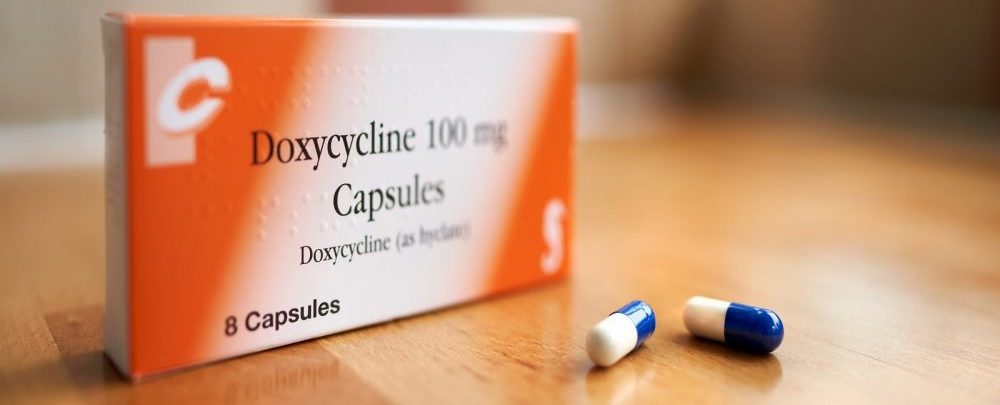
- Further data on doxycycline in cellular models of Parkinson’s; It “protects against the axonal & synaptic degeneration induced by MPP+ through upregulation of proteins related to axonal plasticity” (Click here to read more about this).
- Integrated regulation of dopaminergic & epigenetic effectors of neuroprotection in models of Parkinson’s (Click here to read more about this).
- An in silico study highlights the antipsychotic lumateperone as interacting with Parkinson’s-associated PARKIN; Further in vitro & in vivo studies now required to explore its activity as a potential small molecule activator of PARKIN (Click here to read more about this).
- Amazing how gender is front & center in Parkinson’s research at the moment: Male microglia = more pro-inflammatory; female microglia = more sensitive to CBE (inhibitor of GCase); CBE impairs female microglia ability to enhance Nrf2-pathway, cancelling sex differences (Click here to read more about this).
Clinical research
- New study shows how the subthalamic & nigral neurons are differentially modulated during Parkinson’s, resulting in freezing of gait (Click here to read more about this).
- Total neuromelanin derived from both DOPA & dopamine is decreased in Parkinson’s postmortem substantia nigra (vs unaffected controls); DOPA pheomelanin is increased & eumelanins derived from both DOPA & DA are reduced in PD group; Intriguing in vitro results (Click here to read more about this).
- New study reports “a significant phylogenetic difference between patients with Parkinson’s & healthy controls who had undergone appendectomy. These results suggest the correlation between gut microbiota & PD in patients who have undergone appendectomy” (Click here to read more about this).

- New research paper presents a potential biomarker for adaptive deep brain stimulation in Parkinson’s; In PD rats, aperiodic exponents & power at 30-100 Hz in subthalamic nucleus defined changes in basal ganglia network activity (Click here to read more about this).
- Could serum leucine-rich α2 glycoprotein levels function as a potential biomarker for systemic inflammation in Parkinson’s? New study suggests it deserves further investigation (Click here to read more about this).
- “Unilateral pallidal ultrasound ablation resulted in a higher % of patients who had improved motor function or reduced dyskinesia than a sham procedure over a period of 3 months but was associated with adverse events”; Larger trials required (Click here to read more about this).
- The case study of a 41-year-old professional hockey referee with subtle motor symptoms & signs: early-onset Parkinson’s (Click here to read more about this).
- New research highlights alterations in the LRRK2-Rab pathway in urinary extracellular vesicles that could act as Parkinson’s biomarkers – data from 2 cohorts (Click here to read more about this).
- Researchers analysed cerebrospinal fluid (CSF) levels of LRRK2 in Parkinson’s & other parkinsonian disorders; Total & pS1292 LRRK2 levels were significantly higher in PD with dementia with respect to PD with mild cognitive impairment and PD (Click here to read more about this).
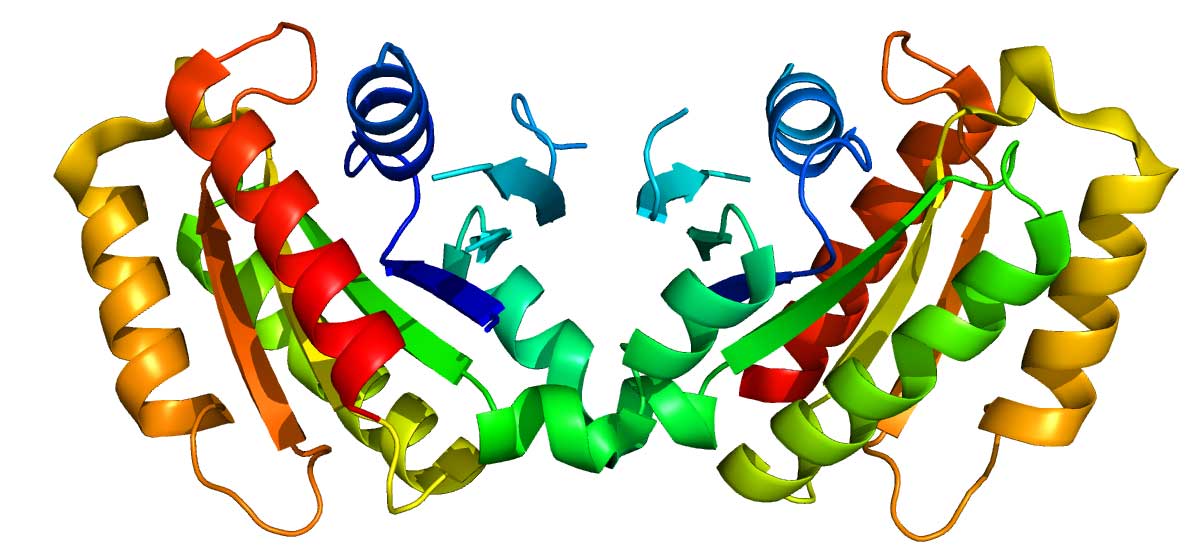
- New research finds plasma Complement protein levels correlate with clinical symptom severity in Parkinson’s, but were not significantly altered in PD versus controls; Levels of C3 correlated with non-motor symptoms in female patients (Click here to read more about this).
- “Levodopa–carbidopa intestinal gel may provide sustained, long-term symptom control, while potentially avoiding increases in add-on medication dosages” – the conclusions from the 5-yr follow-up of the COSMOS study (Click here to read more about this).
- Data colleagues provides the evidence of functional connectivity changes in the cervical spinal cord in the groups of Parkinson’s patients; Diagnostic & therapeutic opportunities? (Click here to read more about this).
- Small study, but new paper finds “free water values are elevated in the substantia nigra & predict the development of non-motor symptoms” in non-manifesting GBA pathogenic variant carriers & GBA-Parkinson’s (Click here to read more about this).
- Using a machine learning approach to predict quality of life changes in patients with Parkinson’s (Click here to read more about this).
- Use of lipophilic statins at least 5 years earlier was associated with reduced Parkinson’s incidence in women from the French E3N Cohort Study (N=73,925; 15 yrs follow up); Simvastatin showed the strongest association (Click here to read more about this).
- Physical activity based on dance movements as complementary therapy for Parkinson’s “contributed to significant improvements in movement (balance and gait), executive functions, especially in cognitive flexibility & inhibitory control, & quality of life” (Click here to read more about this).

- PD & cancer: Using results from large genome-wide association studies, researchers confirm previously reported positive genetic correlation of Parkinson’s with melanoma & highlight an additional significant positive correlation of PD with prostate cancer (Click here to read more about this).
- The preliminary results of a study investigating the effect of Computer Assisted Rehabilitation Environment (CAREN) in cognitive impairment & coping strategies in Parkinson’s have been published; Longer duration training may help patients with MCI (Click here to read more about this).
- Small study, but new data indicates plasma GFAP has potential value for distinguishing patients with Parkinson’s dementia, & predicting MCI-to-dementia conversion in individuals with PD (Click here to read more about this).
- Genome-wide association study using whole-genome sequencing identifies risk loci for Parkinson’s in Chinese populations.; 1972 PD cases & 2478 controls using WGS, + a replication study in 8209 PD & 9454 controls (multiplex PCR seq.); New risk variant: rs61204179 (Click here to read more about this).
- Baseline characteristics of the North American prodromal synucleinopathy cohort; N=361 – “demonstrated a lack of sex differences & high frequency of concomitant neurological abnormalities” (Click here to read more about this).
- A qualitative study exploring barriers to home exercise for patients with Parkinson’s & finds barriers include: 1: Psychosomatic stress, 2: Lack of early rehabilitation, 3: Poor ‘flow’ state, 4: Inaccessibility of continued service, 5: Sociocultural impact on family coping (Click here to read more about this).

- White VS gray matter: Evaluation of WM & GM in 62 de novo PD patients & 31 healthy volunteers “demonstrates that WM microstructural abnormalities precede GM structural changes in early Parkinson’s patients”…oligodendrocytes again? (Click here to read more about this).
- A two-year clinical progression in focal & diffuse subtypes of Parkinson’s “extend the classification of diffuse-malignant & mild-motor predominant subtypes to early-to-moderate PD & suggest that different pathophysiological mechanisms” (Click here to read more about this).
- Patients with isolated REM-sleep behavior disorder (iRBD; a Parkinson’s prodrome) have elevated levels of alpha-synuclein aggregates in their stool (N=94 PD patients, 72 iRBD patients, & 51 controls); PD patients did not significantly differ from controls (Click here to read more about this).
- “Deep brain stimulation is cost-effective for patients with advanced Parkinson’s over a 15-year time horizon in China. However, compared with developed countries, DBS remains a substantial economic burden for patients when no reimbursement is provided” (Click here to read more about this).
New clinical trials
- New clinical trial registered: Askbio have started a study to describe disease progression in 150 individuals with early Parkinson’s or Multiple System Atrophy – Parkinsonian Type (MSA) up to 18 months as delineated by clinical & biochemical parameters (Click here to read more about this).

- New clinical trial registered: A 12 month Phase 2, randomized, double-blinded, placebo-controlled, parallel design clinical trial to evaluate the safety, tolerability & efficacy of Donepezil in 120 patients with mild cognitive impairment in Parkinson’s (Click here to read more about this).
- New clinical trial registered: A new 4 month, 120 participant study will evaluate the effects of Saffron & Chamomile (& their active metabolites) in treating Parkinson’s (Click here to read more about this).
Clinical trial news
- An open label, non-randomized proof-of-concept study assessing a prebiotic fiber intervention in a small cohort of Parkinson’s “offers the scientific rationale for placebo-controlled trials using prebiotic fibers in PD patients” (NCT04512599 – click here to read more about this).
- The protocol for a safety & tolerability study of adjunct non-invasive vagus nerve stimulation in people with Parkinson’s has been published (Click here to read more about this).
- New research presents Phase 1 safety, tolerability, PK/PD data on their CNS-penetrant LRRK2 inhibitor BIIB122 (DNL151) in healthy participants & patients with Parkinson’s; No serious adverse events (Click here to read more about this).

Conferences/lectures
- The International Conference on Alzheimer’s and Parkinson’s Diseases will be held in Gothenburg (Sweden) between 28th March to 1st April.

- The 6th World Parkinson’s Congress will be held in Barcelona (Spain) between the 4th – 7th July. This event only happens once every 3 years, and brings together researchers, clinicians, patients, and the broader Parkinson’s community – a truly unique scientific meeting with something for everyone.

- The 2023 Grand Challenges in Parkinson’s conference will be held on the 27th & 28th September at the Van Andel Institute in Grand Rapids, Michigan. The theme this year will be “Pathophysiological Mechanisms to Therapeutics” and the list of speakers is excellent.

Other news
- South Korean biotech firm NKMAX has received US FDA approval for its natural killer cell therapy SNK01 to treat Parkinson’s disease under the Expanded Access Program (EAP). A single patient will be treated in California (Click here to read more about this).
- Herantis Pharma announces approval of their Clinical Trial Application (CTA) to the Finnish Medicines Agency for a Phase 1 study of their new agent HER-096 in healthy volunteers. HER-096 is a CDNF mimic being developed for Parkinson’s (Click here to read more about this).

- Aptinyx reports their NMDAR modulator NYX-458 did not demonstrate sufficient efficacy in their Phase 2 study involving patients with cognitive impairment associated with Parkinson’s; No further development (Click here to read more about this).
- Neuron23 announces first-in-human dosing in Phase 1 clinical trial of their brain-penetrant LRRK2 inhibitor NEU-723 being developed for Parkinson’s (Click here to read more about this).
- NRG Therapeutics has been awarded a second $500,000 grant from the Michael J. Fox Foundation to help support its lead drug discovery programme & the development of a novel mitochondrial treatment for Parkinson’s (Click here to read more about this).

- C4X Discovery & the Garvan Institute use a precision medicine platform, “PatientSeek” to identify sub-groups in Parkinson’s; These genetic signatures identify subgroup that responded in ‘failed Phase 3’ trial (Click here to read more about this).
- Interesting piece on NysnoBio discussing their plans for Parkinson’s; Regarding the company: “Most of them focused their lives on PD, early-onset patients, and making therapeutics”; The goal: a PARKIN-based gene therapy approach; IND: Q1 2024 (Click here to read more about this).

- Annovis Bio announces that they have received approval for additional European clinical trial sites for their ongoing Phase 3 study of buntanetap (aka ANVS401 or Posiphen – an oral inhibitor of aggregating proteins) for Parkinson’s (Click here to read more about this).
Review articles/videos
- New review on T-type calcium channels explores their potential as therapeutic targets in essential tremor & Parkinson’s; “TTCC activity appears to be implicated in both ET & PD circuit pathophysiology, with TTCC blockade emerging” as a therapeutic strategy (Click here to read more about this).
- A systematic review and meta-analysis of inflammatory biomarkers in Parkinson’s; 152 studies included; Increased IL-6, TNF-α, IL-1β, STNFR1, CRP, CCL2, CX3CL1, & CXCL12 levels and decreased INF-γ & IL-4 levels were noted in the collective PD group (Click here to read more about this).
- Malassezia gets a special mention in the section on Parkinson’s in this new review on the roles of fungus in CNS autoimmune & neurodegeneration (Click here to read more about this).

- “To date, we have accumulated 40 negative anti-amyloid randomized clinical, 2 anti-synuclein trials, & 4 anti-tau trials. These results have not prompted a major reconsideration of the toxic proteinopathy hypothesis of causality” (Click here to read more about this).
- “Clinical definition of neurodegenerative diseases is based on symptoms that reflect terminal damage of specific brain regions. This is misleading as it tells little about the initial disease processes” – Neurodegeneration: cell per cell (Click here to read more about this).
- New review explores the functional role for Parkinson’s-associated alpha-synuclein in neuroimmune responses (Click here to read more about this).
- New review “demonstrates the reciprocal interplays between microglia & T cells, & the associated subpopulations through cytokine & chemokine production that impair &/or protect the pathological process of Parkinson’s” (Click here to read more about this).

- New review explores the link between neuroinflammation & the neurovascular unit in synucleinopathies – lots of discussion around Parkinson’s (Click here to read more about this).
- “Hallmarks of neurodegenerative diseases” – New review provides “a framework for unifying & categorizing neurodegenerative diseases, as well as for stratification of subtypes & patients within specific neurodegen. diseases” (including Parkinson’s – click here to read more about this).
- A useful review on calcium channel blockers & Parkinson’s concludes that “at present no pharmacological tools exists that are suitable to confirm or refute a role of Cav1.3 channels in cellular responses”; Authors suggest an essential criteria for this (Click here to read more about this).
- I find it really interesting how Parkinson’s research stands out in this analysis of the growth of digital health technologies in neurology clinical trials (44.9% – click here to read more about this).

- New review explores the signaling pathways associated with Parkinson’s – from molecular mechanisms to botanical therapeutic interventions (Click here to read more about this).
- Cyclic Glycine-Proline (cGP) normalises insulin-like growth factor-1 (IGF-1) function: Clinical significance in the ageing brain & in age-related neurological conditions (like Parkinson’s – click here to read more about this).
- New review of Alpha-synuclein in Parkinson’s & other synucleinopathies: From overt neurodegeneration back to early synaptic dysfunction (Click here to read more about this).
- Translational molecular imaging & drug development in Parkinson’s; New review sheds “light on potential future trends, thereby focusing on potential novel diagnostic tracers & disease-modifying therapeutic interventions” (Click here to read more about this).
* * * * * * * * * * * *
And there it is, just some of the highlights from February 2023 – another very busy month of Parkinson’s research. Hopefully there will be bits and pieces of interest for everyone in the list. Much of the material used here was collected from the Science of Parkinson’s Twitter feed (and there is a lot more posted there each day).
Any thoughts/feedback would be greatly appreciated (either in the comments below, or contact me directly).
And now: on to March!!!
 All of the material on this website is licensed under a
Creative Commons Attribution 4.0 International License
You can do whatever you like with it!
EDITOR’S NOTE: The author of this post is an employee of Cure Parkinson’s, so he might be a little bit biased in his views on research and clinical trials supported by the trust. That said, the trust has not requested the production of this post, and the author is sharing it simply because it may be of interest to the Parkinson’s community.
The information provided by the SoPD website is for information and educational purposes only. Under no circumstances should it ever be considered medical or actionable advice. It is provided by research scientists, not medical practitioners. Any actions taken – based on what has been read on the website – are the sole responsibility of the reader. Any actions being contemplated by readers should firstly be discussed with a qualified healthcare professional who is aware of your medical history. While some of the information discussed in this post may cause concern, please speak with your medical physician before attempting any change in an existing treatment regime.
In addition, many of the companies mentioned in this post are publicly traded companies. That said, the material presented on this page should under no circumstances be considered financial advice. Any actions taken by the reader based on reading this material is the sole responsibility of the reader. None of the companies have requested that this material be produced, nor has the author had any contact with any of the companies or associated parties. This post has been produced for educational purposes only.


Unrelated to any of the above. Some researchers (Dr. Espay in Cincinatti, for example) think Alpha -synucleon is just a sign that PD is there – not the cause. We have cured alph-sy aggregation already with not effect on PD patients. Proteinopenia vs proteinopathy – any comments? thanks
LikeLike