The road ahead: 2025 (part 1)

# # # #

The first post at the start of each year on the SoPD website has traditionally tried to provide an overview or some context on where things are in the search for ‘disease modifying’ therapies for Parkinson’s. 

Previous editions of the “Road Ahead” posts have become dangerously overloaded, unwieldy, chaotic one-page beasts, so this year we are shifting to a multi-post format, which will hopefully provide the reader with less of a burdensome shopping list of novel therapies and more of a digestible piece of information (famous last words – be warned, this is still a very long post!).  

In this first post, we will look at the latest developments that have resulted from the biology associated with Parkinson’s-related genetic risk factors (this is a long post – click here if you would like to skip the introduction and go straight to the table of contents)

# # # #


A future historian? Source: Inc

When future academics sit down to write the history of the condition that we currently know of as “Parkinson’s”, they may well look upon 1997 as a key turning point for what came next.

Why 1997? What happened then? And what came next?

On the morning of 27th June, 1997, the prestigious scientific journal ‘Science’ went to press, highlighting a research report that would change the world of Parkinson’s forever.

And I am not exaggerating here – the impact of the study was (and still is) truly profound.

The paper reported the discovery of tiny variations in a region of human DNA that scientists refer to as the “alpha synuclein” gene, and it explained that these genetic errors could significantly increase one’s risk of developing Parkinson’s. The scientists had made this finding across large Italian and Greek families that exhibited very high incidences of Parkinson’s (Click here to read a previous SoPD post on this discovery):

Science

Title: Mutation in the alpha-synuclein gene identified in families with Parkinson’s disease.
Authors: Polymeropoulos MH, Lavedan C, Leroy E, Ide SE, Dehejia A, Dutra A, Pike B, Root H, Rubenstein J, Boyer R, Stenroos ES, Chandrasekharappa S, Athanassiadou A, Papapetropoulos T, Johnson WG, Lazzarini AM, Duvoisin RC, Di Iorio G, Golbe LI, Nussbaum RL.
Journal: Science. 1997 Jun 27;276(5321):2045-7.
PMID: 9197268

And then – remarkably just two months later – the results of another study were published in the scientific journal ‘Nature’ that would further cement alpha synuclein’s place in Parkinson’s research.

In this second research paper, the investigators showed that a particular protein was highly enriched in “Lewy bodies” – dense spheres of protein inside of cells that are one of the characteristic features of the Parkinsonian brain. That protein was the very same one that is produced by the instructions provided by the alpha synuclein gene:

Title: Alpha-synuclein in Lewy bodies.
Authors: Spillantini MG, Schmidt ML, Lee VM, Trojanowski JQ, Jakes R, Goedert M.
Journal: Nature. 1997 Aug 28;388(6645):839-40.
PMID: 9278044

And so it was that alpha synuclein became ‘public enemy #1’ in the world of Parkinson’s research. After decades of research, scientist finally had their ‘foot in the door’ in terms of the biology that could potentially be underlying the condition.

What came next can only be described as a ‘gold rush’ in Parkinson’s research, with genetic risk factors in other regions of DNA suddenly being associated with Parkinson’s. In 1998, genetic variations in one called the “PARKIN” gene were discovered, then in 2003 it was the turn of “DJ-1″, followed the year after by the “LRRK2″ and “PINK1″ genes.

Today we know of approximately 80 genetic regions believed to be influencing the risk of developing Parkinson’s:

Nalls et al (2019). Source: PMC

While all of this research focused on variation in our DNA does not mean that Parkinson’s is a genetic condition (please note that these variations are only found in about 15-20% of the PD affected community and infer vulnerability rather than certainty), the truly crucial aspect of these discoveries has been learning about the associated biology.

What do you mean by “associated biology”?

Continue reading “The road ahead: 2025 (part 1)”

Cure Parkinson’s Autumn Research Update meeting – 2023

# # # #

Cure Parkinson’s is a medical research charity that is focused on disease modification for Parkinson’s. Our only goal is to slow, stop or reverse the condition. To achieve this aim, we fund and support preclinical projects (that are with 5 years of clinical testing) and clinical trials focused on testing new disease modifying therapies.

Twice a year we hold public events, where we share how the research we support is developing and progressing. It is an in-person event held in London, and we stream it live to the virtual audience who are unable to attend.

In today’s post, we will review the highlights of Cure Parkinson’s 2023 Autumn Research Update meeting.

# # # #


As long time readers will be aware, the freakishly tall, ridiculously good looking author of this blog is an employee of the medical research charity, Cure Parkinson’s.

He tries to be transparent about this and where Cure Parkinson’s is involved in the research being discussed on the SoPD website, he always indicates their involvement. He doesn’t want to be seen to be biasing the content here on the SoPD towards the charity’s activities, rather he prefers to take a broader view of all the interesting research that is going on in the Parkinson’s research world.

But, when there is Cure Parkinson’s related material that he thinks might be of interest to the wider Parkinson’s community, he is comfortable with highlighting it.

And today’s post is an example of this.

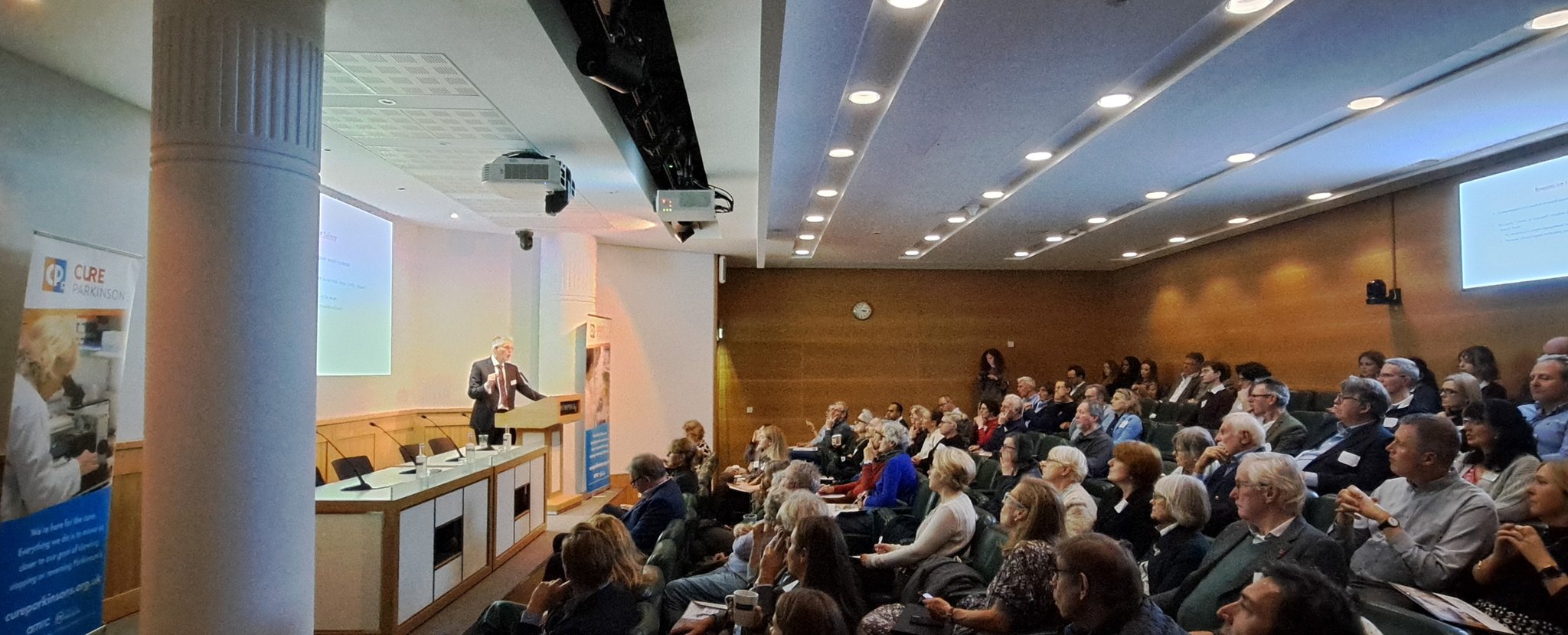
Recently, Cure Parkinson’s held their 2023 Autumn Research Update meeting at the Royal Society of Medicine in London:

The RSM. Source: RSM

Continue reading “Cure Parkinson’s Autumn Research Update meeting – 2023”

The UP Study results

# # # #

Preclinical data have suggested that the bile acid Ursodeoxycholic acid (or UDCA) has neuroprotective properties in models of Parkinson’s.

Researchers in Sheffield have led much of this research and they have also been coordinating a clinical trial assessing this molecule in people with Parkinson’s.

The study was called the “UDCA in Parkinson’s” trial (or UP Study) and the results were recently published.

In today’s post, we will explore the history of UDCA research, review the results of the UP study, and discuss what could happen next.

# # # #


Prof Heather Mortiboys. Source: Dementiaresearcher

Every good lab bench-to-clinical trial story starts somewhere.

There is an initiating moment, which is probably irrelevant to most of the people present at the time, but it becomes life-defining for others. In the case of today’s post, that moment occurred while Prof Heather Mortiboys was was sitting in a lecture during the last year of her undergraduate degree in University.

The lecturer said that although our knowledge and understanding of what happens in Parkinson’s has increased significantly, there are still no treatments to prevent or slow the condition.

Heather couldn’t understand this.

She wondered how much more knowledge could be gained without actually identifying new treatments? And from that moment onwards she has pursued a research career in Parkinson’s research (and we are lucky for it!).

After receiving her PhD in Neuroscience (summa cum laude) from the International Max Planck Institute in Dresden (Germany), she moved to the Neuroscience department at the University of Sheffield in 2006 to work with Prof Oliver Bandmann.

Prof Oliver Bandmann. Source: Sheffield

And in 2013, they published the results of a large screening study that identified a very interesting molecule.

This was the research report in question:

brain

Title: Ursocholanic acid rescues mitochondrial function in common forms of familial Parkinson’s disease
Authors: Mortiboys H, Aasly J, Bandmann O.
Journal: Brain. 2013 Oct;136(Pt 10):3038-50.
PMID: 24000005

What was the interesting molecule?

Continue reading “The UP Study results”

Just a lysosomal enzyme…

# # # #

About 5% of individuals affected by Parkinson’s carry a genetic variation in a region of their DNA called the GBA1 gene.

This area of DNA provides the instructions for making an enzyme called GCase, which is known to be involved in cellular waste disposal.

Recently, however, researchers have discovered that GCase might have additional functions in cells, particularly in the mitochondria.

In today’s post, we will discuss what GCase is, how it is associated with Parkinson’s, and review the new research indicating other roles in cellular biology.

# # # #


Source: Createvalue

Isn’t it funny how things change.

And I mean, properly change.

Something will start off in life as one thing, and then a new perspective or a conflicting idea is provided and suddenly it becomes something else entirely – changing how we view that thing and its place in the world.

A truly exaggerated example of this is the wonderous story of Adam Rainer.

Born in Austria (1899), Adam was always a small child and by the time he reached 18 years of age he measured just 138 cm (or 4 foot 5 inches). Due to his height, he was technically considered a dwarf (less than 147 cm or 4 foot 10 inches). As result of this designation, he was refused entry into the Austro-Hungarian Army and thus missed out on serving in the First World War.

But then something really strange happened…

From 21 years of age to 32, while everyone else stopped growing, Adam suddenly started to grow.

And when I say grow, I mean grow!

Adam Rainer (far left). Source: Twitter

By the time Adam was 32, he had grown to the height of 218 cm (or 7 foot 2 inches). At that time, a benign tumor (a pituitary adenoma) was discovered and removed, slowing Adam’s growth. He died in 1950 at the age of 51, having reached a final height of 234 cm (7 foot 8 inches).

He is the only person in recorded history who started out in life with dwarfism and end it with gigantism (source).

Like I said, a rather exaggerated form of how something can change.

Intriguing, but what does this have to do with Parkinson’s?

Continue reading “Just a lysosomal enzyme…”

Year in review: 2022

# # # #

At the end of each year, it is a useful process to take stock and review what we have learnt over the last 12 months.

2022 has been an extremely busy year for Parkinson’s research, with a lot of clinical trial results and new insights. As the world continues to re-open from the COVID-19 pandemic, there has been a continually rising tide of new research results and interesting new developments.

In today’s post, we will consider three big Parkinson’s-related research takeaways of 2022 (based on our humble opinions here at the SoPD), and then we will provide an extended overview of some of the important pieces of news from the last 12 months (Be warned: this will be a rather long post).

# # # #


Knatchbull-Hugesse. Source: Getty

Hughe Knatchbull-Hugessen, the British Ambassador to China between 1936-1937 wrote in his memoir that before he left England for China, a friend told him of a Chinese curse, “May you live in interesting times” (Source).

I never really understood why this quote was considered “a curse”. Surely living in boring times would be more tortuous.

But the noise and chaos of recent years have really hammered home the nature of this curse. There were many days this year where I was wishing for less interesting times.

2022. Source: Wikipedia

That said, 2022 has been a fascinating experience. The full spectrum of human emotions has been elicited: From the highs of the football world cup to the horrors and catastrophic consequences of Russia’s ignominious invasion of Ukraine.

From the glorious achievements (such as the James Webb space telescope and a net energy gain from a fusion reaction), to the unfathomable idiocies of the UK and US political class (seriously, in the UK we had 3 prime ministers, 4 chancellors, and one gut wrenching “mini budget” disaster that showed the true fragility of our underfunded pension schemes) – 2022 had it all.

There were also an amazing array of new discoveries and insights in Parkinson’s research. And while such a statement may not bring much solace to those living with condition, it is tremendously encouraging to see the furious rate at which these findings are announced.

In this, the last SoPD post of 2022, we will look back and review the last 12 months by providing an overview of those pieces of research news that we here at SoPD HQ thought were most interesting. We apologise to any researchers who do not get a mention here (by all means feel free to berate us in the comments section below if you think we missed something key), but these were the announcements that really grabbed our attention.

#

EDITOR’S NOTE: The author of this blog is the director of research at the medical research charity Cure Parkinson’s. For the purpose of transparency and to eliminate any sense of bias, where Cure Parkinson’s is a funder of the research it shall be noted.

#

The 3 main SOPD highlights in Parkinson’s-related research for 2022

(in no particular order)

Continue reading “Year in review: 2022”

Disease modification-ish

# # # #

Semantics matters – particularly regarding our communication on ideas like “disease modification” for neurodegenerative conditions.

There is a big difference between “disease eradication” (zero worldwide incidence), “disease correction” (the halting/reversing of progression) and “disease modification” (improving the trajectory of disease).

Recently, researchers in Japan have demonstrated “disease modification” in motor neuron disease with a form of vitamin B12.

In today’s post, we will review this new research and discuss how it could be relevant to Parkinson’s.

# # # #


Source: LexFridman

During labourious household chores (think: washing the dishes, hanging laundry, or spending time with my daughter), I am usually listening to an audiobook or podcast. One favourite podcast is that of Dr Lex Fridman – an AI researchers at MIT who interviews interesting individuals and discusses a broad range of topics (from neuroscience to weird stuff like aliens, and the meaning of life often gets dragged in as well).

In episode #158, Lex spoke with Zev Weinstein (15 year old son of Prof Eric Weinstein) and I was really struck with how eloquently this young man spoke about philosophy and science, but also the communication of ideas.

Source: Youtube

And at one point in the discussion, Zev said: “Many underestimate the extent to which language and communication really impacts and shapes the ideas and thoughts that are being communicated, and I think if we are willing to accept imperfect labels to categorize particular people or thoughts, in some sense we are corrupting an abstraction in order to represent it and communicate about it. And I think, as we have discussed, those abstractions are particularly important when everything is on fire” – Zev Weinstein (18.03 minutes into the video). The interview occurred in early 2021 around the events of 6th January, hence the “everything on fire” reference.

But the words on “corrupting an abstraction in order to represent it and communicate about it” resonated with me.

And it got me thinking.

Thinking about what?

Continue reading “Disease modification-ish”

A rising tide with liraglutide

# # # #

A class of diabetes drugs called GLP-1 receptor agonists have exhibited neuroprotective properties in models of Parkinson’s, and a Phase IIb clinical trial produced encouraging.

This research has led to a number of parties to start investigating new and old GLP-1 receptor agonists for their potential to slow the progression of Parkinson’s.

Recently, the results of a second Phase II clinical trial investigating a GLP-1 agonist were announced. The agonist being tested was liraglutide. 

In today’s post, we will discuss what GLP-1 receptor agonists are, what research has been conducted in PD, and look at the recent clinical trial announcement.

# # # #


static1.squarespace

The name “Golden Goose Award” doesn’t really conjure images of an inspirational kind of accomplishment. It does not suggest the same kind of gravitas that the Nobel prize carries. 

In fact, it sounds rather comical: The golden goose award? Sounds like a children’s book writers award.

 And yet…

The Award was originally established in 2012 with the goal of celebrating researchers whose seemingly odd or obscure federally funded research turned out to have a significant and positive impact on society as a whole.

And despite the name, it is a very serious award – past Nobel prize winners (such as Roger TsienDavid H. Hubeland Torsten N. Wiesel) are among the awardees.

In 2013, it was awarded to Dr John Eng, an endocrinologist from the Bronx VA Hospital.

Dr John Eng. Source: Buffalo

What did Dr Eng do to deserve the award?

Continue reading “A rising tide with liraglutide”

GCase: Mutants matter?

# # # #

Tiny genetic variations in a region of DNA called the GBA gene are associated with an increased risk of developing Parkinson’s. The information in the GBA gene provides the instructions for making an enzyme (called GCase) which is involved with waste disposal inside of cells.

Individuals with Parkinson’s who carry a variation in their GBA gene typically have low levels of GCase activity, so researchers have been attempting to identify therapeutic molecules that will enhance the level and activity of GCase as an approach towards slowing the progression of Parkinson’s.

Recently, however, new research has provide novel insights into how the biology of GCase pathway may be affected in individuals with Parkinson’s who carry a GBA genetic variation. 

In today’s post, we will explain what the GBA gene and GCase enzyme are, review the new research, and consider the potential implications of these findings.

# # # #


Prof Sulzer. Source: Youtube

Professor David Sulzer is one individual in the scientific research community who truly fascinates me.

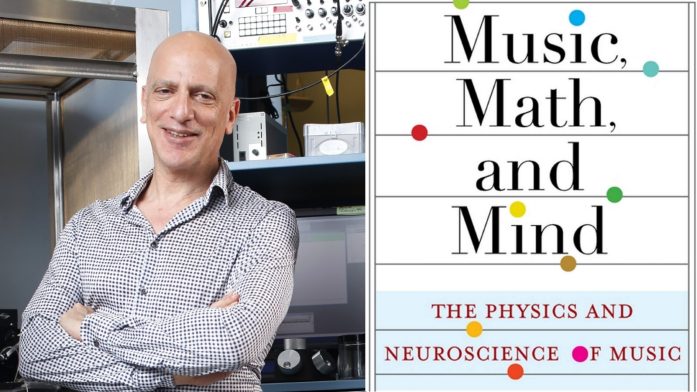
In addition to being at the absolute top of his game academically (he is a professor of Psychiatry, Neurology, Pharmacology at Columbia University and maintains a very large research group investigating neurodegenerative conditions), he is also a composer and musician with a discography that any professional artists would be extremely proud of (his recording alias is Dave Soldier).

He’s also written books (for example Music Math and Mind“).

Source: Twitter

Where he finds the time to do all of these thing I do not know, but I really like the combination of art and science.

Oh, and did I forget to mention the Thai Elephant Orchestra?

I’m sorry: The what?!?

Just watch:

They have released three CDs and the band grew up to 14 elephants.

Fascinating, but what does this have to do with Parkinson’s?

Continue reading “GCase: Mutants matter?”

The road ahead: 2022

# # # #

The first post at the start of each year on the SoPD website tries to provide an overview of where things are in the search for ‘disease modifying’ therapies for Parkinson’s. 

It is an exercise in managing expectations as well as discussing what research events are scheduled for the next year so that we can keep an eye out for them. I will also note aspects of ongoing research where I will be hoping to see an update on progress. Obviously, where 2022 will actually end is unpredictable, but an outline of what is coming over the next 12 months will hopefully provide the community with a useful resource.

While there is a great deal of interesting research exploring the causes of the condition, the genetics and biology of the condition, novel symptomatic therapies, and other aspects of Parkinson’s, the primary focus in this post is on the clinical trial research seeking to slow, stop or reverse the condition.

In this post, we will hopefully give readers a taste of what the landscape looks like for clinical research focused on disease modification for Parkinson’s.

# # # #


David Livingstone. Source: CT

If you have men who will only come if they know there is a good road, I don’t want them. I want men who will come if there is no road at all.

David Livingstone

The Scottish physician Dr David Livingstone – missionary and explorer – led an interesting life.

Most of us only know of him for his fabled adventures in Africa. But they are made more remarkable given his extremely humble beginnings.

Born into poverty, Livingstone started his working life at 10 years of age in a cotton factory, where he worked from 6am till 8pm everyday. He somehow managed to get some schooling around those work shifts, and his impoverished family saved enough money so that he could attend Anderson’s University (Glasgow) when he was 23.

Cotton factory (Source)

How he got from the cotton factory to becoming the first European to cross the width of southern Africa (as well as ‘discovering’ the Mosi-oa-Tunya waterfalls – aka Victoria Falls), was one of the great rag-to-riches stories of Victorian times and making him something of a celebrity of the age.

Mosi-oa-Tunya waterfalls. Source: Cblacp

But his mapping out of central Africa was his greatest legacy.

As a biographer wrote “Through him, the centre of Africa ceased to be a dark, unknown space on the map and became a real place, full of interesting human beings [and] wonderful wildlife. . . .” (Source)

It has to be acknowledged, however, that Livingstone was not able to explore the entirety of the Zambezi River system himself so he would often ask the local people for information, and he would then incorporate their contributions into his maps.

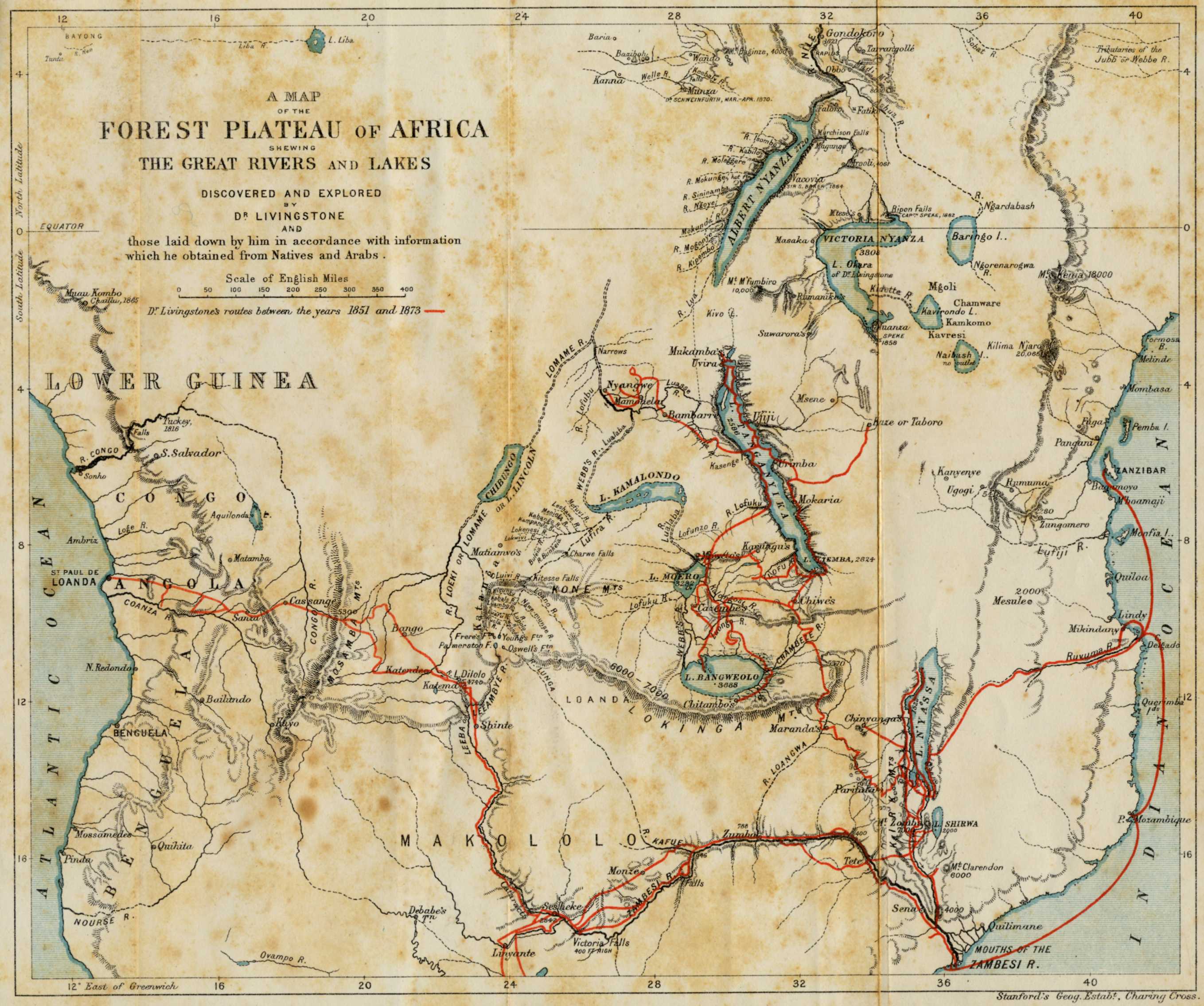
Livingstone’s travels (Source)

“We travel in the company of men who are well acquainted with parts of the country by personal observation… They soon see that we are interested in the courses of rivers, names of hills, tribes…and make enquiries among the villagers to whom we come. Drawings are made on the ground and parts pointed out that bearings may be taken and comparisons drawn from the views of different individuals. We thus gain a general idea of the whole country” (Source)

It makes one appreciate that maps are collaborative efforts, incorporating the efforts of lots of different parties. And it is only by going through the process of mapping something out that we start to understand it, know our place in it, observe the limitations to our knowledge, and perhaps find something of what we are looking for.

At the start of each year, the SoPD publishes a horizon scanning post where we take a Livingstone-like approach towards mapping out the landscape of clinical research focused on disease modification for Parkinson’s, and what follows is the 2022 version.

Continue reading “The road ahead: 2022”

ADepTing to the UCB-Novartis deal

# # # #

Alpha synuclein has long been viewed at “Public enemy #1” by the Parkinson’s research community. This sticky, abundant protein starts to cluster (or aggregate) in Parkinson’s.

There have been several attempts to reduce levels of the protein floating around outside of cells (using “immunotherapy” approaches)

But now clinical research is ramping up to determine if reducing aggregated alpha synuclein levels in the brain could help to slow/stop the progression of the condition.

In today’s post, we will look at three different lines of clinical research focused on small molecule inhibitors of alpha synuclein aggregation. 

# # # #


When someone mentions the pharmaceutical firm Novartis, it feels like the company has been around forever, but it is actually not that old.

It was created in March 1996 via the merger of two Swiss companies: Ciba-Geigy and Sandoz. The roots of those companies can be traced back more than 250 years, but the combined entity is still a spring chicken compared to many of its major competitors.

The name Novartis results from the combination of two words “Nova Artes”, which means new art and innovation in simple forms, but there is little in what the company does that is ‘simple’. A good example of this was their block buster cancer drug Gleevec/Glivec (imatinib) which was developed by careful “rational drug design” for very specific types of cancer.

Source: NCBI

The reputation for Swiss precision seems to flow through this company and they are always making very carefully placed bets.

Which makes their news this week rather interesting.

What news did they have?

Continue reading “ADepTing to the UCB-Novartis deal”