Busy day for Parkinson’s – 9/2/2017


o-busy-facebook

Today there was a lot of Parkinson’s related activity in the news… well, more than usual at least.

Overnight there was the publication of a blood test for Parkinson’s disease, which looks very sensitive. And this afternoon, Acorda Therapeutics announced positive data for their phase three trial.

In this post, we’ll look at what it all means.


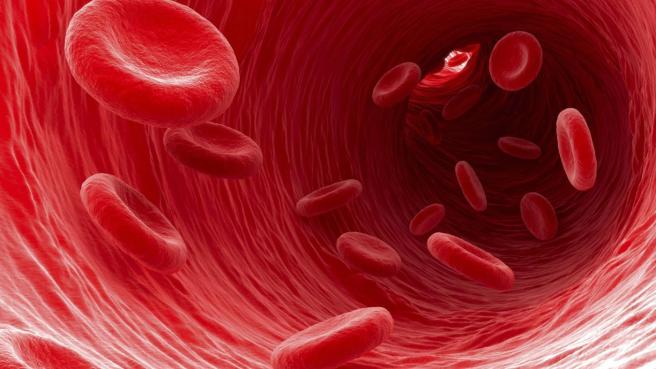
happens-many-red-blood-cells_891c9a08c6bfe4aa

Blood cells. Source: Reference.com

Today we found out about an interesting new study from scientists at Lund University (Sweden), where they are developing a test that can differentiate between different types of Parkinsonisms (See our last post about this) using a simple blood test.

We have previously reported about an Australian research group working on a blood test for Parkinson’s disease, but they had not determined whether their test could differentiate between different kinds of neurodegenerative conditions (such as Alzheimer’s disease). And this is where the Swedish study has gone one step further…

blood
Title: Blood-based NfL: A biomarker for differential diagnosis of parkinsonian disorder
Authors: Hansson O, Janelidze S, Hall S, Magdalinou N,  Lees AJ, Andreasson U, Norgren N, Linder J, Forsgren L, Constantinescu R, Zetterberg H, Blennow K, & For the Swedish BioFINDER study
Journal: Neurology, Published online before print February 8, 2017
PMID: N/A       (This article is OPEN ACCESS if you would like to read it)

The research group in Lund had previously demonstrated that they could differentiate between people with Parkinson’s disease and other types of Parkinsonism to an accuracy of 93% (Click here to read more on this). That is a pretty impressive success rate – equal to basic clinical diagnostic success rates (click here for more on this).

The difference was demonstrated in the levels of a particular protein, neurofilament light chain (or Nfl). NfL is a scaffolding protein, important to the cytoskeleton of neurons. Thus when cells die and break up, Nfl could be released. This would explain the rise in Nfl following injury to the brain. Other groups (in Germany and Switzerland) have  also recently published data suggesting that Nfl could be a good biomarker of disease progression (Click here to read more on this).

There was just one problem: that success rate we were talking about above, it required cerebrospinal fluid. That’s the liquid surrounding your brain and spinal cord, which can only be accessed via a lumbar puncture – a painful and difficult to perform procedure.

lumbar-puncture-cropped

Lumbar puncture. Source: Lymphomas Assoc.

Not a popular idea.

This led the Swedish researchers to test a more user friendly approach: blood.

In the current study, the researchers took blood samples from three sets of subjects:

  • A Lund set (278 people, including 171 people with Parkinson’s disease (PD), 30 people with Multiple system atrophy (MSA), 19 people with Progressive Supranuclear Palsy (PSP), 5 people with corticobasal syndrome (CBS), and 53 people who were neurologically healthy (controls).
  • A London set (117 people, including 20 people with PD, 30 people with MSA, 29 people with PSP, 12 people with CBS, and 26 neurologically healthy controls
  • An early disease set (109 people, including 53 people with PD, 28 people with MSA, 22 people with PSP, 6 people with CBS). All of the early disease set had a disease duration less than 3 years.

When the researchers looked at the levels of NfL in blood, they found that they could distinguish between people with PD and people with PSP, MSA, and CBS with an accuracy of 80-90% – again a very impressive number!

One curious aspect of this finding, however, is that the levels of Nfl in people with PD are very similar to controls. So while this protein could be used to differentiate between PD and other Parkinsonisms, it may not be a great diagnostic aid for determining PD verses non-PD/healthy control.

In addition, what could the difference in levels of Nfl between PD and other Parkinsonisms tell us about the diseases themselves? Does PD have less cell death, or a more controlled and orderly cell death (such as apoptosis) than the other Parkinsonisms? These are questions that can be examined in follow up work.


but-wait

Source: 3rd-Solutions

Like we said at the top, it’s been a busy day for Parkinson’s disease: Good news today for Acorda Therapeutics, Inc.

acordatherapeuticslogo_calogo2306

Source: Acorda

They announced positive Phase 3 clinical trial results for their inhalable L-dopa treatment, called CVT-301, which demonstrated a statistically significant improvement in motor function in people with Parkinson’s disease experiencing OFF periods.

We have previously discussed the technology and the idea behind this approach to treating Parkinson’s disease (Click here for that post).

levodopa-inhaler-lead-658x394

The ARCUS inhalation technology. Source: ParkinsonsLife

Basically, the inhaler contains capsules of L-dopa, which are designed to break open so that the powder can escape. By sucking on the inhaler (see image below), the open capsule starts spinning, releasing the levodopa into the air and subsequently into the lungs. The lungs allow for quicker access to the blood system and thus, the L-dopa can get to the brain faster. This approach will be particularly useful for people with Parkinson’s disease who have trouble swallowing pills/tablets – a common issue.

The Phase 3, double-blind, placebo-controlled clinical trial evaluated the efficacy and safety of CVT-301 when compared with a placebo in people with Parkinson’s disease who experience motor fluctuations (OFF periods). There were a total of 339 study participants, who were randomised and received either CVT-301 or placebo. Participants self-administered the treatment (up to five times daily) for 12 weeks.

The results were determined by assessment of motor score, as measured by the unified Parkinson’s disease rating scale III (UPDRS III) which measures Parkinson’s motor impairment. The primary endpoint of the study was the amount of change in UPDRS motor score at Week 12 at 30 minutes post-treatment. The change in score for CVT-301 was -9.83 compared to -5.91 for placebo (p=0.009). A negative score indicates an improvement in overall motor ability, suggesting that CVT-301 significantly improved motor score.

The company will next release 12-month data from these studies in the next few months, and then plans to file a New Drug Application (NDA) with the Food and Drug Administration (FDA) in the United States by the middle of the year and file a Marketing Authorization Application (MAA) in Europe by the end of 2017. This timeline will depend on some long-term safety studies – the amount of L-dopa used in these inhalers is very high and the company needs to be sure that this is not having any adverse effects.

All going well we will see the L-dopa inhaler reaching the clinic soon.


The banner for today’s post was sourced from the Huffington Post

George H and Vascular Parkinsonism

george-hw-bush

During Super Bowl 51, ex-president George HW Bush was visibly wheel chair bound. He has in fact been using motorised scooters and wheelchairs since 2012.

His doctors have indicated that he suffers from Vascular Parkinsonism.

In today’s post we will discuss what Vascular Parkinsonism is and how it differs from Parkinson’s disease.


gettyimages-173500627

During a visit to the White house. Source: Heavy

An important concept to understand about the subject matter here:

Parkinsonism is a syndrome, while Parkinson’s is a disease.

A syndrome is a collection of symptoms that characterise a particular condition, while a disease is a pathophysiological response to internal or external factors. The term ‘Parkinsonism’ is an umbrella term that encompasses many conditions which share some of the symptoms of Parkinson’s disease.

There are many different types of Parkinsonism, such as:

  • Idiopathic Parkinson’s disease (the most common type of parkinsonism)
  • Progressive Supranuclear Palsy (PSP)
  • Corticobasal Degeneration (CBD)
  • Multiple System Atrophy (MSA)
  • Essential tremor
  • Vascular Parkinsonism
  • Drug-induced Parkinsonism
  • Dementia with Lewy bodies
  • Inherited Parkinson’s disease
  • Juvenile Parkinson’s disease

All of these conditions fall under the syndrome title of ‘Parkinsonism’, but are all considered distinct/separate diseases in themselves.

So what is Vascular Parkinsonism?

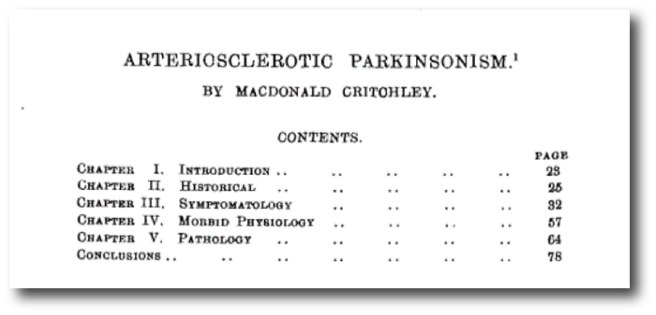
Vascular Parkinsonism was first described in 1929 by Dr Macdonald Critchley (King’s College Hospital, London).

409633

Macdonald Critchley. Source: Npgprints

vascularpd

Title: Arteriosclerotic Parkinsonism.
Author: Critchley, M.
Journal: Brain (1929) 52, 23–83
PMID: N/A                                (this article is accessible by clicking here)

It is estimated that approximately 3% to 6% of all cases of Parkinsonism may have a vascular cause. Vascular (or Arteriosclerotic) Parkinsonism is results from a series of small strokes in the basal ganglia area of the brain and can lead to the appearance of symptoms that look like Parkinson’s disease: slow movements, tremors, difficulty walking, and rigidity.

Walking problems are particularly prominent with Vascular Parkinsonism, as the lower half of the body is usually more affected than the upper half. Another sign of Vascular Parkinsonism can be a poor or no response to L-dopa treatment, as production of dopamine is not the problem. Using brain scanning techniques we can see that some people with Vascular Parkinsonism will have a normal Dopamine transporter (DAT) scan – which demonstrates appropriate levels of dopamine being released and reabsorbed in the striatum (the red-white areas in the image below).

f1-large

DAT-scan and MR images of 62-y-old male  with Vascular Parkinsonism (A) and 62-y-old male with Parkinson’s disease (B). Source: JNM

The brain scans above are from a person with Vascular Parkinsonism (A) and another person with Parkinson’s disease (B). Firstly, note the reduced levels of red-white areas in the image (B) – this reduction is due to less dopamine is being released and reabsorbed in the striatum in Parkinson’s disease (as there are less dopamine fibres present). Compare that with the relatively normal levels of red-white areas in the image (A), indicating normal levels of dopamine turnover (suggesting dopamine fibres are still present). Next, look at the black and white image in panel (A) and you will see a red arrow pointing at damaged areas (darkened regions) of the striatum – indicative of mini strokes. A dopamine receptor scan may show a reduction in the levels of dopamine receptors as a result of the strokes, meaning that the released dopamine will not be having much effect.

Do we know what can cause the strokes associated with Vascular Parkinsonism?

The symptoms of Vascular Parkinsonism tend to appear suddenly and generally do not progress, unlike Parkinson’s disease. We don’t know for sure what causes the mini strokes associated with Vascular Parkinsonism, and it probably varies from person to person, In general, however, doctors believe that high blood pressure and diabetes are the most likely causal factors (heart disease may also play a role).

What does it all mean?

Some people of Parkinson’s disease may actually have Vascular Parkinsonism, which can result from mini strokes in the basal ganglia region of the brain. They will usually be unresponsive to L-dopa and have more motor issues with their lower half of the body.

While Ex-President George HW Bush’s situation is extremely unfortunate, it reminds us that not all forms of Parkinsonism are Parkinson’s disease – an important factor to keep in mind when considering treatment regimes. We have posted this information here to make the Parkinson’s community more aware of this form of Parkinsonism. Later in the year we will discuss another form of Parkinsonism.


The banner for today’s post was sourced from Ew

On bans and boycotts

gty-scientist-mem-170202_12x5_1600

Here at the SoPD we are politically neutral.

That said, we will report on events that directly impact the world of Parkinson’s disease research (without adding any personal opinions). This week a vote took place that may have implications for the Parkinson’s disease research community over the coming year.

Here we will discuss what has happened and what it means for the Parkinson’s research community.


boycott_iau1206a_16x9

Researchers voting. Source: Science

On the 3rd February, the organising committee of the Commission G2 Massive Stars, part of the International Astronomical Union (IAU) announced that it would not hold any scientific meetings in the United States of America as long as a temporary ban on the entry of any persons from Libya, Sudan, Somalia, Syria, Iran, Iraq, and Yemen, is in place.

This vote was in response to the January 27th signing of Executive Order 13769, which limits the number of refugees arriving in the USA to just 50,000 and suspended the US Refugee Admissions Program (USRAP) for 120 days (after which the program will be resumed with new conditions for individual countries). The order also imposes a temporary travel ban on the 7 countries listed above for 90 days, after which an updated list will be made. Notably the suspension for Syrian refugees is indefinite, but the order allows for exceptions to be made on a case-by-case basis. (Source: Wikipedia).

With just 12,450 individual members (from 74 countries, including Iran), the IAU’s decision is purely a small symbolic gesture. And while their vote has nothing to do with Parkinson’s disease, we note that other scientific research organisations (and many individual scientists) are making/contemplating similar measures/gestures – not simply calls to boycott US-based conferences but also particular scientific journals (for more on this click here).

Of particular importance to the Parkinson’s community is the Society for Neuroscience (SfN) meeting to be held in Washington DC in November of this year (luckily the annual Parkinson’s disease and Movement disorder conference will be held in Vancouver this year). Each year, 30-40,000 scientists and advocates from around the world gather at these SfN meetings to share/discuss novel findings and form new collaborations. A great deal of Parkinson’s research is discussed at these meetings and the associated satellite meetings that take place the week before or after.

The president of the SfN has already issued a press release regarding the executive order (Click here to read that), but many researchers are already pulling out of invited presentations. For example, Adrian Owen, a well-known neuroscientist from Western University (Ontario) publicly announced on twitter that he was refusing an invitation to present a lecture at the meeting in Washington DC:

At the time of publishing this post, a federal appeals court had denied a Justice Department’s request to lift the restraining order and allow the immigration ban to continue. The 9th U.S. Circuit Court of Appeals in San Francisco has asked for the Justice Department to file a counter-response by 3pm Monday (Click here to see that statement), which means that the restraining order remains in place for the next 24 hours at least.

Whether the restraining order is lifted and Executive Order 13769 is brought back into effect is a matter for the courts to decide. The outcome, however, is already having an impact as many scientists symbolically refuse to attend conferences in the US (it will be interesting to see what attendance is this year at the SFN meeting).

We are not going to speculate on the possible consequences of Executive Order 13769, except to say that 2017 may not be a bonanza for US based research conferences. We will be watching events as they unfold and will discuss them here if they relate to the Parkinson’s community.


The banner for today’s post was sourced from ABC News

PARIS is always a good idea

bzn8qhy

Audrey Hepburn was taking about the city when she uttered the words that title this post, but today we will be talking about the protein that bears the same name: PARIS.

Last week new research was published which demonstrated that in the absence of Parkin and Pink1 protein, the protein PARIS builds up and becomes toxic for cells.

Today’s post will review that research and we’ll discuss what it all means for Parkinson’s disease.


paris

No label required. A magnificent city. Source: HathawaysofHaworth

Today’s post has nothing to do with the city of Paris, but it is always nice to have photos of this European capital gracing the page.

We have recently discussed the Parkinson’s associated proteins Pink1 and Parkin (click here for that post). Today we will be revisiting these proteins as we discuss another protein that they interact with: PARIS (specifically PARIS1).

What is PARIS?

PARIS (aka TBC1D2 or TBC1 Domain Family Member 2) is a GTPase-activating protein.

What does that mean?

Getting a signal from outside of a cell into the interior is a complicated affair. There are numerous ways to do it, but one of the most common involves ‘G-proteins‘. These are involved with transmitting a signal from the outside of a cell into the interior, and when inside the cell G-proteins act as molecular switches.

G-proteins are located inside the cell membrane and are activated by G-protein-coupled receptors. When a signaling molecule binds to the G-protein-coupled receptor on the outside of the cell membrane, the portion of the receptor inside the cell activates the G-protein which then starts of a chain of events resulting in the signal being passed on.

11_07bgprotcoupledrec-l

Source: Bio1151

The role of GTPase-Activating Proteins in this process is to turn the G protein’s activity off. In step 4 of the image above, a GTPase-Activating Protein (which is not shown) binds to the G-protein and terminate the activity of the signalling event – returning it to an inactive state.

Thus, GTPase-Activating Proteins – like PARIS – are important regulators of signalling inside the cell.

What do we know about PARIS1 in Parkinson’s disease?

So a few years ago, a group of researchers led by Prof Ted Dawson at John Hopkins School of Medicine published this study:

cell

Title: PARIS (ZNF746) repression of PGC-1α contributes to neurodegeneration in Parkinson’s disease.
Authors: Shin JH, Ko HS, Kang H, Lee Y, Lee YI, Pletinkova O, Troconso JC, Dawson VL, Dawson TM.
Journal: Cell. 2011 Mar 4;144(5):689-702.
PMID: 21376232        (This article is OPEN ACCESS if you would like to read it)

In this study, the researchers noticed that the protein PARIS was accumulating in cells that did not have the Parkinson’s associated protein, Parkin. In those cells, the Parkin gene was mutated so that the Parkin protein was not produced properly. The researchers discovered that Parkin was important for labelling old PARIS protein for disposal. Thus in the absence of Parkin, PARIS protein would not be disposed of and simply piled up.

This build up of PARIS resulted in the loss of dopamine neurons in mice that did not produce Parkin. When the researchers re-introduced normal Parkin protein, the researchers were able to rescue the cell loss. Interestingly, the researchers also found that over production of PARIS in normal mice resulted in cell loss which could be rescued by a similar over production of Parkin.

When they looked in postmortem human brains, the researchers found that levels of PARIS protein were more than two times higher in regions affected by Parkinson’s disease (the striatum and the substantia nigra) of people with sporadic Parkinson’s disease when compared to healthy controls. Interestingly, this increase was only seen with PARIS protein, and not PARIS RNA (where the scientists saw no different with control samples), suggesting a build up of PARIS protein in the Parkinsonian brain.

The investigators concluded that this meant PARIS was could be playing a role in the cell loss associated with Parkinson’s disease.

They followed up this research a few years later with this publication:

parkins

Title: Parkin loss leads to PARIS-dependent declines in mitochondrial mass and respiration.
Authors: Stevens DA, Lee Y, Kang HC, Lee BD, Lee YI, Bower A, Jiang H, Kang SU, Andrabi SA, Dawson VL, Shin JH, Dawson TM.
Journal: Proc Natl Acad Sci U S A. 2015 Sep 15;112(37):11696-701.
PMID: 26324925     (This article is OPEN ACCESS if you would like to read it)

In this study, the same researchers found that when they remove the Parkin protein from the brains of adult mice there would be a decrease in the size and number of mitochondria. We have previous discussed mitochondria – the power stations of the cell – and their loss is bad news for a cell (click here to read more on mitochondria).

The researchers next demonstrated that this loss of mitochondria could reversed by removing PARIS protein from the Parkin mutant mice, and this prevented the loss of dopamine neurons. They also showed that the loss of mitochondria (and loss of dopamine neurons) could be caused by over production of PARIS in normal mice.

These results pointed towards an important role for both Parkin and PARIS in the maintenance of healthy mitochondria.

So what new research has been published about PARIS1?

This study was published last week:

dawson

Title: PINK1 Primes Parkin-Mediated Ubiquitination of PARIS in Dopaminergic Neuronal Survival.
Authors: Lee Y, Stevens DA, Kang SU, Jiang H, Lee YI, Ko HS, Scarffe LA, Umanah GE, Kang H, Ham S, Kam TI, Allen K, Brahmachari S, Kim JW, Neifert S, Yun SP, Fiesel FC, Springer W, Dawson VL, Shin JH, Dawson TM.
Journal: Cell Rep. 2017 Jan 24;18(4):918-932.
PMID: 28122242       (This article is OPEN ACCESS if you would like to read it)

In their study the researchers found that Parkin is not the only Parkinson’s associated protein in the PARIS story.

We have previously talked about the protein Pink1 (click here to read more on) – and yes, you would be forgiven if you start to think that all Parkinson’s related proteins start with the latter ‘P’. Pink1 grabs Parkin and causes it to bind to dysfunctional mitochondria. Parkin then signals to the rest of the cell for that particular mitochondria to be disposed of. In this study, the researchers found that Pink1 also grabs PARIS and signals for Parkin to dispose of it. In the absence of Pink1, normal Parkin protein does not label old PARIS protein for disposal and PARIS starts to pile up.

The researchers then began manipulating the levels of Pink in the brains of mice and they observed PARIS-dependent cell loss – that is to say, in the absence of Pink1, cells died only when PARIS was present.

These findings suggest that therapies targeting PARIS could be used in people with Parkinson’s disease who are carrying either a Parkin or a Pink1 mutation (both very common in early onset Parkinson’s disease).

What does it all mean?

People with early onset Parkinson’s disease quite often have a genetic mutation in one of a small number of genes – Pink1 and Parkin being prominent amongst these genes. The researchers who conducted the study that we have reviewed today have identified a common mechanism by which both of these proteins could be acting in their roles in Parkinson’s disease: a protein called PARIS.

Currently there is no treatment (that we are aware of) that targets the PARIS protein – nothing in the clinic nor being experimentally tested. Obviously, however, PARIS represents a VERY interesting protein for further investigations. The Dawson lab has several patents on PARIS (Click here and here for more on these), so evidently people will be working on drug candidates that inhibit PARIS.

There is a naturally occurring inhibitor, a micro RNA cluster miR-17-92 (also known as oncomir-1), which reduces the production of PARIS protein by blocking PARIS RNA (Click here for more on this). Using this micro RNA to target PARIS will be very difficult (both activating/delivering the micro RNA and unknown off target effects).

We are assuming that Prof Dawson and colleagues are rapidly screening compounds to determine which can block or inhibit PARIS activity and we will eagerly wait to see the results of that work.

Watch this space.


The banner for today’s post was sourced from Wallpapercave


EDITORIAL NOTE: Yay, 100 posts!

Something ‘new and fresh’ from Korea

42734181_l-1024x682

The word ‘Kainos‘ comes from ancient Greek, meaning ‘new’ or ‘fresh’.

A company in South Korea has chosen to use this word as their name.

Why?

In today’s post we will discuss a clinical trial that started this week that is taking a ‘new and fresh’ approach to treating Parkinson’s disease.


south_korea

Enchanting country. Source: Eoasia

South Korea is an amazing place, with a long and proud history of innovation and technological development. This week a biotech company there called Kainos Medicine has added itself to that history by initiating a clinical trial that takes a new approach to treating Parkinson’s disease.

As Kainos Medicine points out on their website, the current treatment options for Parkinson’s disease function by alleviating symptoms, for example L-dopa simply replaces the lost dopamine rather than treating the underlying disease. Kainos’s new experimental treatment, called KM-819, is trying to help in a different way: it is trying to slow down the cell death that is associated with Parkinson’s.

How does it do that?

KM-819 is an inhibitor of Fas Associated Factor 1 (or FAF1).

And what is FAF1?

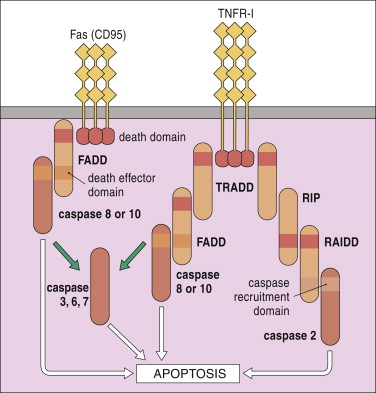
Fas Associated Factor 1 is a protein that interacts with and enhances the activity of a protein on the surface of cells with the ominous name: Fas Cell Surface Death Receptor…and yes, the use of the word ‘death’ in that name should give you some indication as to the function of this protein. When Fas Cell Surface Death Receptor gets activated on any given cell, things have definitely taken a turn for the worse for that particular cell.

Fas Cell Surface Death Receptor (also called CD95) is an initiator of apoptosis.

3-s2-0-b9780323069472100203-f20-05-9780323069472

FasSource: Sciencedirect

What is apoptosis?

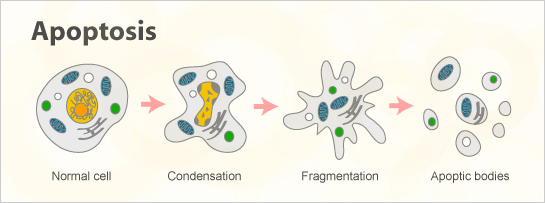
Apoptosis (from Ancient Greek for “falling off”) is the process of programmed cell death – a cell initiates a sequence of events that result in the cell shutting down and dying.

apoptosis_b

The process of apoptosis. Source: Abnova

Apoptosis is a very clean and organise process of a cell being removed from the body, with it eventually being broken down into small units (called apoptotic bodies) which are consumed by other cells.

Sounds interesting, but what research has been done on FAF1 and Parkinson’s disease?

Back in 2008, this research report was published:

faf1

Title: Fas-associated factor 1 and Parkinson’s disease.
Authors: Betarbet R, Anderson LR, Gearing M, Hodges TR, Fritz JJ, Lah JJ, Levey AI.
Journal: Neurobiol Dis. 2008 Sep;31(3):309-15.
PMID: 18573343   (This article is OPEN ACCESS if you would like to read it)

The researcher who conducted this study noticed that the FAF1 gene was located in the ‘PARK 10’ region of chromosome 1. PARK regions are areas of our DNA where mutations (or disruptions to the sequence of DNA) can result in increased vulnerability to Parkinson’s disease (there are currently at least 20 PARK regions). PARK 10 is a region of DNA in which mutations have been associated with late-onset Parkinson’s disease. The scientists thought this was interesting and investigated FAF1 in the context of Parkinson’s disease.

When they looked at postmortem brains, the researchers found that FAF1 levels were significantly increased in brains from people with Parkinson’s disease when compared to brains from healthy control cases. In addition, increased levels of FAF1 exaggerated the cell death observed in different cell culture models of Parkinson’s disease, suggesting an important role for FAF1 in sporadic Parkinson’s disease.

NOTE: More recently, a closer analysis of the PARK10 region resulted in a shrinking of the area which resulted in FAF1 falling outside the PARK10 domain (click here and here to see that research). We are currently not sure if genetic variations in the FAF1 gene infer vulnerability to PD.

This initial work led others to researching FAF1 in the context of Parkinson’s disease and in 2013 this research report was published:

faf2

Title: Accumulation of the parkin substrate, FAF1, plays a key role in the dopaminergic neurodegeneration.
Authors: Sul JW, Park MY, Shin J, Kim YR, Yoo SE, Kong YY, Kwon KS, Lee YH, Kim E.
Journal: Hum Mol Genet. 2013 Apr 15;22(8):1558-73.
PMID: 23307929

These researchers found that Parkinson’s associated protein, Parkin (which we have briefly discussed in a previous post) labels FAF1 for disposal. And they found in the absence of Parkin there was a build up of FAF1, making the cells more vulnerable to apoptosis. They followed this finding up by demonstrating that FAF1-mediated cell death was rescued by re-introducing the normal parkin protein. Interestingly, there was no rescue when the mutant parkin protein was re-introduced. These results suggest that normal Parkin acts as an inhibitor FAF1.

To further investigate this finding, the researchers next modelled Parkinson’s disease in genetically engineered mice which had the FAF1 gene removed. They found that the behaviour motor problems and loss of dopamine cells in the brain was significantly reduced in the FAF1 mutant mice, indicating that the FAF1 pathway could be a worthy target for future Parkinson’s disease treatment.

And this and other research has led those same researchers to the clinical trial started in Korea by Kainos Medicine.

So what is the clinical trial all about?

The company will be conducting a phase 1 dose-escalation clinical trial in South Korea, which will evaluate the safety, tolerability, and biochemical properties of their drug KM-819 in 48 healthy adults (click here to read more about the trial).

This is the very first step in the clinical trial process.

The study is split in two parts: Part A is a single dose of KM-819 or a placebo given in ascending doses to participants. And Part B is the same except that multiple ascending doses of the compound will be given to the participants.

The trial will last around six weeks, and – according to the press release – the first subject has just been dosed.

What does it all mean?

Parkinson’s disease is a neurodegenerative condition, which means that certain cells in the brain are dying. Medication that could block that cell death from occurring represents an interesting way of treating the disease and this is what Kainos are attempting to do.

Blocking or slowing cell death is a tricky business, however, because in other parts of the body, cell death is a very necessary biological process. In some areas of our body, cells are born, conduct a particular function and die off relatively quickly. By slowing that cell death in the brain which may be a good thing, we may be causing issues elsewhere in the body, which would be bad.

In addition there has recently been concerns raised about the clinical use of apoptosis inhibitors, such as this study:

liver

Title: Caspase Inhibition Prevents Tumor Necrosis Factor-α-Induced Apoptosis and Promotes Necrotic CellDeath in Mouse Hepatocytes in Vivo and in Vitro.
Authors: Ni HM, McGill MR, Chao X, Woolbright BL, Jaeschke H, Ding WX.
Journal: Am J Pathol. 2016 Oct;186(10):2623-36.
PMID: 27616656

The researchers who conducted this study found that using apoptosis inhibitors on a mouse model of liver disease did stop apoptosis from occurring, but this didn’t save the cells which eventually died via another cell death mechanism called necrosis (from the Greek meaning “death, the act of killing” – lots of Greek in this post!). In necrosis, rather than breaking down in a systematic and organised fashion (apoptosis), a cell will simply rupture and fall apart. Very messy.

Thus there is the possibility with the Kainos drug, KM-819, will protect cells in the Parkinsonian brain from dying via apoptosis, but as the disease continues to progress those cells may become more ill and eventually disappear as a result of necrosis. That said, if the drug can slow down Parkinson’s disease, it would still represent a major step forward in our treatment of the condition!

The connection with Parkin is also very interesting.

It would be wise for future phase 2 and 3 trials – which will test efficacy – to include (or specifically recruit) people with Parkinson’s disease who have mutations in the Parkin gene. This is a very small proportion of the overall Parkinson’s community (approx. 20% of people with early onset PD have a Parkin mutation – click here to read more on this), but if the drug is going to be effective, these would be the best people to initially test it in.

This will be a very interesting set of clinical trials to watch. The phase 1 safety trial will be very quick (6 weeks), and hopefully Kainos Medicine will be able to progress rapidly to a phase 2 efficacy trial. Fingers crossed for positive results.


The banner for today’s post was sourced from Koreabizwire

Parkinson’s 101 (care of Parkinson’s UK)

In December 2016, Parkinson’s UK produced a wonderful series of video explaining some of the basics of Parkinson’s disease. They are a really useful resources for folks who would like to better understand this condition, but are not really interested in the hard-core science. You can find them on Parkinson’s UK Youtube channel, but we present a couple of them here to give you a taster. Enjoy.

1. What is Parkinson’s disease?

2. How does the medication work?

3. How are future drugs developed?


We should also point out that other Parkinson’s disease group, such as the Michael J Fox Foundation also have Youtube channels as well. They too present some great videos, such as:

1. An explanation of the clinical trial process:

2. The process of getting a drug from the lab bench to the market:


A smartphone application for Parkinson’s disease

umotif

Here at the SoPD, we like our gadgets and new technology.

And we believe that there is enormous potential for people with Parkinson’s disease to benefit hugely even from some of the small technological advances that seem to be occurring on a day basis.

Today’s post will review a recent study that looked at tested the benefits of a smartphone application for people with Parkinson’s disease.


selfcare-infographic-english

A schematic illustrating the limited monitoring of Parkinson’s. Source: Riggare

On her great blog, Swedish engineer and ‘proud mother’ Sara Riggare posted the image above to illustrate the ridiculous current situation regarding the standard monitoring of Parkinson’s disease.

As the schematic perfectly illustrates, in 2014 Sara spent 8,765 hours conducting ‘self care’. That is, she was applying her own knowledge and experience to managing her Parkinson’s disease. For just one hour in that year was her Parkinson’s actually being monitored by a medical clinician (8,766 being the number of hours in a year).

This is actually a very serious problem – for not only the Parkinson’s community – but anyone suffering from a long-term medical condition. How are they to gage their current situation on a day to day basis when they have such infrequent visits to their medical specialist?

And this is where technology can help.

But, before we begin:

FULL DISCLOSURE NO.1: the author of this blog is an author in the study that will be discussed (#ThisIsNotShamelessSelfPromotion).

FULL DISCLOSURE NO.2: We here at the SoPD are in no way benefitting from mentioning the study here. The company behind the product, umotif, has not asked us nor been contacted by us regarding this post (in fact, they are completely unaware that we are posting this). We are writing this post simply because we thought that it would be of interest to the wider Parkinson’s community. And yes, as other technology comes to along, we will bring it to you attention by posting about it here.

With all of that out of the way, the study is AMAZING!

smart

Title: Using a smartphone based self-management platform to support medication adherence and clinical consultation in Parkinson’s disease: Results from the SMART-PD Randomised Controlled Trial v4.
Authors: Lakshminarayana R, Wang D, Burn D, Barker RA, Chaudhuri KR, Galtrey C, van Guzman N, Hellman B, Pal S, Stamford J, Steiger M, Stott SRW, Teo J, Barker RA, Wang E, Bloem BR, van der Eijk M, Rochester L, & Williams A
Journal: NPJ Parkinson’s disease (2017), 3, 2.
PMID: N/A          (This article is OPEN ACCESS if you would like to read it)

The company behind the application approached various clinical research groups around the UK and proposed to run a study of their new product. The software had many features (including information about medication, a reminder alarm for when medication should be taken, tests/games, and links to other resources online).

41531_2016_3_fig4_html

A programmable reminder system for medication. Source: Nature

The primary focus of the software, however, was a flower-petal shaped motif that the participants could manipulate to indicate how they were feeling.

umotif-app-screenshot-2

The umotif flower motif. Source: SalusDigital

Participants could drag each coloured petal in or out to indicate how they were feeling at a particular moment in time. The smaller the petal, the more lower the score. And each petal represented different aspects of daily life, for example the moon and stars (dark blue) petal allowed an indication of how one slept.

Each time the participant indicated their current status on the flower motif, the information was recorded and could be tracked over days, weeks, and months. This level of information allowed people to begin to see patterns in their own behaviour over time, with some people getting poorer sleep during the middle of the month for example. And different variables could be compared (such as sleep score with exercise score), providing users with a more dynamic idea of their situation over time.

41531_2016_3_fig5_html-1

Comparing scores between measures over time. Source: Nature

A total of 215 people with Parkinson’s disease were randomly assigned to either receive the application (106 subjects) or not (acting as a control subject; 109 subjects). Both groups were contacted by the investigators fours times during the 16 week trial and feedback was provided in addition to any changes in their treatment regimes.

72% of participants application group continued to use and engage with the application throughout the 16-week trial. By the end of the study, the application group demonstrated significantly improved adherence to their treatment regime when compared to the control group. Curiously, the application also significantly improved patients’ perception of quality of follow up consultations, demonstrating unexpected benefits.

And at the end of the study all of the control group participants in the study were allowed to begin using the application, while the application group continued to use it.

One interesting aspect of the study was the lack of interaction with technology by the target population. 180 people who were initially invited to take part in the study could not because they did not have smartphones (with iPhone/iPad or Android operating systems). So obviously there are opportunities for alternative approaches to this kind of tracking (other than a smartphone).

What does it all mean?

This smartphone application is a user friendly approach to tracking someone’s Parkinson’s over time, getting around the ‘lack of monitoring’ issue that concerns many in the community.

Umotif and Parkinson’s UK have kindly made this video about the study results so we might just sit back and let them explain what it all means and point out all of the benefits.

We are working on additional posts about wearable tech for Parkinson’s disease, which will be coming soon.

So stay tuned.


The banner for today’s post was sourced from ParkinsonsMovement

An Update from Voyager Therapeutics trials for Parkinson’s

2139

In December, we highlighted the results of a phase 1 clinical trial for Parkinson’s disease being run by a company called Voyager Therapeutics (Click here for that post). In that post we also explained that the company is attempting to take a gene therapy product (VY-AADC01) to the clinic.

VY-AADC01 is a virus that is injected into a particular part of the brain (called the putamen), where it infects cells in that area and causes them to produce a lot of a particular protein, called Aromatic L-amino acid decarboxylase (or AADC). AADC is required for turning L-dopa (one of the primary treatments for Parkinson’s disease) into dopamine – which helps to ease the motor features of the condition.

Today, while most people were focused on President Trump’s inauguration, Voyager Therapeutics provided an update on their ongoing trials. Specifically, the company reported an increase in viral infection coverage of the putamen was achieved by VY-AADC01 in their third group (‘cohort’) of subjects. They infected 42% of the putamen compared to 34% in group 2 and 21% in group 1.

In the press release, the company stated:

The five patients enrolled in Cohort 3 received similar infusion volumes of VY-AADC01 compared to Cohort 2 (up to 900 µL per putamen), but three-fold higher vector genome concentrations, representing up to a three-fold higher total dose of up to 4.5×10¹² vector genomes (vg) of VY-AADC01 compared to patients in Cohort 2 (1.5 × 10¹² vg).  Patients enrolled in Cohort 3 were similar in baseline characteristics to Cohort 1 and 2.  The use of real-time, intra-operative MRI-guided delivery allowed the surgical teams to visualize the delivery of VY-AADC01 and continue to achieve greater average coverage of the putamen in Cohort 3 (42%) compared to Cohort 2 (34%) with similar infusion volumes and Cohort 1 (21%) with a lower infusion volume (Figure 1).  The surgical procedure was successfully completed in all five patients.  Infusions of VY-AADC01 have been well-tolerated with no vector-related serious adverse events (SAEs) or surgical complications in Cohort 3, and all five patients were discharged from the hospital within two days following surgery.  The Phase 1b trial remains on track to deliver six-month safety, motor function, and biomarker data from Cohort 3, as well as longer-term safety and motor function data from Cohorts 1 and 2, in mid-2017.”

This update demonstrates that the company is proceeding with increased concentrations of their virus, resulting in a wider area of the putamen being infected and producing AADC. Whether this increased area of AADC producing cells results in significant improvements to motor features of Parkinson’s disease, we shall hopefully begin to find out later this year.

As always, watch this space.

Niacin rich diets for Pink flies

pink_fly-1410843

Performer Miley Cyrus says that “Pink isn’t just a colour, it’s an attitude!”

Whether that is true or not is not for us to say.

What we can tell you is that ‘Pink’ is also a gene which is associated with Parkinson’s disease. And not just any form of Parkinson’s disease – people with early onset Parkinson’s (diagnosed before 40 years of age) often have specific mutations in this gene. And recently there has been new research published which may help these particular individuals.

Today’s post will review the new research and look at what it means for people with early onset Parkinson’s disease.


MJF-by-Seliger-May-2010-for-homepage-retouched_4

The actor Michael J Fox requires no introduction.

Especially in the Parkinson’s community where his Michael J Fox Foundation has revolutionised the funding and supporting of Parkinson’s disease research (INCREDIBLE FACT: Since 2000, The Michael J. Fox Foundation has funded more than US$450 MILLION of Parkinson’s disease research) and is leading the charge in the search for a cure for this condition.

Mr Fox has become one of the foremost figures in raising awareness about the disease that he himself was diagnosed with at just 29 years of age.

Wow, so young?

It is a common mistake to consider Parkinson’s disease a condition of the aged portion of society. While the average age of diagnosis floats around 65 years of age, it is only an average. The overall range of that extends a great distance in both directions.

Being diagnosed so young, Mr Fox would be considered to have early onset Parkinson’s disease.

What is early onset Parkinson’s disease?

Broadly speaking there are three basic divisions of Parkinson’s disease across different age ranges:

  • Juvenile-onset Parkinson disease – onset before age 20 years
  • Early-onset Parkinson disease – before age 50 years
  • Late-onset Parkinson disease – after age 50 years is considered

The bulk of people with Parkinson’s disease are considered ‘late-onset’. The Juvenile-onset version of the condition, on the other hand, is extremely rare but cases do pop up regularly in the media (For example, click here). We have previously written about Juvenile-onset Parkinson disease (Click here for that post).

Early-onset Parkinson disease is more common than the juvenile form, but still only makes up a fraction of the overall Parkinsonian population. Some of those affected call themselves 1 in 20 as this is considered by some the ratio of early-onset Parkinson’s compared to late-onset.

How prevalent is early onset Parkinson’s?

In 2009, Parkinson’s UK published a report on the prevalence of Parkinson’s disease in the UK.

Using the General Practice Research Database (GPRD), which houses information about 7.2% of the UK population (or 3.4 million people in 2009), Parkinson’s UK found that the frequency of Parkinson’s disease in the general public was 27 cases in every 10,000 people (or 1 person in every 370 of the general population). The prevalence is higher in men (31 in every 10,000 compared to 24 in every 10,000 among females)

Stats

Source: ParkinsonsUK

As you can see from the table above, the number of people affected by early onset Parkinson’s disease is small when compared to the late-onset population.

Officially, the prevalence of early onset Parkinson’s in Europe is estimated to be 1 in every 8,000 people in the general population (Source: Orphanet). This makes the population of affected individuals approximately 5-10 % of all people with Parkinson’s. Hence the 1 in 20 label mentioned above.

Like older onset Parkinson’s, males are more affected than females (1.7 males to every 1 female case). In addition, women generally develop the disease two years later than men.

So what does ‘Pink’ have to do with early onset Parkinson’s?

First, let’s have a look at ‘Pink’ the gene.

PTEN-induced putative kinase 1 (or PINK1; also known as PARK6) is a gene that is thought to protect cells. Specifically, Pink1 is believed to interact with another Parkinson’s disease-associated protein called Parkin (also known as PARK2). Pink1 grabs Parkin and causes it to bind to dysfunctional mitochondria. Parkin then signals to the rest of the cell for that particular mitochondria to be disposed of. This is an essential part of the cell’s garbage disposal system.

Hang on a second. Remind me again: what are mitochondria?

Mitochondria are the power house of each cell. They keep the lights on. Without them, the lights go out and the cell dies.

Mitochondria

Mitochondria and their location in the cell. Source: NCBI

You may remember from high school biology class that mitochondria are bean-shaped objects within the cell. They convert energy from food into Adenosine Triphosphate (or ATP). ATP is the fuel which cells run on. Given their critical role in energy supply, mitochondria are plentiful and highly organised within the cell, being moved around to wherever they are needed.

When a cell is stressed by a toxic chemical, the organisation of mitochondria breaks down (as is shown in the image below, where everything except mitochondria (in green) and the nucleus (blue) has been made invisible:

ampkmito-945x466

Mitochondria (green) in health cells (left) and in unhealthy cells (right).
The nucleus of the cell is in blue. Source: Salk Institute

In normal, healthy cells, PINK1 is absorbed by mitochondria and eventually degraded. In unhealthy cells, however, this process is inhibited and PINK1 starts to accumulate on the outer surface of the mitochondria. There, it starts grabbing the PARKIN protein. This pairing is a signal to the cell that this particular mitochondria is not healthy and needs to be removed.

601587-fig-003

Pink1 and Parkin in normal (right) and unhealthy (left) situations. Source: Hindawi

The process by which mitochondria are removed is called autophagy. Autophagy is an absolutely essential function in a cell. Without it, old proteins will pile up making the cell sick and eventually it dies. Through the process of autophagy, the cell can break down the old protein, clearing the way for fresh new proteins to do their job.

Think of autophagy as the waste disposal process of the cell.

So why is Pink1 important to Parkinson’s disease?

In 2004 this research article was published:

pink

Title: Hereditary early-onset Parkinson’s disease caused by mutations in PINK1
Authors: Valente EM, Abou-Sleiman PM, Caputo V, Muqit MM, Harvey K, Gispert S, Ali Z, Del Turco D, Bentivoglio AR, Healy DG, Albanese A, Nussbaum R, González-Maldonado R, Deller T, Salvi S, Cortelli P, Gilks WP, Latchman DS, Harvey RJ, Dallapiccola B, Auburger G, Wood NW.
Journal: Science. 2004 May 21;304(5674):1158-60.
PMID: 15087508

The researchers in this study were the first to report that mutations in the Pink1 gene were associated with increased risk of Parkinson’s disease. They found three families in Europe that exhibited a very similar kind of Parkinson’s disease and by analysing their DNA they determined that mutations in the Pink1 gene were directly linked to the condition.

They also looked at where in the cell Pink1 protein was located, noting the close contact with the mitochondria. In addition, they noted that the normal Pink1 protein provided the cell with protection against a toxic chemical, while the mutated version of Pink1 did not. These findings led the researchers to conclude that Pink1 and mitochondria may be involved in the underlying mechanisms of Parkinson’s disease.

And this initial study was quickly followed up 7 months later by this report:

dec-2004

Title: Analysis of the PINK1 gene in a large cohort of cases with Parkinson disease.
Authors: Rogaeva E, Johnson J, Lang AE, Gulick C, Gwinn-Hardy K, Kawarai T, Sato C, Morgan A, Werner J, Nussbaum R, Petit A, Okun MS, McInerney A, Mandel R, Groen JL, Fernandez HH, Postuma R, Foote KD, Salehi-Rad S, Liang Y, Reimsnider S, Tandon A, Hardy J, St George-Hyslop P, Singleton AB.
Journal: Arch Neurol. 2004 Dec;61(12):1898-904.
PMID: 15596610

In this study, the researchers analysed the Pink1 gene in 289 people with Parkinson’s disease and 80 neurologically normal control subjects. They identified 27 genetic variations, including a mutation in 2 unrelated early-onset Parkinson disease patients. They concluded that autosomal recessive mutations in PINK1 result in a rare form of early-onset Parkinson’s disease.

What does autosomal recessive mean?

Autosomal recessive means two copies of an abnormal gene must be present in order for the disease or trait to develop. That is to say, both parents will be carrying one copy of the mutation.

Mutations in the Pink1 gene have now been thoroughly analysed, with many mutations identified (the red and blue arrows in the image below). It is important, however, to understand that not all of those mutations are associated with Parkinson’s disease.

f4-large

Looks complicated. Genetic variations in the Pink1 gene. Source: APS

So how do mutations in the Pink1 gene cause Parkinson’s disease?

We believe that the mutations in the Pink1 DNA result in malformed Pink1 protein. This results in Pink1 not being able to do what it is supposed to do. You will remember what we wrote above: Pink1 grabs Parkin when mitochondria get sick and Parkin signals for that mitochondria is be disposed of. Well, in the absence a properly functioning Pink1, we believe that there is a build up of sick mitochondria and this is what kills off the cell. All Parkinson’s disease-associated mutations in the Pink1 gene inhibit the ability of Pink1 grab parkin (Click here for more on this).

And we see this in flies.

kk8g8b9t-1367209604

Flies. Source: TheConservation

Flies (or drosophila) are a regular feature in biological research. Given their short life cycle, they can be used to quickly determine the necessity and function of particular genes. Yes, they are slightly different to us, but quite often the same biological principles apply.

Take Pink1 for example.

When scientists mutate the Pink1 gene in flies, it leads to the loss of flight muscles and male sterility. These effects both appear to be due to the kind of mitochondrial issues we were discussing above. One really amazing fact is that the human version of Pink1 can actually rescue the flies that have their Pink1 gene mutated. This is remarkable because across evolution genes begin to differ slightly resulting in some major differences by the time you get to humans. The fact that Pink1 is similar between both flies and humans shows that it has been relatively well conserved (functionally at least).

And given that we see similarities in the Pink1 gene and function between flies and humans, then perhaps we can apply what we see in flies to humans with regards to treatments.

Which brings us (finally!) to the research paper we wanted to look at today:

pink1-et

Title: Enhancing NAD+ salvage metabolism is neuroprotective in a PINK1 model of Parkinson’s disease<
Authors: Lehmann S, Loh SH, Martins LM.
Journal: Biol Open. 2016 Dec 23. pii: bio.022186.
PMID: 28011627              (this article is OPEN ACCESS if you would like to read it)

In this study, the researchers analysed Pink1 flies and found alterations in the activity of an enzyme called nicotinamide adenine dinucleotide (or NAD+). NAD+ is one of the major targets for the anti-aging crowd and there is some very interesting research being done on it (Click here for a good review on this). NAD+ is a coenzyme found in all living cells. A coenzyme functions by carrying electrons from one molecule to another (Click here for a nice animation that will explain this better). The researchers found that Pink1 mutant flies have decreased levels of NAD+.

The researchers were curious if a diet supplemented with the NAD+ would rescue the mitochondrial defects seen in the Pink1 mutant fly. Specifically, they fed the flies a diet high in the NAD+ precursor nicotinamide (being a precursor means that nicotinamide can be made into NAD+ once inside a cell). They found that not only did nicotinamide rescue the mitochondrial problems in the flies, but it also protected neurons from degeneration.

So why is the title of this post talking about Niacin and not nicotinamide?

Niacin (also known as vitamin B3 or nicotinic acid) – like nicotinamide – is also a precursor of NAD+. And in their discussion of the study, the researchers noted that a high level of dietary niacin has been associated with a reduced risk of developing Parkinson’s disease (Click here and here for more on this).

The researchers were quick to point out that while a high Niacin diet may be beneficial, it could not be considered a cure in anyway for people with Parkinson’s disease because although it may be able to slow the cell death it would not be able to replace the cells that have already been lost.

So what does it all mean?

Hang on a second. We’re not finished yet.

Numerous media outlets have made a big fuss about the Niacin diet angle to this research, and they have ignored another really interesting finding:

In their study the researchers mutated another gene in the Pink1 flies which also resulted in improved mitochondrial function and neuroprotection. That gene was Poly (ADP-ribose) polymerase (or PARP). Parp is an enzyme involved in DNA repair and cell division. It is produced in very high levels in many types of cancer and medication that inhibit or block Parp are being tested in the clinic as therapies in those cancers.

Interestingly, blocking Parp has been previously shown to be beneficial for cell survival in models of Parkinson’s disease (Click here and here for more information on this). So in addition to changing to a high niacin diet, it would be interesting to follow up this results as well.

Particularly for people with the Pink1 mutation.

And this is where the results of this study are particularly interesting: they may relate specifically to a small population within the Parkinson’s community – those with Pink1 mutations. It would be interesting to begin discussing and designing clinical studies that focus particularly on people in this population (similar to the Ambroxol study – click here for our post on this).

So what does it all mean? (again)

The results of the present study demonstrate two means by which people with a particular genetic mutation could be treated for Parkinson’s disease. Obviously further research is required, but the idea that we are approaching an age in Parkinson’s disease research where treatments could be personalised is very appealing. It will be interesting to see where all of this goes.


EDITOR’S NOTE:  If nothing we have written here makes any sense, then maybe this video will help:


The banner for today’s post was sourced from Wallpapersinhq

The Dogfish solution for Parkinson’s

Spiny dogfish 096

This week an interesting study was published in the scientific journal, Proceedings of the National Academy of SciencesIt involved our old friend, alpha synuclein – the aggregating protein that is associated with Parkinson’s disease – and the dogfish shark.

Not natural dance partners, I agree. But the findings of the study are very interesting.

In today’s post we will review the study and explain the connection between the protein and the shark.


spiny-dogfish-shark-622x363

Source: Discovery

Some people call them spiny dogfish.

Others call them Spurdogs. Or Mud shark. Or even Piked dogfish.

Call them what you will – in the scientific realm they are referred to as Squalus acanthias. They are one of the most common members of the Squalide (dogfish) family of sharks. In the wild, Squalus acanthias are found in shallow waters, but can be seen further offshore in more temperate latitudes. They are relatively harmless to humans, but they do have venom in their rear fin – when under attack, the dogfish shark will arch its back and pierce/poison its attacker (so beware!).

Interesting, but what is the connection with Parkinson’s disease?

Good question.

So here’s the thing about dogfish sharks: they are extremely hardy when it comes to infection.

They don’t really get sick all that often. And this is despite having a relatively “primitive” immune system (Click here to read more on this). A team led by Prof Michael Zasloff (of Georgetown University) discovered that a chemical called ‘Squalamine’ may be one of the reasons for this robustness.

What is Squalamine?

Squalamine is steroid with a wide range of antimicrobial activity. Steroids are used as a treatment for certain inflammatory conditions, but the research published this week suggests another property for Squalamine.

This is the research article that was published:

pnas-dobson

Title: A natural product inhibits the initiation of α-synuclein aggregation and suppresses its toxicity
Authors: Perni M, Galvagnion C, Maltsev A, Meisl G, Müller MB, Challa PK, Kirkegaard JB, Flagmeier P, Cohen SI, Cascella R, Chen SW, Limboker R, Sormanni P, Heller GT, Aprile FA, Cremades N, Cecchi C, Chiti F, Nollen EA, Knowles TP, Vendruscolo M, Bax A, Zasloff M, Dobson CM.
Journal: PNAS 2017; doi:10.1073/pnas.1610586114
PMID: 28096355             (this article is OPEN ACCESS if you would like to read it)

In this study, the researchers discovered that squalamine can actually block alpha synuclein from aggregating (that is clumping together). They treated human cells (that produce too much alpha synuclein, which ultimately kills them) in culture with squalamine and they observed an almost complete suppression of the toxic effect of alpha synuclein.

c_elegans

Caenorhabditis elegans – cute huh? Source: Nematode

The researchers next looked at the effects of squalamine in a microscopic worm called Caenorhabditis elegans . These tiny creatures are widely used in biology because they can be easily genetically manipulated and their nervous system is very simple and well mapped out (they have just 302 neurons and 56 glial cells!). The particular strain of Caenorhabditis elegans used in this current study produced enormous amounts of alpha synuclein, which results in muscle paralysis.

By treating the worms with squalamine, the researchers observed a dramatic reduction of alpha synuclein protein aggregating and an almost complete elimination of the muscle paralysis. In addition, they noted a reduction in the cellular damage caused by the aggregation of alpha synuclein. All in all, a pretty impression result! The researchers suggested that their findings indicate that “squalamine could be a means of therapeutic intervention in Parkinson’s disease”.

So is squalamine being tested in the clinic?

The answer is: Yes, but not for Parkinson’s disease.

There is currently a clinical trial for squalamine in people with neovascular age-related macular degeneration – a condition of the eye (click here for more information about that trial). This work is being carried out by a company called Ohr Pharmaceuticals and as far as we are aware all of their work is focused on eye treatments. Squalamine has also been tested in clinical studies of fungal infection of the scalp – tinea capitis – and appeared to be well tolerated (Click here for more information).

Regarding Parkinson’s disease, there is just one small problem:

Squalamine doesn’t cross the blood-brain barrier
(click here to read more on this)

The blood brain barrier is a membrane that covers and protects the brain. It limits what chemicals can enter (or leave) the brain. Squalamine is one chemical that the blood brain barrier won’t let into the brain.

But this is not the end of the world!

Prof Zasloff and colleagues have designed a drug very similar to Squalamine, which they have called MSI-1436 which is currently being tested. And the good news is that it can cross the blood brain barrier (Click here to read more on this). MSI-1436 appears to exhibit potent appetite suppression and anti-diabetic properties when injected in animals. MSI-1436 has been clinically tested (phase 1) for tolerance in diabetes with obesity (Click here to see the details of that trial), but that clinical trial was conducted in 2008-9 and the results are still not available. The company behind the trial, ‘Genaera Corp’, has since been shut down (Click here for more on this), and we are unaware of any follow up clinical work on this drug.

What does it all mean?

Well, the researchers in this study have found a chemical (squalamine) which is able to prevent alpha synuclein from aggregating – which is believed to be one the underlying processes in Parkinson’s disease. This means that we have another experimental therapy to add to the growing arsenal of potential future Parkinson’s disease treatments.

It is important to appreciate, however, that this is the first time this result has been shown and what we need to see now is independent replication of these results. This follow-up work will also need to involve squalamine being tested in a more advanced animal model of Parkinson’s disease (worms are cute and all, but there is only so much data we can get from them!). In addition, if squalamine (or MSI-1436) has a future in treating Parkinson’s disease, we will need to better investigate the weight-loss properties of this chemical as this would not be an ideal side effect for people with Parkinson’s disease.

As this research progresses on squalamine, we’ll report it here.

Watch this space.


UPDATE – 16th May, 2016

Wow! So this is all happening very fast.

Today, Enterin Inc. has just enrolled their first patient in the RASMET study: a Phase 1/2a randomised, controlled, multi-center clinical study evaluating synthetic squalamine in people with PD. The study will enrol 50 patients over a 9-to-12-month period (Click here for the press release).

We’ll continue to watch this space… things appear to be moving very quick here!


The banner for today’s post was sourced from X-ray Mag