Nilotinib and Parkinson’s disease – an update

2000px-Nilotinib.svg

We have previously discussed news briefings regarding a cancer drug that displayed interesting results in a pilot clinical study of Parkinson’s disease (click here to read that post). Today we will delve more deeply into the results of that particular study and consider what they mean.


DSK_4634s

Nilotinib (Tasigna) from Novartis. Source: William-Jon

In October of last year, at the Society for Neuroscience meeting in Chicago, a presentation of data from a clinical trial got the Parkinson’s community really excited. The study was investigating the effects of a cancer drug called ‘Nilotinib’ (also known as Tasigna) on Parkinson’s disease and the initial results were rather interesting.

The results of the pilot clinical study for Nilotinib were published today in the Journal of Parkinson’s disease:

Nilo-title

Title: Nilotinib Effects in Parkinson’s disease and Dementia with Lewy bodies
Authors: Pagan F, Hebron M, Valadez E, Tores-Yaghi Y,Huang X, Mills R, Wilmarth B, Howard H, Dunn C, Carlson A, Lawler A, Rogers S, Falconer R, Ahn J, Li Z, & Moussa C.
Journal: Journal of Parkinson’s Disease, vol. Preprint
PMID: Yet to be allocated              (This article is OPEN ACCESS if you would like to read it).

The study was setup to determine safety of using Nilotinib in Parkinson’s disease dementia or dementia with Lewy bodies.

What is Nilotinib?

Nilotinib is a drug that can be used to treat a type of leukemia when the other cancer drugs have failed. It was approved for this treating cancer by the FDA in 2007.

The researchers behind the current study believe that Nilotinib works by turning on autophagy – the “garbage disposal machinery” inside brain cells. Autophagy is a process that clears waste and toxic proteins from inside cells, preventing them from accumulating and possibly causing the death of the cell.

Print

The process of autophagy – Source: Wormbook

Waste material inside a cell is collected in membranes that form sacs (called vesicles). These vesicles then bind to another sac (called a lysosome) which contains enzymes that will breakdown and degrade the waste material.

The researchers suggest that Nilotinib may be working in Parkinson’s disease by helping affected cells to better clear away the build up of unnecessary proteins, which helps cells to function more efficiently.

What happened in the clinical study?

Twelve people with either Parkinson’s disease dementia or dementia with Lewy bodies were randomized given either 150 mg (n = 5) or 300 mg (n = 7) daily doses of Nilotinib for 24 weeks. After the treatment period the subjects were followed up for 12 weeks. All of the subjects were considered to have mid to late stage Parkinson’s features (Hoehn and Yahr stage 3–5). One subject was withdrawn from the study at week 4 due to a heart attack and another discontinued at 5 months due to unrelated circumstances.

An important question in the study was whether Nilotinib could actually enter the brain. Various tests conducted on the subjects suggesting that the drug had no problem crossing the ‘blood brain barrier‘ and having an effect in the brain. The levels of Nilotinib in the brain peaked at 2 hrs after taking the drug and the levels of the target protein (called p-Abl) were reduced by 30% at 1 hr. This level of activity remained stable for several hours.

The motor features of Parkinson’s disease were assessed using the Unified Parkinson’s Disease Rating Scale (UPDRS) and the investigators observed an average decrease of 3.4 points and 3.6 points at six months (week 24) compared to the baseline measures (scores from the start of the study) with 150 mg and 300 mg Nilotinib, respectively. A decrease in motor scores represent a reduction in Parkinson’s motor features.

The really remarkable result, however, comes from the testing of cognitive performance, which was monitored with Mini Mental Status Examination (MMSE). The researchers report an average increase of 3.85 and 3.5 points in MMSE at six months (24-week) compared to baseline, for 150 mg and 300 mg of Nilotinib, respectively. This means that the mental processing of the subjects improved across the study.

The motor and cognitive results were complemented by measures of proteins in blood and cerebrospinal fluid samples taken from the subjects. The researchers saw increases in dopamine related proteins (suggesting that more dopamine was present in the brain) and stabilization of alpha synuclein levels.

The researchers concluded that these observations warrant a larger randomized, double-blind, placebo-controlled trial to truly evaluate the safety and efficacy of Nilotinib.

Here at the SoPD, we are inclined to agree.

So what does all this mean?

The results of the study are very interesting, and the researchers should be congratulated on the outcome (and presentation of all the data in the report). As they themselves acknowledge, the study was open labelled – meaning that everyone in the study knew that they were getting the treatment – so the placebo effect could be at play here.

One intriguing note in the report was that most of the participants in the study ‘experienced increased psychotic symptoms (hallucination, paranoia, agitation) and some dyskinesia whilst on Nilotinib’ suggesting an increase in dopamine levels in the brain.

Obviously a larger, double-blind study is required to determine whether the effect of the drug in Parkinson’s disease is real. The Michael J. Fox Foundation, the Van Andel Research Institute (Michigan, USA) and the Cure Parkinson’s Trust are collaborating on the development program for a double-blind, placebo-controlled clinical trial of nilotinib, which it is hoped will begin in 2017.


The banner for today’s banner was sourced from Wikimedia 

The GDNF trial (Bristol) initial results

_70387399_70387394

We learned today that the phase 2 GDNF clinical trial in Bristol (UK) has not met the primary end point of efficacy (demonstrating a positive effect compared to a placebo treatment). That is to say, the initial results suggest that the drug has not worked. In this post we will review what we know and discuss what will happen next.


infusion1

GDNF was pumped into the striatum (green area). Source: Bankiewicz lab

We have previously discussed GDNF and Parkinson’s disease (Click here to read that post). This drug was considered the great hope for Parkinson’s disease and a lot was riding on the results. Today’s announcement is extremely unwelcomed news, but it is not necessarily the end of the road for GDNF.

What is GDNF?

Glial cell-derived neurotrophic factor (or GDNF) is a neurotrophic factor (neurotrophic = Greek: neuron – nerve; trophikós – pertaining to food/to feed). It is a chemical produced in the brain. GDNF has previously been found to have miraculous effects on some of the neurons in the brain that are most affected by Parkinson’s disease (particularly the dopamine neurons).

Given the amazing results in laboratories around the world, clinical trials were set up for people with Parkinson’s disease. The first study had astounding results, but a larger follow up study did not replicate those results and so a third GDNF clinical trial was initiated: the Bristol GDNF study

What is the Bristol GDNF study?

The Bristol GDNF study run by the the North Bristol NHS Trust, was funded by Parkinson’s UK, with support from The Cure Parkinson’s Trust. The company MedGenesis Therapeutix supplied the GDNF and additional project resources/funding. MedGenesis Therapeutix itself has funding support from the Michael J. Fox Foundation for Parkinson’s Research.

The study involved participants having GDNF (or a placebo drug) pumped directly into their brains, into an area called the putamen. The putamen is where the greatest loss of dopamine occurs in people with Parkinson’s disease.

All together there were 41 people with Parkinson’s disease enrolled in the clinical trial. The trial was divided into two phases and the first of those is now complete. During the first phase 35 participants received either GDNF or a placebo drug over 9-months in a double blind fashion

What does double blind mean?

It means that neither the researchers nor the participants know which drug they are receiving. Everyone is ‘blind’ to the treatment. Single blind studies involve the researchers being aware of the treatment allocation, but the participants are blind. Single blind studies can be affected by what is called ‘investigator bias’ – where the investigators start to think that they see an effect when there may not be an effect. Double blind is considered the gold standard, but there are problems with this type of study as well.

If phase one has finished what is phase two of the trial?

The second phase of the study will involve all participants receiving GDNF. This part is already underway.

What was the “primary efficacy end point”?

The press release from the company behind the study, MedGenesis, suggested that:

‘The primary endpoint of the study is the percentage change from baseline in the practically defined OFF-state Unified Parkinson’s Disease Rating Scale (UPDRS) motor score (part III) after nine months of double-blind treatment’

With the limited information we currently have, we are assuming that the researchers were looking for a significant improvement in the motor symptoms rating scale (‘UPDRS’) of the subjects when compared to how they were at the start of the trial (‘baseline’). The subject’s motor features were assessed during periods when they were not taking their medication (‘OFF-state’), and the initial indications are that the researchers have not seen any improvement in the GDNF treated group compared to the placebo control treated group.

Is this negative result the end of the world?

NO. Most definitely not.

There are many reasons why the trial may have not achieved its primary end point, and the researchers have emphasized that they need time to analyse all of the results. It will be interesting to see the final analysis (and we will summarise it here when it is available – end of 2016 apparently).

It will also be important to follow up the participants to determine if there are any delayed positive outcomes. It may take longer than 9 months to see improvements (fetal transplant studies, for example, usually require 2-3 years before improvements are observed).


Maybe GDNF just needs a bit more time. We will keep you updated as more information comes to hand.


For more on the study, please see Parkinson’s UK and MedGenesis.

A gut feeling about gut feelings

ic16-berlin-web-bnr-v4

At the Movement Disorders meeting held in Berlin two weeks ago, there was an interesting presentation dealing with a topic close to our hearts (literally).

In a previous post, we have discussed research suggesting that people (Danes) with vagotomies (severing of the nerves from the stomach to the brain) have a reduced risk of Parkinson’s disease – supporting the idea that perhaps the gut is a one site of disease initiation (click here to read that post).

At the meeting in Berlin, however, data was presented that failed to replicate the findings in a separate group of people (Sweds!).

Vagotomy

Title: Vagotomy and Parkinson’s disease risk: A Swedish register-based matched cohort study
Authors: B. Liu, F. Fang, N.L. Pedersen, A. Tillander, J.F. Ludvigsson, A. Ekbom, P. Svenningsson, H. Chen, K. Wirdefeldt
Abstract Number: 476 (click here to see the original abstract – OPEN ACCESS)

The Swedish researchers collected information regarding 8,279 individuals born in Sweden between 1880 and 1970 who underwent vagotomy between 1964 and 2010 (3,245 truncal and 5,029 selective). For each vagotomized individual, they  collected medical information for 40 control subjects matched for sex and year of birth (at the date of surgery). They found that vagotomy was not associated with Parkinson’s disease risk.

Truncal vagotomy was associated with a lower risk more than five years after the surgery, but that result was not statistically significant. The researcher suggested that the findings needs to be verified in larger samples.

Differences between the studies?

The Danish researcher analysed medical records between 1975 and 1995 from 5339 individuals had a truncal vagotomy and 5870 had superselective vagotomy. The Sweds on the other hand, looked over a longer period (1964 – 2010) but at a smaller sample size (3,245 truncal and 5,029 selective).

Conclusions?

We must note here that the current research has not been peer-reviewed and we are presenting it here for interests sake. But it come after a series of correspondence regarding the original Danish paper were published in the journal Annals of Neurology. Those letters to the editor were from a group of researchers (believe it or not, mainly Norwegians) reported that an analysis of the same data sets used in the original study failed to find a significant difference between the groups – that is, no protective effect for vagotomies in Parkinson’s disease.

This Scandinavian debate has important implications for Parkinson’s disease, bringing in to question the idea that Parkinson’s disease may begin in the gut. Recently, there have also been several reports published suggesting that alpha synuclein present in colonic biopsies may not be as useful in diagnosing Parkinson’s disease as previously proposed.

And this is why the path of science is such a long one – interesting new findings need to be replicated before they can be added to our understanding of the world around us. And if those interesting results can not be replicated, then we have to ask ‘why?’

Watch this space.

New criteria for Parkinson’s disease

eligibility_criteria16236bd6e

Diagnosing Parkinson’s disease is actually hard work, and mistakes can be made (click here for more on this). A new criteria has been proposed by a group of experts. In today’s post we will have a look at what is included (and excluded) from this new criteria for Parkinson’s disease.


gr2_lrg

Brain imaging of a normal brain (left) and two Parkinsonian brains. Source: the Lancet

In the United Kingdom, the most commonly used criteria for Parkinson’s disease is the UK Brain bank criteria. It is a three step criteria that clinicians can use in their assessments of individuals suspected of having Parkinson’s disease.

a04tab01

The UK Brain bank criteria. Source: Scielo

In the USA, many physicians use the United Parkinson’s Disease Rating Scale (UPDRS) for diagnosing Parkinson’s disease. UPDRS is a rating scale of Parkinson’s features. There is also a growing trend towards the use of a brain imaging technique called a DAT-Scan, which is an FDA-approved approach for differentiating Parkinson’s disease from essential tremor (but it cannot distinguish between PD and parkinsonian subtypes).

DaTscan-Image-Interpretation_v2

DAT-Scan. Source: GEHealthcare

Ok, so why do we need a new criteria from Parkinson’s disease?

There have been major advances made since Dr James Parkinson first described Parkinson’s disease in 1817 (200 year anniversary coming up!!!). All that progress is changing in the way we look at the condition, for example only in the last two decades has our understanding of the genetics underlying Parkinson’s really started to blossom.

Scientific advances have also complicated our view of Parkinson’s disease. To date, a definitive diagnosis of Parkinson’s disease can only be made at the postmortem stage, with an analysis of the brain itself. That examination involves looking for clusters of proteins in the brain, called Lewy bodies. Recently, however, it has been observed that many people with Parkinson’s disease that have a mutation in the Lrrk2 gene do not have Lewy bodies. Why this is? We do not know. It is one of many complicating factors in the diagnosis of Parkinson’s disease.

Given this state of affairs, it was decided that an updated definition/criteria for Parkinson’s disease was required.

Who decides what is Parkinson’s disease?

In 2014, the International Parkinson and Movement Disorder Society (MDS) organised a task force with the goal of providing an updated definition/criteria for Parkinson’s disease.

That group of experts held two ‘brainstorming’ teleconferences and then a physical meeting that all attended. From those meetings a first draft document was produced. Over the next 6 months a revision process was undertaken. The final version of the new criteria was ratified in San Diego (California) in June 2015.

What is the new criteria?

If you would like to read the new criteria in full – you can find it by clicking here.

Below we present a layman summary of the criteria. Central to the new criteria is firstly establishing that an individual has Parkinsonism, and then determining if Parkinson’s disease is the cause of that Parkinsonism.

Now that sounds a bit weird, but it does make sense. Here is how it works: Parkinsonism embodies a set of conditions that are characterized by tremor, bradykinesia, rigidity, and postural instability. Parkinson’s disease is the most common type of parkinsonism. Another form of Parkinsonism is vascular parkinsonism, in which blood vessel issues cause the tremor, bradykinesia, and rigidity features. Approximately 7% of people who are diagnosed with parkinsonism have developed their features after using (or treatment with) particular medications (such as neuroleptic antipsychotics). Thus, it is important to determine that a person’s parkinsonism is caused by Parkinson’s disease itself.

How do you establish Parkinsonism?

Ever since Dr James Parkinson’s first description of Parkinson’s disease, the clinical criteria for the parkinsonism have centred around the motor features. The new criteria continues this tradition, defining of Parkinsonism being based on the three cardinal motor features. These are:

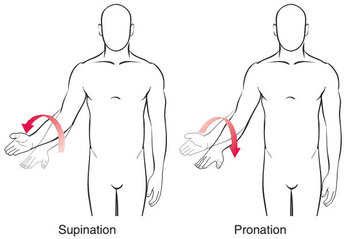
Bradykinesia, which is defined as slowness of movement AND decrement in amplitude or speed as movements are continued (eg. progressive hesitations/halts). Bradykinesia can be evaluated by using finger tapping, hand movements, pronation-supination movements (for example, twisting the forearm so that the palm is facing up and then down), toe tapping, and foot tapping.

5404237

Pronation-supination movements. Source: YogiDoc

Importantly: Although bradykinesia can also occur in the voice, the face, and axial or gait domains, limb bradykinesia must be documented to establish a diagnosis of Parkinsonism.

Rigidity – Rigidity is determined on the “slow passive movement of major joints with the patient in a relaxed position and the examiner manipulating the limbs and neck.”
Rigidity deals with resistance and is referred to as ‘Lead-pipe rigidity’. This occurs when an increase in muscle tone causes a sustained resistance to passive movement (without fluctuations) through an entire range of motion.

Cogwheel rigidity is a combination of lead-pipe rigidity and tremor, presenting as a jerky resistance to passive movement – caused by muscles tensing and relaxing. Cogwheel rigidity is often present in Parkinson’s disease, but without lead-pipe rigidity Cogwheeling does not fulfill minimum requirements for rigidity.

Resting Tremor – this involves the shaking of 4 to 6-Hz in a fully resting limb. Importantly, for diagnosis of Parkinson’s disease, the tremor must be suppressed during movement initiation. The assessment of resting tremor can be made during the entire period of examination. And although postural instability is a feature of Parkinson’s disease, alone it does not qualify for a diagnosis of the condition.


Once it has been determined that the person has parkinsonism, the examiner will then determine whether the patient meets criteria for Parkinson’s disease as the cause of this parkinsonism. This determination is based on three requirements:

  1. Absence of absolute exclusion criteria
  2. At least two supportive criteria
  3. No red flags

1.  Absolute Exclusion Criteria
The exclusion criteria is a list of clinical aspects that indicate alternative possible causes of Parkinsonism. The presence of any of the following features will result in Parkinson’s disease being ruled out as the cause of the Parkinsonism:

– Indications of cerebellar abnormalities, such as cerebellar gait, limb ataxia, or cerebellar oculomotor abnormalities.
– Downward vertical supranuclear gaze palsy (difficulty looking down), or selective slowing of downward vertical eye movements
– Diagnosis of probable behavioral variant frontotemporal dementia (BvFTD) or primary progressive aphasia (a rare neurological syndrome in which language capabilities become slowly and progressively impaired, while other mental functions remain preserved)
– The Parkinsonian motor features restricted to only the lower limbs for more than 3 years
– Treatment with any dopamine receptor blockers or dopamine-depleting agents in doses and a time-course consistent with drug-induced parkinsonism
– The absence of any observable response to a high-dose of levodopa
– Unequivocal cortical sensory loss (eg., graphesthesia or the ability to recognize writing on the skin purely by the sensation of touch), clear limb ideomotor apraxia, or progressive aphasia
– Normal functional neuroimaging of the presynaptic dopaminergic system (this could be the DATScan mentioned above)
– Documentation of an alternative condition known to produce parkinsonism and plausibly connected to the patient’s symptoms

2. Supportive Criteria

The Supportive criteria is a list of clinical findings that support the indication that the Parkinsonism is caused by Parkinson’s disease. These include:

  1. An obvious beneficial response (return to normal or near-normal level of functioning) in response to dopaminergic therapy (L-dopa treatment)
  2. The presence of levodopa-induced dyskinesias
  3. Resting tremor of a limb, documented on clinical examination
  4. Positive results from at least one ancillary diagnostic test. Currently available tests that meet this criterion include:

3. Red Flags
Red flags are indications of an alternative explanation for the Parkinsonism. While the presence of red flags can be counterbalanced by supportive criteria items, if there are more than two red flags, clinically probable PD cannot be diagnosed. The red fags include:

  1. Rapid progression of gait impairment requiring regular use of wheelchair within 5 years of onset of features
  2. A complete absence of progression of motor symptoms or signs over 5 or more years unless stability is related to treatment
  3. Early bulbar dysfunction, defined as one of severe dysphonia, dysarthria (speech unintelligible most of the time), or severe dysphagia (requiring soft food, NG tube, or gastrostomy feeding) within the first 5 years of disease.
  4. Inspiratory respiratory dysfunction defined as either diurnal or nocturnal inspiratory stridor or frequent inspiratory sighs
  5. Severe autonomic failure in the first 5 y of disease. This can include Orthostatic hypotension or severe urinary incontinence or urinary retention in the first 5 years of disease.
  6. Recurrent (>1/y) falls because of impaired balance within 3 years of onset.
  7. The presence of disproportionate anterocollis (dystonic in nature) or contractures of hand or feet within the first 10 years.
  8. Absence of any of the common nonmotor features of disease despite 5 years disease duration. These include sleep dysfunction, constipation, daytime urinary urgency, Hyposmia, Psychiatric dysfunction (depression, anxiety, or hallucinations)
  9. Otherwise unexplained pyramidal tract signs, defined as pyramidal weakness or clear pathologic hyperreflexia (excluding mild reflex asymmetry in the more affected limb, and isolated extensor plantar response).
  10. Bilateral symmetric parkinsonism throughout the disease course. The patient or caregiver reports bilateral symptom onset with no side predominance, and no side predominance is observed on objective examination.

This new criteria for Parkinson’s disease will now be through a period of clinical evaluation and may be adjusted based on that assessment process.

It is interesting to see the condition becoming more defined and specified.


The banner for today’s post was sourced from Help to buy SES

Your appendix and Parkinson’s disease

appendix-and-surrounding-anatomy-enlarged

The appendix was long considered an odd little organ in the body. It was a potentially troublesome, rather redundant appendage to the lower colon of the intestinal tract, and biologists were baffled as to its true function. Recently there were suspicions that it may be playing a role in Parkinson’s disease. This week, however, new research suggests that this may not be the case.


We have previously discussed the idea that Parkinson’s may possibly start in the gut (click here to read more on this). Some in the research community suspect that there is a particular part of the gut where it may start: the Appendix.

What is the Appendix?

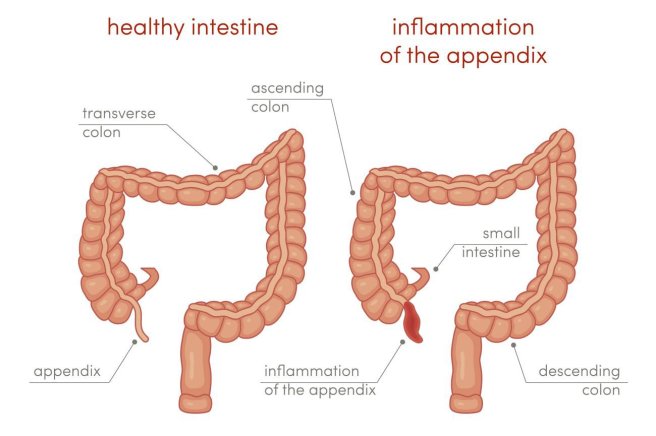
The human appendix is a small (averaging 9 cm in length) tube attached to the beginning of the large intestine. Most of us only ever think of the appendix when we are affected by it in the case of Appendicitis.


1300x865x14.jpg.pagespeed.ic.FUdUihmV5G

Source: Healthversed

The Appendix was long considered functionless, an oddity, and by some an mistake or accident of evolution. More recently, however, a new image has started to appear with regards to the appendix. And it has to do with the bacteria of the gut.

We have previously written about Helicobacter pylori and the possible associations with Parkinson’s disease, and in that post we discussed the wide variety of bacteria in the gut. These populations of bacteria are constantly changing, based on our interactions with the world around us (eg. what we are eating, geographically where we are, etc). The developing image of the appendix is that this small organ represents a safe house for bacteria, that is to say: ‘the appendix serves as a haven for useful bacteria when illness flushes those bacteria from the rest of the intestines’ (Wikipedia).

So what would this have to do with Parkinson’s disease?

We have previously discussed the idea that the gut may be one of the starting points for Parkinson’s disease. Many researchers believe that some unknown agent or causal factor is accessing the brain via the nerve fibers surrounding the gut. This theory is supported by reports that sectioning those nerves (to treat ulcers) can reduce your chance of Parkinson’s disease  (click here for more on this).

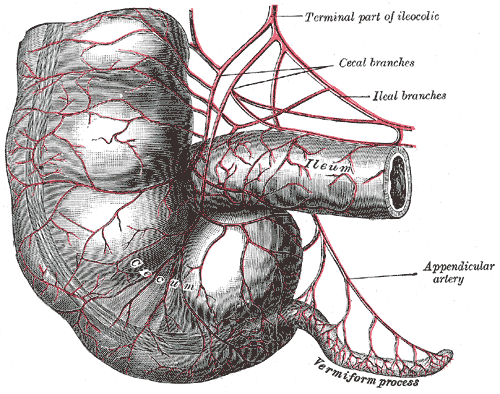
When looking at the nerve fibres surrounding the intestinal system, one can not help but notice that the appendix is densely innervated. And this is why some researchers suspect that the appendix may be playing a role in Parkinson’s disease.

Gray536

 Blood vessels of the Appendix. Source: Wikipedia

What evidence exists for a connection between the Appendix and Parkinson’s disease?

In 2014, a group of research looked at tissue of the appendix from normal people and they found something interesting.

Appendix1

Title: Alpha-synuclein in the appendiceal mucosa of neurologically intact subjects.
Authors: Gray MT, Munoz DG, Gray DA, Schlossmacher MG, Woulfe JM.
Title: Mov Disord. 2014 Jul;29(8):991-8. doi: 10.1002/mds.25779. Epub 2013 Dec 18.
PMID: 24352892

The researchers looked at biopsies of the appendix from 20 normal people (no history of Parkinson’s disease). In all cases they found high levels of the Parkinson’s disease associated protein, Alpha synuclein (Click here to read more on this), in the nerve fibres surrounding the Appendix. When they looked at other areas of the intestinal system, they found little or no alpha synuclein.

This result got a lot of attention.

A group of researchers then took a  large cohort of people  with Parkinson’s disease and asked which of them had ever had an appendectomy (removal of the Appendix).

Appendix2

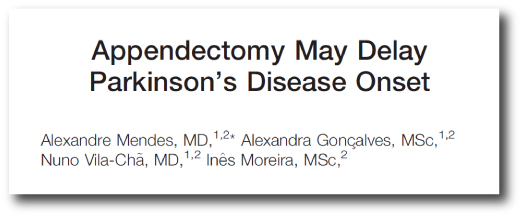
Title: Appendectomy may delay Parkinson’s disease Onset
Authors: Mendes A, Gonçalves A, Vila-Chã N, Moreira I, Fernandes J, Damásio J, Teixeira-Pinto A, Taipa R, Lima AB, Cavaco S.
Journal: Mov Disord. 2015 Sep;30(10):1404-7. doi: 10.1002/mds.26311. Epub 2015 Jul 30.
PMID: 26228745

Of the 295 people with Parkinson’s disease involved in the study, 34 were found to have had an appendectomy. There was no significant difference in age of onset across the entire group of people involved in the study, but in people with late onset Parkinson’s (after the age of 55 years) the authors found that found evidence that an appendectomy significantly delayed the onset of Parkinson’s symptoms.

This result led some researchers to conclude that the appendix may have some role in Parkinson’s disease.

What was found in the study this week?

Before you rush out and order yourself an appendectomy, please read the following – This week, any role of the Appendix in Parkinson’s disease has been called into question with the publication of this study:

Appendix

Title: Appendectomy in mid and later life and risk of Parkinson’s disease: A population-based study.
Authors: Marras C, Lang AE, Austin PC, Lau C, Urbach DR.
Journal: Mov Disord. 2016 May 31. doi: 10.1002/mds.26670. [Epub ahead of print]
PMID: 27241338

The researchers involved in this study looked at the medical records of the 14 million residents of Ontario (Canada) who have health care insurance. They found 42,999 had undergone an appendectomy. When the researchers compared people with appendectomies with people without an appendectomy (the control group) and people who had a cholecystectomy (removal of the gallbladder – a surgical control group), they found no difference in the risk of Parkinson’s disease. The researchers concluded that their data did not support an association between mid to late life appendectomy and Parkinson’s disease.

These results are based on large numbers of people and it will be interesting to see how the research community reacts to them. We’ll keep you posted.


UPDATE (23/09/16): A new study came out last week from a group in Denmark that suggests Appendectomies ARE associated with a small increase in risk of developing Parkinson’s disease, but importantly this is only at 10 or more years post surgery.

Title: Appendectomy and risk of Parkinson’s disease: A nationwide cohort study with more than 10 years of follow-up.
Authors: Svensson E, Horváth-Puhó E, Stokholm MG, Sørensen HT, Henderson VW, Borghammer P.
Journal: Mov Disord. 2016 Sep 13.
PMID: 27621223


Today’s banner, illustrating the location of the Appendix was sourced from UCDenver

Muhammad Ali (1942-2016)

wOIYJTo

The world today is mourning the passing of the boxing great, Cassius Clay jr (aka Muhammad Ali). He was many different things to many different people – a boxer, an entertainer, a civil rights activist, an anti-war protestor, a philanthropist, a legend – but he was definitely one of the defining figures of the late 20th century.

During the last third of his life, however, he lived with Parkinson’s disease. You will find a great deal written about Ali and his sporting achievements elsewhere on the web, but today’s post here at SoPD will explore his battle with Parkinson’s.


Many famous figures throughout history have been affected by Parkinson’s disease ( Pope John Paul II, Adolf Hitler, Mao Zedong,…), but very few of them have dealt with their condition in the public eye as much as Muhammad Ali.

Ali was first diagnosed with Parkinson’s disease in 1984.

It was in September of that year – just three years into retirement from boxing – that Ali became concerned about tremors, slowness of movement, slurred speech and unexplained fatigue. He travelled with his entourage to New York, and he was evaluated for a week by Dr Stanley Fahn, M.D., a neurologist at Columbia-Presbyterian Medical Center (New York), before Fahn finally gave Ali his diagnosis.

maxresdefault

Dr Stanley Fahn. Source: Youtube

Given his long boxing career, Dr. Fahn suspected that the head trauma inflicted on Ali could be the cause of his condition. In fact, one of the early complaints from Ali was of numbness in his lips and face, which Dr Fahn assumed meant damage to the brain stem – most likely resulting from the boxing.

Neurodegeneration is a serious issue for boxing. Many retired boxers suffer from what is called Dementia pugilistica – a neurodegenerative condition with Alzheimer’s-like dementia. Some estimates suggest that 15-20% of boxers may be affected, with symptoms usually starting 12-16 years after the start of a career in boxing. Some very famous boxers have been diagnosed with this condition, including world champions Floyd Patterson, Joe Louis, Sugar Ray Robinson and boxer/coach Freddie Roach.

In the case of Ali, however, subsequent follow up assessments over many years highlighted the steady progression of his condition, a disease course more indicative of classic Parkinson’s disease. Dr. Fahn admits, however, that – as with all cases of Parkinson’s disease – “the proof is only going to come at his autopsy”.

image-3-for-muhammad-ali-70-pictures-at-70-gallery-443788110

Ali and a young fan. Source: Pinterest

Being diagnosed at 42 years of age basically placed Ali in the ‘young onset’ group of people with Parkinson’s disease. The average age of diagnosis for Parkinson’s disease is 65 years, but 5-10% of the Parkinson’s community is diagnosed at or below the age of 40. And there are many anecdotal bits of evidence to suggest that Ali was possibly affected by the disease before the age of 40. Ali’s trainer, Angelo Dundee, suspected that Ali’s condition was present during the last few years of his boxing. He remembers Ali gradually slowing down and the newspaper reporters having to lean in to hear what Ali was saying during some of the later interviews. Sports Illustrated senior writer William Nack also noted that “You could see back then that he was just not right”. So although Ali was diagnosed at 42 years of age, the condition may have been affecting him much earlier.

Following the diagnosis, Ali stepped away from the public eye. Parkinson’s affected both of Ali’s most defining characteristics: his moves and his voice. It would have been very understandable for a man as proud as Ali to decide to disappear completely while dealing with his condition. A decade later, however, Ali lit the Olympic caldron at the opening ceremonies of the Atlanta Games (1996), and he was rarely out of the public eye. Attending regular events not only in support of Parkinson’s disease, but also in his role of globetrotting ambassador for peace. Within the Parkinson’s community, Ali lent his name to the ‘Muhammad Ali Parkinson Research Center‘ (Phoenix) and also served as an ambassador for Parkinson’s causes.


In writing this post I have learned a great deal about Ali that I did not know. I have also enjoyed watching and re-watching many of the video interviews of Ali on the internet (Michael Parkinson’s ones are particularly good). Beyond everything the man did and the disease that later came to define him, Ali was an amazing character. It is difficult to think of his equal in the modern world of sports (or beyond).

Truly a sad day.

scKebXi

Inspirational words from the man. Source: Wallpapercave


Today’s banner was sourced from Pinterest. And much of the information for this post was sourced from an article written about Ali by the American Academy of Neurology.

A change of dogma for Alzheimer’s disease?

plaque-neuron-connection-loss-cropped

This week an interesting new study dealing with the biology of Alzheimer’s was published in the journal Science Translational Medicine. It has drawn a lot of attention as it may be turning our understanding of Alzheimer’s disease on it’s head. If the results are independently replicated and verified, it could potentially have major implications for Parkinson’s disease.


For the last 30 years, a protein called beta-amyloid has been considered one of the bad boys of the most common neurodegenerative condition, Alzheimer’s disease.

What is Alzheimer’s disease?

Alzheimer’s disease is a progressive neurodegenerative condition that can occur in middle or old age. It involves a generalized degeneration of the brain, not localised to specific regions like Parkinson’s disease.

What happens in the Alzheimer’s brain?

In the brain, in addition to cellular loss, Alzheimer’s is characterised by the presence of two features:

  • Neurofibrillary tangles
  • Amyloid plaques

The tangles are aggregations of a protein called ‘Tau’ (we’ll comeback to Tau in a future post). These tangles reside within neurons initially, but as the disease progresses the tangles can be found in the space between cells – believed to be the last remains of a dying cell.

F1.large

A normal brain vs an Alzheimer’s affected brain. Source: MMCNeuro

Amyloid plaques are clusters of proteins that sit between cells. A key component of the plaque is beta amyloid. Beta-amyloid is a piece of a larger protein that sits in the outer wall of nerve cells where it has certain functions. In certain circumstances, specific enzymes can cut it off and it floats away.

Amyloid-plaque_formation-big

Beta-Amyloid. Source: Wikimedia

Beta-amyloid is a very “sticky” protein and for a long time it has been believed that free floating beta-amyloid proteins begin sticking together, gradually building up into the large amyloid plaques. And these large plaques were considered to be involved in the neurodegenerative process of Alzheimer’s disease.

So what was discovered this week?

This week a study was published that suggests a new (and positive) function for beta amyloid:

BetaAm

Title: Amyloid-β peptide protects against microbial infection in mouse and worm models of Alzheimer’s disease.
Authors: Kumar DK, Choi SH, Washicosky KJ, Eimer WA, Tucker S, Ghofrani J, Lefkowitz A, McColl G, Goldstein LE, Tanzi RE, Moir RD.
Journal: Sci Transl Med. 2016 May 25;8(340):340ra72.
PMID: 27225182

The researchers took three types of mice:

  • genetically normal mice
  • mice with no beta amyloid
  • mice producing a lot of beta amyloid

They infected all of the mice with the microbe that causes meningitis, and they found that the mice producing a lot of beta amyloid lived significantly longer than other groups of mice. They then repeated the experiment in a species of microscopic worm – called C.elegans – and found similar results. These findings suggested that beta amyloid was having a positive effect in the brain.

But then they noticed something strange.

The mice producing a lot of beta amyloid usually do not develop a lot of protein aggregation until old age, but when the researchers looked in the brains of the mice they infected with meningitis, they found significant levels of aggregation in the mice producing a lot of beta amyloid but at a young age..

This led the researchers to conduct some cell culture experiments in which they watched what was happening to the bacteria and beta amyloid. They found that the beta amyloid was sticking to the bacteria and this was leading to the formation of protein aggregates.

The results of these experiments suggested to the researchers an intriguing possibility that beta amyloid may be playing a protective in the brain – acting as an immune system for the brain – against infection.

Thus the aggregations we see in the brains of people with Alzheimer’s may not be the cause of the cell death associated with the disease, but rather evidence of the ‘brain’s immune system’ trying to fight back against unknown infectious agents. The researcher’s of the study were quick to point out that this antimicrobial action of beta amyloid is simply a new function of the protein, and it may have nothing to do with the disease itself. But it will be interesting to see where this research goes next.

What has this got to do with Parkinson’s disease?

Parkinson’s disease is only definitive diagnosed at the postmortem stage. This is done by microscopic examination of the brain. In the brains of people with Parkinson’s disease, there are protein aggregates calls Lewy bodies. These are densely packed clusters of a protein called ‘alpha synuclein‘.

Fig2_v1c

The brown spot is a Lewy body inside of a brain cell. Source: Cure Dementia

If the results of the study presented above are correct and beta amyloid is a protective protein in the brain against infection, could it not be that alpha synuclein may be playing a similar role? It is a fascinating idea that it will be interesting to test.

What are the implications of the study?

Currently, there are numerous clinical trials for Alzheimer’s disease, involving treatments that act against beta amyloid. If the study presented above is correct, and beta amyloid has a role in protecting the brain, these new treatments in clinical trial may actually be weakening the brain’s ability to fight infection.

Similarly, if alpha synuclein is found to exhibit ‘protective’ properties like beta amyloid, then the alpha synuclein vaccine clinical trials currently underway (in which the body’s immune system is primed to remove free floating alpha synuclein, in an attempt to stop the disease from spreading) may need to be reconsidered. At a minimum, investigations into whether alpha synuclein has antimicrobial properties need to be conducted.


Today’s banner was sourced from PBS.

The Autistic spectrum and Parkinson’s disease

The word Autism on a cork notice board

In August of 2015, groups of scientists from North Carolina and Perth (Australia) published a report together in which they noted the high occurrence of Parkinson’s-like features in aging people with Autism.

In this post we will have a look at what links (if any) there may be between Autism and Parkinson’s disease.


Recent estimates suggest that the prevalence of Autistic Spectrum Disorders in US children is approximately 1.5 %. Autism is generally associated with children, and in this way it is almost a mirror opposite of Parkinson’s disease (which is usually associated with the elderly). A fair number of people who were diagnosed with Autism early in their lives are now reaching the age of retirement, but we know very little about what happens in this condition in the aged.

What is Autism?

This is one of those questions that gets people into trouble. There is a great deal of debate over how this condition should be defined/described. We here at SoPD will chose to play it safe and provide the UK National Health System (NHS)‘s description:

Autism spectrum disorder (ASD) is a condition that affects social interaction, communication, interests and behaviour. In children with ASD, the symptoms are present before three years of age, although a diagnosis can sometimes be made after the age of three. It’s estimated that about 1 in every 100 people in the UK has ASD. More boys are diagnosed with the condition than girls.

Wikipedia also has a very thorough page Autism

So what was reported in the study finding a connection between Autism and Parkinson’s disease?

Last year two groups of researchers (from North Carolina, USA and Perth, Australia) noticed an interesting trend in some of the aging Autistic subjects they were observing.

They published their findings in the Journal of Neurodevelopmental disorders:

Autism-title1

Title: High rates of parkinsonism in adults with autism.
Authors: Starkstein S, Gellar S, Parlier M, Payne L, Piven J.
Journal: Journal of Neurodev Disord. 2015;7(1):29.
PMID: 26322138         (This report is OPEN ACCESS if you would like to read it)

The article reports the findings of two studies:

Study I (North Carolina) included 19 men with Autism (with an average age of 57 years). When the researchers investigated the cardinal features of Parkinson’s disease, they found that 22 % (N = 4) of the subjects exhibited bradykinesia (or slowness of movement), 16 % (N = 3) had a resting tremor, 32 % (N = 6) displayed rigidity, and 15 % (N = 2) had postural instability issues.

In fact, three of the 19 subjects (16 %) actually met the criteria for a full diagnosis of Parkinson’s disease (one of who was already responding well to L-dopa treatment).

Study II (Perth) was a larger study, involving 32 men and 5 women (with an average age of 51 years). 46 % (N = 17) of the subjects in this study exhibited bradykinesia, 19 % (N = 7) had a resting tremor, 19 % (N = 7) displayed rigidity, and 19 % (N = 7) had postural instability problems. In study II, 12 of the 37 subjects (32 %) met the full diagnostic criteria for Parkinson’s disease.

Given this collective result, the researchers concluded that there may well be an increased frequency of Parkinsonism in the aged people with Autism. They emphasize, however, the need to replicate the study before definitive conclusions can be made.

So how could this be happening?

The short answer is: we don’t have a clue.

The results of this study need to be replicated a few times before we can conclusively say that there is a connection. There are, however, some interesting similarities between Autism and Parkinson’s disease, for example (as the NHS mentioned above) males are more affected than females in both conditions.

There are genetic variations that both Parkinson’s and Autism share. Approximately 10-20% of people with Parkinson’s disease have a genetic variation in one of the PARK genes (we have discussed these before – click here to read that post). The genetics of Autism are less well understood. If you have one child with Autism, the risk for the next child also having the condition is only 2-6% (genetically speaking, it should be a 25-50% level of risk).

There are, however, some genes associated with Autism and one of those genes is the Parkinson’s associated gene, PARK2. it has previously been reported that variants in the PARK2 gene (Parkin) in children with Autism (click here for more on this).

It would be interesting to have a look at the brains of aged people with Autism. This could be done with brain scans (DAT-SCAN), but also at the postmortem stage to see if their brains have alpha synuclein clusters and Lewy bodies – the pathological characteristics of Parkinson’s disease. These studies may well be underway – we’ll keep an eye out for any reports.

Alternative explanations?

There are alternative explanations for the connection between Autism and Parkinson’s disease suggested by this study. For example, 36 of the 56 subjects involved in the two studies were on medication for their Autism (the medication is called neuroleptics). Those medications did not appear to explain the rates of parkinsonism in either study (after excluding subjects currently on neuroleptic medications, the frequency of parkinsonism was still 20 %). Most of the subjects in both studies have been prescribed neuroleptics at some point in their lives. Thus it is possible that long-term use of neuroleptics may have had the effect of increasing the risk for parkinsonism later in life. This is pure speculation, however, and yet to be tested. Any future studies would need to investigate this as a possibility.


EDITOR’S NOTE: If you have a child or loved one on the Autism spectrum, it is important to understand that the study summarised here are novel results that are yet to be replicated. And if it turns out that adults with Autism do have a higher risk of developing Parkinson’s disease it does not necessarily mean that they will – simply that they are at greater risk than normal. It is best to consult a medical practitioner if you have further concerns.


The banner at the  today’s post was sourced from Sailing Autistic Seas.

Manna from heaven? Mannitol and Parkinson’s disease

god-sends-manna

During the forty years that the Israelites wandered the desert after leaving Egypt, they faced many hardships, most notably a scarcity of food. To resolve this particular issue, God kindly provided the Israelites with “bread from heaven”. It was a “fine, flake-like thing, fine as frost on the ground” and “It was like coriander seed, white, and the taste of it was like wafers made with honey” (Exodus, Chapter 16).

They called “manna.” Hence the phrase: Like Manna from heaven

Today’s post deals with a substance called Manna, a group of Israeli scientists, and maybe a kind of salvation for people with Parkinson’s disease.


In 2013, in the Journal of Biological Chemistry, a group of Israeli scientists published the results of a study that suggested the sweetener ‘Mannitol’ (also known as Manna sugar – I kid you not) may be useful in the treatment of Parkinson’s disease.

152386jpg

A spoon full of Manna. Source: Qualifirst

What is Mannitol?

Mannitol is a colourless sweet-tasting, poorly metabolized crystalline alcohol sugar that is Food and Drug Administration (FDA)-approved as an osmotic diuretic agent.

In English: a sweetener.

Stick it on your tongue and it tastes like sugar.

Usually made from fructose and hydrogen, Mannitol increases blood glucose to a lesser extent than sucrose, and so it is commonly used as a sweetener for people with diabetes or sugar intolerance. The fact that Mannitol can be produced artificially is the only reason that it is often referred to as an ‘artificial sweetener’, but it does not fall into the same class as proper artificial sweetener, such as aspartame.

So what does the research say?

Manna-title.

Title: A blood-brain barrier (BBB) disrupter is also a potent α-synuclein (α-syn) aggregation inhibitor: a novel dual mechanism of mannitol for the treatment of Parkinson disease (PD).
Authors: Shaltiel-Karyo R, Frenkel-Pinter M, Rockenstein E, Patrick C, Levy-Sakin M, Schiller A, Egoz-Matia N, Masliah E, Segal D, Gazit E.
Journal: J Biol Chem. 2013 Jun 14;288(24):17579-88.
PMID: 23637226                              (This study is OPEN ACCESS if you want to read it)

The Israeli scientists were interested in the ability of Mannitol to inhibit the formation of alpha synuclein aggregates (clumps of the protein that is associated with Parkinson’s disease). Chemicals similar to Mannitol have exhibited protein destabilizing properties, so it was an interesting idea to test.

The researchers used different concentrations of mannitol and added it to a solution of alpha-synuclein. They left this concoction shaking for 6 days (at 37°C) and then assessed the levels of aggregation. Curiously the low levels of Mannitol had the strongest inhibitory effect, while the higher concentrations had no effect. The researchers repeated the experiments and found similar results.

Given this success, they turned their attention to an animal model of alpha synuclein: a genetically engineered fly that produces a lot of alpha synuclein. They found that Mannitol treated flies had significantly less alpha synuclein aggregation in their brain than untreated flies. This study was then repeated in genetically engineered mice (that produce too much alpha synuclein) and guess what? They found the same results.

These results led the scientists to suggest that “mannitol administration in combination with other drugs could be a promising new approach for treating PD and other brain-related diseases such as Alzheimer disease”.

It is believed that that aggregation of alpha synuclein (and the presence of Lewy bodies) is one of the pathological hallmarks of Parkinson’s disease, and thus any substance that inhibits that aggregation would potentially be beneficial.While there is a lot of experimental evidence to suggest that aggregated alpha synuclein is involved in the cell death associated with Parkinson’s disease, it is yet to be determined that inhibiting that aggregation would be beneficial. There are clinical trials going on as we write, so we should have an answer to this issue shortly.

A warning regarding Mannitol 

Before you rush out and start loading up on Mannitol there are a few things you should know about it.

It is used medically, usually to treat increased pressure within the skull.

It should not be abused, however, as it can have an osmotic effect (in particular, attracting water from the intestinal wall). Consumed in excess, it will cause diarrhea, abdominal pain, and excessive gas.

In addition to intestinal problems, Mannitol has also been associated with worsening heart failure, electrolyte abnormalities, or low blood volume. We also do not know what effect it may have on absorption of L-dopa and other Parkinson’s disease medications.


EDITORIAL NOTE HERE: Whenever we discuss new experimental drugs and treatments on SoPD, we point out to the reader that what we are presenting here is experimental research. Under absolutely no circumstances should anyone reading this matter consider it medical advice. Much of what is presented are novel results that need to be replicated and verified before being considered gospel (this certainly applies to the current post). Before considering or attempting any change in your treatment regime, please consult with your doctor or neurologist. 


The Header for today’s post is a depiction of manna from heaven. Source: History.com

The debate surrounding a new Stem cell transplantation trial for Parkinson’s

Deep-Brain-Stimulation-60pghfsukanm4j4bljb8mbq9hyafm3pj0e6t4iuyndm

In December last year, the Australian government gave official clearance for an American company – International Stem Cell Corporation – to conduct a stem cell based clinical trial at the Royal Melbourne Hospital in Melbourne. This news was greeted with both excited hope from the Parkinson’s support community, but also concern from the Parkinson’s research community. In this post we will explore exactly what is going on.

Before reading on it may be wise for those unfamiliar with transplantation therapy in Parkinson’s disease to read our previous post about the topic, where we discuss the concept and the history of the field. Click here to read that post.


logo

On the 14th December, the ‘Therapeutics Goods Administration’ (TGA) of Australia passed a regulatory submission from International Stem Cell Corporation (ISCO) for its wholly owned subsidiary, Cyto Therapeutics, to conduct a Phase I/II clinical trial of human stem cell-derived neural cells in patients with moderate to severe Parkinson’s disease. The hospital where the trial will be conducted -the  Royal Melbourne Hospital in Melbourne – gave ethical approval in March this year for the trial to start and the company is now recruiting subjects.

What are the details of the trial?

logo

Cyto Therapeutics (the subsidiary of ISCO) is planning a Phase I/IIa clinical study. This will evaluate the safety of the technique and provide some preliminary efficacy results. They are going to transplant human parthenogenetic stem cells-derived neural stem cells (ISC-hpNSC, for an explanation of this, please see below) into the brains of 12 patients with moderate to severe Parkinson’s disease. The study will be:

  • an open-label (meaning that everyone knows what they are being treated with),
  • single center (Royal Melbourne Hospital in Melbourne),
  • uncontrolled (there wil be no sham/placebo treated group for comparison)
  • an evaluation of three different doses of neural cells (from 30,000,000 to 70,000,000)

Following the transplantation procedure, the patients will be monitored for 12 months at specified intervals, to evaluate the safety and biologic activity of ISC-hpNSC. The monitoring process will include various neurological assessments and brain scans (PET) performed at baseline (as part of the initial screening assessment), and at 6 and 12 months post surgery.

What are ISC-hpNSCs?

Transplantation of cells is theoretically a good way of replacing the tissue that is lost in neurodegenerative conditions, like Parkinson’s disease. Previous (and the current Transeuro) clinical trials have usually used tissue dissected from aborted fetuses to supply the dopamine neurons required for the transplantations. Obviously there are major ethic and moral issues/problems with this approach. There are also procedural issues with these trials (surgeries being cancelled as not enough tissue is available – tissue from at least three fetuses is required for each transplant).

Growing dopamine cells in petri dishes solves many of these problems. Millions of cells can be grown from a small number of starting cells, and there are no ethical issues regarding the fetal donors. As a result, there has been a major effort in the research community to push stem cells to become dopamine neurons that can be used in transplantation procedures.

Embryonic stem (ES) cells are of particular interest to researchers as a good starting point because the cells have the potential to become any type of cell in the body – they are ‘pluripotent’. ES cells can be encouraged using specific chemicals to become whatever kind of cell you want.

Humanstemcell

Embryonic stem cells in a petridish. Source: Wikipedia

Embryonic stem cells are derived from a fertilized egg cell. The egg cell will divide, to become two cells, then four, eight, sixteen, etc. Gradually, it enters a stage called the ‘blastocyst’. Inside the blastocyst is a group of cell that are called the ‘inner stem cell mass’, and it is these cells that can be collected and used as ES cells.

stem-cell-cultivation-3

The process of attaining ES cells. Source: Howstuffworks

The human parthenogenetic stem cells-derived neural stem cells (hpNSC) that are going to be used in the Melbourne trial are slightly different. The hpNSCs come from an unfertilized egg – that is to say, no sperm cell is involved. The egg cell is chemically encouraged to start dividing and then becoming a blastocyst. This process is called ‘Parthenogenesis’, and it actually occurs naturally in some plants and animals.  Proponents of the parthenogenic approach suggest that this is a more ethical way of generating ES cells as it does not result in the destruction of a viable organism.

What has been the response to the announced trial?

In general, the response from the Parkinson’s community has been very positive. The announcement of the trial was greeted by numerous support groups as a positive step forward (for some examples see Parkinson’s UK and the stem cellar blog).

So why then is the research community concerned about the study?

Basically the research community is concerned that this trial will be a repeat of the infamous Colorado/Columbia Trial and Tampa Bay trial back in the 1990s (two double-blind studies which initially suggested no positive effect from transplantation). Both of these studies have been criticised for methodological flaws, but more importantly longer term follow-ups with patients have suggested that the period of observation was too short (12-24 months post transplant), and longer term the transplants have had more positive outcomes – the cells simply required a longer period of time to fully develop into mature neurons. This last detail is important when considering the new trial in Australia – the trial will only follow the subjects for a period of one year.

There are concerns that the absence of paternal genes in parthenogenic stem cells has not been thoroughly investigated (remember that these cells only have the genes from the female egg cell). Paternal genes are believed to be more dominant that female genes during development (Click here for more on this). They may play an important role in the development of dopamine neurons, but this has never been investigated. As a result, researchers are asking if it is wise to move to the clinic before such issues are addressed.

There is also concerns that the preclinical research supporting the trial from the companies involved (ISCO and Cyto Therapeutic) is lacking. While there has been some research into the use of parthenogenic stem cells in models of Parkinson’s (Click here for an example), the research from the company involved in this trial is limited to just a couple of peer-reviewed publications.

The research community has begun expressing their concerns in editorial comments in various journals – the most recent being in the Journal of Parkinson’s disease (Click here to read that article – it is open access).

What preclinical research is supporting the trial?

As far as we here at the SoPD are aware (and we would be very pleased to be corrected on this), there is one research article on the company website dealing with the production of dopamine neurons, and that study did not deal with transplantation. It simply described the recipe from making dopamine neurons.

SciRep-title

Title: Deriving dopaminergic neurons for clinical use. A practical approach.
Authors: Gonzalez R, Garitaonandia I, Abramihina T, Wambua GK, Ostrowska A, Brock M, Noskov A, Boscolo FS, Craw JS, Laurent LC, Snyder EY, Semechkin RA.
Journal: Sci Rep. 2013;3:1463.
PMID: 23492920                 (This article is OPEN ACCESS if you would like to read it)

(One important caveat here – the research published in this study was conducted using both embryonic stem cells (WA-09 cell line) and hpNSCs, but there is no indication in the text as to which cells were used for each result or whether the different types of pluripotent cells gave the same results. The text is unclear on this)

The company also published a study last year in which they transplanted the hpNSCs into both a rodent and primate model of Parkinson’s disease:

Gonzalez-title

Title: Proof of concept studies exploring the safety and functional activity of human parthenogenetic-derived neural stem cells for the treatment of Parkinson’s disease.
Authors: Gonzalez R, Garitaonandia I, Crain A, Poustovoitov M, Abramihina T, Noskov A, Jiang C, Morey R, Laurent LC, Elsworth JD, Snyder EY, Redmond DE Jr, Semechkin R.
Journal: Cell Transplant. 2015;24(4):681-90.
PMID: 25839189

The researchers in this study grew the hpNSCs in petridishes and pushed the cells towards becoming dopamine neurons, and then transplanted them into ten Parkinsonian rats and two Parkinsonian primates. Several months after transplantation, the researchers found the hpNSCs inside the brain and some of them had become dopamine neurons. There was, unfortunately, no indication as to how many of the hpNSCs survived the transplantation procedure. Nor any indication as to how many of them actually became dopamine neurons.

In addition, no behavioural data is presented in the study so there is no evidence that the cells had any functional effect. The researchers did measure the amount of dopamine in the brain, but those result suggested that there was only marginally more dopamine in the transplanted animals than the control animals (which had lesioned dopamine systems and saline injections rather than hpNSCs). Thus there is very evidence that the cells are functional inside the brain.

The researchers wrote in the report that “Most of the engrafted hpNSCs were dispersed from the graft site and remained undifferentiated”. This is not an ideal situation for a cell being transplanted into a particular region of the brain. Nor is it ideal for an undifferentiated cell to be going to the clinic.

And given that these two papers form the bulk of what has been published by the company with regards to their Parkinson’s disease work, researchers are concerned that the company is moving so aggressively to trial.

To be completely fair, ISCO has stated in a press release from April 2014, that their hpNSCs have been tested in 18 Parkinsonian primates. They suggested that those transplanted animals presented “significant improvement in the main Parkinson’s rating score”. Given that those results have never been made public, however, we are unclear as to what they actually mean (what is the “main Parkinson’s rating score”?).


We will follow the proceedings here at the Science of Parkinson’s with great interest.


FULL DISCLOSURE – The author of this blog is associated with research groups conducting the current Transeuro transplantation trials and the proposed G-Force embryonic stem cell trials planned for 2018. He has endeavoured to present an unbiased review of the current situation, but ultimately he is human and it is difficult to remain unbiased. He shares the concerns of the Parkinson’s scientific community that the research supporting the current Australian trial is lacking in its thoroughness. 

It is important for all readers of this post to appreciate that cell transplantation for Parkinson’s disease is still experimental. Anyone declaring otherwise (or selling a procedure based on this approach) should not be trusted. While we appreciate the desperate desire of the Parkinson’s community to treat the disease ‘by any means possible’, bad or poor outcomes at the clinical trial stage for this technology could have serious consequences for the individuals receiving the procedure and negative ramifications for all future research in the stem cell transplantation area. 


The header is of a scan of a brain after surgery. Source: Bionews-tx


UPDATE: 26/05/2016
ISCO has published further pre-clinical data this week regarding the cells that will be transplanted in their clinical trial. The data presented is from 18 transplanted monkeys:

Title: Neural Stem Cells Derived from Human Parthenogenetic Stem Cells Engraft and Promote Recovery in a Nonhuman Primate Model of Parkinson’s Disease.
Authors: Gonzalez R, Garitaonandia I, Poustovoitov M, Abramihina T, McEntire C, Culp B, Attwood J, Noskov A, Christiansen-Weber T, Khater M, Mora-Castilla S, To C, Crain A, Sherman G, Semechkin A, Laurent LC, Elsworth JD, Sladek J, Snyder EY, Jr DE, Kern RA.
Journal: Cell Transplant. 2016 May 20. [Epub ahead of print]
PMID: 27213850     (This article is OPEN ACCESS if you would like to read it)

In this study, 12 African Green monkeys with induced Parkinson’s disease (caused by the neurotoxin MPTP) were transplanted with hpNSCs in the midbrain and the striatum. 6 additional monkeys with induced Parkinson’s disease received saline as a control condition. Behavioural testing was conducted and the brains were inspected at 6 and 12 months.

Behaviourally, there was very little difference between the animals that were transplanted versus the control animals when they were compared at 12 months of age. This suggests that the transplant procedure is safe, but may not be having an effect at 12 months.

An inspection of the brain suggested that 10% of the transplanted cells survive to 12 months of age, and a few of them become dopamine neurons.

Some concerns regarding this new study:
Again the researchers have chosen to use saline injections as their control condition. It would be useful to see a comparison of hpNSCs with other types of transplanted cells (eg. fetal tissue or embryonic stem cells) – for a fairer comparison of efficiency.

The biochemical readings (the amount of dopamine in the brain) suggest an small increase in dopamine levels following transplantation, but only in one or two areas of the brain. Most of the analysed regions show no difference. And there is no comparison with a normal brain so it is difficult judge how truly restorative this procedure is. The increases that are observed may be minimal compared to what they should be in a normal brain.

Less than 2% of the transplanted cells became dopamine neurons. This is a bit of a worry given that we don’t know what the rest of the transplanted cells are doing. And the authors noted extensive migration of the cells into other areas of the brain. They reported this in their previous study. This is cause for real concern leading up to their clinical trial. The cells are being transplanted into a specific region of the brain for a specific reason (localised production of dopamine). If that dopamine is being produced in different areas of the brain, there may be unexpected side-effects from the procedure.

Another cause for concern leading up to the clinical trial is that the follow up period for the trial is only 12 months. Given that so little improvement has been seen in these monkeys over 12 months, how do the investigators expect to see significant changes in human over 12 months? The cells may well have an effect long term, but from the behavioural results presented in this new study, it is apparent that it will be extremely difficult to judge efficacy within 12 months.

Even when trying to view the study with an unbiased eye, it is difficult to agree with the researchers conclusion that the results “support the approval of the world’s first pluripotent stem cell based Phase I/IIa study for the treatment of Parkinson’s disease”. The lack of effect over 12 months and the migration of the transplanted cells suggest a serious rethink of the planned clinical study is required.