2025 – Year in Review

# # # #

At the end of each year, it is a useful process to take stock and review what we have learnt over the last 12 months.

2025 has been a very busy year for Parkinson’s research, with a lot of clinical trial results being reported and new insights being made.

In today’s post, we will consider three big Parkinson’s-related research takeaways of 2025 (based on our humble opinions here at the SoPD), and then we will provide an extended overview of some of the important pieces of news from the last 12 months (Be warned: this is a rather long post).

# # # #


Source: NYTimes

This is little unit is KJ Muldoon.

Research-wise, 2025 was a pretty big year for him (in fact, he was one of Nature’s 10 people who shaped science in 2025).

Born on the 1st August, 2024, in Clifton Heights, Pennsylvania, KJ was the fourth child of Kyle and Nicole Muldoon. The day after he was born it was noted that he was unusually sleepy and averse to feeding. Blood work quickly showed that he was accumulating ammonia in his blood, and a genetic test revealed that he had a mutation that caused carbamoyl phosphate synthetase I (CPS1) deficiency.

KJ was too young for a liver transplant which was the only major treatment available at the time, so his treatment options were looking extremely limited.

What happened next was part of what made 2025 an amazing year:

The kid doesn’t know it yet, but he made medical history as the first human to receive a personalized CRISPR-based gene therapy treatment (Click here to read the research report behind this story). And here is a timeline of events in his treatment story:
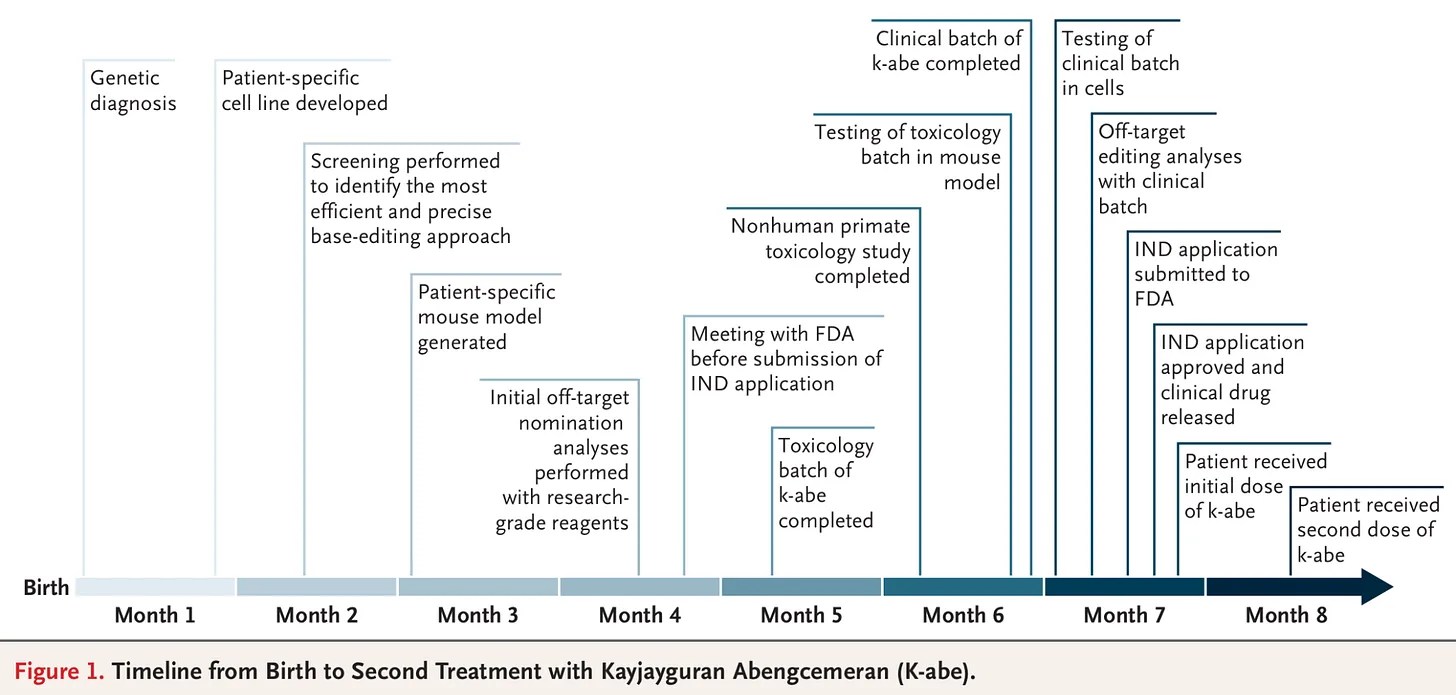
Source: NEJM 

And very recently, KJ took his first steps (Click here to see this).

Forget about all of the idiotic nonsense flooding social media and all of the witless utterances coming from our so called “leaders” and all of the talking heads on normal media.

Stories like KJ’s are made 2025 an incredible year. Part of humanity truly striving for a better future.

And this was only one story among a huge bag of uncelebrated scientific advances that occurred this year. Advances such as:

  • A team of researchers at Roche and Boston’s Children’s Hospital set a new record for the fastest human genome sequencing and analysis. It took them just under 4 hours to sequence the whole genome – in the 2010s it took 3 days (Click here to read more about this).
  • The second chikungunya vaccine (‘Vimkunya’) was approved. Chikungunya is a disease spread by mosquitoes (similar to dengue), which can cause months of joint pain and in some rare cases, paralysis. Vaccines do work (Click here to read more about this).
  • The seemingly unstoppable growth of renewable energy (Click here to read more about this).
  • The FDA gave a green-light to the first multi-person clinical trials of pig kidney transplants, which will hopefully help ease the global shortage of donor organs (Click here to read more about this).
  • The Vera C. Rubin Observatory came online.
  • The FDA has approved 44 brand new drugs – more than twice as many as were approved in 2010.
  • Lenacapavir is a long-acting antiviral injection for HIV received approval in the US for HIV prevention (Click here to read more about this).
  • The UK became the first country to offer a vaccine against gonorrhea (Click here to read more about this).
  • Researcher combined AI models RFDiffusion and AlphaFold2 to create a ‘multi-step enzyme’ for the first time, and that enzyme has never been seen before in nature (Click here to read more about this and click here to read an exemplar).
  • In October, tech company Google announced that its “quantum echoes” algorithm proved 13,000 times faster than a classical computer at predicting molecular structures (Click here to read more about this).
  • Mitochondria were discovered to be critical for memory formation in immune T cells and have an unexpected role in tissue healing (Click here and here to read more about this, respectively).

Below is a list of some of the more interesting Parkinson’s research findings of the year – by month, but starting with the top three according to the team here at SoPD HQ.

#

EDITOR’S NOTE: The author of this blog is the director of research at the medical research charity Cure Parkinson’s. For the purpose of transparency and to eliminate any sense of bias, where Cure Parkinson’s is a funder of the research it shall be noted. The selection of research topics below are based on his opinion alone and do not reflect the thoughts of any other parties.

#

The 3 main SOPD highlights in Parkinson’s-related research for 2025
(in no particular order – just our opinion)

Continue reading “2025 – Year in Review”

A rising tide with liraglutide

# # # #

A class of diabetes drugs called GLP-1 receptor agonists have exhibited neuroprotective properties in models of Parkinson’s, and a Phase IIb clinical trial produced encouraging.

This research has led to a number of parties to start investigating new and old GLP-1 receptor agonists for their potential to slow the progression of Parkinson’s.

Recently, the results of a second Phase II clinical trial investigating a GLP-1 agonist were announced. The agonist being tested was liraglutide. 

In today’s post, we will discuss what GLP-1 receptor agonists are, what research has been conducted in PD, and look at the recent clinical trial announcement.

# # # #


static1.squarespace

The name “Golden Goose Award” doesn’t really conjure images of an inspirational kind of accomplishment. It does not suggest the same kind of gravitas that the Nobel prize carries. 

In fact, it sounds rather comical: The golden goose award? Sounds like a children’s book writers award.

 And yet…

The Award was originally established in 2012 with the goal of celebrating researchers whose seemingly odd or obscure federally funded research turned out to have a significant and positive impact on society as a whole.

And despite the name, it is a very serious award – past Nobel prize winners (such as Roger TsienDavid H. Hubeland Torsten N. Wiesel) are among the awardees.

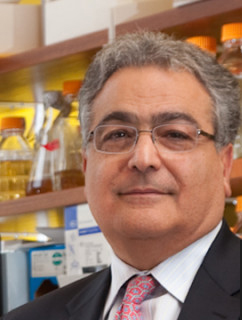
In 2013, it was awarded to Dr John Eng, an endocrinologist from the Bronx VA Hospital.

Dr John Eng. Source: Buffalo

What did Dr Eng do to deserve the award?

Continue reading “A rising tide with liraglutide”

Further support for GLP-1R agonists

# # # #

Glucagon-like peptide 1 receptor (or GLP-1R) agonists are a frontline treatment for diabetes – improving glycaemic control by reducing glucose concentrations in the blood.

In 2008, multiple research groups reported that this class of drugs exhibited neuroprotective properties in models of Parkinson’s. Subsequent clinical trials have provided encouraging data supporting this assertion.

Recently, researchers have found further support for potential beneficial effects in a large epidemiological study.

In today’s post, we will discuss what GLP-1R agonists are, what has previously been done with them in Parkinson’s, and what the new report found.

# # # #


static1.squarespace

In 2012, the Golden Goose Award was awarded to Dr John Eng, an endocrinologist from the Bronx VA Hospital.

rudw9esurtnukjwruf7q

Dr John Eng. Source: Health.USnews

The Award was originally created in 2012 to celebrate researchers whose seemingly odd or obscure federally funded research turned out to have a significant and positive impact on society.

And despite the name, it is a very serious award – past Nobel prize winners (such as Roger TsienDavid H. Hubel, and Torsten N. Wiesel) are among the awardees.

Sounds interesting. What did Dr Eng do?

Continue reading “Further support for GLP-1R agonists”

The Ambroxol Results


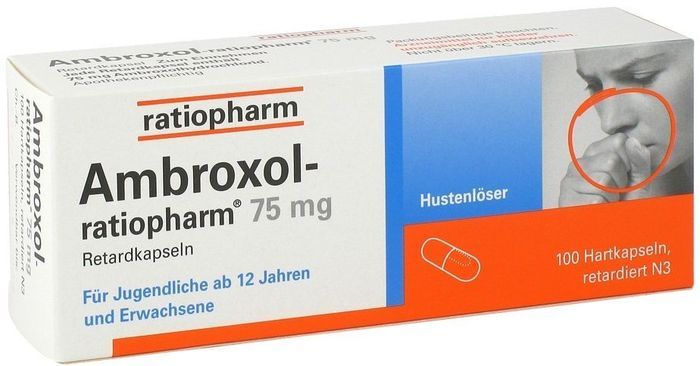
The new year has started with some pleasing clinical trial news for the Parkinson’s community: The results of the “Ambroxol in Disease Modification in Parkinson Disease” (AiM-PD study) have been published.

This is a clinically available drug that is used for the treatment of respiratory issues, which researchers are re-purposing for Parkinson’s based on some interesting properties the drug has.

The results of the clinical trial suggest that ambroxol was safe and well tolerated in people with Parkinson’s for the length of the 6 month study. It accessed the brain and increased levels of target proteins while there.

In today’s post, we will discuss what ambroxol is, what research has been conducted on it, and what the results of this study suggest.


The author of this blog is the deputy director of research at The Cure Parkinson’s Trust, and as such he feels that it is necessary to start this post with a very clear declaration –  FULL DISCLOSURE: The Cure Parkinson’s Trust (in partnership with the Van Andel Institute) was a funder of the ambroxol clinical trial which is going to be discussed in this post.

Right. That said, let’s try and do a completely unbiased review of the ambroxol trial results 🙂

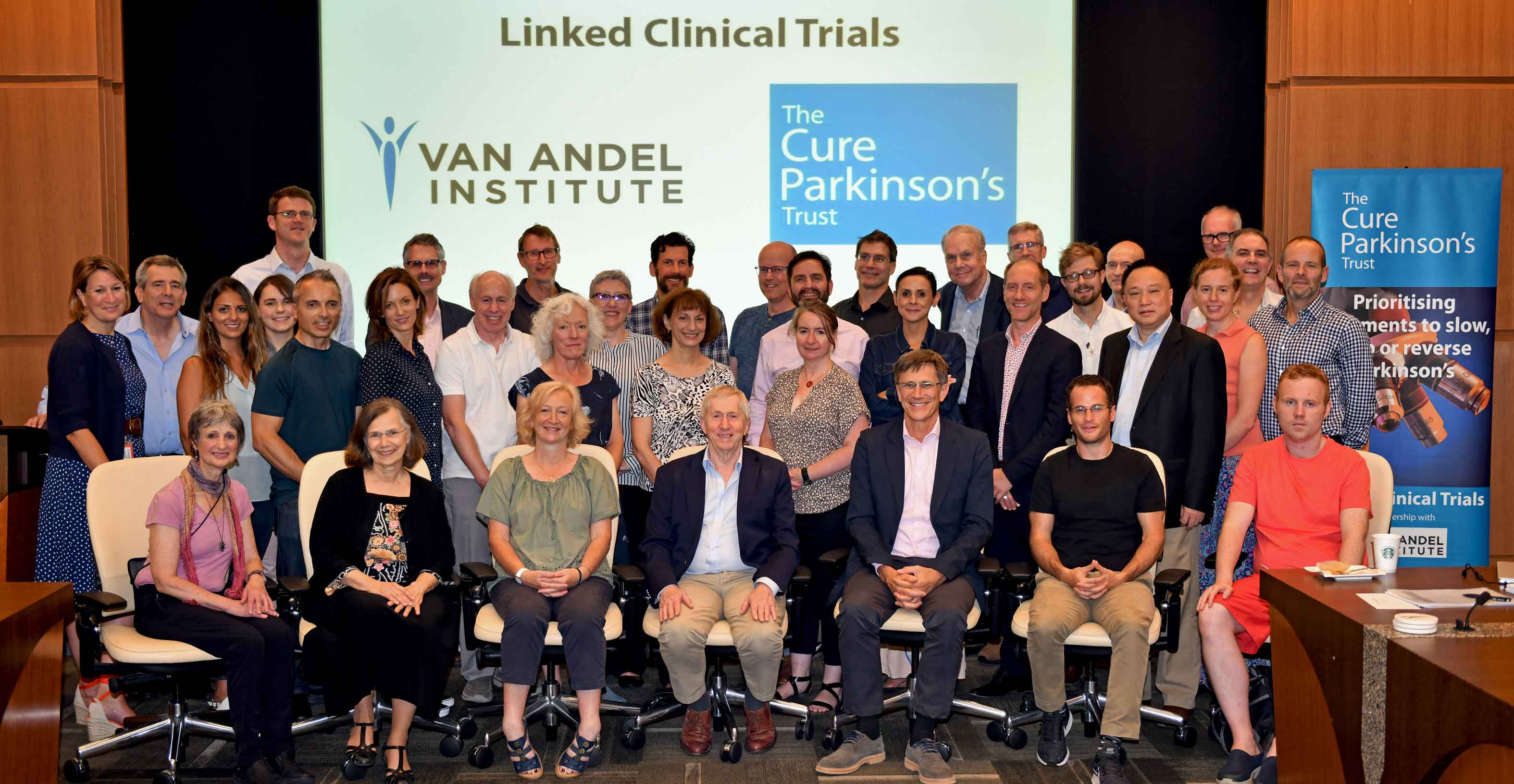
In one particular SoPD post last year we discussed the Linked Clinical Trials initiative, which is an international program that was set up 8 years ago with the goal of rapidly repurposing clinically available drugs exhibiting disease modifying potential in models of Parkinson’s (Click here to read the previous SoPD post on this topic).

What is meant by repurposing?

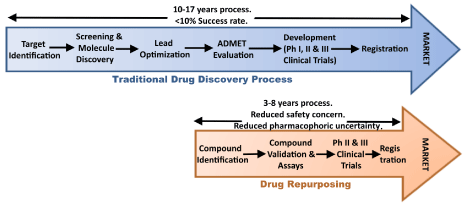
Drug repurposing (repositioning, reprofiling or re-tasking) is a strategy of identifying novel uses for clinically approved drugs that fall outside the scope of the original medical indication.

An example of this is “Viagra”.

It was originally developed as an anti-hypertensive medication, but was hugely more successful in the treatment of erectile dysfunction.

The strategy has been adopted and applied by many organisations because it allows for the by-passing of large parts of the drug discovery process, saving time and resources in getting new treatments to the clinic.

Source: Austinpublishinggroup

By repurposing a clinically approved drug – for which we may know a great deal about already in terms of safety, tolerability and dose range – we can skip large parts of the clinical trial process and jump straight to testing the drug in our population of interest (in this case people with Parkinson’s).

And this is what the Linked Clinical Trials (or LCT) program was set up to do in Parkinson’s.

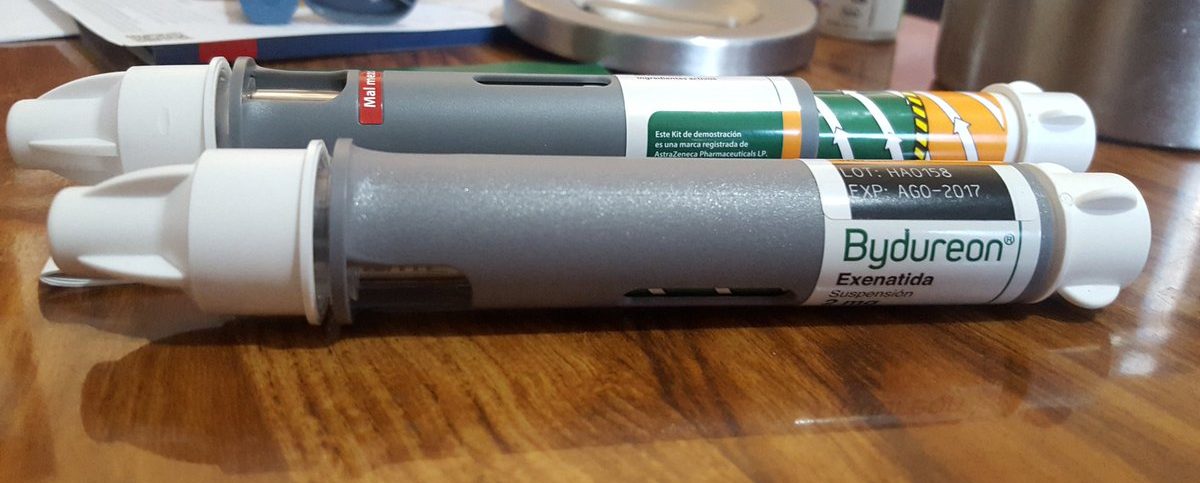
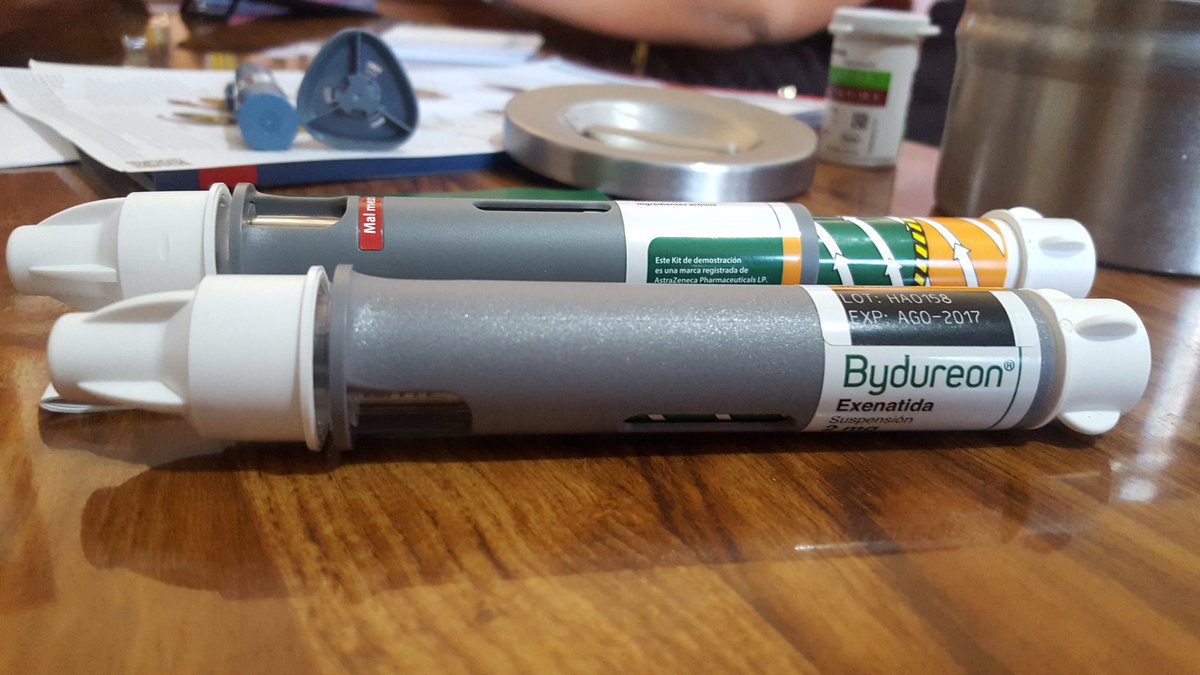
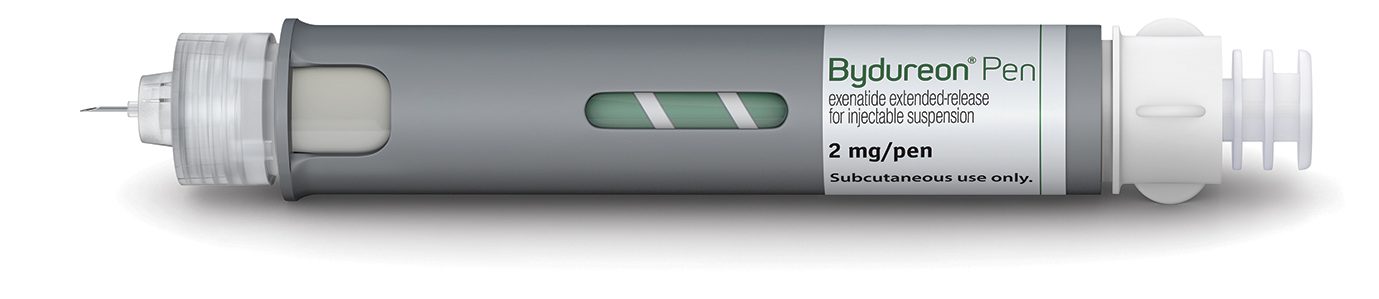
The first drug that was prioritised by the LCT committee for repurposing was a diabetes drug called exenatide (also known as Bydureon).

It is fair to say this LCT-initiated clinical trial program has provided interesting results thus far (Click here and here to read a SoPD post on this) and the exenatide program is now entering Phase III testing in Parkinson’s (Click here to read more about the Phase III trial).

In late 2014, the LCT committee prioritised another clinically available drug for repurposing to Parkinson’s.

That drug is called ambroxol.

What is ambroxol?

Continue reading “The Ambroxol Results”

The road ahead: 2020

Here at the SoPD, we are primarily interested in disease modification for Parkinson’s. While there is a great deal of interesting research exploring the causes of the condition, novel symptomatic therapies, and other aspects of Parkinson’s, my focus is generally on the science seeking to slow, stop or reverse the condition.

At the start of each year, it is a useful practise to layout what is planned and what we will be looking for over the next 12 months. Obviously, where 2020 will actually end is unpredictable, but an outline of what is scheduled over the next year will hopefully provide us with a useful resource for better managing expectations.

In this post, I will try to lay out some of what 2020 holds for us with regards to clinical research focused on disease modification for Parkinson’s.


BP

Lord Robert Baden-Powell. Source: Utahscouts

My old scout master once looked around our horse shoe, making eye contact with each of us, before asking the question:

“When did Noah build the ark?”

My fellow scouts and I looked at each other – confused. Did he want an exact date?!?

The scout master waited a moment for one of us to offer up some idiotic attempt at an answer – thankfully no one did – before he solemnly said:

“Before the rain”

It was one of those childhood moments that made little sense at the time, but comes back to haunt you as an adult when you are looking at what the future may hold and trying to plan for it.

# # # # # # # # # # #

Today’s post is our annual horizon scanning effort, where we lay out what is on the cards for the next 12 months with regards to clinical research focused on disease modification in Parkinson’s.

Source: Rand

We will also briefly mention other bits and pieces of preclinical work that we are keeping an eye on for any news of development.

To be clear, this post is NOT intended to be an exercise in the reading of tea leaves – no predictions will be made here. Nor is this a definitive or exhaustive guide of what the next year holds for disease modification research (if you see anything important that I have missed – please contact me). And it should certainly not be assumed that any of the treatments mentioned below are going to be silver bullets or magical elixirs that are going to “cure” the condition.

In the introduction to last year’s outlook, I wrote of the dangers of having expectations (Click here to read that post). I am not going to repeat that intro here, but that the same message applies as we look ahead to what 2020 holds.

Source: Unitystone

In fact, it probably applies even more for 2020, than it did for 2019.

2020 is going to be a busy year for Parkinson’s research, and I am genuinely concerned that posts like this are only going to raise expectations. My hope is that a better understanding of where things currently are and what is scheduled for the next 12 months will help in better managing those expectations. Please understand that there is still a long way to go for all of these experimental therapies.

All of that said, let’s begin:

Continue reading “The road ahead: 2020”

The Neuraly trial


This week a new clinical trial was registered which caught our attention here at the SoPD HQ. It is being sponsored by a small biotech called Neuraly and involves a drug called NLY01.

NLY01 is a GLP-1R agonist – that is a molecule that binds to the Glucagon-like peptide-1 receptor and activates it. Other GLP-1R agonists include Exenatide (also called Bydureon) which is also also about to start a Phase III clinical trial in Parkinson’s (Click here to read a previous SoPD post about this).

There is a lot of activity in the Parkinson’s research world on GLP-1R agonists at the moment.

In today’s post, we will discuss what a GLP-1R agonist is, what we know about NLY01, and what the new clinical trial involves.


Every week there are new clinical studies being announced for Parkinson’s.

Many of them are registered on the Clinicaltrials.gov website. Here at the SoPD, we try to keep track of new trials being registered (the SoPD Twitter account highlights the more interesting trials).

This week one particular newly registered clinical trial stood out. It involves a small biotech company Neuraly (which is owned by parent company D&D PharmaTech).

And the drug being tested in the Neuraly clinical trial is a GLP-1R agonist.

What is a GLP-1R agonist?

Continue reading “The Neuraly trial”

An exercise in expectations: Exenatide III


In August 2017, the results of a Phase II double-blind, placebo controlled clinical trial investigating whether the diabetes drug Exenatide (aka Bydureon) can be repurposed for the treatment of Parkinson’s were published.

Despite the fact that the study did not meet most of its end points, the Parkinson’s community got very excited about one of the results: The exenatide treated group demonstrated a stabilisation of their motor features over the 48 week trial, while the control group continued to worsen.

Over night, for many in the community, the hypothetical (a “disease-halting medication”) suddenly become a possibility. After such a long trail of negative clinical trial results, it was a very human and natural response for everyone to get excited. But with the news this month, that the Phase III exenatide clinical trial is about to start, the community needs to curb that excitement in order for a proper evaluation of the drug to take place.

In today’s post, we will look at the details of the new Phase III clinical trial for Exenatide and discuss why it is important to manage expections.


Here on the SoPD website we are often discussing novel potentially disease modifying therapies for Parkinson’s. And it is rather staggering the number and range of different approaches currently being tested on Parkinson’s.

And I am often asked, “Simon, if you were a betting man, which one I would put my money on? Which one are you expecting to work?

Now, before we go on dear reader, please understand that my answer to this question will problably disappoint you.

You see, I do not expect any of these experimental treatments being clinically tested to work.

WHAT THE?!?

Now, before you turn off, please let me explain – because this is important (it is not click-bait).

Ok, I’m listening. Why don’t you expect any of these treatments to work?!?

Continue reading “An exercise in expectations: Exenatide III”

The 2019 Linked Clinical Trials meeting


Things were a bit quiet on the SoPD over the summer, but for good reasons. There was a short hiatus for a family break, but the rest of the time I was rather occupied with the day job. Tremendous efforts were being made at the Cure Parkinson’s Trust, as we were gearing up for our main event of the year: the Linked Clinical Trials (LCT) meeting.

This is an annual meeting at which 20 Parkinson’s experts from around the world, gather for a two day face-to-face pow-wow. They evaluate dossiers which contain everything we know about 20+ compounds which have exhibited potential for disease modification in Parkinson’s. The goal of the committee is to decide which of them is ready for clinical evaluation.

The writing of those LCT dossiers is a year long exercise, which inevitably becomes a bit of a panic in June and July (hence the lack of activity here at SoPD HQ during that period). It is a mammoth, marathon task, but as you shall see it is one that I rather like.

In today’s post, we will discuss what the Linked Clinical Trials initiative is, the process behind the project, and some of the progress being made by the programme.


Archimedes. Source: Lecturesbureau

Archimedes of Syracuse (287 BC – 212 BC) the ancient Greek mathematician, once said that the “shortest distance between two points is a straight line“.

My dad (who is not a regular readers of this blog, but is possibly on par with Archie – just in case he does ever read this) has often been heard saying “Just get to the point Simon“.

Source: Actioncoach

Millennia apart, but their collective wisdom is same: Ignore everything else, and get straight to the heart of the matter as quickly as you can.

And this is one of the aspect I really like about the Linked Clinical Trials initiative.

It is all about getting to potentially disease modifying treatments for Parkinson’s to the community as quickly as possible.

What is the Linked Clinical Trials programme?

Continue reading “The 2019 Linked Clinical Trials meeting”

WPC 2019 – Day 3


Today’s post is a recap of Day 3 – the final day – at the World Parkinson’s Congress meeting in Kyoto, Japan.

I will highlight some of the presentations I was able to catch and try to reflect on what was an amazing meeting.


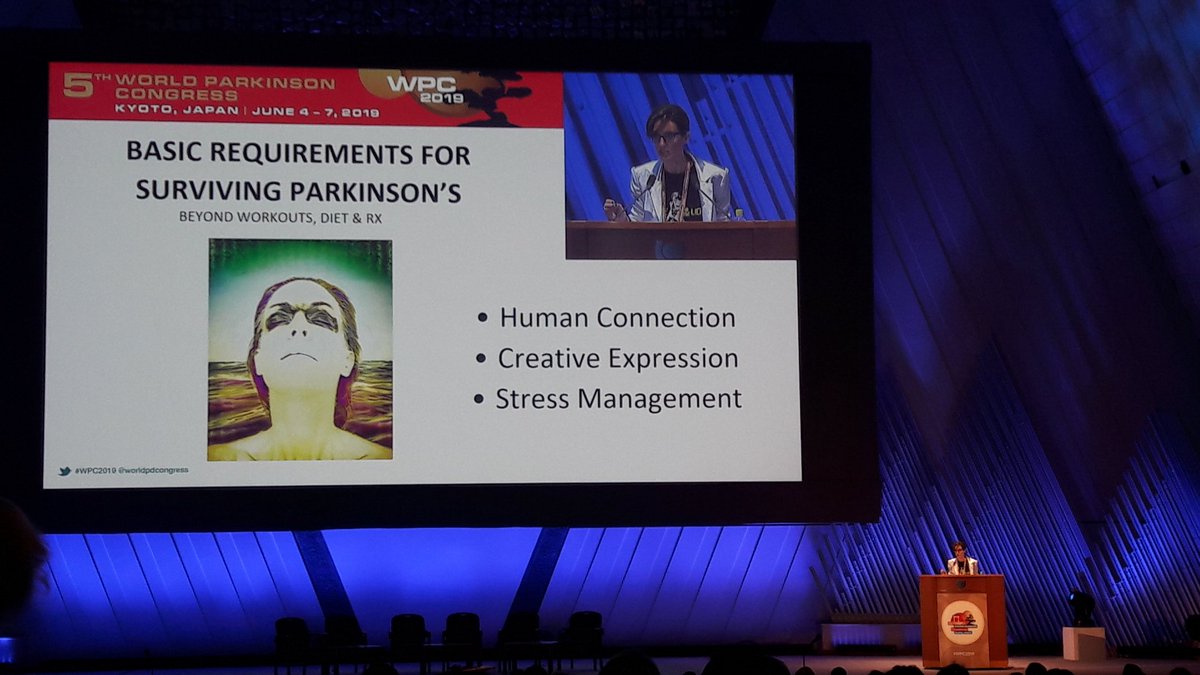
The final day of the WPC meeting for me started with Parkinson’s advocate Heather Kennedy‘s presentation on “Your radical new life: Creative ways to overcome our challenges”. In her talk, she spoke of the mindset that is required for tackling Parkinson’s and provided some advice on what-to-do and what-not-to-do.

And Heather was speaking from personal experience. Having been diagnosed in 2012, she has become an active advocate, supporter of Davis Phinney and Michael J Fox Foundations, and an administrator on several online sites. And she regularly speaks about different methods for overcoming the challenges of Parkinson’s:

“It is not ‘why is this happening to me?’, it is ‘what is this teaching me?”

Here is a presenation she gave at the recent Parkinson’s Eve meeting in the UK earlier this year:

Key among her pieces of advice is the need to make connections:

Continue reading “WPC 2019 – Day 3”

WPC 2019 – Day 2


Today’s post is a recap of Day 2 at the World Parkinson’s Congress meeting in Kyoto, Japan.

I will highlight some of the presentations I was able to catch and discuss some of my key take-aways from the day’s activities.


Early meetings meant that I arrived late to the morning session of presentations on the Day 2 (6th June) of the WPC meeting. But luckily I was in time to catch Benjamin Stecher giving his talk in the main hall.

Diagnosed at 29 years of age with young onset Parkinson’s, Ben has spent the last couple of years touring the world requesting meetings with Parkinson’s researchers, to learn more about what they do and what still needs to be done. This quest has give him a unique perspective on the state of Parkinson’s research, and has helped him in his role as an advocate.

I was looking forward to hearing him speak on the main hall stage,…

…and, like everyone else in the room, I was surprised by what he did during his talk.

Continue reading “WPC 2019 – Day 2”