Making. It. Personal.

This is one of those posts (read: rants) where I want to put an idea out into the ether for someone to chew on. It starts with a very simple question:

Why is ‘the drug’ the focus of a clinical trial?

If our goal is to find beneficial therapies for people with Parkinson’s, then the way we currently clinically test drugs is utterly nonsensical.

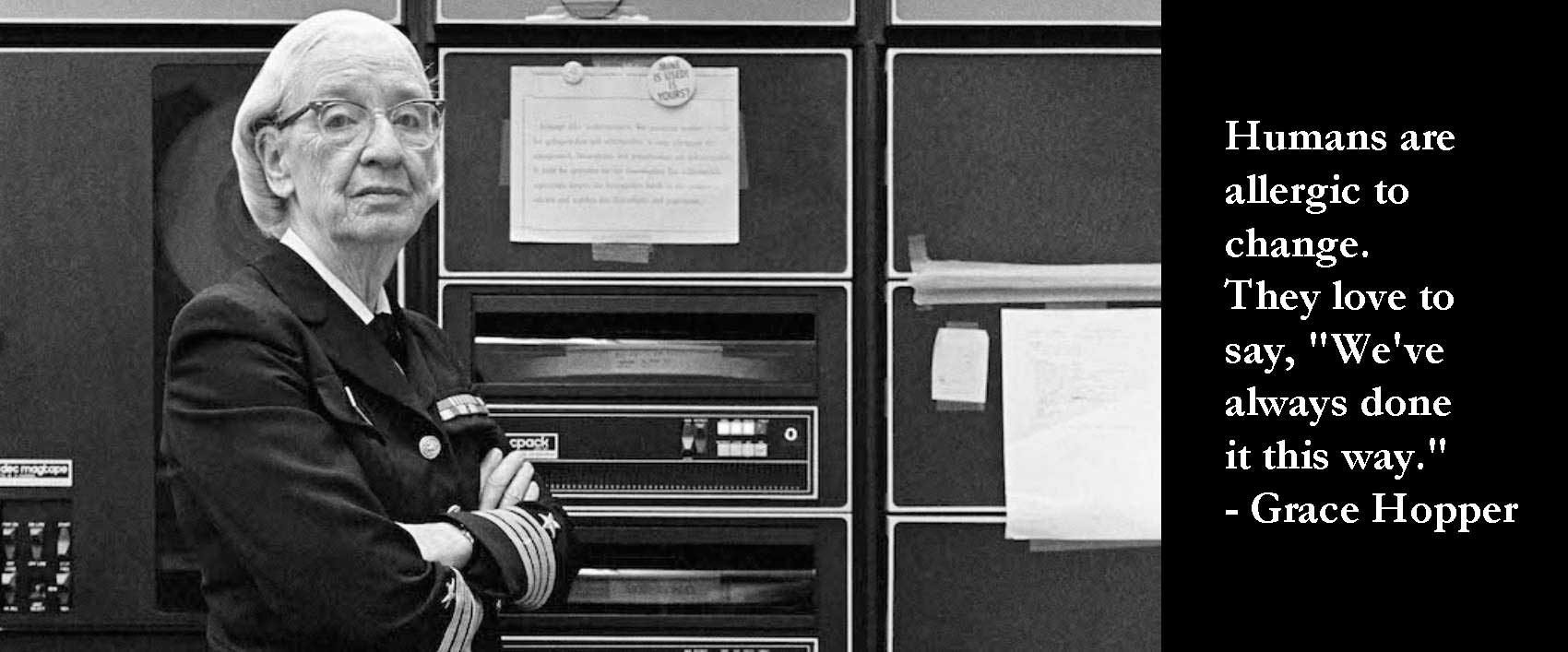
And if we do not change our “we’ve always done it this way” mindset, then we are simply going to repeat the mistakes of the past. Others are changing, so why aren’t we?

In today’s post, we will consider one possible alternative approach.


I hope you know who Grace Hopper is – if not, click here. Source: Mentalfloss

Why is ‘the drug‘ the focus of a clinical trial?

The way we clinically test drugs makes absolutely no sense when you actually stop and think about it.

Other medical disciplines (such as oncology) have woken up to this fact, and it is time for the field of Parkinson’s research to do this same.

Let me explain:

Continue reading “Making. It. Personal.”

Something is interesting in the state of Denmark


Gaucher disease is a genetic disorder caused by the reduced activity of an enzyme, glucocerebrosidase. This enzyme is produced by a region of DNA (or a gene) called GBA – the same GBA gene associated with a particular form of Parkinson’s.

Recently, a Danish company has been testing a new drug that could benefit people with Gaucher disease.

It is only natural to ask the question: Could this drug also benefit GBA-associated Parkinson’s?

In today’s post, we will discuss what Gaucher disease is, how this experimental drug works, and why it would be interesting to test it in Parkinson’s.


Will Shakespeare. Source: Ppolskieradio

The title of this post is a play on words from one of the many famous lines of William Shakespeare’s play, Hamlet.

The original line – delivered by Marcellus (a Danish army sentinel) after the ghost of the dead king appears – reads: If the authorities knew about the problems and chose not to prevent them, then clearly something is rotten in the state of Denmark.

(Act 1, Scene 4)

The title of this post, however, is: Something is interesting in the state of Denmark

This slight change was made because certain Danish authorities know about the problem and they are trying to prevent it. The ‘authorities’ in this situation are some research scientists at a biotech company in Denmark, called Orphazyme.

And the problem is Parkinson’s?

No, the problem is Gaucher disease.

Huh? What is Gaucher disease?

Continue reading “Something is interesting in the state of Denmark”

“What’s the evolutionary advantage of Parkinson’s?”

Each year King’s College London holds the Edmond J. Safra Memorial Lecture. It is a public event – exploring cutting-edge research on Parkinson’s – held in honour of the late philanthropist and financier, Mr Edmond J Safra, .

I was lucky enough to attend this year’s event (entitled A vision of tomorrow: How can technology improve diagnosis and treatment for Parkinson’s patients?). It highlighted the fantastic research being carried out by Professor Marios Politis and his team.

During the Q&A session of the event though, a question was asked from the audience regarding what the evolutionary advantage of Parkinson’s might be. The question drew a polite chuckle from the audience.

But the question wasn’t actually as silly as some might think.

In today’s post we look at some evidence suggesting an evolutionary advantage involving Parkinson’s.


King’s College London Chapel. Source: Schoolapply

Despite the impressive name, King’s College London is not one of the grand old universities of England.

Named after its patron King George IV (1762-1830), the university was only founded in 1829 (compare this with 1096 for Oxford and 1209 for Cambridge; even silly little universities like Harvard date back further – 1636). The university is spread over five separate campuses, geographically spread across London. But if you ever get the chance to visit the main Strand campus, ask for the chapel and take a moment to have a look – it is very impressive (the image above really doesn’t do it justice).

As I mentioned in the intro, each year King’s College London holds the Edmond J. Safra Memorial Lecture. It is an event that is open to the public and it involves a discussion regarding innovative new research on Parkinson’s. The evening is held in honour of the late Mr Edmond J Safra.

Edmond J. Safra. Source: Edmondjsafrafoundation

This year, Professor Marios Politis and members of his research group were presenting lectures on “How can technology improve diagnosis and treatment for Parkinson’s”. The lectures were very interesting, but the reason I am writing about it here is because during the question and answer session at the end of the lectures, the following question was asked:

“What’s the evolutionary advantage of Parkinson’s?”

Given the debilitating features of the condition, the audience was naturally amused by the question. And there was most likely several people present who would have thought the idea of any evolutionary advantage to Parkinson’s a ridiculous concept.

But it’s not.

And there is actually research to suggest that something evolutionary could be happening with Parkinson’s.

?!?!? What do you mean?

Continue reading ““What’s the evolutionary advantage of Parkinson’s?””

The dilemma of success

Late last year, I wrote a post for Parkinson’s UK‘s excellent blog on Medium.

My piece was called the Dilemma of Success, and it explored a hypothetical situation that we may very well face in the not-so-distant future.

Optimistic as I am about the future of Parkinson’s research, I think this is a very serious issue – one which the Parkinson’s community needs to discuss and start planning for. I am re-posting it here today as I am keen for some thoughts/discussion on this matter.

 
BP

Lord Robert Baden-Powell. Source: Utahscouts

My scout master looked around the horse shoe, making eye contact with each of us, before asking a simple question:

“When did Noah build the ark?”

My fellow scouts and I looked at each other. Some of us were wondering if the guy had completely lost the plot and somehow thought that it was Sunday morning and he was doing the sermon. Others seriously looked like they were trying to calculate an exact date.

He waited a moment for one of us to offer up some idiotic attempt at an answer, before he solemnly said:

“Before the rain”

It’s one of those childhood moments that didn’t make sense at the time, but comes back to haunt you whenever you can foresee certain troubles coming over the hill towards you.


The dilemma of success

It will be nice to have this problem, but it will still be a problem.
And we need to plan for it

Continue reading “The dilemma of success”

Alpha Synuclein: New Species

On this website, we regularly talk about a Parkinson’s-associated protein called Alpha Synuclein.

It is widely considered to be ‘public enemy #1’ in the world of Parkinson’s research, or at the very least one of the major ‘trouble makers’. It is a curious little protein – one of the most abundant proteins in your brain. 

But did you know that there are different ‘species’ of alpha synuclein? 

And recently researchers in Florida announced that they had identified an all new species of alpha synuclein that they have called “P-alpha-syn-star” or Pα-syn*.

In today’s post, we will discuss what is meant by the word ‘species’, look at the different species of alpha synuclein, and explore what this new species could mean for the Parkinson’s community.


 Source: Nationalgeographic

This microscopic creature is called Macrobiotus shonaicus. 

Isn’t it cute?

The researchers that discovered it found it in a Japanese parking lot.

It is one of the newest species of life discovered to date (Click here for the research report). It is a species of Tardigrade (meaning “slow stepper”; also known as a water bear or moss piglet). And for the uninitiated: Tardigrade are remarkable creatures.

Tardigrade. Source: BBC

They measure just 0.5 mm (0.02 in) long, there are approximately 1,150 known species of them, and they have been around for a VERY long time – with fossil records dating back to the Cambrian period (500 million years ago).

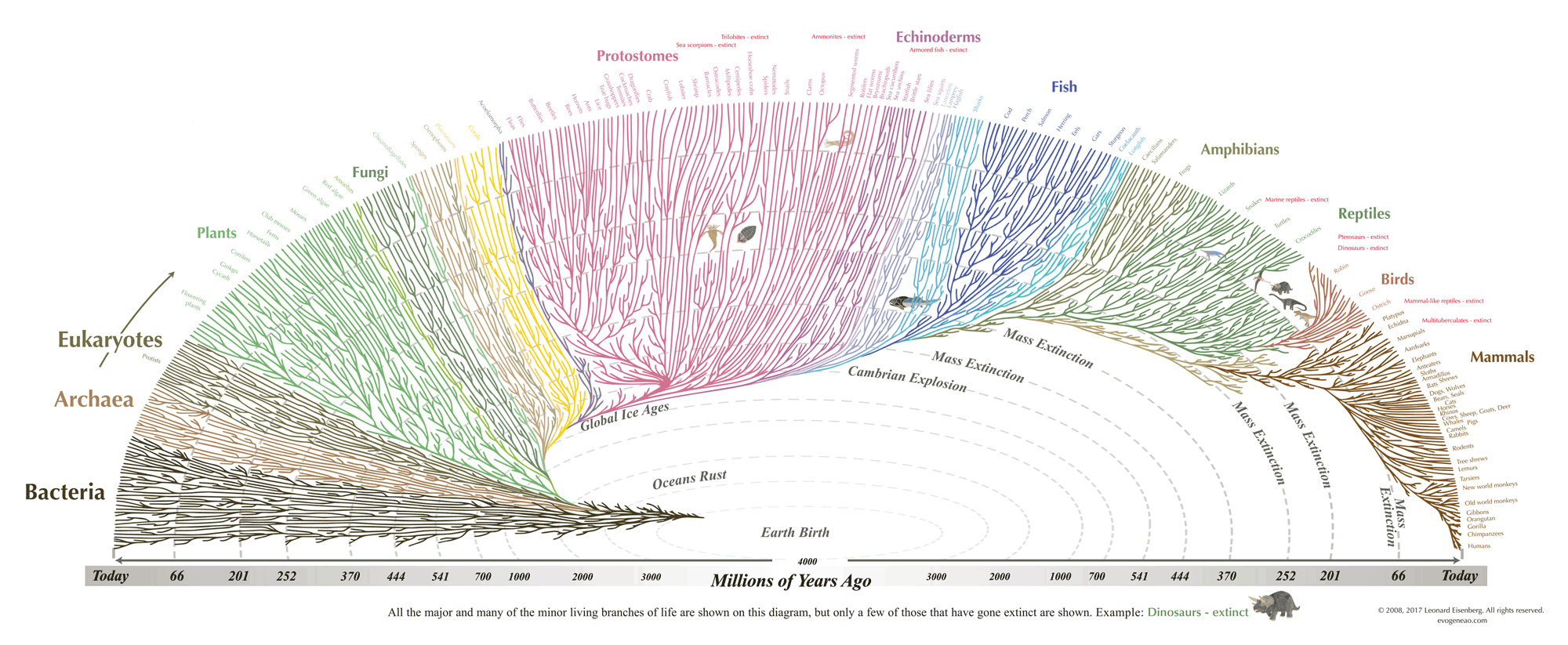
The tree of life (try and find the dinosaurs). Source: Evogeneao

But most importantly, tardigrade are EXTREMELY resilient:

  • they are the first known animals to survive in hard vacuum and UV radiation of outer space. Some of them can withstand extreme cold – down to temperatures of −458 °F (−272 °C), while other species of Tardigrade can withstand extremely hot temperatures  – up to 300 °F (150 °C) (Click here to read more)
  • they can withstand 1,000 times more radiation than other animals (Click here for more on that)
  • some species of Tardigrade can also withstand pressure of 6,000 atmospheres (that is nearly SIX times the pressure of water in the deepest ocean trench – the Mariana trench! Click here for more on this)
  • They are one of the few groups of species that are capable of suspending their metabolism; surviving for more than 30 years at −20 °C (−4 °F – Click here to read about this)

They are utterly remarkable creatures.

Great, but what does this have to do with Parkinson’s? Continue reading “Alpha Synuclein: New Species”

Happy birthday: Silverstein Foundation

Over the last 12 months, the Silverstein Foundation has quickly established itself as a major focused force in the fight against Parkinson’s.

And when I say ‘focused’, I mean ‘focused’ –  the foundation is “actively pursues and invests in cutting edge research with the goal of discovering new therapies for the treatment of Parkinson’s Disease in glucocerebrosidase (GBA) mutation carriers”.

But the output of this effort may well have major benefits for the entire Parkinson’s community.

In today’s post, we will discuss what GBA is, how it functions inside cells, its association with Parkinson’s, and what all of this GBA focused research being funded by the Silverstein Foundation could mean for the Parkinson’s community.


Jonathan Silverstein. Source: Forbes

This is Jonathan Silverstein.

He’s a dude.

He is also a General Partner and a Co-Head of Global Private Equity at OrbiMed – the world’s largest fully dedicated healthcare fund manager. During his time at OrbiMed, the company has invested in healthcare companies that have been involved with over 60 FDA approved products.

In February 2017, he was diagnosed with Parkinson’s disease at just 49 years of age.

Rather than simply accepting this diagnosis, however, Mr Silverstein decided to apply the skills that he has built over a long and successful career in funding biotech technology, and in March 2017, he and his wife, Natalie, set up the Silverstein Foundation.

They raised $6 million from donors and then provided another $10 million of their own money to fund the endeavour, which has funded a dozen research projects and started a new company called Prevail Therapeutics (we’ll come back to this shortly).

Source: Businesswire

The foundation has just one mission: “to actively pursue and invest in cutting edge research with the goal of discovering new therapies for the treatment of Parkinson’s Disease in GBA mutation carriers”

And it seeks to address this by achieving three goals:

  1. to find a way to halt the progression of Parkinson’s with GBA.
  2. to identify regenerative approaches to replace the damaged/lost cells
  3. to find preventative measures

What is ‘GBA’?

Continue reading “Happy birthday: Silverstein Foundation”

Voyager Therapeutics: Phase I clinical trial update

Today biotech company Voyager Therapeutics announced an update on their ongoing phase Ib clinical trial. The trial is evaluating the safety and tolerance of a gene therapy approach for people with advanced Parkinson’s.

Gene therapy is a technique that involves inserting new DNA into a cell using viruses. In this clinical trial, the virally delivered DNA helps the infected cell to produce dopamine in order to alleviate the motor features of Parkinson’s.

In today’s post we will discuss what gene therapy is, review the new results mentioned in the update, and look at other gene therapy approaches for Parkinson’s.


Source: Baltimoresun

Voyager Therapeutics is a clinical-stage gene therapy company that is focused on treatments for neurological conditions, such as Parkinson’s. Today the company announced an update of their ongoing Phase 1b trial of their product VY-AADC01 (Click here to see the press release).

VY-AADC01 represents a new class of treatment for Parkinson’s, as it is a form of gene therapy.

What is gene therapy?

The gene therapy involves introducing a piece of DNA into a cell which will cause the cell to produce proteins that they usually do not (either by nature or by mutation). The DNA is artificially inserted into cells and the cell’s protein producing machinery does the rest.

Source: Yourgenome

How does gene therapy work?

Continue reading “Voyager Therapeutics: Phase I clinical trial update”

Monthly Research Review – February 2018

At the end of each month, the Science of Parkinson’s writes a post which provides an overview of some of the major pieces of Parkinson’s-related research that were made available.

In this post we review some of the research from February 2018.

The post is divided into four parts based on the type of research (Basic biology, disease mechanism, clinical research, and other news). 


Seeing shadows: Punxsutawney Phil. Source: Wordonfire

In major world event news: On the 2nd February of 2018, Punxsutawney Phil – the groundhog who resides at Gobbler’s Knob of Punxsutawney, Pennsylvania – scurried out of his little hole and saw his shadow. This omen indicates that we have a long winter. Given how hard and bitter this particular winter has been, Americans naturally rejoiced.

On the 6th February, SpaceX successfully launched a Tesla sports car into space – see the video below for the highlights (and if you don’t have time to watch it all, at the very least jump forward to 3:45 and watch the two boosters land simultaneously – surely they didn’t plan for it to be that perfect!)

In other news, on the 1st February, the Centers for Disease Control and Prevention announced that it was dramatically downsizing its epidemic prevention activities in 39 out of 49 countries, due to concerns about funding.

And of course we had the 2018 Winter Olympics – where New Zealand came in 27th on the medals board:

Source: Madison365

In the world of Parkinson’s research, a great deal of new research and news was reported.

In February 2018, there were 698 research articles added to the Pubmed website with the tag word “Parkinson’s” attached (1577 for all of 2018 so far). In addition, there was a wave to news reports regarding various other bits of Parkinson’s research activity (clinical trials, etc).

The top 5 pieces of PD news

Continue reading “Monthly Research Review – February 2018”

An idea: “O Canada”

This short post is just an idea I want to throw out their into the aether for someone/anyone to chew on.

Being diagnosed with Parkinson’s throws an individual into a hypothetical ‘foreign land’, where people (doctors and members of the affected community) talk in a strange new dialect about medication, brain chemicals called dopamine and accumulation of proteins that sound like distant galaxies (‘alpha synuclein‘).

The diagnosed individual has to adapt their lives to this new reality in order to get by. They are analogous to a refugee (bad analogy I appreciate, but bare with me – I’m going somewhere with this). Many fantastic support groups are available to help make that adjustment easier. But what happens when that individual wants to get involved with the research being conducted on the condition?

Efforts are being made in this direction, but we can always do better.

In today’s post I would like to discuss/explore an idea that deals with involving the Parkinson’s community in the research side of things, and has the goal of making the research more ‘patient-centric’.


Source: Yanghu

When a refugee moves to a new country, it is an overwhelming experience.

Can you imagine leaving the mountain village that you have lived in your whole life – everything that is normal for you – and moving to some strange, big western city. Being exposed to a new culture, new societal expectations, new eco system, new prejudices, new everything. It must be a shock to the entire system.

If you speak the local language, great. You should be able to make do and get by with a bit of effort. But in order to truly integrate into the new community, you will still need a lot of support.

I was recently talking with a man who was a refugee and he had moved to Canada five years ago.

Canada. Source: Kuoni 

He was originally from central Asia, and he talked at length about the hardships of the whole process. Even though his new home in North America was vastly more comfortable than his previous situation, he had still found the whole process extremely tiring and disorientating.

What stuck with me from that conversation, however, was that he could not say enough good things about the Canadian system of integration. He was extremely grateful for everything that they had done for him to help him insert himself into Canadian society. He was particularly impressed with the ‘Groups of Five‘ programme.

Continue reading “An idea: “O Canada””

Reduce your RAGE as you AGE

An Advanced Glycation Endproduct (or AGE) is a protein or lipid that has become glycated.

Glycation is a haphazard process that impairs the normal functioning of molecules. It occurs as a result of exposure to high amounts of sugar. These AGEs are present at above average levels in people with diabetes and various ageing-related disorders, including neurodegenerative conditionsAGEs have been shown to trigger signalling pathways within cells that are associated with both oxidative stress and inflammation, but also cell death.

RAGE (or receptor of AGEs) is a molecule in a cell membrane that becomes activated when it interacts with various AGEs. And this interaction mediates AGE-associated toxicity issues. Recently researchers found that that neurons carrying the Parkinson’s associated LRRK2 G2019S genetic variant are more sensitive to AGEs than neurons without the genetic variant. 

In today’s post we will look at what AGE and RAGE are, review the new LRRK2 research, and discuss how blocking RAGE could represent a future therapeutic approach for treating Parkinson’s.


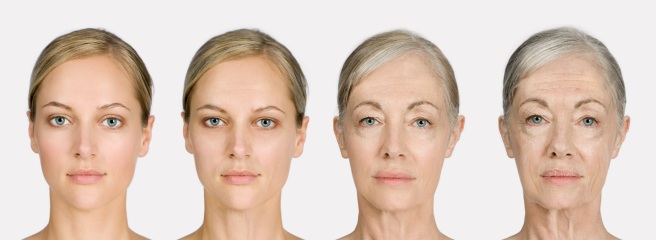
The wonder of ageing. Source: Club-cleo

NOTE: Be warned, the reading of this post may get a bit confusing. We are going to be discussing ageing (as in the body getting old) as well as AGEing (the haphazard process processing of glycation). For better clarification, lower caps ‘age’ will refer to getting old, while capitalised ‘AGE’ will deal with that glycation process. I hope this helps.


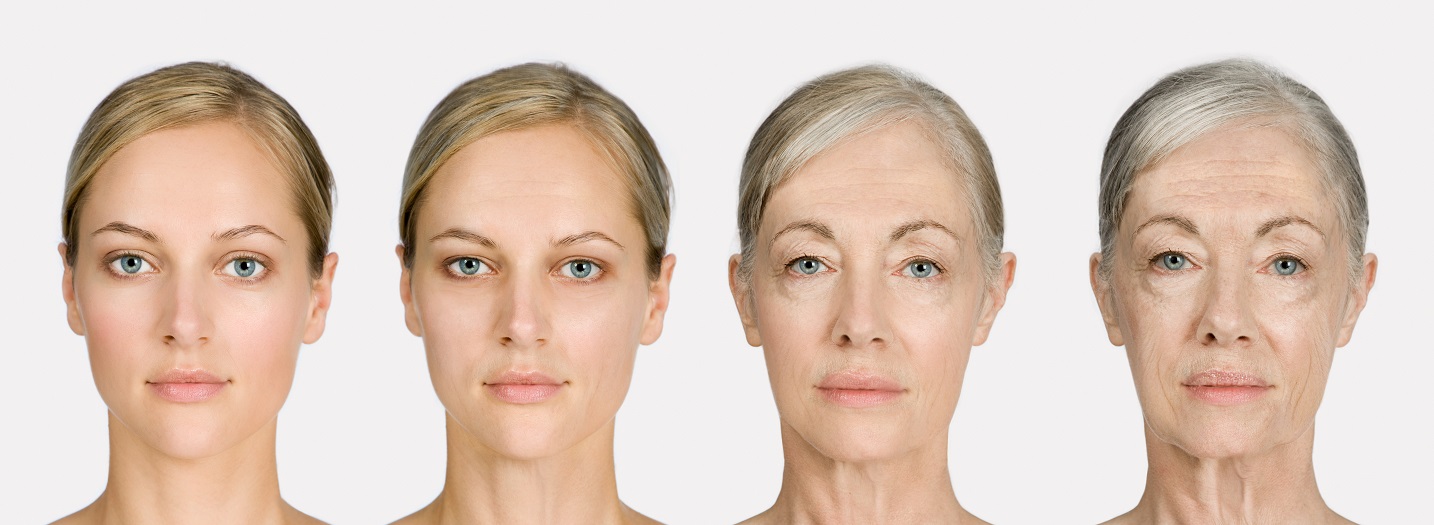
Ageing means different things to different people.

For some people ageing means more years to add to your life and less activity. For others it means more medication and less hair. More wrinkles and less independence; more arthritis and less dignity; More candles, and less respect from that unruly younger generation; More… what’s that word I’m thinking of? (forgetfulness)… and what were we actually talking about?

Wisdom is supposed to come with age, but as the comedian/entertainer George Carlin once said “Age is a hell of a price to pay for wisdom”. I have to say though, that if I had ever met Mr Carlin, I would have suggested to him that I’m feeling rather ripped off!

George Carlin. Source: Thethornycroftdiatribe

Whether we like it or not, from the moment you are born, ageing is an inevitable part of our life. But this has not stopped some adventurous scientific souls from trying to understand the process, and even try to alter it in an attempt to help humans live longer.

Regardless of whether you agree with the idea of humans living longer than their specified use-by-date, some of this ageing-related research could have tremendous benefits for neurodegenerative conditions, like Parkinson’s.

What do we know about the biology of ageing?

Continue reading “Reduce your RAGE as you AGE”