The Journal of Parkinson’s disease – special issue

JPD_logo_editors

Our policy at the SoPD is not to advertise or endorse commercial products or services. This is to avoid any ethical or conflict of interest situations.

Every now and then, however, we see something that we believe will be of interest and value to the Parkinson’s community…aaand we bend our policy rule book.


Today the Journal of Parkinson’s disease released a “200 years of Parkinson’s disease” OPEN ACCESS special issue of their journal which highlights some of the major discoveries in the field of Parkinson’s disease research.

Critically, the articles provide insights into how the discoveries were made, and they are written by some of the biggest names in the Parkinson’s research community (many of whom were actually there when the discoveries were made).

The issue has articles dealing with topics including:

Click here to see all of the articles in this special issue.

We fully recommend readers take advantage of this OPEN ACCESS issue and learn about how some of these great discoveries were made.

Happy reading.


Full disclosure: The Journal of Parkinson’s disease is a product of IOS Press. The SoPD has not been approached by or made any offers to IOS Press or anyone at the Journal of Parkinson’s disease. We merely thought that the material in this particular OPEN ACCESS issue would be of interest to our readers.


The banner for today’s post was sourced from the Journal of Parkinson’s disease

The red headed mice of Boston

redhair

Recently scientists have found a possible link in the curious relationship of red hair, melanoma and Parkinson’s disease.

It involves red headed mice (not a typo – you read that correctly).

In today’s post we will discuss the new research and explain what it means for Parkinson’s disease.


ginger

Red or ginger hair. Source: theLocal

We have previously discussed the curious association between red hair and Parkinson’s disease (Click here for that post).

We have also previously discussed the curious association between melanoma and Parkinson’s disease (Click here for that post).

Melanoma

Melanoma. Source: Wikipedia

Basically, people with red hair are more vulnerable to Parkinson’s disease that dark haired people, and people with a history of melanoma (skin cancer) are more likely to develop Parkinson’s disease than people with no history.

And given that people with red hair are generally more vulnerable to melanoma that dark haired people, you can understand why scientists have recently been very interested in this curious triangle of seemingly unrelated biological features.

Recently, however, scientists in Boston (USA) have provided evidence that the genetic mutation which causes red hair and increases the risk of melanoma, might also make the brain more vulnerable to Parkinson’s disease.

Red hair is caused by a genetic mutation?

Before we answer this question: the word ‘mutation’ carries a negative connotation thanks to it’s use in popular media and films. In biology, researchers prefer to use the word genetic ‘variation’. And EVERYONE has variations. They are what makes each of us unique. A father will pass on many of his own genetic variations to his son, but there will also be 50-100 spontaneous variations. And this is how, red hair can sometimes pop up in a family with little history of it.

Ok, so red hair is caused by a genetic variation?

Yes.

Red hair, which occurs naturally in 1–2% of the general population (though there are some regional/geographical variation), results from one of several genetic variations. Approximately 80% of people with red hair have a variation in a gene called melanocortin-1 receptor (or MC1R). Another gene associated with red hair is called HCL2 – ‘Hair colour 2’.

So what did the researchers find?

red

Title: The melanoma-linked “redhead” MC1R influences dopaminergic neuron survival.
Authors: Chen X, Chen H, Cai W, Maguire M, Ya B, Zuo F, Logan R, Li H, Robinson K, Vanderburg CR, Yu Y, Wang Y, Fisher DE, Schwarzschild MA.
Journal: Ann Neurol. 2016 Dec 26. doi: 10.1002/ana.24852. [Epub ahead of print]
PMID: 28019657

In their study, the researchers have investigated mice that carry a mutation of the MC1R gene (thus inactivating the gene – and yes, these mice have red/ginger fur!). They noticed that the mice displayed a progressive decline in their locomotor activity, moving around significantly less than non-red furred control mice at 8 months of age. The MC1R mutant mice also displayed a reduction in the number of dopamine producing neurons in the brain, when compared to the non-red furred controls (dopamine a chemical in the brain that helps to regulate movement).

The MC1R mutant mice were more vulnerable to toxin induced models of Parkinson’s disease (both 6OHDA and MPTP), but (most interestingly) when the researchers used a substance that binds to MC1R and initiates a response (an MC1R agonist called BMS-470539) they found that this treatment improved the survival of the dopamine producing cells in the brain.

The researchers are now seeking to further understand how the loss of MC1R renders the dopamine cells more vulnerable, and follow up the finding that MC1R agonists are neuroprotective.

Has there ever been any other evidence to suggest that MC1R is neuroprotective?

No. To our knowledge this is the first evidence that targeting MC1R could be a novel therapeutic strategy in a brain related condition (there has been some evidence of MC1R activation having beneficial effects in other parts of the body – click here for more on this).

And there are some indications as to how this positive effect could be working:

nurr1-2
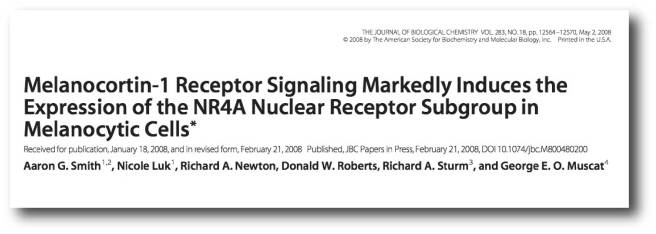
Title: Melanocortin-1 receptor signaling markedly induces the expression of the NR4A nuclear receptor subgroup in melanocytic cells.
Authors: Smith AG, Luk N, Newton RA, Roberts DW, Sturm RA, Muscat GE.
Journal: J Biol Chem. 2008 May 2;283(18):12564-70.
PMID: 18292087

In this study, the researchers found that activating MC1R increases the levels of a protein called NR4A2 (or Nurr1). Nurr1 is a protein involved in the development and maintenance of dopamine producing neurons, and numerous recent studies have suggested that it is neuroprotective for these cells as well (Click here to read more on this).

So what does it all mean?

For some time there has been a curious link between people with red hair, melanoma and Parkinson’s disease. Now researchers in Boston have provided new evidence that the link exists, but they have also highlighted a new pathway via which novel therapies for Parkinson’s disease might be researched and developed.  Not a bad day at the office.


The banner for today’s post was sourced from Fancy mice

Phase II trial launched for Nilotinib

DSK_4634s

Big news today from Georgetown University with the announcement that they will be starting a phase II trial for the cancer drug Nilotinib.

Click here to read the press release.

In this post we will discuss what has happened thus far and what the new trial will involve.


gt

Georgetown University (Washington DC). Source: Wallpapercave

In October 2015, researchers from Georgetown University announced the results of a small clinical trial at the Society for Neuroscience conference in Chicago.

It is no understatement to say that the results of that study got the Parkinson’s community very excited.

The study (see the abstract here) was a small clinical trial (12 subjects; 6 month study) that was aiming to determine the safety and efficacy of a cancer drug, Nilotinib (Tasigna® by Novartis), in advanced Parkinson’s Disease and Lewy body dementia patients. In addition to checking the safety of the drug, the researchers also tested cognition, motor skills and non-motor function in these patients and found 10 of the 12 patients reported meaningful clinical improvements.

In their presentation at the conference in Chicago, the investigators reported that one individual who had been confined to a wheelchair was able to walk again; while three others who could not talk before the study began were able to hold conversations. They suggested that participants who were still in the early stages of the disease responded best, as did those who had been diagnosed with Lewy body dementia.

The study involved the cancer drug Nilotinib.

What is Nilotinib?

Nilotinib (pronounced ‘nil-ot-in-ib’ and also known by its brand name Tasigna) is a small-molecule tyrosine kinase inhibitor, that has been approved for the treatment of imatinib-resistant chronic myelogenous leukemia (CML). That is to say, it is a drug that can be used to treat a type of leukemia when the other drugs have failed. It was approved for this treating cancer by the FDA in 2007.

How does Nilotinib work?

The researchers behind the study suggest that Nilotinib works by turning on autophagy – the “garbage disposal machinery” inside each neuron. Autophagy is a process that clears waste and toxic proteins from inside cells, preventing them from accumulating and possibly causing the death of the cell.

Print

The process of autophagy. Source: Wormbook

Waste material inside a cell is collected in membranes that form sacs (called vesicles). These vesicles then bind to another sac (called a lysosome) which contains enzymes that will breakdown and degrade the waste material.

The investigators believe that nilotinib may be helping in Parkinson’s disease, by clearing away the waste building up in cells – allowing the remaining cells to function more efficiently.

This is great, so what happened in 2016?

That’s a great question.

First, the results of the study being published (Click here to read those results). Second, the U.S. Food and Drug Administration (FDA) reviewed Georgetown’s investigational new drug application (IND) for nilotinib in Parkinson’s disease, and they informed the Georgetown University investigators that a new clinical trial could proceed.

But after that, there were whispers of issues and problems behind the scenes.

Back in August we wrote a post about the Phase II trial being delayed due to disagreements about the design of the study (Read that post by clicking here). Two separate research groups emerged from those disagreements (Georgetown University researchers themselves and a consortium including the Michael J Fox Foundation). Click here for the STAT website article outlining the background of the issues, and click here for the Michael J Fox Foundation statement regarding the situation. The Georgetown University team have a lot of leverage in this situation as they control the patent side of things (Click here to see the patent).

We are not sure what has happened since August, but the Georgetown University team has now announced that they are going to go ahead with a phase II trial to look at safety and efficacy of nilotinib in Parkinson’s disease.

What do we know about the new trial?

At the moment the details are basic:

The design of the study involves two parts:

In the first part of the study, one third of the participants receiving a low dose (150mg) of nilotinib, another third receiving a higher dose (300mg) of nilotinib and the final third will receive a placebo drug (a drug that has no bioactive effect to act as a control against the other two groups). The outcomes will be assessed clinically at six and 12 months by investigators who are blind to the treatment of each subject. These results will be compared to clinical assessments made at the start of the trial. (We are not sure if brain imaging – for example, a DATscan – will be included in the assessment, but it would be useful)

In the second part of the study, there will be a one-year open-label extension trial, in which all participants will be randomized given either the low dose (150mg) or high dose (300mg) of nilotinib. This extension is planned to start upon the completion of the first part (the placebo-controlled trial) to evaluate nilotinib’s long-term effects. (We are a little confused by this study design with regards to efficacy, but determining the safety issues of using nilotinib long term is important to establish).

We are not clear on how many subjects will be involved in the study or what the criteria for eligibility will be. All we can suggest is that if you are interested in finding out more about this new study, you can sign up here to receive more information as it becomes available.

 – – – – – – – – – – – – – –

Summing up, this is welcomed news for the Parkinson’s community as we will finally be able to determine if nilotinib is having positive effects in Parkinson’s disease. There have been some concerns raised that the effects of the drug in the first clinical study may have been the result of removing additional Parkinsonian treatments during the study (Click here for more on this). This new study will hopefully help to clarify things.

And fingers crossed provide us with a useful new treatment for Parkinson’s disease.


The banner for today’s post was sourced from William-Jon

New kiwi research in Parkinson’s disease

0f6b3c3205fbdc30c9216c205d1bc039

I really didn’t expect to be writing about Parkinson’s research being conducted in New Zealand again so quickly, but yesterday a new study was published which has a few people excited.

It presents evidence of how the disease may be spreading… using cells collected from people with Parkinson’s disease.

In today’s post we will review the study and discuss what it means for Parkinson’s disease.


022217_ts_zealandia_main_free

The South Island of NZ from orbit. Source: Sciencenews

We may have mentioned the protein Alpha synuclein once or twice on this blog.

For anyone familiar with the biology of Parkinson’s disease, alpha synuclein is a major player. It is either public enermy no.1 in the underlying pathology of this condition or else it is the ultimate ‘fall guy’, left standing in the crime scene holding the bloody knife.

Remind me, what is alpha synuclein?

Alpha synuclein is an extremely abundant protein in our brains – making up about 1% of all the proteins floating around in each neuron (one of the main types of cell in the brain).

In healthy brain cells, normal alpha synuclein is typically found just inside the surface of the membrane surrounding the cell body and in the tips of the branches extending from the cell (in structures called presynaptic terminals which are critical to passing messages between neurons).

And why is alpha synuclein important in Parkinson’s disease?

Genetic mutations account for 10-20% of the cases in Parkinson’s disease.

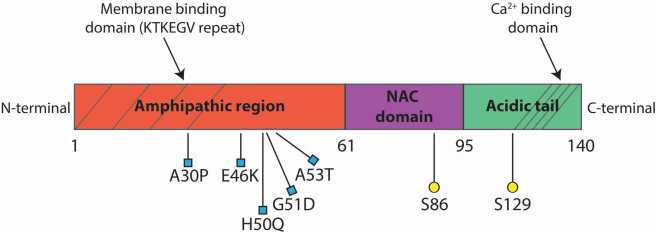
Five mutations in the alpha-synuclein gene have been identified which are associated with increased risk of Parkinson’s disease (A53T, A30P, E46K, H50Q, and G51D – these are coordinates for locations on the alpha synuclein gene). Rare duplication or triplication of the gene have also been associated with  Parkinson’s disease.

biomolecules-05-00865-g001

The structure of alpha synuclein protein – blue squares are mutations. Source: Mdpi

So genetically, alpha synuclein is associated with Parkinson’s disease. But it is also involved at the protein level.

In brains of many people with Parkinson’s disease, there are circular clumps of alpha synuclein (and other proteins) that collect inside cells. These clumps are called Lewy bodies. They are particularly abundant in areas of the brain that have suffered cell loss.

Fig2_v1c

A lewy body (brown with a black arrow) inside a cell. Source: Cure Dementia

No one has ever seen the process of Lewy body formation, so all we can do is speculate about how these aggregates develop. Currently there is a lot of evidence supporting the idea that alpha synuclein can be passed between cells. Once inside the new cell, the alpha synuclein helps to seed the formation of new Lewy bodies, and this is how the disease is believed to progress.

Mechanism of syunuclein propagation and fibrillization

The passing of alpha synuclein between brain cells. Source: Nature

Exactly how alpha synuclein is being passed between cells is the topic of much research at the moment. There are many theories and some results implicating methods such as direct penetration, or via a particular receptor. Perhaps even by a small package called an exosome being passed between cells (see image above).

How this occurs in the Parkinson’s disease brain, however, is unknown.

And this (almost) brings us to the kiwi scientists.

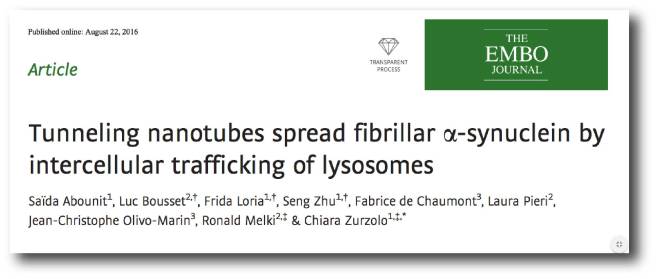
Last years, a group of Swiss scientists demonstrated that alpha synuclein could be passed between cells via ‘nanotubes’ – tiny tubes connecting between cells. The outlined their observations and results in this article:

switzerland
Title: Tunneling nanotubes spread fibrillar α-synuclein by intercellular trafficking of lysosomes.
Authors: Abounit S, Bousset L, Loria F, Zhu S, de Chaumont F, Pieri L, Olivo-Marin JC, Melki R, Zurzolo C.
Journal: EMBO J. 2016 Oct 4;35(19):2120-2138.
PMID: 27550960

The researchers who conducted this study were interested in tunneling nanotubes.

Yes, I know, ‘What are tunneling nanotubes?’

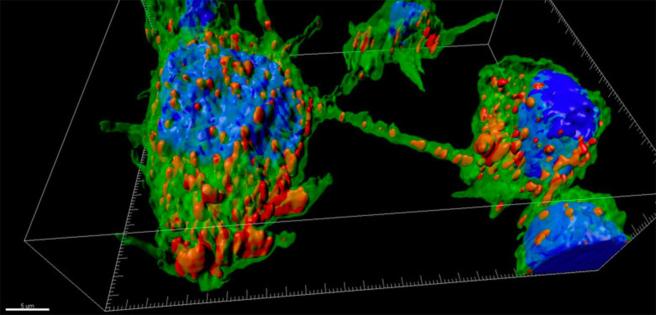
Tunneling nanotubes (also known as Membrane nanotubes or cytoneme are long protrusions extending from one cell membrane to another, allowing the two cells to share their contents. They can extend for long distances, sometimes over 100 μm – 0.1mm, but that’s a long way in the world of cells!

nanotubes

Tunneling nanotubes (arrows). Source: Wikipedia (and PLOSONE)

Previous studies had demonstrated that tunneling nanotubes can pass different infectious agents (HIV for example – click here to read more on this), supporting the idea that these structures could be a general conduit by certain diseases could be spreading.

nanotubes

A tunneling nanotube between two cells. Source: Pasteur

In their study the Swiss researchers found that alpha synuclein could be transferred between brain cells (grown in culture) via tunneling nanotubes. In addition, following that process of transfer, the alpha synuclein was able to induce the aggregation (or clumping) of the alpha synuclein in recipient cells.

A particularly interesting finding was that alpha synuclein appeared to encourage the appearance of tunneling nanotubes (there were more tunneling nanotubes apparent when cells produced more alpha synuclein). And the alpha synuclein that was being transferred was being passed on in ‘lysosomal vesicles’ – these are the rubbish bags of the cell (lysosomal vesicles are used to take proteins away for degradation).

Paints a rather insidious picture of the ‘ultimate fall guy’ huh!

And that image was made worse by the results published by the kiwis last night:

maurice

Title: α-synuclein transfer through tunneling nanotubes occurs in SH-SY5Y cells and primary brain pericytes from Parkinson’s disease patients
Authors: Dieriks BV, Park TI, Fourie C, Faull RL, Dragunow M, Curtis MA.
Journal: Scientific Reports, 7, Article number: 42984
PMID: 28230073                    (This article is OPEN ACCESS if you would like to read it)

In their study, the New Zealand scientists extended the Swiss research by looking at cells collected from people with Parkinson’s disease. The researchers took human brain pericytes, which were derived from the postmortem brains of people who died with Parkinson’s disease.

And before you ask: pericytes are cells that wrap around the cells lining small blood vessels. They are important to the development of new blood vessels and maintaining the structural integrity of microvasculature.

aa-pericit4ub6b

A pericyte (blue) hugging a blood vessel (red). Source: Xvivo

Pericytes contain alpha synuclein precipitates like those seen in neurons, and the kiwi scientists demonstrated that pericytes too can transfer alpha synuclein via tunneling nanotubes to neighbouring cells – representing a non-neuronal method of transport.

They also found that the transfer through the tunneling nanotubes can be very rapid – within 30 seconds – and the transferred alpha synuclein can hang around for more than 72 hours, suggesting that it is difficult for the receiving cell to dispose of. The researchers did note that the transfer through tunneling nanotubes occurred only in small subset of cells, but that this could explain the slow progression of Parkinson’s disease over time.

What does it all mean?

In order for us to truly tackle Parkinson’s disease and bring it under control, we need to know how this slowly progressing neurodegenerative condition is spreading. Some researchers in New Zealand have provided evidence involving cells collected from people with Parkinson’s disease that indicates one method by which the disease could be passed from one cell to another.

Tiny tunnels between cells, allowing material to be shared, could explain how the disease slowly progresses. The scientists observed the Parkinson’s associated protein alpha synuclein being passed between cells and then hanging around for more than a few days.

This method of transfer was made more interesting because the New Zealand researchers reported that non-neuronal cells (Pericytes, collected from people with Parkinson’s disease) could also form tunneling nanotubes. This observation raises questions as to what role non-neuronal cells could be playing in Parkinson’s disease.

This line of questions will obviously be followed up in future research, as will efforts to determine if tunneling nanotubes are actually present in the human brain or simply biological oddities present only in the culture dish. Demonstrating nanotubes in the brain will be difficult, but it would provide us with solid evidence that this method of disease transfer could be a bonafide cause of disease spread.

We watch with interest for further work in this area.


FULL DISCLOSURE: The author of this blog is a kiwi… and proud of it. He is familiar with the researchers who have conducted this research, but has had no communication with them regarding the publishing of this post. He simply thought that the results of their study would be of interest to the Parkinson’s community.


The banner for today’s post was sourced from Pinterest

HIV and Parkinson’s disease

hiv-aids-definition2


I was recently made aware of an interesting fact:

Approximately 5% of people with Human immunodeficiency virus (HIV) infections develop Parkinson’s disease-like features.

Why is this?

In today’s post we will try to understand what is going on, and what it may mean for Parkinson’s disease.


hiv-budding-colo2r

HIV (in green) budding (being released) from a blood cell (lymphocyte). Source: Wikipedia

Ok, let’s start at the beginning:

What is HIV?

Human immunodeficiency virus (or HIV) – as the name suggests – is the virus.

It causes the infection which gives rise to Acquired Immune Deficiency Syndrome (or AIDS). AIDS is a progressive failure of the immune system – the body loses its ability to fight infections. Without treatment, average survival period after infection with HIV is between 9 – 12 years.

HIV can be spread by the transfer of bodily fluids, such as blood and semen. The World Health Organisation (WHO) has estimated that approximately 36.9 million people worldwide were living with HIV/AIDS at the end of 2014 (that is equivalent to the entire population of Canada!).

hi-virion-structure_en-svg

The structure of the HIV virus. Source: Wikipedia

Does HIV affect the brain?

Yes.

At postmortem examinations, less than 10% of the brains from HIV infected individuals are histologically normal (Source).

HIV is a member of the lentivirus family of viruses, which readily infect immune cells (such as blood cells). HIV can also infect other types of cells though, including those in the brain. HIV will usually enter the central nervous system within the first month following infection. It enters the brain via infected blood cells which come into contact with brain ‘immune system/helper’ cells such as microglia and macrophages at the blood-brain-barrier.

f1-large

How HIV enters the brain. Source: Disease Models and Mechanisms

HIV can also infect astrocytes (albeit at a lower frequency than microglia and macrophages), by direct cell-cell contact with infected T cells (blood cells) at the blood-brain-barrier (No. 1 in the image above). After infecting astrocytes, there is dysfunction in the astrocyte and it will no longer be so supportive to the local neurons (No. 2 in the image above). Once inside the brain, HIV-infected macrophages will allow for infection of other macrophages and microglia (No. 3 in the image above), and all together these HIV-infected astrocytes and microglia will cause damage to neurons by releasing viral proteins (two in particular, called Tat and gp120) and additional nasty chemicals which are bad for the neurons (No. 4 in the image above). Finally, as the disease progresses, the protective layer of the blood-brain-barrier becomes compromised and HIV-infected T cells eventually enter the brain and they cause damage to neurons by releasing pro-inflammatory chemicals (making the environment harsh for neurons).

There is remarkably little evidence of HIV actually infecting neurons (Click here for a review on this), so any cell loss in the brain that is associated with HIV does not result from neurons themselves being infected. This may be due to the fact that neurons do not have the HIV receptors (such as CD4) on their cell membrane. Similarly, oligodendrocytes (a supporting cell) does not appear to be easily infected by HIV. The bulk of the infected cells in the brain appear to be of the microglial, macrophage and astrocytes. And without these supporting cells doing their jobs in a normal fashion, it is easy to see how neurons can start dying off.

The severity, characteristics and distribution of HIV-induced injury in the brain varies greatly between affected individuals. It is most likely associated with the viral load (or the number of viral particles) in the brain, which can vary from a few thousand to more than a million copies per mL.

Do HIV-infected people show any signs of the virus entering the brain?

For the majority of people infected with HIV, this entry of the virus into the nervous system is neurologically asymptomatic (meaning they will not notice it), except for the occasional mild headache (for more on this read this review). As a result of the HIV virus entering the brain, however, many infected individuals will suffer from a specific set of neurological disorders, collectively called the AIDS dementia complex (ADC) (also known as HIV-associated cognitive/motor complex, or simply HIV dementia).

So how does HIV infection result in Parkinson’s disease-like features?

As we have suggested in the introduction to this post, on rare occasions (approximately 5% of cases), HIV-infected patients may present an illness virtually identical to Parkinson’s disease. More commonly, people with HIV will exhibit an increased sensitivity to dopamine receptor-blocking agents, such as drugs with a low potential for inducing Parkinsonism, (for example prochlorperazine and metoclopropamide).

The exact mechanism by which HIV infection results in Parkinson’s disease-like features is the subject of debate, but what is clear is that the basal ganglia (a structure involved in Parkinson’s disease) faces the brunt of the HIV infection in the brain. HIV-infected microglia and macrophage are most prominent in the basal ganglia when compared to other brain regions (Click here and here for more on this), and the basal ganglia is where the chemical dopamine from the midbrain is being released.

In addition, there are other changes in the brains of HIV infected people which may aid in the appearance of Parkinsonian features:


viraltitle

Title: Increased frequency of alpha-synuclein in the substantia nigra in human immunodeficiency virusinfection.
Authors: Khanlou N, Moore DJ, Chana G, Cherner M, Lazzaretto D, Dawes S, Grant I, Masliah E, Everall IP; HNRC Group.
Journal: J Neurovirol. 2009 Apr;15(2):131-8.
PMID: 19115126       (This article is OPEN ACCESS if you would like to read it)

The researchers in this study used staining techniques to look at the amount of alpha synuclein – the Parkinson’s associated protein – in slices of brain tissue taken from postmortem autopsies of 73 HIV+ individuals aged between 50 and 76 years of age.

The presence of alpha synuclein in the substantia nigra (an area of the brain affected by Parkinson’s disease) was a lot higher in the HIV+ brains when compared with healthy control samples (16% of the HIV+ brains had high levels of alpha synclein vs 0% for the healthy brains).

Interestingly, nearly all of the brains analysed (35 out of 36 HIV+ brains) had high levels of the Alzheimer’s disease associated protein, beta amyloid (which again raises the question of whether beta amyloid could be playing a defensive role in infections – see our previous post on this). Also interesting, was that there was no correlation between these proteins being present and the age of the person at death – that is to say, older brains did not have more of these proteins when compared with younger brains.

There are also additional ways in which HIV could be causing Parkinson’s-like features, such as:

  • HIV has been shown to affect the protein levels of Parkinson’s disease associated proteins, such as DJ1 and Lrrk2 (Click here and here to read more on this).
  • HIV can, in some cases, increase the level of Dopamine transporter, which would reduce the levels of free floating dopamine in the brain (Click here to read more about this).

How is HIV treated?

aidspills

Treating HIV. Source: NPR

There is currently no cure for HIV infection.

There are, however, treatments which help to slow the virus down. These are called Anti-retroviral drugs (HIV is a retrovirus). There are different kinds of anti-retroviral drugs, which act at different stages of the HIV life cycle. Combinations of several anti-retroviral drugs (generally three or four) is known as ‘Highly Active Anti-Retroviral Therapy'(or HAART).

hiv-drug-classes-svg

Mechanism by which four classes of anti-retroviral drugs work against HIV. Source: Wikipedia

As the schematic image above highlights, there are many ways to slow down the HIV virus. For example, you can prevent it from attaching to a cell and fusing with the cell membrane (fusion inhibitors). By treating HIV infected people with multiple medications attacking different parts of the HIV life cycle, the virus has been slowed down.

Does HAART treatments for HIV help with these Parkinson’s-like features?

In some cases, the answer appears to be yes.

There are numerous case studies in the literature which demonstrate the alleviation of HIV-associated Parkinsonian symptoms with HAART, such as this report:
hersh

Title: Parkinsonism as the presenting manifestation of HIV infection: improvement on HAART.
Authors: Hersh BP, Rajendran PR, Battinelli D.
Journal: Neurology. 2001 Jan 23;56(2):278-9.
PMID: 11160977

In this study the researchers described the case of a 37 year old man who developed Parkinson’s like features in the setting of an HIV infection, which were resolved after 1 year of HAART.

Over a period of 4 months, the man developed co-ordination issue, clumsiness and an irregular tremor in his right hand (there was, however, no resting tremor). He noted a generalised slowness and exhibited a tendency towards decreased right arm swinging. He also developed dystonia in the right hand/arm. Following L-dopa treatment (25/100; one tablet 3x per day) there was improvement in balance & co-ordination, speech, facial expression, and the tremor (L-dopa does appear to improve most cases of HIV-associated Parkinson’s-like features).

Six months after first displaying these Parkinsonian features (and two month after initiating L-dopa treatment), the subject was placed on HAART treatment. Four months later, he discontinued L-dopa treatment and 12 months after starting the HAART regime his Parkinsonian features were largely resolved.

More case studies of HAART alleviating HIV-associated Parkinsonisms can be found by clicking here and here.

What does this mean for Parkinson’s disease?

This post was written for the research community rather than people with Parkinson’s disease. I thought the fact that some people with HIV can start to have Parkinson’s like features was an interesting curiosity and wanted to share/spread the information.

Having said that, this post raises some really interesting questions, such as if a virus like HIV can have this effect on the brain, could other viruses be having similar effects? Could some cases of Parkinson’s disease simply be the result of a viral infection? Either multiple hits from a particular virus or different viruses each taking a varying toll over the course of a life time.

This idea would explain many of the curious features of Parkinson’s disease, such as:

  • the asymmetry of the symptoms (people with Parkinson’s usually have the disease starting on one side of the body.
  • the fact that some cells in the brain are more vulnerable to the disease than others (perhaps they are more receptive to a particular virus).
  • the protein clusterings in the cells (Lewy bodies may be defensive efforts against viral infections).

As we have previous mentioned, theories of viral causes for Parkinson’s have been circulating ever since the 1918 flu pandemic (Click here to read our previous post on this topic). About the same time as the influenza virus was causing havoc around the world, another condition began to appear called ‘encephalitis lethargica‘. This disease left many of the victims in a statue-like condition, both motionless and speechless – similar to Parkinson’s disease. Initially, it was assumed that the influenza virus was the causal factor, but more recent research has left us not so sure anymore.

The point is, however, perhaps it is time for us to re-examine the possibility of a viral agent being involved in the development of Parkinson’s disease.

There is new technology that allows us to determine the viral history of each individual from a simple blood test (Click here for more on this), so it would be interesting to compare blood samples from people with Parkinson’s disease with healthy controls to determine any differences.

In addition to the overall question of a viral role in Parkinson’s disease, there also remains the question of why only a small fraction of people with HIV are affected by Parkinsonisms. It could be interesting to genetically screen those people with HIV that exhibit Parkinsonisms and compare them with people with HIV that do not. Do those affected individuals have recognised Parkinson’s related genetic mutations? Or do they have novel genetic variations that could tell us more about Parkinson’s disease?

Food for thought. Would be happy to hear others thoughts.


The banner for today’s post was sourced from AidsServices

PARIS is always a good idea

bzn8qhy

Audrey Hepburn was taking about the city when she uttered the words that title this post, but today we will be talking about the protein that bears the same name: PARIS.

Last week new research was published which demonstrated that in the absence of Parkin and Pink1 protein, the protein PARIS builds up and becomes toxic for cells.

Today’s post will review that research and we’ll discuss what it all means for Parkinson’s disease.


paris

No label required. A magnificent city. Source: HathawaysofHaworth

Today’s post has nothing to do with the city of Paris, but it is always nice to have photos of this European capital gracing the page.

We have recently discussed the Parkinson’s associated proteins Pink1 and Parkin (click here for that post). Today we will be revisiting these proteins as we discuss another protein that they interact with: PARIS (specifically PARIS1).

What is PARIS?

PARIS (aka TBC1D2 or TBC1 Domain Family Member 2) is a GTPase-activating protein.

What does that mean?

Getting a signal from outside of a cell into the interior is a complicated affair. There are numerous ways to do it, but one of the most common involves ‘G-proteins‘. These are involved with transmitting a signal from the outside of a cell into the interior, and when inside the cell G-proteins act as molecular switches.

G-proteins are located inside the cell membrane and are activated by G-protein-coupled receptors. When a signaling molecule binds to the G-protein-coupled receptor on the outside of the cell membrane, the portion of the receptor inside the cell activates the G-protein which then starts of a chain of events resulting in the signal being passed on.

11_07bgprotcoupledrec-l

Source: Bio1151

The role of GTPase-Activating Proteins in this process is to turn the G protein’s activity off. In step 4 of the image above, a GTPase-Activating Protein (which is not shown) binds to the G-protein and terminate the activity of the signalling event – returning it to an inactive state.

Thus, GTPase-Activating Proteins – like PARIS – are important regulators of signalling inside the cell.

What do we know about PARIS1 in Parkinson’s disease?

So a few years ago, a group of researchers led by Prof Ted Dawson at John Hopkins School of Medicine published this study:

cell

Title: PARIS (ZNF746) repression of PGC-1α contributes to neurodegeneration in Parkinson’s disease.
Authors: Shin JH, Ko HS, Kang H, Lee Y, Lee YI, Pletinkova O, Troconso JC, Dawson VL, Dawson TM.
Journal: Cell. 2011 Mar 4;144(5):689-702.
PMID: 21376232        (This article is OPEN ACCESS if you would like to read it)

In this study, the researchers noticed that the protein PARIS was accumulating in cells that did not have the Parkinson’s associated protein, Parkin. In those cells, the Parkin gene was mutated so that the Parkin protein was not produced properly. The researchers discovered that Parkin was important for labelling old PARIS protein for disposal. Thus in the absence of Parkin, PARIS protein would not be disposed of and simply piled up.

This build up of PARIS resulted in the loss of dopamine neurons in mice that did not produce Parkin. When the researchers re-introduced normal Parkin protein, the researchers were able to rescue the cell loss. Interestingly, the researchers also found that over production of PARIS in normal mice resulted in cell loss which could be rescued by a similar over production of Parkin.

When they looked in postmortem human brains, the researchers found that levels of PARIS protein were more than two times higher in regions affected by Parkinson’s disease (the striatum and the substantia nigra) of people with sporadic Parkinson’s disease when compared to healthy controls. Interestingly, this increase was only seen with PARIS protein, and not PARIS RNA (where the scientists saw no different with control samples), suggesting a build up of PARIS protein in the Parkinsonian brain.

The investigators concluded that this meant PARIS was could be playing a role in the cell loss associated with Parkinson’s disease.

They followed up this research a few years later with this publication:

parkins

Title: Parkin loss leads to PARIS-dependent declines in mitochondrial mass and respiration.
Authors: Stevens DA, Lee Y, Kang HC, Lee BD, Lee YI, Bower A, Jiang H, Kang SU, Andrabi SA, Dawson VL, Shin JH, Dawson TM.
Journal: Proc Natl Acad Sci U S A. 2015 Sep 15;112(37):11696-701.
PMID: 26324925     (This article is OPEN ACCESS if you would like to read it)

In this study, the same researchers found that when they remove the Parkin protein from the brains of adult mice there would be a decrease in the size and number of mitochondria. We have previous discussed mitochondria – the power stations of the cell – and their loss is bad news for a cell (click here to read more on mitochondria).

The researchers next demonstrated that this loss of mitochondria could reversed by removing PARIS protein from the Parkin mutant mice, and this prevented the loss of dopamine neurons. They also showed that the loss of mitochondria (and loss of dopamine neurons) could be caused by over production of PARIS in normal mice.

These results pointed towards an important role for both Parkin and PARIS in the maintenance of healthy mitochondria.

So what new research has been published about PARIS1?

This study was published last week:

dawson

Title: PINK1 Primes Parkin-Mediated Ubiquitination of PARIS in Dopaminergic Neuronal Survival.
Authors: Lee Y, Stevens DA, Kang SU, Jiang H, Lee YI, Ko HS, Scarffe LA, Umanah GE, Kang H, Ham S, Kam TI, Allen K, Brahmachari S, Kim JW, Neifert S, Yun SP, Fiesel FC, Springer W, Dawson VL, Shin JH, Dawson TM.
Journal: Cell Rep. 2017 Jan 24;18(4):918-932.
PMID: 28122242       (This article is OPEN ACCESS if you would like to read it)

In their study the researchers found that Parkin is not the only Parkinson’s associated protein in the PARIS story.

We have previously talked about the protein Pink1 (click here to read more on) – and yes, you would be forgiven if you start to think that all Parkinson’s related proteins start with the latter ‘P’. Pink1 grabs Parkin and causes it to bind to dysfunctional mitochondria. Parkin then signals to the rest of the cell for that particular mitochondria to be disposed of. In this study, the researchers found that Pink1 also grabs PARIS and signals for Parkin to dispose of it. In the absence of Pink1, normal Parkin protein does not label old PARIS protein for disposal and PARIS starts to pile up.

The researchers then began manipulating the levels of Pink in the brains of mice and they observed PARIS-dependent cell loss – that is to say, in the absence of Pink1, cells died only when PARIS was present.

These findings suggest that therapies targeting PARIS could be used in people with Parkinson’s disease who are carrying either a Parkin or a Pink1 mutation (both very common in early onset Parkinson’s disease).

What does it all mean?

People with early onset Parkinson’s disease quite often have a genetic mutation in one of a small number of genes – Pink1 and Parkin being prominent amongst these genes. The researchers who conducted the study that we have reviewed today have identified a common mechanism by which both of these proteins could be acting in their roles in Parkinson’s disease: a protein called PARIS.

Currently there is no treatment (that we are aware of) that targets the PARIS protein – nothing in the clinic nor being experimentally tested. Obviously, however, PARIS represents a VERY interesting protein for further investigations. The Dawson lab has several patents on PARIS (Click here and here for more on these), so evidently people will be working on drug candidates that inhibit PARIS.

There is a naturally occurring inhibitor, a micro RNA cluster miR-17-92 (also known as oncomir-1), which reduces the production of PARIS protein by blocking PARIS RNA (Click here for more on this). Using this micro RNA to target PARIS will be very difficult (both activating/delivering the micro RNA and unknown off target effects).

We are assuming that Prof Dawson and colleagues are rapidly screening compounds to determine which can block or inhibit PARIS activity and we will eagerly wait to see the results of that work.

Watch this space.


The banner for today’s post was sourced from Wallpapercave


EDITORIAL NOTE: Yay, 100 posts!

A smartphone application for Parkinson’s disease

umotif

Here at the SoPD, we like our gadgets and new technology.

And we believe that there is enormous potential for people with Parkinson’s disease to benefit hugely even from some of the small technological advances that seem to be occurring on a day basis.

Today’s post will review a recent study that looked at tested the benefits of a smartphone application for people with Parkinson’s disease.


selfcare-infographic-english

A schematic illustrating the limited monitoring of Parkinson’s. Source: Riggare

On her great blog, Swedish engineer and ‘proud mother’ Sara Riggare posted the image above to illustrate the ridiculous current situation regarding the standard monitoring of Parkinson’s disease.

As the schematic perfectly illustrates, in 2014 Sara spent 8,765 hours conducting ‘self care’. That is, she was applying her own knowledge and experience to managing her Parkinson’s disease. For just one hour in that year was her Parkinson’s actually being monitored by a medical clinician (8,766 being the number of hours in a year).

This is actually a very serious problem – for not only the Parkinson’s community – but anyone suffering from a long-term medical condition. How are they to gage their current situation on a day to day basis when they have such infrequent visits to their medical specialist?

And this is where technology can help.

But, before we begin:

FULL DISCLOSURE NO.1: the author of this blog is an author in the study that will be discussed (#ThisIsNotShamelessSelfPromotion).

FULL DISCLOSURE NO.2: We here at the SoPD are in no way benefitting from mentioning the study here. The company behind the product, umotif, has not asked us nor been contacted by us regarding this post (in fact, they are completely unaware that we are posting this). We are writing this post simply because we thought that it would be of interest to the wider Parkinson’s community. And yes, as other technology comes to along, we will bring it to you attention by posting about it here.

With all of that out of the way, the study is AMAZING!

smart

Title: Using a smartphone based self-management platform to support medication adherence and clinical consultation in Parkinson’s disease: Results from the SMART-PD Randomised Controlled Trial v4.
Authors: Lakshminarayana R, Wang D, Burn D, Barker RA, Chaudhuri KR, Galtrey C, van Guzman N, Hellman B, Pal S, Stamford J, Steiger M, Stott SRW, Teo J, Barker RA, Wang E, Bloem BR, van der Eijk M, Rochester L, & Williams A
Journal: NPJ Parkinson’s disease (2017), 3, 2.
PMID: N/A          (This article is OPEN ACCESS if you would like to read it)

The company behind the application approached various clinical research groups around the UK and proposed to run a study of their new product. The software had many features (including information about medication, a reminder alarm for when medication should be taken, tests/games, and links to other resources online).

41531_2016_3_fig4_html

A programmable reminder system for medication. Source: Nature

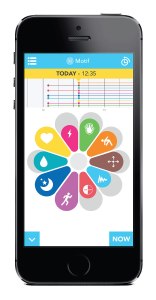
The primary focus of the software, however, was a flower-petal shaped motif that the participants could manipulate to indicate how they were feeling.

umotif-app-screenshot-2

The umotif flower motif. Source: SalusDigital

Participants could drag each coloured petal in or out to indicate how they were feeling at a particular moment in time. The smaller the petal, the more lower the score. And each petal represented different aspects of daily life, for example the moon and stars (dark blue) petal allowed an indication of how one slept.

Each time the participant indicated their current status on the flower motif, the information was recorded and could be tracked over days, weeks, and months. This level of information allowed people to begin to see patterns in their own behaviour over time, with some people getting poorer sleep during the middle of the month for example. And different variables could be compared (such as sleep score with exercise score), providing users with a more dynamic idea of their situation over time.

41531_2016_3_fig5_html-1

Comparing scores between measures over time. Source: Nature

A total of 215 people with Parkinson’s disease were randomly assigned to either receive the application (106 subjects) or not (acting as a control subject; 109 subjects). Both groups were contacted by the investigators fours times during the 16 week trial and feedback was provided in addition to any changes in their treatment regimes.

72% of participants application group continued to use and engage with the application throughout the 16-week trial. By the end of the study, the application group demonstrated significantly improved adherence to their treatment regime when compared to the control group. Curiously, the application also significantly improved patients’ perception of quality of follow up consultations, demonstrating unexpected benefits.

And at the end of the study all of the control group participants in the study were allowed to begin using the application, while the application group continued to use it.

One interesting aspect of the study was the lack of interaction with technology by the target population. 180 people who were initially invited to take part in the study could not because they did not have smartphones (with iPhone/iPad or Android operating systems). So obviously there are opportunities for alternative approaches to this kind of tracking (other than a smartphone).

What does it all mean?

This smartphone application is a user friendly approach to tracking someone’s Parkinson’s over time, getting around the ‘lack of monitoring’ issue that concerns many in the community.

Umotif and Parkinson’s UK have kindly made this video about the study results so we might just sit back and let them explain what it all means and point out all of the benefits.

We are working on additional posts about wearable tech for Parkinson’s disease, which will be coming soon.

So stay tuned.


The banner for today’s post was sourced from ParkinsonsMovement

The Dogfish solution for Parkinson’s

Spiny dogfish 096

This week an interesting study was published in the scientific journal, Proceedings of the National Academy of SciencesIt involved our old friend, alpha synuclein – the aggregating protein that is associated with Parkinson’s disease – and the dogfish shark.

Not natural dance partners, I agree. But the findings of the study are very interesting.

In today’s post we will review the study and explain the connection between the protein and the shark.


spiny-dogfish-shark-622x363

Source: Discovery

Some people call them spiny dogfish.

Others call them Spurdogs. Or Mud shark. Or even Piked dogfish.

Call them what you will – in the scientific realm they are referred to as Squalus acanthias. They are one of the most common members of the Squalide (dogfish) family of sharks. In the wild, Squalus acanthias are found in shallow waters, but can be seen further offshore in more temperate latitudes. They are relatively harmless to humans, but they do have venom in their rear fin – when under attack, the dogfish shark will arch its back and pierce/poison its attacker (so beware!).

Interesting, but what is the connection with Parkinson’s disease?

Good question.

So here’s the thing about dogfish sharks: they are extremely hardy when it comes to infection.

They don’t really get sick all that often. And this is despite having a relatively “primitive” immune system (Click here to read more on this). A team led by Prof Michael Zasloff (of Georgetown University) discovered that a chemical called ‘Squalamine’ may be one of the reasons for this robustness.

What is Squalamine?

Squalamine is steroid with a wide range of antimicrobial activity. Steroids are used as a treatment for certain inflammatory conditions, but the research published this week suggests another property for Squalamine.

This is the research article that was published:

pnas-dobson

Title: A natural product inhibits the initiation of α-synuclein aggregation and suppresses its toxicity
Authors: Perni M, Galvagnion C, Maltsev A, Meisl G, Müller MB, Challa PK, Kirkegaard JB, Flagmeier P, Cohen SI, Cascella R, Chen SW, Limboker R, Sormanni P, Heller GT, Aprile FA, Cremades N, Cecchi C, Chiti F, Nollen EA, Knowles TP, Vendruscolo M, Bax A, Zasloff M, Dobson CM.
Journal: PNAS 2017; doi:10.1073/pnas.1610586114
PMID: 28096355             (this article is OPEN ACCESS if you would like to read it)

In this study, the researchers discovered that squalamine can actually block alpha synuclein from aggregating (that is clumping together). They treated human cells (that produce too much alpha synuclein, which ultimately kills them) in culture with squalamine and they observed an almost complete suppression of the toxic effect of alpha synuclein.

c_elegans

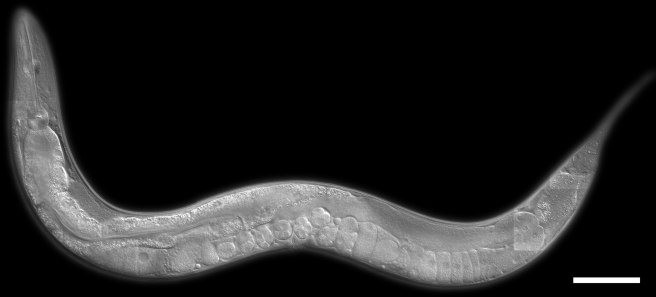
Caenorhabditis elegans – cute huh? Source: Nematode

The researchers next looked at the effects of squalamine in a microscopic worm called Caenorhabditis elegans . These tiny creatures are widely used in biology because they can be easily genetically manipulated and their nervous system is very simple and well mapped out (they have just 302 neurons and 56 glial cells!). The particular strain of Caenorhabditis elegans used in this current study produced enormous amounts of alpha synuclein, which results in muscle paralysis.

By treating the worms with squalamine, the researchers observed a dramatic reduction of alpha synuclein protein aggregating and an almost complete elimination of the muscle paralysis. In addition, they noted a reduction in the cellular damage caused by the aggregation of alpha synuclein. All in all, a pretty impression result! The researchers suggested that their findings indicate that “squalamine could be a means of therapeutic intervention in Parkinson’s disease”.

So is squalamine being tested in the clinic?

The answer is: Yes, but not for Parkinson’s disease.

There is currently a clinical trial for squalamine in people with neovascular age-related macular degeneration – a condition of the eye (click here for more information about that trial). This work is being carried out by a company called Ohr Pharmaceuticals and as far as we are aware all of their work is focused on eye treatments. Squalamine has also been tested in clinical studies of fungal infection of the scalp – tinea capitis – and appeared to be well tolerated (Click here for more information).

Regarding Parkinson’s disease, there is just one small problem:

Squalamine doesn’t cross the blood-brain barrier
(click here to read more on this)

The blood brain barrier is a membrane that covers and protects the brain. It limits what chemicals can enter (or leave) the brain. Squalamine is one chemical that the blood brain barrier won’t let into the brain.

But this is not the end of the world!

Prof Zasloff and colleagues have designed a drug very similar to Squalamine, which they have called MSI-1436 which is currently being tested. And the good news is that it can cross the blood brain barrier (Click here to read more on this). MSI-1436 appears to exhibit potent appetite suppression and anti-diabetic properties when injected in animals. MSI-1436 has been clinically tested (phase 1) for tolerance in diabetes with obesity (Click here to see the details of that trial), but that clinical trial was conducted in 2008-9 and the results are still not available. The company behind the trial, ‘Genaera Corp’, has since been shut down (Click here for more on this), and we are unaware of any follow up clinical work on this drug.

What does it all mean?

Well, the researchers in this study have found a chemical (squalamine) which is able to prevent alpha synuclein from aggregating – which is believed to be one the underlying processes in Parkinson’s disease. This means that we have another experimental therapy to add to the growing arsenal of potential future Parkinson’s disease treatments.

It is important to appreciate, however, that this is the first time this result has been shown and what we need to see now is independent replication of these results. This follow-up work will also need to involve squalamine being tested in a more advanced animal model of Parkinson’s disease (worms are cute and all, but there is only so much data we can get from them!). In addition, if squalamine (or MSI-1436) has a future in treating Parkinson’s disease, we will need to better investigate the weight-loss properties of this chemical as this would not be an ideal side effect for people with Parkinson’s disease.

As this research progresses on squalamine, we’ll report it here.

Watch this space.


UPDATE – 16th May, 2016

Wow! So this is all happening very fast.

Today, Enterin Inc. has just enrolled their first patient in the RASMET study: a Phase 1/2a randomised, controlled, multi-center clinical study evaluating synthetic squalamine in people with PD. The study will enrol 50 patients over a 9-to-12-month period (Click here for the press release).

We’ll continue to watch this space… things appear to be moving very quick here!


The banner for today’s post was sourced from X-ray Mag

An interesting commentary on the interpretation of the Nilotinib trial results

DSK_4634s

“The devil is in the detail”

A frequently used quote and sage words when analysing scientific data, especially clinical trial data.

Nilotinib is a cancer drug from Novartis that has the Parkinson’s community very excited. In October 2015, researchers at Georgetown University announced that a phase 1 open-label clinical study involving 12 people with Parkinson’s had demonstrated some pretty impressive results (click here to read more about this). The results of that first clinical trial have been published (click here to read more on this), but follow up studies have been hampered by study design issues (click here for more on this).

Today a letter to the editor of the Journal of Parkinson’s disease (published in this months issue) was brought to our attention (click here to read the letter). It queries one important aspect of the results from that first Nilotinib clinical trial for Parkinson’s disease.

In the letter, Prof Michael Schwarzschild of Massachusetts General Hospital (Boston) notes that 8 of the 11 subjects in the study had their monoamine oxidase-B (MAO-B) inhibitor treatment withdrawn less than a month after starting the trial. The change of treatment regime was made due to “increased psychosis in the first 2–4 weeks after Nilotinib administration”.


For reasons which we will outline below, a small change like this in a clinical trial could have major implications for the end results.

What are MAO-B inhibitors?

After the chemical dopamine is used by a neuron, it is reabsorbed by the dopamine cell and broken down for disposal. MAO-B is the enzyme that breaks down dopamine.

maoi-inhibitor
Selegiline is an example of a MAO-B inhibitor. Source: KnowMental

As the schematic above illustrates, dopamine is released by dopamine neurons and then binds to a receptor on a neighbouring cell. After this process has occurred, the dopamine detaches and it is reabsorbed by the dopamine neuron via a particular pathway called the dopamine transporter. Back inside the dopamine cell, dopamine is quickly broken down by the enzyme MAO-B into 3,4-Dihydroxyphenylacetic acid (or DOPAC).

Now, by blocking MAO-B, more dopamine is left hanging around inside the cell where it can be recycled and used again. Thus, this blockade increases the level of dopamine in the brain, which helps with alleviating the motor features of Parkinson’s disease. This simple concept has lead to the development of MAO-B inhibitors which are used in the treatment of the condition.

Why is this important to the Nilotinib results?

Dopamine is broken down by MAO-B into DOPAC. DOPAC can be further broken down into Homovanillic acid (HVA), and both DOPAC and HVA are often used in research studies to indicate levels of dopamine activity. Higher levels of both (in theory) should indicate higher levels of dopamine. It is a means of inferring greater dopamine production.

In the published results of the Nilotinib clinical trial, the researchers used increased HVA levels as an indication of greater dopamine production as a result of taking Nilotinib. But Prof Schwarzschild is correct in providing a cautionary warning of over-interpreting this result. You see, by discontinuing the treatment of MAO-B inhibitors shortly after starting the study, one would expect to see a rise in HVA levels regardless of any effect Nilotinib may be having. Without the MAO-B inhibitors, more dopamine will be broken down thus resulting in increased levels of HVA (compared to the baseline measurements at the start of the study).

And this issue is particularly important since HVA measurements taken at the start of the study (before the MAO-B inhibitors were removed) were compared with HVA measurement taken at the end of the study.

Another commentary discussing the Nilotinib results published in July of last year (in the same journal) actually questioned the value of measuring HVA levels, saying that prior studies have suggested that HVA levels can vary greatly between subjects at similar disease stages, and in general do not correlate well with disease progression.

Whether the removal of MAO-B inhibitors alters the overall interpretation of the first clinical study results is a subject for debate. Something interesting did appear to be happening in the participants involved in the first trial (whether this could have been a placebo effect could also be debated). Obviously, as Prof Schwarzschild’s letter indicates, what we really require now is a carefully designed, placebo-controlled, randomised clinical trial to determine if the initial results can be replicated.

And we are still awaiting news regarding a start date for that delayed trial.

Improving the SoPD blog – any thoughts?

improve-yourself1

It has been a week since we posted our discussion regarding where we think things are going in 2017 in the world of Parkinson’s disease research. Today’s short post is a follow up piece on how we can improve the SoPD blog.

Specifically, we would like to ask for your thoughts as to what particular improvements you would like to this on this blog.


cwk7va-xgaa-vip

PPI in action. Source: Parkinson’s UK

Patient and public involvement (PPI)

PPI is a big deal in the world of Parkinson’s research.

It involves researchers and people affected by Parkinson’s disease (both sufferers and carers/family/friends) work in partnership to plan, design, implement, manage, evaluate and disseminate research. It is a win-win situation for everyone involved as it seeks to achieve a more patient-centric approach to the research.

Parkinson’s UK provides lots of very useful information on PPI (Click here to read more).

Here at SoPD, we see great value in PPI and we would like to embrace it by asking for your feedback on what we are doing here.

It is very easy in science to get very exciting about the details and fail to see the big picture (a ‘not seeing the forest for the trees’ scenario). This situation can make us blind to what the reader of this blog may be looking for. Similarly, we have certain ideas about how this blog is developing and where it could be going which may not be the best way to serve the Parkinson’s community.

So in this post, we will review where things at the SoPD currently stand, and then what future plans are being developed, before we then invite your feedback.

sotu201211

The State of the Union address. Source: Tngop

So lets begin with where we are at present.

The state of the blog:

The blog has been running since the 9th Sept, 2015. We currently have 90 posts dealing with all manner of Parkinson’s disease research-related content. If you are interested in a particular topic, you can use our site map page to search for key words across all of those post.

In addition, we have a menu bar of key topics related to Parkinson’s disease, such as dopamine and tremor. We also have a page of lectures that we would like to expand in the new year.

The post are usually focused around a particular topic, recent research publication, or clinical trial. We try to provide an easy to understand background on the topic before delving into what new discovery or result has been announced. At the end of each post, we try to sum up what it all means for the Parkinson’s community.

For shorter and more regular updates, we also have a twitter account that you can follow.

Future directions:

In this new year, we are planning to:

  • add more pages to our menu bar dealing with key aspects of Parkinson’s disease (such as “what is a Lewy body?”)
  • encourage great involvement and participation in Parkinson’s research
  • put some videos on the site which will explain some of the more commonly asked questions regarding Parkinson’s disease.

There are some other ideas, but these are the ones we are prepared to put on paper and be held to.

And this brings us to your feedback.

maxresdefault

Source: Youtube

What improvements can we make?

We are seeking feedback here – either in the comments section below or by contacting us directly by email – regarding what features or changes you would like to see on this blog.

Specifically:

  • what could we improve or do better that we currently do on the blog?
  • what new features could we add?
  • are there alternative ways of bringing the same information to you that would be better/easier for you to consume?

Any and all thoughts would be greatly appreciated. Please help us to improve the service we are providing.

We look forward to hearing from you.

The team at SoPD


The banner for today’s post was sourced from OnthecontraryKelly