Inhibiting LRRK2: The Denali Phase I results

Denali

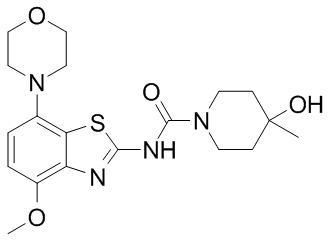
This week Denali Therapeutics released the results of a phase I clinical trial of their primary product, called DNL-201.

DNL-201 is a LRRK2 inhibitor that the company is attempting to take to the clinic for Parkinson’s disease. 

In today’s post we will look at what LRRK2 is, how an inhibitor might help in Parkinson’s, and what the results of the trial actually mean.


Wonder_Lake_and_Denali

Denali. Source: Wikipedia

Denali (Koyukon for “the high one”; also known as Mount McKinley) in Alaska is the highest mountain peak in North America, with a summit elevation of 20,310 feet (6,190 m) above sea level. The first verified ascent to Denali’s summit occurred on June 7, 1913, by four climbers Hudson Stuck, Harry Karstens, Walter Harper, and Robert Tatum.

Tatum (left), Karstens (middle), and Harper (right). Source: Gutenberg

Robert Tatum later commented, “The view from the top of Mount McKinley is like looking out the windows of Heaven!”

More recently another adventurous group associated with ‘Denali’ have been trying to scale lofty heights, but of a completely different sort from the mountaineering kind.

Continue reading “Inhibiting LRRK2: The Denali Phase I results”

A virtual reality for Parkinson’s: Keapstone

parkinsons_virtual_biotech_graphic

In 2017, Parkinson’s UK – the largest charitable funder of Parkinson’s disease research in Europe – took a bold step forward in their efforts to find novel therapies.

In addition to funding a wide range of small and large academic research projects and supporting clinical trials, they have also decided to set up ‘virtual biotech’ companies – providing focused efforts to develop new drugs for Parkinson’s, targeting very specific therapeutic areas.

In today’s post we will look at the science behind their first virtual biotech company: Keapstone.


Virtual_Reality_Oculus_Rift

A virtual world of bioscience. Source: Cast-Pharma

I have previously discussed the fantastic Parkinson’s-related research being conducted at Sheffield University (Click here to read that post). Particularly at the Sheffield Institute for Translational Neuroscience (SITraN) which was opened in 2010 by Her Majesty The Queen. It is the first European Institute purpose-built and dedicated to basic and clinical research into Motor Neuron Disease as well as other neurodegenerative disorders such as Parkinson’s and Alzheimer’s disease.

The research being conducted at the SITraN has given rise to multiple lines of research following up interesting drug candidates which are gradually being taken to the clinic for various conditions, including Parkinson’s.

It’s all very impressive.

And apparently I’m not the only one who thought it was impressive.

Continue reading “A virtual reality for Parkinson’s: Keapstone”

The Acorda’s Tozadenant Phase III clinical trials

The biotech company Acorda Therapeutics Inc. yesterday announced that it was halting new recruitment for the phase III program of its drug Tozadenant (an oral adenosine A2a receptor antagonist).

In addition, participants currently enrolled in the trial will now have their blood monitoring conducted on a weekly basis. 

The initial report looks really bad (tragically five people have died), but does this tragic news mean that the drug should be disregarded?

In todays post, we will look at what adenosine A2a receptor antagonists are, how they may help with Parkinson’s, and discuss what has happened with this particular trial.


Dr Ron Cohen, CEO of Acorda. Source: EndpointNews

Founded in 1995, Acorda Therapeutics Ltd is a biotechnology company that is focused on developing therapies that restore function and improve the lives of people with neurological disorders, particularly Parkinson’s disease.

Earlier this year, they had positive results in their phase III clinical trial of Inbrija (formerly known as CVT-301 – Click here to read a previous post about this). They have subsequently filed a New Drug Application with the US Food and Drug Administration (FDA) to make this inhalable form of L-dopa available in the clinic, but the application has been delayed due to manufacturing concerns from the FDA (Click here to read more about this). These issues should be solvable – the company and the FDA are working together on these matters – and the product will hopefully be available in the new year.

So what was the news yesterday?

Acorda Therapeutics has another experimental product going through the clinical trial process for Parkinson’s disease.

It’s called Tozadenant.

Source: Focusbio

Tozadenant is an oral adenosine A2a receptor antagonist (and yes, we’ll discuss what all that means in a moment).

Yesterday Acorda Therapeutics Inc announced that they have halted new recruitment for their phase III clinical program. In addition the company is increasing the frequency of blood cell count monitoring (from monthly to weekly) for participants already enrolled in the company’s Phase 3 program of Tozadenant for Parkinson’s disease.

The Company took this action due to reports of cases of agranulocytosis.

Continue reading “The Acorda’s Tozadenant Phase III clinical trials”