Planet Researcher to Planet Patient

Planet

This is Mariëtte Robijn:

photo

She’s really ‘leuk’ (Dutch for nice).

Diagnosed at 46 with Parkinson’s, Mariëtte keeps a great blog that touches on many areas of life, including boxing. But it also provides her with a medium to discuss how she lives with Parkinson’s (you should follow her if you don’t already).


In a recent post on her blog – called “Planet Patient vs Planet Researcher” – Mariëtte asks ‘are we really so very different, we patients and researchers?

Her answer is ‘Yes!‘ and she listed 10 areas where the differences are apparent.

Mariëtte’s points are made from an educated point of view – she is a very dedicated Parkinson’s research advocate.

Reading through her post, however, I saw it as a nice opportunity to provide the view of things from the other world (Planet Researcher). So, with her permission, I have copied her 10 points here and I have tried to provide a Planet Researcher view of her thoughts (below in red). And I should add that I do not speak for everyone on Planet Researcher – my views are simply that: mine.

Continue reading “Planet Researcher to Planet Patient”

When SERCA goes berserker

In a recent SoPD post, we discussed the importance of calcium and looked at how it interacts with the Parkinson’s-associated protein alpha synuclein, affecting the function and clustering of that protein.

During the writing of that post, another interesting research report was published on the same topic of calcium and alpha synuclein. It involved a different aspect of biology in the cell – a structure called the endoplasmic reticulum – but the findings of that study could also explain some aspects of Parkinson’s.

In today’s post, we will review the new research report, consider the biology behind the findings and how it could relate to Parkinson’s, and discuss how this new information could be used.


The original berserker. Source: Wikipedia

I can remember my father often saying “If you kids don’t be quiet, I’ll go berserk!”

Growing up, I never questioned the meaning of the word ‘berserk‘.

I simply took it as defining the state of mindless madness that my dad could potentially enter if we – his off-spring – pushed him a wee bit too far (and for the record, Dad actually ‘going berserk’ was a very rare event).

My father. But only on the odd occasion. Source: Screenrant

But now as I find myself repeating these same words to my own off-spring, I am left wondering what on Earth it actually means?

What is ‘berserk‘?

Continue reading “When SERCA goes berserker”

Monthly Research Review – April 2018

At the end of each month the SoPD writes a post which provides an overview of some of the major pieces of Parkinson’s-related research that were made available during April 2018.

The post is divided into five parts based on the type of research (Basic biology, disease mechanism, clinical research, other news, and a new feature: Review articles/videos). 


So, what happened during April 2018?

In world news:

  • April 4–15th – The 2018 Commonwealth Games were held in Gold Coast, Queensland, Australia (New Zealand came 5th in the medals tally… not bragging, just saying).

Source: Vimeo

  • April 27th – Kim Jong-un crosses into South Korea to meet with President Moon Jae-in, becoming the first North Korean leader to cross the Demilitarised Zone since its creation in 1953. In initial small steps towards reconciliation, South Korea said it would remove loudspeakers that blare propaganda across the border, while North Korea said it would shift its clocks to align with its southern neighbour.

BFFs? Source: QZ

Source: Plus

  • And finally the city of Trier in Germany is already struggling to keep up with demand for ‘0-euro’ notes, bearing the face of its most famous son and communism’s creator Karl Marx. Sold for 3 euros each, the notes are part of celebrations for his 200th birthday (5th May 1818).

You get what you pay for. Source: DDR

In the world of Parkinson’s research, a great deal of new research and news was reported:

Continue reading “Monthly Research Review – April 2018”

The road ahead: Parkinson’s research in 2018

The great ice hockey player Wayne Gretzky once said “A good hockey player plays where the puck is. A great hockey player plays where the puck is going to be” (the original quote actually came from his father, Walter). 

At the start of each year, it is a useful practise to layout what is planned for the next 12 months. This can help us better anticipate where ‘the puck’ will be, and allow us to prepare for things further ahead.

2017 was an incredible year for Parkinson’s research, and there is a lot already in place to suggest that 2018 is going to be just as good (if not better).

In this post, we will lay out what we can expect over the next 12 months with regards to the Parkinson’s-related clinical trials research of new therapies.


Charlie Munger (left) and Warren Buffett. Source: Youtube

Many readers will be familiar with the name Warren Buffett.

The charming, folksy “Oracle of Omaha” is one of the wealthiest men in the world. And he is well known for his witticisms about investing, business and life in general.

Warren Buffett. Source: Quickmeme

He regularly provides great one liners like:

“We look for three things [in good business leaders]: intelligence, energy, and integrity. If they don’t have the latter, then you should hope they don’t have the first two either. If someone doesn’t have integrity, then you want them to be dumb and lazy”

“Work for an organisation of people you admire, because it will turn you on. I always worry about people who say, ‘I’m going to do this for ten years; and if I really don’t like it very much, then I’ll do something else….’ That’s a little like saving up sex for your old age. Not a very good idea”

“Choosing your heroes is very important. Associate well, marry up and hope you find someone who doesn’t mind marrying down. It was a huge help to me”

Mr Buffett is wise and a very likeable chap.

Few people, however, are familiar with his business partner, Charlie Munger. And Charlie is my favourite of the pair.

Continue reading “The road ahead: Parkinson’s research in 2018”

Non-invasive gene therapy: “You never monkey with the truth”

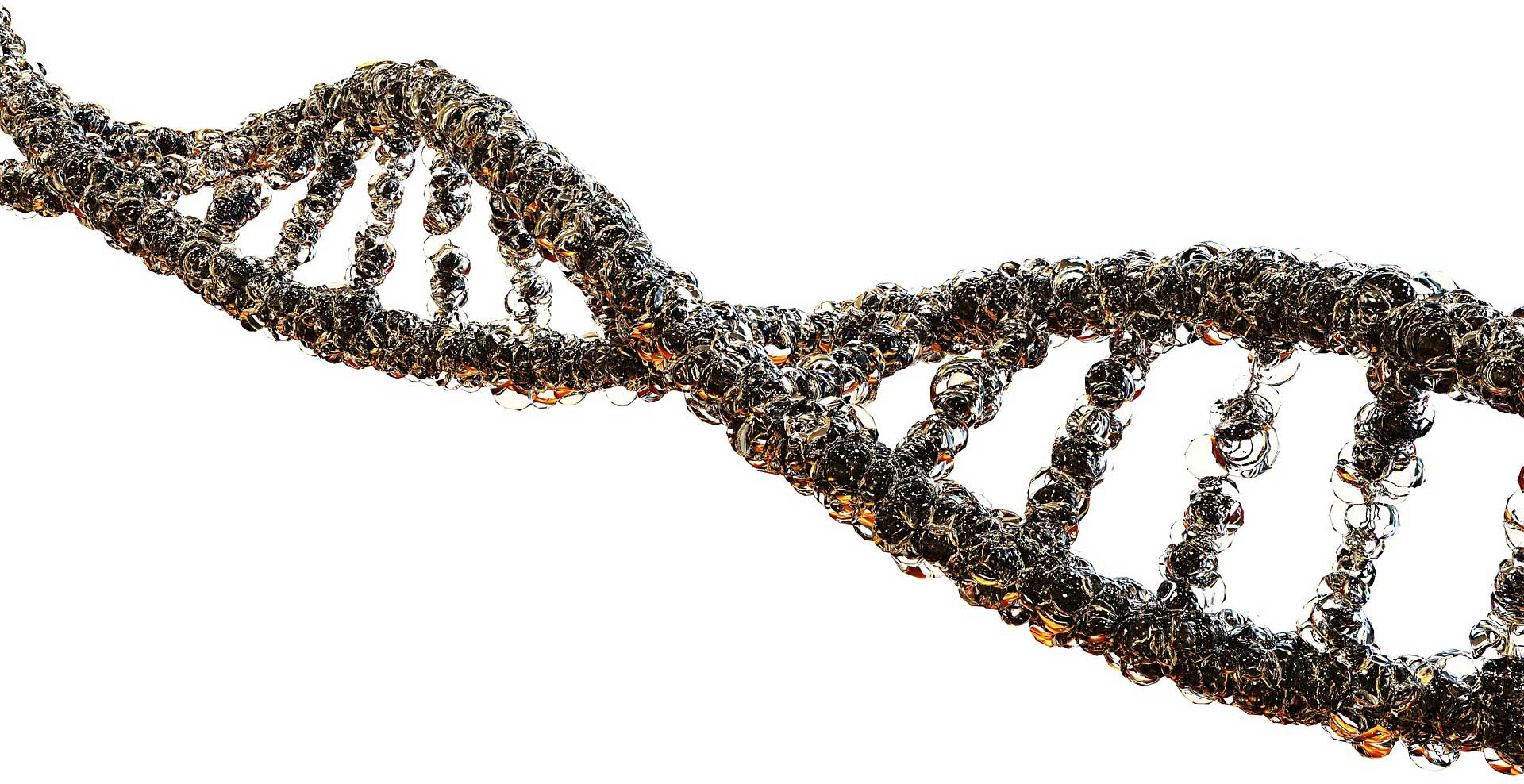
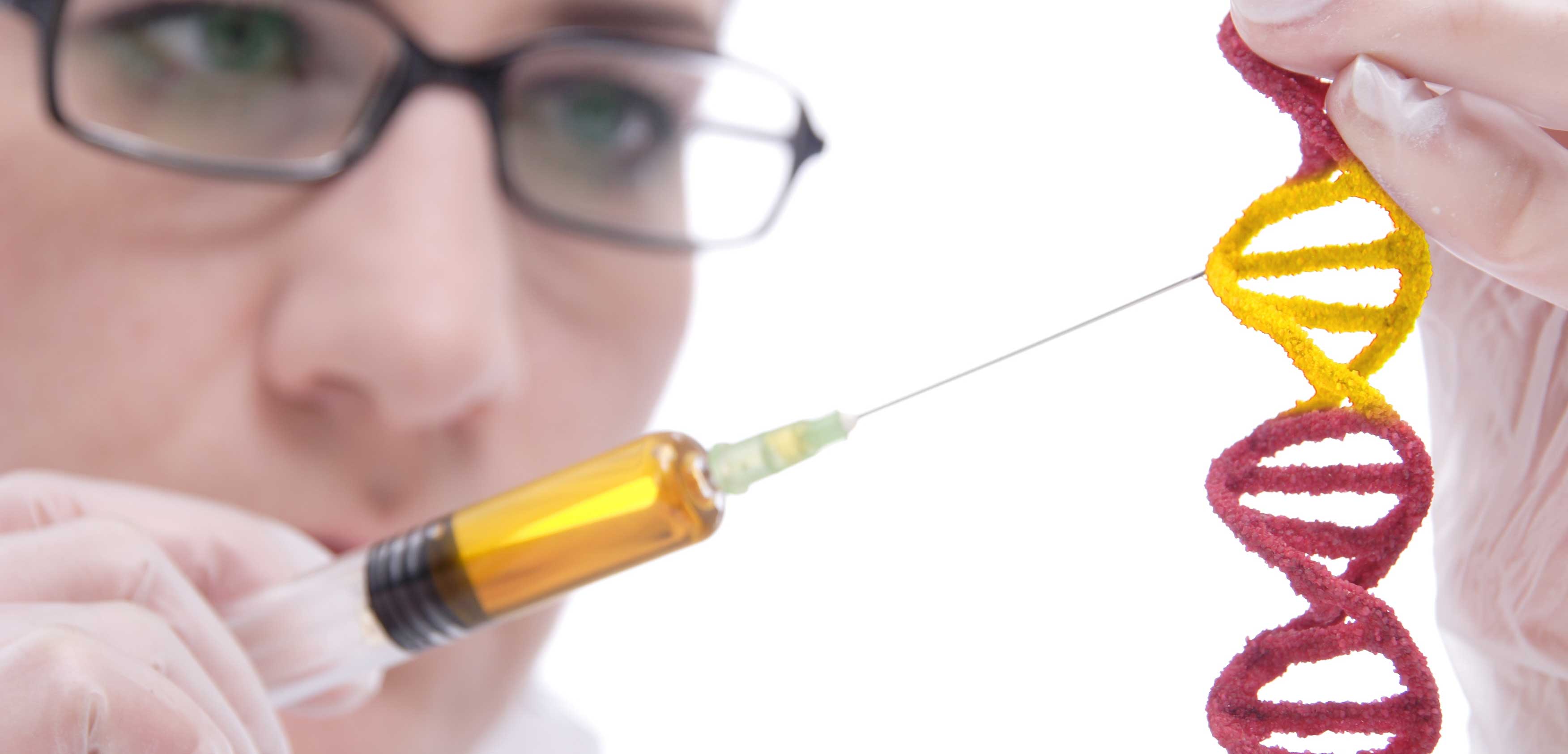
Gene therapy involves treating medical conditions at the level of DNA – that is, altering or enhancing the genetic code inside cells to provide therapeutic benefits rather than simply administering drugs. Usually this approach utilises specially engineered viruses to deliver the new DNA to particular cells in the body.

For Parkinson’s, gene therapy techniques have all involved direct injections of these engineered viruses into the brain – a procedure that requires brain surgery. This year, however, we have seen the EXTREMELY rapid development of a non-invasive approach to gene therapy for neurological condition, which could ultimately see viruses being injected in the arm and then travelling up to the brain where they will infect just the desired population of cells.

Last week, however, this approach hit a rather significant obstacle.

In today’s post, we will have a look at this gene therapy technology and review the new research that may slow down efforts to use this approach to help to cure Parkinson’s.


Gene therapy. Source: rdmag

When you get sick, the usual solution is to visit your doctor.

They will prescribe a medication for you to take, and then all things going well (fingers crossed/knock on wood) you will start to feel better. It is a rather simple and straight forward process, and it has largely worked well for most of us for quite some time.

As the overall population has started to live longer, however, we have begun to see more and more chronic conditions which require long-term treatment regimes. The “long-term” aspect of this means that some people are regularly taking medication as part of their daily lives. In many cases, these medications are taken multiple times per day.

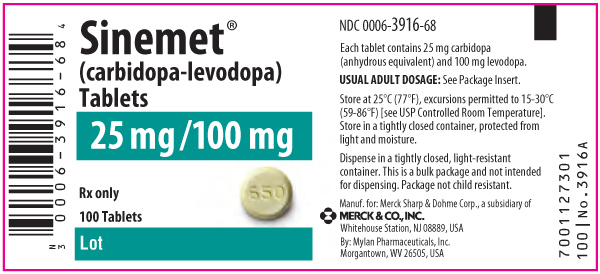
A good example of this is Levodopa (also known as Sinemet or Madopar) which is the most common treatment for the chronic condition of Parkinson’s disease.

When you swallow your Levodopa pill, it is broken down in the gut, absorbed through the wall of the intestines, transported to the brain via our blood system, where it is converted into the chemical dopamine – the chemical that is lost in Parkinson’s disease. This conversion of Levodopa increases the levels of dopamine in your brain, which helps to alleviate the motor issues associated with Parkinson’s disease.

7001127301-6010801

Levodopa. Source: Drugs

This pill form of treating a disease is only a temporary solution though. People with Parkinson’s – like other chronic conditions – need to take multiple tablets of Levodopa every day to keep their motor features under control. And long term this approach can result in other complications, such as Levodopa-induced dyskinesias in the case of Parkinson’s.

Yeah, but is there a better approach?

Continue reading “Non-invasive gene therapy: “You never monkey with the truth””

The EMPRSN talk #1

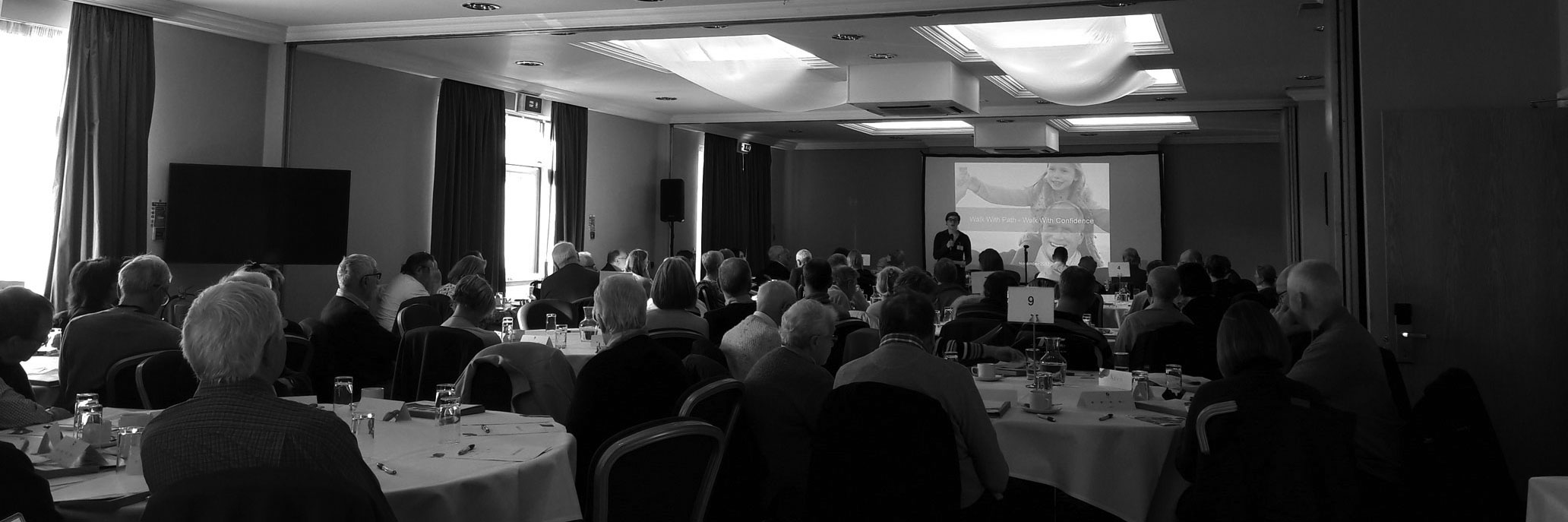
Recently I was invited to speak at the 6th Annual East Midlands Parkinson’s Research Support Network meeting at the Link Hotel, in Loughborough. The group is organised and run by the local Parkinson’s community and supported by Parkinson’s UK. It was a fantastic event and I was very grateful to the organisers for the invitation.

They kindly gave me two sessions (20 minutes each) which I divided into two talks: “Where we are now with Parkinson’s research?” and “Where we are going with Parkinson’s research?”. Since giving the talk, I have been asked by several attendees if I could make the slides available.

The slides from the first talk can be found by clicking here.

I have also made a video of the first talk with a commentary that I added afterwards. But be warned: my delivery of this second version of the talk is a bit dry. Apologies. It has none of my usual dynamic charm or energetic charisma. Who knew that talking into a dictaphone could leave one sounding so flat.

Anyways, here is the talk – enjoy!

I hope you find it interesting. When I have time I’ll post the second talk.

The Acorda’s Tozadenant Phase III clinical trials

The biotech company Acorda Therapeutics Inc. yesterday announced that it was halting new recruitment for the phase III program of its drug Tozadenant (an oral adenosine A2a receptor antagonist).

In addition, participants currently enrolled in the trial will now have their blood monitoring conducted on a weekly basis. 

The initial report looks really bad (tragically five people have died), but does this tragic news mean that the drug should be disregarded?

In todays post, we will look at what adenosine A2a receptor antagonists are, how they may help with Parkinson’s, and discuss what has happened with this particular trial.


Dr Ron Cohen, CEO of Acorda. Source: EndpointNews

Founded in 1995, Acorda Therapeutics Ltd is a biotechnology company that is focused on developing therapies that restore function and improve the lives of people with neurological disorders, particularly Parkinson’s disease.

Earlier this year, they had positive results in their phase III clinical trial of Inbrija (formerly known as CVT-301 – Click here to read a previous post about this). They have subsequently filed a New Drug Application with the US Food and Drug Administration (FDA) to make this inhalable form of L-dopa available in the clinic, but the application has been delayed due to manufacturing concerns from the FDA (Click here to read more about this). These issues should be solvable – the company and the FDA are working together on these matters – and the product will hopefully be available in the new year.

So what was the news yesterday?

Acorda Therapeutics has another experimental product going through the clinical trial process for Parkinson’s disease.

It’s called Tozadenant.

Source: Focusbio

Tozadenant is an oral adenosine A2a receptor antagonist (and yes, we’ll discuss what all that means in a moment).

Yesterday Acorda Therapeutics Inc announced that they have halted new recruitment for their phase III clinical program. In addition the company is increasing the frequency of blood cell count monitoring (from monthly to weekly) for participants already enrolled in the company’s Phase 3 program of Tozadenant for Parkinson’s disease.

The Company took this action due to reports of cases of agranulocytosis.

Continue reading “The Acorda’s Tozadenant Phase III clinical trials”

Resveratrol’s neglected siblings


We have previously discussed the powerful antioxidant Resveratrol, and reviewed the research suggesting that it could be beneficial in the context of Parkinson’s disease (Click here to read that post).

I have subsequently been asked by several readers to provide a critique of the Parkinson’s-associated research focused on Resveratrol’s twin sister, Pterostilbene (pronounced ‘Terra-still-bean’).

But quite frankly, I can’t.

Why? Because there is NO peer-reviewed scientific research on Pterostilbene in models of Parkinson’s disease.

In today’s post we will look at what Pterostilbene is, what is known about it, and why we should seriously consider doing some research on this compound (and its cousin Piceatannol) in the context of Parkinson’s disease.


Blue berries are the best natural source of Pterostilbene. Source: Pennington

So this is likely to be the shortest post in SoPD history.

Why?

Because there is nothing to talk about.

There is simply no Parkinson’s-related research on the topic of today’s post: Pterostilbene. And that is actually a crying shame, because it is a very interesting compound.

What is Pterostilbene?

Like Resveratrol, Pterostilbene is a stilbenoid.

Stilbenoids are a large class of compounds that share the basic chemical structure of C6-C2-C6:

Resveratrol is a good example of a stilbenoid. Source: Wikipedia

Stilbenoids are phytoalexins (think: plant antibiotics) produced naturally by numerous plants. They are small compounds that become active when the plant is under attack by pathogens, such as bacteria or fungi. Thus, their function is generally considered to part of an anti-microbial/anti-bacterial plant defence system for plants.

The most well-known stilbenoid is resveratrol which grabbed the attention of the research community in a 1997 study when it was found to inhibit tumour growth in particular animal models of cancer:

Continue reading “Resveratrol’s neglected siblings”

We need a clinical trial of broccoli. Seriously!

In a recent post, I discussed research looking at foods that can influence the progression of Parkinson’s (see that post here). I am regularly asked about the topic of food and will endeavour to highlight more research along this line in future post.

In accordance with that statement, today we are going to discuss Cruciferous vegetables, and why we need a clinical trial of broccoli.

I’m not kidding.

There is growing research that a key component of broccoli and other cruciferous vegetables – called Glucoraphanin – could have beneficial effects on Parkinson’s disease. In today’s post, we will discuss what Glucoraphanin is, look at the research that has been conducted and consider why a clinical trial of broccoli would be a good thing for Parkinson’s disease.


Cruciferous vegetables. Source: Diagnosisdiet

Like most kids, when I was young I hated broccoli.

Man, I hated it. With such a passion!

Usually they were boiled or steamed to the point at which they have little or no nutritional value, and they largely became mush upon contact with my fork.

The stuff of my childhood nightmares. Source: Modernpaleo

As I have matured (my wife might debate that statement), my opinion has changed and I have come to appreciate broccoli. Our relationship has definitely improved.

In fact, I have developed a deep appreciation for all cruciferous vegetables.

And yeah, I know what you are going to ask:

What are cruciferous vegetables?

Cruciferous vegetables are vegetables of the Brassicaceae family (also called Cruciferae). They are a family of flowering plants commonly known as the mustards, the crucifers, or simply the cabbage family. They include cauliflower, cabbage, garden cress, bok choy, broccoli, brussels sprouts and similar green leaf vegetables.

Cruciferous vegetables. Source: Thetherapyshare

So what have Cruciferous vegetables got to do with Parkinson’s?

Well, it’s not the vegetables as such that are important. Rather, it is a particular chemical that this family of plants share – called Glucoraphanin – that is key.

What is Glucoraphanin?

Continue reading “We need a clinical trial of broccoli. Seriously!”

Voyager Therapeutics: phase Ib clinical trial results


This week a biotech company called Voyager Therapeutics announced the results of their ongoing phase Ib clinical trial. The trial is investigating a gene therapy approach for people with severe Parkinson’s disease.

Gene therapy is a technique that involves inserting new DNA into a cell using a virus. The DNA can help the cell to produce beneficial proteins that go on help to alleviate the motor features of Parkinson’s disease.

In today’s post we will discuss gene therapy, review the new results and consider what they mean for the Parkinson’s community.


Source: Joshworth

On 25th August 2012, the Voyager 1 space craft became the first human-made object to exit our solar system.

After 35 years and 11 billion miles of travel, this explorer has finally left the heliosphere (which encompasses our solar system) and it has crossed into the a region of space called the heliosheath – the boundary area that separates our solar system from interstellar space. Next stop on the journey of Voyager 1 will be the Oort cloud, which it will reach in approximately 300 years and it will take the tiny craft about 30,000 years to pass through it.

Where is Voyager 1? Source: Tampabay

Where is Voyager actually going? Well, eventually it will pass within 1 light year of a star called AC +79 3888 (also known as Gliese 445), which lies 17.6 light-years from Earth. It will achieve this goal on a Tuesday afternoon in 40,000 years time.

Gliese 445 (circled). Source: Wikipedia

Remarkably, the Gliese 445 star itself is actually coming towards us. Rather rapidly as well. It is approaching with a current velocity of 119 km/sec – nearly 7 times as fast as Voyager 1 is travelling towards it (the current speed of the craft is 38,000 mph (61,000 km/h).

Interesting, but what does any of that have to do with Parkinson’s disease?

Well closer to home, another ‘Voyager’ is also ‘going boldly where no man has gone before’ (sort of).

Continue reading “Voyager Therapeutics: phase Ib clinical trial results”