|
# # # # Today’s post is a work of fictional creative writing, because obviously no self-respecting, by-the-books, “public safety comes first” health care regulator would knowingly chose to put themselves into the ridiculous position herein described. Call it a cautionary tale if you like. Any aspects of this tale that sound remotely familiar to real world events are “reasonably likely” to be purely accidental and the work of the author’s warped ‘post-truth’ imagination. In reality, we all know that no health care regulator would be this foolish. Surely. # # # # |
 Source: Fraserinstitute
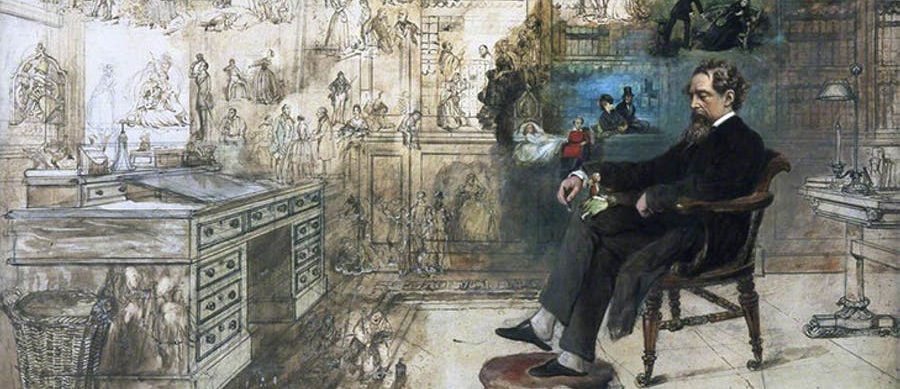
A Crazy Mess Carol
Stave one – The ghost of Crazy Mess past
A biotech company named Biowin had been developing a novel therapy for medical use called “Arukiddingmab”. After successful Phase 1 testing (the drug was well tolerated and exhibited some interesting preliminary data), the company approached the health regulator (the Government funded entity whose sole task is to ensure the public safety regarding medical therapies) and asked if they could skip the prudent Phase 2 “learn & confirm” stage of clinical testing, and jump directly into the critical test of efficacy Phase 3 step of clinical evaluation – to determine if their Arukiddingmab treatment was effective. The company had limited clinical data, but the move would help bring the treatment to patients quicker and of course save the company significant resources and time.
The regulator agreed to this idea, promoting it as a potential example of their “access accelerator” initiative. Biowin pressed ahead with their Phase 3 clinical programme, initiating 2 large trials involving several thousand people. As the trials rolled on, however, it became apparent to the independent data monitoring committee that the treatment was unlikely to demonstrate any effect. The initial data suggested that Arukiddingmab was having no impact compared to a placebo treatment. The independent data monitoring committee recommended stopping the trials, which Biowin reluctantly agreed to do. They made a press statement and the patient community expressed their disappointment.