Are Lewy bodies fake news?

One of the cardinal features of the Parkinsonian brain are dense, circular clusters of protein that we call ‘Lewy bodies’

But what exactly are these Lewy bodies?

How do they form?

And what function do they serve?

More importantly: Are they part of the problem – helping to cause of Parkinson’s? Or are they a desperate attempt by a sick cell to save itself?

In today’s post, we will have a look at new research that makes a very close inspection of Lewy bodies and finds some interesting new details that might tell us something about Parkinson’s.


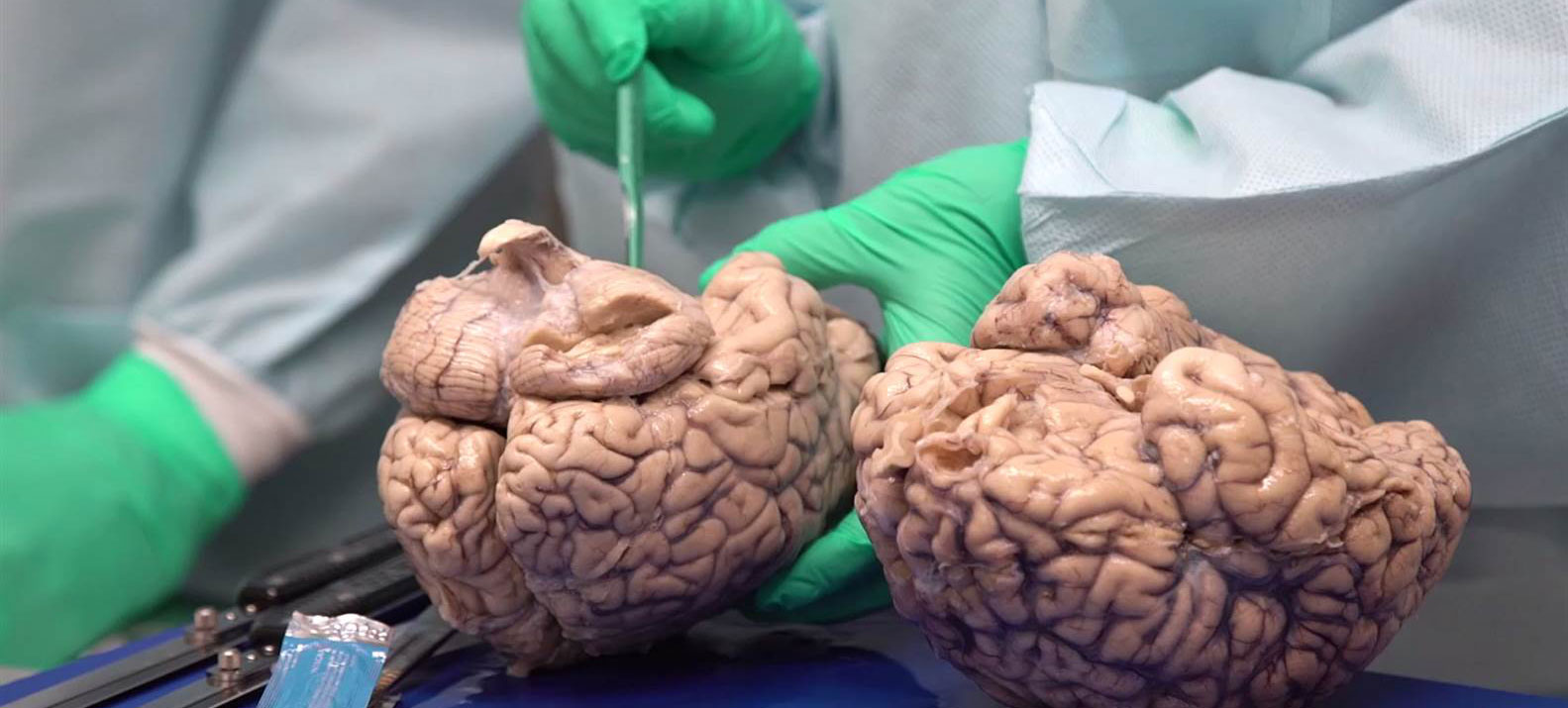
Neuropathologists conducting a gross examination of a brain. Source: NBC

A definitive diagnosis of Parkinson’s disease can only be made at the postmortem stage with an examination of the brain. Until that moment, all cases of Parkinson’s disease are ‘suspected’.

When a neuropathologist makes an examination of the brain of a person who passed away with the clinical features of Parkinson’s, there are two characteristic hallmarks that they will be looking for in order to provide a final diagnosis of the condition:

1.  The loss of specific populations of cells in the brain, such as the dopamine producing neurons in a region called the substantia nigra, which lies in an area called the midbrain (at the base of the brain/top of the brain stem).
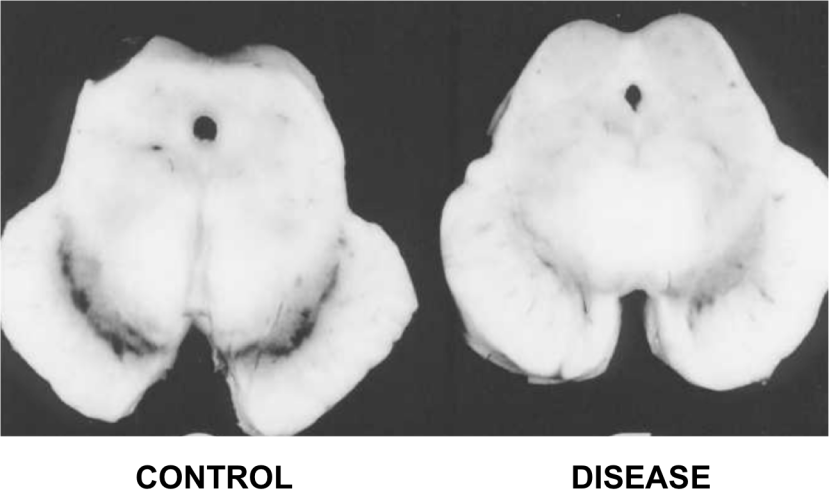
d1ea3d21c36935b85043b3b53f2edb1f87ab7fa6

The dark pigmented dopamine neurons in the substantia nigra are reduced in the Parkinson’s disease brain (right). Source:Memorangapp

2.  Dense, circular clusters (or aggregates) of protein within cells, which are called Lewy bodies.

shutterstock_227273575

A cartoon of a neuron, with the Lewy body indicated within the cell body. Source: Alzheimer’s news

What is a Lewy body?

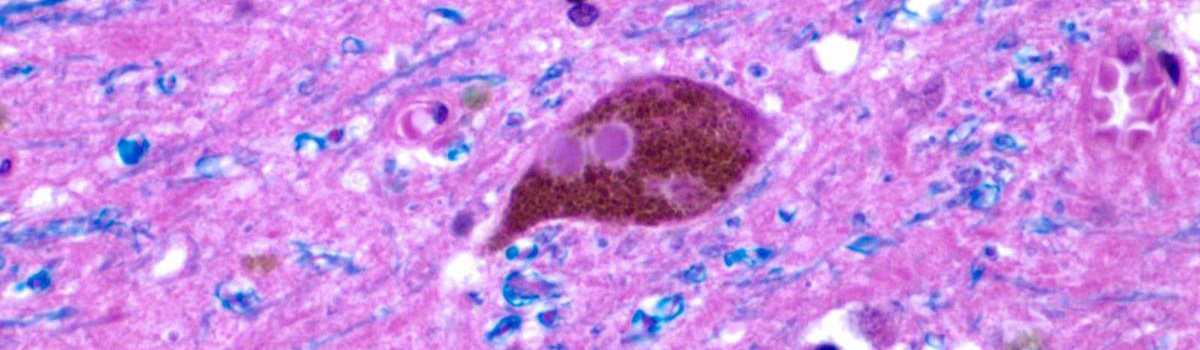
A Lewy body is referred to as a cellular inclusion (that is, ‘a thing that is included within a whole’), as they are almost always found inside the cell body. They generally measure between 5–25 microns in diameter (5 microns is 0.005 mm) thus they are tiny, but when compared to the neuron within which they reside they are rather large (neurons usually measures 40-100 microns in diameter).

A photo of a Lewy body inside of a neuron. Source: Neuropathology-web

How do Lewy bodies form? And what is their function?

The short answer to these questions is:

Source: Wellbeing365

The longer answer is: Our understanding of how Lewy bodies are formed – and their actual role in neurodegenerative conditions like Parkinson’s – is extremely limited. No one has ever observed one forming. Lewy bodies are very difficult to generate in the lab under experimental conditions. And as for their function, this is the source of much guess work and serious debate (we’ll come back to this topic later in this post).

Ok, but what are Lewy bodies actually made of?
Continue reading “Are Lewy bodies fake news?”

The EMPRSN talk #1

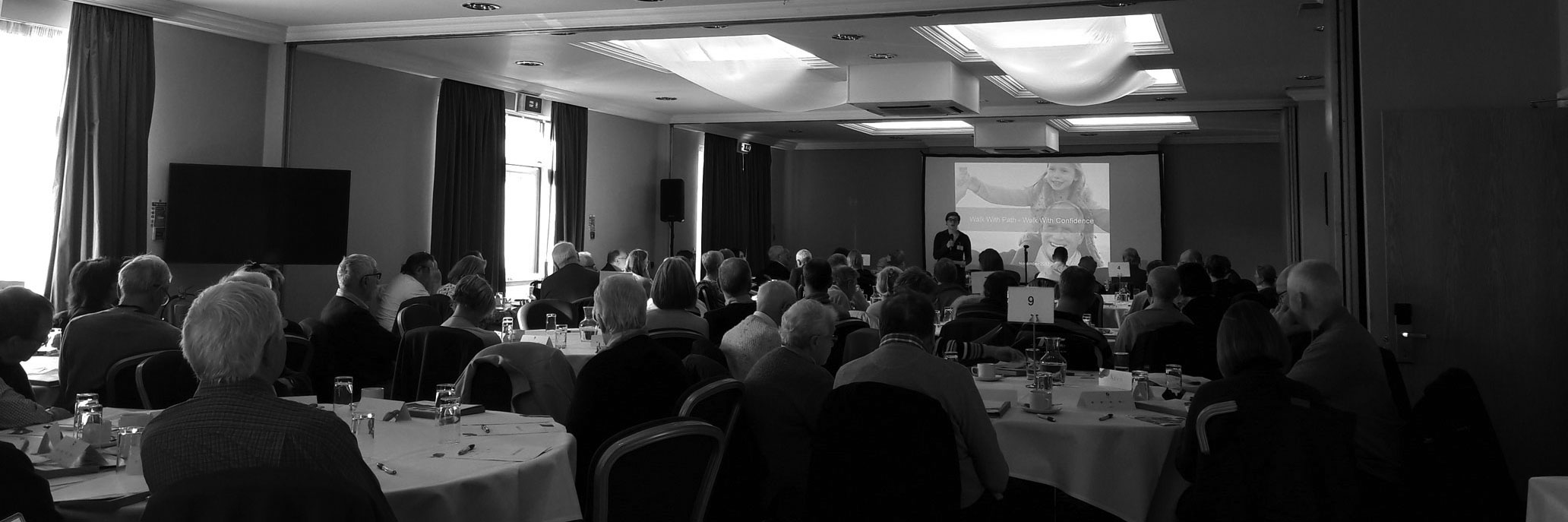
Recently I was invited to speak at the 6th Annual East Midlands Parkinson’s Research Support Network meeting at the Link Hotel, in Loughborough. The group is organised and run by the local Parkinson’s community and supported by Parkinson’s UK. It was a fantastic event and I was very grateful to the organisers for the invitation.

They kindly gave me two sessions (20 minutes each) which I divided into two talks: “Where we are now with Parkinson’s research?” and “Where we are going with Parkinson’s research?”. Since giving the talk, I have been asked by several attendees if I could make the slides available.

The slides from the first talk can be found by clicking here.

I have also made a video of the first talk with a commentary that I added afterwards. But be warned: my delivery of this second version of the talk is a bit dry. Apologies. It has none of my usual dynamic charm or energetic charisma. Who knew that talking into a dictaphone could leave one sounding so flat.

Anyways, here is the talk – enjoy!

I hope you find it interesting. When I have time I’ll post the second talk.

The TAU of Parkinson’s

Here at the SoPD, we regularly talk about the ‘bad boy’ of Parkinson’s disease – a protein called Alpha Synuclein.

Twenty years ago this year, genetic variations were identified in the alpha synuclein gene that increase one’s risk of developing Parkinson’s. In addition, alpha synuclein protein was found to be present in the Lewy bodies that are found in the brains of people with Parkinson’s. Subsequently, alpha synuclein has been widely considered to be the villain in this neurodegenerative condition and it has received a lot of attention from the Parkinson’s research community.

But it is not the only protein that may be playing a role in Parkinson’s.

Today’s post is all about TAU.


Source: Wallpaperswide

I recently informed my wife that I was thinking of converting to Taoism.

She met this declaration with more of a smile than a look of shock. And I was expecting the latter, as shifting from apatheism to any form of religious belief is a bit of a leap you will appreciate.

When asked to explain myself, I suggested to her that I wanted to explore the mindfulness of what was being proposed by Lao Tzu (the supposed author of the Tao Te Ching – the founding document of Taoism).

This answer also drew a smile from her (no doubt she was thinking that Simon has done a bit of homework to make himself sound like he knows what he was talking about).

But I am genuinely curious about Taoism.

Most religions teach a philosophy and dogma which in effect defines a person. Taoism – which dates from the 4th century BCE – flips this concept on its head. It starts by teaching a single idea: The Tao (or “the way”) is indefinable. And then it follows up by suggesting that each person should discover the Tao on their own terms. Given that most people would prefer more concrete definitions in their own lives, I can appreciate that a lot of folks won’t go in for this approach.

Personally speaking, I quite like the idea that the Tao is the only principle and everything else is a just manifestation of it.

According to Taoism, salvation comes from just one source: Following the Tao.

Source: Wikipedia

Oh and don’t worry, I’m not going to force any more philosophical mumbo jumbo on you – Taoism is just an idea I am exploring as part of a terribly clichéd middle-life crisis I’m working my way through (my wife’s actual response to all of this was “why can’t you just be normal and go buy a motor bike or something?”).

My reason for sharing this, however, is that this introduction provides a convenient segway to what we are actually going to talk about in this post.

You see, some Parkinson’s researchers are thinking that salvation from neurodegenerative conditions like Parkinson’s will come from just one source: Following the TAU.

What is TAU?

Continue reading “The TAU of Parkinson’s”

Beware of the PINK-SNO(W) man!

There is a protein in most of the cells in your body called “PTEN-induced putative kinase 1″ (or simply PINK1). It plays an important role in keeping your cells healthy.

Genetic variations in the PINK1 gene have been shown to increase ones risk of developing Parkinson’s. 

This week researchers have identified a method by which the function of the PINK1 protein can be inhibited and this results in increased vulnerability to Parkinson’s. In this post, we will look at what PINK1 does, how it is inhibited, and what this could mean for the Parkinson’s community.


ampkmito-945x466

Mitochondria (green) in health cells (left) and in unhealthy cells (right).
The nucleus of the cell is in blue. Source: Salk Institute

I have previously spoken a lot about mitochondria and Parkinson’s on this website.

For the uninitiated, mitochondria are the power house of each cell. They help to keep the lights on. Without them, the party is over and the cell dies.

Mitochondria

Mitochondria and their location in the cell. Source: NCBI

You may remember from high school biology class that mitochondria are tiny bean-shaped objects within the cell. They convert nutrients from food into Adenosine Triphosphate (or ATP). ATP is the fuel which cells run on. Given their critical role in energy supply, mitochondria are plentiful (some cells have thousands) and highly organised within the cell, being moved around to wherever they are needed.

Like you and I and all other things in life, however, mitochondria have a use-by date.

As mitochondria get old and worn out (or damaged) with time, the cell will recycle them via a process called mitophagy (a blending of the words mitochondria and autophagy which is the waste disposal system of each cell).

What does this have to do with Parkinson’s disease?

Continue reading “Beware of the PINK-SNO(W) man!”

The Acorda’s Tozadenant Phase III clinical trials

The biotech company Acorda Therapeutics Inc. yesterday announced that it was halting new recruitment for the phase III program of its drug Tozadenant (an oral adenosine A2a receptor antagonist).

In addition, participants currently enrolled in the trial will now have their blood monitoring conducted on a weekly basis. 

The initial report looks really bad (tragically five people have died), but does this tragic news mean that the drug should be disregarded?

In todays post, we will look at what adenosine A2a receptor antagonists are, how they may help with Parkinson’s, and discuss what has happened with this particular trial.


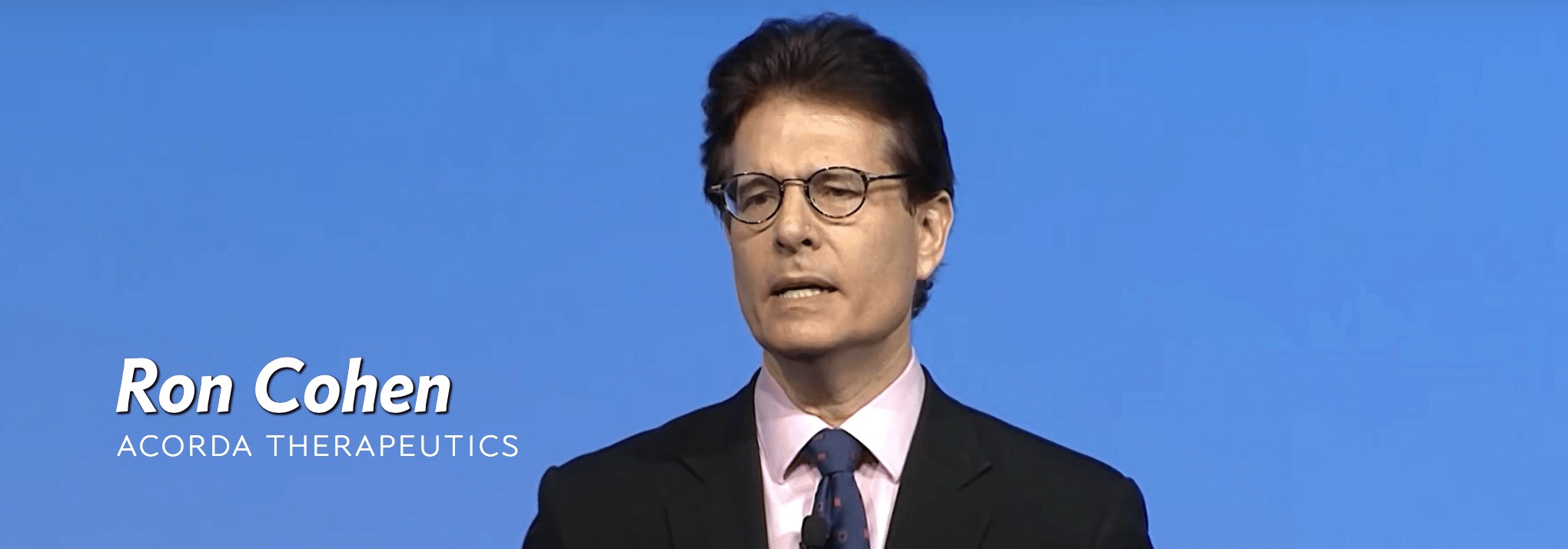
Dr Ron Cohen, CEO of Acorda. Source: EndpointNews

Founded in 1995, Acorda Therapeutics Ltd is a biotechnology company that is focused on developing therapies that restore function and improve the lives of people with neurological disorders, particularly Parkinson’s disease.

Earlier this year, they had positive results in their phase III clinical trial of Inbrija (formerly known as CVT-301 – Click here to read a previous post about this). They have subsequently filed a New Drug Application with the US Food and Drug Administration (FDA) to make this inhalable form of L-dopa available in the clinic, but the application has been delayed due to manufacturing concerns from the FDA (Click here to read more about this). These issues should be solvable – the company and the FDA are working together on these matters – and the product will hopefully be available in the new year.

So what was the news yesterday?

Acorda Therapeutics has another experimental product going through the clinical trial process for Parkinson’s disease.

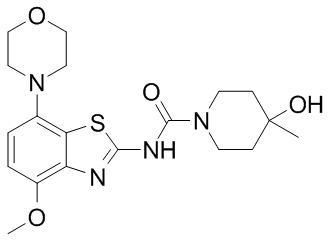
It’s called Tozadenant.

Source: Focusbio

Tozadenant is an oral adenosine A2a receptor antagonist (and yes, we’ll discuss what all that means in a moment).

Yesterday Acorda Therapeutics Inc announced that they have halted new recruitment for their phase III clinical program. In addition the company is increasing the frequency of blood cell count monitoring (from monthly to weekly) for participants already enrolled in the company’s Phase 3 program of Tozadenant for Parkinson’s disease.

The Company took this action due to reports of cases of agranulocytosis.

Continue reading “The Acorda’s Tozadenant Phase III clinical trials”

Editorial: Orphan drug tax credit

Here at the SoPD we are politically neutral.

That said, I will report on events that directly impact the world of Parkinson’s disease research (without adding too much in the way of personal opinions). 

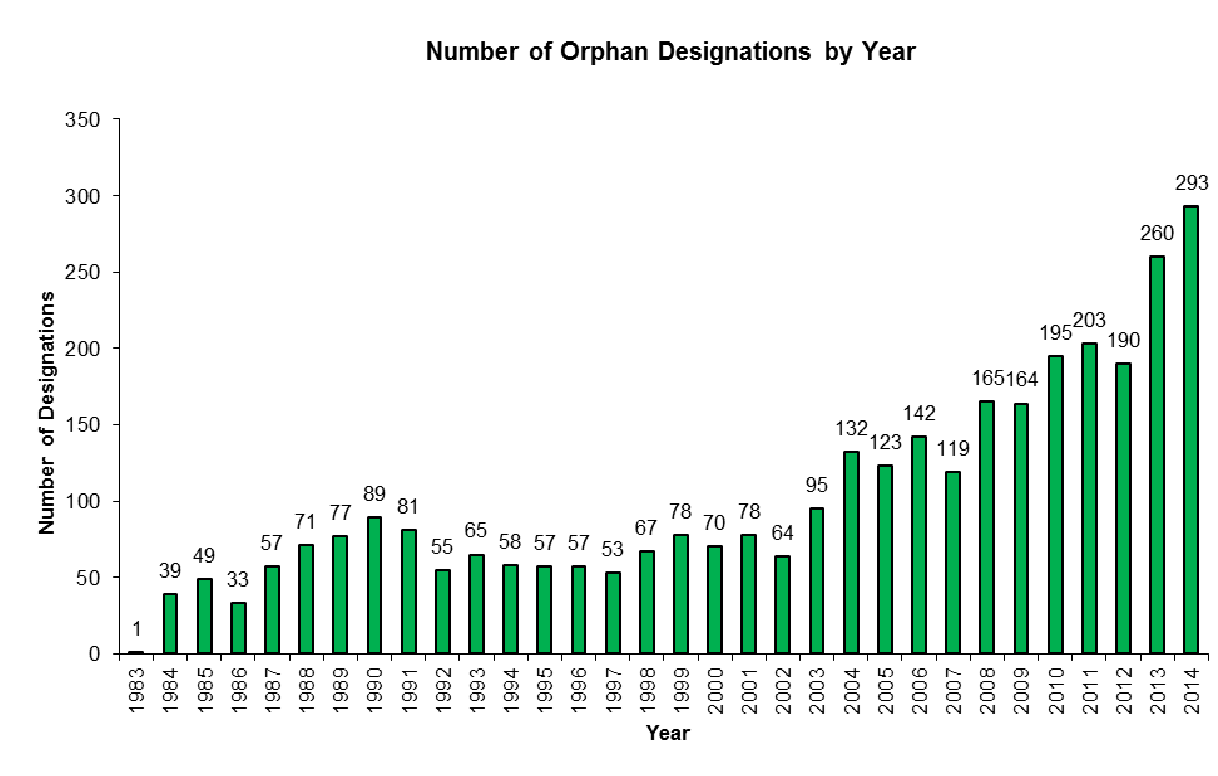
Recent legislation introduced in the US congress could have major implications for subsets of the Parkinson’s disease community, as well as a host of additional medical conditions. The legislation is seeking to remove the orphan drug tax credit.

In today’s post, we will have a look at what the orphan drug tax credit is, and why its removal could be damaging for Parkinson’s.


capitol-hill-parking

The United States Capitol. Source: SpotHeroBlog

On November 2, House Republican lawmakers introduced a bill to reform the U.S. tax code. The complicated tax system probably needs a serious clean up, but the legislation will also terminate something called the orphan drug tax credit.

What is the orphan drug tax credit?

Continue reading “Editorial: Orphan drug tax credit”

James: The man behind the disease (Part 3)

parkinson1

This post is the third in our four part series on the life of Mr James Parkinson, in observance of 200 years since his first description of Parkinson’s disease.

Here we will look at the bulk of James’ adult life – not only his medical related activities, but also all of the ‘other stuff’ (for which he is not remembered). This is not intended to be an exhaustive history of his life, I am simply trying to share a brief overview of what one amazing man achieved with his life.

In addition, I will include some of the global events that were occurring during this time to provide a bit of context not only to the epoch that James lived in, but as to how those events helped to shape who he was.


Franklin's_return_to_Philadelphia_1785_cph.3g09906

The return of Benjamin Franklin to Philadelphia in 1785. Source: Wikimedia

At the end of our first post about James Parkinson, it was 1785 and the recently married James was the sole medical practitioner at “Parkinson and Son”. His first son,  John William Keys Parkinson, was born that year (11th July – for more on James’ family, please click here). AND Perhaps given the weight of these responsibilities, combined with his disappointment regarding his medical training thus far, James sought out further education.

He found it in the form of evening lectures provided by the great Scottish surgeon, John Hunter. Between October 1785 and April 1786, James attended these session and we should all be very grateful that he did.

280px-John_Hunter_by_John_Jackson

John Hunter. Source: Wikipedia

These lectures were conducted in Hunter’s operating theatre in Castle Street, Leicester Square. They were approximately one hour in length, held three times per week and in all there were 68 of them.

And we are very fortunate today that James attended these lectures as we only know of their content because James wrote them down verbatim in shorthand (his notes were later published by his son John William Keys Parkinson – “Hunterian Reminiscences, Being The Substance Of A Course Of Lectures On The Principles And Practice Of Surgery Delivered By John Hunter In The Year 1785″). These notes were invaluable given that Hunter’s own notes were later destroyed by fire.

It was during these lectures that James was introduced to John Hunter’s collection of fossils and another of the great interest of James’ life began. While most people who know of James Parkinson associate him with the field of medicine, his contributions to the fields of geology and paleontology during his life time were far greater than those to medicine.

And truth be known, James is still something of a rockstar to geologists and paleontologists (no pun intended).

Continue reading “James: The man behind the disease (Part 3)”

The LRRK Ascending

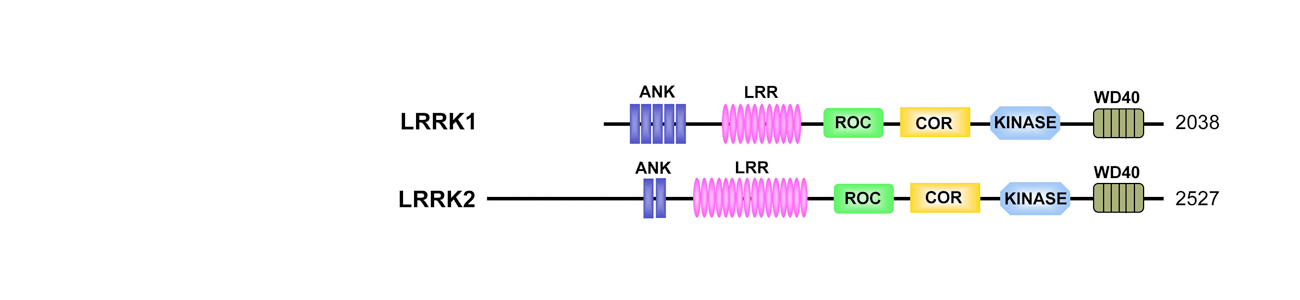
Genetic mutations (or ‘variants’) in the Leucine-rich repeat kinase 2 (or LRRK2; also known as Dardarin) gene are associated with increased risk of Parkinson’s. As a result this gene has become the focus of a lot of genetic research.

But what about LRRK2’s less well-known, rather neglected sibling LRRK1?

In today’s post, we will look at new research that suggests the LRRK siblings could both be involved with Parkinson’s disease. 


I recommend to the reader that today’s post should be read with the following music playing in the background:

Inspired by a poem of the same title, English composer Ralph Vaughan Williams wrote ‘The Lark Ascending’ in 1914. It is still to this day, a tune that remains a firm favourite with BBC listeners here in the UK (Source).

On to business:

While the music and the poem are about a songbird, today’s SoPD post deals with a different kind of Lark.

Or should I say LRRK.

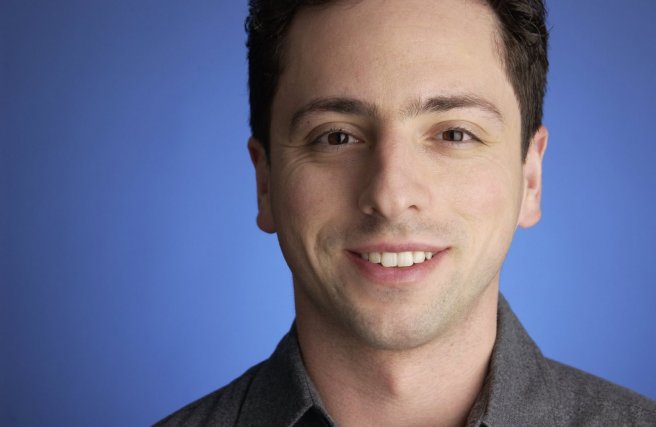
This is Sergey Brin.

sergey_brin

Nice guy.

He was one of the founders of a small company you may have heard of – it’s called “Google”.

Having changed the way the world searches the internet, he is now turning his attention to other projects.

One of those other projects is close to our hearts: Parkinson’s disease.

Continue reading “The LRRK Ascending”

CRISPR-Cas9: “New CRISPY Parkinson’s research”

Recently a Parkinson’s-associated research report was published that was the first of many to come.

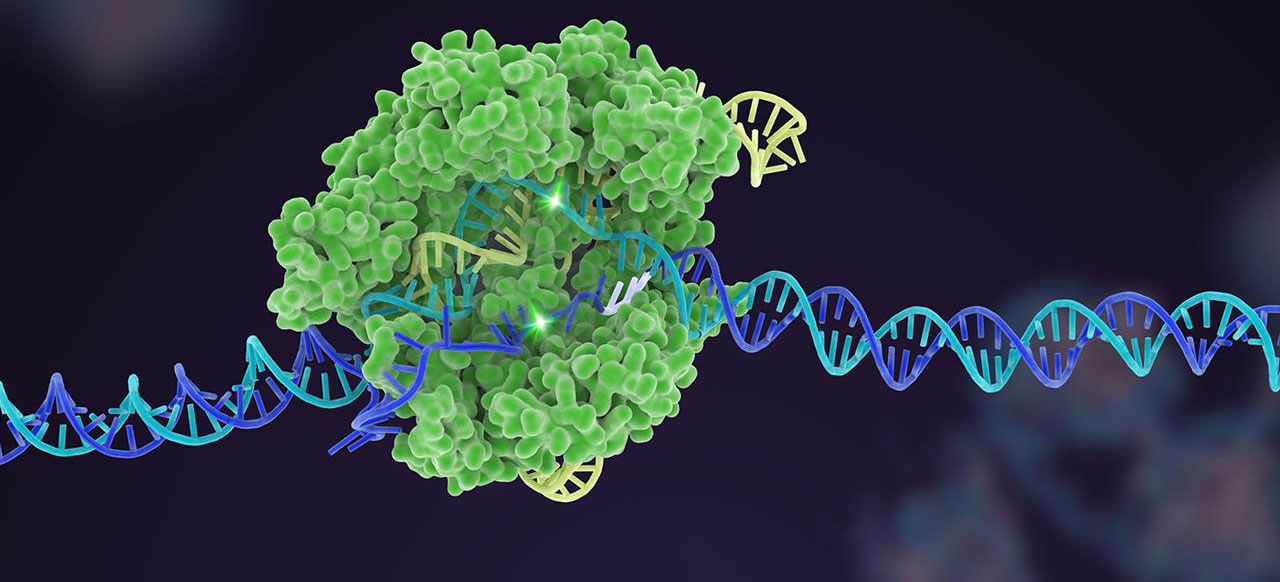
It involves the use of a genetic screening experiment that incorporates new technology called ‘CRISPR’.

There is an absolute tidal wave of CRISPR-related Parkinson’s disease research coming down the pipe towards us, and it is important that the Parkinson’s community understands how this powerful technology works.

In today’s post we will look at what the CRISPR technology is, how it works, what the new research report actually reported, and discuss how this technology can be used to tackle a condition like Parkinson’s.


Me and my mother (and yes, the image is to scale). Source: Openclipart

My mother: Simon, what is all this new ‘crispy’ research for Parkinson’s I heard about on the news?

Me: Huh? (I was not really paying attention to the question. Terrible to ignore one’s mother I know, but what can I say – I am the black sheep of the family)

My mother: Yes, something about ‘crispy’ and Parkinson’s.

Me: Oh! You mean CRISPR. Yeah, it’s really cool stuff.

My mother: Ok, well, can you explain it all to me please, this ‘Crisper’ stuff?

Me: Absolutely.

CRISPR.101 (or CRISPR for beginners)

In almost every cell of your body, there is a nucleus.

It is the command centre for the cell – issuing orders and receiving information concerning everything going on inside and around the cell. The nucleus is also a storage bank for the genetic blueprint that provides most of the instructions for making a physical copy of you. Those grand plans are kept bundled up in 23 pairs of chromosomes, which are densely coiled strings of a molecule called Deoxyribonucleic acid (or DNA).

DNA’s place inside the cell. Source: Kids.Britannica

Continue reading “CRISPR-Cas9: “New CRISPY Parkinson’s research””

Clinical trials: The Power of One

As the age of personalised medicine approaches, innovative researchers are rethinking the way we conduct clinical studies. “Rethinking” in radical ways – think: individualised clinical trials! 

One obvious question is: Can you really conduct a clinical trial involving just one participant?

In this post, we will look at some of the ideas and evaluate the strengths and weaknesses these approaches.


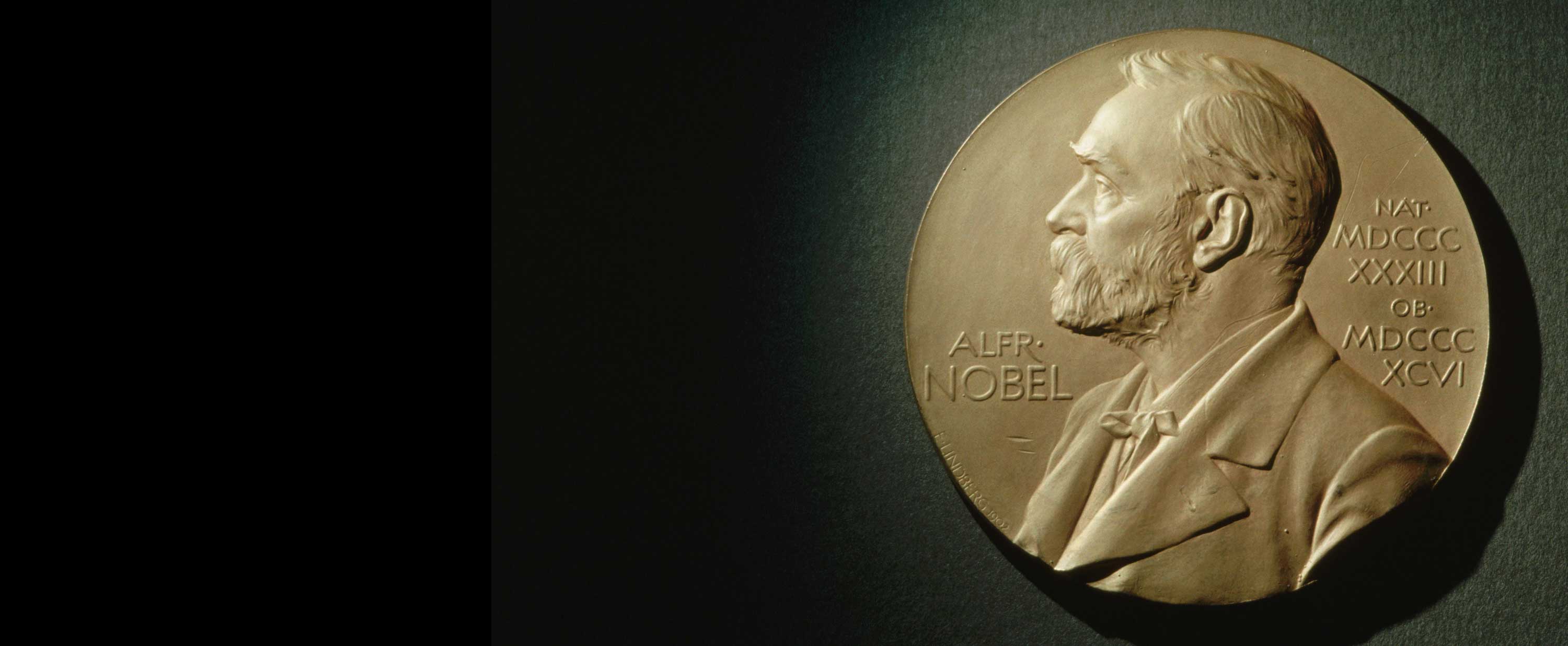
A Nobel prize medal. Source: Motley

In the annals of Nobel prize history, there are a couple winners that stands out for their shear….um, well,…audacity.

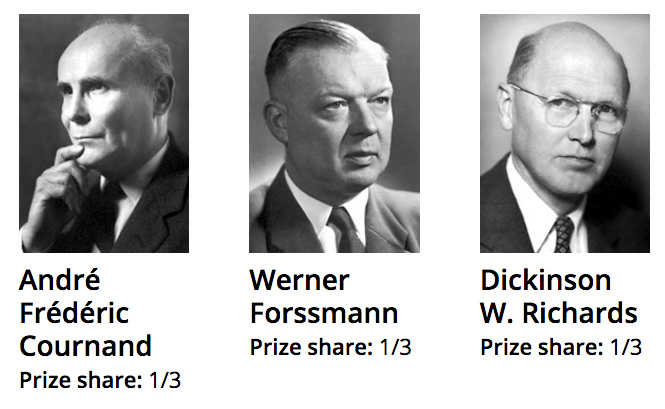
One example in particular, was the award given to physician Dr Werner Forssmann. In 1956, Andre Cournand, Dickinson Richards and Forssmann were awarded the Nobel Prize in Physiology or Medicine “for their discoveries concerning heart catheterisation and pathological changes in the circulatory system”. Forssmann was responsible for the first part (heart catheterisation).

Source: Nobelprize

In 1929, at the age of 25, Forssmann performed the first human cardiac catheterisation – that is a procedure that involves inserting a thin, flexible tube directly into the heart via an artery (usually in the arm, leg or neck). It is a very common procedure performed on a daily basis in any hospital today. But in 1929, it was revolutionary. And the audacious aspect of this feat was that Forssmann performed the procedure on himself!

And if you think that is too crazy to be true, please read on.

But be warned: this particular story gets really bonkers.

Continue reading “Clinical trials: The Power of One”