
|
# # # # At the end of each month the SoPD writes a post which provides an overview of some of the major pieces of Parkinson’s-related research that were made available during September 2022. The post is divided into 10 parts based on the type of research:
# # # # |
So, what happened during September 2022?
In world news:
September 6 – Liz Truss was appointed Prime Minister of the United Kingdom after winning the July–September 2022 Conservative Party leadership election

September 8 – Queen Elizabeth II died at Balmoral Castle in Scotland at the age of 96. Her son Charles III succeeded her as King.

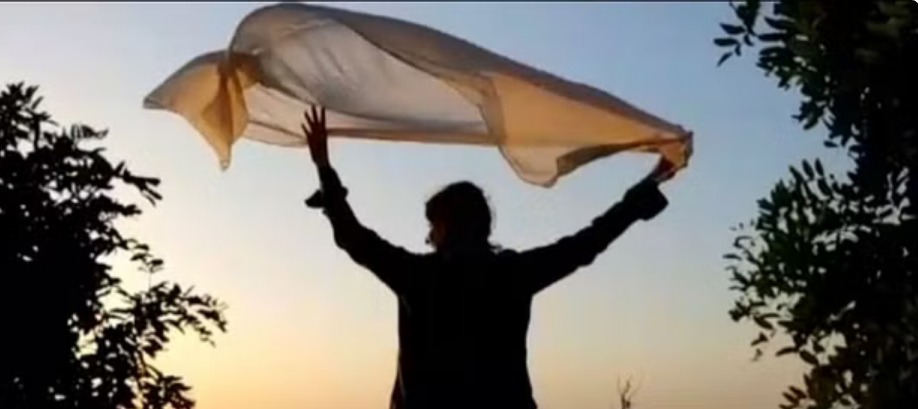
16th September – Mahsa Amini, a 22-year-old Kurdish woman died in an Iranian hospital days after being detained by the Government’s Guidance Patrol (or “morality police” ) for allegedly not complying with the country’s hijab regulations

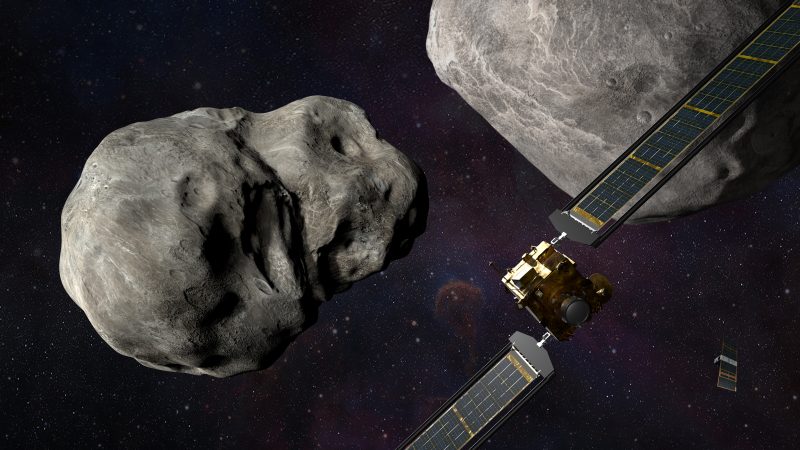
26th September – NASA’s DART crashed into the asteroid Dimorphos and changed its course in a first test of potential planetary defense (do a google search for “Nasa’s Dart” and watch what happens – very clever!).
30th September – Russian President Vladimir Putin signs treaties absorbing the occupied regions of Donetsk, Luhansk, Kherson and Zaporizhzhia into the Russian Federation ( …and nobody paid attention)

In the world of Parkinson’s research, a great deal of new research and news was reported:
In September 2022, there were 888 research articles added to the Pubmed website with the tag word “Parkinson’s” attached (8884 for all of 2022 so far). In addition, there was a wave to news reports regarding various other bits of Parkinson’s research activity (clinical trials, etc).













 The Science of Parkinson's