DUBstop: Oxford-style

6f132840eddef84e3e27af4b940cb0d1

This week multiple research groups at the University of Oxford and Boston-based FORMA Therapeutics announced a collaboration to identify, validate and develop deubiquitinating enzyme (DUB) inhibitors for the treatment of neurodegenerative conditions, like Parkinson’s.

But what exactly are DUB inhibitors? And how do they work?

In today’s post, we will answer these questions, look at what the new collaboration involves, and look at what else is happening with DUB inhibitors for Parkinson’s.


dubstep_color_and_white_by_dtfproductions-d3admfb

Source: Blog4dubstep

Dubstep is a genre of electronic dance music that originated in South London in the late 1990s. Only recently -in the 2010s – has the culture really become more mainstream. And while I have a hard time appreciating the heavy bass music (man, I am becoming a grumpy old man before my time), it is amazing to watch some of the dancers who robotically embody this form of music:

The guy on the right is named Marquese Scott. Sometimes he simply defies the laws of physics.

The title of today’s post is a play on words, because rather than doing ‘Dubstep’ we are going to be discussing how to ‘DUB-stop’.

Researchers in Oxford have recently signed an agreement with a US company to focus resources and attention on a new approach for tackling neurodegenerative conditions, including Parkinson’s.

What they are proposing is a complicated biological dance.

Their idea: to stop deubiquitinating (DUB) enzymes.

What are deubiquitinating enzymes?

Continue reading “DUBstop: Oxford-style”

Planet Researcher to Planet Patient

Planet

This is Mariëtte Robijn:

photo

She’s really ‘leuk’ (Dutch for nice).

Diagnosed at 46 with Parkinson’s, Mariëtte keeps a great blog that touches on many areas of life, including boxing. But it also provides her with a medium to discuss how she lives with Parkinson’s (you should follow her if you don’t already).


In a recent post on her blog – called “Planet Patient vs Planet Researcher” – Mariëtte asks ‘are we really so very different, we patients and researchers?

Her answer is ‘Yes!‘ and she listed 10 areas where the differences are apparent.

Mariëtte’s points are made from an educated point of view – she is a very dedicated Parkinson’s research advocate.

Reading through her post, however, I saw it as a nice opportunity to provide the view of things from the other world (Planet Researcher). So, with her permission, I have copied her 10 points here and I have tried to provide a Planet Researcher view of her thoughts (below in red). And I should add that I do not speak for everyone on Planet Researcher – my views are simply that: mine.

Continue reading “Planet Researcher to Planet Patient”

When SERCA goes berserker

In a recent SoPD post, we discussed the importance of calcium and looked at how it interacts with the Parkinson’s-associated protein alpha synuclein, affecting the function and clustering of that protein.

During the writing of that post, another interesting research report was published on the same topic of calcium and alpha synuclein. It involved a different aspect of biology in the cell – a structure called the endoplasmic reticulum – but the findings of that study could also explain some aspects of Parkinson’s.

In today’s post, we will review the new research report, consider the biology behind the findings and how it could relate to Parkinson’s, and discuss how this new information could be used.


The original berserker. Source: Wikipedia

I can remember my father often saying “If you kids don’t be quiet, I’ll go berserk!”

Growing up, I never questioned the meaning of the word ‘berserk‘.

I simply took it as defining the state of mindless madness that my dad could potentially enter if we – his off-spring – pushed him a wee bit too far (and for the record, Dad actually ‘going berserk’ was a very rare event).

My father. But only on the odd occasion. Source: Screenrant

But now as I find myself repeating these same words to my own off-spring, I am left wondering what on Earth it actually means?

What is ‘berserk‘?

Continue reading “When SERCA goes berserker”

Monthly Research Review – April 2018

At the end of each month the SoPD writes a post which provides an overview of some of the major pieces of Parkinson’s-related research that were made available during April 2018.

The post is divided into five parts based on the type of research (Basic biology, disease mechanism, clinical research, other news, and a new feature: Review articles/videos). 


So, what happened during April 2018?

In world news:

  • April 4–15th – The 2018 Commonwealth Games were held in Gold Coast, Queensland, Australia (New Zealand came 5th in the medals tally… not bragging, just saying).

Source: Vimeo

  • April 27th – Kim Jong-un crosses into South Korea to meet with President Moon Jae-in, becoming the first North Korean leader to cross the Demilitarised Zone since its creation in 1953. In initial small steps towards reconciliation, South Korea said it would remove loudspeakers that blare propaganda across the border, while North Korea said it would shift its clocks to align with its southern neighbour.

BFFs? Source: QZ

Source: Plus

  • And finally the city of Trier in Germany is already struggling to keep up with demand for ‘0-euro’ notes, bearing the face of its most famous son and communism’s creator Karl Marx. Sold for 3 euros each, the notes are part of celebrations for his 200th birthday (5th May 1818).

You get what you pay for. Source: DDR

In the world of Parkinson’s research, a great deal of new research and news was reported:

Continue reading “Monthly Research Review – April 2018”

BIIB054: An immunotherapy update

Immunotherapy is an experimental treatment that is being tested in Parkinson’s in the hope that it will be able to slow down the progression of the condition.

This week the Pharmaceutical company Biogen provided an update regarding their immunotherapy program for Parkinson’s.

It involves a drug called BIIB054.

In today’s post we will look at what BIIB054 is, how it works, and review the results of Biogen’s first clinical trial with this treatment.


This week the 2018 American Academy of Neurology ANN Annual Meeting is being held in Los Angeles (California). The meeting is an opportunity each year for researchers to meet and share new discoveries. A lot of neuroscience-focused biotech companies use the meeting to release new clinical trial results.

And this year one result in particular has been rather encouraging.

At 3:30pm on 24th April, the pharmaceutical company Biogen made a presentation entitled “Randomized, Double-Blind, Placebo-Controlled, Single Ascending Dose Study of AntiAlpha-Synuclein Antibody BIIB054 in Patients with Parkinson’s Disease,” which provided some of the first insights into the companies immunotherapy program for Parkinson’s.

What is immunotherapy?

Continue reading “BIIB054: An immunotherapy update”

Making. It. Personal.

This is one of those posts (read: rants) where I want to put an idea out into the ether for someone to chew on. It starts with a very simple question:

Why is ‘the drug’ the focus of a clinical trial?

If our goal is to find beneficial therapies for people with Parkinson’s, then the way we currently clinically test drugs is utterly nonsensical.

And if we do not change our “we’ve always done it this way” mindset, then we are simply going to repeat the mistakes of the past. Others are changing, so why aren’t we?

In today’s post, we will consider one possible alternative approach.


I hope you know who Grace Hopper is – if not, click here. Source: Mentalfloss

Why is ‘the drug‘ the focus of a clinical trial?

The way we clinically test drugs makes absolutely no sense when you actually stop and think about it.

Other medical disciplines (such as oncology) have woken up to this fact, and it is time for the field of Parkinson’s research to do this same.

Let me explain:

Continue reading “Making. It. Personal.”

Monthly Research Review – February 2018

At the end of each month, the Science of Parkinson’s writes a post which provides an overview of some of the major pieces of Parkinson’s-related research that were made available.

In this post we review some of the research from February 2018.

The post is divided into four parts based on the type of research (Basic biology, disease mechanism, clinical research, and other news). 


Seeing shadows: Punxsutawney Phil. Source: Wordonfire

In major world event news: On the 2nd February of 2018, Punxsutawney Phil – the groundhog who resides at Gobbler’s Knob of Punxsutawney, Pennsylvania – scurried out of his little hole and saw his shadow. This omen indicates that we have a long winter. Given how hard and bitter this particular winter has been, Americans naturally rejoiced.

On the 6th February, SpaceX successfully launched a Tesla sports car into space – see the video below for the highlights (and if you don’t have time to watch it all, at the very least jump forward to 3:45 and watch the two boosters land simultaneously – surely they didn’t plan for it to be that perfect!)

In other news, on the 1st February, the Centers for Disease Control and Prevention announced that it was dramatically downsizing its epidemic prevention activities in 39 out of 49 countries, due to concerns about funding.

And of course we had the 2018 Winter Olympics – where New Zealand came in 27th on the medals board:

Source: Madison365

In the world of Parkinson’s research, a great deal of new research and news was reported.

In February 2018, there were 698 research articles added to the Pubmed website with the tag word “Parkinson’s” attached (1577 for all of 2018 so far). In addition, there was a wave to news reports regarding various other bits of Parkinson’s research activity (clinical trials, etc).

The top 5 pieces of PD news

Continue reading “Monthly Research Review – February 2018”

Trazodo or Trazodon’t?

“Repurposing” in medicine refers to taking drugs that are already approved for the treatment of one condition and testing them to see if they are safe and effective in treating other diseases. Given that these clinically available drugs have already been shown to be safe in humans, repurposing represents a method of rapidly acquiring new potential therapeutics for a particular condition. 

The antidepressant, Trazodone, has recently been proposed for repurposing to neurodegenerative conditions, such as Parkinson’s. 

In today’s post we will look at what Trazodone is, why it is being considered for repurposing, and we will review the results of a new primate study that suggests it may not be ideal for the task.


Opinions. Everyone has them. Source: Creativereview

I am regularly asked by readers to give an opinion on specific drugs and supplements.

And I usually cut and paste in my standard response: I can not answer these sorts of questions as I am just a research scientist not a clinician; and even if I was a clinician, it would be unethical for me to comment as I have no idea of your medical history.

In many of these cases, there simply isn’t much proof that the drug/supplement has any effect in Parkinson’s, so it is hard to provide any kind of “opinion”. But even if there was proof, I don’t like to give opinions.

Eleven out of every ten opinions are usually wrong (except in the head of the beholder) so why would my opinion be any better? And each individual is so different, why would one particular drug/supplement work the same for everyone?

In offering an answer to “my opinion” questions, I prefer to stick to the “Just the facts, ma’am” approach and I focus solely on the research evidence that we have available (Useless pub quiz fact: this catchphrase “Just the facts, ma’am” is often credited to Detective Joe Friday from the TV series Dragnet, and yet he never actually said it during any episode! – Source).

Detective Joe Friday. Source: Wikipedia

Now, having said all of that, there is one drug in particularly that is a regular topic of inquiry (literally, not a week goes by without someone asking about): an antidepressant called Trazodone.

What is Trazodone?

Continue reading “Trazodo or Trazodon’t?”

FASN-ating PINK research

Pink

In 2018, there is one particular clinical trial that I will be watching, because the drug being tested could have a big impact on certain kinds of Parkinson’s.

The clinical trial is focused on people with cancer and they will be treated with a drug called TVB-2640TVB-2640 is an inhibitor of an enzyme called fatty acid synthase (or FAS). 

In today’s post we will discuss why TVB-2640 might be a useful treatment for certain kinds of Parkinson’s.


Mitochondria

Mitochondria and their location in the cell. Source: NCBI


Regular readers of this blog are probably getting sick of the picture above.

I use it regularly on this website, because a.) it nicely displays a basic schematic of a mitochondrion (singular), and where mitochondria (plural) reside inside a cell. And b.) a lot of evidence is pointing towards mitochondrial dysfunction in Parkinson’s.

What are mitochondria?

Mitochondria are the power stations of each cell. They help to keep the lights on. Without them, the party is over and the cell dies.

How do they supply the cell with energy?

They convert nutrients from food into Adenosine Triphosphate (or ATP). ATP is the fuel which cells run on. Given their critical role in energy supply, mitochondria are plentiful (some cells have thousands) and highly organised within the cell, being moved around to wherever they are needed.

Source: Mangomannutrition

What does this have to do with Parkinson’s?

Continue reading “FASN-ating PINK research”

When GCase is away, the GSLs will play


New research published in the last week provides further experimental support for numerous clinical trials currently being conducted, including one by the biotech company Sanofi Genzyme.

Researchers have demonstrated that tiny proteins which usually reside on the outer wall of cells could be playing an important role in the protein clustering (or aggregation) that characterises Parkinson’s

In today’s post we will look at this new research and discuss what it could mean for the on going clinical trials for Parkinson’s. 


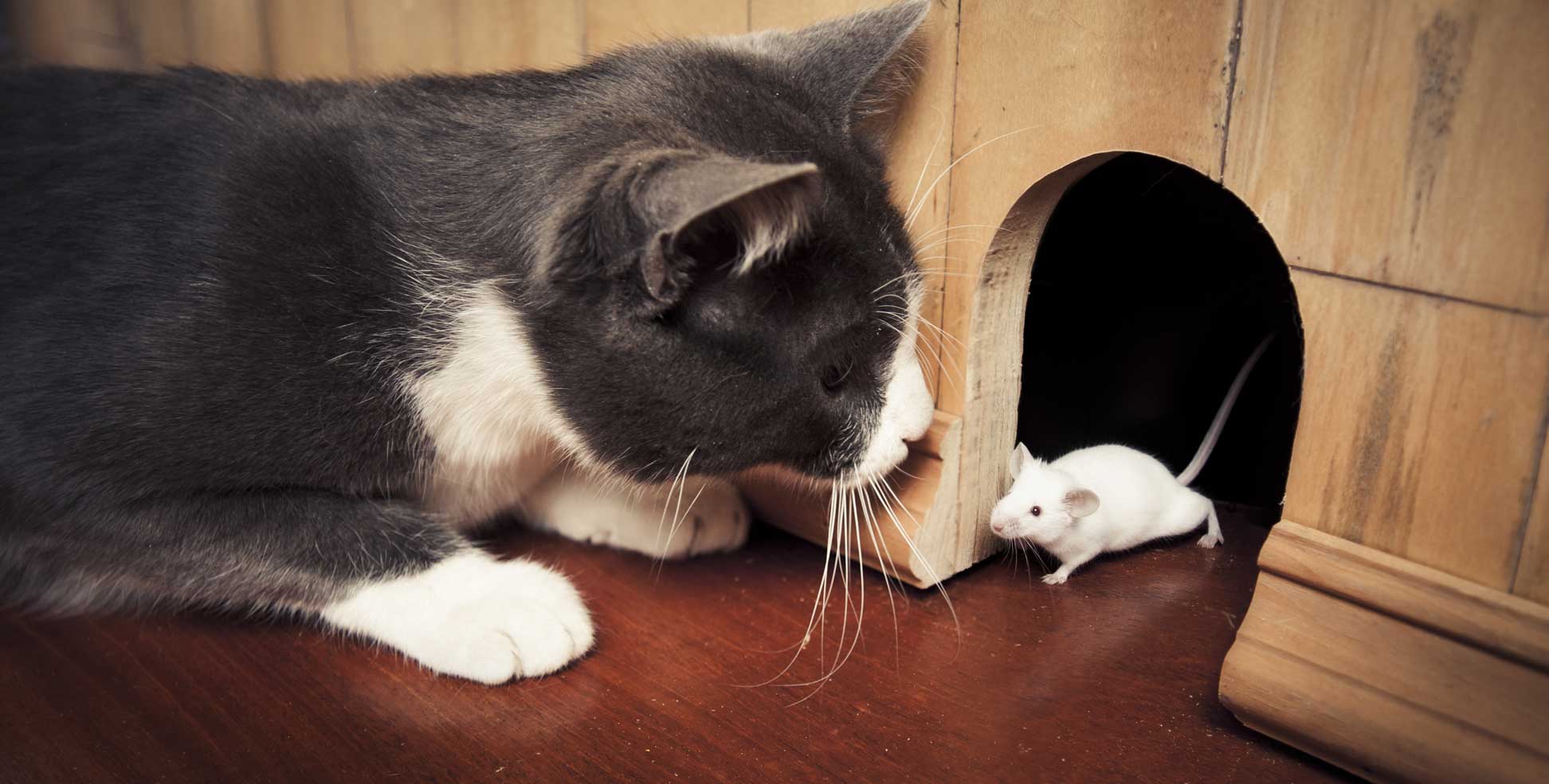
Source: Stevedalepetworld

The proverb ‘When the cat is away, the mice will play’ has Latin origins.

Dum felis dormit, mus gaudet et exsi litantro (or ‘When the cat falls asleep, the mouse rejoices and leaps from the hole’)

It was also used in the early fourteenth century by the French: Ou chat na rat regne (‘Where there is no cat, the rat is king’).

And then Will Shakespeare used it in Henry the Fifth(1599), Act I, Scene II:

Westmoreland, speaking with King Henry V, Gloucester, Bedford, Exeter and Warwick
“But there’s a saying very old and true,
‘If that you will France win,
Then with Scotland first begin:’
For once the eagle England being in prey,
To her unguarded nest the weasel Scot
Comes sneaking and so sucks her princely eggs,
Playing the mouse in absence of the cat,
To tear and havoc more than she can eat”

The phrase first appears in its modern form in the United States in the literary and political magazine The Port folio in 1802 (2; 323):

Interesting. But what does any of this have to do with Parkinson’s?

Continue reading “When GCase is away, the GSLs will play”