Exenatide: Identifying the responders

In a recent post we discussed the results of the Exenatide clinical trial from last year, and looked at some further analysis of the data, which hinted at the possibility that the drug may be having additional benefits (Click here to read that post).

The researchers behind the Exenatide study have now published the results of a second deep dive into the data and found something potentially very interesting and useful: they may have identified certain characteristics of those participants in the study who responded the best to the drug. 

The researchers are quick to point out that this type of post hoc analysis is only conducted for the purpose of generating hypotheses, but it will be interesting to determine if this is finding is validated in further clinical investigations of Exenatide.

In today’s post, we will review the new finding and discuss what they could potentially mean.


Tom Isaacs. Source: GrannyButtons

For most of the Parkinson’s community, Tom Isaacs requires no introduction.

In 1996 – at just 27-years of age – the London-based surveyor was diagnosed with Parkinson’s. After dealing with the initial shock of it all, Tom embraced his situation and became a committed, (utterly) tireless activist. He first walked the entire coastline of the UK to raise money and awareness for Parkinson’s. His book, “Shake well before use“, discusses that trip and adapting to life with Parkinson’s. It is a fantastic read.

And upon returning from his epic walk, he (along with three others) founded and set up the Cure Parkinson’s Trust.

It is pretty safe to say that beyond Michael J Fox and Muhammad Ali, Tom was one of the most impactful members of the Parkinson’s community on marshaling scientific research efforts to find a cure for Parkinson’s.

And he did it all with style and humour:

This was a video of Tom in 2009, talking about life with Parkinson’s:

His passing last year was a terrible loss to the community, and this month, the European Journal of Neuroscience has a special tribute edition dedicated to the memory of Tom.

One of the research reports in that issue involves a study that was very close to Tom’s heart: The Exenatide study.

And the report provides some very interesting new results based on re-analysis of the results of the clinical study.

What does the new report say?

Continue reading “Exenatide: Identifying the responders”

On the hunt for biomarkers


The monitoring and assessment of the symptoms/features of Parkinson’s is a big deal in the research community at the moment.

There is currently a mad hunt for ‘biomarkers’ – reliably measurable physical characteristics – that could help not only with the assessment of individuals living with the condition, but could also aid in the running of clinical trials by providing additional measures of efficacy/benefit.

Recently an interesting perspective was written by some of the leading researchers in this field.

In today’s post, we review what the perspective outlined, and we will discuss other aspects of the biomarker research that need to be considered by the wider Parkinson’s community.


Perspective. Source: Huffingtonpost

Scientific journals will often invite the research leaders in a particular field of investigation to write a brief journal article that deals with unique view of a common problem.

Articles of this nature are called ‘Perspectives‘.

And recently a very interesting perspective was published in the journal Science on the topic of biomarkers for Parkinson’s.

Title: Finding useful biomarkers for Parkinson’s disease
Authors: Chen-Plotkin AS, Albin R,….a lot of additional authors…, Zhang J
Journal: Science Translational Medicine, 15 Aug 2018, 10 (454), eaam6003.
PMID: N/A

This perspective included a rather long list of a ‘who’s-who’ of Parkinson’s researchers – both academic and industry. Even members of the Michael J Fox Foundation and Verily/Google Life Sciences were included.

The perspective sought to highlight ‘the “ecosystem” of shared biofluid sample biorepositories and data sets will focus biomarker efforts in Parkinson’s‘. It is a very enlightening read, one that begs for reader responses. But sadly the article is behind a ‘pay wall’, and so many in the Parkinson’s community won’t be able to provide any thoughts or feedback.

Shame.

But not to worry, we can discuss the matter here. And the best place to start that discussion is with the obvious first question:

What is a biomarker?

A biomarker is an objectively measurable physical characteristic associated with a condition. It is a biological component of a condition that correlates with that condition in some way. For example, the DaTscan brain imaging technique provides a ‘biomarker’ for Parkinson’s by measuring the amount of dopamine re-absorption in the brain. By labelling the dopamine neurons with a radioactive marker, we can quantify the levels of dopamine activity in a person.

An example of a DaTscan. Source: Cedars-sinai 

What did the perspective say about biomarkers for Parkinson’s?

Continue reading “On the hunt for biomarkers”

DBS 3.0: Magnetise me?


Today’s post discusses some interesting new research that could potentially have ‘blue sky’ implications for the treatment of Parkinson’s (‘blue sky‘ meaning somewhere in the longer-term framework).  

The research deals with the amazing activity of a newly discovered protein, isolated from tiny little fish. The protein responds to magnetic fields. And with a lot more work, the researchers behind this discovery think that this protein could be useful in the future for the treatment of Parkinson’s.

In today’s post, we will have a look at this new protein, review the research report, and explore how this novel discovery could possibly be used for treating Parkinson’s.


Source: Flickr

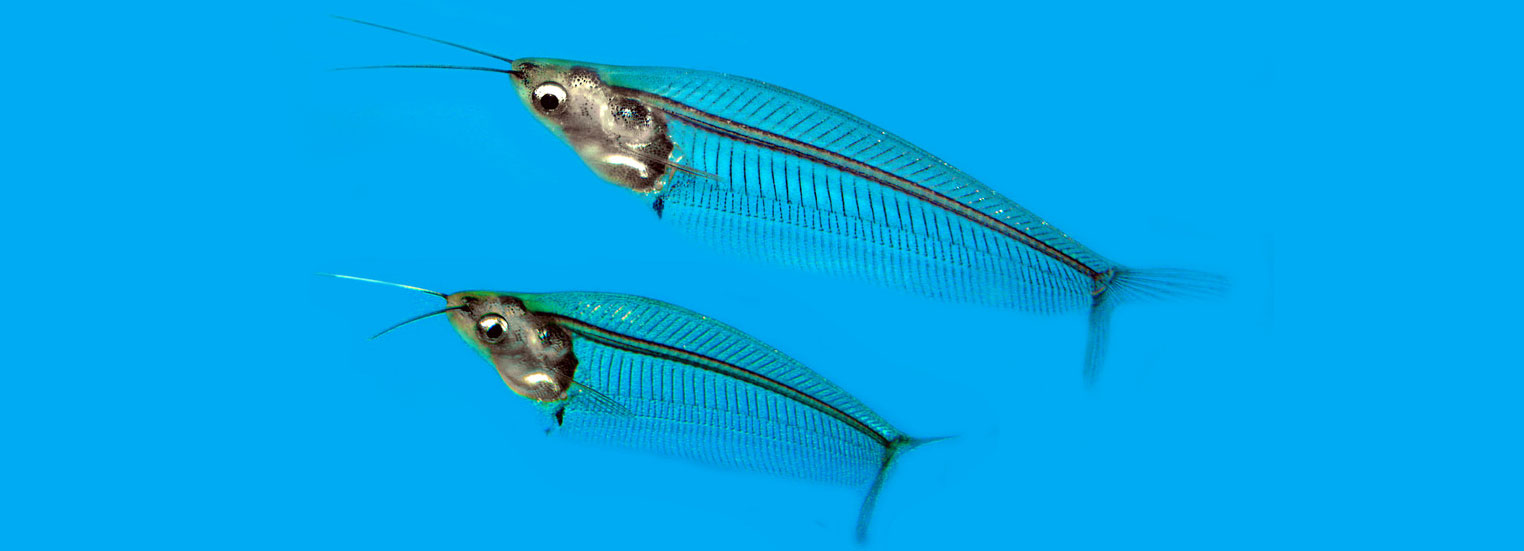
The two fish in the image above are called Kryptopterus bicirrhis (or more commonly “glass catfish”).

These wondrous little creatures are typically found in the river waters of Thailand and Indonesia, they grow to a final length of approximately 8-12 cm (4-5 inches), and they live for 6-8 years.

But immediately you notice their most striking feature: the semi-transparent-ness of their bodies:

Why am I starting this post by talking about these curious little fish?

Some researchers in Baltimore (Maryland) recently made an amazing discovery related to them.

Which was?

Continue reading “DBS 3.0: Magnetise me?”

The genetics of Parkinson’s: New mutants


The Parkinson’s research community is currently drowning in data related to genetics.

It feels like every time one comes up for air, there is a new study highlighting not one, but half a dozen novel genetic variants associated with an increased risk of developing the condition. This week alone, a new research report has been made available that by itself proposes 39 new genetic risk factors. 

The researchers analysed the DNA of 37,700 people with Parkinson’s and 1.4 million (!!!) healthy control subjects and found a total of 92 genetic risk factors for PD.

But what does it all mean? How much influence does genetics have on Parkinson’s?

In today’s post, we will outline the genetics of Parkinson’s, review some of the new studies, and discuss what the new findings mean for Parkinson’s.


Source: Screenrant

When I say the word ‘mutant’, what do you think of?

Perhaps your imagination drifts towards comic book superheroes or characters in movies who have acquired amazing new super powers resulting from their bodies being zapped with toxic gamma-rays or such like.

Alternatively, maybe you think of certain negative connotation associated with the word ‘mutant’. You might associate the word with terms like ‘weirdo’ or ‘oddity’, and think of the ‘freak show’ performers who used to be put on display at the travelling carnivals.

Circus freak show (photo bombing giraffe). Source: Bretlittlehales

In biology, however, the word ‘mutant’ means something utterly different.

What does ‘mutant’ mean in biology?

Continue reading “The genetics of Parkinson’s: New mutants”

ACT UP: Advocacy is Critical To Undoing Parkinson’s


In March of 2017, activists all over the world celebrated the 30th anniversary of ACT UP.

ACT UP was an international direct action advocacy group that was set up to help people with Human immunodeficiency virus (HIV) infections and acquired immune deficiency syndrome (AIDS), and more importantly to encourage legislation/policy, medical research and treatment for this devastating.

Some people might say that there have been few advocacy efforts for a medical condition that have had as much impact, or had such a lasting legacy. Others, on the other hand, would suggest that a collective AIDS advocacy effort and a paralysing fear of the deadly condition at the time stimulated most of the action action that followed. Regardless of which opinion is correct, an analysis of the AIDS advocacy makes interesting food for thought.

In today’s post, we will have look at what ACT UP did, what was the result of the overall AIDS advocacy movement, and we will discuss what the Parkinson’s (and neurodegenerative) community could learn from it.


Every week, the U.S. Centers for Disease Control and Prevention (CDC) publishes the Morbidity and Mortality Weekly Report (or MMWR).

It provides public health information and recommendations based on information collected by the CDC from all of the various state health departments. The material published in each report is provided as a public service and may be reprinted and used without permission.

On the 5th June 1981, the CDC published a MMWR, describing five cases of a rare lung infection (called Pneumocystis carinii pneumonia). This was an extremely rare, but opportunistic infection – it generally occurred in people with very compromised immune systems.

All of the five cases were young (29-36 years of age), and had previously been healthy, homosexual men living in the Los Angeles area. All of the men had additional unusual infections, which suggested to doctors that their immune systems were not working properly.

Two of the men had already died by the time the report is published.

One month later, on the 3rd July (1981), a second MMWR was published. This one mentioned further cases of Pneumocystis carinii pneumonia and cited 26 cases of a rare form of cancer known as Kaposi’s sarcoma, which is caused by a viral infection:

These two MMWRs were the first official reports mentioning what would go on to become known as the AIDS epidemic – a devastating, ongoing global health issue that has thus far claimed 35+ million lives.

It was also the very beginning of what would be an amazing story of patient advocacy. The one that would become the template for many future efforts. Part of that advocacy effort was called “ACT UP”, and in today’s post we will discuss what the movement was and how they achieved some amazing accomplishments.

But before we get to that, let’s start at the beginning:

What exactly is AIDS?

Continue reading “ACT UP: Advocacy is Critical To Undoing Parkinson’s”

Back to back stimulation

Many members of the Parkinson’s community will have heard of deep brain stimulation – a surgical procedure that is offered to individuals with particularly bad tremor or dyskinesias – but there is now another form of stimulation that is now being tested in people with PD.

Spinal cord stimulation has long been used as a therapy for back pain and research groups have recently been asking if this technique could be applied to Parkinson’s.

In today’s post we will discuss some recently published data that points towards certain aspects of the motor features of Parkinson’s that could benefit from spinal cord stimulation, particularly freezing of gait.


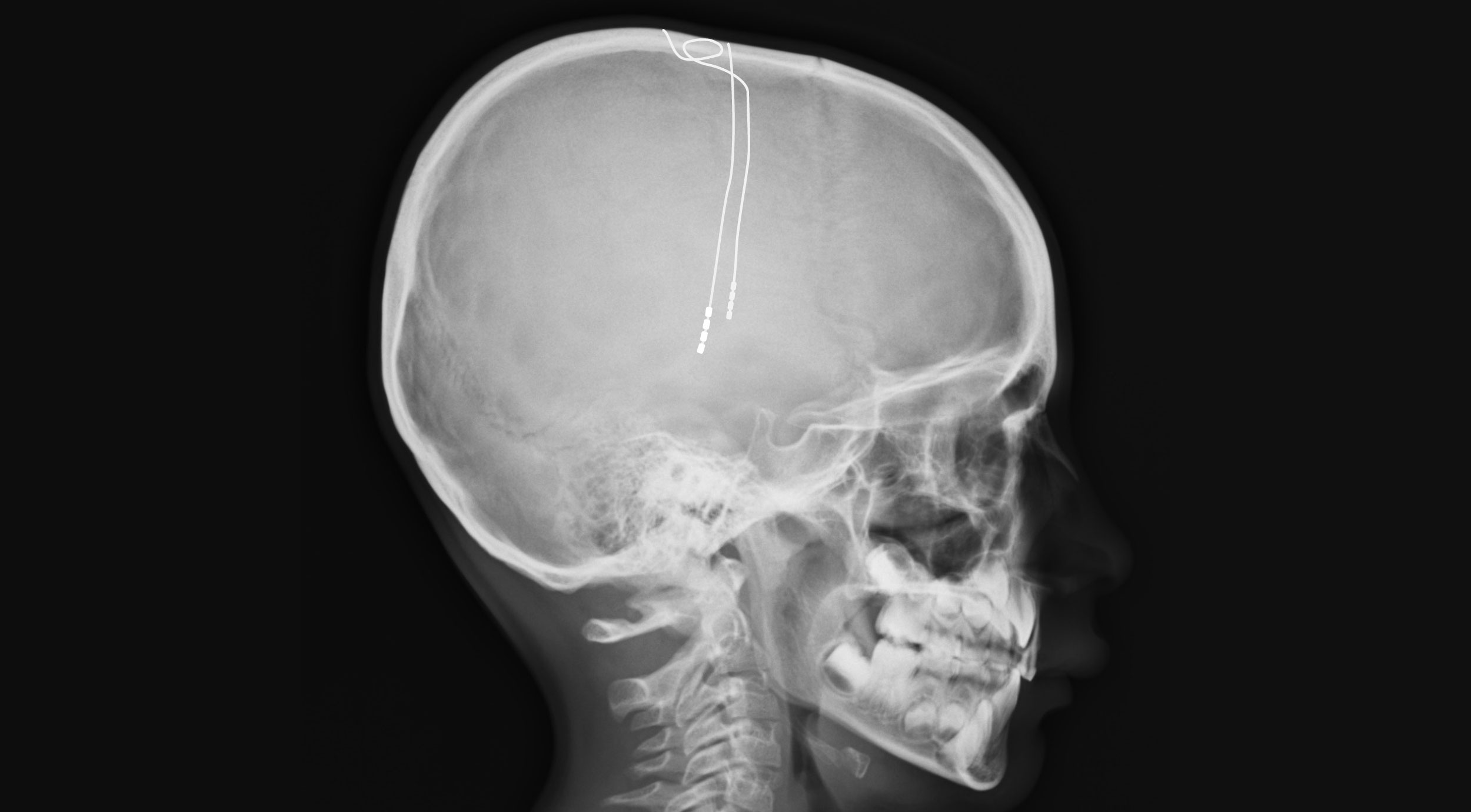
Deep brain stimulation electrodes implanted in the brain. Source: 2ndFriday

Deep brain stimulation (or DBS) has now become a routine treatment option for those in the Parkinson’s community with particularly debilitating motor features (such as severe tremor or dyskinesias).

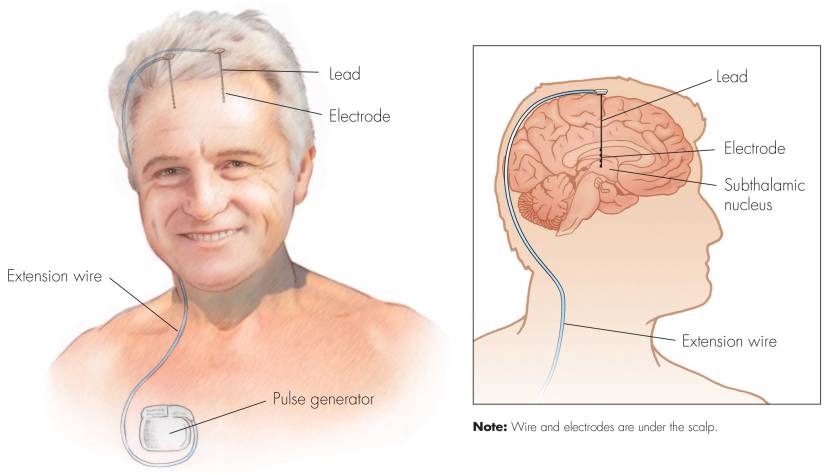
First introduced in 1987, deep brain stimulation consists of three components: the pulse generator, an extension wire, and the leads (which the electrodes are attached to). All of these components are implanted inside the body. Similar to a pace maker for the heart, the DBS system is turned on, programmed and turned off remotely.

Shahlaie_DBS_Illustration-full

Source: Ucdmc

The electrodes that are implanted deep in the brain are tiny, and the very tip of the electrode has small metal plates (each less than a mm in width) which provide the pulses that will help mediate the activity in the brain.

3387tip

DBS electrode tip. Source: Oxford

Interesting. How does it work?

Continue reading “Back to back stimulation”

Green light in Kyoto

Parkinson’s is a neurodegenerative condition. This means that cells in the brain are being lost over time. Any ‘cure’ for Parkinson’s is going to require some form of cell replacement therapy – introducing new cells that can replace those that were lost.

Cell transplantation represents one approach to cell replacement therapy, and this week we learned that the Japanese regulatory authorities have given the green light for a new cell transplantation clinical trial to take place in Kyoto.

This new trial will involve cells derived from induced pluripotent stem cells (or IPS cells).

In today’s post we will discuss what induced pluripotent stem cells are, what previous research has been conducted on these cells, and what we know about the new trial.


yamanaka-s

Source: Glastone Institute

The man in the image above is Prof Shinya Yamanaka.

He’s a rockstar in the biomedical research community.

Prof Yamanaka is the director of Center for induced Pluripotent Stem Cell Research and Application (CiRA); and a professor at the Institute for Frontier Medical Sciences at Kyoto University.

But more importantly, in 2006 he published a research report that would quite literally ‘change everything’.

In that report, he demonstrated a method by which someone could take a simple skin cell (called a fibroblast), grow it in cell culture for a while, and then re-program it so that it would transform into a stem cell – a cell that is capable of becoming any kind of cell in the body.

The transformed cells were called induced pluripotent stem (IPS) cell – ‘pluripotent’ meaning capable of any fate.

It was an amazing feat that made the hypothetical idea of ‘personalised medicine’ suddenly very possible – take skin cells from anyone with a particular medical condition, turn them into whatever cell type you like, and then either test drugs on those cells or transplant them back into their body (replacing the cells that have been lost due to the medical condition).

Personalised medicine with IPS cells. Source: Bodyhacks

IPS cells are now being used all over the world, for all kinds of biomedical research. And many research groups are rushing to bring IPS cell-based therapies to the clinic in the hope of providing the long sort-after dream of personalised medicine.

This week the Parkinson’s community received word that the Pharmaceuticals and Medical Devices Agency (PMDA) – the Japanese regulatory agency that oversees clinical trials – have agreed for researchers at Kyoto University to conduct a cell transplantation trial for Parkinson’s, using dopamine neurons derived from IPS cells. And the researchers are planning to begin their study in the next month.

In today’s post we are going to discuss this exciting development, but we should probably  start at the beginning with the obvious question:

What exactly is an IPS cell?

Continue reading “Green light in Kyoto”

Monthly Research Review – July 2018

At the end of each month the SoPD writes a post which provides an overview of some of the major pieces of Parkinson’s-related research that were made available during July 2018.

The post is divided into five parts based on the type of research (Basic biology, disease mechanism, clinical research, other news, and Review articles/videos). 


So, what happened during July 2018?

In world news:

July 1-31st – Best summer weather ever in the UK (personal opinion based on 12 years experience)

July 7 – Fifty three couples lined up for the 23rd Annual Wife Carrying Championship (?!?). The hour-long race in the small Finnish town of Sonkajarviwas was won by a Lithuanian couple (congrats to Vytautas Kirkliauskas and his wife Neringa Kirkliauskiene). The image below is from one of the UK contests (looks like pretty serious stuff, huh?).

July 10 – Twelve boys and their football coach are successfully rescued from the flooded Tham Luang Nang Non cave in Thailand, following a 17-day ordeal that gained worldwide attention.

July 25 – Scientists report the discovery of a subglacial lake on Mars, 1.5 km below the southern polar ice cap. The lake, extending out about 20 km, is the first known body of water on the planet.

July 27 – The longest total lunar eclipse of the 21st century occurred, and Mars makes its closest approach to Earth since 2003.


In the world of Parkinson’s research, a great deal of new research and news was reported:

In July 2018, there were 645 research articles added to the Pubmed website with the tag word “Parkinson’s” attached (4751 for all of 2018 so far). In addition, there was a wave to news reports regarding various other bits of Parkinson’s research activity (clinical trials, etc).

The top 5 pieces of Parkinson’s news

Continue reading “Monthly Research Review – July 2018”

Keep your sights on lymphocytes

Recently new research has been published that raises the question (again) as to whether there is something wrong with the immune system in Parkinson’s 

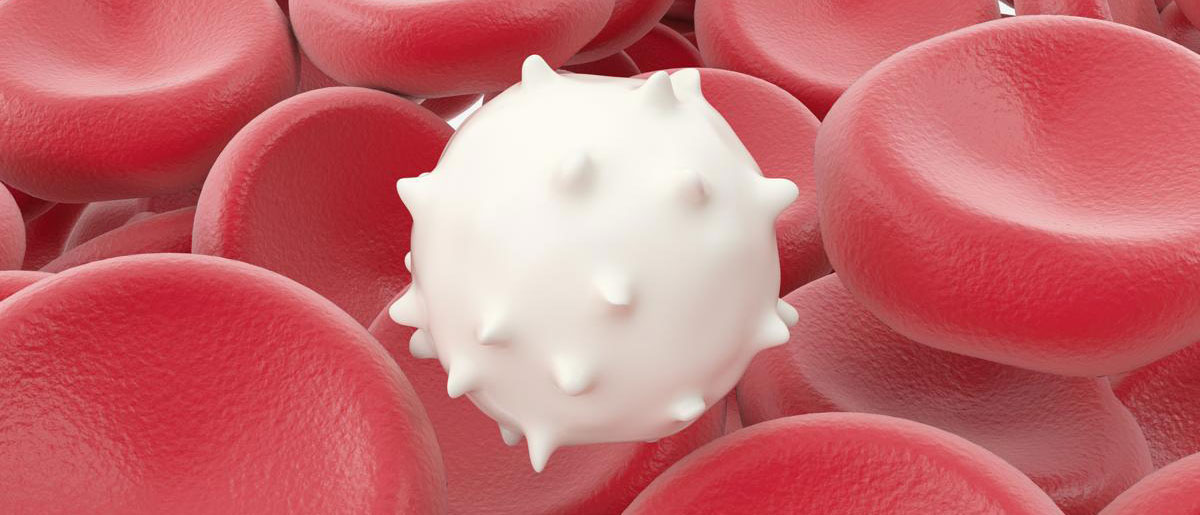
Researchers from Germany and San Diego (USA) have published data suggesting that a particular type of blood cell may be acting up in Parkinson’s, getting involved with the neurodegenerative process that characterises the condition.

In their report they also found a clinically available treatment – called Secukinumab – that could reduce the effect.

In today’s post, we will look at what lymphocytes are, how they may be playing a role in Parkinson’s, and explain how secukinumab could potentially aid us in the treatment of PD.


Ouch! Source: CT

My 5 year old recently cut her leg, and there was a bit of blood. We patched her up with a plaster, but also took advantage of the moment to learn a little something about how the body works.

Me: Do you know what that red stuff is?

Little monster: It is blood?

Me: That’s right.

Little monster: Papa, where does blood come from?

That was when I got all excited, and pulled out my black board.

This was the answer I gave her:

Continue reading “Keep your sights on lymphocytes”

New LRRK2 results: Game changer?


Millions of dollars in research funding for Parkinson’s has been poured into the biology and function of just one hyperactive protein. It is called Leucine-rich repeat kinase 2 (or LRRK2). Genetic mutations in the gene that gives rise to this abnormal version of the protein can leave carriers with a higher risk of developing Parkinson’s. 

All of that research funding has resulted in an incredible leap forward in our understanding of LRRK2, which has further led to clinical trials focused solely on LRRK2. Mutations in the LRRK2 gene occur in only 1-2% of the Parkinson’s population, however, which has led to some complaints that too much research is being focused on only a small fraction of the people affected by PD.

New research published this week could silence those complaints.

In today’s post we will discuss a new report suggesting that independent of any genetic mutations, LRRK2 may actually play a role in idiopathic (or spontaneous) forms of Parkinson’s, which means that the treatments being developed for LRRK2 could be beneficial for a wider section of the PD community.


sergey_brin

This is Sergey Brin.

He’s a dude.

You may have hear of him – he was one of the founders of a small company called “Google”.

Having changed the way the world searches the internet, he is now turning his attention to other projects.

One of those other projects is close to our hearts: Parkinson’s.

Why is he interested in Parkinson’s?

Continue reading “New LRRK2 results: Game changer?”