Xenon: A bright light for dyskinesias?

A recent study published by French, British and Swiss researchers has grabbed the attention of some readers.

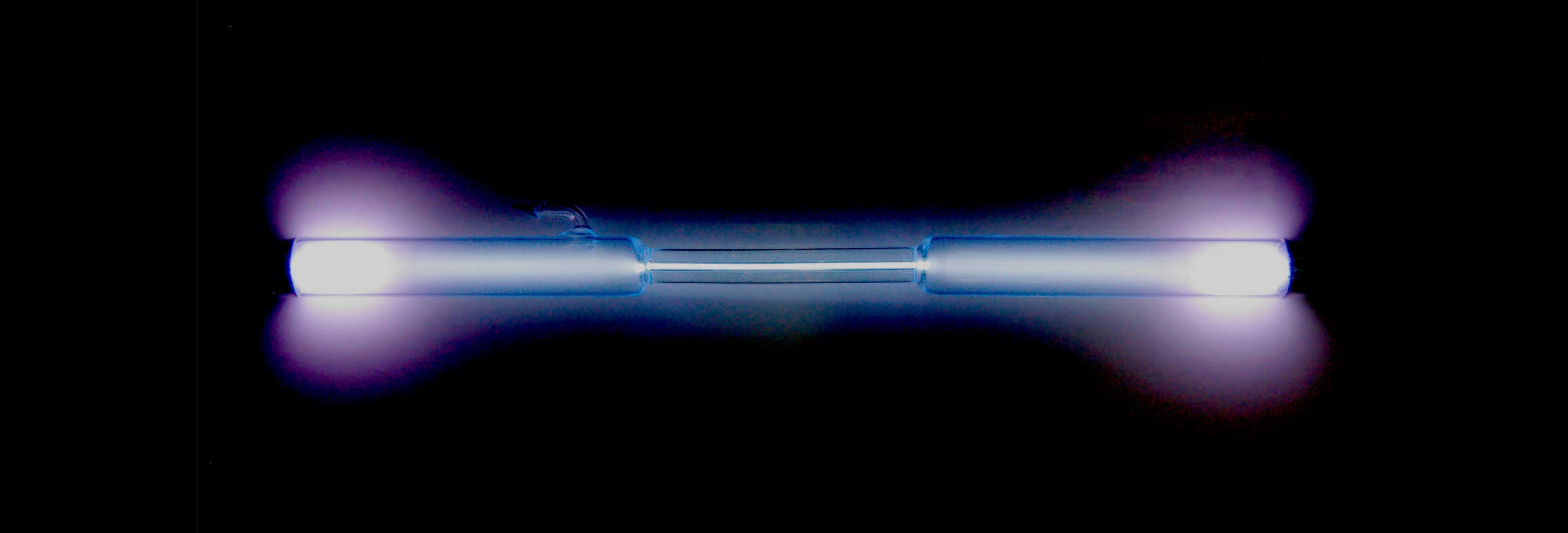
The report suggests that the inert/noble gas, Xenon, has powerful anti-dyskinetic properties in both mouse and primate models of Parkinson’s with L-DOPA-induced dyskinesias.

Dyskinesias are involuntary movements that can develop over time with prolonged used of L-DOPA treatments.

In today’s post, we will discuss what Xenon is, how it may be reducing dyskinesias, and we will consider some of the issues associated with using Xenon.


Dyskinesia. Source: JAMA Neurology

There is a normal course of events following a diagnosis of Parkinson’s.

Yes, I am grossly over-generalising, and no, I’m not talking from personal experience, but just go with me on this for the sake of discussion.

First comes the shock of the actual diagnosis. For many it is devastating news – an event that changes the course of their future. For others, however, the words ‘you have Parkinson’s‘ can provide a strange sense of relief that their current situation has a name and gives them something to focus on.

This initial phase is usually followed by the roller coaster of various emotions (including disbelief, sadness, anger, denial). It depends on each individual.

The emotional rollercoaster. Source: Asklatisha

And then comes the period during which many will try to familiarise themselves with their new situation. They will read books, search online for information, join Facebook groups (Click here for a good one), etc.

That search for information often leads to awareness of some of the realities of the condition.

And one potential reality that causes concern for many people (especially for people with early onset Parkinson’s) is dyskinesias.

What are dyskinesias?

Continue reading “Xenon: A bright light for dyskinesias?”

Keep an eye on mild TBI

Last week one of the most comprehensive analyses assessing the risk of developing Parkinson’s following mild traumatic brain injury (or TBI) was published.

Using data collected from US military veterans, the study concluded that mild TBI was associated with a 56% increased risk of developing Parkinson’s.

In today’s post, we will review the study, discuss what TBI means, and consider what implications this study could have for the Parkinson’s community.


Source: Jamesriverarmory

At a recent research conference, a young PhD student was looking at me from across the room.

Finally, she walked across to me and asked:

“Excuse me. Are you the goat guy?”

I smiled.

It had been a while since anyone had asked me this.

“Yes,” I replied, “I am the goat guy”

Let me explain:

Continue reading “Keep an eye on mild TBI”

The Mannitol results

Last week the first results of an ambitious project are being shared with the Parkinson’s community.

Clinicrowd is a “crowd sourcing platform exploring disease treatments that Pharma companies have no interest to investigate or promote”. Their initial focus was Parkinson’s (though they now have additional projects for other medical conditions), and their first experimental treatment for Parkinson’s was the sweetener ‘mannitol’.

The results provide some interesting insights into the properties of mannitol and into crowd sourced projects.

In today’s post, we will discuss what mannitol is, why it is interesting, outline the Clinicrowd project, and review the results of the mannitol study.


152386jpg

Mannitol. Source: Qualifirst

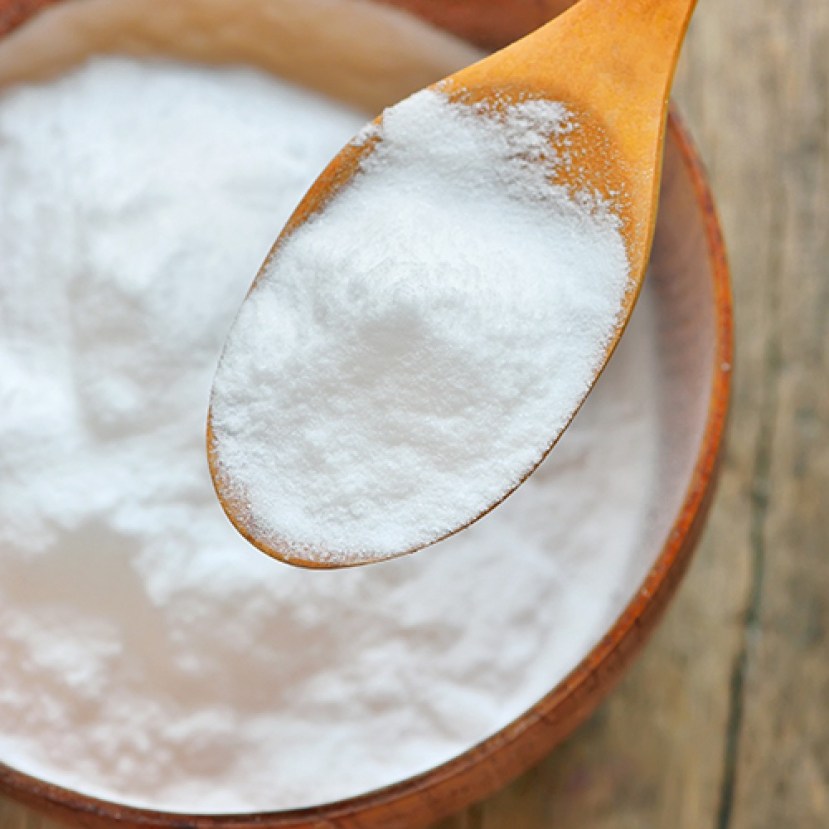
Without a shadow of doubt, one of the most popular topics searched for on this website is ‘mannitol’.

In 2017, the second most visited page on the site (behind only the main/home page) was a post called “Update – Mannitol and Parkinson’s“. And as if to put an exclamation point on the matter, the fourth most visited page was “Manna from heaven? Mannitol and Parkinson’s

Understand though, that both of these posts were actually written in 2016!

Throughout 2017-18, not a week has gone by without someone contacting me to ask about mannitol and the ‘CliniCrowd‘ project.

Thus, it brings me great pleasure to sit down tonight and write this post.

What is mannitol?

Continue reading “The Mannitol results”

To B3 or not to B3, that is the question

The results of a recent clinical study for Parkinson’s conducted in Georgia (USA) has grabbed the attention of some readers.

The study involved Niacin (also known as nicotinic acid), which is a naturally occurring organic dietary compound and a form of vitamin B3.

The study was very small, but the researchers noticed something interesting in the blood of the participants: Niacin was apparently switching some of the immune cells from an inflammatory state to an anti-inflammatory state.

In today’s post, we will discuss what Niacin is, how it relates to Parkinson’s, and we will consider some of the issues with having too much niacin in your diet.


Source: Universal

It is one of the most common requests I get:

“Can you give an opinion on this supplement ____ or that vitamin ____ as a treatment for Parkinson’s?”

And I don’t like giving opinions, because (my standard disclosure) “I am not a clinician, just a research scientist. And even if i was a clinician, it would be unethical for me to comment as I am not familiar with each individual’s medical history. The best person to speak to is your personal doctor“.

But I also don’t like giving opinions because of a terrible fear that if I write anything remotely positive about anything remotely supplemental or vitamintal (is that a word?), a small portion of readers will rush off and gorge themselves on anything that sounds remotely similar to that supplement or vitamin.

So you will hopefully understand why I am hesitant to write this post.

But having said that, the recently published results of a small clinical study conducted in Augusta (Georgia, USA) are rather interesting.

Continue reading “To B3 or not to B3, that is the question”

Two birds, one stone?

This week interesting research was published in the journal EMBO that looked at the Parkinson’s-associated protein Leucine-rich repeat kinase 2 (or LRRK2).

In their study, the researchers discovered that lowering levels of LRRK2 protein (in cells and animals) affected the ability of Mycobacterium tuberculosis – the bacteria that causes Tuberculosis – to replicate.

In today’s post, we will discuss what Tuberculosis is, how it relates to LRRK2 and Parkinson’s, and we will consider why this is potentially REALLY big news for Parkinson’s.


Daedalus and Icarus. Source: Skytamer

In Greek Mythology, there is the tale of Daedalus and Icarus.

Daedalus was a really smart guy, who designed the labyrinth on Crete, which housed the Minotaur (the ‘part man, part bull’ beast). For all his hard work, however, Daedalus was shut up in a tower and held captive by King Minos to stop the knowledge of his Labyrinth from spreading to the general public.

Source: Clansofhonor

But a mere tower was never going to stop Daedalus, and he set about fabricating wings for himself and his young son Icarus (who was also a captive).

Being stuck in the tower limited Daedalus’ access to feathers for making those wings, except of course for the large birds of prey that circled the tower awaiting the demise of Daedalus and his son. But he devised a clever way of throwing stones at the birds in such a way, that he is able to strike one bird and then the ricochet would hit a second bird.

And thus, the phase ‘killing two birds with one stone’ was born (or so it is said – there is also a Chinese origin for the phrase – Source).

Interesting. And this relates to Parkinson’s how?!?

Well, this week researchers in the UK have discovered that a protein associated with Parkinson’s is apparently also associated with another condition: Tuberculosis. And they also found that treatments being designed to target this protein in Parkinson’s, could also be used to fight Tuberculosis.

Two birds, one stone.

What is Tuberculosis?

Continue reading “Two birds, one stone?”

BIIB054: An immunotherapy update

Immunotherapy is an experimental treatment that is being tested in Parkinson’s in the hope that it will be able to slow down the progression of the condition.

This week the Pharmaceutical company Biogen provided an update regarding their immunotherapy program for Parkinson’s.

It involves a drug called BIIB054.

In today’s post we will look at what BIIB054 is, how it works, and review the results of Biogen’s first clinical trial with this treatment.


This week the 2018 American Academy of Neurology ANN Annual Meeting is being held in Los Angeles (California). The meeting is an opportunity each year for researchers to meet and share new discoveries. A lot of neuroscience-focused biotech companies use the meeting to release new clinical trial results.

And this year one result in particular has been rather encouraging.

At 3:30pm on 24th April, the pharmaceutical company Biogen made a presentation entitled “Randomized, Double-Blind, Placebo-Controlled, Single Ascending Dose Study of AntiAlpha-Synuclein Antibody BIIB054 in Patients with Parkinson’s Disease,” which provided some of the first insights into the companies immunotherapy program for Parkinson’s.

What is immunotherapy?

Continue reading “BIIB054: An immunotherapy update”