A re-think of PINK


The immune system is our main line of defense against a world full of potentially dangerous disease causing agents. It is a complicated beast that does a fantastic job of keeping us safe and well.

Recently, however, there was an interesting study suggesting that a genetic risk factor for Parkinson’s may be associated with an over-reaction from the immune system in response to infection from a common human food poisoning bug.

Specifically, mice who were missing the gene PINK1 literally had an ‘autoimmune reaction’ to the infection – that is the immune system began attacking healthy cells of the body – while normal mice (with intact PINK1 genes) recovered from the infection and went about their business.

In today’s post, we will explore this new research and discuss why we may need to rethink PINK.


Source: Huffington Post

I have had a guts full of all this gut research being published about Parkinson’s.

[NOTE 1.: For the unitiated: A “guts full” – Adjective, Kiwi colloquialism. Meaning ‘Had enough of’, ‘fed up of’, ‘endured to the point of tolerance’]

[NOTE 2.: The author of this blog is a Kiwi]

I really can’t stomach anymore of it.

And my gut feeling suggests that there is only more to come. It would be nice though, to have something else… something different to digest.

So what is today’s post all about?

Gut research of course.

But this gut research has a REALLY interesting twist.

Continue reading “A re-think of PINK”

When Bluerock became Bayer


Cell replacement therapy is a key component of any “cure” for Parkinson’s – replacing the cells that have been lost over the course of the condition.

Cell transplantation of dopamine neurons has a long track record of both preclinical and clinical development and represents the most developed of the cell replacement approaches.

Two weeks ago, the biotech firm BlueRock Therapeutics announced an agreement under which the pharmaceutical company Bayer AG would fully acquire the company.

In today’s post we will discuss why this is major news for the Parkinson’s community and an important development for the field of cell replacement therapy.


Source: Wikipedia

On the 8th August, Bayer AG and BlueRock Therapeutics announced an agreement under which Bayer will “fully acquire BlueRock Therapeutics, a privately held US-headquartered biotechnology company focused on developing engineered cell therapies in the fields of neurology, cardiology and immunology, using a proprietary induced pluripotent stem cell (iPSC) platform” (Source).

What is BlueRock Therapeutics?

BlueRock is a biotech firm that was foundered in 2016 as a joint venture between the investment firm Versant Ventures and Leaps by Bayer (with US$225 Million in Series A Financing).

Versant Ventures is a leading venture capital firm that specializes in investing “in game changing biopharmaceuticals, medical devices, and other life science opportunities”. Leaps by Bayer is an effort by the Pharmaceutical company Bayer at “spearheading a movement to make paradigm-shifting advances in the life sciences – targeting the breakthroughs that could fundamentally change the world for the better”.

The news on the 8th August means Bayer will acquire the remaining stake for approximately US$240 million in cash (to be paid upfront) and an additional US$360 million which will be payable upon the achievement of certain pre-defined development milestones.

Given that Bayer currently holds 40.8% stake in BlueRock Therapeutics, this announcement values the company at approximately US$1 billion.

Interesting, but what exactly does BlueRock do?

Continue reading “When Bluerock became Bayer”

Monthly Research Review – July 2019

EDITIORIAL NOTE: Apologies to readers for the lack of content on the SoPD website this month. At the Cure Parkinson’s Trust, we have been preparing dossiers for the Linked Clinical Trials meeting in August. I will explain this process and the initiative in a future post, but for now just understand that the preparation is a 7 days/week, 9am-2am marathon task – which has been left little time (or energy) for the SoPD.

In addition, I will be completely off the grid from the 1st August for 12 days, so expect further radio silence. No laptop. No phone (how will I survive?!?!). After that, we’ll be back to our regularly scheduled content (and a lot of catching up on recent research).

Kind regards, Simon


At the end of each month the SoPD writes a post which provides an overview of some of the major pieces of Parkinson’s-related research that were made available during July 2019.

The post is divided into seven parts based on the type of research:

  • Basic biology
  • Disease mechanism
  • Clinical research
  • New clinical trials
  • Clinical trial news
  • Other news
  • Review articles/videos


So, what happened during July2019?

In world news:

1st-14th Juy – Wimbledon!

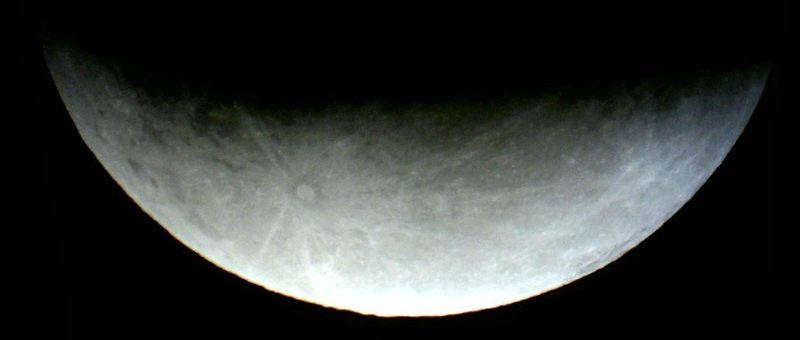
16th and 17th July – A partial lunar eclipse occurred. The Moon was covered about 65% by the Earth’s umbral shadow at maximum eclipse. This was the last umbral lunar eclipse until May 2021.

19th July – A week after cricketer Ben Stokes led England to beat New Zealand in an epic world cup final, some Kiwis nominated him for the New Zealander of the year award. Technically it works: He was born in NZ and lived there until he was 12, he apparently has Maori blood, and his parents still live there in NZ. Soooo… (Click here to read more about this).

31st July – concerns regarding the latest Ebola outbreak as the World Health Organization confirms a second person has died of the disease in Goma – a major transit hub in Democratic Republic of Congo (Click here to read more about this)


In the world of Parkinson’s research, a great deal of new research and news was reported:

In July 2019, there were 782 research articles added to the Pubmed website with the tag word “Parkinson’s” attached (5089 for all of 2018 so far). In addition, there was a wave to news reports regarding various other bits of Parkinson’s research activity (clinical trials, etc).

The top 5 pieces of Parkinson’s news

Continue reading “Monthly Research Review – July 2019”

“Transdiagnostic” clusters


“In current models of neurodegeneration, individual diseases are defined by the presence of one or two pathogenic protein species. Yet, it is the rule rather than the exception that a patient meets criteria for more than one disease”

These are the first lines of a manuscript on the preprint sharing webiste BioRxiv, which analysed the co-occurance of biological markers of Alzheimer’s or Parkinson’s or other neurodegenerative conditions across 18 brain regions in 1389 postmortem brain from people who passed away with a neurodegenerative condition.

The results are interesting.

In today’s post, we will discuss what this study did, what is meant by “transdiagnostic disease clusters”, and consider what could they mean for our understanding of Parkinson’s… and heck, neurodegenerative conditions in general.


Malcolm Gladwell. Source: Masterclass

I am a fan of Malcolm Gadwell (not an endorsement, this is just me sharing).

He has a great way of looking at a situation from a completely different angle, finding things that no one else sees, and then writing about it in a clever, easy to read manner. Having read most of his books, I was rather pleased to learn that he has a podcast – Revisionist History.

And it’s good.

Oh boy, it’s good.

The first episodes of the most recent series of the podcast have helped to raise my fragile self esteem, because I am definitely a tortoise (just listen to the first two episodes of season 4 and you’ll understand).

Oh, and Mr Gladwell, if you ever read this – in the next series of the podcast, please have a look at the dysfunctional way we clinically test new therapies in medicine – click here to read a previous SoPD rant on this topic. Thanks!

What does Malcolm Gladwell have to do with Parkinson’s?

It all comes back to that idea of looking at a situation from a completely different angle.

What do you mean?

Continue reading ““Transdiagnostic” clusters”

Dream, struggle, create, Prevail


The recent documents filed with the U.S. Securities and Exchange Commission by the biotech firm Prevail Therapeutics provides interesting insight into the bold plans of this company which was only founded in 2017.

Even more recent news that the U.S. Food and Drug Administration (FDA) has accepted the company’s Investigational New Drug (IND) application for its lead experimental treatment – PR001 – suggests that this company is not wasting any time. 

PR001 is a gene therapy approach targeting GBA-associated Parkinson’s.

In today’s post, we will discuss what GBA-associated Parkinson’s is, how Prevail plans to treat this condition, and discuss what we know about PR001.


Caterina Fake. Source: TwiT

The title of this post comes is from a quote by Caterina Fake (co-founder of Flickr and Hunch (now part of Ebay)), but it seemed appropriate.

This post is all about dreaming big (curing Parkinson’s), the struggle to get the research right, and to create a biotech company: Prevail Therapeutics.

What is Prevail Therapeutics?

Prevail is a gene therapy biotech firm that was founded in 2017.

The company was founded by Dr Asa Abeliovich:

Dr Asa Abeliovich. Source: Prevail

It was set up in a collaborative effort with The Silverstein Foundation for Parkinson’s with GBA (Click here to read a previous SoPD post about this organisation) and OrbiMed (a healthcare-dedicated investment firm).

What does Prevail Therapeutics do?

Continue reading “Dream, struggle, create, Prevail”

I’m worried about my IMM-AGE


Researchers have recently described a new method to quantify a person’s “immune age” – a measure that could act as a key determinant of future health, as well as response to disease and treatment.

This novel test appears to provide a more reliable predictor for the status of one’s immune system than any other previous method.

And it could be useful in other ways.

In today’s post, we will discuss this new method of determining “immune age”, explore examples of how similar analysis has been used for other conditions, and consider what it could mean for Parkinson’s.


Source: Emaze

Do you remember Andre Agassi?

I know he’s still around, but when I was young and less beautiful, I was a big fan. Not only of his on court achievements, but also of his charismatic off-court image.

And it certainly paid off well for him:

One of the things that Agassi taught us was that “image is everything”.

Before Agassi, tennis was a conservative sport of white shirts & shorts (McEnroe was basically as radical as things got). It was bland, conservative, and – yes, I’ll say it – boring.

Agassi not only brought colour but charisma to the game. It was shocking and disgraceful to some, but to young, naive fools like me, it was a captivating breath of much needed fresh air.

Source: Hesaidandshesaid

Despite the early infatuation with the stylings of Mr Agassi, I have to admit that I have never remotely been concerned about own image. My dimensions mean that I wear what fits as opposed to what I like, and as a result the finished product is better behind a keyboard rather than speaking to a crowd.

But as I have gotten older, I have become concerned about a different kind of IMM-AGE (not a typo).

Let me explain: Recently some researchers in Israel and at Stanford University in the US published a rather remarkable research report which if replicated could have important implications for how we approach medical care.

What did they report?

Continue reading “I’m worried about my IMM-AGE”

WPC 2019 – Day 3


Today’s post is a recap of Day 3 – the final day – at the World Parkinson’s Congress meeting in Kyoto, Japan.

I will highlight some of the presentations I was able to catch and try to reflect on what was an amazing meeting.


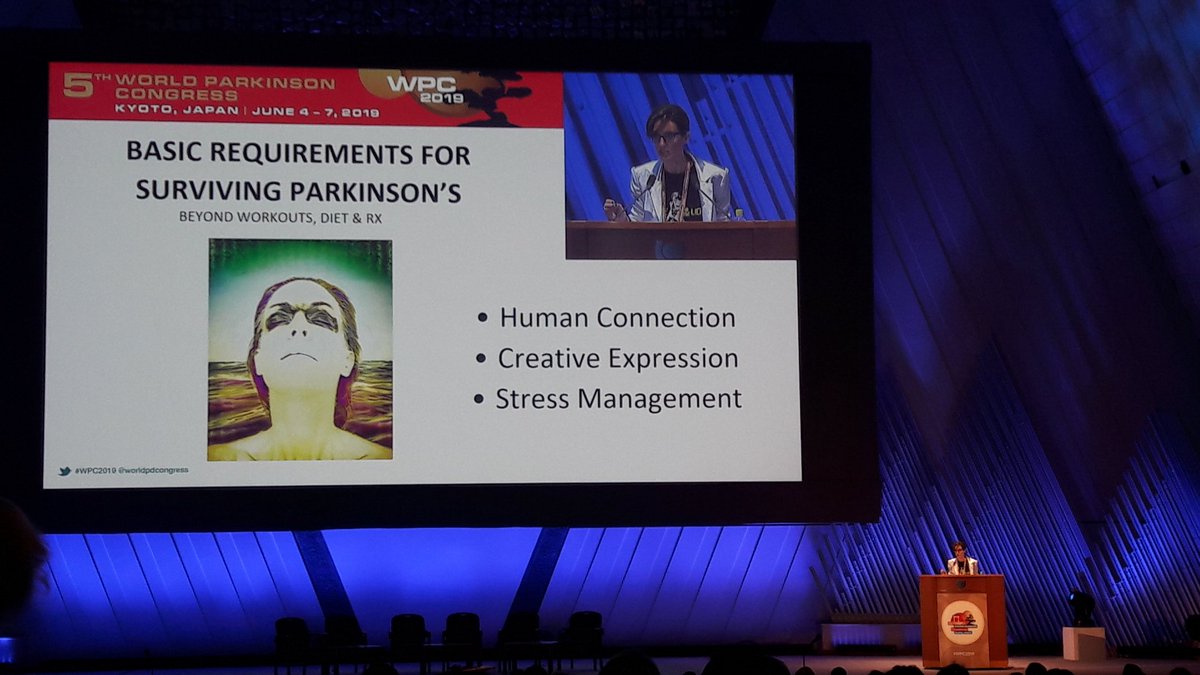
The final day of the WPC meeting for me started with Parkinson’s advocate Heather Kennedy‘s presentation on “Your radical new life: Creative ways to overcome our challenges”. In her talk, she spoke of the mindset that is required for tackling Parkinson’s and provided some advice on what-to-do and what-not-to-do.

And Heather was speaking from personal experience. Having been diagnosed in 2012, she has become an active advocate, supporter of Davis Phinney and Michael J Fox Foundations, and an administrator on several online sites. And she regularly speaks about different methods for overcoming the challenges of Parkinson’s:

“It is not ‘why is this happening to me?’, it is ‘what is this teaching me?”

Here is a presenation she gave at the recent Parkinson’s Eve meeting in the UK earlier this year:

Key among her pieces of advice is the need to make connections:

Continue reading “WPC 2019 – Day 3”

WPC 2019 – Day 0


Every three years the Parkinson’s community – patients, families, researchers, and clinicians – comes together to learn from each other, discuss where we are, and explore where we should be going.

The World Parkinson’s Congress (or WPC) is a very special event – rather unique in the world of conferences and scientific meetings.

The WPC meeting which is being held in Kyoto is the first one I have attended, and in today’s post, I will share what I observed on Day 0, and my impressions/thoughts of those observations.


The SoPD is at the 2019 World Parkinson’s Congress being held in Kyoto this year.

For the sake of those who are unable to be here, I will endeavour (famous last words coming up) to provide some of my impressions and observations of what is happening at the meeting on each day. We have previously discussed what the World Parkinson’s Congress is (Click here to read that post), so this post is literally just what happened each day.

And this is my first time attending the WPC, so any comments here will be coming from a novice. And I have been told by many individuals that WPC is not like other conferences.

Apparently, WPC is very special.

Continue reading “WPC 2019 – Day 0”

I’ve got gum disease on my mind


Earlier this year, a San Francisco-based biotech company – called Cortexyme – published a research report that grabbed my attention.

The study presented data supporting an alternative theory of the cause of Alzheimer’s – one in which a bacteria involved in gum disease appears to be playing a leading role – and evidence that the company’s lead experimental compound COR388 could have beneficial effects in the treatment of the condition.

While the study was intriguing, what completely blew my mind was the fact that the company had already tested COR388 in a couple of Phase I clinical trials, and since then they have initiated a large Phase II/III trial.

In today’s post, we will discuss this new theory of Alzheimer’s, look at what Cortexyme are doing, and how this could relate to Parkinson’s.


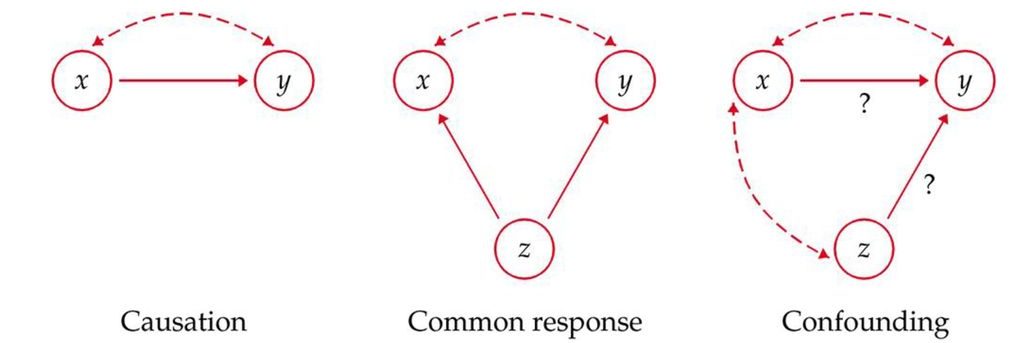
The dashed lines show associations. Source: Slideplayer

Before we start today’s post, a word on ‘associations‘.

Please remember while reading this material that association does not equate to causation.

So if I write something like “researchers have found an association between a type of bacteria that causes gum disease and Alzheimer’s”, it does not mean that someone with either condition necessarily has the other. It only means that they have both simply appeared in the same individuals at a higher than chance rate.

All clear?

Yes.

Good.

So what is today’s post about?

A very interesting report in which researchers have found an association between a type of bacteria that causes gum disease and Alzheimer’s.

Continue reading “I’ve got gum disease on my mind”

Monthly Research Review – April 2019


At the end of each month the SoPD writes a post which provides an overview of some of the major pieces of Parkinson’s-related research that were made available during April 2019.

The post is divided into seven parts based on the type of research:

  • Basic biology
  • Disease mechanism
  • Clinical research
  • New clinical trials
  • Clinical trial news
  • Other news
  • Review articles/videos


So, what happened during April 2019?

In world news:

10th April – Scientists from the Event Horizon Telescope project announced the first ever image of a black hole. Located in the core of the Messier 87 galaxy (53 million light years from Earth), this supermassive black hole has a mass 6.5-billion times that of the Sun! The black hole’s boundary – the event horizon – is around 2.5 times smaller than the shadow it casts and measures just under 40 billion km across (about the size of Neptune’s orbit!!!).


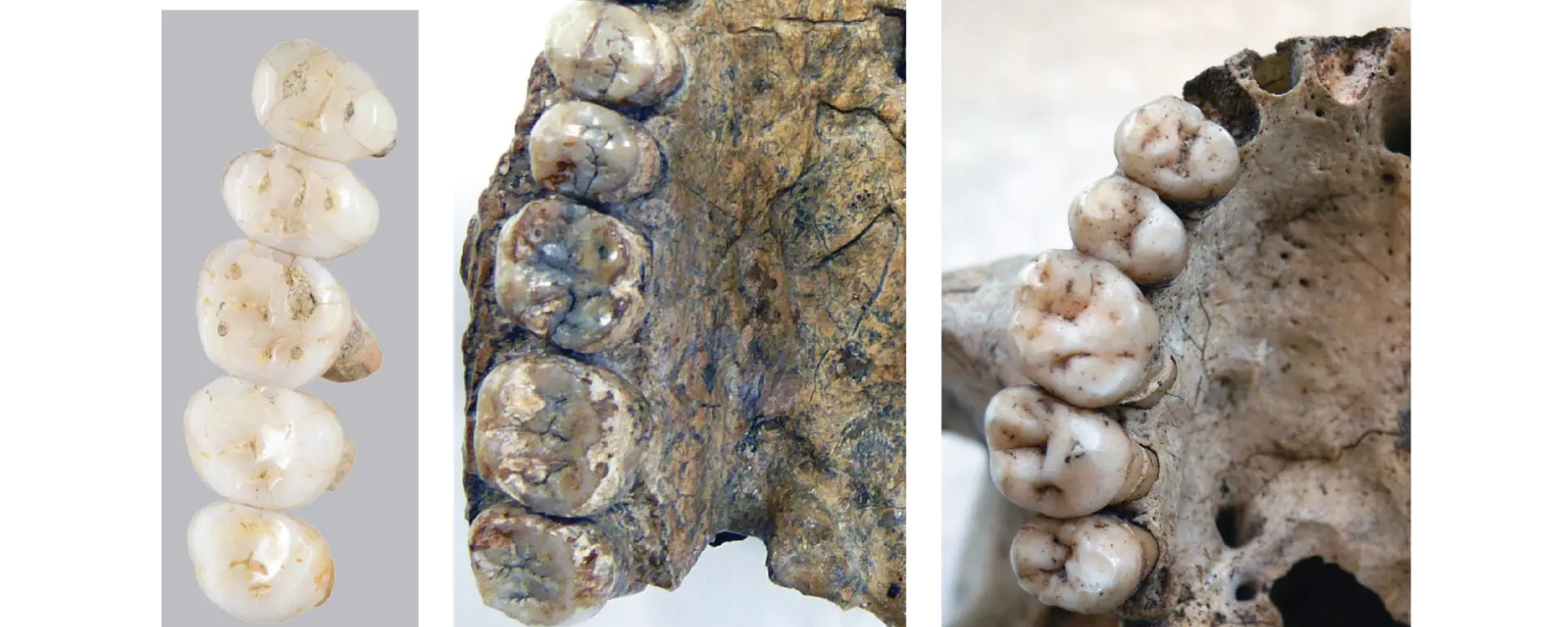
10th April – Fossil fragments found in the Callao Cave in the Philippines revealled the existence of a new species of human, Homo luzonensis. The species is named after the island – Luzon – where it was discovered.


15th April – During Holy Week, a devastating fire engulfed the roof and main spire of Notre-Dame Cathedral in Paris.


24th April – I am a big fan of Martin. Several years ago his video of the Marble machine took the internet by storm and since then I have been following his regular vlog updates on the construction of the new and improved Marble machine X. This week he took the  new machine for its first test run – still has parts missing, but this is mesmerising to watch. If you don’t follow him you should!


In the world of Parkinson’s research, a great deal of new research and news was reported:

In April 2019, there were 730 research articles added to the Pubmed website with the tag word “Parkinson’s” attached (3134 for all of 2019 so far). In addition, there was a wave to news reports regarding various other bits of Parkinson’s research activity (clinical trials, etc).

The top 9 pieces of Parkinson’s news

Continue reading “Monthly Research Review – April 2019”