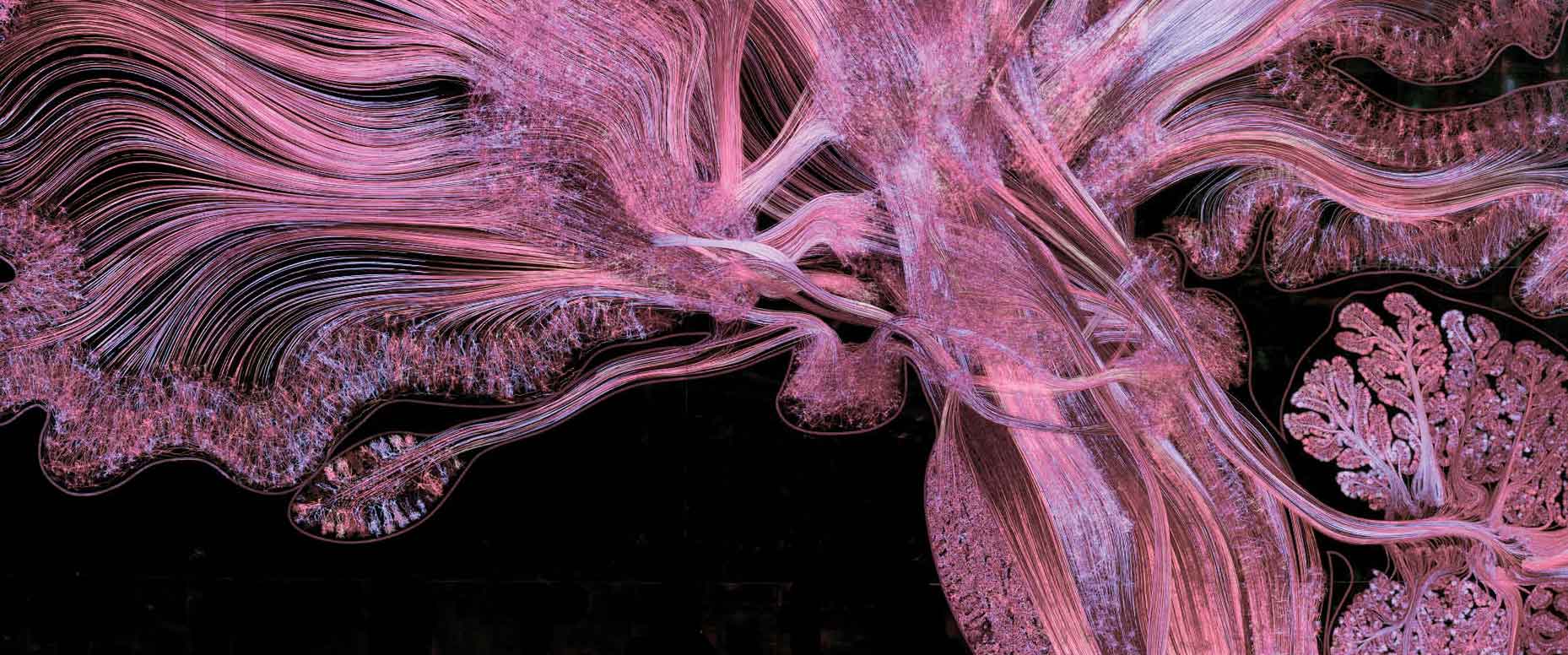
When the zombies are all in your head

In your brain there are different types of cells.

Firstly there are the neurons (the prima donnas that we believe do most of the communication of information). Next there are the microglia cells, which act as the first and main line of active immune defence in the brain. There are also oligodendrocyte, that wrap protective sheets around the branches of the neurons and help them to pass signals.

And then there are astrocytes.

These are the ‘helper cells’ which maintain a comfortable environment for the neurons and aid them in their task. Recently, researchers in California reported an curious observation in the Parkinsonian brain: some astrocytes have entered an altered ‘zombie’-like state. And this might not be such a good thing.

In today’s post, we’ll review the research and discuss what it could mean – if independently replicated – for the Parkinson’s community.


Zombies. Source: wallpapersbrowse

I don’t understand the current fascination with zombies.

There are books, movies, television shows, video games. All dealing with the popular idea of dead bodies wandering the Earth terrifying people. But why the fascination? Why does this idea have such appeal to a wide portion of the populous?

I just don’t get it.

Even more of a mystery, however, is where the modern idea of the ‘zombie’ actually came from originally.

You see, no one really knows.

Huh? What do you mean?

Some people believe that the word ‘zombie’ is derived from West African languages – ndzumbi means ‘corpse’ in the Mitsogo language of Gabon, and nzambi means the ‘spirit of a dead person’ in the Kongo language. But how did a word from the African continent become embedded in our psyche?

Others associate the idea of a zombie with Haitian slaves in the 1700s who believed that dying would let them return back to lan guinée (African Guinea) in a kind of afterlife. But apparently that freedom did not apply to situations of suicide. Rather, those who took their own life would be condemned to walk the Hispaniola plantations for eternity as an undead slave. Perhaps this was the starting point for the ‘zombie’.

More recently the word ‘zonbi’ (not a typo) appeared in the Louisiana Creole and the Haitian Creole and represented a person who is killed and was then brought to life without speech or free will.

Delightful stuff for the start of a post on Parkinson’s research, huh?

But we’re going somewhere with this.

Continue reading “When the zombies are all in your head”

Monthly Research Review – January 2018

Today’s (experimental) post provides something new – an overview of some of the major bits of Parkinson’s-related research that were made available in January 2018.


In January of 2018, the world was rocked by news that New Zealand had become the 11th country in the world to put a rocket into orbit (no really, I’m serious. Not kidding here – Click here to read more). Firmly cementing their place in the rankings of world superpowers. In addition, they became only the second country to have a prime minister get pregnant during their term in office (in this case just 3 months into her term in office – Click here to read more about this).

A happy New Zealand prime minister Jacinda Ardine

In major research news, NASA and NOAA announced that 2017 was the hottest year on record globally (without an El Niño), and among the top three hottest years overall (Click here for more on this), and scientists in China reported in the journal Cell that they had created the first monkey clones, named Zhong Zhong and Hua Hua (Click here for that news)

Zhong Zhong the cute little clone. Source: BBC

Continue reading “Monthly Research Review – January 2018”

‘Talking bout my resolution’

As we have previously discussed, 2017 was a fantastic year for Parkinson’s research (Click here to read that post). And as we approach the end of January, it is already apparent that 2018 is likely to be as good if not better (Click here for an overview of what to expect from 2018).

The transition into a new year brings with it a period of reflection and resolutions. At the start of each year I usually have a post that asks for readers feedback regarding how the SoPD website could be improved.

This year is going to be slightly different.

In today’s post we will discuss some of the ideas that I have in mind for 2018 – any and all reader feedback would be greatly appreciated.


The title of today’s post is a play on words. It is a salute to the song ‘My generation’ by the rock band “The Who” (click on the image above to hear the song). The song was released as a single on the 29th October 1965. It reached No. 2 in the UK and No. 74 in America.

Despite never actually reaching No.1, Rolling Stone magazine still named ‘My generation’ the 11th greatest song of all time (Source). The British music magazine New Musical Express (NME), noted that the song “encapsulated the angst of being a teenager,” and was a “nod to the mod counterculture” (Source).

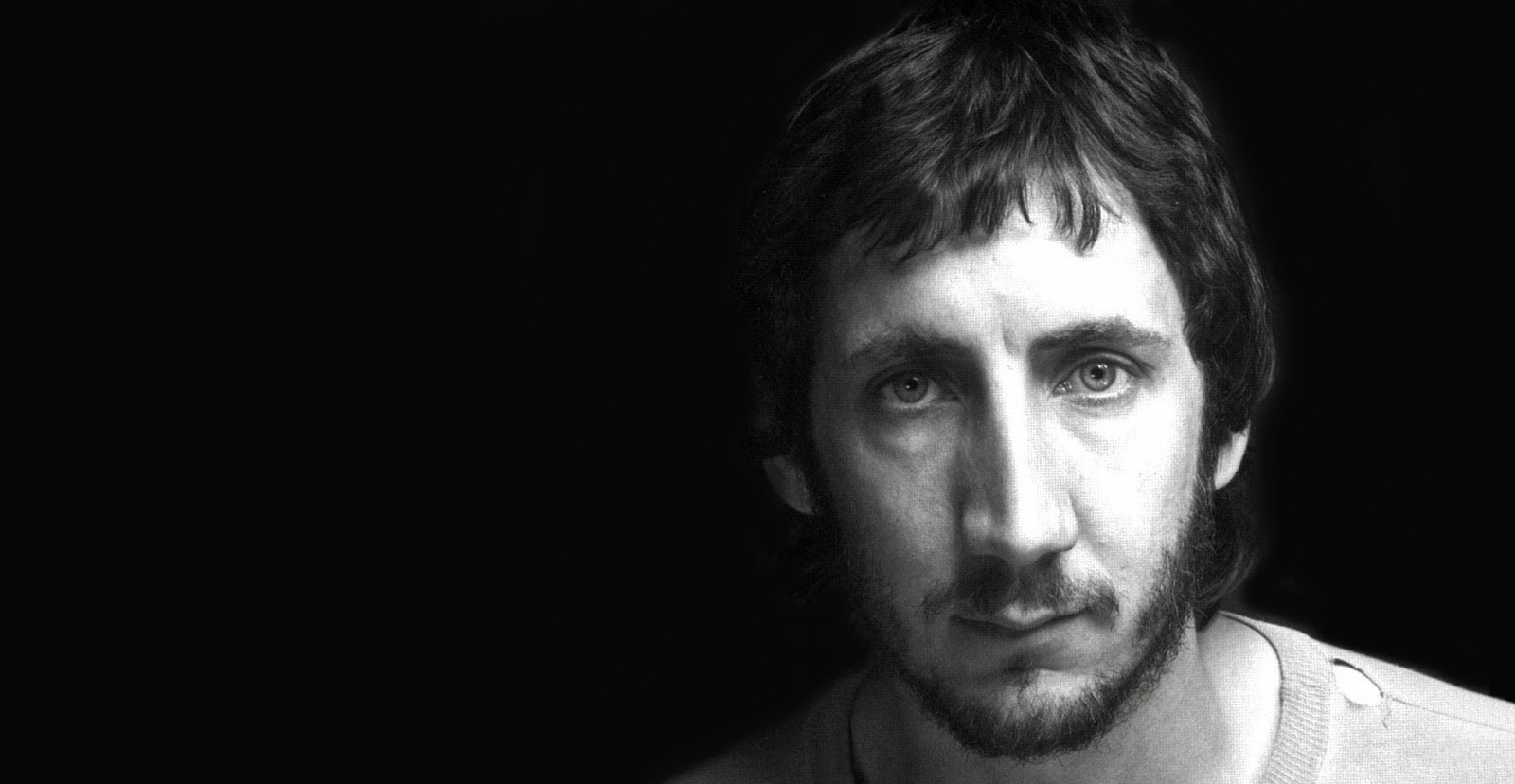
Pete Townshend. Source: Rnrchemist

The Who‘s guitarist, Pete Townshend, apparently wrote “My Generation,” on his 20th birthday (19th May 19th, 1965), while riding a train from London to Southampton for a television appearance. He claims that it was never meant to be the battle cry for young mod rebels that it went on to become.

Rather it was intended to express Townshend’s fears about ‘the impending strictures of adult life’. He preferred to stay young, free and experimental.

I am not having any teenage angst issues or fearing the very current strictures of adult life. I am simply using a play of the song’s title here in order to discuss a new year’s resolution I have made regarding the SoPD website over the never 12 months.

Let me explain.

Continue reading “‘Talking bout my resolution’”

FASN-ating PINK research

Pink

In 2018, there is one particular clinical trial that I will be watching, because the drug being tested could have a big impact on certain kinds of Parkinson’s.

The clinical trial is focused on people with cancer and they will be treated with a drug called TVB-2640TVB-2640 is an inhibitor of an enzyme called fatty acid synthase (or FAS). 

In today’s post we will discuss why TVB-2640 might be a useful treatment for certain kinds of Parkinson’s.


Mitochondria

Mitochondria and their location in the cell. Source: NCBI


Regular readers of this blog are probably getting sick of the picture above.

I use it regularly on this website, because a.) it nicely displays a basic schematic of a mitochondrion (singular), and where mitochondria (plural) reside inside a cell. And b.) a lot of evidence is pointing towards mitochondrial dysfunction in Parkinson’s.

What are mitochondria?

Mitochondria are the power stations of each cell. They help to keep the lights on. Without them, the party is over and the cell dies.

How do they supply the cell with energy?

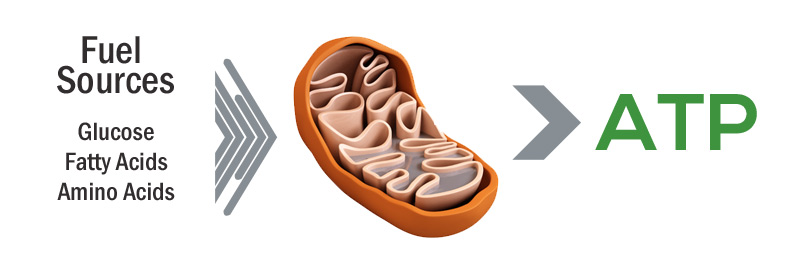
They convert nutrients from food into Adenosine Triphosphate (or ATP). ATP is the fuel which cells run on. Given their critical role in energy supply, mitochondria are plentiful (some cells have thousands) and highly organised within the cell, being moved around to wherever they are needed.

Source: Mangomannutrition

What does this have to do with Parkinson’s?

Continue reading “FASN-ating PINK research”

The anti-depressing research of antidepressants

Antidepressants are an important class of drugs in modern medicine, providing people with relief from the crippling effects of depression.

Recently, research has suggested that some of these drugs may also provide benefits to people suffering from Parkinson’s disease. But by saying this we are not talking about the depression that can sometimes be associated with this condition.

This new research suggests anti-depressants are actual providing neuroprotective benefits.

In today’s post we will discuss depression and its treatment, outline the recent research, and look at whether antidepressants could be useful for people with Parkinson’s disease.


Source: NatureWorldNews

It is estimated that 30 to 40% of people with Parkinson’s disease will suffer from some form of depression during the course of the condition, with 17% demonstrating major depression and 22% having minor depression (Click here to read more on this).

This is a very important issue for the Parkinson’s community.

Depression in Parkinson’s disease is associated with a variety of poor outcomes not only for the individuals, but also for their families/carers. These outcomes can include greater disability, less ability to care for oneself, faster disease progression, reduced cognitive performance, reduced adherence to treatment, worsening quality of life, and increased mortality. All of which causes higher levels of caregiver distress for those supporting the affected individual (Click here to read more about the impact of depression in early Parkinson’s).

What is depression?

Wikipedia defines depression as a “state of low mood and aversion to activity that can affect a person’s thoughts, behaviour, feelings, and sense of well-being” (Source). It is a common mental state that causes people to experience loss of interest or pleasure, feelings of guilt or low self-worth, disturbed sleep or appetite, low energy, and poor concentration.

Importantly, depression can vary significantly in severity, from simply causing a sense of melancholy to confining people to their beds.

Source: Prevention

What causes depression?

Continue reading “The anti-depressing research of antidepressants”

The TAU of Parkinson’s

Here at the SoPD, we regularly talk about the ‘bad boy’ of Parkinson’s disease – a protein called Alpha Synuclein.

Twenty years ago this year, genetic variations were identified in the alpha synuclein gene that increase one’s risk of developing Parkinson’s. In addition, alpha synuclein protein was found to be present in the Lewy bodies that are found in the brains of people with Parkinson’s. Subsequently, alpha synuclein has been widely considered to be the villain in this neurodegenerative condition and it has received a lot of attention from the Parkinson’s research community.

But it is not the only protein that may be playing a role in Parkinson’s.

Today’s post is all about TAU.


Source: Wallpaperswide

I recently informed my wife that I was thinking of converting to Taoism.

She met this declaration with more of a smile than a look of shock. And I was expecting the latter, as shifting from apatheism to any form of religious belief is a bit of a leap you will appreciate.

When asked to explain myself, I suggested to her that I wanted to explore the mindfulness of what was being proposed by Lao Tzu (the supposed author of the Tao Te Ching – the founding document of Taoism).

This answer also drew a smile from her (no doubt she was thinking that Simon has done a bit of homework to make himself sound like he knows what he was talking about).

But I am genuinely curious about Taoism.

Most religions teach a philosophy and dogma which in effect defines a person. Taoism – which dates from the 4th century BCE – flips this concept on its head. It starts by teaching a single idea: The Tao (or “the way”) is indefinable. And then it follows up by suggesting that each person should discover the Tao on their own terms. Given that most people would prefer more concrete definitions in their own lives, I can appreciate that a lot of folks won’t go in for this approach.

Personally speaking, I quite like the idea that the Tao is the only principle and everything else is a just manifestation of it.

According to Taoism, salvation comes from just one source: Following the Tao.

Source: Wikipedia

Oh and don’t worry, I’m not going to force any more philosophical mumbo jumbo on you – Taoism is just an idea I am exploring as part of a terribly clichéd middle-life crisis I’m working my way through (my wife’s actual response to all of this was “why can’t you just be normal and go buy a motor bike or something?”).

My reason for sharing this, however, is that this introduction provides a convenient segway to what we are actually going to talk about in this post.

You see, some Parkinson’s researchers are thinking that salvation from neurodegenerative conditions like Parkinson’s will come from just one source: Following the TAU.

What is TAU?

Continue reading “The TAU of Parkinson’s”

CRISPR-Cas9: “New CRISPY Parkinson’s research”

Recently a Parkinson’s-associated research report was published that was the first of many to come.

It involves the use of a genetic screening experiment that incorporates new technology called ‘CRISPR’.

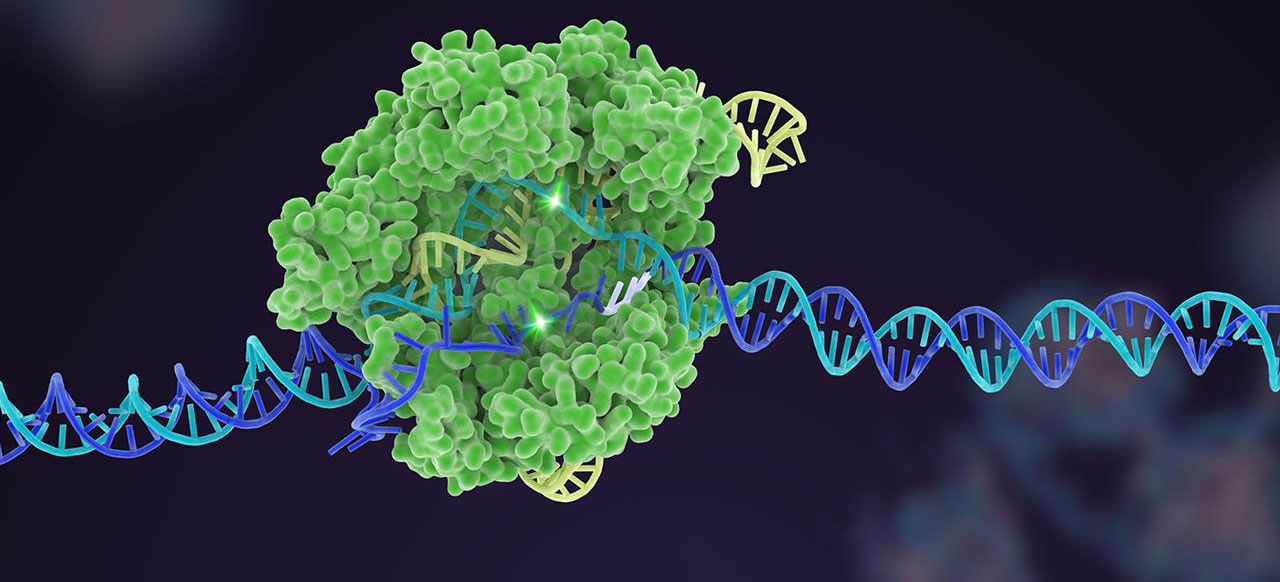
There is an absolute tidal wave of CRISPR-related Parkinson’s disease research coming down the pipe towards us, and it is important that the Parkinson’s community understands how this powerful technology works.

In today’s post we will look at what the CRISPR technology is, how it works, what the new research report actually reported, and discuss how this technology can be used to tackle a condition like Parkinson’s.


Me and my mother (and yes, the image is to scale). Source: Openclipart

My mother: Simon, what is all this new ‘crispy’ research for Parkinson’s I heard about on the news?

Me: Huh? (I was not really paying attention to the question. Terrible to ignore one’s mother I know, but what can I say – I am the black sheep of the family)

My mother: Yes, something about ‘crispy’ and Parkinson’s.

Me: Oh! You mean CRISPR. Yeah, it’s really cool stuff.

My mother: Ok, well, can you explain it all to me please, this ‘Crisper’ stuff?

Me: Absolutely.

CRISPR.101 (or CRISPR for beginners)

In almost every cell of your body, there is a nucleus.

It is the command centre for the cell – issuing orders and receiving information concerning everything going on inside and around the cell. The nucleus is also a storage bank for the genetic blueprint that provides most of the instructions for making a physical copy of you. Those grand plans are kept bundled up in 23 pairs of chromosomes, which are densely coiled strings of a molecule called Deoxyribonucleic acid (or DNA).

DNA’s place inside the cell. Source: Kids.Britannica

Continue reading “CRISPR-Cas9: “New CRISPY Parkinson’s research””

Clinical trials: The Power of One

As the age of personalised medicine approaches, innovative researchers are rethinking the way we conduct clinical studies. “Rethinking” in radical ways – think: individualised clinical trials! 

One obvious question is: Can you really conduct a clinical trial involving just one participant?

In this post, we will look at some of the ideas and evaluate the strengths and weaknesses these approaches.


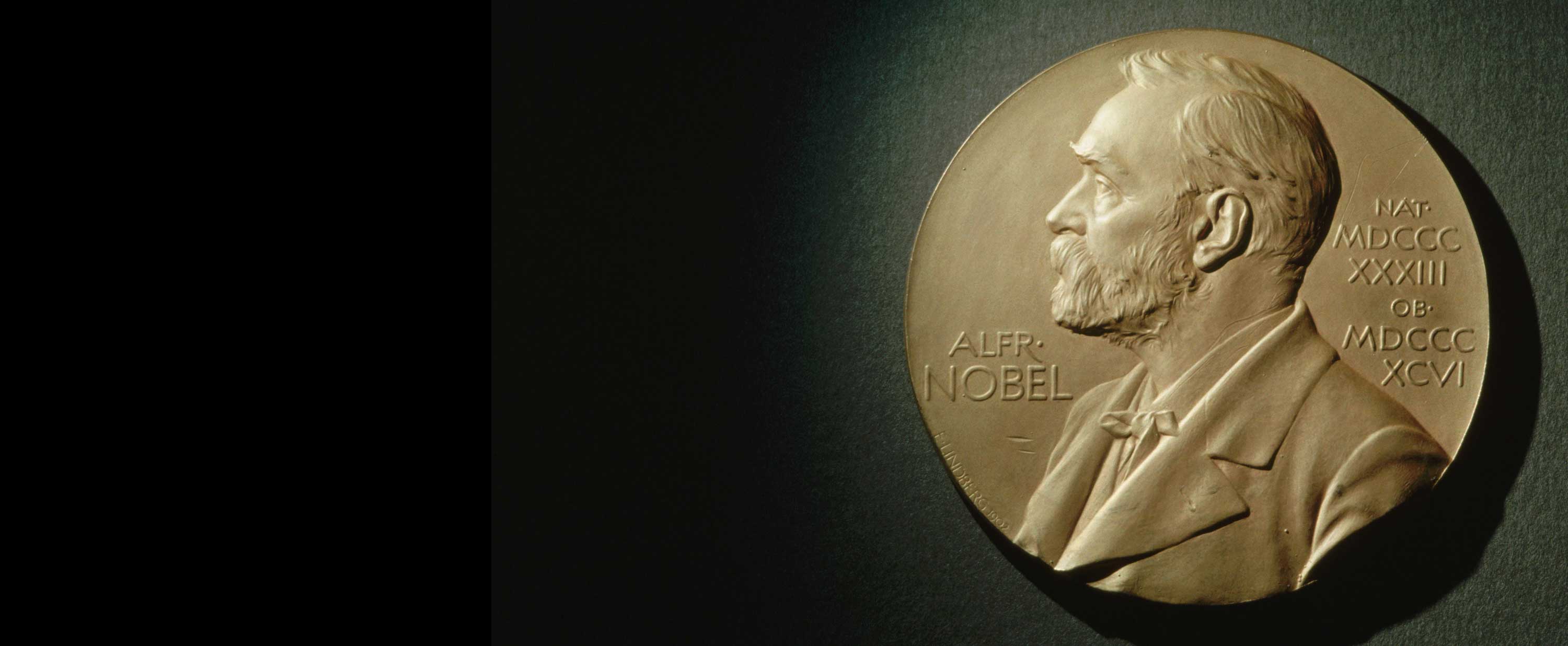
A Nobel prize medal. Source: Motley

In the annals of Nobel prize history, there are a couple winners that stands out for their shear….um, well,…audacity.

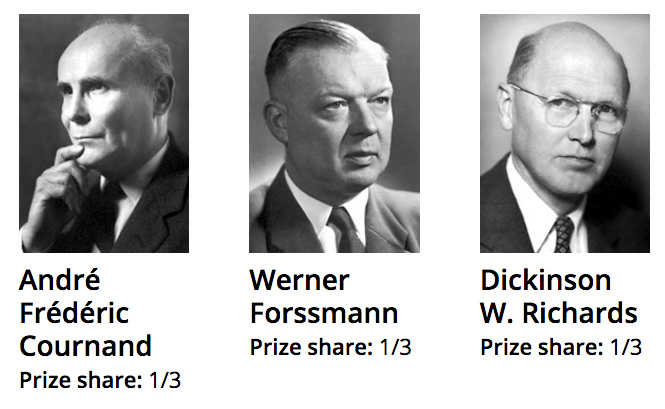
One example in particular, was the award given to physician Dr Werner Forssmann. In 1956, Andre Cournand, Dickinson Richards and Forssmann were awarded the Nobel Prize in Physiology or Medicine “for their discoveries concerning heart catheterisation and pathological changes in the circulatory system”. Forssmann was responsible for the first part (heart catheterisation).

Source: Nobelprize

In 1929, at the age of 25, Forssmann performed the first human cardiac catheterisation – that is a procedure that involves inserting a thin, flexible tube directly into the heart via an artery (usually in the arm, leg or neck). It is a very common procedure performed on a daily basis in any hospital today. But in 1929, it was revolutionary. And the audacious aspect of this feat was that Forssmann performed the procedure on himself!

And if you think that is too crazy to be true, please read on.

But be warned: this particular story gets really bonkers.

Continue reading “Clinical trials: The Power of One”

Trying to ‘beet’ Parkinson’s in the developing world

Recently I discussed my ‘Plan B’ idea, which involves providing a cheap alternative to expensive drugs for folks living in the developing world with Parkinson’s (Click here for that post).

While doing some research for that particular post, I came across another really interesting bit of science that is being funded by Parkinson’s UK.

It involves Beetroot.

In today’s post we will look at how scientists are attempting turn this red root vegetable into a white root vegetable in an effort to solve Parkinson’s in the developing world.


Pompeii and Mount Vesuvius. Source: NationalGeo

During visits to the ancient Roman city of Pompeii (in Italy), tourists are often drawn by their innocent curiosity to the ‘red light’ district of the city. And while they are there, they are usually amused by the ‘descriptive’ murals that still line the walls of the buildings in that quarter.

So amused in fact that they often miss the beetroots.

Huh? Beetroots?

Yes, beetroots.

I’m not suggesting that anyone spends a great deal of time making a close inspection of the walls, but if you look very carefully, you will often see renditions of beetroots.

They are everywhere. For example:

Two beetroots hanging from the ceiling.

Again: Huh?

The Romans considered beetroot to be quite the aphrodisiac, believing that the juice ‘promoted amorous feelings’. They also ate the red roots for medicinal purposes, consuming it as a laxative or to cure fever.

And this medicinal angle lets me segway nicely into the actual topic of today’s post. You see, in the modern era researcher are hoping to use beetroot for medicinal purposes again. But this time, the beetroot will be used to solve an issue close to my heart: treating people with Parkinson’s in the developing world.

Using beetroot to treat Parkinson’s?

Continue reading “Trying to ‘beet’ Parkinson’s in the developing world”

A clever new Trk for Rasagiline

The protein Alpha Synuclein has long been considered the bad-boy of Parkinson’s disease research. Possibly one of the main villains in the whole scheme of things. 

New research suggests that it may be interfering with a neuroprotective pathway, leaving the affected cell more vulnerable to stress/toxins. But that same research has highlighted a novel beneficial feature of an old class of drugs: MAO-B inhibitors.

In today’s post we will outline the new research, discuss the results, and look at whether this new Trk warrants a re-think of MAO-B inhibitors.


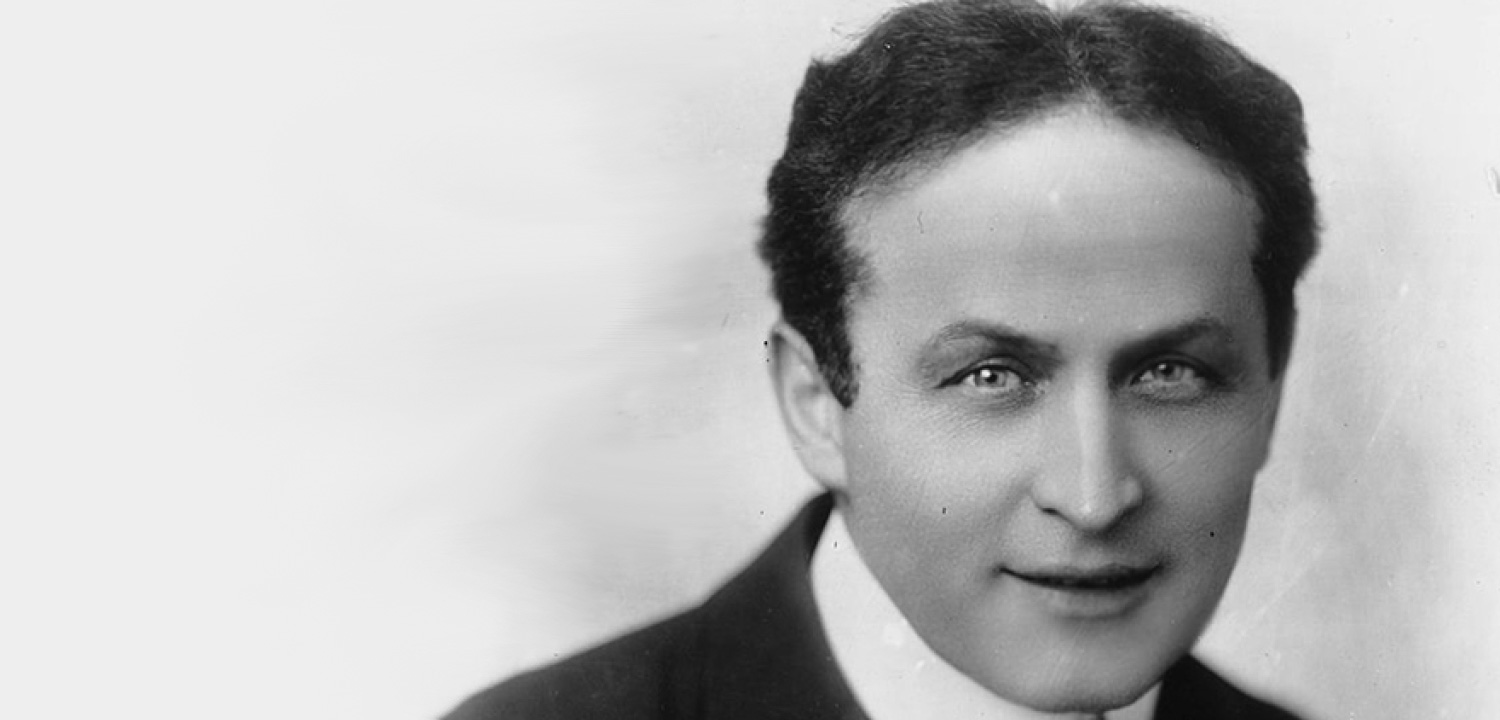
The great Harry Houdini. Source: Wikipedia

I’m not sure about you, but I enjoy a good magic trick.

That exhilarating moment when you are left wondering just one thing: How do they do that?

(Seriously, at 4:40 a baguette comes out of thin air – how did he do that?)

Widely believed to have been one of the greatest magicians of all time (Source), Harry Houdini is still to this day revered among those who practise the ‘dark arts’.

Born Erik Weisz in Budapest (in 1874), Houdini arrived in the US in 1878. Fascinated with magic, in 1894, he launched his career as a professional magician and drew attention for his daring feats of escape. He renamed himself “Harry Houdini” – the first name being derived from his childhood nickname, “Ehrie,” and the last name paying homage to the great French magician Jean Eugène Robert-Houdin. In 1899, Houdini’s act caught the eye of Martin Beck, an entertainment manager, and from there the rest is history. Constantly upping the ante, his feats became bolder and more death defying.

And the crowds loved him.

From stage, he moved on to film – ultimately starting his own production company, Houdini Picture Corporation. In addition, he was a passionate debunker of psychics and mediums, his training in magic helping him to expose frauds (which turned him against his former friend Sir Arthur Conan Doyle, who believed deeply in spiritualism).

This is all very interesting, but what does any of it have to do with Parkinson’s?

Continue reading “A clever new Trk for Rasagiline”