Two birds, one stone?

This week interesting research was published in the journal EMBO that looked at the Parkinson’s-associated protein Leucine-rich repeat kinase 2 (or LRRK2).

In their study, the researchers discovered that lowering levels of LRRK2 protein (in cells and animals) affected the ability of Mycobacterium tuberculosis – the bacteria that causes Tuberculosis – to replicate.

In today’s post, we will discuss what Tuberculosis is, how it relates to LRRK2 and Parkinson’s, and we will consider why this is potentially REALLY big news for Parkinson’s.


Daedalus and Icarus. Source: Skytamer

In Greek Mythology, there is the tale of Daedalus and Icarus.

Daedalus was a really smart guy, who designed the labyrinth on Crete, which housed the Minotaur (the ‘part man, part bull’ beast). For all his hard work, however, Daedalus was shut up in a tower and held captive by King Minos to stop the knowledge of his Labyrinth from spreading to the general public.

Source: Clansofhonor

But a mere tower was never going to stop Daedalus, and he set about fabricating wings for himself and his young son Icarus (who was also a captive).

Being stuck in the tower limited Daedalus’ access to feathers for making those wings, except of course for the large birds of prey that circled the tower awaiting the demise of Daedalus and his son. But he devised a clever way of throwing stones at the birds in such a way, that he is able to strike one bird and then the ricochet would hit a second bird.

And thus, the phase ‘killing two birds with one stone’ was born (or so it is said – there is also a Chinese origin for the phrase – Source).

Interesting. And this relates to Parkinson’s how?!?

Well, this week researchers in the UK have discovered that a protein associated with Parkinson’s is apparently also associated with another condition: Tuberculosis. And they also found that treatments being designed to target this protein in Parkinson’s, could also be used to fight Tuberculosis.

Two birds, one stone.

What is Tuberculosis?

Continue reading “Two birds, one stone?”

I’ll have the fish please

We have previously discussed the importance of the right foods for people with Parkinson’s on this blog – Click here for a good example.

Recently, new data from researchers in Sweden points towards the benefits of a specific component of fish in particular.

It is a protein called β-parvalbumin, which has some very interesting properties.

In today’s post, we discuss what beta-parvalbumin is, review the new research findings, and consider how this new information could be applied to Parkinson’s.


A very old jaw bone. Source: Phys

In 2003, researchers found 34 bone fragments belonging to a single individual in a cave near Tianyuan, close to Beijing (China).

But it was not the beginning of a potential murder investigation.

No, no.

This was the start of something far more interesting.

Naming the individual “Tianyuan man”, the researchers have subsequently found that “many present-day Asians and Native Americans” are genetically related to this individual. His bones represented one of the oldest set of modern human remains ever found in the eastern Eurasia region.

Tianyuan caves. Source: Sciencemag

But beyond the enormous family tree, when researchers further explored specific details about his jaw bone (or lower mandible as it is called) they found something else that was very interesting about Tianyuan man:


Title: Stable isotope dietary analysis of the Tianyuan 1 early modern human.
Authors: Hu Y, Shang H, Tong H, Nehlich O, Liu W, Zhao C, Yu J, Wang C, Trinkaus E, Richards MP.
Journal: Proc Natl Acad Sci U S A. 2009 Jul 7;106(27):10971-4.
PMID: 19581579                     (This research article is OPEN ACCESS if you would like to read it)

In this study, the investigators analysed the carbon and nitrogen isotopes found within bone collagen samples taken from the jaw bone of Tianyuan man. In humans, the carbon and nitrogen isotope values indicate the sources of dietary protein over many years of life.

The researchers found that a substantial portion of Tianyuan man’s diet 40,000 years ago came from freshwater fish.

Interesting preamble, but what does this have to do with Parkinson’s?

Continue reading “I’ll have the fish please”

BIIB054: An immunotherapy update

Immunotherapy is an experimental treatment that is being tested in Parkinson’s in the hope that it will be able to slow down the progression of the condition.

This week the Pharmaceutical company Biogen provided an update regarding their immunotherapy program for Parkinson’s.

It involves a drug called BIIB054.

In today’s post we will look at what BIIB054 is, how it works, and review the results of Biogen’s first clinical trial with this treatment.


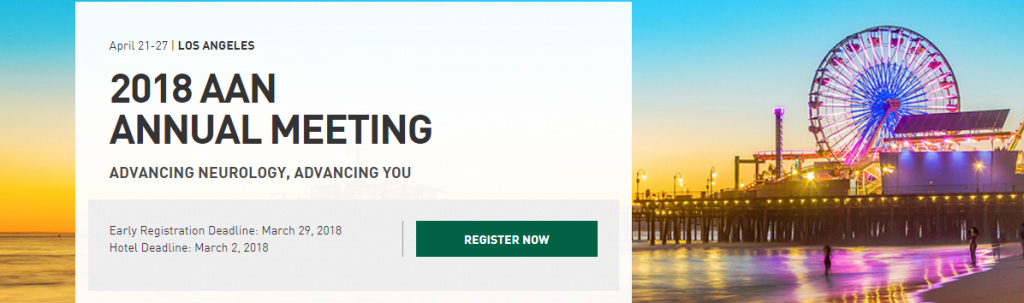
This week the 2018 American Academy of Neurology ANN Annual Meeting is being held in Los Angeles (California). The meeting is an opportunity each year for researchers to meet and share new discoveries. A lot of neuroscience-focused biotech companies use the meeting to release new clinical trial results.

And this year one result in particular has been rather encouraging.

At 3:30pm on 24th April, the pharmaceutical company Biogen made a presentation entitled “Randomized, Double-Blind, Placebo-Controlled, Single Ascending Dose Study of AntiAlpha-Synuclein Antibody BIIB054 in Patients with Parkinson’s Disease,” which provided some of the first insights into the companies immunotherapy program for Parkinson’s.

What is immunotherapy?

Continue reading “BIIB054: An immunotherapy update”

Objective measures: Getting smart about pills

There has been a lot of discussion on this site (and elsewhere on the web) regarding the need for more objective systems of measuring Parkinson’s – particularly in the setting of clinical trials.

Yes, subjective reports of patient experience are important, but they can easily be biased by ‘placebo responses’.

Thus, measures that are beyond the clinical trial participants conscious control – and focused on biological outcomes – are needed. 

In today’s post, we will consider one possible approach: Smart pills. We will discuss what they are, how they work, and how they could be applied to Parkinson’s research.


Source: Chicagotribune

In order to encourage a growing discussion regarding objective measures of Parkinson’s (and to follow up on previous rants – Click here and here for examples), I have decided to regularly (once a month) highlight new technologies that could provide the sort of unbiased methods of data collection that are required for assessing whether a treatment is having an impact on Parkinson’s.

Today, we will look at smart pills.

What is a smart pill?

Continue reading “Objective measures: Getting smart about pills”

Making. It. Personal.

This is one of those posts (read: rants) where I want to put an idea out into the ether for someone to chew on. It starts with a very simple question:

Why is ‘the drug’ the focus of a clinical trial?

If our goal is to find beneficial therapies for people with Parkinson’s, then the way we currently clinically test drugs is utterly nonsensical.

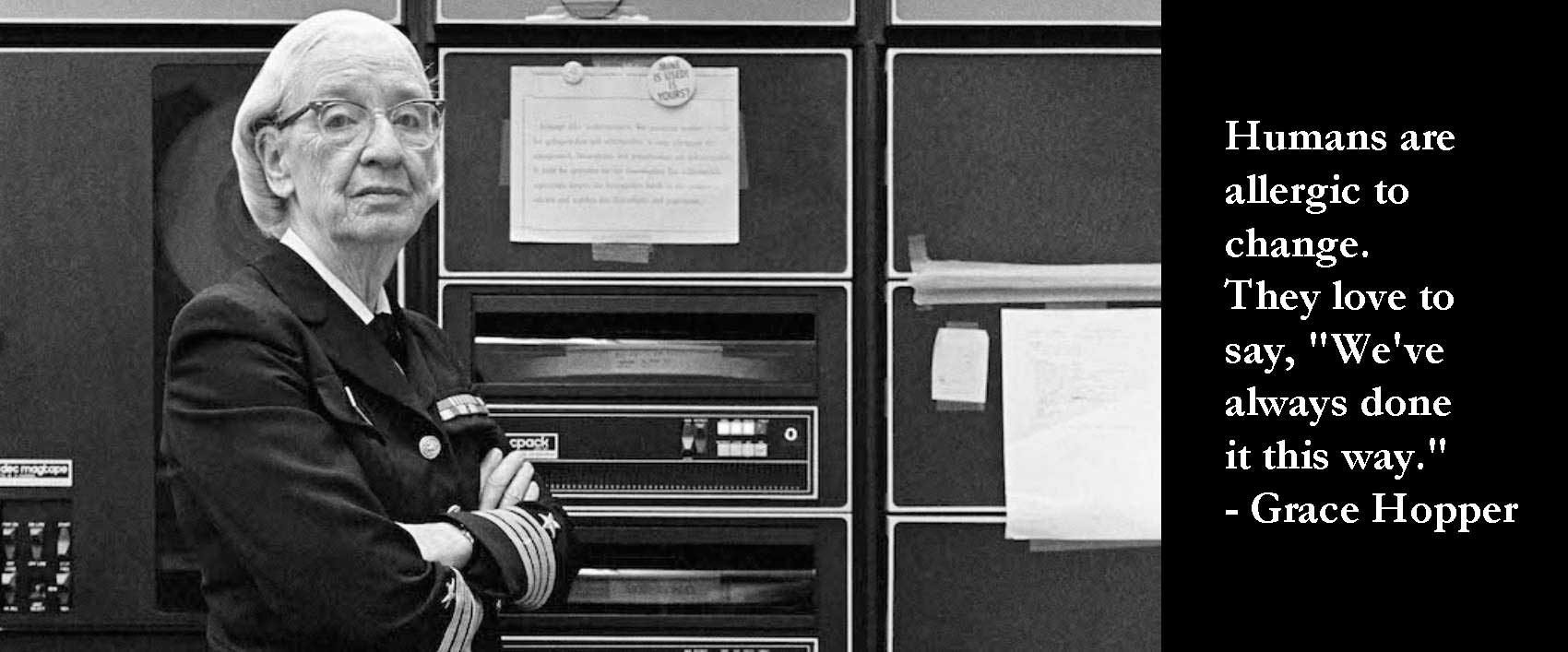
And if we do not change our “we’ve always done it this way” mindset, then we are simply going to repeat the mistakes of the past. Others are changing, so why aren’t we?

In today’s post, we will consider one possible alternative approach.


I hope you know who Grace Hopper is – if not, click here. Source: Mentalfloss

Why is ‘the drug‘ the focus of a clinical trial?

The way we clinically test drugs makes absolutely no sense when you actually stop and think about it.

Other medical disciplines (such as oncology) have woken up to this fact, and it is time for the field of Parkinson’s research to do this same.

Let me explain:

Continue reading “Making. It. Personal.”

The Parkinson’s association-‘s’

In an effort to better understand Parkinson’s, researchers have repeatedly analysed data from large epidemiological studies in order to gain insight into factors that could have a possible causal influence in the development of the condition.

This week a manuscript was made available on the preprint website BioRxiv that provided us with a large database of information about aspects of life that are associated with increased incidence of Parkinson’s. 

Some new associations have been made… and some of them are intriguing, while others are simply baffling!

In today’s post, we will have a look at what has been learnt from epidemiological research on Parkinson’s, and then discuss the new research and what it could mean for Parkinson’s. 


What are the differentiators? Source: Umweltbundesamt

What makes me different from you?

Other than my ridiculous height and the freakishly good looks, that is. What influential factors have resulted in the two of us being so different?

Yes, there is the genetics component playing a role, sure. 7,500 generations of homo sapien has resulted in a fair bit of genetic variation across the species (think red hair vs brown hair, dark skin vs light skin, tall Scandinavians vs African pygmies, etc). And then there are aspects like developmental noise and epigenetics (factors that cause modifications in gene activity rather than altering the genetic code itself).

Source: Presentationvoice

And over-riding all of this, is a bunch of other stuff that we generally refer to simply as ‘life’. Habits and routines, likes and dislikes, war and famine, etc. The products of how we interact with the environment, and how it interacts with us.

But which of all these factors plays a role in determining our ultimate outcome?

It is a fascinating question. One that absorbs a large area of medical research, particularly with regards to factors that could be influential in causing a specific chronic conditions.

What does this have to do with Parkinson’s?

Continue reading “The Parkinson’s association-‘s’”

Monthly Research Review – February 2018

At the end of each month, the Science of Parkinson’s writes a post which provides an overview of some of the major pieces of Parkinson’s-related research that were made available.

In this post we review some of the research from February 2018.

The post is divided into four parts based on the type of research (Basic biology, disease mechanism, clinical research, and other news). 


Seeing shadows: Punxsutawney Phil. Source: Wordonfire

In major world event news: On the 2nd February of 2018, Punxsutawney Phil – the groundhog who resides at Gobbler’s Knob of Punxsutawney, Pennsylvania – scurried out of his little hole and saw his shadow. This omen indicates that we have a long winter. Given how hard and bitter this particular winter has been, Americans naturally rejoiced.

On the 6th February, SpaceX successfully launched a Tesla sports car into space – see the video below for the highlights (and if you don’t have time to watch it all, at the very least jump forward to 3:45 and watch the two boosters land simultaneously – surely they didn’t plan for it to be that perfect!)

In other news, on the 1st February, the Centers for Disease Control and Prevention announced that it was dramatically downsizing its epidemic prevention activities in 39 out of 49 countries, due to concerns about funding.

And of course we had the 2018 Winter Olympics – where New Zealand came in 27th on the medals board:

Source: Madison365

In the world of Parkinson’s research, a great deal of new research and news was reported.

In February 2018, there were 698 research articles added to the Pubmed website with the tag word “Parkinson’s” attached (1577 for all of 2018 so far). In addition, there was a wave to news reports regarding various other bits of Parkinson’s research activity (clinical trials, etc).

The top 5 pieces of PD news

Continue reading “Monthly Research Review – February 2018”

Clinical trials: The Power of One

As the age of personalised medicine approaches, innovative researchers are rethinking the way we conduct clinical studies. “Rethinking” in radical ways – think: individualised clinical trials! 

One obvious question is: Can you really conduct a clinical trial involving just one participant?

In this post, we will look at some of the ideas and evaluate the strengths and weaknesses these approaches.


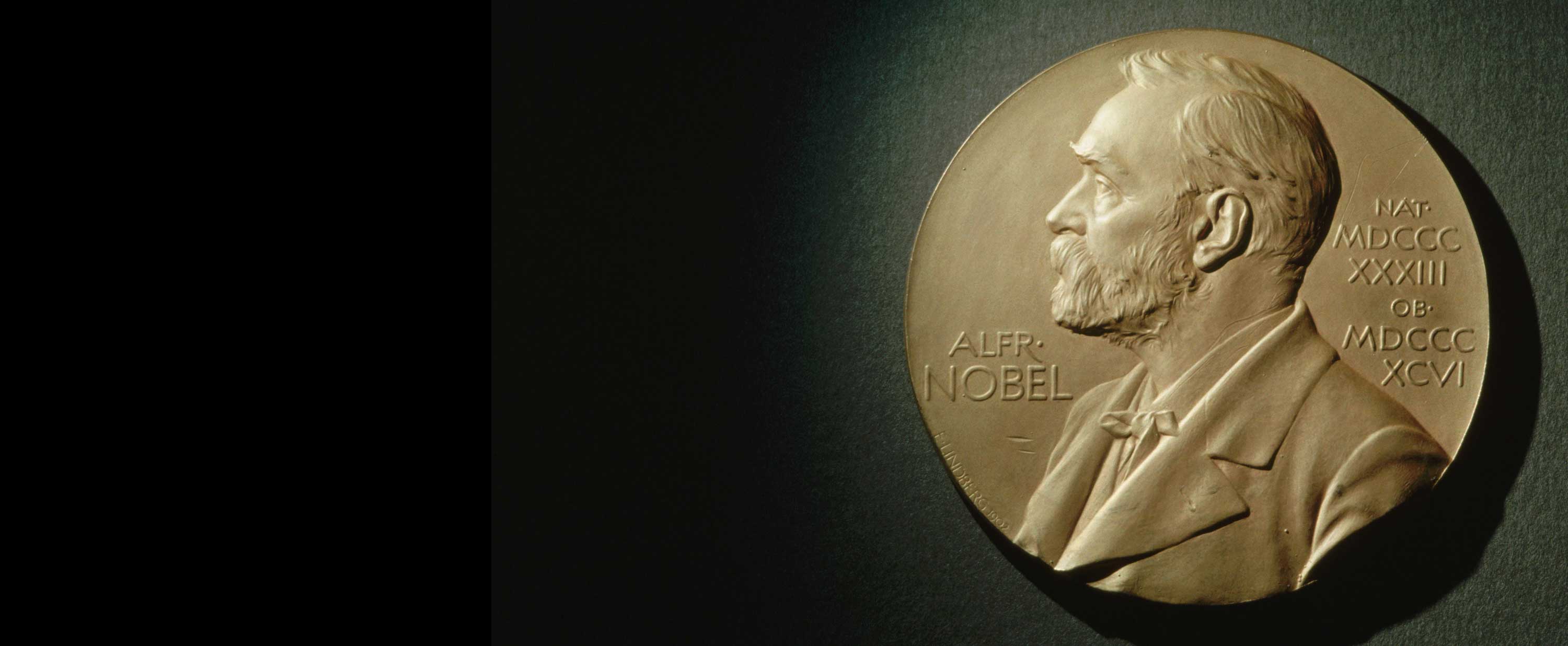
A Nobel prize medal. Source: Motley

In the annals of Nobel prize history, there are a couple winners that stands out for their shear….um, well,…audacity.

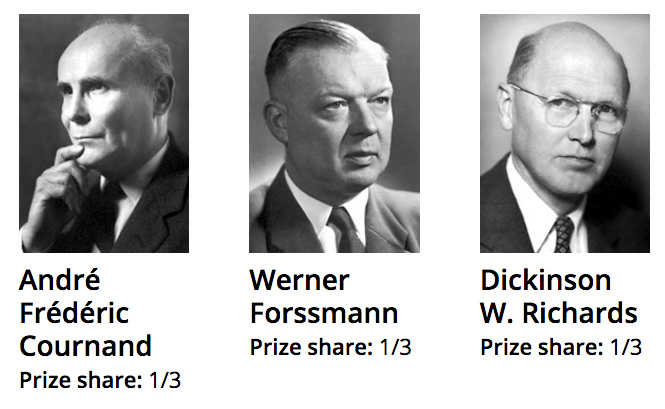
One example in particular, was the award given to physician Dr Werner Forssmann. In 1956, Andre Cournand, Dickinson Richards and Forssmann were awarded the Nobel Prize in Physiology or Medicine “for their discoveries concerning heart catheterisation and pathological changes in the circulatory system”. Forssmann was responsible for the first part (heart catheterisation).

Source: Nobelprize

In 1929, at the age of 25, Forssmann performed the first human cardiac catheterisation – that is a procedure that involves inserting a thin, flexible tube directly into the heart via an artery (usually in the arm, leg or neck). It is a very common procedure performed on a daily basis in any hospital today. But in 1929, it was revolutionary. And the audacious aspect of this feat was that Forssmann performed the procedure on himself!

And if you think that is too crazy to be true, please read on.

But be warned: this particular story gets really bonkers.

Continue reading “Clinical trials: The Power of One”

Resveratrol’s neglected siblings


We have previously discussed the powerful antioxidant Resveratrol, and reviewed the research suggesting that it could be beneficial in the context of Parkinson’s disease (Click here to read that post).

I have subsequently been asked by several readers to provide a critique of the Parkinson’s-associated research focused on Resveratrol’s twin sister, Pterostilbene (pronounced ‘Terra-still-bean’).

But quite frankly, I can’t.

Why? Because there is NO peer-reviewed scientific research on Pterostilbene in models of Parkinson’s disease.

In today’s post we will look at what Pterostilbene is, what is known about it, and why we should seriously consider doing some research on this compound (and its cousin Piceatannol) in the context of Parkinson’s disease.


Blue berries are the best natural source of Pterostilbene. Source: Pennington

So this is likely to be the shortest post in SoPD history.

Why?

Because there is nothing to talk about.

There is simply no Parkinson’s-related research on the topic of today’s post: Pterostilbene. And that is actually a crying shame, because it is a very interesting compound.

What is Pterostilbene?

Like Resveratrol, Pterostilbene is a stilbenoid.

Stilbenoids are a large class of compounds that share the basic chemical structure of C6-C2-C6:

Resveratrol is a good example of a stilbenoid. Source: Wikipedia

Stilbenoids are phytoalexins (think: plant antibiotics) produced naturally by numerous plants. They are small compounds that become active when the plant is under attack by pathogens, such as bacteria or fungi. Thus, their function is generally considered to part of an anti-microbial/anti-bacterial plant defence system for plants.

The most well-known stilbenoid is resveratrol which grabbed the attention of the research community in a 1997 study when it was found to inhibit tumour growth in particular animal models of cancer:

Continue reading “Resveratrol’s neglected siblings”

We need a clinical trial of broccoli. Seriously!

In a recent post, I discussed research looking at foods that can influence the progression of Parkinson’s (see that post here). I am regularly asked about the topic of food and will endeavour to highlight more research along this line in future post.

In accordance with that statement, today we are going to discuss Cruciferous vegetables, and why we need a clinical trial of broccoli.

I’m not kidding.

There is growing research that a key component of broccoli and other cruciferous vegetables – called Glucoraphanin – could have beneficial effects on Parkinson’s disease. In today’s post, we will discuss what Glucoraphanin is, look at the research that has been conducted and consider why a clinical trial of broccoli would be a good thing for Parkinson’s disease.


Cruciferous vegetables. Source: Diagnosisdiet

Like most kids, when I was young I hated broccoli.

Man, I hated it. With such a passion!

Usually they were boiled or steamed to the point at which they have little or no nutritional value, and they largely became mush upon contact with my fork.

The stuff of my childhood nightmares. Source: Modernpaleo

As I have matured (my wife might debate that statement), my opinion has changed and I have come to appreciate broccoli. Our relationship has definitely improved.

In fact, I have developed a deep appreciation for all cruciferous vegetables.

And yeah, I know what you are going to ask:

What are cruciferous vegetables?

Cruciferous vegetables are vegetables of the Brassicaceae family (also called Cruciferae). They are a family of flowering plants commonly known as the mustards, the crucifers, or simply the cabbage family. They include cauliflower, cabbage, garden cress, bok choy, broccoli, brussels sprouts and similar green leaf vegetables.

Cruciferous vegetables. Source: Thetherapyshare

So what have Cruciferous vegetables got to do with Parkinson’s?

Well, it’s not the vegetables as such that are important. Rather, it is a particular chemical that this family of plants share – called Glucoraphanin – that is key.

What is Glucoraphanin?

Continue reading “We need a clinical trial of broccoli. Seriously!”