
|
# # # # At the end of each month, the SoPD writes a post which provides an overview of some of the major or interesting pieces of Parkinson’s-related research that were made available during September 2026. The post is divided into 10 parts based on the type of research:
# # # # |
In September 2026, there were 837 research articles added to the Pubmed website with the tag word Parkinson s attached (compared to 10,860 for all of 2026). In addition, there was a wave to news reports regarding various other bits of Parkinson s research activity (clinical trials, etc).
The top 6 pieces of Parkinson’s news
1. “Holy leapin loci, Batman!”:
A new research paper describes the presence of an interferon response in microglia in the substantia nigra & putamen that is mechanistically linked to the transcriptional activation of transposable elements in the Parkinson’s brain. The researchers sequenced brain tissue samples from 43 PD cases (Braak stages 3-6) & 18 matched controls; 139 brain samples from 4 different regions; snRNA-seq on 271,700 high-quality nuclei; Transposable elements, including LINE-1 s and endogenous retroviruses, were expressed in cell type– & region-specific manner (Click here to read more about this).

2. Cholesterol-lowering pharmacological interventions for APOE4:
Researchers reported a multicellular human brain model recapitulates α-synuclein pathological phenotypes. In fact, APOE4 carrying astrocytes alone were sufficient to drive neuronal α-synuclein pathology, by impairing processing of α-syn. Cholesterol reduction restored lysosomal function & α-synuclein homeostasis in APOE4/4 astrocytes, highlighting “a potential therapeutic strategy for cholesterol-lowering pharmacological interventions in the treatment of synucleinopathies… particularly in APOE4 carriers” (Click here to read more about this).

3. The protective effects of carbon monoxide:
Using data from the China Kadoorie Biobank (N=>500K), researchers reported that among individuals who never smoked, higher exhaled carbon monoxide levels were associated with lower Parkinson’s risk. “A potentially protective role of carbon monoxide in PD etiology”? (Click here to read more about this and click here to read an editorial on this research).

4. Further support for UDCA:
An emulated target trial in UK electronic health records finds UDCA treatment is associated with a lower risk in Parkinson’s (17,295 UDCA initiators to 51,885 non-initiators over 15-year time frame). This is interesting data because UDCA is entering the EJS ACT-PD clinical trial platform before the end of the year. Full disclosure: Cure Parkinson’s funded this research (Click here to read more about this).

5. A mechanism that could go viral:
Researchers report that mRNA G-quadruplexes-dependent interactions with the DEAD-box helicase DDX39A decelerates α-Synuclein amyloidogenesis. Interupting interactions between α-Syn & DDX39A increases amyloidogenesis, while over-expressing DDX39A reduces it. This is interesting because previous research suggests that mRNA G-quadruplexes bind to α-Synuclein & facilitates its amyloidogenesis. Viral infections are known to transiently elevate rG4s in the cytoplasm, & the investigators used H1N1 & SARS-CoV-2 to expedite amyloidogenesis (Click here to read more about this).

6. The Fat & The Furious
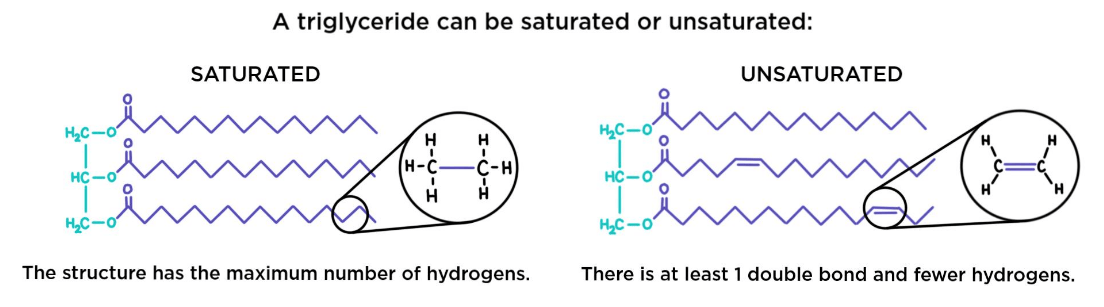
New research reports that Parkinson’s-associated α-synuclein progressively alters lipid metabolism in aging C. Elegans. α-synuclein reduced overall content of triacylglycerols & disrupts the structure of lipid droplets & mitochondria. They found that inhibition of enzymes involved in long-chain unsaturated lipid synthesis reduces α-synuclein toxicity. Medium-chain Triglyceride supplementation rescues αSyn-induced motor impairment. They also observed lower plasma TAGs in Parkinson’s cohorts (Click here to read more about this).
Articles of general interest
- The 2026 Lasker~Bloomberg Public Service Award honors Michael J. Fox for empowering patients’ voices & accelerating research to find improved therapies & a cure for PD (Click here to read more about this). An inspiring perspective from the man himself has been published along with this award (Click here to read that piece).

- Reeling from past failures, Parkinson’s clinical trial pipeline enters ‘era of diversification’ – interesting short read (Click here to read more about this).
- Interesting perspective on the pros & cons of adaptive deep brain stimulation for people with Parkinson’s. “The broader issue this raises is the field’s over-reliance on the beta signal as the sole proxy for disease” (Click here to read more about this).
- Amazing news from MS Society UK! They have announced the interim results of their multi-arm, multi-stage ‘Octopus’ trial platform, & Alpha-lipoic acid showed early promise as a treatment for progressive Multiple Sclerosis, while metformin did not (Click here to read more about this).

Basic biology news
- Single-cell profiling of 109 human striatum samples maps striatal neuron diversity & subregion specialization; scMOSAIC unravels subregional & cell-type vulnerabilities in Huntington’s (Click here to read more about this).
- Researchers present “LLPSense”, a machine learning framework that integrates protein language model embeddings with environmental parameters. It achieves accurate, condition-aware predictions of protein phase separation; Highlights Parkinson’s α-synuclein (Click here to read more about this).
- New study finds α-synuclein clearance & propagation are mediated by glymphatic function; Aquaporin-4 mis-localization observed in the presence of human synucleinopathy may contribute to the development and propagation of Lewy body path. in conditions like Parkinson’s (Click here to read more about this).

- Seed amplification analysis of released a-synuclein strains from Parkinson’s-patient derived neurons (iPD, GBA1 N370S, LRRK2 G2019S & SNCA A53T) reveals genotype-specific cellular responses differentially shape the structural properties of released α-syn (Click here to read more about this).
- New research identifies FcγRIIb as a critical regulator of α-Synuclein propagation in vivo & supports receptor-targeted blockade as a mechanistically distinct & therapeutically tractable strategy for modifying disease progression in Parkinson’s (Click here to read more about this).
- Using human dorsolateral prefrontal cortex samples from 1,494 donors, researchers generate a single-cell transcriptomic atlas comprising over 6.3 million individual nuclei. Donors include Alzheimer’s & Parkinson’s cases (“the PsychAD cohort”). The PsychAD cohort included diffuse Lewy body disease, vascular dementia, tauopathy, FTD, schizophrenia, & bipolar disorder. The study replicated findings that the H1 MAPT haplotype is associated with PD susceptibility, & observed that the H1H1 genotype increases PD risk (Click here to read more about this).

- Researchers report that membrane-bound long isoform-Catechol-O-methyltransferase depletion leads to elevated oxidative stress, as indicated by elevated ROS levels & oxidative damage, both of which are hallmarks of various neurodegenerative & neuropsychiatric diseases (Click here to read more about this).
- New paper identifies ATP13A4 as a polyamine transporter that constrains extracellular polyamine availability in the CNS. ATP13A4-mediated uptake in astrocytes regulates both astrocyte morphogenesis & excitatory synaptogenesis (Click here to read more about this).
- Researchers designed a novel gene panel comprising 564 loci related to Parkinson’s, repeat expansion disorders, & other neurodegen. conditions, & performed adaptive sampling to jointly interrogate various variants (STXBP2, AP4S1, RARS2, ALS2, & CNBP – click here to read more about this).
- Researchers at Aspen Neuroscience & collaborators present reproducible genomic & transcriptomic qualification of patient-derived dopaminergic neuron precursor cells; Also preclinical manufacturing strategy, 9-month GLP tox data, & efficacy in a Parkinson’s model (Click here to read more about this).

- New research finds the LRRK2 G2019S mutation modulates the neuroimmune response in transgenic mice, but does not exacerbate nigrostriatal neurodegeneration in response to mitochondrial dysfunction, highlighting the mutation’s complex role in Parkinson’s pathology (Click here to read more about this).
- Data from experimental models, human brain tissue & clinical datasets identifies fibronectin as a proximal mediator of APOE4-driven gliovascular dysfunction & highlights FN1 as a potential therapeutic target for vascular & BBB dysfunction in Alzheimer’s (Click here to read more about this).
- New research reports monophosphorylation at any of the C-terminal sites of a-synuclein has little effect on aggregation, while di- & triphosphorylation slows down the process, extending the lag phase compared to WT a-Syn (Click here to read more about this).
- Researchers provide “a comprehensive evaluation of the VPS35 protein interactome and reveals a selective effect of the Parkinson’s-linked D620N mutation in mammalian cells & brain” (Click here to read more about this).

- An integrated study of bioinformatics & the A53T mouse model of Parkinson’s is used in a new report on the role of mitochondrial NDUFA11; NDUAF11 was significantly elevated in the PD mouse model & knockdown could worsen the mitochondrial dysfunction (Click here to read more about this and click here to read a press summary on this research).
- New research finds astrocytes mediate the dopaminergic modulation of tonic GABAergic signaling in substantia nigra; Synthesis of GABA in dopaminergic neurons is mediated by ALDH1A1, & release is mediated by GAT-1 (Click here to read more about this).
- New research points towards conventional type 1 dendritic cell-dependent peripheral priming as a key driver of CD8+ T cell accumulation in the brain & tau-mediated neurodegeneration (Click here to read more about this).
- New research establish a stepwise pathway for recruitment of the Unc51-like kinase 1 (ULK1) kinase domain to the vicinity of the membrane surface in autophagy (Click here to read more about this).

Preclinical treatment development
- Researchers present 3-monothiopomalidomide (3MP), a novel immunomodulatory imide drug with improved safety over Pomalidomide, & highlight neuroprotective properties in preclinical models of Parkinson’s (Click here to read more about this).
- Introducing BE2012 – a novel, REV-ERB antagonist that promotes regenerative myogenesis in vivo with substantially improved pharmacokinetics relative to SR8278 (Click here to read more about this).
- Researchers report that Protein phosphatase 1 H (PPM1H) deficiency significantly increased the distance between aSyn & the presynaptic marker Bassoon, indicating displacement of aSyn away from the presynapse; LRRK2 kinase inhibition rescued the phenotype (Click here to read more about this).
- Ovariectomized female mice lesioned with MPTP (a Parkinson’s model) “showed a loss of striatal dopamine & metabolites content similarly prevented by treatments with raloxifene, progesterone & their combination” (Click here to read more about this).
- Scientists report the neuroprotective effects of empagliflozin & metformin combined therapy in a rotenone model of Parkinson’s; “restoration of PI3K/AKT signaling, elevated PPAR-γ expression, & blocking of oxidative stress & protein aggregation” (Click here to read more about this).
- New research finds administration of the fatty acid nitroalkene 10-nitro-octadec-9-enoic acid (10-NO2-OA) in a chronic rotenone rat model of Parkinson’s induced biochemical responses that reduced neuronal damage, nigrostriatal degen. & motor impairment. “10-NO2-OA induced 4-HNE detoxification via Nrf2-dependent upregulation of ALDH1A1 expression & activity in the SNpc. ALDH1A1 knockdown in primary ventral midbrain rat neurons abolished the impact of 10-NO2-OA on rotenone-induced 4-HNE accumulation” (Click here to read more about this).
- Researchers from Lysoway Therapeutics & collaborators present preclinical data on their brain-penetrant TRPML1 agonist, LW-1017, which enhances autophagy–lysosomal function & mitigates pathology in aged models of Parkinson’s & Alzheimer’s (Click here to read more about this).


Clinical research
- If you don’t like needle, look away. Researchers present microneedle-based continuous levodopa monitoring in healthy volunteers & participants with Parkinson’s; An inverse correlation betwn the levodopa PK & the corresponding motor performance was observed (Click here to read more about this).
- “No clear geno–phenotype correlation has emerged for PINK1-associated disease, & substantial clinical variability can occur even among individuals carrying the same biallelic genotype within a family or community, particularly with respect to age at onset” (Click here to read more about this).
- Research attempting to replicate previous results “found no robust evidence that antipsoriatics, allopurinol, or (hydroxy)chloroquine reduce Parkinson’s risk & did not replicate the inverse associations reported by the FINPARK study” (Click here to read more about this).
- Using data from UK Biobank, researchers report that in female CYP1A2 AA genotype carriers, coffee intake below 5 cups/day is associated with lower Parkinson’s risk (HR 0.83, 95% CI 0.74–0.93 – Click here to read more about this).

- New research proposes that “De novo Parkinson’s can be classified into 2 distinct metabolic subtypes: fronto-striatal hypometabolic & mixed hypermetabolic–posterior hypometabolic, with nonmotor manifestations being more severe in the latter” (Click here to read more about this).
- New research finds MC1R loss-of-function variants may define an “identifiable genetic subgroup with accelerated progression, highlighting their utility for potential prognostic stratification & clinical trial enrichment” in European Parkinson’s patients (Click here to read more about this and click here to read an editorial on this research).
- Plasma samples (n = 504) analysed using SomaScan, finds lysosomal expression scores discriminate Parkinson’s from controls & associated with disease severity. SUMF1 & ARRDC3 emerged as blood-based biomarkers for PD (Click here to read more about this).

- “Brain compensation & reserve are two key components of resilience that together shape clinical heterogeneity in Parkinson’s, across motor & cognitive domains. Although they operate at different time scales & through distinct mechanisms, they remain intrinsically related” (Click here to read more about this).
- Real world data from the PROSPECT observational study (24-months & 229 Parkisnon’s cases) suggests “device-aided therapy initiation was associated with improved motor symptoms, while those who remained on oral medications showed no meaningful change” (Click here to read more about this).
- In a study of 74 advanced Parkinson’s patients undergoing bilateral subthalamic nucleus deep brain stimulation, preoperative glymphatic asymmetry was associated with motor outcomes, independent of levodopa responsiveness & measured clinical covariates (Click here to read more about this).
- A systematic review found only weak evidence that residential exposure to PM2.5 & NO2, air pollutants which are released by combustion processes such as traffic & industry, could increase the risk of developing Parkinson’s (Click here to read more about this).

- A new study assessed the sensitivity of key motor smartphone tasks to detect disease progression in individuals with isolated REM sleep behaviour disorder (iRBD) & early Parkinson’s; Findings highlight monopitch during reading & slowing turn speed in RBD (Click here to read more about this).
- New research examined LRRK2-dependent Rab10 phosphorylation at threonine 73 in blood neutrophils from 181 genetically enriched Parkinson’s patients & 71 controls, identified genetic modifiers of LRRK2 signalling (including NECAP2 – click here to read more about this).
- A hypothesis-generating retrospective cohort analysis finds early-life Bacillus Calmette–Guérin (BCG) vaccination is associated with reduced later-life Parkinson’s incidence, displaying a profound sex-dependent effect favouring females (Click here to read more about this).

- Researchers report that nigral iron content (as measured by zero-referencing quantitative susceptibility mapping) “can be used to track disease progression in early-stage Parkinson’s” over a 1-year timeframe (Click here to read more about this).
- A cross-sectional analysis of individuals with Parkinson’s (n=776; aged ≥50 yrs; mean age, 69.6yrs) demonstrates “older retinal age relative to chronological age. Retinal age gap may serve as a biomarker of accelerated aging in PD” (Click here to read more about this).
- New study finds no significant or consistent association between levodopa exposure & freezing of gait severity or incidence after adjustment for disease duration & severity in 25K people with Parkinson’s (across 2 cohorts: PPMI & NSPARK – click here to read more about this).

- A projection & health-augmented macroeconomic modelling study estimating the economic burden of Parkinson’s in China (2020–40) demonstrates a “need for more specific regional health policies in line with the long-term care, diagnosis, & treatment for PD” (Click here to read more about this).
- Researchers present BenSParX: A robust explainable machine learning framework for Parkinson’s detection from Bengali conversational speech (Click here to read more about this).
- Researchers conduct a non-invasive biomarker study on urine-derived (?) neuronal extracellular vesicles using α-synuclein seed amplification assay; They report high specificity and moderate sensitivity for synucleinopathies (Click here to read more about this).
- Researchers introduces “Importance Inversion Transfer” – an explainable machine learning framework designed to identify neuroanatomical invariants across the neurodegenerative spectrum (Click here to read more about this).
- New study explores experiences of Pacific patients with PINK1-associated Parkinson’s (& their care partners), highlighting Adaptation Struggles (personal, social, cultural & systemic) + Positive Adaptation (normalisation of the illness & support networks – click here to read more about this).

- Characterization of DNA methylation in PBMCs & donor-matched iPSCs shows age-related methylation is (largely) reset during stem cell reprogramming, & each cell type has a unique set of methylation sites that are modified by population-level genetic variation (Click here to read more about this).
- New paper reports evidence for the preservation of short-term heart rate variability following 40 mg of atomoxetine in people with Parkinson’s; Replication in a larger sample with longer-duration ECG recordings required (Click here to read more about this).
- A retrospective case-control analysis of Type 1 Gaucher disease patients within a single academic clinic from 2010 to 2020 finds considerable variability in GD-Parkinson’s among GD1 individuals & suggest that GD1 patients may have increased risk of GD-PD<age of 50 (Click here to read more about this).
- Analysing 5.3M adults in the Korean National Health Insurance Database (2010–2019), researchers find that long-term exposure to PM2.5 & O3 was associated with a small but statistically significant increase in Parkinson’s incidence among older adults (Click here to read more about this).

- Cognition endpoints for Parkinson’s: Researchers provide a roadmap for developing patient-focused assessment tools to accelerate drug development (Click here to read more about this).
- Comparing resting-state functional connectivity in 58 people with mild-to-moderate Parkinson’s scanned in the OFF-medication state & 24 neurotypical older adults revealed patterns of both increased & decreased functional connectivity across key motor areas (Click here to read more about this).
- New research finds plasma extracellular vesicle-associated cofilin 1 (CFL1) “represents a Parkinson’s-specific, blood-based marker with strong diagnostic accuracy & can distinguish PD from atypical parkinsonism” (Click here to read more about this).
- Researchers combine quantifying α2-adrenoceptor availability & neuromelanin-MRI of the locus coeruleus with behavioral olfactory testing in 114 people ranging from normosmic to hyposmic & find weak correlations (after adjustments – click here to read more about this).
- As we explore CAR T-cell therapy for Parkinson’s, others are trying to understand CAR T-cell therapy–associated Parkinsonism; New letter discusses the need for phenotype characterization & targeted management (Click here to read more about this).

- New research reveals “a dual-gradient architecture that reflects the functional heterogeneity of the substantia nigra & offers new markers, grounded in behaviour & pathology, for stratifying neurodegenerative disease risk in aging, Parkinson’s & Alzheimer’s” (Click here to read more about this).
- Further research on the detection of α-synuclein seeding activity in tear fluid, suggesting it as a candidate biomarker for Parkinson’s (Click here to read more about this).
- A cross-sectional study investigated peripheral blood vascular endothelial growth factor A (VEGFA) mRNA expression in 29 Parkinson’s patients, 52 first-degree relatives, & 30 controls finding higher levels in PD & FDRs samples vs HCs (esp. ≤ 60 yrs – Click here to read more about this).
- Say it with me: “Sparky samba”! The protocol for the Sparky samba study has been published. This is a multi-centre randomised controlled feasibility trial with embedded process evaluation of a samba percussion intervention for 60 people with Parkinson’s (Click here to read more about this).

New clinical trials
- New clinical trial registered: The ARREST-PD study is a 72-week multicenter, randomized, double-blind, placebo-controlled Phase 2 trial evaluating the disease-modifying efficacy of Sitagliptin therapy in 160 people with early-stage Parkinson’s (Click here to read more about this).
- New clinical trial registered: The Vista PD study is a 12 week randomized, placebo-controlled, multicenter study to evaluate the efficacy, PK, safety, & tolerability of VIM0423 (muscarinic cholinergic receptor antagonist) in 80 people with Parkinson’s (Click here to read more about this).
Clinical trial news
- Teitur Trophics announces successful results from their Phase I clinical trial of first-in-class Parkinson’s peptide TT-P34. Over the 50-day study, PK analysis showed brain penetrance & dose-dependent exposure; Results support weekly dosing; Clear trends seen for biomarker movement; Majority of Parkinson’s patients who received TT-P34 showed a coordinated response across lysosomal proteins in CSF. They are planning to start a Phase 2 testing in PD in 2027 (Click here to read more about this).

- A phase 2 single center, randomized, double-blind clinical trial testing 21 days of intranasal insulin (or placebo) in 30 participants with Parkinson’s found an acceptable safety profile. Larger study assessing efficacy is required. No hypoglycemia noted (Click here to read more about this).
- Results of the REPOSE study have been published. A 1-year pilot phase 2a randomized, placebo-controlled, double-blind trial of intravenous pluripotent adipose-derived stem cells in 40 people with Parkinson’s. Repeated IV administration is safe & feasible (Click here to read more about this).
- N-of-1! An investigational study of a novel individualised antisense oligonucleotide drug for CHCHD10-related ALS shows early signs of efficacy in a 12-month N-of-1 study; Well tolerated, normalised plasma NfL levels & modest clinical improvements (Click here to read more about this and click here to read a summary of the research).
- Results of a 1-year randomized, placebo-controlled pilot study of oral N-acetylcysteine (2x daily) or placebo in 42 people with Parkinson’s have been published. A smaller increase in total UPDRS & a smaller decline in striatal TRODAT binding vs placebo (Click here to read more about this).

- The results of an 18-month longitudinal study exploring long-term clinical efficacy, safety, & polypharmacy simplification of levodopa–entacapone–carbidopa intestinal gel in 41 patients with advanced Parkinson’s has been published. Treatment was associated with reduced dopamine agonist use & overall adjunctive medication burden. Favorable tolerability & low discontinuation rate reported. Pre-switch LEDD calculations should not be considered definitive predictors of individualized maintenance settings (Click here to read more about this).
- A 12-month trial (n=116) of oral administration of DL-3-n-butylphthalide (NBP; 200 mg thrice daily) was “safe & generally well tolerated”, & showed preliminary evidence of clinical benefit in spinocerebellar ataxia type 3 (SCA3 – click here to read more about this).
- The results of the PARKEX study have been published. This was a trial exploring the effects of basic &dual-task training programs on physical function in Parkinson’s (Click here to read more about this)
Conferences/lectures
- The Edinburgh Parkinson’s Lecture will take at 7.15pm on the evening of Tuesday 22nd September at the Royal College of Physicians of Edinburgh. Prof Miratul Muqit (from Dundee University) will be presenting on the topic of Power failure in the Brain: the mitochondrial basis of Parkinson’s (Click here to read more about this).

- Parkinson’s UK are holding their two-day PAR CON research and living well event for the Parkinson’s community at the Vox Conference Venue in Birmingham on the 13th and 14th November (Click here to learn more about this).
- Sign up for Cure Parkinson’s Autumn Research Update Meeting 2026, being held on Monday 19th October from 1:30pm- 6pm. The theme will be “How neurotrophic factors could help brain cell survival and repair in Parkinson’s” (Click here to register – in person or virtual).

Other news
- Biovie moves to Phase 3 with their anti-inflammatory agent Bezisterim (NE3107) in Parkinson’s (Click here to read more about this).”
- AbbVie‘s Cerevel buyout delivers as FDA gives go-ahead to 1st-in-class Juvmo in Parkinson’s” – “The new FDA nod rounds out AbbVie’s broader portfolio by helping patients “through their entire Parkinson’s disease journey”” (Click here to read more about this).
- Andarta Therapeutics has obtained rights to advance Teva Pharma’s fatty acid synthase (FASN) inhibitor program to develop innovative treatments for Parkinson’s with support via a grant from the Michael J Fox Foundation (Click here to read more about this).

- Metavallon backs Parkinson’s biotech Anacalypsis to help finance the advancement of AT001, a LRRK2–FADD interaction disruptor, which is being developed for Parkinson’s (Click here to read more about this).
- Biology-first AI drug discovery company, Lunai Bioworks announces an exclusive worldwide license & collaboration agreement with Tanaist that adds human cellular phenotyping to their Parkinson’s platform (Click here to read more about this).
- AstronauTx has been awarded funding from the Michael J Fox Foundation & Parkinson’s UK to explore sleep-based approaches for Parkinson’s. The MJFF grant will support development of a potential disease-modifying treatment for prodromal Parkinson’s, while Parkinson’s UK’s funding will further explore the link between enhanced slow-wave sleep & glymphatic flow – the brain’s natural waste-clearance mechanism (Click here to read more about this).

- Palomar Labs announces the spin out of Ariadne Bio to target apathy in Parkinson’s with Phase 1b testing of AB-300 (a non-hallucinogenic serotonin 2A receptor agonist) expected to begin in the second half of 2026 (Click here to read more about this).
- Interesting press summary on the “PRISM study” of adalimumab (Humira) in REM Sleep Behavior Disorder (RBD) patients, being conducted across 15 sites in the United States & Canada (Click here to read more about this).
- South Korean biotech companies 1ST Biotherapeutics and SK Biopharmaceuticals announce a global licensing agreement for 1ST-104, a small-molecule dual inhibitor of both LRRK2 & c-Abl kinases, which is being developed for Parkinson’s (Click here to read more about this and click here to read a press summary about this news).

Review articles/videos
- New review explores mitophagy in neuronal health & disease (including Parkinson’s); They also highlight emerging therapeutic strategies aimed at restoring mitophagy to preserve neuronal homeostasis & function (Click here to read more about this)..
- New viewpoint pushes back on the growing incidence of Parkinson’s: The worldwide burden of PD is growing, but its incidence is not. “The epidemiological ‘bathtub’ analogy: The number of people living with Parkinson’s can increase because the reservoir of older individuals is larger, because survival with PD is longer, because ascertainment improves, or because the incidence rate increases” (Click here to read more about this).
- “In this review, we propose that neuronal identity should be viewed not as a static marker profile, but as a dynamic multidimensional biological state”; Phenotypic illusion, developmental compression, & spurious cell states proposed as testable hypotheses. The authors are rethinking dopaminergic identity in iPSC-derived neurons. Are we generating “neurons with incomplete or context-dependent identity because of accelerated differentiation, strong exogenous patterning” & resetting of age-associated features (Click here to read more about this).

- “Extremely high rates of co-pathologies suggest that therapeutics focused on a singular pathology are perhaps not very likely to be successful in modifying the course of Parkinson’s because they are only treating a small fraction of the disease pathobiology” (Click here to read more about this).
- New review provides an overview of mechanisms of lysosomal dysfunction in neurodegenerative conditions, particularly Parkinson’s, Alzheimer’s, frontotemporal dementia & amyotrophic lateral sclerosis (ALS – click here to read more about this).
- New review “describes the frequency of protein co-pathologies across neurodegenerative diseases & preclinical work demonstrating pathological protein synergies that exacerbate protein aggregation & toxicity” (Click here to read more about this).
- New review explores vitamin D research in neurodegenerative condition, including Parkinson’s; “Currently, there is a limited number of high-quality, large-scale clinical trials investigating the impact of vitamin D on specific mental health or neurological outcomes” (Click here to read more about this).

- The Fall 2025 Alzheimer’s Association Research Roundtable brought together academic, clinical, & industry leaders to discuss the current advances in the heterogeneity & co-pathologies of Alzheimer’s & their implications for diagnosis, trial design, & precision strategies (Click here to read more about this).
- “Collectively, these advances are expanding therapeutic options & shaping the future management of Parkinson’s” – a new review on emerging therapies for PD (Click here to read more about this).
- New commentary on Alzheimer’s as a systemic disorder, & applying a systemic approach that extends beyond the brain; “a perspective that requires a paradigm shift in our approach to studying & attempting to treat this condition” (Click here to read more about this).
- New review summarizes the current understanding of the biological mechanisms linking GBA1 to Parkinson’s, including both loss-of-function & gain-of-function hypotheses; Also clinical & translational advances (Click here to read more about this).

- New review article provides consensus expert recommendations for management of urinary dysfunction in Parkinson’s, with a useful initial evaluation & treatment chart (Click here to read more about this).
- New review examines existing definitions for disease modification in Parkinson’s, & highlights the need for a more holistic approach that integrates the perspectives of patients, healthcare professionals, & researchers (Click here to read more about this).
- Interesting review on retromer-targeted therapy for neurodegenerative conditions; Also explores current limitations & potential off-target effects of retromer enhancement (Click here to read more about this).
- New review outlines a pharmacogenetic framework for disease-modifying clinical trials in Parkinson’s; 3 domains: #1 mechanistic stratification, #2 drug–host interactions, & #3 prognostic enrichment (Click here to read more about this).
* * * * * * * * * * * *
And there it is, just some of the highlights from September 2026 – another very busy month of Parkinson’s research. Hopefully there will be bits and pieces of interest for everyone in the list. Much of the material used here was collected from the Science of Parkinson s Twitter and Bluesky feeds (and there is a lot more posted there each day).
Any thoughts/feedback would be greatly appreciated (either in the comments below, or contact me directly).
And now: on to October!!!
 All of the material on this website is licensed under a
Creative Commons Attribution 4.0 International License
You can do whatever you like with it!
EDITOR S NOTE: The author of this post is an employee of Cure Parkinson s, so he might be a little bit biased in his views on research and clinical trials supported by the trust. That said, the trust has not requested the production of this post, and the author is sharing it simply because it may be of interest to the Parkinson s community.
The information provided by the SoPD website is for information and educational purposes only. Under no circumstances should it ever be considered medical or actionable advice. It is provided by research scientists, not medical practitioners. Any actions taken based on what has been read on the website are the sole responsibility of the reader. Any actions being contemplated by readers should firstly be discussed with a qualified healthcare professional who is aware of your medical history. While some of the information discussed in this post may cause concern, please speak with your medical physician before attempting any change in an existing treatment regime.
In addition, many of the companies mentioned in this post are publicly traded companies. That said, the material presented on this page should under no circumstances be considered financial advice. Any actions taken by the reader based on reading this material is the sole responsibility of the reader. None of the companies have requested that this material be produced, nor has the author had any contact with any of the companies or associated parties. This post has been produced for educational purposes only.
