
|
# # # # At the end of each month, the SoPD writes a post which provides an overview of some of the major or interesting pieces of Parkinson’s-related research that were made available during October 2026. The post is divided into 10 parts based on the type of research:
# # # # |
In October 2026, there were 1,074 research articles added to the Pubmed website with the tag word Parkinson s attached (compared to 11,934 for all of 2026). In addition, there was a wave to news reports regarding various other bits of Parkinson s research activity (clinical trials, etc).
The top 5 pieces of Parkinson’s news
1. Immune system:
The results of the 52 week Phase 3 double-blind, placebo-controlled NOPARK trial of nicotinamide riboside in 410 participants with early Parkinson’s have been published. The “findings do not support nicotinamide riboside as a disease-modifying treatment”. Patients were randomized to receive oral nicotinamide riboside, 500 mg 2x daily (n = 206), or matching placebo (n = 204) for 52 weeks. The primary outcome was change from baseline to week 52 in the MDS-UPDRS parts I-III, with higher scores indicating more severe disease. “Among patients with early Parkinson’s, nicotinamide riboside treatment for 52 weeks did not improve clinical outcomes & was associated with worse clinical outcomes than placebo”; At week 52, total MDS-UPDRS increased by 2.45 points in the treatment group & reduced 0.27 points in placebo. “These findings contrast with the mechanistic rationale, early target engagement, & clinical signals that motivated phase 3 testing”; “It is possible that sustained NAD augmentation may exert unfavorable biological effects in the context of Parkinson’s biology through yet undiscovered mechanisms. Alternatively, nico. ribo. may interact with dopa. therapy, producing symptomatic worsening. This interpretation is compatible with the neutral DaT-SPECT findings & preclinical experimental evidence suggesting that nico. ribo. may affect dopa metabolism”. Not the result we were hoping for, but well done to
the research team for completing this important study & thank you to the participants (& their families) for their participation (Click here to read more about this and click here to read a press summary about this research).

2. Taking the STING out of things:
Researchers identify Omaveloxolone as a potent STING degrader via high-throughput screening. It binds non-covalently to the base of the STING ligand-binding domain & exhibits crowbar-like behavior consistent with STING conformational destabilization. “Because Omaveloxolone is also an established NRF2 activator, these in vivo benefits likely reflect dual modulation of inflammatory and antioxidant pathways” (Click here to read more about this).

3. Nutrient blocks NLRP3
Researchers screening “nutrients & metabolites” found that l-Arginine inhibits NLRP3 inflammasome assembly in vitro. It binds to the Asp31 site of the NLRP3 protein, blocking its interaction with ASC. L-Arginine levels significantly reduced in Parkinson’s serum. Dietary l-Arginine supplementation rescues both the MPTP & virally overexpressed mutant α-synuclein models of Parkinson’s. In addition, removing l-Arginine from the diet in both models exacerbated inflammasome activation & worsened pathology & symptoms (Click here to read more about this).

4. Let’s get physical!
Using data from 294 people with mild-to-moderate Parkinson’s enrolled in the Cincinnati Cohort Biomarker Program, researchers find “higher levels of physical activity were associated with slower cognitive & motor progression in PD“. “The beneficial associations of moderate-to-vigorous physical activity may be related to activity duration & ongoing engagement. Limitations include the observational design, self-reported physical activity, & potential selection bias” (Click here to read more about this).

5. The Fat and the Furious:
Researchers report astrocytic ATP-binding cassette transporter A1 (ABCA1) activity drives excessive cholesterol efflux (in mice), promoting neuronal cholesterol overload. ABCA1 is elevated in substantia nigra of Parkinson’s brains. “Mechanistically, astrocytic ABCA1 drives excessive cholesterol efflux in mice, promoting neuronal cholesterol overload. In neurons, ABCA1 localizes to lysosomes, where it facilitates cholesterol import, leading to cholesterol accumulation, autophagy impairment & α-syn pathology”. Genetic silencing of Abca1 in either astrocytes or dopaminergic neurons attenuates neurodegeneration & behavioral deficits in Parkinson’s models. Plus, magnesium citrate is identified as an ABCA1 inhibitor & reduced dopaminergic neuronal loss in a PD mouse model (Click here to read more about this).

6. Funding awarded for combination therapies:
Cure Parkinson’s announce that we have committed £1.4 million to new projects focused on testing combination therapies for Parkinson’s. I am very proud of the Cure Parkinson’s team for driving this forward. Parkinson’s is complex & disease modification will require combinatorial approaches. We have to be encouraging culture change and exploration in this space. Excited to see the results of these projects, some really interesting ideas! (Click here to read more about this).

Articles of general interest
- Something researchers to explore: The GBA1 Canada initiative (G-can) – a pre-competitive, collaborative, open-science platform accelerating research & treatment development for GBA1-related Parkinson’s (Click here to read more about this).
- “Artistic expression offers unique insights beyond structured assessments, fostering empathetic clinician–patient communication, & supporting a more holistic, person-centered approach to PD care”. State of the “Art” in Freezing of Gait (Click here to read more about this).
- There is a special issue of the Journal of Parkinson’s Disease providing the proceedings of the 7th World Parkinson Congress (Click here to read more about this).
- Teamwork in Parkinson’s care: Researchers discuss building scalable, multidisciplinary care team models designed to optimise clinical outcomes, enhance quality of life, & remain adaptable across diverse healthcare systems worldwide (Click here to read more about this).

- Interesting press summary about a new Mayo Clinic study investigating whether low-dose radiation therapy can slow the progression of Parkinson’s by targeting inflammation in areas of the brain affected by the disease (Click here to read more about this).
- “A form of Parkinson’s once considered rare is far more common in Pacific communities than previously recognised. Researchers estimate >400 Pasifika people in NZ could be living with a genetic form of the condition linked to a variant in the PINK1 gene” (Click here to read more about this).
- Nice review of the 2026 Grand Challenges in Parkinson’s conference from the Van Andel Institute – it was a fantastic event! (Click here to read more about this).

Basic biology news
- Using yeast models, researchers find that mitochondria “are not merely downstream targets of α-synuclein pathology but active determinants of cellular vulnerability to α-synuclein stress”; Over-expression of HAP4 suppressed α-synuclein toxicity. Both elevated respiration & respiratory dysfunction increase α-syn toxicity, revealing that mitochondrial state critically affects cellular responses to α-syn; Enhancing mitochondrial biogenesis protects cells from α-syn when respiratory function is intact (Click here to read more about this).
- Dopaminergic neuron-specific SELENOW deficiency exacerbates 6-OHDA-induced nigrostriatal injury, by amplifing oxidative stress & weakening NRF2-mediated antioxidant response, increasing the vulnerability of nigral dopaminergic neurons to degeneration (Click here to read more about this).
- Researchers map the age-dependent structural landscape of Orb2 amyloid (a synaptic translation regulator required for long-term memory) across the adult lifespan of Drosophila melanogaster & uncover a dynamic, age-linked progression of amyloid states (Click here to read more about this).
- New research identifies lysosomal remodeling based on the lysosomal chloride/proton antiporter ClC-7 & Rab accumulation as key features linking PIKfyve inhibition to LRRK2 signaling; Different combinations of Rab & GABARAP inputs activate LRRK2 (Click here to read more about this and click here to read an editorial associated with this research).

- Researchers report the prevalence of Parkinson’s tended to be higher in high-altitude populations than the national [Chinese] average”. Plus, “chronic high‑altitude exposure is associated with peripheral & central α‑syn accumulation” [in transgenic mice] (Click here to read more about this).
- Researchers report dopamine increases the release of inflammatory cytokine IL-6 in human macrophages in a receptor-dependent manner. Dopamine triggers mitochondrial dysfunction & mtDNA release to activate cGAS-STING signaling AND induces a metabolic shift to glycolysis. “This is particularly relevant to Parkinson’s, where dysregulated dopaminergic signaling, mitochon. dysfunc. & activation of the cGAS-STING pathway are prominent features & is linked with the increased release of damaged mtDNA from peripheral blood mononuclear cells from patients with PD” (Click here to read more about this).
- Researchers applied “cell morphomics” (a machine-learning-based framework combining high-content imaging with quantitative feature extraction) to analyse mitochondrial & lysosomal morphology in iPS cell-derived neurons from Parkinson’s & control cases. “Both mitochondrial & lysosomal features contributed to classification; however, mitochondrial features consistently accounted for a greater proportion of the model’s explanatory signal based on SHAP [SHapley Additive exPlanations] attribution” (Click here to read more about this).
- A study of chronic rotenone administration (21 days) in mice finds Parkinson’s-like behaviour after 4 weeks, but “after 12 months of toxin cessation, rotenone-treated mice exhibited behavioral performance & TH expression levels” comparable to controls (Click here to read more about this).

- Researchers report a pathological role for α-synuclein in the CNS border tissues & position meningeal immunity as a contributor to CNS clearance deficits in Parkinson’s; α-syn at CNS borders increase CSF TNF & both impair lymphatic endothelial cell function (Click here to read more about this and click here to read a press summary associated with this research).
- Researchers report that Parkinson’s-associated LRRK2 mutations “converge on disrupted iron homeostasis across multiple human neural cell types”, supporting a link between LRRK2 signaling, lysosomal iron dysregulation & ferroptosis-related stress (Click here to read more about this).
- Researchers report the epitope accessibility & topology of extracellular vesicle-associated α-synuclein proteoforms, rather than their abundance alone, discriminate synucleinopathy subtypes (Click here to read more about this).
- Researchers report that thrombin, a serine protease associated with inflammatory conditions, selectively cleaves Parkinson’s-associated α-Synuclein at Lys6–Gly7, generating a 7–140 fragment despite the presence of multiple potential cleavage sites (Click here to read more about this).
- Viral Desulfovibrio (DSV) species have been linked to Parkinson’s. Now researchers report that DSV-derived viability-dependent processes (including metabolic activity) more strongly promote alpha-synuclein aggregation & toxicity than structural component (Click here to read more about this).

- Researchers reveal α-synuclein as a modulator of synaptobrevin-2 endocytic trafficking & highlight perturbed SNARE protein trafficking as a potential contributor to synaptic dysfunction & neuronal health in Parkinson’s (Click here to read more about this).
- Single-nucleus phosphatome rewiring & phosphoproteomics reveal PFKFB2 as an LRRK2-linked metabolic node in the human substantia nigra of Parkinson’s patients (Click here to read more about this).
- Researchers identify adenosine deaminase 2 (ADA2) as a key regulator of mitochondrial quality control that prevents organelle dysfunction & limits inflammation driven by aberrant IFN signaling (Click here to read more about this).
- New research finds the transcription factor B-cell lymphoma/leukemia 11B (BCL11B) is a key regulator of neuroinflammation & dopaminergic survival in models of Parkinson’s; BCL11B promotes neurotoxicity via JAK2/STAT3 activation, inhibition=neuroprotection (Click here to read more about this).
- Researchers report GPNMB interacted with Ser129-phosphorylated α-synuclein. Microglia-specific GPNMB CRISPRi knockdown reduced intraneuronal aggregate clearance; GPNMB-mediated “trogocytosis” was negatively regulated by IL-10 (Click here to read more about this and click here to read a press summary associated with this research).

- Using correlative light-electron microscopy & functional studies, researchers characterize dystrophic changes occurring in a subpopulation of nigrostriatal dopaminergic axons in mice harboring a mutation in the lipid phosphatase synaptojanin 1 (R258Q). The “results suggest massive failure of endocytic mechanisms that internalize plasma membrane positive for dopamine transporter DAT, suggesting a special vulnerability of these nigrostriatal axons linked to their neurotransmitter phenotype” (Click here to read more about this).
- New research identifies USP18 as a potential regulator of ferroptosis in Parkinson’s & “reveal the central role of the USP18–SLC7A11 axis in dopaminergic neuronal loss, suggesting that USP18 holds promise as a potential therapeutic target for PD” (Click here to read more about this).
- New research provides single-cell profiling of mitochondrial genomic alterations in pedunculopontine-cholinergic neurons in Parkinson’s, displaying extensive mitochondrial DNA structural disruption dominated by large-scale mitochondrial DNA deletions. The results “further suggest that upregulation of mitophagy-related pathways may represent an adaptive mechanism to mitigate progressive mitochondrial genomic instability & preserve neuronal energy homeostasis” (Click here to read more about this).

- New research finds that angiotensin II-induced hypertension does not exacerbate α-synuclein pathology in a mouse model of Parkinson’s (Click here to read more about this).
- Researchers demonstrate the ability of P2X7R antagonists to suppress the neuroinflammatory response from primed human monocyte-derived microglia & human brain slices (Click here to read more about this and click here to read a press summary associated with this research).
- Researchers introduce an organic electrochemical transistor–based multiparametric diagnostic assay that simultaneously detects total, aggregated, & serine-129–phosphorylated α-Syn proteoforms in serum L1CAM+ extracellular vesicles (Click here to read more about this).
- Researchers present a ‘brain-first’ mouse model of progressive alpha-synuclein pathology that is initiated by intranasal rotenone administration (Click here to read more about this).
- Researchers present a single-cell atlas of alternative polyadenylation of the aged human brain across 2M cells from 379 human postmortem brains across individuals with & without Alzheimer’s providing a cell-type-specific foundation for further analysis. Alternative polyadenylation plays a central part in regulation of the fate of RNA. The researchers show 3′ untranslated region choice alters SNCA mRNA localization inside cells, consistent with SNCA risk locus acting in an eQTL-independent manner in neurons & oligodendrocytes (Click here to read more about this).
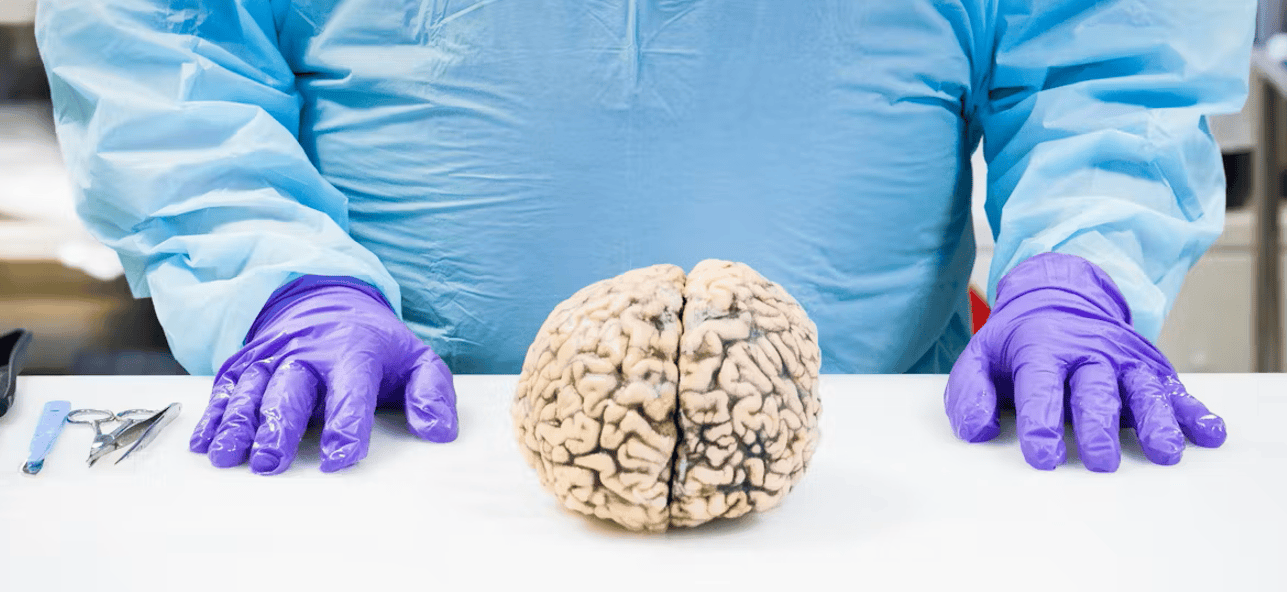
- Researchers present human iPSC-derived neural microtissue that “recapitulates human-relevant anatomical connections and models a key component of the basal ganglia circuitry”; A new platform for studying the neurodegeneration associated with Parkinson’s? (Click here to read more about this).
- New research presents a connectoid – a “compartmentalized, human stem cell-based model of the nigrostriatal pathway by integrating ventral midbrain & striatal organoids within a custom-engineered microfluidic device”. The connectoids “recapitulate the spatial organization & long-range connectivity of developing human midbrain dopaminergic neurons & their striatal targets”. They “model key aspects of Parkinson’s disease path.”. Connectivity confirmed by tracing, optogenetic & pharma stimulation (Click here to read more about this).
- Single-nucleus RNA sequencing, spatial transcriptomics & metabolomics in male A53T α-synuclein transgenic mice finds “a disease-associated oligodendrocyte lineage marked by elevated Il33 & Kirrel3 that expands with pathology”; Elevated in human Parkinson’s midbrain & CSF (Click here to read more about this).

- New preclinical findings reveal a functional interplay between daily biological timing & lysosomal enzyme regulation, suggesting that optimizing drug dosing & timing of administration may improve the efficacy of GCase-targeted treatments (Click here to read more about this).
- Recent studies have reported that α-synuclein undergoes phase separation to form biomolecular condensates. Now researchers find that specific Parkinson’s-associated α-synuclein variants (A30G, G51D, & A53E) fail to form them, while E46K & E83Q enhance them (Click here to read more about this).
- Researchers find that astrocytic lysosomal remodeling of internalized α-syn contributes to the morphological maturation & intercellular propagation of neuronal α-syn pathology; Cathepsin D promotes α-syn processing & Lewy neurite-like aggregate maturation (Click here to read more about this).
Preclinical treatment development
- Researchers present the neuroprotective effects of AZP2006 (a PGRN/PSAP complex stabilizer) in several preclinical Parkinson’s models (in vitro & vivo), counteracting mitochondrial damage & toxicity of alpha-synuclein preformed fibril spreading (Click here to read more about this).
- Anti-inflammatory agent dapansutrile exerts neuroprotective effects in preclinical models of Parkinson’s (Click here to read more about this).

- Using mechanistic & structural insights by NMR, researchers report terazosin activates or inhibits human phosphoglycerate kinase 1 (PGK1) in a dose-dependent manner. “Terazosin binds at a site that partially overlaps the nucleotide-binding pocket of PGK1, stabilizing the enzyme in its open conformation”. Binding enhances product release at low concentrations while blocking substrate binding at higher concentrations (Click here to read more about this).
- Researchers report that microglial NUS1 deficiency drives dopaminergic neurodegeneration through intercellular iron dysregulation in Parkinson’s models; Ferroptosis inhibitor liproxstatin-1 alleviated dopaminergic neuron loss & PD-like symptoms in mice (Click here to read more about this).
- Proof-of-principle targeting with antisense oligonucleotides demonstrates the feasibility of a cost-effective & scalable approach for allele-specific sequencing of ATXN3 in individual patients & larger Spinocerebellar ataxia type 3 (SCA3) cohorts (Click here to read more about this).
- Chaperone-mediated autophagy is regulated by the lysosomal receptor LAMP2A – a key pathway for αSynuclein clearance. Researchers report LAMP2A gene therapy mitigates Parkinson’s–related pathology in non-human primates & evoked beneficial effects on motor (Click here to read more about this).
- Using a novel autoantibody screening platform developed by Sengenics, researchers conducted a 2-stage case-control study to identify peripheral autoantibodies in Parkinson’s that may be useful as potential diagnostic markers (Click here to read more about this).

- The write up of the 2025 German Parkinson’s Experts Meeting in Frankfurt/Main has been published. They explored structural challenges in the German clinical trial landscape & transforming the German Parkinson study group into a national infrastructure (Click here to read more about this).
- Analysis of 531 Alzheimer’s cases that compared tau (PET) deposition patterns between α-synuclein–positive & α-synuclein–negative individuals found α-syn–positive cases had significantly elevated tau deposition in basal ganglia, insula, & medial temporal lobe (Click here to read more about this).
- Researchers report the first potent & selective covalent inhibitor of USP32 together with the first cell-permeable activity-based probes for this deubiquitinase (Click here to read more about this).
- Researchers present “DPEU” – a small-molecule modulator of VDAC function that promotes ATP flux in β cells through a mechanism distinct from the classical KATP or cAMP pathways, identifying VDAC as a potential target for enhancing insulin secretion (Click here to read more about this).
- Researchers virtually screen of 9.4k compounds (2.6k FDA-approved drugs, 6.7k African natural products) against the ATP-binding pocket of LRRK2-G2019S, & identify Rimonabant, Gallagic acid, Acalabrutinib, & Atovaquone as repurposable candidates (Click here to read more about this).

- Researchers report that Fejerin, a peptide isolated from frog skin mucus, protective effects in both in vivo & in vitro models of Parkinson’s (via the PINK1-Parkin pathway – Click here to read more about this).
- Researchers report early, non-invasive “low-intensity focused ultrasound combined with microbubbles” intervention can counteract mechanisms linked to excessive neuromelanin accumulation in a non-human primate model that overexpresses human tyrosinase (Click here to read more about this).
- “Intranigral AAV8-Irisin delivery did not produce statistically significant improvement in either motor performance or dopaminergic neuron survival” in a preclinical Parkinson’s (AAV9-A53T mouse) model. Peripheral AAV8-Irisin had no impact as well (Click here to read more about this).
- Researchers observe elevated taurochenodeoxycholic acid (TCDCA) in Parkinson’s patients which correlates with disease severity. TCDCA treatment exacerbates rotenone-induced PD mouse model. L. reuteri supplementation reduced TCDCA & alleviates PD mouse model (Click here to read more about this).
- Researchers present a second-generation “hypoxia in a pill” (combining a hemoglobin affinity enhancer to limit oxygen delivery with a HIF-2α inhibitor) intervention that rescues neurodegen. phenotypes across different mouse models, including Parkinson’s (Click here to read more about this and click here for an editorial about this research).
- The GLP-1 receptor field for Parkinson’s continues to develop: Researchers present a GLP-1/apelin dual receptor agonist (called ELA (exendin-4-linker-apelin)) that shows neuroprotective properties in an MPTP mouse model of PD (Click here to read more about this).

Clinical research
- In GBA-Parkinson’s, subthalamic nucleus-deep brain stimulation treatment at later stages is associated with increased risk of cognitive decline. Earlier STN-DBS in GBA-PD may extend the period of improved motor function before onset of significant cognitive decline (Click here to read more about this).
- New research finds a temporal dissociation within the cortex–basal ganglia network, whereby fast cortical transmission is unaffected by dopamine, which in turn amplifies slower network level communication to the subthalamic nucleus (Click here to read more about this).
- Researchers present evidence for the involvement of laterodorsal tegmental nucleus-ventral part (the putative human homologue of the murine sublaterodorsal nucleus) in isolated REM sleep behaviour disorder (Structural MRIs; n=98 iRBD & 114 controls – click here to read more about this).
- Using large-scale hospital electronic health records of the University of California health system (n=890K hypertensive patients), researchers report Angiotensin receptor blockers irbesartan & olmesartan were associated with lower incident Parkinson’s risk. Curiously, both of these ARBs are traditionally considered non-CNS penetrant; “Both produce insurmountable, slowly reversible AT1 blockade with prolonged receptor residence times, whereas losartan binds in a surmountable, rapidly dissociating manner” (Click here to read more about this).

- New research provides “longitudinal evidence that motor cortex disinhibition is largely dissociated from clinical motor features in Parkinson’s”. Cortical disinhibition did not worsen with clinically evident disease progression (Click here to read more about this).
- New research suggests “the odds of having Impulse Control Disorders are modulated by cumulative & interactive effects of personality & genes in Parkinson’s” (Click here to read more about this).
- Researchers present MUSIC-PD: “A structured, Delphi-derived, & panel-approved framework for integrating music-based interventions into multidisciplinary Parkinson’s rehabilitation” (Click here to read more about this).
- New data indicate that speech-in-noise deficits in Parkinson’s may reflect early subcortical & cortical cholinergic dysfunction rather than just peripheral auditory decline (Click here to read more about this).
- Researchers developed models in Parkinson’s Progression Markers Initiative (PPMI) to predict next-year falls with external validation in the University of Pennsylvania cohorts. “Clinical measures may identify next-year fall risk in PD with moderate discrimination” (Click here to read more about this).
- Using neuropsychological assessments, T1 imaging, & high angular resolution diffusion imaging data from 108 participants with Parkinson’s, researchers found that degeneration of the cortical cholinergic system is associated with cognitive decline in PD (Click here to read more about this).

- Longitudinal 3-month data from 40 Parkinson’s patients found that continuous subcutaneous foslevodopa/foscarbidopa infusion was associated with improvements in both motor complications & non-motor fluctuations (Click here to read more about this).
- New nationwide (South Korea) cohort study suggests a potential association between higher cumulative proton pump inhibitor exposure (≥ 180 days of use) & an increased risk of Parkinson’s (Click here to read more about this).
- Researchers identify candidate markers for the isolation of neuron-specific extracellular vesicles, with Neurexin 3 (NRXN3) being highlighted – even in a small pilot study of Parkinson’s samples (no difference with controls – click here to read more about this).
- Researchers use PPMI data to identify a 7-protein cerebrospinal fluid (CSF) proteomic signature (CCL27, CXCL9, NEFL, SERPINE1, GH1, TYMP, KLK1) that exhibited good discriminative performance for distinguishing rapid from slow Parkinson’s progressors (Click here to read more about this).
- New data finds that in patients with Parkinson’s & neurogenic orthostatic hypotension (OH), ambulatory hypertensive episodes were associated with better clinical outcomes, an association not observed in patients with non-neurogenic OH (Click here to read more about this).
- Researchers propose a new model based on complementary MRI modalities to provide an objective clinical decision-support measure for Parkinson’s with potential applications in other parkinsonisms (multiple system atrophy, progressive supranuclear palsy – click here to read more about this).

- Using longitudinal data from 161 adults (79=Gaucher disease, 52=GBA1 variant carriers & 30=GBA1-associated Parkinson’s), researchers assessed non-motor, neuropsychological & olfactory measures. Olfactory function emerged as the primary differentiator (Click here to read more about this).
- Researchers “propose an updated pathophysiological model where Parkinson’s tremor results from interactions between circuits that suppress (the good), initiate (the bad), & amplify (the ugly) tremor” (Click here to read more about this).
- Researchers profiled DNA methylation in 1,250 prefrontal cortex samples & identified 107 differentially methylated probes associated with Alzheimer’s neuropath. (38 were independently replicated). Also reveal DNAm as a mediator of APOE-related genetic risk (Click here to read more about this).
- Researchers present the HandPD37 dataset, including handwriting samples from 78 Parkinson’s case & 54 healthy controls across 37 tasks, tailored for Japanese participants, enhancing the dataset’s applicability for more accurate & generalized PD detection (Click here to read more about this).
- The 2026 therapeutic development pipeline for Frontotemporal lobar degeneration has been published (Click here to read more about this).
- Researchers find evidence for shared genomic loci (BIN3, MSRA & TNK2 get highlighted) between Parkinson’s & kidney function, offering specific loci & biological pathways for future investigation of the kidney-brain axis in neurodegeneration (Click here to read more about this).
- A new qualitative, ethnographic study investigates family & community care for older persons with Parkinson’s in Kenya; “They wonder, ‘you’ve been to the doctor, & you’re not healed’?” (Click here to read more about this).

- New research from the GP2 team finds that the GCH1 p.Ser80Asn variant is a rare, East Asian-enriched risk variant for Parkinson’s (Click here to read more about this).
- Results in the Parkinson’s Precision Medicine Initiative (PPMI) indicate that a-synuclein-seed amplification assay testing results are highly consistent over time (Click here to read more about this).
- Researchers report a case of Parkinson’s caused by a de novo SNCA triplication with longitudinally evaluated gene expression in whole blood & platelets at 2 disease stages: early PD (age 41) & Parkinson’s disease dementia (age 44 – click here to read more about this).
- Minor hallucinations affect up to 40% of patients with Parkinson’s; New research suggests that they have a loss of individual-specific features in brain networks linked to cognitive health, while the cerebellar-to-cortex connectivity became more prominent (Click here to read more about this).
- Remember when the cerebellum was not affected by Parkinson’s? New research finds “cerebellar functional connectivity in Parkinson’s shows region-specific differences across cognitive status rather than uniform network loss with cognitive impairment” (Click here to read more about this).
- New support the involvement of mitochondrial dysfunction & telomere attrition in Parkinson’s & Multiple Systems Atrophy. However, mitochondrial DNA copy number provided a clearer distinction between the two α-synucleinopathies than telomere length in blood (Click here to read more about this).

- Using PRISMA-ScR guidelines, researchers systematically screened the literature & curated studies reporting in vivo & ex vivo immune characterizations from Parkinson’s patients; Synthesis reveals a steady expansion & diversification over the last decade (Click here to read more about this).
- Researchers applied Mendelian randomization to multiple Alzheimer’s genome-wide association studies & functional multiomics datasets, identifying 19 targets for individuals of European ancestry & 7 for African ancestry including epoxide hydrolase 2 (EPHX2). “By leveraging electronic health data from 111,680 patients with mild cognitive impairment, we identified 12 drugs associated with reduced AD incidence, including trazodone (targeting ADRA1A) & baclofen (targeting GABBR1)” (Click here to read more about this).
- A multimodal neuroimaging study analyzing neuromelanin & iron brainstem content in Parkinson’s identify nigrosome-1 as the main subregion where multimodal MRI captures the PD-related nigral degeneration; iPD & GBA1-PD difference (Click here to read more about this).
- Using longitudinal blood-based proteomics from 166 patients, researchers propose progression-specific molecular signatures in Parkinson’s; Higher CD276 & POSTN associated with worse MDS-UPDRS2, while higher VEGF-C & IL19 associated with worse MDS-UPDRS3 (Click here to read more about this).
- New research suggests dietary patterns/habits in isolated REM sleep behavior disorder is associated with gut microbiome dysbiosis & predicts neurodegenerative progression, highlighting diet–microbiome interactions as modifiable factors (Click here to read more about this).

- Using colocalisation & Mendelian randomisation analyses, researchers emphasize “the importance of ancestry-specific functional genetic annotations, & further suggests myeloid cells as potential targets for treatments for neurodegeneration”. They “show that genes causally-implicated in neurodegenerative disorders (NDDs) have enriched expression in peripheral immune cells, & may mediate the risk of NDDs thru regulatory effects observable in these cell types”; For SNCA, the risk of PD was associated with reduced gene expression (Click here to read more about this).
- ‘To Hear and Be Heard’. The co-design of a website to support communication challenges experienced by people with Parkinson’s & their families & friends (Click here to read more about this).
- By applying a heteroscedastic personalized regression framework to a Alzheimer’s cohort (n=251 vs 564 controls), researchers “move beyond population-averaged risk signals to identify an internally stable, cognition-linked genetic-profile stratification” (Click here to read more about this).
- Researchers conducted a longitudinal study in polysomnography-confirmed iRBD patients with negative CSF α-synuclein at baseline. Among the 43 αSyn-negative patients, 9 (20.9%) converted to αSyn positivity over a mean follow-up of 2.8 ± 2.3 years. Converters exhibited a higher burden of Parkinson’s biomarkers (eg hyposmia, abnormal DAT-SPECT, & increased REM sleep electromyographic activity, vs persistent αSyn negativity (Click here to read more about this).

- By measuring dopamine & serotonin in people with Parkinson’s performing a temporal bisection task, researchers find that dopaminergic contributions to temporal cognition can be examined through temporally resolved neurochemical signals in the human striatum (Click here to read more about this).
- The Glymphatic’s Role In Proteinopathies (GRIP) study protocol has been published – a single centre observational case-control imaging & biomarker study comparing glymphatic clearance in 20 patients with Alzheimer’s, 20 Parkinson’s & 10 DLB vs 20 controls (Click here to read more about this).
- New research finds neuromelanin-sensitive-MRI imaging provides a biologically interpretable measure of catecholaminergic neuron integrity & survival in Parkinson’s. “Distinct SN & LC patterns further provide a neuroanatomical framework for Parkinson’s heterogeneity: nigral measures preferentially relate to motor dysfunction & disease stage, whereas LC measures capture cognitive, affective, autonomic, sleep-related, & complex motor features” (Click here to read more about this).
- Interesting new biorxiv preprint: Frontal stimulation reshapes SCAN connectivity & improves motor function in Parkinson’s (Click here to read more about this).
- New research presents a PRISMA-compliant review of Phase II & III disease-modifying trials (2020-25) assessing target engagement. 14/19 Parkinson’s trials (12 phase II/2 phase III) had at least 1 measure of target engagement. Their “findings question the predictive value of currently used target-engagement biomarkers & highlight the need to biologically align trial populations with the mechanisms targeted by experimental molecular interventions” (Click here to read more about this).
- A 5-year longitudinal study of 28 people with early Parkinson’s reports “early caudate dopaminergic denervation identifies a parkinsonian phenotype associated with greater motor severity, neuropsychiatric manifestations, & accelerated cognitive decline” (Click here to read more about this).

- New research suggests that “skin denervation is closely associated with cognitive impairment in Parkinson’s & that regional brain atrophy statistically mediates this relationship”; N=155 patients with PD (PD-NC = 75; PD-MCI = 40; PDD = 40) & 50 controls (Click here to read more about this and click here for an editorial about this research).
- In a longitudinal analysis of a dual biomarker-positive, de novo Parkinson’s cohort & matched controls, neuropsychiatric symptoms increased in prevalence & co-occurrence over the first decade of disease (Click here to read more about this).
- “Braak stage was not associated with H&Y at death, disease duration, age at death, or brain weight in autopsy-proven Parkinson’s patients. These findings provide evidence that path. α-syn–based staging does not represent a model of clinical progression” (Click here to read more about this and click here for an editorial associated with this research).
- Researchers measured key cerebrospinal fluid markers in Alzheimer’s, dementia with Lewy bodies, & Parkinson’s via fully-automated assays. They found AD pathology was observed in DLB, & related to worse cognition, but less in PD (Click here to read more about this).
- A large metabolomics study conducted on longitudinal serum samples from Parkinson’s patients (n = 632) suggests disruptions in core metabolic pathways may contribute to PD-related cognitive impairments (Click here to read more about this).
- According to an autopsy study, cognitive impairment in Parkinson’s correlates with loss of cholinergic axon projections to cortex; Levels of ChAT were measured by ELISA in 8 brain regions from 37 PD autopsy cases; ChAT positively correlated with MMSE (Click here to read more about this).

- A population-based cohort study involving 2480 autopsied cases from the Biobank for Aging Studies in São Paulo (Brazil) finds 0.7% among those <50 years to 20.0% among those aged ≥90 years have Lewy body disease, & this occurs in a mixed-pathology context (Click here to read more about this).
- New data suggests that α-Synuclein seeding discriminates between LRRK2 G2019S variant carriers with & without Parkinson’s; N = 76 variant carriers (N = 22 with PD, N = 54 unaffected); Seeding observed in 80% with LRRK2-PD & in 1 unaffected carrier (Click here to read more about this).
New clinical trials
- New clinical trial registered: Ginger as a Modifier of Ghrelin Levels & Gut Function in Parkinson’s (Ginger-PD). Researchers are looking for 24 people with PD, 24 REM Sleep Behaviour Disorder, & 24 controls; 12-week study (Click here to read more about this).
- New clinical trial registered: An open-label study evaluating brain α-synuclein deposition using XingImaging‘s PET tracer [¹⁸F]MK-0947 in 18 participants with Parkinson’s (Click here to read more about this).
- New clinical trial registered: Nuwacell Biotechnologies initiates a Phase 1 clinical trial to evaluate the safety and tolerability of their hypoimmune human induced pluripotent stem cells (iPSCs) cell therapy (called NCR201) in 12 people with Parkinson’s (Click here to read more about this).
- New clinical trial registered: Immunis, Inc has initiated a Phase 1 study to assess the safety of IMM02-KORA (nalfurafine hydrochloride) – a selective kappa opioid receptor agonist – in 15 people with Parkinson’s-associated dyskinesia (Click here to read more about this).

Clinical trial news
- Cerevance report that the high dose of Solengepras (150 mg) achieved the primary endpoint – reducing average daily OFF time by 0.61 hours vs placebo at Week 12 (p=0.0350; with benefit seen at week 2) in their Phase 3 ARISE study in Parkinson’s. Statistically significant improvements in secondary endpoints of ON time w/o troublesome dyskinesia & motor experiences of daily living (MDS-UPDRS Part II); Improvements in daytime sleepiness (Epworth Sleepiness Scale) & quality of life (PDQ-39) point to broad motor & non-motor benefit (Click here to read more about this).
- Results of a randomized crossover trial comparing 8-week Mediterranean-ketogenic vs medium-chain triglyceride-supplemented Mediterranean diets in 52 people with Parkinson’s (NCT05469997) finds neither approach markedly alters the gut microbiome (Click here to read more about this).
- New results from the Syntara & Parkinson’s UK/Parkinson’s Foundation trial of SNT-4728 in people REM sleep behaviour disorder. The agent improved motor function (vs placebo) & the change was stat. sig. 12 weeks after treatment termination (Click here to read more about this and more details available on the Syntara website).

- Preliminary data indicates chronic directional adaptive deep brain stimulation is feasible, tolerable, effective, & safe in people with Parkinson’s; On-time without troublesome dyskinesia increased median 1.2 hours/day; N=17 (Click here to read more about this).
- XellSmart presented 6 months post-transplant data for their Phase I trial of their off-the-shelf Parkinson’s cell therapy XS411, & announces successfully completion of enrollment for the Phase 2 trial of XS411 (Click here to read more about this).
- Gain Therapeutics reported MDS-UPDRS 3 motor scores demonstrated stability to baseline (no disease progression) among the 12 Parkinson’s patients who completed 12 months of daily oral administration of their GCase activator rexaceract (Click here to read more about this).
Conferences/lectures
- Parkinson’s UK are holding their two-day PAR CON research and living well event for the Parkinson’s community at the Vox Conference Venue in Birmingham on the 13th and 14th November (Click here to learn more about this).
- Sign up for Cure Parkinson’s Autumn Research Update Meeting 2026, being held on Monday 19th October from 1:30pm- 6pm. The theme will be “How neurotrophic factors could help brain cell survival and repair in Parkinson’s” (Click here to register – in person or virtual).

Other news
- Alector Therapeutics grants Genentech exclusive rights to develop & commercialize AL050, an investigational GCase Enzyme Replacement Therapy (ERT) which is being developed for GBA1-associated Parkinson’s (Click here to read more about this).
- Jupiter Neurosciences announces first patient dosed in their randomized, double-blind, placebo-controlled Phase 2a RESET trial (NCT07592767) evaluating safety, pharmacokinetics & biomarkers of JOTROL (formulation of trans-resveratrol) in Parkinson’s (Click here to read more about this).
- Australia-based Mentara Therapeutics has launched with the acquisition of MTA-304 (formerly EM-221), a PDE10A inhibitor (from San Diego-based EuMentis Therapeutics) & plans to initiate a Phase 2 trial in H1 2027 for levodopa-induced dyskinesia in Parkinson’s (Click here to read more about this).
- Mission Therapeutics announces dosing of first Parkinson’s patient in the Phase 1b study of their USP30 inhibitor MTX325. The study is taking place in UK, Europe & Australia. Readout is anticipated in late 2027 (Click here to read more about this).

- Empatica introduces WellPD Parkinson’s wearable device – an US FDA-cleared & CE-marked wrist-worn unit with a companion application to capture physical movement alongside other physiological signals (Click here to read more about this).
- Aspen Neuroscience looks for IPO to help fund future developments (a phase 3 trial of sasineprocel in Parkinson’s – click here to read more about this).
- Tridem Bioscience announce the initiation of Phase 1b testing of their vaccine candidate, TRB-001, which is targeting pathologic α-synuclein in Parkinson’s. Top-line results expected mid-2027 (Click here to read more about this).
- New study starting exploring which Parkinson’s patients are likely to benefit from GLP-1 receptor agonists. The STRAT-GLP1 study, funded by the Michael J Fox Foundation, aims to develop is a practical stratification tool based on information routinely collected by GPs (Click here to read more about this).
- AbbVie pumps up the economic case for the subcutaneous infusion of Vyalev as an early treatment for Parkinson’s (Click here to read more about this).

Review articles/videos
- New review on cellular & systemic modifiers of alpha-synuclein proteostasis; “In synucleinopathies, many different cellular processes are affected by alpha-synuclein & vice versa” (Click here to read more about this).
- Everything you ever wanted to know about human DOPA Decarboxylase – from monoamine metabolism, pharmacology, & synucleinopathies; “AADC measured in cerebrospinal fluid has emerged as one of the most discriminating fluid biomarkers for Parkinson’s & LBD” (Click here to read more about this).
- An international group of leading microbiome scientists presents a strategic vision for realizing its potential to transform public health. They outline 10 strategic priorities for research and public health (Click here to read more about this).
- The EJS ACT-PD consortium presents the patient-centric development of an inclusive multi-arm multi-stage trial for Parkinson’s; Highlighting 5 challenges (& solutions) that were confronted – a monumental effort! (Click here to read more about this).

- “The 1st Patagonia Synuclein Workshop underscored that the alpha synuclein field has entered a decisive translational phase, but also made clear that several fundamental questions remain unresolved” – a summary of the major topics discussed at the meeting (Click here to read more about this).
- New review explores resilience & vulnerability in the midbrain dopamine system during aging; “Elucidating these neuroadaptive mechanisms could offer a path toward preserving dopamine neuron function across the lifespan” & possibly preventing neurodegeneration (Click here to read more about this).
- Perspectives on ionizing radiation & Parkinson’s. “Emerging evidence from epidemiological studies in humans exposed to ionizing radiation (IR) suggests a positive association between IR & a specific neurological disorder, Parkinson’s” (Click here to read more about this).
- New review examines gut dysbiosis, tryptophan metabolism, & aryl hydrocarbon receptor signaling as potential mechanisms underlying idiopathic Parkinson’s & highlights their relevance to early diagnosis and disease-modifying therapies (Click here to read more about this).
- New editorial raises concerns about Vitamin B6 levels in Parkinson’s, & the need for monitoring them (Click here to read more about this).

- “Involving people affected by Parkinson’s as equal partners in research has the potential to improve individual studies & to reshape the wider PD research agenda to be more inclusive, representative, & responsive to the priorities of those most affected” (Click here to read more about this).
- New review explores cytokine circuits in CNS homeostasis; “CNS cytokine circuits may also be shaped by systemic immune & metabolic cues, whose influence on local cytokine production & responsiveness remains incompletely understood” (Click here to read more about this).
- Towards a better definition of patient-centered therapeutic strategy of Parkinson’s: A new opinion paper proposes “pragmatic, consensus-based principles for fully individualized, preference-sensitive pharmacological care across the patient journey” (Click here to read more about this).
- New review covers current knowledge of TMEM106B genetics from human cohorts & mechanistic studies, “highlighting how variants may influence its regulatory network & protein levels, with an emphasis on its aggregation-prone C-terminal domain” (Click here to read more about this).
- New review explores the pathological roles of intrinsically disordered proteins in lysosomal acidification dysfunction in neurodegenerative conditions, like Parkinson’s (Click here to read more about this).

- Researchers outline a modular 4-tier framework integrating prodromal risk, metabolic vulnerability, pathway-specific confirmation, & mechanistic deep phenotyping to make Alzheimer’s & Parkinson’s disease trials (Click here to read more about this).
- Participant views on return of results in the WATCH-PD qualitative study; “Will I get a chance to debrief with one of the experts that created the study at some point, or will I get a chance to see the results of the [digital] study?” (Click here to read more about this).
- New review examines the role of mitochondrial biomarkers in improving diagnostic accuracy, patient stratification & monitoring of disease progression & therapeutic response across neurology (including a useful section on Parkinson’s – click here to read more about this).
- “Differential proteostasis imbalance & the molecular basis of distinct synucleinopathies & tauopathies” (Click here to read more about this).
- The microbiota–proteostasis axis: implications in neurodegenerative diseases; A model illustrating how microbiota-derived factors & gut-targeted interventions influence host proteostasis resilience across ageing & disease progression is presented (Click here to read more about this).
- “Proteostasis (in)action: the role of co-pathologies in neurodegenerative disease” provides a useful summary of clinicopathological correlations in human autopsy-based studies of co-pathology in neurodegenerative disease (Click here to read more about this).

- Movement disorders neurology remains an act of watching. New editorial explores computer vision for the detection of deterioration in Parkinson’s. But if “no effective intervention or care response is available, have we actually helped”? (Click here to read more about this).
- A new review exploring the role of oligodendrocytes in the etiology of Parkinson’s has a useful section on potential therapeutic interventions addressing this population of cells (Click here to read more about this).
- “There is a need for instruments that reflect the complex & varied ways Parkinson’s affects individuals” Researchers conducted online interviews with 31 individuals living with PD to better understand what features make a quality of life questionnaire meaningful (Click here to read more about this).
- Using insights from GBA1 clinical trials, researchers present a viewpoint about building scalable recruitment strategies for precision medicine in Parkinson’s (Click here to read more about this).
- A new review on chaperone-mediated autophagy in physiological homeostasis, disease & ageing has been publisehed; Parkinson’s gets a couple of mentions, but a useful overview of the biology & potential “gerotherapeutic” targets (Click here to read more about this).

- Researchers reviewed the landscape of potential drug targets relevant to early intervention in biomarker-defined prodromal Parkinson’s & consider which targets are best suited for testing (Click here to read more about this).
- “The body-first/brain-first framework further suggests that Lewy pathology may follow distinct anatomical trajectories, with early enteric & autonomic involvement defining a subgroup in which gut-directed biomarkers & therapies may be especially relevant” (Click here to read more about this)
- A evidence review & expert assessment of 30 published economic evaluations reveals gaps that make it challenging to assess the cost effectiveness of a putative disease modifying therapies for Parkinson’s. The work provides a framework for future economic evaluations of disease-modifying therapies in Parkinson’s, recommending an individual-level state-transition (microsimulation) approach for the framework implementation (Click here to read more about this).
- 20 years of induced pluripotent stem cells. New review explores how “the field has progressed from patient-specific disease modeling toward cell-based therapies for neurodegenerative disorders” (Parkinson’s gets highlighted). Man, I feel old… (Click here to read more about this).

* * * * * * * * * * * *
And there it is, just some of the highlights from October 2026 – another very busy month of Parkinson’s research. Hopefully there will be bits and pieces of interest for everyone in the list. Much of the material used here was collected from the Science of Parkinson s Twitter and Bluesky feeds (and there is a lot more posted there each day).
Any thoughts/feedback would be greatly appreciated (either in the comments below, or contact me directly).
And now: on to November!!!
 All of the material on this website is licensed under a
Creative Commons Attribution 4.0 International License
You can do whatever you like with it!
EDITOR S NOTE: The author of this post is an employee of Cure Parkinson s, so he might be a little bit biased in his views on research and clinical trials supported by the trust. That said, the trust has not requested the production of this post, and the author is sharing it simply because it may be of interest to the Parkinson s community.
The information provided by the SoPD website is for information and educational purposes only. Under no circumstances should it ever be considered medical or actionable advice. It is provided by research scientists, not medical practitioners. Any actions taken based on what has been read on the website are the sole responsibility of the reader. Any actions being contemplated by readers should firstly be discussed with a qualified healthcare professional who is aware of your medical history. While some of the information discussed in this post may cause concern, please speak with your medical physician before attempting any change in an existing treatment regime.
In addition, many of the companies mentioned in this post are publicly traded companies. That said, the material presented on this page should under no circumstances be considered financial advice. Any actions taken by the reader based on reading this material is the sole responsibility of the reader. None of the companies have requested that this material be produced, nor has the author had any contact with any of the companies or associated parties. This post has been produced for educational purposes only.
