
|
# # # # In 2017, researchers reported that regular episodes in a sauna can dramatically reduce one’s risk of developing neurodegenerative conditions, like Alzheimer’s and Parkinson’s. Recently, a member of the Parkinson’s community shared another feature of “sauna life” that helps them: they sleep better after a short sauna session right before bed. In today’s post, we will discuss some of the research associated with the use of saunas. # # # # |
 Source: Twitter
Fun fact: Finland has over 3 million saunas.
It is a rather impressive number considering that there is only 5.5 million people in the country. So important to the Finnish culture is the humble sauna that Unesco recently registered the sauna on its list of Intangible Cultural Heritage.
You will find a sauna at every public swimming pool, most hotels, private residence, and summer homes by the lake or the sea in Finland.
They are everywhere.
 Source: Finland.fi
Just as the sport of rugby is central to everything in New Zealand (seriously, it’s like a religion), sauna life is an important corner stone of Finnish society. They love it.
Does this actually have anything to do with Parkinson’s?





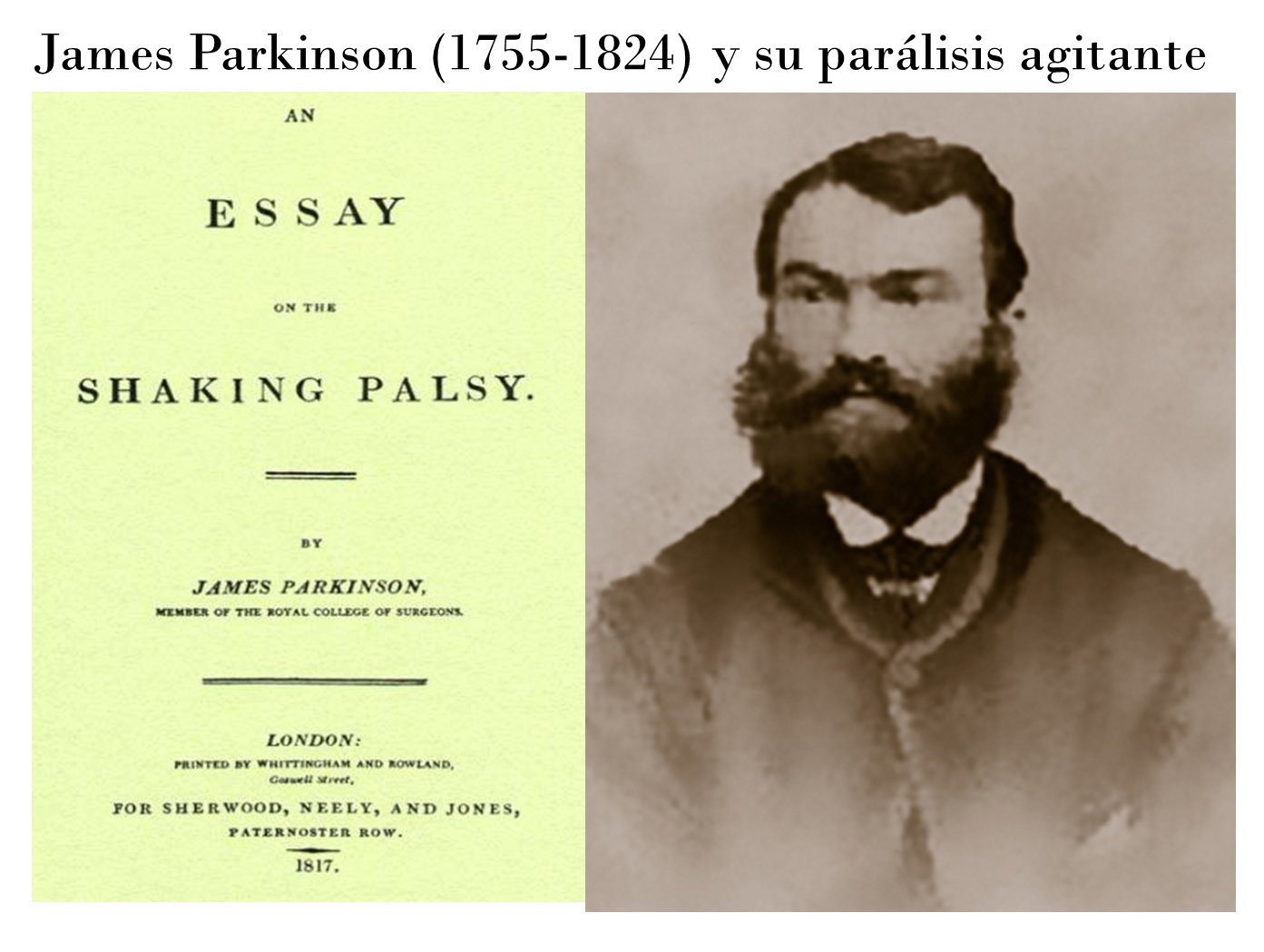






















 The Science of Parkinson's