The Wim Hof method


A regular theme of the SoPD website is the reviewing of novel phamarcological treatments that are being tested on models of Parkinson’s. And while the breadth of the research is exciting and encouraging, the average reader may feel distant to the results of those studies as the experimental drug being tested is still a long way from possible regulatory approval.

There have been numerous requests to explore more readily applicable research, which could be useful for the Parkinson’s community to explore (for example, diet and exercise). This is dangerous ground for a blogger to tread on, but in the interest of stimulating discussion (and possibly research), we shall do our best.

In today’s post, we will discuss what the Wim Hof method is, what research supports it, and potential issues with applying it to conditions like Parkinson’s.

Before we start: This post is not an endorsement of the Wim Hof method, but rather an exploration of the research that has been conducted on it. The author has had no contact with Mr Hof or any associated parties, nor is he aware of any clinical research investigating the Wim Hof method in the context of Parkinson’s. The author is simply fulfilling a request to discuss the topic.


Source: PDUK

I am regularly asked to give an opinion (or write a blog post) about a method or technique that is being advertised online as a remedy for all aliments (including Parkinson’s).

What do you think of the ________ method?” folks will ask.

Many of these techniques I am unaware of and I can simply give a polite “I honestly don’t know” kind-of response. But for others, where I do have a little information I find myself rather conflicted.

Why conflicted?

A lot of these online methods/techniques involve commercially-focused entities hidden behind a veneer of testimonials, and very few of them have any actual real science backing them. It is difficult for anyone to give an opinion, let alone write a post about it.

But if people in the Parkinson’s community are experiencing some kind of benefits from a particular method, who am I to say otherwise or pour doubt on their experience given the lack of alternatives (I do draw a line, however, at dodgy stem cell clinics – they are all charlatans).

Source: The conversation

But recently a friend within the PD community asked me to look into the “Wim Hof method”. And while I reluctantly agreed to, I have to say that I was pleasantly surprised

Why surprised?

Because there was actual real research backing up some of the claims! The method has never been clinically tested on Parkinson’s (as far as I’m aware), but researchers have had a look at the method and the results are worth discussing.

What is the Wim Hof method?

Continue reading “The Wim Hof method”

Natural (born) killers


Today’s post starts with more of a biology lesson than usual, but it is important to understand where in the grand scheme of things a certain type of blood cell sits.

That type of blood cell has a really cool name: Natural killer cells.

Recently researchers at the University of Georgia (USA) published a report suggesting that natural killer cells may be a key player in the immune system response to Parkinson’s.

Specifically, they found that natural killer cell numbers are higher in disease-affected parts of the Parkinsonian brain, and that natural killer cells digest free floating alpha synuclein aggregates.

In today’s post, we will discuss what natural killer cells are, review this new research report, and explore what this new finding could mean for Parkinson’s.


Milestone! Source: Smilingkidsindy

My daughter recently lost her first tooth, and there was a bit of blood. We patched her up, but also took advantage of the moment to learn a little something about how the body works.

Me: Do you know what that red stuff is?

Little monster: Is it blood?

Me: That’s right.

Little monster: Am I going to die? (accompanied with a sudden and very concerned look on her face)

Me: No.

Extremely relieved little monster: Papa, where does blood come from?

And that was when I got all excited, and pulled out my black board.

Admittedly it took a while, but this was the answer I gave her:

Continue reading “Natural (born) killers”

The Ambroxol Results


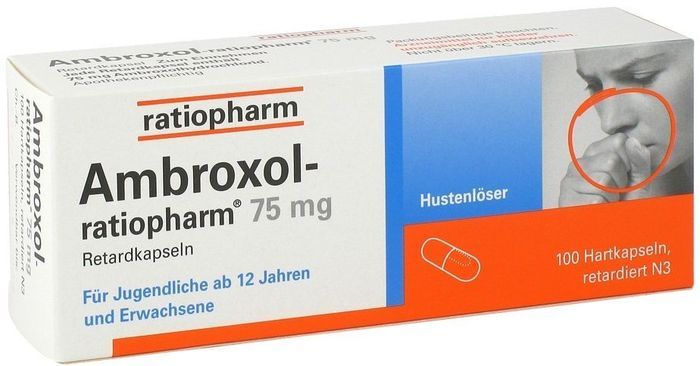
The new year has started with some pleasing clinical trial news for the Parkinson’s community: The results of the “Ambroxol in Disease Modification in Parkinson Disease” (AiM-PD study) have been published.

This is a clinically available drug that is used for the treatment of respiratory issues, which researchers are re-purposing for Parkinson’s based on some interesting properties the drug has.

The results of the clinical trial suggest that ambroxol was safe and well tolerated in people with Parkinson’s for the length of the 6 month study. It accessed the brain and increased levels of target proteins while there.

In today’s post, we will discuss what ambroxol is, what research has been conducted on it, and what the results of this study suggest.


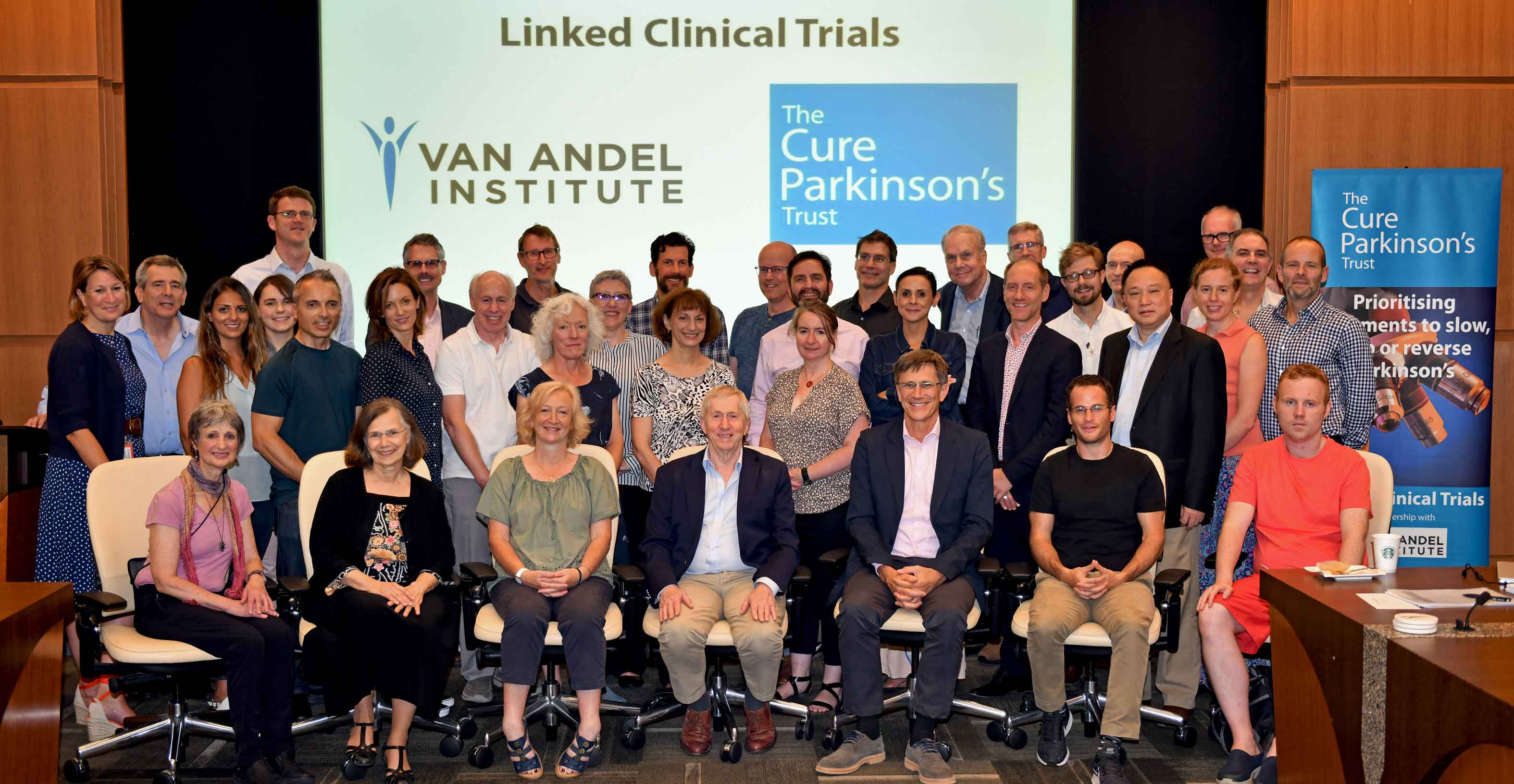
The author of this blog is the deputy director of research at The Cure Parkinson’s Trust, and as such he feels that it is necessary to start this post with a very clear declaration –  FULL DISCLOSURE: The Cure Parkinson’s Trust (in partnership with the Van Andel Institute) was a funder of the ambroxol clinical trial which is going to be discussed in this post.

Right. That said, let’s try and do a completely unbiased review of the ambroxol trial results 🙂

In one particular SoPD post last year we discussed the Linked Clinical Trials initiative, which is an international program that was set up 8 years ago with the goal of rapidly repurposing clinically available drugs exhibiting disease modifying potential in models of Parkinson’s (Click here to read the previous SoPD post on this topic).

What is meant by repurposing?

Drug repurposing (repositioning, reprofiling or re-tasking) is a strategy of identifying novel uses for clinically approved drugs that fall outside the scope of the original medical indication.

An example of this is “Viagra”.

It was originally developed as an anti-hypertensive medication, but was hugely more successful in the treatment of erectile dysfunction.

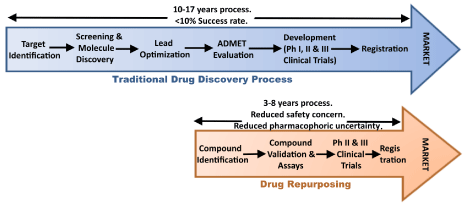
The strategy has been adopted and applied by many organisations because it allows for the by-passing of large parts of the drug discovery process, saving time and resources in getting new treatments to the clinic.

Source: Austinpublishinggroup

By repurposing a clinically approved drug – for which we may know a great deal about already in terms of safety, tolerability and dose range – we can skip large parts of the clinical trial process and jump straight to testing the drug in our population of interest (in this case people with Parkinson’s).

And this is what the Linked Clinical Trials (or LCT) program was set up to do in Parkinson’s.

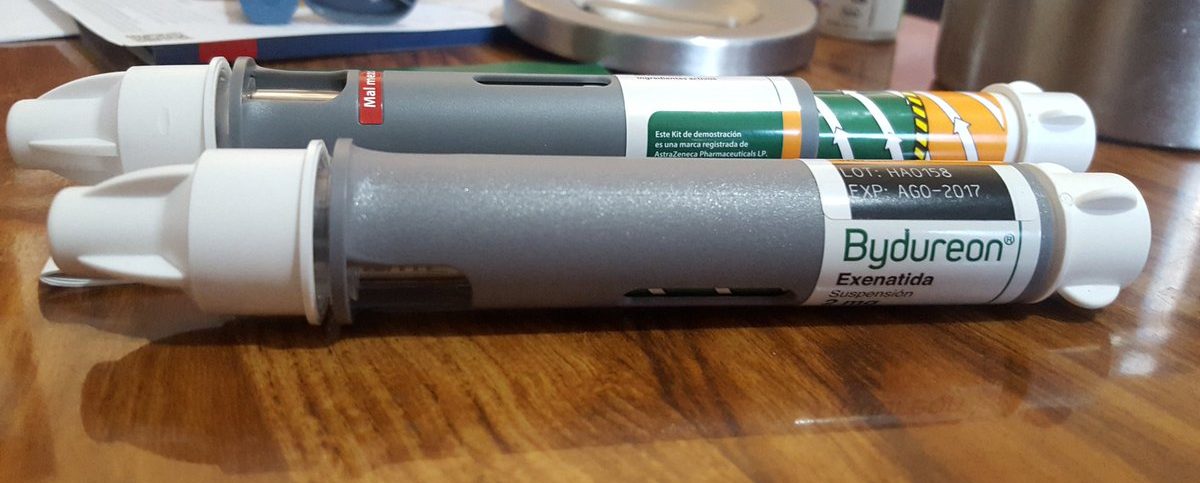
The first drug that was prioritised by the LCT committee for repurposing was a diabetes drug called exenatide (also known as Bydureon).

It is fair to say this LCT-initiated clinical trial program has provided interesting results thus far (Click here and here to read a SoPD post on this) and the exenatide program is now entering Phase III testing in Parkinson’s (Click here to read more about the Phase III trial).

In late 2014, the LCT committee prioritised another clinically available drug for repurposing to Parkinson’s.

That drug is called ambroxol.

What is ambroxol?

Continue reading “The Ambroxol Results”

Monthy research review – December 2019


At the end of each month the SoPD writes a post which provides an overview of some of the major pieces of Parkinson’s-related research that were made available during December 2019.

The post is divided into seven parts based on the type of research:

  • Basic biology
  • Disease mechanism
  • Clinical research
  • New clinical trials
  • Clinical trial news
  • Other news
  • Review articles/videos


So, what happened during December 2019?

In world news:

December 1-31st – Bush fire continued to rage across Eastern Australia. In New South Wales alone more than 3 million hectares have burned (compared to a total of 900,000 hectares in the Amazon for all of 2019 – Source). Prime Minister Scott Morrison returned home from holiday and signaled “no change” to Australia’s climate policy.


December 10 – Sanna Marin, at the age of 34, became the world’s youngest serving prime minister after being selected to lead Finland’s Social Democratic Party.

December 13th – “Away from the manger” – Sully the camel, Gus the donkey and Rufus the cow were discovered by authorities wandering (towards a Northern star) when they should have been part of the nativity exhibit at the Tanganyika Wildlife Park (Click here to read more about this).

December 30 – Chinese authorities announced that researcher He Jiankui, who claimed to have created the world’s first genetically edited human babies, has been sentenced to three years in prison and fined 3 million yuan (US$430,000) for his genetic research.

In the world of Parkinson’s research, a great deal of new research and news was reported:

In December 2019, there were 792 research articles added to the Pubmed website with the tag word “Parkinson’s” attached (8075 for all of 2019). In addition, there was a wave to news reports regarding various other bits of Parkinson’s research activity (clinical trials, etc).

The top 5 pieces of Parkinson’s news

Continue reading “Monthy research review – December 2019”

The Lords of LRRK


Here on the SoPD we have discussed the Parkinson’s-associated protein LRRK2 many times. And we look forward to seeing the results of ongoing clinical trials of LRRK2 inhibitors.

But there are significant efforts ongoing to develop therapies that can indirectly target dysfunctional LRRK2 pathways (which may help avoid any potential side effects of direct inhibition)

Recently, researchers in Scotland and California have published research highlighting one such indriect approach to modulating LRRK2.

In today’s post, we will discuss what LRRK2 is, review the new data, and consider the ‘what happens next?’ question.


Prof Dario Alessi. Source: Eureka

Whenever I read a new research report about the activity of the Parkinson’s-associated protein, LRRK2, my first thought is usually “I wonder what Dario thinks of this?”

And I am not alone in this thought.

Prof Dario Alessi – Director of the Medical Research Council Protein Phosphorylation and Ubiquitylation Unit and Professor of Signal Transduction, at the School of Life Sciences, University of Dundee – is widely recognised as one of the leading experts on the research of this particular protein.

University of Dundee. Source: Dundee

His thoughts/opinions are widely sought by many in the field – both academic and industry researchers.

And recently his lab – in collaboration with researchers are Stanford University – published a really interesting new report which we will discuss in today’s post.

But first, the obvious question:

What is LRRK2?

Continue reading “The Lords of LRRK”

DBS: location, location, location


Deep brain stimulation (or DBS) represents a well established treatment option for individuals with Parkinson’s who no longer respond to standard therapies. It involves tiny electrodes being embedded in the brain and they modulate populations of neurons that have become dysfunctional.

The results of the DBS procedure can be “miraculous” for some individuals – reducing tremors and significantly improving quality of life.

In up 20% of cases, however, the procedure may have little or no effect. Placement of the electrodes has been blamed for the lack of DBS response in many of these situations. But very recently researchers have discovered a new method that may aid in the better placement of electrodes.

In today’s post, we will discuss what DBS is, review the new research, and explore the implications of it.


Ray Kroc. Source: Medium

It is said that Ray Kroc – the American fast-food tycoon, who purchased the ‘McDonalds’ company from the McDonald brothers in 1961 for US$2.7 million – once gave a lecture to Harvard MBA students.

At some point during his talk, Mr Kroc asked the students: “What business is McDonalds in?

You can imagine all the different answers that probably came back: “Food, yeah hamburgers. Right?” “Restaurants!”, “Entertainment“, “Hospitality?

Source: Youtube

Mr Kroc simply laughed and said “No

Ladies and gentlemen, I’m not in the hamburger business. My business is real estate

In other words: knowing (and owning) the right locations.

He proceeded to tell the students that big fast food corporations (like McDonalds, Burger King, Subways, Starbucks) spend much of their capital on identifying and buying new locations where they think there will be the opportunity for growth.

I think I’ve got the wrong blog. What on Earth does this have to do with Parkinson’s?

Identifying the right location is very applicable to Parkinson’s when it comes to deep brain stimulation.

What is deep brain stimulation?

Continue reading “DBS: location, location, location”

The inflammasome field is heating up


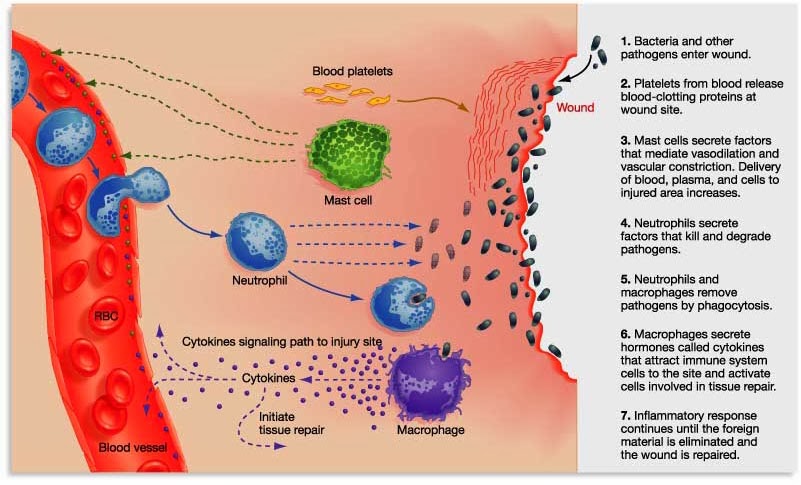
When a cell is sick or damaged it will send out signals alerting the immune system that something is wrong. If enough of these molecules are released, they will initate an “immune response” and this process is called inflammation.

There is evidence in neurodegenerative conditions (like Parkinson’s and Alzheimer’s) that the inflammation process is involved, and inhibitors of particular aspects of inflammation are being developed as potential therapies for these conditions.

Of particular interest are drugs targeting the NLRP3 inflammasome.

In today’s post, we will discuss what the NLRP3 inflammasome is, look at new research identifying a novel NLRP3 inflammasome inhibitor, and provide an overview/update of where things are in the clinical testing of NLRP3 inflammasome inhibitors for Parkinson’s.


Source: Science

One of the hottest areas of Parkinson’s research world is ‘inflammation’ (cheesy pun intended).

What is inflammation?

When cells in your body are stressed or sick, they begin to release tiny messenger proteins which inform the rest of your body that something is wrong.

When enough of these messenger proteins are released that the immune system becomes activated, it can cause inflammation.

Inflammation is a critical part of the immune system’s response to trouble. It is the body’s way of communicating to the immune system that something is wrong and activating it so that it can help deal with the situation.

By releasing the messenger proteins (called cytokines), injured/sick cells kick off a process that results in multiple types of immune cells entering the troubled area of the body and undertaking very specific tasks.

The inflammatory process. Source: Trainingcor

The strength of the immune response depends on the volume of the signal arising from those released messenger proteins. And there are processes that can amplify the immune response.

One of those processes is called inflammasomes.

What are inflammasomes?

Continue reading “The inflammasome field is heating up”

AMP-PD is here


Today the US National Institute of Health (NIH) announced the opening of the data portal for the Accelerating Medicines Partnership for Parkinson’s disease (or AMP-PD) initiative.

This research program is a MASSIVE collaborative effort between the NIH, multiple biopharmaceutical/life sciences companies, and non-profit organisations.

It involves a pooling together of “well characterized cohorts with existing biosamples and clinical data”, and making this data available for researchers in order to identify and validate diagnostic, prognostic, and progression biomarkers.

In today’s post, we will look at what the AMP-PD initiative is, and consider how it could help to accelerate the development of novel therapies for Parkinson’s.


The US National Institute of Health Clinical Research Center, Bethesda, Maryland. Source: Wikipedia

In the late 1870s, the US ongress allocated funding for the investigation of the causes of specific epidemics (such as cholera and yellow fever). An urgent need was recognised and the US congress acted.

In doing so, however, it not only created the National Board of Health, but it also made medical research an official government initiative.

The National Board of Health was re-designated several times and in 1930 the US National Institutes of Health (or NIH) was born.

The NIH has gone on to become one of the largest funders of medical research in the world. And some of the numbers are really staggering (Source):

  • The NIH invests nearly $39.2 billion annually in medical research
  • More than 80% of the NIH’s funding is awarded to over 50,000 competitive grants.
  • These grants fund 300,000 researchers at more than 2,500 universities/research institutions in every US state and around the world.
  • About 10% of the NIH’s budget supports projects conducted by nearly 6,000 scientists in its own laboratories

It is an institution that can seriously change the landscape for medical research. And recently it has been trying to do this via AMP programmes.

What are AMP programmes?

Continue reading “AMP-PD is here”

Distinctly human: Kangaroos


It is often said that only humans develop Parkinson’s. It is a distinctly human condiiton, and this is true (at the time of publishing this post).

But there are interesting Parkinson’s-related observations in the animal world that could tell us something about this ‘very human’ condition. We have previously highlighted reports of this nature (Click here for an example).

Recently Australian researchers have reported the accumulation of the Parkinson’s-associated protein alpha synuclein in the brains of kangaroos, after they ate a particular type of grass (phalaris pastures plants) which is toxic for them.

In today’s (short) post, we will discuss what the report found, look at what the plants contains, and consider what this could mean for our understanding of Parkinson’s.


Source: SanDiegoZoo

The first interesting fact about kangaroos in today’s post: They are predominantly left handed

What?!?!?

Researchers published a study in 2015 reporting that while most four legged marsupials show no preference between their limbs, kangaroos are very left handedness (Click here to read the report)

Source: Cell

This finding is interesting as it could tell use much about our own handedness preference (Click here to read more about this).

Ok, interesting. But what on Earth does this have to do with Parkinson’s?

Ah, well that’s where we come to the second interesting fact about kangaroos in today’s post:

Continue reading “Distinctly human: Kangaroos”

There’s gold in them tha brains


It feels as though novel potential therapies for Parkinson’s are being proposed with an ever increasing frequency. And just when I think there must be few other ways of attacking the condition, a new method is proposed. Recently a biotech firm called Clene Nanomedicine presented data on one such new approach.

The experimental treatment is called CNM-Au8 and it involves gold. Yes, that gold.

And the treatment is already being tested in a clinical trial for Parkinson’s.

In today’s post, we will look at what CNM-Au8 is and what it does, we’ll discuss what data has been presented, and then we’ll outline what the clinical trial involves.


Source: SFN

Although I did not attend the Society for Neuroscience 2019 annual meeting in Chicago in October, I have still had a look at some of the 816 abstracts which had the keyword “Parkinson’s” attached to them (my Saturday night entertainment – sad I know!).

Those abstracts can be found online (Click here to search those abstracts).

One in particular abstract caught my attention:

This poster was presented by research scientists from a biotech company that I had never heard of called Clene Nanomedicine:

And the data presented focused on a novel therapy that I had never heard of which is now being targetted at Parkinson’s.

The new treatment is called CNM-Au8.

What is CNM-Au8?

Continue reading “There’s gold in them tha brains”