Inhibiting LRRK2: The Denali Phase I results

Denali

This week Denali Therapeutics released the results of a phase I clinical trial of their primary product, called DNL-201.

DNL-201 is a LRRK2 inhibitor that the company is attempting to take to the clinic for Parkinson’s disease. 

In today’s post we will look at what LRRK2 is, how an inhibitor might help in Parkinson’s, and what the results of the trial actually mean.


Wonder_Lake_and_Denali

Denali. Source: Wikipedia

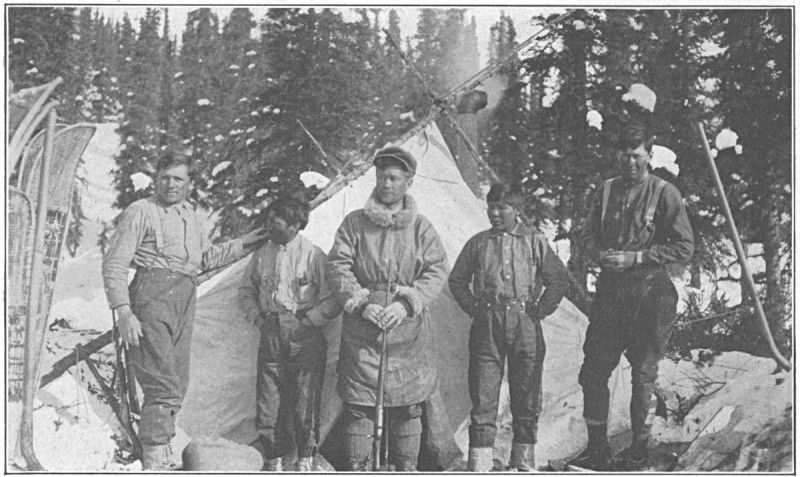
Denali (Koyukon for “the high one”; also known as Mount McKinley) in Alaska is the highest mountain peak in North America, with a summit elevation of 20,310 feet (6,190 m) above sea level. The first verified ascent to Denali’s summit occurred on June 7, 1913, by four climbers Hudson Stuck, Harry Karstens, Walter Harper, and Robert Tatum.

Tatum (left), Karstens (middle), and Harper (right). Source: Gutenberg

Robert Tatum later commented, “The view from the top of Mount McKinley is like looking out the windows of Heaven!”

More recently another adventurous group associated with ‘Denali’ have been trying to scale lofty heights, but of a completely different sort from the mountaineering kind.

Continue reading “Inhibiting LRRK2: The Denali Phase I results”

James: His legacy (Part 4)

On Tuesday 21st December, 1824, James Parkinson passed away in his home – two days after suffering a stroke.

It was the end of an amazing and extremely productive life.

In this post about James Parkinson – the final in the series of four observing the 200th anniversary of his first observation of Parkinson’s disease – we look at what happened following his death, and reflect on his overall legacy.


St Leonard’s church in Hoxton, London – James’ church

At the end of the third post on the life of James Parkinson (Click here to read that post), the Battle of Waterloo had just occurred and James was publishing the last of his writings.

One of the last major events in the life of James Parkinson occurred in 1823, when James was awarded the Royal College of Surgeons’ first Gold Medal.

Understand that this was a big deal.

The college had established the award way back in 1802 for “distinguished labours, researches and discoveries”. But it took them a full 21 years to find anyone that they thought worthy enough to be the first recipient.

And that first recipient: one James Parkinson

This event, however, represents very nicely how the legacy of James has changed over time. While the world currently associates James Parkinson with a neurological condition that he first described in 1817, the Royal College of Surgeons awarded him their first gold medal not for any of his medical publications, but rather for his “splendid Work on Organic Remains”.

parkinson3

Source: Lindahall

As I have written before, James was a bit of a rockstar to the geological/palaeontology community. His writings on what he called his “favourite science”, had earned him an international reputation and one has to wonder how he would feel now if he knew that his reputation lies elsewhere.

As JP aficionado Dr Cherry Lewis once wrote: history is fickle.

Continue reading “James: His legacy (Part 4)”

A virtual reality for Parkinson’s: Keapstone

parkinsons_virtual_biotech_graphic

In 2017, Parkinson’s UK – the largest charitable funder of Parkinson’s disease research in Europe – took a bold step forward in their efforts to find novel therapies.

In addition to funding a wide range of small and large academic research projects and supporting clinical trials, they have also decided to set up ‘virtual biotech’ companies – providing focused efforts to develop new drugs for Parkinson’s, targeting very specific therapeutic areas.

In today’s post we will look at the science behind their first virtual biotech company: Keapstone.


Virtual_Reality_Oculus_Rift

A virtual world of bioscience. Source: Cast-Pharma

I have previously discussed the fantastic Parkinson’s-related research being conducted at Sheffield University (Click here to read that post). Particularly at the Sheffield Institute for Translational Neuroscience (SITraN) which was opened in 2010 by Her Majesty The Queen. It is the first European Institute purpose-built and dedicated to basic and clinical research into Motor Neuron Disease as well as other neurodegenerative disorders such as Parkinson’s and Alzheimer’s disease.

The research being conducted at the SITraN has given rise to multiple lines of research following up interesting drug candidates which are gradually being taken to the clinic for various conditions, including Parkinson’s.

It’s all very impressive.

And apparently I’m not the only one who thought it was impressive.

Continue reading “A virtual reality for Parkinson’s: Keapstone”

PAQ-ing more punch for Parkinson’s

Punch

In the 1990, scientists identified some fruits that they suspected could give people Parkinson’s. 

These fruit are bad, they reported.

More recently, researchers have identified chemicals in that exist in those same fruits that could potential be used to treat Parkinson’s. 

These fruit are good, they announce.

In today’s post, we will explain why you should avoid eating certain members of the Annonaceae plant family and we will also look at the stream of research those plants have given rise to which could provide a novel therapy for Parkinson’s.


les_saintes_guadeloupe-1

Guadeloupe. Source: Bluefoottravel

In the late 1990s, researchers noticed something really odd in the French West Indies.

It had a very strange distribution of Parkinsonisms.

What are Parkinsonisms?

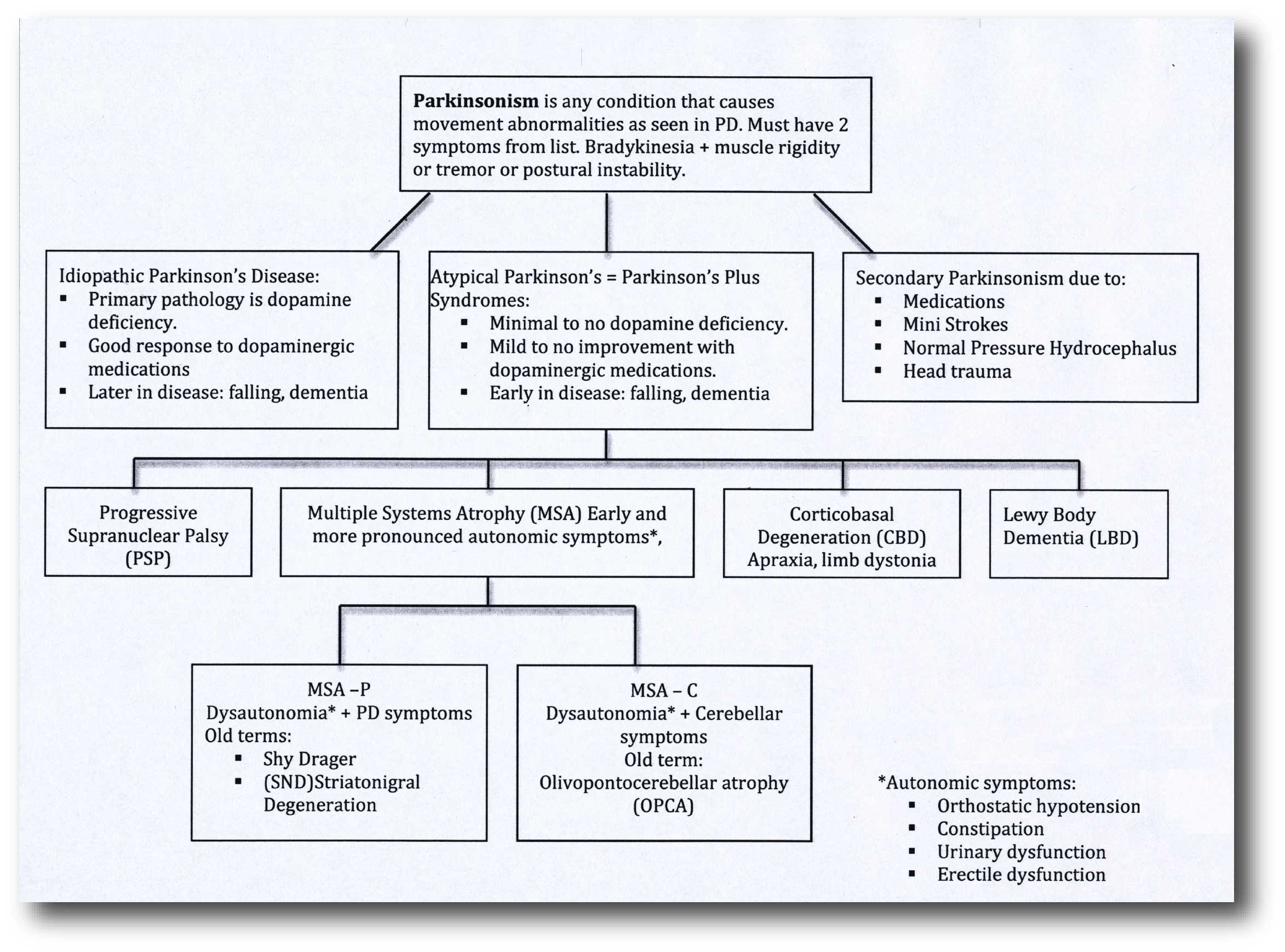
‘Parkinsonisms’ refer to a group of neurological conditions that cause movement features similar to those observed in Parkinson’s disease, such as tremors, slow movement and stiffness. The name ‘Parkinsonisms’ is often used as an umbrella term that covers Parkinson’s disease and all of the other ‘Parkinsonisms’.

Parkinsonisms are generally divided into three groups:

  1. Classical idiopathic Parkinson’s disease (the spontaneous form of the condition)
  2. Atypical Parkinson’s (such as multiple system atrophy (MSA) and Progressive supranuclear palsy (PSP))
  3. Secondary Parkinson’s (which can be brought on by mini strokes (aka Vascular Parkinson’s), drugs, head trauma, etc)

Source: Parkinsonspt

Some forms of Parkinsonisms that at associated with genetic risk factors, such as juvenile onset Parkinson’s, are considered atypical. But as our understanding of the genetics risk factors increases, we may find that an increasing number of idiopathic Parkinson’s cases have an underlying genetic component (especially where there is a long family history of the condition) which could alter the structure of our list of Parkinsonisms.

So what was happening in the French West Indies?

Continue reading “PAQ-ing more punch for Parkinson’s”

The anti-depressing research of antidepressants

Antidepressants are an important class of drugs in modern medicine, providing people with relief from the crippling effects of depression.

Recently, research has suggested that some of these drugs may also provide benefits to people suffering from Parkinson’s disease. But by saying this we are not talking about the depression that can sometimes be associated with this condition.

This new research suggests anti-depressants are actual providing neuroprotective benefits.

In today’s post we will discuss depression and its treatment, outline the recent research, and look at whether antidepressants could be useful for people with Parkinson’s disease.


Source: NatureWorldNews

It is estimated that 30 to 40% of people with Parkinson’s disease will suffer from some form of depression during the course of the condition, with 17% demonstrating major depression and 22% having minor depression (Click here to read more on this).

This is a very important issue for the Parkinson’s community.

Depression in Parkinson’s disease is associated with a variety of poor outcomes not only for the individuals, but also for their families/carers. These outcomes can include greater disability, less ability to care for oneself, faster disease progression, reduced cognitive performance, reduced adherence to treatment, worsening quality of life, and increased mortality. All of which causes higher levels of caregiver distress for those supporting the affected individual (Click here to read more about the impact of depression in early Parkinson’s).

What is depression?

Wikipedia defines depression as a “state of low mood and aversion to activity that can affect a person’s thoughts, behaviour, feelings, and sense of well-being” (Source). It is a common mental state that causes people to experience loss of interest or pleasure, feelings of guilt or low self-worth, disturbed sleep or appetite, low energy, and poor concentration.

Importantly, depression can vary significantly in severity, from simply causing a sense of melancholy to confining people to their beds.

Source: Prevention

What causes depression?

Continue reading “The anti-depressing research of antidepressants”

Non-invasive gene therapy: “You never monkey with the truth”

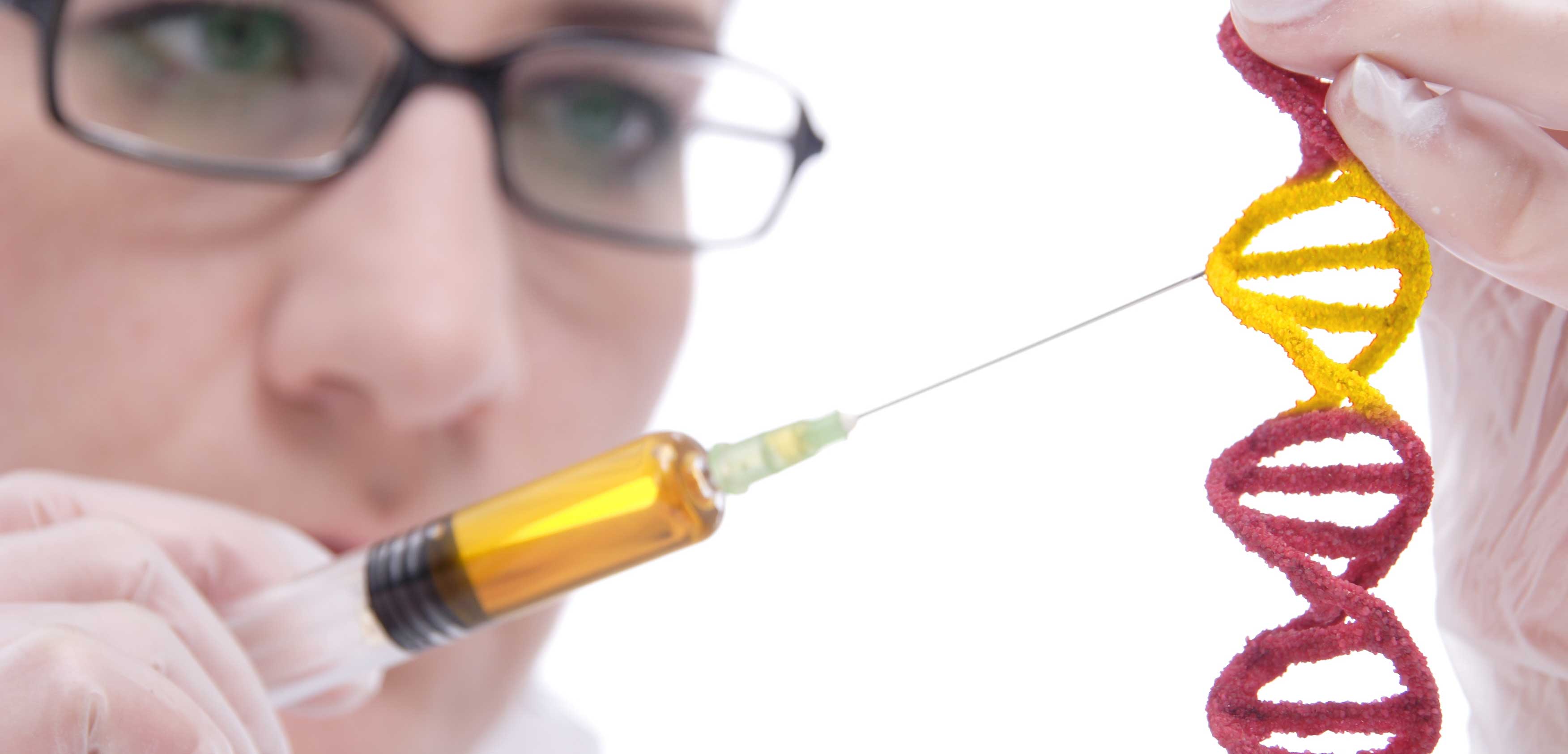
Gene therapy involves treating medical conditions at the level of DNA – that is, altering or enhancing the genetic code inside cells to provide therapeutic benefits rather than simply administering drugs. Usually this approach utilises specially engineered viruses to deliver the new DNA to particular cells in the body.

For Parkinson’s, gene therapy techniques have all involved direct injections of these engineered viruses into the brain – a procedure that requires brain surgery. This year, however, we have seen the EXTREMELY rapid development of a non-invasive approach to gene therapy for neurological condition, which could ultimately see viruses being injected in the arm and then travelling up to the brain where they will infect just the desired population of cells.

Last week, however, this approach hit a rather significant obstacle.

In today’s post, we will have a look at this gene therapy technology and review the new research that may slow down efforts to use this approach to help to cure Parkinson’s.


Gene therapy. Source: rdmag

When you get sick, the usual solution is to visit your doctor.

They will prescribe a medication for you to take, and then all things going well (fingers crossed/knock on wood) you will start to feel better. It is a rather simple and straight forward process, and it has largely worked well for most of us for quite some time.

As the overall population has started to live longer, however, we have begun to see more and more chronic conditions which require long-term treatment regimes. The “long-term” aspect of this means that some people are regularly taking medication as part of their daily lives. In many cases, these medications are taken multiple times per day.

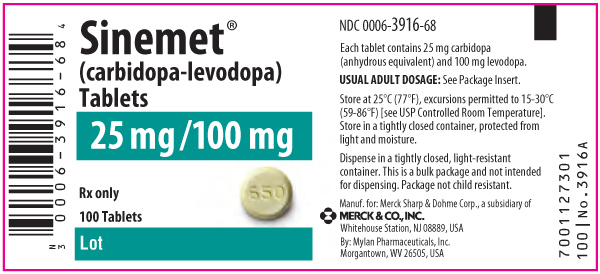
A good example of this is Levodopa (also known as Sinemet or Madopar) which is the most common treatment for the chronic condition of Parkinson’s disease.

When you swallow your Levodopa pill, it is broken down in the gut, absorbed through the wall of the intestines, transported to the brain via our blood system, where it is converted into the chemical dopamine – the chemical that is lost in Parkinson’s disease. This conversion of Levodopa increases the levels of dopamine in your brain, which helps to alleviate the motor issues associated with Parkinson’s disease.

7001127301-6010801

Levodopa. Source: Drugs

This pill form of treating a disease is only a temporary solution though. People with Parkinson’s – like other chronic conditions – need to take multiple tablets of Levodopa every day to keep their motor features under control. And long term this approach can result in other complications, such as Levodopa-induced dyskinesias in the case of Parkinson’s.

Yeah, but is there a better approach?

Continue reading “Non-invasive gene therapy: “You never monkey with the truth””

Are Lewy bodies fake news?

One of the cardinal features of the Parkinsonian brain are dense, circular clusters of protein that we call ‘Lewy bodies’

But what exactly are these Lewy bodies?

How do they form?

And what function do they serve?

More importantly: Are they part of the problem – helping to cause of Parkinson’s? Or are they a desperate attempt by a sick cell to save itself?

In today’s post, we will have a look at new research that makes a very close inspection of Lewy bodies and finds some interesting new details that might tell us something about Parkinson’s.


Neuropathologists conducting a gross examination of a brain. Source: NBC

A definitive diagnosis of Parkinson’s disease can only be made at the postmortem stage with an examination of the brain. Until that moment, all cases of Parkinson’s disease are ‘suspected’.

When a neuropathologist makes an examination of the brain of a person who passed away with the clinical features of Parkinson’s, there are two characteristic hallmarks that they will be looking for in order to provide a final diagnosis of the condition:

1.  The loss of specific populations of cells in the brain, such as the dopamine producing neurons in a region called the substantia nigra, which lies in an area called the midbrain (at the base of the brain/top of the brain stem).

d1ea3d21c36935b85043b3b53f2edb1f87ab7fa6

The dark pigmented dopamine neurons in the substantia nigra are reduced in the Parkinson’s disease brain (right). Source:Memorangapp

2.  Dense, circular clusters (or aggregates) of protein within cells, which are called Lewy bodies.

shutterstock_227273575

A cartoon of a neuron, with the Lewy body indicated within the cell body. Source: Alzheimer’s news

What is a Lewy body?

A Lewy body is referred to as a cellular inclusion (that is, ‘a thing that is included within a whole’), as they are almost always found inside the cell body. They generally measure between 5–25 microns in diameter (5 microns is 0.005 mm) thus they are tiny, but when compared to the neuron within which they reside they are rather large (neurons usually measures 40-100 microns in diameter).

A photo of a Lewy body inside of a neuron. Source: Neuropathology-web

How do Lewy bodies form? And what is their function?

The short answer to these questions is:

Source: Wellbeing365

The longer answer is: Our understanding of how Lewy bodies are formed – and their actual role in neurodegenerative conditions like Parkinson’s – is extremely limited. No one has ever observed one forming. Lewy bodies are very difficult to generate in the lab under experimental conditions. And as for their function, this is the source of much guess work and serious debate (we’ll come back to this topic later in this post).

Ok, but what are Lewy bodies actually made of?

Continue reading “Are Lewy bodies fake news?”

The EMPRSN talk #1

Recently I was invited to speak at the 6th Annual East Midlands Parkinson’s Research Support Network meeting at the Link Hotel, in Loughborough. The group is organised and run by the local Parkinson’s community and supported by Parkinson’s UK. It was a fantastic event and I was very grateful to the organisers for the invitation.

They kindly gave me two sessions (20 minutes each) which I divided into two talks: “Where we are now with Parkinson’s research?” and “Where we are going with Parkinson’s research?”. Since giving the talk, I have been asked by several attendees if I could make the slides available.

The slides from the first talk can be found by clicking here.

I have also made a video of the first talk with a commentary that I added afterwards. But be warned: my delivery of this second version of the talk is a bit dry. Apologies. It has none of my usual dynamic charm or energetic charisma. Who knew that talking into a dictaphone could leave one sounding so flat.

Anyways, here is the talk – enjoy!

I hope you find it interesting. When I have time I’ll post the second talk.

The TAU of Parkinson’s

Here at the SoPD, we regularly talk about the ‘bad boy’ of Parkinson’s disease – a protein called Alpha Synuclein.

Twenty years ago this year, genetic variations were identified in the alpha synuclein gene that increase one’s risk of developing Parkinson’s. In addition, alpha synuclein protein was found to be present in the Lewy bodies that are found in the brains of people with Parkinson’s. Subsequently, alpha synuclein has been widely considered to be the villain in this neurodegenerative condition and it has received a lot of attention from the Parkinson’s research community.

But it is not the only protein that may be playing a role in Parkinson’s.

Today’s post is all about TAU.


Source: Wallpaperswide

I recently informed my wife that I was thinking of converting to Taoism.

She met this declaration with more of a smile than a look of shock. And I was expecting the latter, as shifting from apatheism to any form of religious belief is a bit of a leap you will appreciate.

When asked to explain myself, I suggested to her that I wanted to explore the mindfulness of what was being proposed by Lao Tzu (the supposed author of the Tao Te Ching – the founding document of Taoism).

This answer also drew a smile from her (no doubt she was thinking that Simon has done a bit of homework to make himself sound like he knows what he was talking about).

But I am genuinely curious about Taoism.

Most religions teach a philosophy and dogma which in effect defines a person. Taoism – which dates from the 4th century BCE – flips this concept on its head. It starts by teaching a single idea: The Tao (or “the way”) is indefinable. And then it follows up by suggesting that each person should discover the Tao on their own terms. Given that most people would prefer more concrete definitions in their own lives, I can appreciate that a lot of folks won’t go in for this approach.

Personally speaking, I quite like the idea that the Tao is the only principle and everything else is a just manifestation of it.

According to Taoism, salvation comes from just one source: Following the Tao.

Source: Wikipedia

Oh and don’t worry, I’m not going to force any more philosophical mumbo jumbo on you – Taoism is just an idea I am exploring as part of a terribly clichéd middle-life crisis I’m working my way through (my wife’s actual response to all of this was “why can’t you just be normal and go buy a motor bike or something?”).

My reason for sharing this, however, is that this introduction provides a convenient segway to what we are actually going to talk about in this post.

You see, some Parkinson’s researchers are thinking that salvation from neurodegenerative conditions like Parkinson’s will come from just one source: Following the TAU.

What is TAU?

Continue reading “The TAU of Parkinson’s”

Beware of the PINK-SNO(W) man!

There is a protein in most of the cells in your body called “PTEN-induced putative kinase 1″ (or simply PINK1). It plays an important role in keeping your cells healthy.

Genetic variations in the PINK1 gene have been shown to increase ones risk of developing Parkinson’s. 

This week researchers have identified a method by which the function of the PINK1 protein can be inhibited and this results in increased vulnerability to Parkinson’s. In this post, we will look at what PINK1 does, how it is inhibited, and what this could mean for the Parkinson’s community.


ampkmito-945x466

Mitochondria (green) in health cells (left) and in unhealthy cells (right).
The nucleus of the cell is in blue. Source: Salk Institute

I have previously spoken a lot about mitochondria and Parkinson’s on this website.

For the uninitiated, mitochondria are the power house of each cell. They help to keep the lights on. Without them, the party is over and the cell dies.

Mitochondria

Mitochondria and their location in the cell. Source: NCBI

You may remember from high school biology class that mitochondria are tiny bean-shaped objects within the cell. They convert nutrients from food into Adenosine Triphosphate (or ATP). ATP is the fuel which cells run on. Given their critical role in energy supply, mitochondria are plentiful (some cells have thousands) and highly organised within the cell, being moved around to wherever they are needed.

Like you and I and all other things in life, however, mitochondria have a use-by date.

As mitochondria get old and worn out (or damaged) with time, the cell will recycle them via a process called mitophagy (a blending of the words mitochondria and autophagy which is the waste disposal system of each cell).

What does this have to do with Parkinson’s disease?

Continue reading “Beware of the PINK-SNO(W) man!”