|
# # # # At the end of each month the SoPD writes a post which provides an overview of some of the major pieces of Parkinson’s-related research that were made available during February 2023. The post is divided into 10 parts based on the type of research:
# # # # |
So, what happened during February 2023?
In world news:
February 2nd – The European Central Bank and Bank of England raise their interest rates by 0.5 percentage points to combat inflation, one day after the US Federal Reserve raised its federal funds rate by 0.25 percentage points.

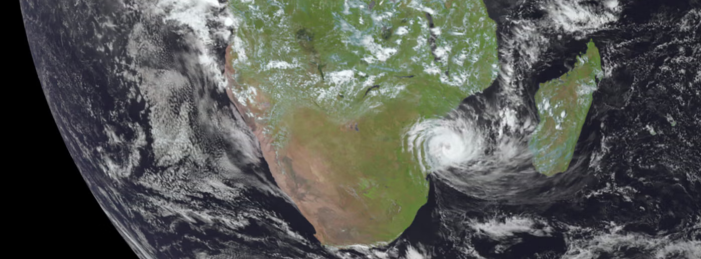
February 5th – Cyclone Freddy formed in the Indian Ocean. It would become the longest lasting tropical cyclone in history and cause over 1,400 deaths and countless injuries and property damage across southeastern Africa (Click here to read more about this).
February 14 – The European Parliament approves a ban on the sale of new petrol and diesel vehicles in the European Union from 2035, citing the need to combat climate change in Europe and promote electric vehicles.

February 16th – Blockbuster action movie star Bruce Willis announced that he has received a new diagnosis of frontotemporal dementia (Click here to read more about this)

February 25th – A rare supermassive black hole – 1 billion times the mass of our sun – was discovered at the center of the galaxy COS-87259. This ancient galaxy formed just 750 million years after the Big Bang, and the black hole was spotted by the Atacama Large Millimeter Array (ALMA) in Chile (Click here to read more about this).

In the world of Parkinson’s research, a great deal of new research and news was reported:
In February 2023, there were 853 research articles added to the Pubmed website with the tag word “Parkinson’s” attached (1850 for all of 2023 so far). In addition, there was a wave to news reports regarding various other bits of Parkinson’s research activity (clinical trials, etc).