Resveratrol: From the folks who brought you Nilotinib


vc_spotlightsonoma_breaker_winegrapes_stock_rf_525141953_1280x640

Recently the results of a small clinical study looking at Resveratrol in Alzheimer’s disease were published. Resveratrol has long been touted as a miracle ingredient in red wine, and has shown potential in animal models of Parkinson’s disease, but it has never been clinically tested.

Is it time for a clinical trial?

In today’s post we will review the new clinical results and discuss what they could mean for Parkinson’s disease.


maxresdefault

From chemical to wine – Resveratrol. Source: Youtube

In 2006, there was a research article published in the prestigious journal Nature about a chemical called resveratrol that improved the health and survival of mice on a high-calorie diet (Click here for the press release).

Wine2
Title: Resveratrol improves health and survival of mice on a high-calorie diet.
Authors: Baur JA, Pearson KJ, Price NL, Jamieson HA, Lerin C, Kalra A, Prabhu VV, Allard JS, Lopez-Lluch G, Lewis K, Pistell PJ, Poosala S, Becker KG, Boss O, Gwinn D, Wang M, Ramaswamy S, Fishbein KW, Spencer RG, Lakatta EG, Le Couteur D, Shaw RJ, Navas P, Puigserver P, Ingram DK, de Cabo R, Sinclair DA.
Journal: Nature. 2006 Nov 16;444(7117):337-42.
PMID: 17086191          (This article is OPEN ACCESS if you would like to read it)

In this study, the investigators placed middle-aged (one-year-old) mice on either a standard diet or a high-calorie diet (with 60% of calories coming from fat). The mice were maintained on this diet for the remainder of their lives. Some of the high-calorie diet mice were also placed on resveratrol (20mg/kg per day).

After 6 months of this treatment, the researchers found that resveratrol increased survival of the mice and insulin sensitivity. Resveratrol treatment also improved mitochondria activity and motor performance in the mice. They saw a clear trend towards increased survival and insulin sensitivity.

The report caused a quite a bit of excitement – suddenly there was the possibility that we could eat anything we wanted and this amazing chemical would safe us from any negative consequences.

Grape

Source: Nature

That report was proceeded by numerous studies demonstrating that resveratrol could extend the life-span of various micro-organisms, and it was achieving this by activating a family of genes called sirtuins (specifically Sir1 and Sir2) (Click herehere and here for more on this).

Subsequent to these reports, there have been numerous scientific publications suggesting that resveratrol is capable of all manner of biological miracles.

Wow! So what is resveratrol?

grapes

Do you prefer your wine in pill form? Source: Patagonia

Resveratrol is a chemical that belongs to a group of compounds called polyphenols. They are believed to act like antioxidants. Numerous plants produce polyphenols in response to injury or when the plant is under attack by pathogens (microbial infections).

Fruit are a particularly good source of resveratrol, particularly the skins of grapes, blueberries, raspberries, mulberries and lingonberries. One issue with fruit as a source of resveratrol, however, is that tests in rodents have shown that less than 5% of the oral dose was observed as free resveratrol in blood plasma (Source). This has lead to the extremely popular idea of taking resveratrol in the form of wine, in the hope that it could have higher bioavailability compared to resveratrol in pill form. Red wines have the highest levels of Resveratrol in their skins (particularly Mabec, Petite Sirah, St. Laurent, and pinot noir). This is because red wine is fermented with grape skins longer than is white wine, thus red wine contains more resveratrol.


EDITOR’S NOTE: Sorry to rain on the parade, but it is important to note here that red wine actually contains only small amounts of resveratrol – less than 3-6 mg per bottle of red wine (750ml). Thus, one would need to drink a great deal of red wine per day to get enough resveratrol (the beneficial effects observed in the mouse study described above required 20mg/kg of resveratrol per day. For a person weighting 80kg, this would equate to 1.6g per day or approximately 250 750ml bottles). 

We would like to suggest that consuming red wine would NOT be the most efficient way of absorbing resveratrol. And obviously we DO NOT recommend any readers attempt to drink 250 bottles per day (if that is even possible). 

The recommended daily dose of resveratrol should not exceed 250 mg per day over the long term (Source). Resveratrol might increase the risk of bleeding in people with bleeding disorders. And we recommend discussing any change in treatment regimes with your doctor before starting.


So what did they find in the Alzheimer’s clinical study?

Well, the report we will look at today is actually a follow-on to published results from a phase 2/safety clinical trial that were reported in 2015:

trial.jpg

Title: A randomized, double-blind, placebo-controlled trial of resveratrol for Alzheimer disease.
Authors: Turner RS, Thomas RG, Craft S, van Dyck CH, Mintzer J, Reynolds BA, Brewer JB, Rissman RA, Raman R, Aisen PS; Alzheimer’s Disease Cooperative Study.
Title: Neurology. 2015 Oct 20;85(16):1383-91.
PMID: 26362286          (This article is OPEN ACCESS if you would like to read it)

The researchers behind the study are associated with the Georgetown research group that conducted the initial Nilotinib clinical study in Parkinson’s disease (Click here for our post on this).

The investigators conducted a randomized, placebo-controlled, double-blind, multi-center phase 2 trial of resveratrol in individuals with mild to moderate Alzheimer disease. The study lasted 52 weeks and involved 119 individuals who were randomly assigned to either placebo or resveratrol 500 mg orally daily treatment.

EDITOR’S NOTE: We appreciate that is daily dose exceeds the recommended daily dose mentioned above, but it is important to remember that the participants involved in this study were being closely monitored by the study investigators.

Brain imaging and samples of cerebrospinal fluid (the liquid within which the brain sits) were collected at the start of the study and after completion of treatment.

The most important result of the study was that resveratrol was safe and well-tolerated. The most common side effect was feeling nausea and diarrhea in approximately 42% of individuals taking resveratrol (curiously 33% of the participants blindly taking the placebo reported the same thing). There was also a weight loss effect between the groups, with the placebo group gaining 0.5kg on average, while the resveratrol treated group lost 1kg on average.

The second important take home message is that resveratrol crossed the blood–brain barrier in humans. The blood brain barrier prevents many compounds from having any effect in the brain, but it does not stop resveratrol.

The investigators initially found no effects of resveratrol treatment in various Alzheimer’s markers in the cerebrospinal fluid. Not did they see any effect in brain scans, cognitive testing, or glucose/insulin metabolism. The authors were cautious about their conclusions based on these results, however, as the study was statistically underpowered (that is to say, there were not enough participants in the various groups) to detect clinical benefits. They recommended a larger study to determine whether resveratrol is actually beneficial.

While exploring the idea of a larger study, the researchers have re-analysed some of the data, and that brings us to the report we want to review today:

moussa

Title: Resveratrol regulates neuro-inflammation and induces adaptive immunity in Alzheimer’s disease.
Authors: Moussa C, Hebron M, Huang X, Ahn J, Rissman RA, Aisen PS, Turner RS.
Journal: J Neuroinflammation. 2017 Jan 3;14(1):1. doi: 10.1186/s12974-016-0779-0.
PMID: 28086917       (This article is OPEN ACCESS if you would like to read it)

In this report, the investigators conducted a retrospective study re-examining the cerebrospinal fluid and blood plasma samples from a subset of subjects involved in the clinical study described above. In this study, they only looked at the subjects who started with very low levels in the cerebrospinal fluid of a protein called Aβ42.

Amyloid beta (or Aβ) is the bad boy/trouble maker of Alzheimer’s disease; considered to be critically involved in the disease. A fragment of this protein (called Aβ42) begin clustering in the brains of people with Alzheimer’s disease and as a result, low levels of Aβ42 in cerebrospinal fluid have been associated with increased risk of Alzheimer’s disease and considered a possible biomarker of the condition (Click here to read more on this).

The resveratrol study investigators collected all of the data from subjects with cerebrospinal fluid levels of Aβ42 less than 600 ng/ml at the start of the study. This selection criteria gave them 19 resveratrol-treated and 19 placebo-treated subjects.

In this subset re-analysis study, resveratrol treatment appears to have slowed the decline in cognitive test scores (the mini-mental status examination), as well as benefiting activities of daily living scores and cerebrospinal fluid levels of Aβ42.

One of the most striking results from this study is the significant decrease observed in the cerebrospinal fluid levels of a protein called Matrix metallopeptidase 9 (or MMP9) after resveratrol treatment. MMP9 is slowly emerged as an important player in several neurodegenerative conditions, including Parkinson’s disease (Click here to read more on this). Thus the decline observed is very interesting.

This re-analysis indicates beneficial effects in some cases of Alzheimer’s as a result of taking resveratrol over 52 weeks. The researchers concluded that the findings of this re-analysis support the idea of a larger follow-up study of resveratrol in people with Alzheimer’s disease.

Ok, but what research has been done on resveratrol in Parkinson’s disease?

Yes, good question.

One of the earliest studies looking at resveratrol in Parkinson’s disease was this one:

Reserv
Title: Neuroprotective effect of resveratrol on 6-OHDA-induced Parkinson’s disease in rats.
Authors: Jin F, Wu Q, Lu YF, Gong QH, Shi JS.
Journal: Eur J Pharmacol. 2008 Dec 14;600(1-3):78-82.
PMID: 18940189

In this study, the researchers used a classical rodent model of Parkinson’s disease (using the neurotoxin 6-OHDA). One week after inducing Parkinson’s disease, the investigators gave the animals either a placebo or resveratrol (at doses of 10, 20 or 40 mg/kg). This treatment regime was given daily for 10 weeks and the animals were examined behaviourally during that time.

The researchers found that resveratrol improved motor performance in the treated animals, with them demonstrating significant results as early as 2 weeks after starting treatment. Resveratrol also reduced signs of cell death in the brain. The investigators concluded that resveratrol exerts a neuroprotective effect in this model of Parkinson’s disease.

Similar results have been seen in other rodent models of Parkinson’s disease (Click here and here to read more).

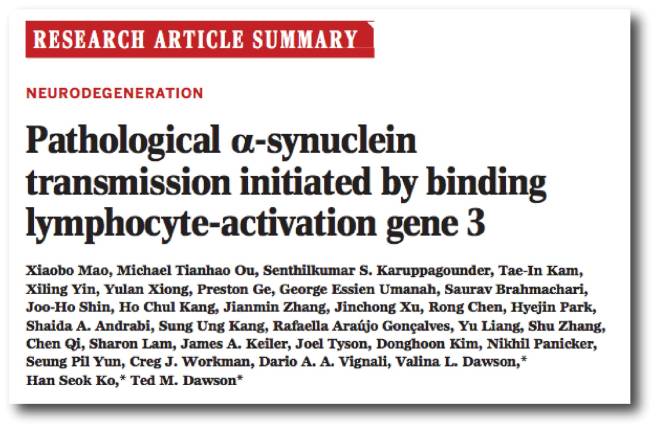
Subsequent studies have also looked at what effect resveratrol could be having on the Parkinson’s disease associated protein alpha synuclein, such as this report:
PD-title

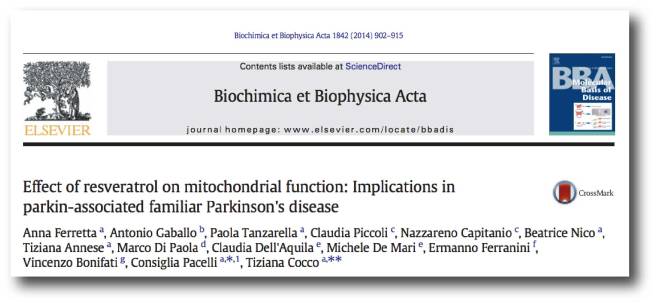
Title: Effect of resveratrol on mitochondrial function: implications in parkin-associated familiarParkinson’s disease.
Authors: Ferretta A, Gaballo A, Tanzarella P, Piccoli C, Capitanio N, Nico B, Annese T, Di Paola M, Dell’aquila C, De Mari M, Ferranini E, Bonifati V, Pacelli C, Cocco T.
Journal: Biochim Biophys Acta. 2014 Jul;1842(7):902-15.
PMID: 24582596                     (This article is OPEN ACCESS if you would like to read it)


In this study, the investigators collected skin cells from people with PARK2 associated Parkinson’s disease.

What is PARK2 associated Parkinson’s disease?

There are about 20 genes that have been associated with Parkinson’s disease, and they are referred to as the PARK genes. Approximately 10-20% of people with Parkinson’s disease have a genetic variation in one or more of these PARK genes (we have discussed these before – click here to read that post).

PARK2 is a gene called Parkin. Mutations in Parkin can result in an early-onset form of Parkinson’s disease. The Parkin gene produces a protein which plays an important role in removing old or sick mitochondria.

Hang on a second. Remind me again: what are mitochondria?

We have previously written about mitochondria (click here to read that post). Mitochondria are the power house of each cell. They keep the lights on. Without them, the lights go out and the cell dies.

Mitochondria

Mitochondria and their location in the cell. Source: NCBI

You may remember from high school biology class that mitochondria are bean-shaped objects within the cell. They convert energy from food into Adenosine Triphosphate (or ATP). ATP is the fuel which cells run on. Given their critical role in energy supply, mitochondria are plentiful and highly organised within the cell, being moved around to wherever they are needed.

Another Parkinson’s associated protein, Pink1 (which we have discussed before – click here to read that post), binds to dysfunctional mitochondria and then grabs Parkin protein which signals for the mitochondria to be disposed of. This process is an essential part of the cell’s garbage disposal system.

Park2 mutations associated with early onset Parkinson disease cause the old/sick mitochondria are not disposed of correctly and they simply pile up making the cell sick. The researchers that collected the skin cells from people with PARK2 associated Parkinson’s disease found that resveratrol treatment partially rescued the mitochondrial defects in the cells. The results obtained from these skin cells derived from people with early-onset Parkinson’s disease suggest that resveratrol may have potential clinical application.

Thus it would be interesting (and perhaps time) to design a clinical study to test resveratrol in people with PARK2 associated Parkinson’s disease.

So why don’t we have a clinical trial?

Resveratrol is a chemical that falls into the basket of un-patentable drugs. This means that big drug companies are not interested in testing it in an expensive series of clinical trials because they can not guarantee that they will make any money on their investment.

There was, however, a company set up in 2004 by the researchers behind the original resveratrol Nature journal report (discussed at the top of this post). That company was called “Sirtris Pharmaceuticals”.

e4d4a0ddab6419c9de2bd8ca4f199e0c

Source: Crunchbase

Sirtris identified compounds that could activate the sirtuins family of genes, and they began testing them. They eventually found a compound called SRT501 which they proposed was more stable and 4 times more potent than resveratrol. The company went public in 2007, and was subsequently bought by the pharmaceutical company GlaxoSmithKline in 2008 for $720 million.

Sirtris_rm

Source: Xconomy

From there, however, the story for SRT501… goes a little off track.

In 2010, GlaxoSmithKline stopped any further development of SRT501, and it is believed that this decision was due to renal problems. Earlier that year the company had suspended a Phase 2 trial of SRT501 in a type of cancer (multiple myeloma) because some participants in the trial developed kidney failure (Click here to read more).

Then in 2013, GlaxoSmithKline shut down Sirtris Pharmaceuticals completely, but indicated that they would be following up on many of Sirtris’s other sirtuins-activating compounds (Click here to read more on this).

Whether any of those compounds are going to be tested on Parkinson’s disease is yet to be determined.

What we do know is that the Michael J Fox foundation funded a study in this area in 2008 (Click here to read more on this), but we are yet to see the results of that research.

We’ll let you know when we hear of anything.

So what does it all mean?

Summing up: Resveratrol is a chemical found in the skin of grapes and berries, which has been shown to display positive properties in models of neurodegeneration. A recent double blind phase II efficacy trial suggests that resveratrol may be having positive benefits in Alzheimer’s disease.

Preclinical research suggests that resveratrol treatment could also have beneficial effects in Parkinson’s disease. It would be interesting to see what effect resveratrol would have on Parkinson’s disease in a clinical study.

Perhaps we should have a chat to the good folks at ‘CliniCrowd‘ who are investigating Mannitol for Parkinson’s disease (Click here to read more about this). Maybe they would be interested in resveratrol for Parkinson’s disease.


ONE LAST EDITOR’S NOTE: Under absolutely no circumstances should anyone reading this material consider it medical advice. The material provided here is for educational purposes only. Before considering or attempting any change in your treatment regime, PLEASE consult with your doctor or neurologist. SoPD can not be held responsible for actions taken based on the information provided here. 


The banner for today’s post was sourced from VisitCalifornia

A new theory of Parkinson’s disease

emc2

The great American baseball legend, Yogi Berra, once said: “In theory, there is no difference between theory and practice. But in practice, there is.”

Silly as it reads, there is a great deal of truth to that statement.

In science, we very quickly chase after a particular theory as soon as a little bit of evidence is produced that supports it. Gradually, these theories become our basic understanding of a situation, until someone points out the holes in the theory and we have to revise it.

A new theory of Parkinson’s disease has recently been proposed. In today’s post we will review what the theory is suggesting and what evidence there is to support it.


150119_sipress-2005-05-23

“I still say it’s only a theory”. Source: NewYorker

In the age of ‘alternative facts’, it is always important to remember that we don’t know as much as we think we do. In fact, much of our modern world still relies on a kind of faith rather than actual ‘facts’. For example, we take a particular type of medicine, because it has worked for some people in the past, not because it will definitely make us better.

And the same applies to our understanding of neurodegenerative conditions, like Parkinson’s disease. Based on all the evidence we have collected thus far, we have theories of how Parkinson’s disease may be progressing. But there are always exceptions to the rule, and these force us to refine or reconsider our theories.

Recently a refinement to our theory of Parkinson’s disease has been suggested.

Who has suggested it?

This is Prof Ole Isacson.

maxresdefault

Source: Crunchbase

He’s a dude.

He is is a Professor of Neurology at Harvard Medical School, and Chief Scientific Officer of the Neuroscience Research Unit and Senior Vice President at the pharmaceutical company Pfizer.

And this is Dr Simone Engelender.

8678381191

Source: Rappaport

She’s awesome as well.

She is Associate Professor of Molecular Pharmacology at the Rappaport Family Institute for Research in the Medical Sciences in Haifa, Israel.

Together they have proposed a new theory of Parkinson’s disease that has the research community talking:

trends
Title: The Threshold Theory for Parkinson’s Disease.
Authors: Engelender S, Isacson O.
Journal: Trends Neurosci. 2017 Jan;40(1):4-14.
PMID: 27894611

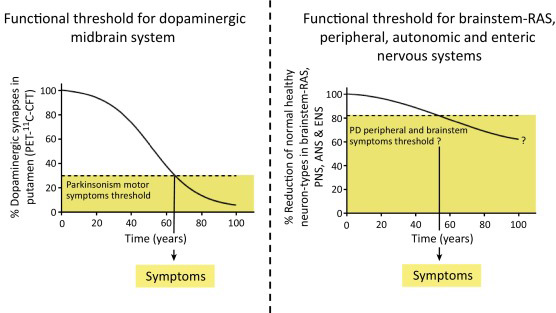
The new theory proposes that Parkinson’s disease may actually be a ‘systemic condition’ (that is, affecting cells everywhere at the same time), but the clinical features – such as motor issues – only appear as certain thresholds are passed in the affected populations of neurons in the brain.

What does that mean?

Wait a minute. Let’s start at the beginning.

Before discussing what the new theory suggests, shall we first have a look at what the old theories proposed?

Ok, what did the old theory propose?

This is Prof Heiko Braak:

heiko-braak-01

Source – Memim.com

He’s pretty cool too. Nice guy.

Many years ago, Prof Braak – a German neuroanatomist – sat down and examined hundreds of postmortem brains from people with Parkinson’s disease.

He had collected brains from people at different stages of Parkinson’s disease – from just after being diagnosed to having had the condition for decades – and he was looking for any kind of pattern that might explain where and how the disease starts. His research led to what is referred to as the “Braak stages of Parkinson’s disease” – a six step explanation of how the disease spreads up from the brain stem and into the rest of the brain (Click here to read more about this).

nrneurol.2012.80-f1

The Braak stages of PD. Source: Nature

Braak’s results also led him to propose that Parkinson’s disease may actually begin in the brain stem (which connects the brain to the spinal cord) and the disease slowly works it’s way up into the brain.

That is the ‘ascending’ theory of Parkinson’s disease.

This idea has been further adapted by Braak and others with the discovery of Parkinson’s disease features in the gut (we have discussed this in previous posts – Click here and here to read those posts).

But how does the disease actually spread?

Good question.

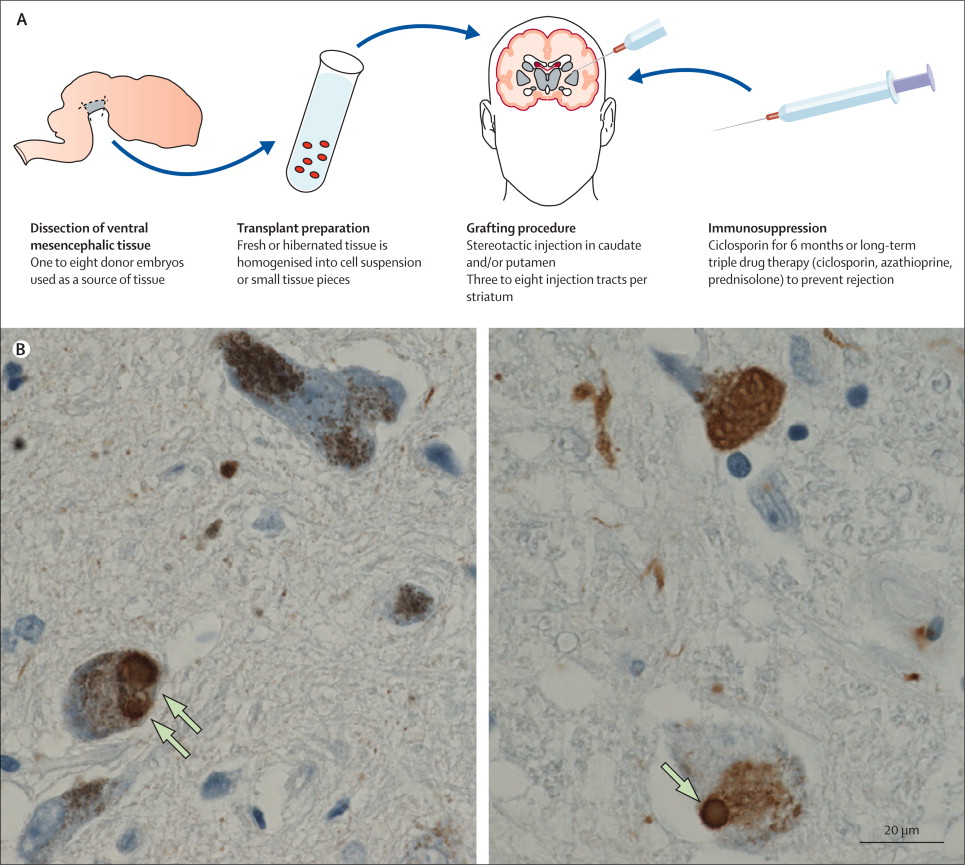
The spread of the condition is believed to be due to the protein alpha synclein being passed between cells in some manner. This idea stemmed from the analysis of the brains of people with Parkinson’s disease who received cell transplantation therapy in the 1980-90’s. After those people passed away (due to natural causes), their brains were analysed and it was discovered that some of the cells in the transplants (1-5%) have Lewy bodies in them (Lewy bodies are one of the hallmarks of Parkinson’s disease, dense circular clusters of proteins including alpha synuclein). This suggests that the disease is passed on to the healthy transplanted cells in some way.

gr3

Photos of neurons from the post-mortem brains of people with Parkinson’s that received transplants. White arrows in the images above indicate lewy bodies inside transplanted cells. Source: The Lancet

So the research community has been working with the idea of an ‘ascending’ theory of Parkinson’s disease, and the spreading of the condition via the passing of alpha synuclein from cell to cell. And this theory has been fine,…

Why do I feel like there’s a ‘but’ coming?

Because there is a ‘but’ coming.

And it’s a big BUT.

But as Prof Isacson and Dr Engelender point out there are some holes in this theory.

Some big holes.

For example, in a 2008 study of 71 postmortem brains from people with Parkinson’s disease, 47% of the cases did not fit the predicted ‘Braak theory’ spread of alpha synuclein, and 7% of those cases did not have any cell loss in the dorsal motor nucleus (one of the first sites of damage in the Braak theory – Click here to read more).

Ok, so the theory is not perfect…what are Prof Isacson and Dr Engelender proposing instead?

They suggest that alpha synuclein accumulation starts at about the same time in nerve cells throughout the body, but the different groups of nerve cell differ in how much toxicity they can handle.

Some of these groups of cells can handle a lot (and more than half of the cells need to be lost before clinical features begin to appear), while others have a lower ‘threshold’ (only a few cells need to die before symptoms appear).

Prof Isacson and Dr Engelender argue that the nerve cells around the gut, for example, have a lower reserve (or total number), and, therefore, symptoms related to the gut become more obvious sooner as those cells die off or become less efficient. This lower threshold is in contrast to the more well known cell loss of the dopamine producing neurons in the midbrain, where approximately 50-70 percent of the dopamine neurons disappear before the classical motor features of Parkinson’s start to appear. Their theory suggests that this part of the brain has a larger reserve, and thus higher threshold.

Hence the reason why this is being called the ‘threshold theory’.

1-s2.0-S016622361630145X-gr1

Some groups of cells may have a higher threshold in Parkinson’s disease. Source: Cell

Some cells may have a low threshold and only require a few cells to be lost before the clinical features associated with those cells begin to appear. These symptoms would obviously appear earlier than those features associated with a high threshold population of cells, which required substantial loss before symptoms appear.

This idea would explain differing results seen in research findings regarding, for example, vagotomies (the cutting of the vagus nerve to the gut – click here to read more about this). This new theory would suggest that the procedure might not have any impact at all on lowering the risk of Parkinson’s disease.

Both scientists insist that searching for treatments that slow or block the aggregation of alpha synuclein is still necessary.

“Instead of studying how proteins move from one neuron to another and searching for compounds that prevent the ‘spread’ of aggregated alpha-synuclein, we need to study why alpha-synuclein accumulates within neurons and how these neurons die in the disease, and search for compounds that prevent the general neuronal dysfunction,” – Dr Engelender

(Source: Science Daily)

So are there any problems with this new theory?

The new theory is a very interesting idea and deserves consideration. It solves some of the problems with the “ascending theory” discussed further above. But it also faces some of the same problems that the ascending theory has to deal with.

For example, in one large autopsy study which investigated 904 brains, the investigators blindly collected all of the brains that had alpha synuclein present in the groups of neurons that are affected in Parkinson’s disease (eg. the dorsal motor nucleus of vagus, substantia nigra, and/or basal forebrain nuclei.). They found that alpha synuclein was observed in 11.3% (or 106 cases). But when the researchers then looked at the clinical notes associated with those cases, only 32 (30%) had been diagnosed with a neurodegenerative disorder. The rest had demonstrated no clinical features.

Another study found that 8.3% of the aged control brains had alpha synuclein present in them. In addition, the presence of alpha synuclein is not specific to Parkinson’s disease – approximately 50% of people who die with Alzheimer’s disease have been found to have Lewy bodies. These results suggest that alpha synuclein aggregation can be present in both healthy and diseased brains. But if this is so, what role is alpha synuclein playing in Parkinson’s disease?

(You see the sort of problems we are dealing with in research when trying to come up with a theory of how something complicated is actually working?)

What does it all mean?

The central job of a scientist is to test hypotheses.

A hypothesis is a true or false statement (for example, hypothesis: the sun will come up tomorrow – easy to test as the sun either will or won’t come up; the statement is either true or false). In building one hypothesis on top of another hypothesis, we develop theories about how the world around us works.

Sometimes our hypotheses can unwittingly take us in a particular direction, depending on different variables. The danger in this process (one which must be met with discipline and control procedures) is that one can start to look for results that support a hypothesis or theory. It is a very human characteristic to become blind to any evidence to the contrary.

A new theory of Parkinson’s disease has been proposed. It suggests that rather than the condition starting in one location and progressively moving higher into the brain, Parkinson’s disease may actually start everywhere and it is the varying levels of tolerance between different types of cells that determines which cells die first.

It is certainly a new take of the available evidence and the research community is considering it. It will be interesting to see what kind of feedback results from this article, and we will post updates on that feedback as they become available.


The banner for today’s post was sourced from Sott

A yeast model of Parkinson’s disease

yeast-cell

When I say the word ‘yeast’, you might think of making bread or beer.

One does not automatically think of Parkinson’s disease.

But yeast has actually been incredibly useful in enhancing our understanding of the genetics of Parkinson’s disease, and may well now provide us with novel treatments for the condition. In today’s post we will discuss how yeast research is leading the way for Parkinson’s disease.


bn-qp674_obit_l_gr_20161103124141

Prof Susan Lindquist. Source: WallStreetJournal

It was with sadness that we heard about the passing of Prof Susan Lindquist in October last year. She was truly a pioneer in the field of molecular biology. In addition to advancing our understanding of gene functioning in degenerative diseases like Parkinson’s disease and Alzheimer’s, she also started a company, Yumanity, which is currently testing new drugs to tackle these conditions. Hopefully her legacy will have enormous impact for the millions of people around the world struggling with these conditions.

And that legacy all started with a bold (some even called it ‘crazy’) idea.

It involved yeast.

What is yeast?

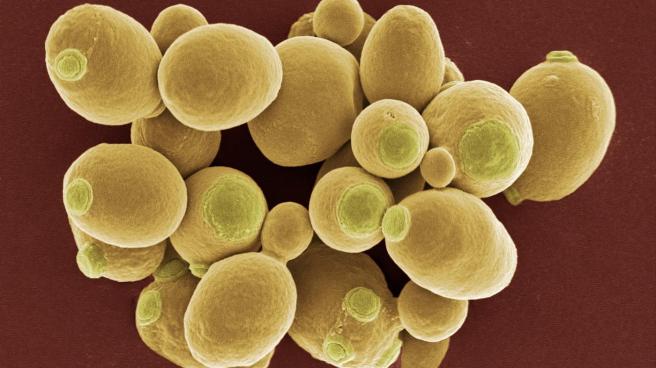
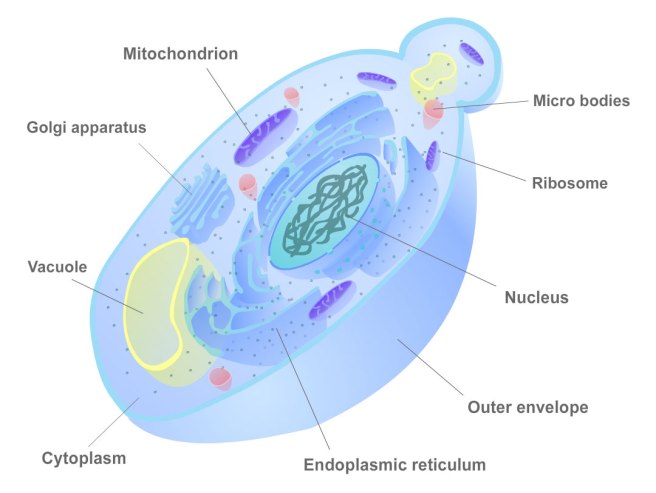
Quite possibly the earliest domesticated species, yeast is a single-celled microorganism, traditionally classified as a member of the fungus kingdom. The evolutionary lineage of yeast dates back hundreds of millions of years old and there are at least 1500 species of yeast (Source: Wikipedia).

cell

The cellular structure of yeast. Source: Biocourseware

More importantly, yeast is one of the most centrally important model organisms used in modern biological research, representing one of the most thoroughly researched organisms in the world.

We know more about the biology of yeast than we do about ourselves!

And this statement is made further evident as researchers use yeast to produce the world’s first synthetic organism (an organism for which the genome has been designed or engineered). By the end of 2017, the Synthetic Yeast 2.0 consortium plans to have produced a new form of yeast in which all 16 chromosomes will have been made in the lab (for more on this, read this STAT article).

Why do scientists like studying yeast?

The main reason is that yeast cells are very similar to human cells, but they grow a lot faster (human cells on average divide a rate of about once every 12 hours, while yeast cells divide every two hours). Yeast is similar to human cells in that it has all of the eukaryote structures, including a nucleus, cytoplasm, and mitochondria (eukaryote meaning a cell with a nucleus).

Yeast has played a fundamental role in many major scientific discoveries since the early 1900s. In 1907, German scientist Edward Buchner won the Nobel Prize in Chemistry for research involving yeast extract and fermentation. Ninety one years later (2006), Roger D. Kornberg won the same prize for his work on DNA transcription using yeast.

Yeast was the first eukaryote to have its genome (DNA) fully sequenced (in 1996). Yeast is literally leading the way in biological research.

So what has this got to do with Parkinson’s disease?

This is where Prof Susan Lindquist comes into the story.

maxresdefault

Source: Youtube

In the early 2000s, she suggested the idea of using yeast to look at neurodegenerative conditions like Parkinson’s disease. It was a wild concept. Talking to the New York Times in 2007, she said “Even people in my laboratory thought we were crazy to try to study neurodegenerative diseases with a yeast cell. It’s not a neuron”.

But they persevered and in 2003 they published this research report in the journal Science:

yeast

Title: Yeast genes that enhance the toxicity of a mutant huntingtin fragment or alpha-synuclein.
Authors: Willingham S, Outeiro TF, DeVit MJ, Lindquist SL, Muchowski PJ.
Journal: Science. 2003; 302(5651):1769-72.
PMID: 14657499

In this study, the researchers conducted a genome-wide screens of mutant genes in yeast to identify genes that enhanced the toxic effects of the mutant huntingtin gene or alpha-synuclein protein. That is to say, they randomly mutated (made un-operational) just one gene per yeast cell, and these yeast cells either had the mutant huntingtin gene (which causes the neurodegenerative condition of Huntington’s disease) or too much alpha synuclein (which causes protein clumping in the yeast cells). Using this approach, they could determine which genes were responsible for increasing the negative effects of the mutant huntington gene or the alpha synuclein protein.

Of the 4850 yeast genes that the researcher mutated (and can we just point out that that is A LOT of work!!!), 52 were identified that exaggerated the affect of the mutant huntingtin gene and 86 increased sensitivity to alpha-synuclein (curiously, only one mutant gene resulted in increased sensitivity to both).

When they looked at the known functions of 86 genes that were increasing the sensitivity to alpha synuclein, the researchers found that most of them were involved in the processes of lipid metabolism (the synthesis and degradation of lipids) and vesicle-mediated transport (this occurs at the tips of neural branches – where alpha synuclein is located). Alpha synuclein is known to be involved with lipid metabolism (Click here and here for more on this). This reenforced the belief with the researchers that yeast could be used to assess disease relevant pathways – this study gave them the ‘proof of concept’.

In addition, the majority of the genes had human ‘orthologs’ (genes in different species that evolved from a common ancestral gene), meaning that the findings of yeast studies could potentially be translated to higher order creatures, like humans. The researchers concluded that they had found cell autonomous genes that are relevant to Parkinson’s disease.

With the publication of this work, people in Prof Lindquist’s lab were probably thinking the idea wasn’t so crazy anymore.

And this first publication led to many more, such as this report which was published in the same journal in 2006:

Linds
Title: Alpha-synuclein blocks ER-Golgi traffic and Rab1 rescues neuron loss in Parkinson’s models.
Authors: Cooper AA, Gitler AD, Cashikar A, Haynes CM, Hill KJ, Bhullar B, Liu K, Xu K, Strathearn KE, Liu F, Cao S, Caldwell KA, Caldwell GA, Marsischky G, Kolodner RD, Labaer J, Rochet JC, Bonini NM, Lindquist S.
Journal: Science. 2006 Jul 21;313(5785):324-8.
PMID: 16794039      (This article is OPEN ACCESS if you would like to read it)

In this study, the researchers doubled the amount of alpha synuclein that yeast cells produce and they observed that the cell stopped growing and started to die. They then looked at the earliest cellular events following theover production of alpha synuclein and they noticed that there was a blockage in the endoplasmic reticulum (ER)-to-Golgi vesicular trafficking.

Yes, I know what you are going to ask: What is ER-to-Golgi vesicular trafficking?

The endoplasmic reticulum (or ER) is a network of tubules connected to the nucleus. It is involved in the production of proteins and lipids, which are then transported to the Golgi apparatus which then modifies them, sorts them and and packs them into small bags called vesicles. These vesicles can then be taken to the cell membrane where the proteins are released to do their jobs.

ergolgi

The ER to Golgi pathway. Source: Welkescience

Now the fact that too much alpha synuclein was blocking this pathway was interesting, but the researchers wanted to go further. They conducted another genome-wide screens of genes in yeast to identify genes that could rescue this blockage – BUT this time, instead of mutating genes, the researchers randomly over produced one protein (and there was 3000 of them!!!) in each cell. Because the overproduction of alpha synuclein kills the yeast cells, all the researchers had to do was wait until the end of the experiment and determine which protein was over produced in the surviving cells.

And this led them to a protein called RAB1.

RAB1 is a protein that is critical to the transportation of proteins in cells. The researchers next tested the ability of RAB1 to rescue dopamine cells in Drosophila (flies), Caenorhabditis elegans (microscopic worms), and cell culture models of Parkinson’s disease and they found that it was able to rescue the cells in all three cases. While this result was very interesting, it also provided full validation of the approach that Prof Lindquist and her colleagues were taking using yeast cells to find new therapies for neurodegenerative conditions, like Parkinson’s disease.

But Prof Lindquist and her colleagues didn’t stop there.

Over the next decade numerous research reports were published taking advantage of this approach, including these two reports which appeared back-to-back in the journal Science:

lindq1

Title: Identification and rescue of α-synuclein toxicity in Parkinson patient-derived neurons.
Authors: Chung CY, Khurana V, Auluck PK, Tardiff DF, Mazzulli JR, Soldner F, Baru V, Lou Y, Freyzon Y, Cho S, Mungenast AE, Muffat J, Mitalipova M, Pluth MD, Jui NT, Schüle B, Lippard SJ, Tsai LH, Krainc D, Buchwald SL, Jaenisch R, Lindquist S.
Journal: Science. 2013 Nov 22;342(6161):983-7.
PMID: 24158904

And:

lindq2

Title: Yeast reveal a “druggable” Rsp5/Nedd4 network that ameliorates α-synuclein toxicity in neurons.
Authors: Tardiff DF, Jui NT, Khurana V, Tambe MA, Thompson ML, Chung CY, Kamadurai HB, Kim HT, Lancaster AK, Caldwell KA, Caldwell GA, Rochet JC, Buchwald SL, Lindquist S.
Journal: Science. 2013 Nov 22;342(6161):979-83.
PMID: 24158909

In these reports, Prof Lindquist and colleagues tested whether some of the proteins that had come up in their various screens could actually have positive benefits in human cells, specifically induced pluripotent stem (iPS) cells (which we have discussed before – click here to read that post). The researchers grew brains cells (neurons and glial cells) from the iPS cells derived from people who suffered from Parkinson’s disease with dementia. These cells exhibited a number of features that indicated that they were not healthy. From their yeast screens, the researchers identified a protein called Nedd4 that reversed the pathologic features in these neurons.

Nedd4 is an E3 ubiquitin-protein ligase, which is a protein involved in the removal of old or damaged proteins from a cell. It is part of the garbage disposal process. Importantly, Nedd4 has been shown to label alpha synuclein for disposal (Click here to read more about this) and it is also present in Lewy Bodies – the circular clusters of proteins present in the brains of people with Parkinson’s disease. Importantly, it is a ‘druggable’ target. Nedd4 has been considered a therapeutic target for cancer (Click here to read more on this).

More recently (and following the passing of Prof Lindquist) the group has published two research reports back-to-back in the journal Cell Systems:

yeast-3

Title: Genome-Scale Networks Link Neurodegenerative Disease Genes to α-Synuclein through Specific Molecular Pathways.
Authors: Khurana V, Peng J, Chung CY, Auluck PK, Fanning S, Tardiff DF, Bartels T, Koeva M, Eichhorn SW, Benyamini H, Lou Y, Nutter-Upham A, Baru V, Freyzon Y, Tuncbag N, Costanzo M, San Luis BJ, Schöndorf DC, Barrasa MI, Ehsani S, Sanjana N, Zhong Q, Gasser T, Bartel DP, Vidal M, Deleidi M, Boone C, Fraenkel E, Berger B, Lindquist S.
Journal: Cell Syst. 2017 Jan 25. pii: S2405-4712(16)30445-8.
PMID: 28131822        (This article is OPEN ACCESS if you would like to read it)

And:

chung2

Title: In Situ Peroxidase Labeling and Mass-Spectrometry Connects Alpha-Synuclein Directly to Endocytic Trafficking and mRNA Metabolism in Neurons.
Authors: Chung CY, Khurana V, Yi S, Sahni N, Loh KH, Auluck PK, Baru V, Udeshi ND, Freyzon Y, Carr SA, Hill DE, Vidal M, Ting AY, Lindquist S.
Journal: Cell Syst. 2017 Jan 25. pii: S2405-4712(17)30002-9.
PMID: 28131823

In these reports, Prof Lindquist and colleagues systematically mapped out molecular pathways underlying the toxic effects of alpha-synuclein. They applied their yeast derived 332 genes that impact alpha-synuclein toxicity, and linked them to multiple Parkinson’s-associated genes and druggable targets, using software called TransposeNet.

1-s2.0-S2405471216304458-fx1

Source: Cell

The investigators then validated some of the connections in human iPS cells derived from people with Parkinson’s disease, confirming that some of the Parkinson’s disease-related genetic interactions observed in yeast are ‘conserved’ (that is maintained across evolution) to humans. And these findings fully vindicated Prof Lindquist’s ‘crazy’ idea of using yeast cells to investigate neurodegenerative disease.

In the second report, the researchers identified 225 proteins in close physical proximity to alpha-synuclein in neurons using a new technique (called ascorbate peroxidase (APEX) labeling – let’s just say it’s complicated, but if you’d like to read more about it, Click here). Many of those 225 proteins were well known to the researchers being involved with activities in vesicles and synaptic terminals, where alpha synuclein is often found. But the researchers also found microtubule-associated proteins (including tau) rubbing shoulders with alpha-synuclein, as well as proteins involved with mRNA binding, processing, and translation (which they were not expecting). Thus, not only has Prof Lindquist’s yeast model of Parkinson’s disease provided us with novel therapeutic targets, but also opened new avenues of research related to alpha synuclein functioning.


And there is now a ‘yeast’ biotech company?

It is called Yumanity.

yumanity-screenshot2

Yumanity. Source: ScientificAmerican

Started in December 2014, with $45 million in funding, Yumanity is focused on determining new targets for neurodegenerative conditions in yeast cells, testing those new targets in human cells, and then moving towards clinical trials with the best candidates. To date, they have not announced any clinical trial candidates, but they working on compounds that are targeting the NEDD4 pathway in Parkinson disease (discussed above). We will be watching this company with great interest.

So what does it all mean?

Back in the early 2000s, Prof Lindquist and her team asked a simple but strange question:

Can we use our knowledge of yeast genetics to study neurodegeneration?

We now know that the answer is ‘yes’. The small single cell organism that most of us associate with baking and beer, shares enough genetics with us that we can use it as an assay for investigating molecular pathways involved with diseases of the brain. And in the not so distant future, this simple little organism may be providing us with new treatments and therapies for those diseases.

As we suggested at the start of this post, Prof Lindquist has left an amazing legacy. If Yumanity can move a new drug into clinical trials for Parkinson’s disease, it will only further strengthen that legacy.

Susan Lee Lindquist – June 5, 1949 to October 27, 2016


The banner for today’s post was sourced from NewEuropeans

New kiwi research in Parkinson’s disease

0f6b3c3205fbdc30c9216c205d1bc039

I really didn’t expect to be writing about Parkinson’s research being conducted in New Zealand again so quickly, but yesterday a new study was published which has a few people excited.

It presents evidence of how the disease may be spreading… using cells collected from people with Parkinson’s disease.

In today’s post we will review the study and discuss what it means for Parkinson’s disease.


022217_ts_zealandia_main_free

The South Island of NZ from orbit. Source: Sciencenews

We may have mentioned the protein Alpha synuclein once or twice on this blog.

For anyone familiar with the biology of Parkinson’s disease, alpha synuclein is a major player. It is either public enermy no.1 in the underlying pathology of this condition or else it is the ultimate ‘fall guy’, left standing in the crime scene holding the bloody knife.

Remind me, what is alpha synuclein?

Alpha synuclein is an extremely abundant protein in our brains – making up about 1% of all the proteins floating around in each neuron (one of the main types of cell in the brain).

In healthy brain cells, normal alpha synuclein is typically found just inside the surface of the membrane surrounding the cell body and in the tips of the branches extending from the cell (in structures called presynaptic terminals which are critical to passing messages between neurons).

And why is alpha synuclein important in Parkinson’s disease?

Genetic mutations account for 10-20% of the cases in Parkinson’s disease.

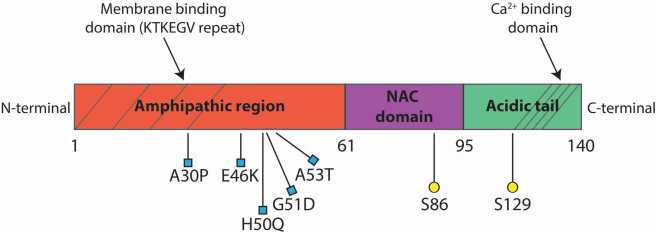
Five mutations in the alpha-synuclein gene have been identified which are associated with increased risk of Parkinson’s disease (A53T, A30P, E46K, H50Q, and G51D – these are coordinates for locations on the alpha synuclein gene). Rare duplication or triplication of the gene have also been associated with  Parkinson’s disease.

biomolecules-05-00865-g001

The structure of alpha synuclein protein – blue squares are mutations. Source: Mdpi

So genetically, alpha synuclein is associated with Parkinson’s disease. But it is also involved at the protein level.

In brains of many people with Parkinson’s disease, there are circular clumps of alpha synuclein (and other proteins) that collect inside cells. These clumps are called Lewy bodies. They are particularly abundant in areas of the brain that have suffered cell loss.

Fig2_v1c

A lewy body (brown with a black arrow) inside a cell. Source: Cure Dementia

No one has ever seen the process of Lewy body formation, so all we can do is speculate about how these aggregates develop. Currently there is a lot of evidence supporting the idea that alpha synuclein can be passed between cells. Once inside the new cell, the alpha synuclein helps to seed the formation of new Lewy bodies, and this is how the disease is believed to progress.

Mechanism of syunuclein propagation and fibrillization

The passing of alpha synuclein between brain cells. Source: Nature

Exactly how alpha synuclein is being passed between cells is the topic of much research at the moment. There are many theories and some results implicating methods such as direct penetration, or via a particular receptor. Perhaps even by a small package called an exosome being passed between cells (see image above).

How this occurs in the Parkinson’s disease brain, however, is unknown.

And this (almost) brings us to the kiwi scientists.

Last years, a group of Swiss scientists demonstrated that alpha synuclein could be passed between cells via ‘nanotubes’ – tiny tubes connecting between cells. The outlined their observations and results in this article:

switzerland
Title: Tunneling nanotubes spread fibrillar α-synuclein by intercellular trafficking of lysosomes.
Authors: Abounit S, Bousset L, Loria F, Zhu S, de Chaumont F, Pieri L, Olivo-Marin JC, Melki R, Zurzolo C.
Journal: EMBO J. 2016 Oct 4;35(19):2120-2138.
PMID: 27550960

The researchers who conducted this study were interested in tunneling nanotubes.

Yes, I know, ‘What are tunneling nanotubes?’

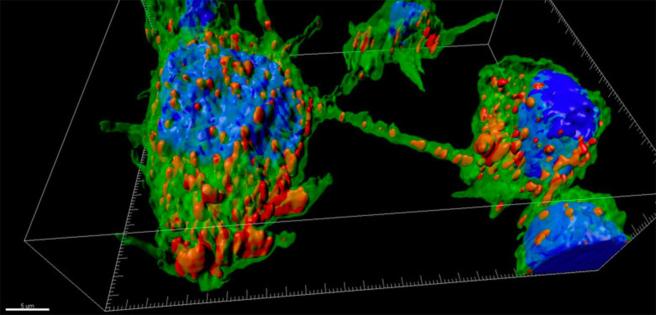
Tunneling nanotubes (also known as Membrane nanotubes or cytoneme are long protrusions extending from one cell membrane to another, allowing the two cells to share their contents. They can extend for long distances, sometimes over 100 μm – 0.1mm, but that’s a long way in the world of cells!

nanotubes

Tunneling nanotubes (arrows). Source: Wikipedia (and PLOSONE)

Previous studies had demonstrated that tunneling nanotubes can pass different infectious agents (HIV for example – click here to read more on this), supporting the idea that these structures could be a general conduit by certain diseases could be spreading.

nanotubes

A tunneling nanotube between two cells. Source: Pasteur

In their study the Swiss researchers found that alpha synuclein could be transferred between brain cells (grown in culture) via tunneling nanotubes. In addition, following that process of transfer, the alpha synuclein was able to induce the aggregation (or clumping) of the alpha synuclein in recipient cells.

A particularly interesting finding was that alpha synuclein appeared to encourage the appearance of tunneling nanotubes (there were more tunneling nanotubes apparent when cells produced more alpha synuclein). And the alpha synuclein that was being transferred was being passed on in ‘lysosomal vesicles’ – these are the rubbish bags of the cell (lysosomal vesicles are used to take proteins away for degradation).

Paints a rather insidious picture of the ‘ultimate fall guy’ huh!

And that image was made worse by the results published by the kiwis last night:

maurice

Title: α-synuclein transfer through tunneling nanotubes occurs in SH-SY5Y cells and primary brain pericytes from Parkinson’s disease patients
Authors: Dieriks BV, Park TI, Fourie C, Faull RL, Dragunow M, Curtis MA.
Journal: Scientific Reports, 7, Article number: 42984
PMID: 28230073                    (This article is OPEN ACCESS if you would like to read it)

In their study, the New Zealand scientists extended the Swiss research by looking at cells collected from people with Parkinson’s disease. The researchers took human brain pericytes, which were derived from the postmortem brains of people who died with Parkinson’s disease.

And before you ask: pericytes are cells that wrap around the cells lining small blood vessels. They are important to the development of new blood vessels and maintaining the structural integrity of microvasculature.

aa-pericit4ub6b

A pericyte (blue) hugging a blood vessel (red). Source: Xvivo

Pericytes contain alpha synuclein precipitates like those seen in neurons, and the kiwi scientists demonstrated that pericytes too can transfer alpha synuclein via tunneling nanotubes to neighbouring cells – representing a non-neuronal method of transport.

They also found that the transfer through the tunneling nanotubes can be very rapid – within 30 seconds – and the transferred alpha synuclein can hang around for more than 72 hours, suggesting that it is difficult for the receiving cell to dispose of. The researchers did note that the transfer through tunneling nanotubes occurred only in small subset of cells, but that this could explain the slow progression of Parkinson’s disease over time.

What does it all mean?

In order for us to truly tackle Parkinson’s disease and bring it under control, we need to know how this slowly progressing neurodegenerative condition is spreading. Some researchers in New Zealand have provided evidence involving cells collected from people with Parkinson’s disease that indicates one method by which the disease could be passed from one cell to another.

Tiny tunnels between cells, allowing material to be shared, could explain how the disease slowly progresses. The scientists observed the Parkinson’s associated protein alpha synuclein being passed between cells and then hanging around for more than a few days.

This method of transfer was made more interesting because the New Zealand researchers reported that non-neuronal cells (Pericytes, collected from people with Parkinson’s disease) could also form tunneling nanotubes. This observation raises questions as to what role non-neuronal cells could be playing in Parkinson’s disease.

This line of questions will obviously be followed up in future research, as will efforts to determine if tunneling nanotubes are actually present in the human brain or simply biological oddities present only in the culture dish. Demonstrating nanotubes in the brain will be difficult, but it would provide us with solid evidence that this method of disease transfer could be a bonafide cause of disease spread.

We watch with interest for further work in this area.


FULL DISCLOSURE: The author of this blog is a kiwi… and proud of it. He is familiar with the researchers who have conducted this research, but has had no communication with them regarding the publishing of this post. He simply thought that the results of their study would be of interest to the Parkinson’s community.


The banner for today’s post was sourced from Pinterest

The Dogfish solution for Parkinson’s

Spiny dogfish 096

This week an interesting study was published in the scientific journal, Proceedings of the National Academy of SciencesIt involved our old friend, alpha synuclein – the aggregating protein that is associated with Parkinson’s disease – and the dogfish shark.

Not natural dance partners, I agree. But the findings of the study are very interesting.

In today’s post we will review the study and explain the connection between the protein and the shark.


spiny-dogfish-shark-622x363

Source: Discovery

Some people call them spiny dogfish.

Others call them Spurdogs. Or Mud shark. Or even Piked dogfish.

Call them what you will – in the scientific realm they are referred to as Squalus acanthias. They are one of the most common members of the Squalide (dogfish) family of sharks. In the wild, Squalus acanthias are found in shallow waters, but can be seen further offshore in more temperate latitudes. They are relatively harmless to humans, but they do have venom in their rear fin – when under attack, the dogfish shark will arch its back and pierce/poison its attacker (so beware!).

Interesting, but what is the connection with Parkinson’s disease?

Good question.

So here’s the thing about dogfish sharks: they are extremely hardy when it comes to infection.

They don’t really get sick all that often. And this is despite having a relatively “primitive” immune system (Click here to read more on this). A team led by Prof Michael Zasloff (of Georgetown University) discovered that a chemical called ‘Squalamine’ may be one of the reasons for this robustness.

What is Squalamine?

Squalamine is steroid with a wide range of antimicrobial activity. Steroids are used as a treatment for certain inflammatory conditions, but the research published this week suggests another property for Squalamine.

This is the research article that was published:

pnas-dobson

Title: A natural product inhibits the initiation of α-synuclein aggregation and suppresses its toxicity
Authors: Perni M, Galvagnion C, Maltsev A, Meisl G, Müller MB, Challa PK, Kirkegaard JB, Flagmeier P, Cohen SI, Cascella R, Chen SW, Limboker R, Sormanni P, Heller GT, Aprile FA, Cremades N, Cecchi C, Chiti F, Nollen EA, Knowles TP, Vendruscolo M, Bax A, Zasloff M, Dobson CM.
Journal: PNAS 2017; doi:10.1073/pnas.1610586114
PMID: 28096355             (this article is OPEN ACCESS if you would like to read it)

In this study, the researchers discovered that squalamine can actually block alpha synuclein from aggregating (that is clumping together). They treated human cells (that produce too much alpha synuclein, which ultimately kills them) in culture with squalamine and they observed an almost complete suppression of the toxic effect of alpha synuclein.

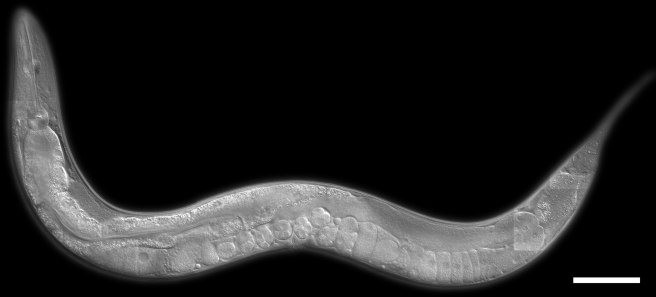
c_elegans

Caenorhabditis elegans – cute huh? Source: Nematode

The researchers next looked at the effects of squalamine in a microscopic worm called Caenorhabditis elegans . These tiny creatures are widely used in biology because they can be easily genetically manipulated and their nervous system is very simple and well mapped out (they have just 302 neurons and 56 glial cells!). The particular strain of Caenorhabditis elegans used in this current study produced enormous amounts of alpha synuclein, which results in muscle paralysis.

By treating the worms with squalamine, the researchers observed a dramatic reduction of alpha synuclein protein aggregating and an almost complete elimination of the muscle paralysis. In addition, they noted a reduction in the cellular damage caused by the aggregation of alpha synuclein. All in all, a pretty impression result! The researchers suggested that their findings indicate that “squalamine could be a means of therapeutic intervention in Parkinson’s disease”.

So is squalamine being tested in the clinic?

The answer is: Yes, but not for Parkinson’s disease.

There is currently a clinical trial for squalamine in people with neovascular age-related macular degeneration – a condition of the eye (click here for more information about that trial). This work is being carried out by a company called Ohr Pharmaceuticals and as far as we are aware all of their work is focused on eye treatments. Squalamine has also been tested in clinical studies of fungal infection of the scalp – tinea capitis – and appeared to be well tolerated (Click here for more information).

Regarding Parkinson’s disease, there is just one small problem:

Squalamine doesn’t cross the blood-brain barrier
(click here to read more on this)

The blood brain barrier is a membrane that covers and protects the brain. It limits what chemicals can enter (or leave) the brain. Squalamine is one chemical that the blood brain barrier won’t let into the brain.

But this is not the end of the world!

Prof Zasloff and colleagues have designed a drug very similar to Squalamine, which they have called MSI-1436 which is currently being tested. And the good news is that it can cross the blood brain barrier (Click here to read more on this). MSI-1436 appears to exhibit potent appetite suppression and anti-diabetic properties when injected in animals. MSI-1436 has been clinically tested (phase 1) for tolerance in diabetes with obesity (Click here to see the details of that trial), but that clinical trial was conducted in 2008-9 and the results are still not available. The company behind the trial, ‘Genaera Corp’, has since been shut down (Click here for more on this), and we are unaware of any follow up clinical work on this drug.

What does it all mean?

Well, the researchers in this study have found a chemical (squalamine) which is able to prevent alpha synuclein from aggregating – which is believed to be one the underlying processes in Parkinson’s disease. This means that we have another experimental therapy to add to the growing arsenal of potential future Parkinson’s disease treatments.

It is important to appreciate, however, that this is the first time this result has been shown and what we need to see now is independent replication of these results. This follow-up work will also need to involve squalamine being tested in a more advanced animal model of Parkinson’s disease (worms are cute and all, but there is only so much data we can get from them!). In addition, if squalamine (or MSI-1436) has a future in treating Parkinson’s disease, we will need to better investigate the weight-loss properties of this chemical as this would not be an ideal side effect for people with Parkinson’s disease.

As this research progresses on squalamine, we’ll report it here.

Watch this space.


UPDATE – 16th May, 2016

Wow! So this is all happening very fast.

Today, Enterin Inc. has just enrolled their first patient in the RASMET study: a Phase 1/2a randomised, controlled, multi-center clinical study evaluating synthetic squalamine in people with PD. The study will enrol 50 patients over a 9-to-12-month period (Click here for the press release).

We’ll continue to watch this space… things appear to be moving very quick here!


The banner for today’s post was sourced from X-ray Mag

NRF2 and Parkinson’s disease

nrf2-effects-on-cells

Over the Christmas festive period an interesting study was published in the journal Proceedings of the National Academy of Sciences (PNAS). It was about a protein called Nuclear Factor Erythroid 2-Related Factor 2 (Nrf2) that has some impressive properties that could be good for Parkinson’s disease.

In today’s post we will review the results of the study and discuss what they mean for Parkinson’s disease.


free-radical-n0864buocgw24nkj0fwain64rsquzlav3pxwjiibho

We are going to be talking about free radicals. Source: PRIMOH2

Antioxidants are one of those subjects that is often discussed, but not well understood. So before we review the study that was published last week, let’s first have a look at what we mean when we talk about antioxidants.

What is an antioxidant?

An antioxidant is simply a molecule that prevents the oxidation of other molecules.

OK, but what does that mean?

Well, the cells in your body are made of molecules. Molecules are combinations atoms of one or more elements joined by chemical bonds. Atoms consist of a nucleus, neutrons, protons and electrons.

Oxidation is simply the loss of electrons from a molecule, which in turn destabilises the molecule.

Think of iron rusting. Rust is the oxidation of iron – in the presence of oxygen and water, iron molecules will lose electrons over time. Given enough time, this results in the complete break down of objects made of iron.

1112dp_01rust_bustingrusty_bottom_of_door

Rust, the oxidation of metal. Source: TravelwithKevinandRuth

The exact same thing happens in biology. Molecules in your body go through a similar process of oxidation – losing electrons and becoming unstable. This chemical reaction leads to the production of what we call free radicals, which can then go on to damage cells.

What is a free radical?

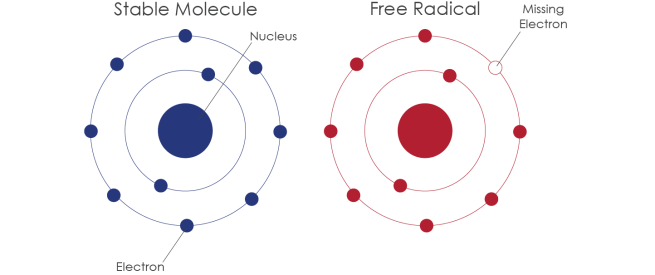
A free radical is an unstable molecule – unstable because it is missing electrons. They react quickly with other molecules, trying to capture the needed electron to re-gain stability. Free radicals will literally attack the nearest stable molecule, stealing an electron. This leads to the “attacked” molecule becoming a free radical itself, and thus a chain reaction is started. Inside a living cell this can cause terrible damage, ultimately killing the cell.

Antioxidants are thus the good guys in this situation. They are molecules that neutralize free radicals by donating one of their own electrons. The antioxidant don’t become free radicals by donating an electron because by their very nature they are stable with or without that extra electron.

imgres

How free radicals and antioxidants work. Source: h2miraclewater

Interesting, but what does all this have to do with this new gene Nrf2?

Well, Nrf2 is a ‘transcription factor’ with some interesting properties.

What is a transcription factor?

So you remember your high school science class when some adult at the front of the class was talking about biology 101 – DNA gives rise to RNA, RNA gives rise to protein.

maxresdefault

The basic of biology. Source: Youtube

Ultimately this is a circular cycle, because the protein that is produced using RNA is required at all levels of this process. Some of the protein is required for making RNA from DNA, while other proteins are required for making protein from the RNA instructions.

A transcription factor is a protein that is involved in the process of converting (or transcribing) DNA into RNA.

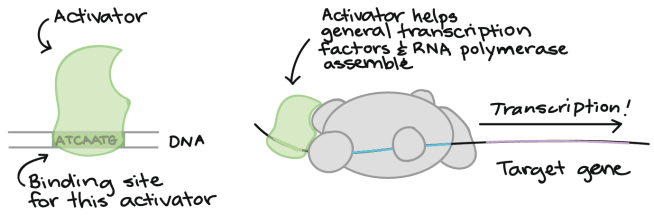
Now, a transcription factor can be an ‘activator’ of transcription – that is initiating or helping the process of generating RNA from DNA.

6567f50d30ad3ac65aff1e815caf202b3abd7111

An example of a transciptional activator. Source: Khan Academy

Or it can be a repressor of transcription – blocking the machinery (required for generating RNA) from doing it’s work.

6286f2dbd5e353145bef785aecb273d25176ff23

An example of a transciptional repressor. Source: Khan Academy

Nrf2 is an activator of transcription. When it binds to DNA to aids in the production of RNA, which then results in specific proteins being produced.

And this is where Nrf2 gets interesting.

You see, Nrf2 binds to antioxidant response elements (ARE).

What are ARE?

Antioxidant response elements (ARE) are regions of DNA is commonly found in the regulatory region of genes encoding various antioxidant and cytoprotective enzymes.

The regulatory region of genes is the section of DNA where transcription is initiated for each gene. They are pieces of DNA that a transcription factor like Nrf2 binds to and activates the production of RNA.

ARE are particularly interesting because these regions reside in the regulatory regions of genes that encode naturally occurring antioxidant and protective proteins. And given that antioxidants and protective proteins are generally considered a good thing for sick/dying cells, you can see why Nrf2 is an interesting protein to investigate.

By binding to ARE, Nrf2 is directly encouraging the production of naturally occurring antioxidant and protective proteins. And this is why a lot of people are excited by Nrf2 and call it the ‘next big thing’.

So what did the new research study report?

Well, this is where the story gets really interesting.

The researchers in the new study found that Nrf2 has some additional features that may be completely unrelated to the antioxidant properties:

nrf2

Title: Nrf2 mitigates LRRK2- and α-synuclein-induced neurodegeneration by modulating proteostasis.
Authors: Skibinski G, Hwang V, Ando DM, Daub A, Lee AK, Ravisankar A, Modan S, Finucane MM, Shaby BA, Finkbeiner S.
Journal: Proc Natl Acad Sci U S A. 2016 Dec 27. pii: 201522872.
PMID: 28028237

The researchers wanted to determine what effect introducing exaggerated amounts of Nrf2 into cell culture models of Parkinson’s disease would have on the behaviour and survival of the cells. There were two types of cell culture models of Parkinson’s disease used in the study: one produced a lot of the Parkinson’s associated protein alpha synuclein (normal un-mutated) and the other cell culture model involved two mutations in the Lrrk2 gene (we have previously discussed Lrrk2 – click here to read that post).

The researchers had previously demonstrated that both of these cell culture models of Parkinson’s disease exhibited increased levels of cell death when compared with normal cells. In the current study, when the researchers artificially exaggerated the amounts of  Nrf2 in both sets of cell cultures, they found that not only did Nrf2 reduce Lrrk2 and alpha-synuclein toxicity in cell culture, but it also influenced alpha-synuclein protein regulation, by increasing the degradation of the protein. This means that Nrf2 increased the disposal of the unnecessary excess of alpha synuclein.

In addition, Nrf2 also promoted the collection of free-floating mutant Lrrk2 and bundling it up into dense ‘inclusion bodies’ – dense clusters which are similar to the Lewy bodies of Parkinson’s disease but inclusion bodies are not associated with cell death. The scientists concluded that excessive levels of Nrf2 help to make the cells healthier and that this could represent a new target for future therapies of Parkinson’s disease. The researchers acknowledge that the ARE-related features of Nrf2 may be also playing a beneficial role in the cells, but this is the first time the alpha synuclein and Lrrk2 features have been identified.

Sounds great. Are there any catches?

Yes, a very interesting one.

The response of Nrf2 is time-dependent. The researchers found that over stimulation with Nrf2 leads to natural compensation from cells that eventually limits the activity of Nrf2. In other words, too much of a good thing loses it’s affect over time. Biology is one giant balancing act and sometimes when one factor is artificially introduced, cells will compensate regardless of whether it’s a good thing or not.

The researchers suggested that this issue could potentially be over come by periodic use of Nrf2, rather than simply chronic (or continuous) use of the protein. This still needs to be determined, however, in follow up experiments.

What does it all mean?

This new study provides us with new data relating to a protein that has been seen as holding great promise in the treatment of neurodegenerative conditions (not just Parkinson’s disease). The new research, however, demonstrates some interesting characteristic of Nrf2 specific to two Parkinson’s disease related genes.

Nrf2 has been considered a drug target for some time and agents targeting this protein have been patented and are under investigation (Click here to read more on this). We will be keeping an eye out for these compounds and we’ll report here the results of any research being conducted on them.


Interesting side note here:

We have previously discussed the treatments for Parkinson’s disease that were prescribed in India over 2000 years ago (Click here for that post). Outlined in the ancient texts, called the ‘Ayurveda’ (/aɪ.ərˈveɪdə/; Sanskrit for “the science of life” or “Life-knowledge”) was the use of the seeds of Mucuna pruriens in treating conditions of tremor. The seeds of this tropical legume we now know have extremely high levels of L-dopa in them (L-dopa being the standard therapy for Parkinson’s disease in modern medicine).

Here’s the interesting bit:

A second popular Ayurvedic treatment that is popular for Parkinson’s disease is Curcumin.

turmeric

Tumeric. Source: Cerebrum

Curcumin is an active component of turmeric (Curcuma longa), a dietary spice used in Indian cuisine and medicine. Curcumin exhibits antioxidant, anti-inflammatory and anti-cancer properties, crosses the blood-brain barrier and there are numerous studies that indicate neuroprotective properties in various models of neurological disorders.

Curcumin has also been shown to activate Nrf2 (Click here , here and here for more on this).

It has also been shown to prevent the aggregation of alpha synuclein (click here for more on this).

We are always amazed at the curious little connection with ancient remedies that can be found in modern research and medical practice, and we thought we’d share this one here.


EDITORIAL NOTE: The content provided by the Science of Parkinson’s website is for information purposes only. It is provided by research scientists, not medical practitioners. Any actions taken – based on what has been read on the website – are the sole responsibility of the reader. The information provided on this website should under no circumstances be considered medical advice, and any actions taken by readers should firstly be discussed with a qualified healthcare professional.


The banner for today’s post was sourced from NRF2 science

The road ahead – Parkinson’s research in 2017

road

With the end of the 2016, we thought it would be useful and interesting to provide an overview of where we believe things are going with Parkinson’s disease research in the new year. This post can be a primer for anyone curious about the various research activities, and food for thought for people who may have some fresh ideas and want to get involved with the dialogue.

Never before has so much been happening, and never before has there been greater potential for real change to occur. It is a very exciting time to be involved in this field, and it really does feel like we are on the cusp of some major discoveries.

In today’s post we will outline what to expect from Parkinson’s research in 2017.


bright-future-ahead-1024x772

Things to look forward to. Source: Dreamstime

Before we start: something important to understand –

The goal of most of the research being conducted on Parkinson’s disease is ultimately focused on finding a cure.

But the word ‘cure’, in essence, has two meanings:

  1. The end of a medical condition, and
  2. The substance or procedure that ends the medical condition

These are two very different things.

And in a condition like Parkinson’s disease, where the affected population of people are all at different stages of the disease – spanning from those who are not yet aware of their condition (pre-diagnosis) to those at more advanced stages of the disease – any discussion of a ‘cure for Parkinson’s disease’ must be temporal in its scope.

In addition to this temporal consideration, everyone is different.

A ‘cure’ for one person may not have an impact on another person – particularly when genetics is included in the equation. Currently there is a clinical trial which is only being tested on people with Parkinson’s disease who have a particular genetic mutation (Click here to read more about this).

With all of that said, there are 4 key areas of ongoing/future research:

  • Defining and understanding the biology of the condition
  • Early detection
  • Slowing/halting the disease
  • Replacing what has been lost

EDITOR’S NOTE HERE: While we appreciate that this list does not take into account important research dealing with the improving the day-to-day living and quality of life of those affected by Parkinson’s disease (such as prevention of falling, etc), we are primarily focusing here on finding a ‘cure’.

Let’s now have a look at and discuss each of these key areas of research:

Defining and understanding the biology

maxresdefault

Complicated stuff. Source: Youtube

The first key area of research feeds into all of the others.

It is only through a more thorough understanding of the mechanisms underlying Parkinson’s disease that we will be able to provide early detection, disease halting therapies, and cell replacement options. A better conception of the disease process would open doors in all of the other areas of research.

Given the slow pace of progress thus far, you will understand that this area of research is not easy. And it is made difficult by many issues. For example, it may be that we are blindly dealing with multiple diseases that have different causes and underlying mechanisms, but display the same kinds of symptoms (rigidity, slowness of movement and a resting tremor). Multiple diseases collectively called ‘Parkinson’s’. By not being able to differentiate between the different diseases, we have enormous confounding variables to deal with in the interpretation of any research results. And this idea is not as far fetched as it may sound. One of the most common observations within a group of people with Parkinson’s disease is the variety of disease features the group presents. Some people are more tremor dominate, while others have severe rigidity. Who is to say that these are not manifestations of different diseases that share a common title (if only for ease of management).

This complication raises the possibility that rather than being a disease, ‘Parkinson’s’ may actually be a syndrome (or a group of symptoms which consistently occur together).

Recently there have been efforts to deal with this issue within the Parkinson’s research community. We have previously written about the improved diagnostic criteria for Parkinson’s disease (click here to read that post). In addition, as we mentioned above, some new clinical trials are focusing on people with very specific types of Parkinson’s disease in which the subjects have a particular genetic mutation (Click here to read more about this). Better stratification of the disease/s will help us to better understand it. And with the signing into law of the 21 century Cures Act by President Obama, the Parkinson’s research community will have powerful new data collection tools to use for this purpose – in addition to more funding for research at the National Institute of Health (Click here to red more on this).

More knowledge of the basic biology of Parkinson’s disease is critical to the road forward. Whether the Parkinson’s disease-associated proteins, like alpha synuclein, are actually involved with the cell death associated with the condition is a question that needs to be resolved. If they are simply the bio-product of an alternative (unseen) disease process is important to know.

It is impossible to know what the new year will bring for new discoveries in the basic biology of Parkinson’s disease. Compared to 20 years ago, however, when the new discoveries were few and far between, 2017 will bring with it major new discoveries every month and we’ll do our best to report them here.

Early detection for Parkinson’s disease

test

Consider the impact of a pregnancy test on a person’s life. Source: Wikipedia

Ethically, the ‘early detection’ area of research can be a bit of a mine field, and for good reasons. You see, if we suddenly had a test that could accurately determine who is going to get Parkinson’s disease, we would need to very carefully consider the consequences of using it before people rush to start using it in the clinic.

Firstly there are currently no disease halting treatments, so early knowledge of future potential events may not be useful information. Second, there is the psychological aspect – such information (in light of having no treatment) may have a dramatic impact on a person’s mental wellbeing. And thirdly, such information would have huge implications for one’s general life (for example, individuals are legally bound to tell their banks and insurance companies about such information). So you see, it is a very tricky field to tackle.

Having said all of that, there are some very positive aspects to early detection of Parkinson’s disease. Early indicators (or biomarkers) may tell us something new about the disease, opening novel avenues for research and therapeutic treatments. In addition, early detection would allow for better tracking of the disease course, which would enhance our ideas about how the condition starts and changes over  time.

There are numerous tests being developed – from blood tests (click here and here for posts we wrote about this topic) to saliva tests (again, click here for our post on this topic). There are even a simple urine test (click here for our post on this) and breath analysis test (click here for more on this) being developed. And there are ever increasing brain imaging procedures which may result in early detection methods (Click here for more on this).

How does the Parkinson’s research community study early detection of Parkinson’s disease though? Well, we already know that people with rapid eye movement (REM) sleep disorder problems are more likely to develop Parkinson’s disease. Up to 45 percent of people suffering REM sleep behaviour disorders will go on to develop Parkinson’s disease. So an easy starting point for early detection research is to follow these people over time. In addition, there are genetic mutations which can pre-dispose individuals to early onset Parkinson’s disease, and again these individuals can be followed to determine common ‘biomarkers’ (aspects of life that are shared between affected individuals).  Epidemiological studies (like the Honolulu Heart study – click here for more on this) have opened our eyes to keep features and aspects of Parkinson’s disease that could help with early detection as well.

Slowing/halting Parkinson’s disease

stop

Source: MyThaiLanguage

One of the most significant findings in Parkinson’s disease research over the last few years has been the discovery that transplanted dopamine cells can develop Lewy bodies over time. It is very important for everyone to understand this concept: healthy embryonic cells were placed into the Parkinsonian brain and over the space of one or two decades some of those cells began to display the key pathological feature of Parkinson’s disease: dense, circular clusters of protein called Lewy bodies.

The implications of this finding are profound: Healthy cells (from another organism) developed the features of Parkinson’s disease. And this is (presumably) regardless of the genetic mutations of the host. It suggests that the disease spreads by being passed from cell to cell. There is a very good open-access article about this in the journal Nature (click here to read that article).

Slowing down the progression of Parkinson’s disease is where most of the new clinical trials are focused. There are numerous trials are focused on removing free-floating alpha synuclein (the main protein associated with Parkinson’s disease). This is being done with both vaccines and small molecules (such as antibodies). Beyond possibly slowing the disease, whether these clinical trials are successful or not, they will most definitely provide an important piece of the puzzle that is missing: is alpha synuclein involved with the spread of the disease? If the trials are successful, this would indicate ‘Yes’ and by blocking alpha synuclein we can slow/halt the spread of the disease. If the trials fail, this would suggest that alpha synuclein is not responsible, and indicate that we need to focus our research attention elsewhere.

2017 will be very big year for Parkinson’s disease as some of these clinical trials will be providing our first glimpse at resolving this major question.

Replacing what is lost

fig1-liste

Cell transplantation for Parkinson’s disease. Source: AtlasofScience

So if we discover a means of stopping the disease with a vaccine or a drug, this will be fantastic for people who would be destined to develop the condition… but what about those still living with the disease. Halting the condition will simply leave them where ever they are on the course of the disease – a rather unappealing situation if one is in the latter stages of the condition.

Cell transplantation is one means of replacing some of the cells that have been lost in this disease. Most of the research is focused on the dopamine neurons whose loss is associated with the appearance of the movement features of Parkinson’s disease.

Unfortunately, this area of research is more ‘blue sky’ in terms of its clinical application. It will be some time before cell transplantation has a major impact on Parkinson’s disease. And while many research groups have plans to take this approach to the clinic, there are currently just two ongoing clinical trials for cell transplantation in Parkinson’s disease:

The former is behind schedule due to the technical matters (primarily the source of the tissue being transplanted) and the latter is controversial to say the least (click here and here to read more). In the new year we will be watching to see what happens with a major research consortium called G-Force (strange name we agree). They are planning to take dopamine neurons derived from embryonic stem cells to clinical trials in 2018. Embryonic stem cells represents a major source of cells for transplantation as they can be expanded in a petri dish (millions of cells from just one cell). If they can be pushed in the right direction and they develop into dopamine neurons, they would allow people to start having some of the cells that they have lost to Parkinson’s disease to be replaced.


Above we have discussed the key areas of Parkinson’s disease (dealing with ‘finding a cure’) for 2017. We would love to hear your thoughts on them. If not, here on the SoPD, then somewhere else. Please get involved with the discussion in which ever forum you choose. Speak up and add your personal account of things to the discussion.

It is only through the sharing of ideas, information, and experiences that we are going to figure out this debilitating condition.


And now we are going to change focus and discuss what we are expecting/hoping for in the new year (particularly from the clinical side of things):

Bright future ahead

beach-at-sunset-pics

Looking ahead to better times. Source: Journey with Parkinson’s (Great blog!)

So looking ahead, what is happening:

Recently some major players have come together to focus on Parkinson’s disease:

  1. Bayer and healthcare investment firm Versant Ventures joined forces to invest $225 million in stem-cell therapy company BlueRock Therapeutics. This venture will be focused on induced pluripotent stem cell (iPSC)-derived therapeutics for cardiovascular disease and neurodegenerative disorders, particularly Parkinson’s disease (co-founders Lorenz Studer and Viviane Tabar are world renowned experts in the field of cell transplantation for Parkinson’s disease). Importantly, BlueRock has acquired rights to a key iPSC intellectual property from iPS Academia Japan, and with 4 years of funding they will be looking to make things happen (Click here to read more on this).
  2. Evotec and Celgene are also jumping into the IPS cell field, but they are collaborating to screen for novel drug targets. (Click here to read more on this).
  3. For a long time we have been hearing that the major tech company Apple is working on software and devices for Parkinson’s disease. They already provide ResearchKit and CareKit software/apps. Hopefully in the new year we will hear something about their current projects under development (Click here to read more on this).
  4. In February of 2016, seven of the world’s largest pharmaceutical companies signed up to Critical Path for Parkinson’s set up by Parkinson’s UK. It will be interesting in the new year to see what begins to develop from this initiative.
  5. Parkinson’s UK has also set up the Virtual Biotech, which is looking at providing faster means for new drugs to be brought to market. Hopefully this will take off in 2017.

In addition, there are many clinical trials starting and also announcing results. Here are the top 20 that we are keeping an eye on:

  1. Herantis Pharma, a Finnish pharmaceutical company, will begin recruiting 18 people with Parkinson’s disease for their Conserved Dopamine Neurotrophic Factor (or CDNF) clinical trial. CDNF is very similar to GDNF which we have previously discussed on this site (Click here for that post). Herantis will be collaborating with another company, Renishaw, to deliver the CDNF into the brain (Click here to read more on this trial).
  2. The results of the double-blind, placebo controlled clinical study of the diabetes drug Exenatide will be announced in 2017. We have previously discussed this therapy (click here and here for more on this), and we eagerly await the results of this study.
  3. AAV2-hAADC, which is a gene therapy treatment – a virus that works by allowing cells in the body other than neurons to process levodopa. The results of the phase one trial were successful (click here to read about those results) and the company (Voyager Therapeutics) behind the product are now preparing for phase 2 trials (Click here for more on this).
  4. Donepezil (Aricept®) is an Alzheimer’s therapy that is being tested on dementia and mild cognitive impairment in Parkinson’s disease (Click here for more on this trial).
  5. Oxford Biomedica is attempting to proceed with their product, OXB-102, which is a gene therapy treatment – a virus that modifies neurons so that they produce dopamine. Phase 1 successful, but did not show great efficacy. Phase 2 is underway but not recruiting (click here for more on this trial).
  6. Biotie is proceeding with their product, SYN120, which is new class of combination drug (dual antagonist of the serotonergic 5-HT6 and 5-HT2A receptors) which is being tested as a treatment of cognition and psychosis in Parkinson’s disease (Click here for more on this).
  7. Acorda Therapeutics is continuing to take the new inhalable form of L-dopa, called CVT-301 to the clinic. Phase 1 trials were successful (Click here and here to read more) and phase 2 trials are being planned.
  8. Related to caffeine, Istradefylline, is an A2A receptor antagonist, already approved in Japan, that is designed to reduce “off” time and suppress dyskinesias. Phase 1 testing was successful (Click here for more on this) and phase 2 trials are being planned.
  9. Another product from Biotie, Tozadenant, is an A2A receptor antagonist designed to reduce “off” time and suppress dyskinesias.
  10. UniQure was developing AAV2-GDNF – A gene therapy treatment – a virus designed to deliver GDNF (a naturally occurring protein that may protect dopamine neurons) in the brain (Click here for more on this trial). The company has recently announced cost cutting, however, and removed AAV2-GDNF from it’s list of products under development, so we are unsure about the status of this product.
  11. AstraZeneca are taking their myeloperoxidase (MPO) inhibitor, AZD3241, through phase 2 trials at the moment (Click here for more on this trial). Oxidative stress/damage and the formation of excessive levels of reactive oxygen species plays a key role in the neurodegeneration associated with Parkinson’s disease. MPO is a key enzyme involved in the production of reactive oxygen species. By blocking it, AstraZeneca hopes to slow/halt the progression of Parkinson’s disease.
  12. Genervon Biopharmaceuticals will be hopefully be announcing more results from their phase 2 clinical trial of GM 608 (Click here for more on the trial). GM 608 has been shown to protect neurons against inflammatory factors floating around in the brain. Initial results looked very interesting, though the study was very small (Click here for more on those results).
  13. Neurimmune (in partnership with Biogen) is proceeding with their product, BIIB054, which is an immunotherapy – an antibody that clears free floating alpha-synuclein in an attempt to halt the spread of the disease (Click here for more on this trial).
  14. Neuropore is continuing to move forward with their product, NPT200-11, which is a drug designed to stabilize alpha-synuclein, preventing it from misfolding and aggregating. Phase 1 trial was successful (Click here and here to read more on this). Phase 2 trials are being planned.
  15. Prothena are very pleased with their product, PRX002 (an immunotherapy – an antibody that clears free floating alpha-synuclein in an attempt to halt the spread of the disease (similar to BIIB054 described above)). Phase 1 trials were successful (Click here for more on this).
  16. Edison Pharma is currently conducting a phase  2 trial of Vatiquinone on Visual and Neurological Function in Patients with Parkinson’s Disease (Click here for more on this trial). Vatiquinone modulates oxidative stress by acting on the mitochondria on cells.
  17. Isradipine (Prescal®) – a calcium channel blocker that is approved for treatment of high blood pressure – is being tested in Parkinson’s disease by the Michael J Fox Foundation (Click here for more on this).
  18. Inosine – which is a nutritional supplement that converts to urate, a natural antioxidant found in the body – is going to be tested in a phase 3 clinical trial (Click here for more on that trial).
  19. In 2015, Vernalis has licensed its adenosine receptor antagonist programme (including lead compound V81444) to an unnamed biotech company. We are hoping to see the results of the phase 1 trial that was conducted on V81444 for Parkinson’s disease sometime in the new year (Click here to read more about that trial).
  20. And finally, we are hoping to see progress with Nilotinib (Tasigna®) – A cancer drug that has demonstrated great success in a small phase 1 trial of Parkinson’s disease. Unfortunately there have been delays to the phase 2 trial due to disagreements as to how it should be run (Click here to read more). We have been following this story (Click here and here and here to read more), and are very disappointed with the slow progress of what could potentially be a ‘game-changer’ for the Parkinson’s community. Hopefully the new year will bring some progress.

Please note that this is not an exhaustive list – we have missed many other compounds being tested for Parkinson’s disease. For example there are always alternative versions of products currently on the market being tested in the clinic (eg. new L-dopa products). We have simply listed some of the novel approaches here that we are particularly interested in.

See the Michael J Fox Foundation Pipeline page for more information regarding clinical trials for Parkinson’s disease.


EDITORIAL NOTE HERE: All of the team at the SoPD wants to wish everyone a very enjoyable festive season where ever you are. And all the very best for the new year!

Happy New Year everyone,

The team at SoPD


The banner for today’s post was sourced from Weknowyourdreams

Update – Mannitol and Parkinson’s disease

152386jpg

Over the two weeks we have had a lot of interest in our post regarding the sweetener, Mannitol and preclinical studies suggesting that it prevents the clustering/aggregation of the Parkinson’s disease associated protein, alpha synuclein (Click here to read that post).

Such high levels of traffic had us scratching our heads as to why the sudden interest.

Yesterday the reason became very clear.

Today we are following up the Mannitol post with an update about some of the interesting developments.


On the Thursday December 15th, Channel 1 (MABAT) in Israel ran the following news article:

This presentation was in association with a new start-up called ‘CliniCrowd‘ which is a “crowd sourcing platform exploring disease treatments that Pharma companies have no interest to investigate or promote”.

clinicrowd-logo-final-2

CliniCrowd is a social impact company that has built an online platform, which provides a registry for people to sign up to and share personal experiences of researched nutriments.

Sounds interesting – how does it work?

The community at CliniCrowd “searches for nutriments that are safe for human consumption, recognized by FDA as GRAS (Generally Recognized as Safe), and have scientific evidence (in research papers) to be used to hopefully enhance wellbeing and possibly impact symptoms of diseases” (Source: CliniCrowd).

People with Parkinson’s disease are able to voluntarily sign up on the registry and start reporting back about their use of a particular ‘nutriment’, particularly what benefits or side effect that they may be experiencing. In turn, CliniCrowd will present its findings as is to the crowd.

The sweetener Mannitol is the first nutriment being proposed by the company.

After signing up on the website, “patients voluntarily register for the registry and enter their health information, purchase and administer the products themselves, and enter treatment outcome data on the website” (Source: CliniCrowd).

Cool idea. Where can I find more information?

In addition to the TV news article above and the company’s website (CliniCrowd.info), numerous videos have also been posted online, including this one introducing the scientist behind the original Mannitol research, Prof Danny Segal (who also sits on the Advisory board for ClinicCrowd):

There are also testimonials from people already taking part in the Mannitol-Parkinson’s disease assessment:

What happens to my personal information?

The information you provide will be used for the analysis conducted by the company. Some of your unidentifiable information may be shared with third parties, but the company’s privacy policy insures that your ‘identifiable’ information is kept strictly confidential.

And remind me again what is Mannitol?

Mannitol is a colourless sweet-tasting, poorly metabolized crystalline alcohol sugar that is Food and Drug Administration (FDA)-approved as an osmotic diuretic agent.

In plain English: it is a sweetener. Stick it on your tongue and it tastes like sugar.

Usually made from fructose and hydrogen, Mannitol increases blood glucose to a lesser extent than sucrose, and so it is commonly used as a sweetener for people with diabetes or sugar intolerance. The fact that Mannitol can be produced artificially is the only reason that it is often referred to as an ‘artificial sweetener’, but it does not fall into the same class as proper artificial sweetener, such as aspartame.

The Parkinson’s disease foundation in the US have a useful information sheet on Mannitol (Click here to read it – PDF files requires Adobe Acrobat to read).

Is Mannitol safe?

The short answer is yes. FDA approved and it is widely used in many processed foods.

The longer answer (specific to Parkinson’s disease) is more complicated.

A critic of the CliniCrowd concept may point out that the research supporting the beneficial effects of Mannitol in Parkinson’s disease is limited to just one peer-reviewed journal paper. And this is currently true. Supporters, however, would counter that Mannitol is widely available and already being privately tested by many individuals with Parkinson’s disease, so why not offer a forum where they can provide their personal feedback.

In addition, Mannitol is added to a wide variety of processed products (simply check the packaging of your shopping for ‘mannitol’ or food additive number e421 – Food Standards Agency, 2014). On top of this, Mannitol is naturally occurring. Cauliflower, for example, contains 3 grams of Mannitol per every 100 grams of weight. We are all consuming it on a daily basis.

A health warning here – Mannitol should not be taken in excess or abused as it can have an osmotic effect (in particular, attracting water from the intestinal wall). Consumed in excess, it will cause diarrhea, abdominal pain, and excessive gas. In addition to intestinal problems, Mannitol has also been associated with worsening heart failure, electrolyte abnormalities, or low blood volume. Importantly, we also do not know what effect it may have on absorption of L-dopa and other Parkinson’s disease medications. Thus, please discuss any change in your treatment regime that you may be considering with your doctor before doing so.

What does it all mean?

As the company suggests on their website, CliniCrowd is in essence a protest against big pharmaceutical companies who have and still are ignoring possibly effective therapeutic agents simply because they are un-patentable (and thus providing no protection from competition). Such treatments do not justify the cost of clinical trials for those companies, as the profits would be minimal.

Some of these un-patentable medications are currently being tested in clinical trials set up, funded and run by Parkinson’s disease charity groups, such as Parkinson’s UK, the Cure Parkinson’s Trust, and the Michael J Fox Foundation. The cost of those trials, however, is great. In addition, they are long and heavily regulated processes – it can take years to determine if a medication is effective. On top of this, there is always the possibility that a treatment which works for one individual won’t work for another. Across a large clinical trial population this effect can result in any positive result being cancelled out, and the trial failing to show any positive outcome at all.

CliniCrowd is not proposing an alternative system to the clinical trial process. It is simply providing a rapid method of filtering and identifying the agents that exhibit some level of benefit in humans with Parkinson’s disease. It is critical to understand that what CliniCrowd is proposing can not constitute or replace a clinical trial. Since the participants on the CliniCrowd registry would not be randomly allocated to a treatment or control group (nor would they be assessed by blinded clinical assessors), this process could not be described as scientifically valid. Any treatments that exhibit beneficial effects on the CliniCrowd website would still need to go through the clinical trial process to be considered thoroughly tested and ready for regular clinical use.

There is obviously the potential for the placebo effect to jump in here. Given that participants know that they are taking a particular treatment and are largely self assessing themselves, there is the possibility for people to start experiencing miraculous benefits that may have no pharmaceutical explanation. And the placebo effect is particularly strong in Parkinson’s disease when compared to other conditions. So this must always be kept in mind when considering the results of any treatment being taken by people on the registry.

Here at the SoPD, we are always looking for new treatments and innovative ways of speeding up the process of getting therapies to the clinic. In addition, we are keen to see more research on Mannitol and (if validated) have it tested in clinical trials. A platform like CliniCrowd could provide a Parkinson’s charity with some initial human validation data that would justify a clinical trial, saving precious time and money and allowing them to focus on treatments that have exhibited some kind of effect in humans with Parkinson’s disease.

Thus, we are very curious to see how the CliniCrowd registry system will work out, and we look forward to the discussion that will result from this innovative step forward.


EDITOR’S NOTE: Full disclosure – The TV news article and CliniCrowd website was brought to our attention by the people running the platform. Given that they are not selling a particular product and simply trying to do some good for the Parkinson’s community, SoPD is presenting an unbiased and balanced review of their efforts here. SoPD is in no way benefitting (financially or otherwise) from this presentation, and is providing it here to the Parkinson’s community for educational purposes.

In addition, under absolutely no circumstances should anyone reading this material consider it medical advice. Before considering or attempting any change in your treatment regime, PLEASE consult with your doctor or neurologist. SoPD can not be held responsible for actions taken based on the information provided here.


The banner for today’s post was sourced from Qualifirst

PREP-ing to treat Parkinson’s disease

human-bran

Last week at the SoPD, we received an interesting email from reader Gabriel “from Tiana (near Barcelona) (Spain)”. The email brought our attention to an interesting new article that was published in a recent issue of the Journal of Neuroscience.

The research report involves prolyl oligopeptidase (PREP) inhibitors and some pre-clinical data involving a model of Parkinson’s disease.

In today’s post we will review the article and what we know about PREP-inhibitors.


kansikuva

How prolyl oligopeptidase may be working. Source: Timo Myöhänen

Yes, I know. The obvious first question is:

What is prolil oligoopep..tid… whatever?

It’s really very simple. Prolyl oligopeptidase is a serine protease, that cleaves short peptides containing proline-residue.

All clear?

Justing kidding.

Prolyl oligopeptidase (or PREP) is an enzyme that is involved in the making and destruction of certain types of hormones and neuropeptides (Neuropeptides are a group of small molecules used by brain cells to communicate with each other). PREP is required for cutting certain bonds on some of these small molecules, allowing them to function normally or be broken down and recycled.

PREP can be found in cells from most of species – from bacteria to human – suggesting that it has important functions across evolution. In addition, PREP has been associated with amnesia, depression and blood pressure control.

What is has PREP got to do with Parkinson’s disease?

Interestingly, PREP activity changes during the ageing process. It also changes during neurodegenerative conditions, such as Alzheimer’s and Parkinson’s diseases.

Given this situation, several PREP inhibitors were developed during the 1990s, and they were found to have a positive effect on memory and learning in animal models of Alzheimer’s disease (Click here for more on this).

So what is known about PREP in Parkinson’s disease?

Back in 1987, a group of researchers noticed something interesting in the cerebrospinal fluid (the liquid surrounding the brain) of people with Parkinson’s disease:

title-proplyl2

Title: Post-proline cleaving enzyme in human cerebrospinal fluid from control patients and parkinsonian patients.
Authors: Hagihara M, Nagatsu T.
Journal: Biochem Med Metab Biol. 1987 Dec;38(3):387-91.
PMID: 3481269

When the researchers compared normal healthy subjects with people who have Parkinson’s disease, they found that people with Parkinson’s disease exhibited a marked decrease in the activity of PREP in the cerebrospinal fluid. Interestingly, this decrease was not evident in the blood, suggesting that something was happening in the brain.

This observation was later followed up by other findings, including this journal report:

title-proplyl3

Title: Prolyl oligopeptidase colocalizes with α-synuclein, β-amyloid, tau protein and astroglia in the post-mortem brain samples with Parkinson’s and Alzheimer’s diseases.
Authors: Hannula MJ, Myöhänen TT, Tenorio-Laranga J, Männistö PT, Garcia-Horsman JA.
Journal: Neuroscience. 2013 Jul 9;242:140-50.
PMID: 23562579

The researchers in this study were investigating where PREP was actually located in the postmortem brain. In people with Parkinson’s disease, they found that a very strong presence of PREP in the substantia nigra (the region which loses dopamine neurons in this condition).

Interestingly, they also noted that PREP was co-localized with the Parkinson’s associated protein alpha synuclein (meaning where they found PREP, they also saw alpha synuclein). It is also interesting to note that they did not see this pattern in the brains of normal healthy controls or people with Alzheimer’s disease.

In 2008, another group found that PREP not only co-localised with alpha synuclein, but it was also doing something quite unexpected:

title-proplyl1

Title: Prolyl oligopeptidase stimulates the aggregation of alpha-synuclein.
Authors: Brandt I, Gérard M, Sergeant K, Devreese B, Baekelandt V, Augustyns K, Scharpé S, Engelborghs Y, Lambeir AM.
Journal: Peptides. 2008 Sep;29(9):1472-8.
PMID: 18571285

Since alpha synuclein and PREP were in the same locations in the Parkinsonian brain, the researchers in this paper were interested to see if the two protein actually functioned together and required each other to do their respective jobs. What they found, however, when they put the proteins together in cell culture was a surprise: an acceleration in the accumulation (or aggregation) of alpha synuclein.

Aggregation of alpha synuclein is a key feature of the Parkinsonian brain. It is believed to be responsible for the presence of Lewy bodies (the dense circular clusters in cells in the brains of people with Parkinson’s disease) and may be involved in the cell death associated with the condition.

Fig2_v1c

A lewy body (brown with a black arrow) inside a cell. Source: Cure Dementia

With the discovery that PREP is involved with the aggregation of alpha synuclein, the researchers suddenly had a new disease-related target to investigate further. And this is what the new Journal of Neuroscience paper has been explored.

So what was published in the recent Journal of Neuroscience report?

This is Timo.

dsc_0093_1

Dr Timo Myöhänen. Source: University of Helsinki

He’s a dude.

He is also an adjunct professor at the University of Helsinki where he has a research group focused on neurodegenerative disorders. They have a particular interest in PREP and they are the people behind the Journal of Neuroscience research report:

timo

Title: Inhibition of Prolyl Oligopeptidase Restores Spontaneous Motor Behavior in the α-Synuclein Virus Vector-Based Parkinson’s Disease Mouse Model by Decreasing α-Synuclein Oligomeric Species in Mouse Brain.
Authors: Svarcbahs R, Julku UH, Myöhänen TT.
Journal: J Neurosci. 2016 Dec 7;36(49):12485-12497.
PMID: 27927963

Previously Timo and co. have demonstrated that PREP inhibitors can reduce the levels of alpha synuclein in a genetically engineered mouse that produces very higher levels of alpha synuclein (click here to read that report).

In the current study, they modelled Parkinson’s disease in mice using viruses that cause the production of high levels of alpha synuclein in the dopamine neurons (that are affected by Parkinson’s disease). This over-production of alpha synuclein causes problems for the dopamine neurons and some of those cells die off, in effect modelling what is happening in the brains of people with Parkinson’s disease.

Using a PREP inhibitor (KYP-2047, which is crosses the blood–brain barrier), the researchers were able to rescue the behavioural impairment caused by the viral over-production of alpha synuclein. In addition, the administration of the PREP inhibitor reduced the levels of certain types of alpha synuclein in the brain.

The researchers also saw a mild neuroprotective effect with less dopamine neurons dying (perhaps if the study had continued for longer they might have seen a larger difference) and less dopamine dysfunction in the animals that received the PREP inhibitor, suggesting that treatment with the PREP inhibitor protected the dopamine neurons and restored their normal functions.

The critical aspect of this study was that the PREP inhibitor treatment was only given to the animals after the behavioural problems started, and it was still able to provide positive benefits to them. The researchers concluded that these results suggest that PREP inhibitors should be further investigated for Parkinson’s disease.

What does it all mean?

We have had a spate of promising therapies for Parkinson’s disease fail over the last 10-20 years:

Just to name a few…

We desperately need some new and novel targets to help attack this disease, and PREP inhibitors represent a completely new approach. Yes, they are going after alpha synuclein (and the jury is still out as to whether alpha synuclein is a causal agent in the disease), but they are certainly taking a different route.

While the alpha synuclein vaccines and antibodies currently being tested in clinic trials are removing free floating alpha synuclein, PREP inhibitors are stopping alpha synclein from actually aggregating. This is exactly the kind of new approach we are looking for.

Whether PREP inhibitors reducing alpha synuclein aggregation is functionally a good thing for Parkinson’s disease requires further testing. For example, if alpha synuclein is playing an antimicrobial function by aggregating around bacteria/viruses, inhibiting that aggregation might not be a good thing – it might leave us more vulnerable to illness.

But the good news here is that PREP inhibitors represent a new direction for us to explore in the treatment of Parkinson’s disease, and if blocking alpha synuclein aggregation does slow/halt the disease then PREP will definitely be worthy of further investigation.

EDITORIAL NOTE: Full disclosure here, the author of this blog is neither collaborating nor familiar with Dr Timo Myohanen. We just think his research is pretty cool and look forward to seeing where this line of investigation will ultimately lead.

And yes, we’re writing nice things about him in the hope that he won’t mind us borrowing some of the schematics and images from his lab website to better explain what PREP is. 


The banner for today’s post (PREP in the human brain) was also sourced from the lab of Dr Timo Myöhänen

A new LAG in Parkinson’s

blame-lag-10-copy

We have talked a lot about a protein called Alpha Synuclein on this blog (see our primer page here and our previous post).

It is very closely associated with Parkinson’s disease, given that people with genetic mutations in the alpha synuclein gene are more vulnerable to the condition, AND the protein is a key component in the disease-related circular aggregations (called ‘Lewy bodies’) in the brain. Recently researchers have identified proteins that may be involved with the transfer of Alpha Synuclein between cells – the method by which the disease is believed to be spreading. By blocking or removing these proteins, the researchers have been able to block the transfer of alpha synuclein.

In this post, we will review the research and discuss what this could mean for Parkinson’s disease.


agu20141212-16

Science conference. Source: JPL

At the recent annual Society for Neuroscience conference in sunny San Diego, Dr Ravindran Kumaran, a neuroscientist in the laboratory of Professor Mark Cookson (at the National Institute on Aging in Bethesda, Maryland) stood up and presented data about an interesting protein that few people in the audience had ever heard of.

sfn-title

Title: High-content siRNA screen identifies cellular modifiers of pre-formed alpha-synuclein fibril uptake
Authors: Kumarani R, Fernandez D, Werner-Allen JW, Buehler E, Bax A, Lai-Nag M, Cookson MR.
Source: Click here to see the full abstract

Dr Kumaran and his colleagues had systematically removed the function of each gene – one by one – in cell cultures of human cancer cells, and then measured the efficiency of the cells to absorb (or ‘take up’) the Parkinson’s related protein, alpha synuclein. An absolutely laborious task (remember there are over 20,000+ genes), but when they turned off a gene called TM9SF2, something amazing happened:

The cells absorbed 75% less of the free floating alpha synuclein than normal health cells.

This caused a bit of excitement in the Parkinson’s research community. Here was a potential method of blocking the spreading of alpha synuclein.

The funny thing is: few people had ever heard of TM9SF2, and yet Dr Kumaran then showed that TM9SF2 is in the top 3% of all proteins present in the brain. In fact, the highest concentrations of TM9SF2 are in the substantia nigra and other brain regions that are most affected by Parkinson’s disease.

So you can hopefully understand why some people in the Parkinson’s research community thought that this was a wee bit exciting.

Plus, this data presentation came on the back of another study that was published in September which presented another protein (called Lag3) that exhibited a similar ability to reduce the absorption of alpha synuclein:

lag3

Title: Pathological α-synuclein transmission initiated by binding lymphocyte-activation gene 3.
Authors: Mao X, Ou MT, Karuppagounder SS, Kam TI, Yin X, Xiong Y, Ge P, Umanah GE, Brahmachari S, Shin JH, Kang HC, Zhang J, Xu J, Chen R, Park H, Andrabi SA, Kang SU, Gonçalves RA, Liang Y, Zhang S, Qi C, Lam S, Keiler JA, Tyson J, Kim D, Panicker N, Yun SP, Workman CJ, Vignali DA, Dawson VL, Ko HS, Dawson TM.
Journal: Science. 2016 Sep 30;353(6307).
PMID: 27708076

In this study, the researchers conducted a screen of 352 proteins that sit on the membrane of cells. They were measuring the level of alpha synuclein binding. They identified three interesting candidates for further investigation, include lymphocyte-activation gene 3 (LAG3), neurexin 1β, and amyloid β precursor-like protein 1 (APLP1).

When the researchers compared the three, they found that by removing LAG3 less alpha synuclein was taken into the cell (by endocytosis) than the other two proteins. In addition, when they increased the amount of LAG3 that a cell produces, they observed a similar increase in the amount of alpha synuclein absorbed by cells.

Next the researchers investigated the transmission of alpha synuclein between brain cells in both normal cells and cells that had no LAG3, and they found not only that LAG3 is required for the transmission, but the absence of LAG3 reduces the damage caused by the transmission.

Finally the researchers used small proteins (antibodies) to bind to and block LAG3, and they observed less transmission and damage caused by alpha synuclein. In their conclusions, the authors pointed out that LAG3 is not the only protein involved with the transmission of alpha synclein – there will be others – but it represents a potential future target for therapeutic intervention in Parkinson’s disease.

So what does this mean?

If the theory of alpha synuclein – that this protein is passed between cells, causing the spread of the disease – is correct, then any agent that can block that transmission should slow down or halt Parkinson’s disease. We have previously talked about vacines and antibodies against alpha synuclein being tested in the clinic (Click here, here and here for more on this), but blocking TM9SF2 and LAG3 represent a new method of preventing the transmission of alpha synuclein. This is very exciting. The more angles of attack that we have for designing a treatment the better our options.

f1-large

Schematic of how LAG3 may be working. Source: Science

We will be watching the field very closely and will keep you posted as new information comes to hand.


The banner for today’s post is sourced from Keepcalm-o-matic