One black sheep per week

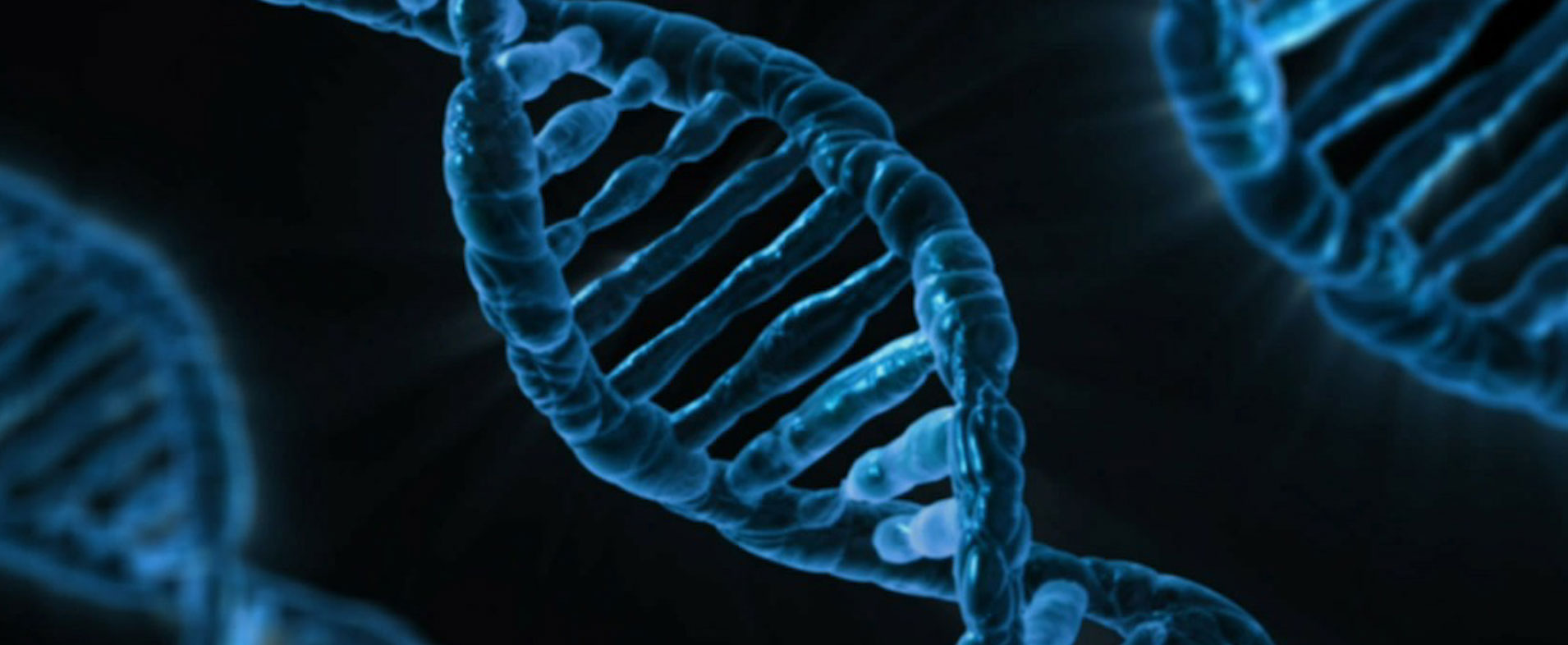
Each time a cell divides, the DNA inside the resulting pair of cells has changed slightly. These small alterations – known as genetic mutations – provide a method by which an organism can randomly determine traits that may be beneficial.

New research indicates that in certain parts of the brain, post-mitotic (non-dividing) cells are taking on as many as one mutation per week across the span of our lives. This results in thousands of genetic variations accumulating in each cell by the time we eventually pass away in old age.

In today’s post we will review new research and consider what this gradual build up of genetic mutations could mean for our understanding of neurodegenerative conditions, like Parkinson’s.


Source: Pexels

Coming from the back waters of third world New Zealand, you will understand that sheep hold a very special place in my heart.

I grew up a simple country lad, and each year I had a pet lamb that I would raise and train to do silly tricks in the hope of impressing the judges at the annual agricultural/farm day at school. In addition to instilling me with a crazy fanaticism for the sport (read: religion) of rugby, my parents figured that having a pet lamb each year would teach me a sense of responsibility and a sort of discipline.

I’m not really sure how this practice has influenced my later life, but I certainly do have very fond memories of those early years (the first lamb was named ‘Woolly’, the 2nd lamb was named ‘Woolly2’, the third lamb was actually a goat – bad lambing season – which I named ‘Billy the kid’, the 4th lamb was named ‘MacGyver’,…).

Lots of happy memories.

Source: Countryliving

But as I grew into the teenage years, there was one thing that really bothered me with regards to my pet lambs.

It was that whole negative stigma associated with the ‘black sheep’.

Why, I would wonder, was it the ‘black sheep of the family’ that was the bad kid? And why was the one black sheep in every flock considered the worst of the bunch?

Source: theodysseyonline

Why was this association applied to sheep?

Why not dogs? Or cows? Why do we pick on sheep?

Continue reading “One black sheep per week”

Mickey becomes more human?

For a long time researchers have lacked truly disease-relevant models of Parkinson’s.

We have loaded cells with toxins to cause cell death, we have loaded cells with mutant proteins to cause cell death, we have loaded cells with… well, you get the idea. Long story short though, we have never had proper models of Parkinson’s – that is a model which present all of the cardinal features of the condition (Lewy bodies, cell loss, and motor impairment).

The various models we have available have provided us with a wealth of knowledge about the biology of how cells die and how we can protect them, which has led to numerous experimental drugs being tested in the clinic. But there has always been a linger question of ‘how disease-relevant are these models?’

This situation may be about to change.

In today’s post we will look at new research in which Japanese researchers have genetically engineered mice in which they observed the generation of Lewy bodies, the loss of dopamine neurons and motor impairments. We will look at how these mice have been generated, and what it may tell us about Parkinson’s.


Walt Disney. Source: PBS

Ok, before we start today’s post: Five interesting facts about the animator Walt Disney (1901 – 1966):

  • Disney dropped out of high school at age 16 with the goal of joining the Army to help out in the war effort. He was rejected for being underage, but was able to get a job as an ambulance driver with the Red Cross in France.
  • From 1928 (the birth of Mickey Mouse) until 1947, Disney himself performed the voice of Mickey.
  • Mickey Mouse was originally named “Mortimer Mouse”, but it was Disney’s wife who suggested that the name Mortimer sounded too pompous (seriously, can you imagine a world with the “Mortimer Mouse show”?). She convinced Disney to change the name to Mickey (the name Mortimer was later given to one of Mickey’s rivals).
  • To this day, Disney holds the record for the most individual Academy Awards and nominations. Between 1932 and 1969, he won 22 Academy Awards and was nominated 59 times (Source).
  • And best of all: On his deathbed as he lay dying from lung cancer, Disney wrote the name “Kurt Russell” on a piece of paper. They were in effect his ‘last words’. But no one knows what they mean. Even Kurt is a bit perplexed by it all. He (along with many others) was a child actor contracted to the Disney company at the time, but why did Walt write Russell’s name as opposed to something more deep and meaningful (no disrespect intended towards Mr Russell).

Actor Kurt Russell. Source: Fxguide

When asked why he thought his great creation “Mickey mouse” was so popular, Walt Disney responded that “When people laugh at Mickey Mouse, it’s because he’s so human; and that is the secret of his popularity”.

Mickey Mouse. Source: Ohmy.Disney

This is a curious statement.

Curious because in biomedical research, mice are used in experiments to better understand the molecular pathways underlying basic biology and for the testing of novel therapeutics, and yet they are so NOT human.

There are major biological differences between us and them.

Not human. Source: USNews

It has been a major dilemma for the research community for some time with regards to translating novel therapies to humans, and it raises obvious ethical questions of whether we should be using mice at all for the basic research if they are so different from us. This problem is particularly apparent in the field of immunology, where the differences between ‘mice and men’ is so vast in some cases that researcher have called for moving away from mice entirely and focusing on solely human models (Click here and here for a good reads on this topic).

What does this have to do with Parkinson’s?

Continue reading “Mickey becomes more human?”

Spine-tingling research

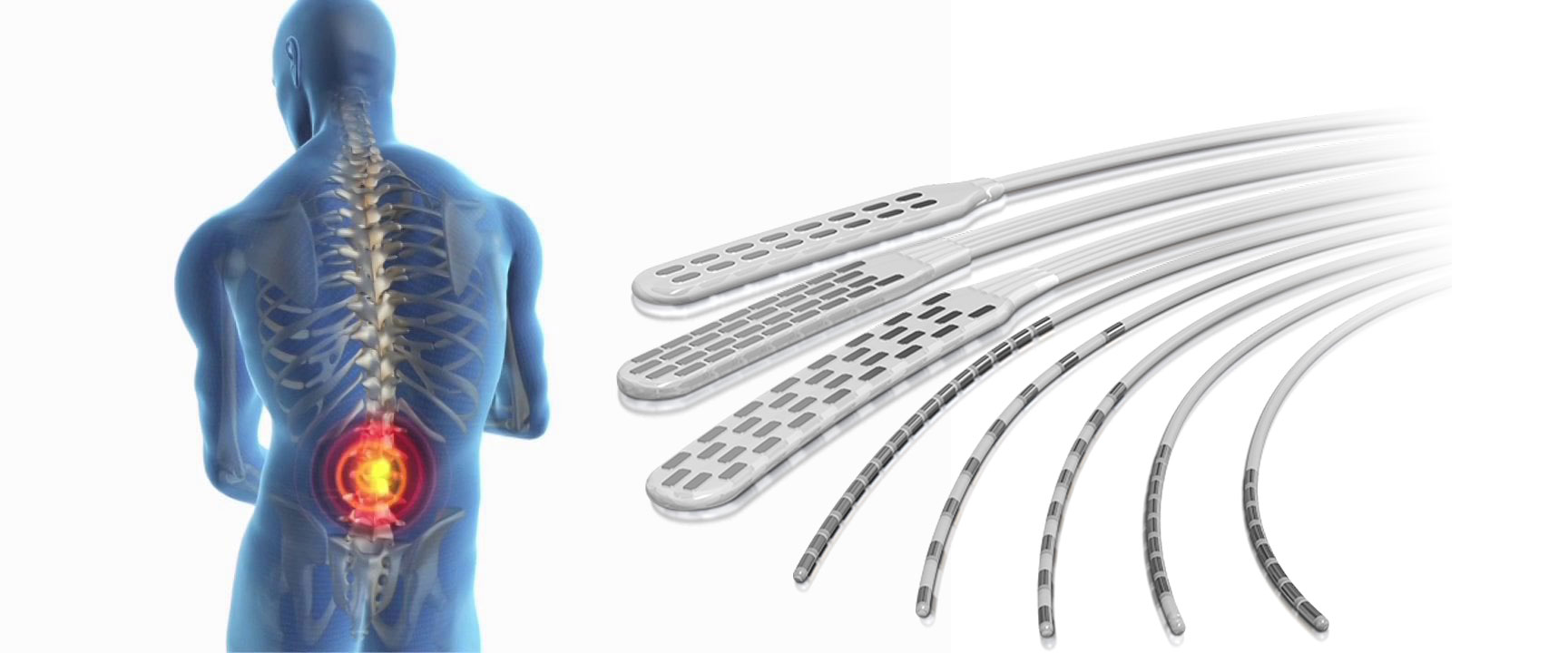
Deep brain stimulation (DBS) has now become a standard treatment option for people with Parkinson’s (Click here to read more about DBS), but recently researchers have been investigating a whole new form of stimulation to further help alleviate the symptom of the condition.

Spinal cord stimulation – the electrical modulation of the spinal cord – has been tested in models of Parkinson’s in laboratories for the last decade, and this week we saw the publication of the results of a pilot clinical study testing this approach in humans with Parkinson’s.

In today’s post we will discuss what spinal cord stimulation is, review the results of this pilot study, and discuss what could happen next for this new treatment approach.


Source: Videoblocks

2017 was the 200th anniversary of the first report of Parkinson’s by one James Parkinson in 1817 (Click here to read a previous post on this), and the 20th anniversary of the discovery of the first genetic mutation associated with Parkinson’s (Click here to read more about this).

It was also the 50th anniversary of the first use of a technique called spinal cord stimulation.

What is spinal cord stimulation?

Spinal cord stimulation is a form of implantable neuromodulation. Similar to deep brain stimulation (or DBS), it involves using electrical signals to modulate neural activity. But rather than electrodes being placed into the brain (in the case of DBA), spinal cord stimulation involves – as the label on the can suggests – specific areas of the spinal cord being stimulated for the treatment of certain types of pain.

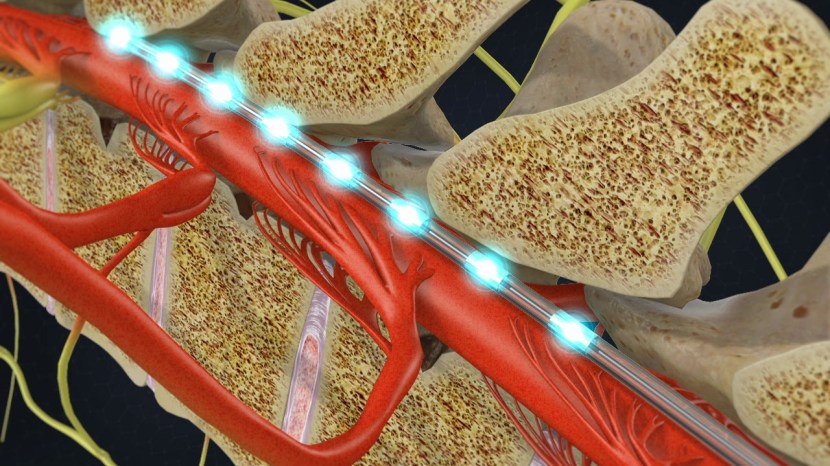
The treatment involves a column of stimulating electrodes that is surgically implanted in the epidural space of the spine. And before you ask: the epidural space is the area between the outer protective skin of the spinal cord (called the dura mater) and the surrounding vertebrae. So the device lies against the spinal cord, and is protected by the bones that make up the spine (as shown in the image below).

stimimplanttrial_1280

The stimulating electrodes within the epidural space. Source: SpineOne

An electrical pulse generator is implanted in the lower abdomen and conducting wires are connected between the electrodes to the generator. Much like deep brain stimulation, the system is entirely enclosed in the body and operated with a remote control.

Anterior_thoracic_SCS

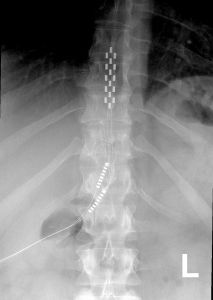
An x-ray of the spine with a stimulator implanted (towards the top of the image, and cords leading off to the bottom left). Source:Wikipedia

How does spinal cord stimulation work?

Continue reading “Spine-tingling research”

Trazodo or Trazodon’t?

“Repurposing” in medicine refers to taking drugs that are already approved for the treatment of one condition and testing them to see if they are safe and effective in treating other diseases. Given that these clinically available drugs have already been shown to be safe in humans, repurposing represents a method of rapidly acquiring new potential therapeutics for a particular condition. 

The antidepressant, Trazodone, has recently been proposed for repurposing to neurodegenerative conditions, such as Parkinson’s. 

In today’s post we will look at what Trazodone is, why it is being considered for repurposing, and we will review the results of a new primate study that suggests it may not be ideal for the task.


Opinions. Everyone has them. Source: Creativereview

I am regularly asked by readers to give an opinion on specific drugs and supplements.

And I usually cut and paste in my standard response: I can not answer these sorts of questions as I am just a research scientist not a clinician; and even if I was a clinician, it would be unethical for me to comment as I have no idea of your medical history.

In many of these cases, there simply isn’t much proof that the drug/supplement has any effect in Parkinson’s, so it is hard to provide any kind of “opinion”. But even if there was proof, I don’t like to give opinions.

Eleven out of every ten opinions are usually wrong (except in the head of the beholder) so why would my opinion be any better? And each individual is so different, why would one particular drug/supplement work the same for everyone?

In offering an answer to “my opinion” questions, I prefer to stick to the “Just the facts, ma’am” approach and I focus solely on the research evidence that we have available (Useless pub quiz fact: this catchphrase “Just the facts, ma’am” is often credited to Detective Joe Friday from the TV series Dragnet, and yet he never actually said it during any episode! – Source).

Detective Joe Friday. Source: Wikipedia

Now, having said all of that, there is one drug in particularly that is a regular topic of inquiry (literally, not a week goes by without someone asking about): an antidepressant called Trazodone.

What is Trazodone?

Continue reading “Trazodo or Trazodon’t?”

The mystery of caffeine

Here’s a good riddle for you:

Many epidemiological studies have suggested that coffee/caffeine consumption reduces one’s risk of developing Parkinson’s. Study after study has suggested that drinking coffee is beneficial.

Recently, however, Japanese researchers have discovered something really curious: people with Parkinson’s have reduced levels of caffeine in their blood compared to healthy controls… even when they have consumed the same amount of coffee. (???)

In today’s post we will look at what coffee is, review the results of this study, and try to understand what is going on.


kaldi-adapted-from-uker

Kaldi the goat herder. Source: CoffeeCrossroads

Legend has it that in 800AD, a young Ethiopian goat herder named Kaldi noticed that his animals were “dancing”.

They had been eating some berries from a tree that Kaldi did not recognise, but being a plucky young fellow – and being fascinated by the merry behaviour of his four-legged friends – Kaldi naturally decided to eat some of the berries for himself.

The result: He became “the happiest herder in happy Arabia” (Source).

This amusing encounter was apparently how humans discovered coffee. It is most likely a fiction as the earliest credible accounts of coffee-consumption emerge from the 15th century in the Sufi shrines of Yemen, but since then coffee has gone on to become one of the most popular drinks in the world.

Silly question, but what exactly is coffee?

Continue reading “The mystery of caffeine”

When the zombies are all in your head

In your brain there are different types of cells.

Firstly there are the neurons (the prima donnas that we believe do most of the communication of information). Next there are the microglia cells, which act as the first and main line of active immune defence in the brain. There are also oligodendrocyte, that wrap protective sheets around the branches of the neurons and help them to pass signals.

And then there are astrocytes.

These are the ‘helper cells’ which maintain a comfortable environment for the neurons and aid them in their task. Recently, researchers in California reported an curious observation in the Parkinsonian brain: some astrocytes have entered an altered ‘zombie’-like state. And this might not be such a good thing.

In today’s post, we’ll review the research and discuss what it could mean – if independently replicated – for the Parkinson’s community.


Zombies. Source: wallpapersbrowse

I don’t understand the current fascination with zombies.

There are books, movies, television shows, video games. All dealing with the popular idea of dead bodies wandering the Earth terrifying people. But why the fascination? Why does this idea have such appeal to a wide portion of the populous?

I just don’t get it.

Even more of a mystery, however, is where the modern idea of the ‘zombie’ actually came from originally.

You see, no one really knows.

Huh? What do you mean?

Some people believe that the word ‘zombie’ is derived from West African languages – ndzumbi means ‘corpse’ in the Mitsogo language of Gabon, and nzambi means the ‘spirit of a dead person’ in the Kongo language. But how did a word from the African continent become embedded in our psyche?

Others associate the idea of a zombie with Haitian slaves in the 1700s who believed that dying would let them return back to lan guinée (African Guinea) in a kind of afterlife. But apparently that freedom did not apply to situations of suicide. Rather, those who took their own life would be condemned to walk the Hispaniola plantations for eternity as an undead slave. Perhaps this was the starting point for the ‘zombie’.

More recently the word ‘zonbi’ (not a typo) appeared in the Louisiana Creole and the Haitian Creole and represented a person who is killed and was then brought to life without speech or free will.

Delightful stuff for the start of a post on Parkinson’s research, huh?

But we’re going somewhere with this.

Continue reading “When the zombies are all in your head”

Monthly Research Review – January 2018

Today’s (experimental) post provides something new – an overview of some of the major bits of Parkinson’s-related research that were made available in January 2018.


In January of 2018, the world was rocked by news that New Zealand had become the 11th country in the world to put a rocket into orbit (no really, I’m serious. Not kidding here – Click here to read more). Firmly cementing their place in the rankings of world superpowers. In addition, they became only the second country to have a prime minister get pregnant during their term in office (in this case just 3 months into her term in office – Click here to read more about this).

A happy New Zealand prime minister Jacinda Ardine

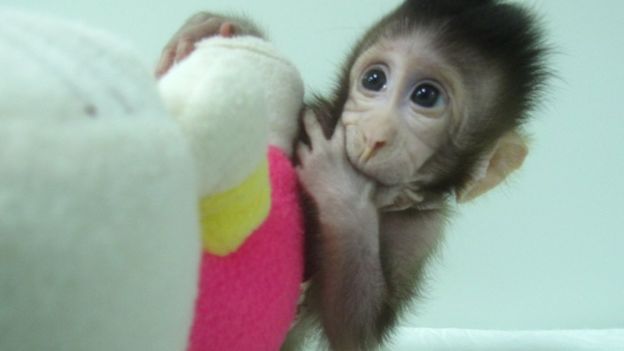
In major research news, NASA and NOAA announced that 2017 was the hottest year on record globally (without an El Niño), and among the top three hottest years overall (Click here for more on this), and scientists in China reported in the journal Cell that they had created the first monkey clones, named Zhong Zhong and Hua Hua (Click here for that news)

Zhong Zhong the cute little clone. Source: BBC

Continue reading “Monthly Research Review – January 2018”

‘Talking bout my resolution’

As we have previously discussed, 2017 was a fantastic year for Parkinson’s research (Click here to read that post). And as we approach the end of January, it is already apparent that 2018 is likely to be as good if not better (Click here for an overview of what to expect from 2018).

The transition into a new year brings with it a period of reflection and resolutions. At the start of each year I usually have a post that asks for readers feedback regarding how the SoPD website could be improved.

This year is going to be slightly different.

In today’s post we will discuss some of the ideas that I have in mind for 2018 – any and all reader feedback would be greatly appreciated.


The title of today’s post is a play on words. It is a salute to the song ‘My generation’ by the rock band “The Who” (click on the image above to hear the song). The song was released as a single on the 29th October 1965. It reached No. 2 in the UK and No. 74 in America.

Despite never actually reaching No.1, Rolling Stone magazine still named ‘My generation’ the 11th greatest song of all time (Source). The British music magazine New Musical Express (NME), noted that the song “encapsulated the angst of being a teenager,” and was a “nod to the mod counterculture” (Source).

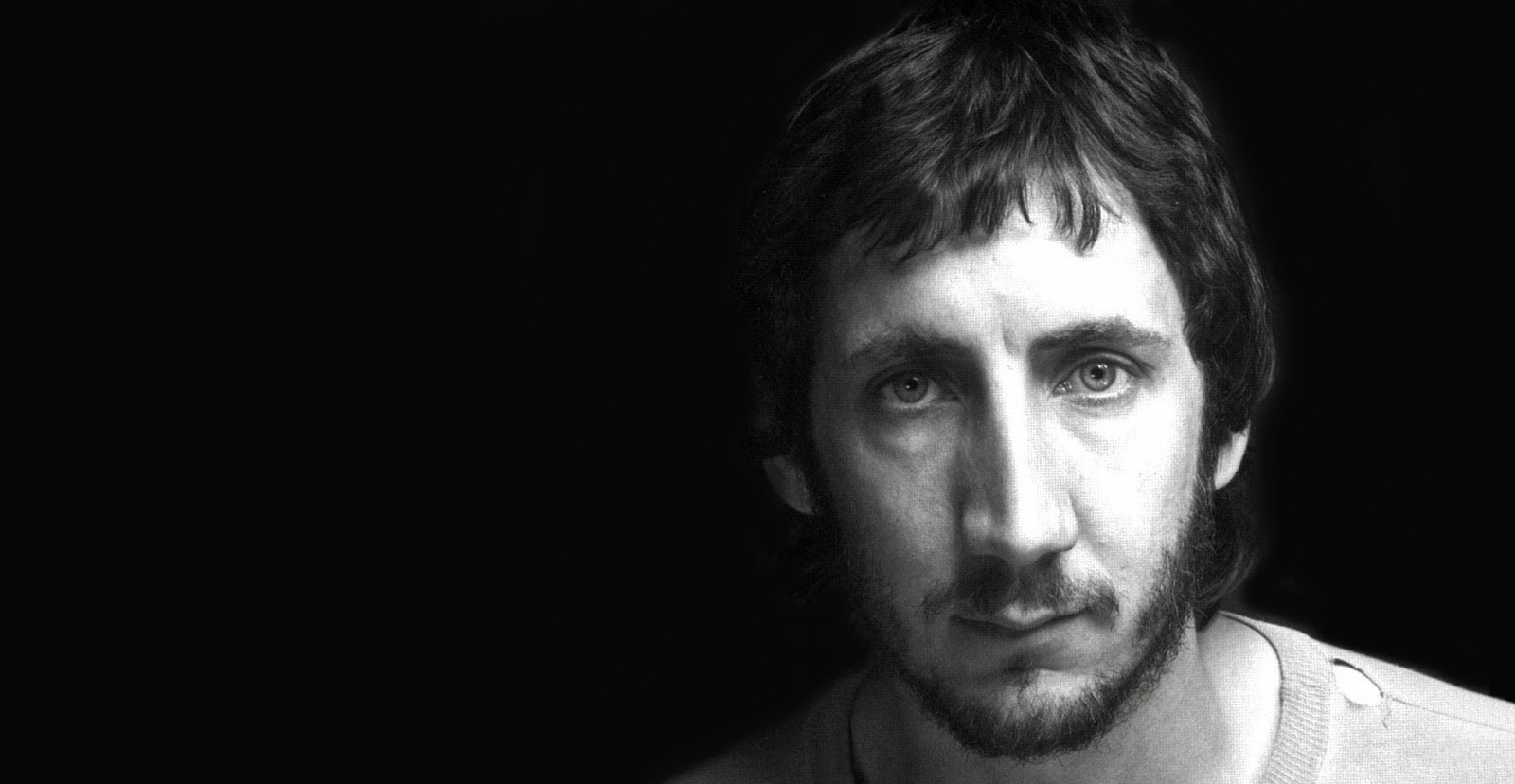
Pete Townshend. Source: Rnrchemist

The Who‘s guitarist, Pete Townshend, apparently wrote “My Generation,” on his 20th birthday (19th May 19th, 1965), while riding a train from London to Southampton for a television appearance. He claims that it was never meant to be the battle cry for young mod rebels that it went on to become.

Rather it was intended to express Townshend’s fears about ‘the impending strictures of adult life’. He preferred to stay young, free and experimental.

I am not having any teenage angst issues or fearing the very current strictures of adult life. I am simply using a play of the song’s title here in order to discuss a new year’s resolution I have made regarding the SoPD website over the never 12 months.

Let me explain.

Continue reading “‘Talking bout my resolution’”

Inspiration from a church in Mammoth

Last year at the Intel International Science and Engineering Fair, a young high school student named Jeremiah Pate (Image above) took first Place in his category and third prize overall in the Dudley R. Herschbach Stockholm International Youth Science Seminar Award.

This competition involved nearly seven million high school students from all over the world. And by being a winner in the competition, Jeremiah received an all expenses paid trip to attend the Nobel Prize Awards in Stockholm Sweden.

Jeremiah’s award winning project was about his efforts to find a possible cure for Parkinson’s.

In today’s post we will look at the interesting story of how Jeremiah became interested in Parkinson’s and discuss why impatience is a virtue.


Source: GooglePlay

We all like stories that involve something bold.

The moon-shot. The last stand against impossible odds. The underrated boxer beating the champ. The enthusiasts putting Gossamer satellites into space. Big-obstacle-being-overcome, that sort of stuff.

I personally really like those stories about individuals with a very specific goal and the determination to let nothing stand between them and achieving it. Those folks who are not satisfied with the status quo and want to change things for the better. Here at the SoPD, we have previously tried to highlight individuals like this within the Parkinson’s research community (for example, Dr Lysimachos Zografos and Sara (soon to be Dr) Riggare). And in keeping with that tradition, today’s post is about a similar individual.

His name is Jeremiah.

And the story begins at the First Baptist Church in Mammoth, Arizona.

Continue reading “Inspiration from a church in Mammoth”

EDITORIAL: That Pfizer news

On Saturday 7th January, 2018, one of the world’s largest pharmaceutical companies – Pfizer – announced that it was abandoning research efforts focused on finding new drugs for Alzheimer’s and Parkinson’s. 

Naturally, the Parkinson’s and Alzheimer’s communities reacted with disappointment to the news, viewing it as a demoralising tragedy. And there was genuine concern that other pharmaceutical companies would follow suit in the wake of this decision.

Those fears, however, are unfounded.

In today’s post we will look at some of the reasons underlying Pfizer’s decision, why our approach to failure is wrong, why Pfizer will definitely be back, and what the Parkinson’s community can do about it all.


Photo by David Kovalenko on Unsplash

1. Our approach to failure

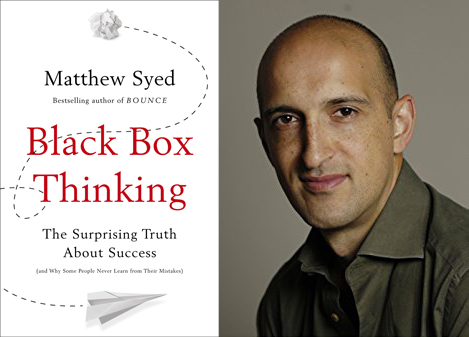
I am currently reading “Black box thinking: The Surprising Truth About Success“. It is a really interesting book by journalist Matthew Syed that investigates how we approach to failure.

Matthew Syed. Source: Amazon

In the first chapter of his book, Syed makes comparisons between the way the aviation industry and the medical profession approach failure, pointing out the processes that follow situations when a disasters occur. In the aviation industry, when any event occurs there is a major investigative process that starts with the recovery of the black boxes. The aviation industry uses this system of investigation to learn from every single incident. It makes the information available to all and this helps with re-thinking everything from cockpit ergonomics and design to air traffic controller procedures. Even the airline companies are keen to be seen to be involved in this process of investigation. Failure, while unfortunate, is not shameful or stigmatising, but rather embraced and enlightening. 

In addition, Syed points out that when an airline pilot sits down in his/her cockpit, their neck is also on the line if something goes wrong. Thus, it is in their best interest that the flight should be successful. And this is another reason why the aviation industry takes the reporting of failure so seriously. Everyone benefits from learning from previous situations. And all of this comes together with the observation that 2017 was the safest year on record for flying (based on deaths/flights – Source).

Continue reading “EDITORIAL: That Pfizer news”