Inspiration from a church in Mammoth

Last year at the Intel International Science and Engineering Fair, a young high school student named Jeremiah Pate (Image above) took first Place in his category and third prize overall in the Dudley R. Herschbach Stockholm International Youth Science Seminar Award.

This competition involved nearly seven million high school students from all over the world. And by being a winner in the competition, Jeremiah received an all expenses paid trip to attend the Nobel Prize Awards in Stockholm Sweden.

Jeremiah’s award winning project was about his efforts to find a possible cure for Parkinson’s.

In today’s post we will look at the interesting story of how Jeremiah became interested in Parkinson’s and discuss why impatience is a virtue.


Source: GooglePlay

We all like stories that involve something bold.

The moon-shot. The last stand against impossible odds. The underrated boxer beating the champ. The enthusiasts putting Gossamer satellites into space. Big-obstacle-being-overcome, that sort of stuff.

I personally really like those stories about individuals with a very specific goal and the determination to let nothing stand between them and achieving it. Those folks who are not satisfied with the status quo and want to change things for the better. Here at the SoPD, we have previously tried to highlight individuals like this within the Parkinson’s research community (for example, Dr Lysimachos Zografos and Sara (soon to be Dr) Riggare). And in keeping with that tradition, today’s post is about a similar individual.

His name is Jeremiah.

And the story begins at the First Baptist Church in Mammoth, Arizona.

Continue reading “Inspiration from a church in Mammoth”

EDITORIAL: That Pfizer news

On Saturday 7th January, 2018, one of the world’s largest pharmaceutical companies – Pfizer – announced that it was abandoning research efforts focused on finding new drugs for Alzheimer’s and Parkinson’s. 

Naturally, the Parkinson’s and Alzheimer’s communities reacted with disappointment to the news, viewing it as a demoralising tragedy. And there was genuine concern that other pharmaceutical companies would follow suit in the wake of this decision.

Those fears, however, are unfounded.

In today’s post we will look at some of the reasons underlying Pfizer’s decision, why our approach to failure is wrong, why Pfizer will definitely be back, and what the Parkinson’s community can do about it all.


Photo by David Kovalenko on Unsplash

1. Our approach to failure

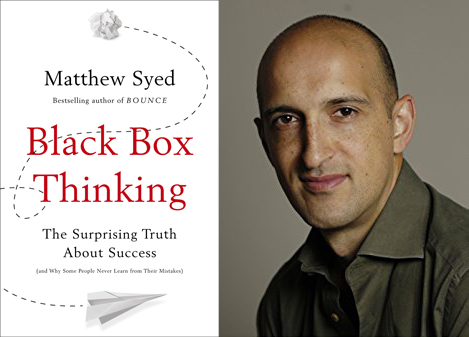
I am currently reading “Black box thinking: The Surprising Truth About Success“. It is a really interesting book by journalist Matthew Syed that investigates how we approach to failure.

Matthew Syed. Source: Amazon

In the first chapter of his book, Syed makes comparisons between the way the aviation industry and the medical profession approach failure, pointing out the processes that follow situations when a disasters occur. In the aviation industry, when any event occurs there is a major investigative process that starts with the recovery of the black boxes. The aviation industry uses this system of investigation to learn from every single incident. It makes the information available to all and this helps with re-thinking everything from cockpit ergonomics and design to air traffic controller procedures. Even the airline companies are keen to be seen to be involved in this process of investigation. Failure, while unfortunate, is not shameful or stigmatising, but rather embraced and enlightening. 

In addition, Syed points out that when an airline pilot sits down in his/her cockpit, their neck is also on the line if something goes wrong. Thus, it is in their best interest that the flight should be successful. And this is another reason why the aviation industry takes the reporting of failure so seriously. Everyone benefits from learning from previous situations. And all of this comes together with the observation that 2017 was the safest year on record for flying (based on deaths/flights – Source).

Continue reading “EDITORIAL: That Pfizer news”

FASN-ating PINK research

Pink

In 2018, there is one particular clinical trial that I will be watching, because the drug being tested could have a big impact on certain kinds of Parkinson’s.

The clinical trial is focused on people with cancer and they will be treated with a drug called TVB-2640TVB-2640 is an inhibitor of an enzyme called fatty acid synthase (or FAS). 

In today’s post we will discuss why TVB-2640 might be a useful treatment for certain kinds of Parkinson’s.


Mitochondria

Mitochondria and their location in the cell. Source: NCBI


Regular readers of this blog are probably getting sick of the picture above.

I use it regularly on this website, because a.) it nicely displays a basic schematic of a mitochondrion (singular), and where mitochondria (plural) reside inside a cell. And b.) a lot of evidence is pointing towards mitochondrial dysfunction in Parkinson’s.

What are mitochondria?

Mitochondria are the power stations of each cell. They help to keep the lights on. Without them, the party is over and the cell dies.

How do they supply the cell with energy?

They convert nutrients from food into Adenosine Triphosphate (or ATP). ATP is the fuel which cells run on. Given their critical role in energy supply, mitochondria are plentiful (some cells have thousands) and highly organised within the cell, being moved around to wherever they are needed.

Source: Mangomannutrition

What does this have to do with Parkinson’s?

Continue reading “FASN-ating PINK research”

When GCase is away, the GSLs will play


New research published in the last week provides further experimental support for numerous clinical trials currently being conducted, including one by the biotech company Sanofi Genzyme.

Researchers have demonstrated that tiny proteins which usually reside on the outer wall of cells could be playing an important role in the protein clustering (or aggregation) that characterises Parkinson’s

In today’s post we will look at this new research and discuss what it could mean for the on going clinical trials for Parkinson’s. 


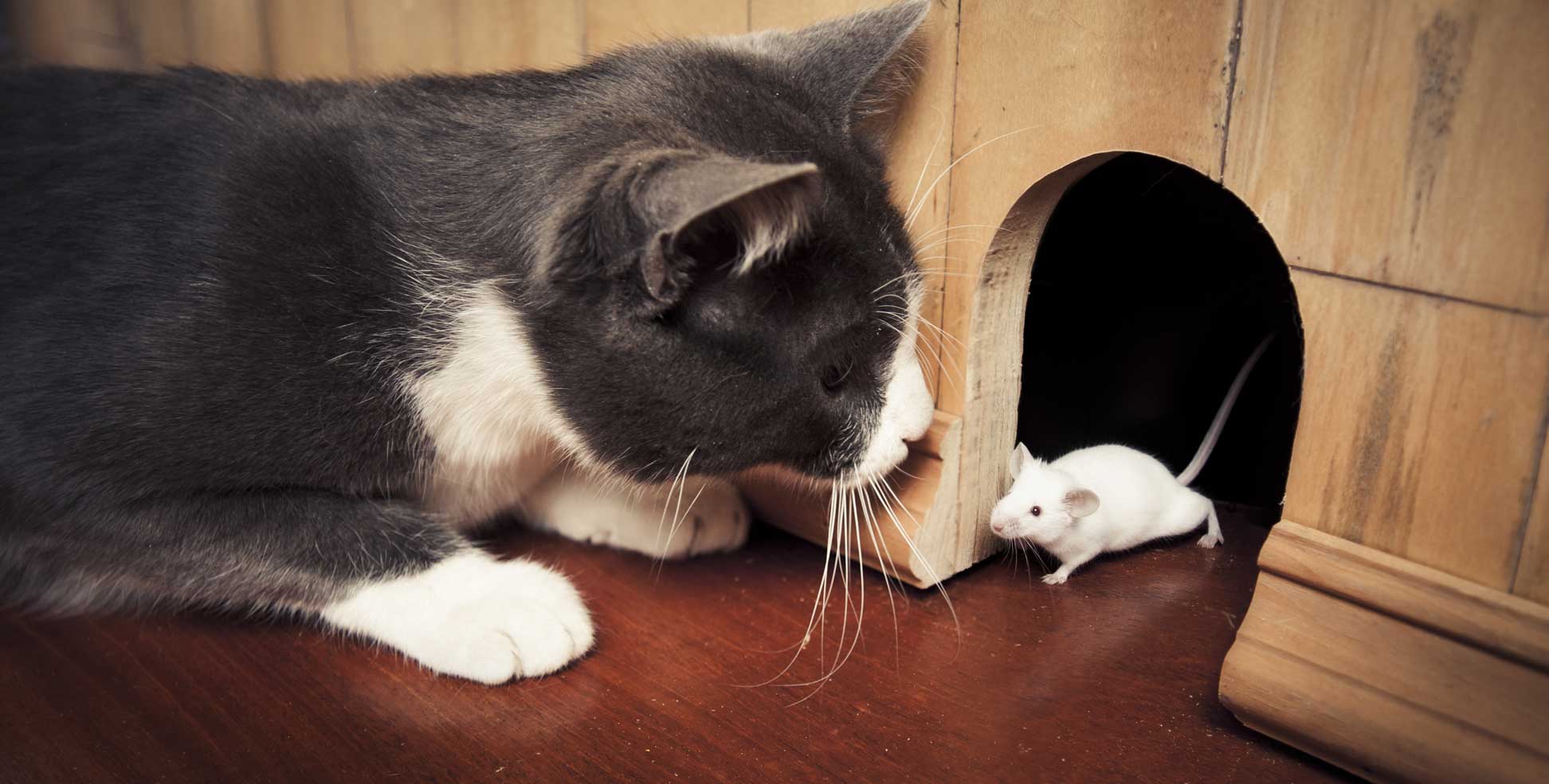
Source: Stevedalepetworld

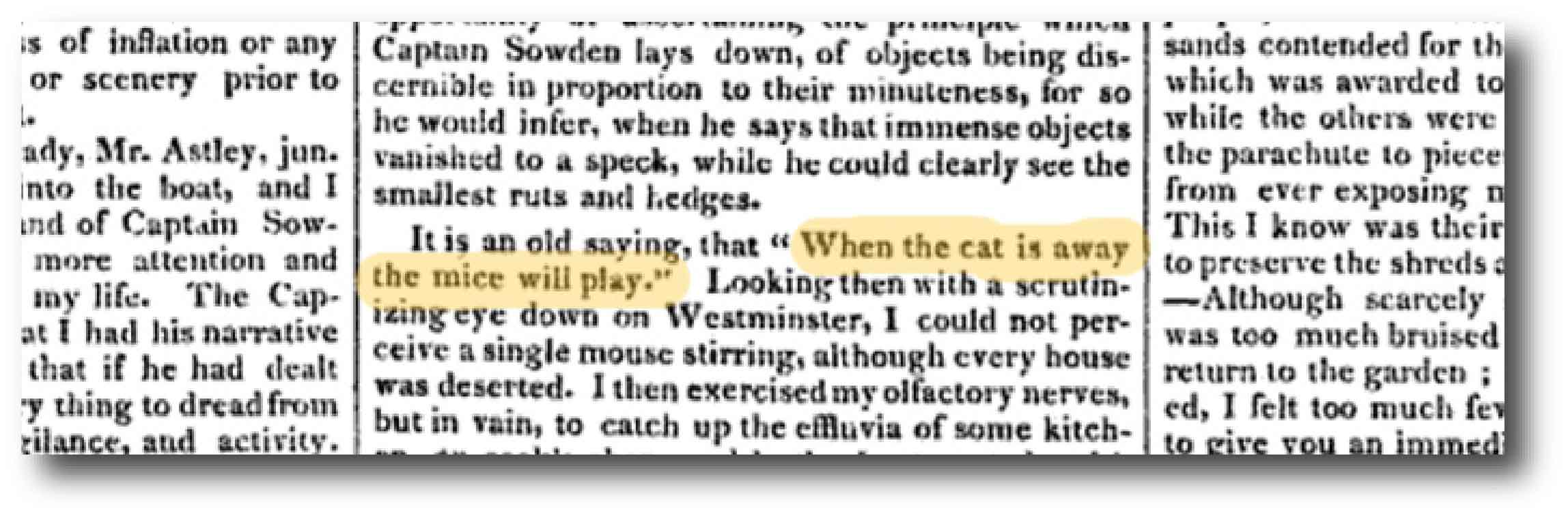
The proverb ‘When the cat is away, the mice will play’ has Latin origins.

Dum felis dormit, mus gaudet et exsi litantro (or ‘When the cat falls asleep, the mouse rejoices and leaps from the hole’)

It was also used in the early fourteenth century by the French: Ou chat na rat regne (‘Where there is no cat, the rat is king’).

And then Will Shakespeare used it in Henry the Fifth(1599), Act I, Scene II:

Westmoreland, speaking with King Henry V, Gloucester, Bedford, Exeter and Warwick
“But there’s a saying very old and true,
‘If that you will France win,
Then with Scotland first begin:’
For once the eagle England being in prey,
To her unguarded nest the weasel Scot
Comes sneaking and so sucks her princely eggs,
Playing the mouse in absence of the cat,
To tear and havoc more than she can eat”

The phrase first appears in its modern form in the United States in the literary and political magazine The Port folio in 1802 (2; 323):

Interesting. But what does any of this have to do with Parkinson’s?

Continue reading “When GCase is away, the GSLs will play”

The road ahead: Parkinson’s research in 2018

The great ice hockey player Wayne Gretzky once said “A good hockey player plays where the puck is. A great hockey player plays where the puck is going to be” (the original quote actually came from his father, Walter). 

At the start of each year, it is a useful practise to layout what is planned for the next 12 months. This can help us better anticipate where ‘the puck’ will be, and allow us to prepare for things further ahead.

2017 was an incredible year for Parkinson’s research, and there is a lot already in place to suggest that 2018 is going to be just as good (if not better).

In this post, we will lay out what we can expect over the next 12 months with regards to the Parkinson’s-related clinical trials research of new therapies.


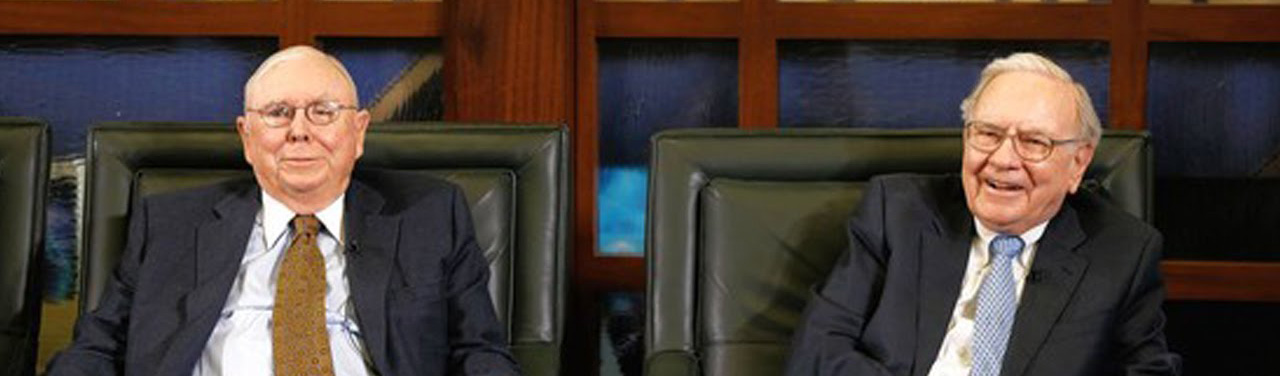
Charlie Munger (left) and Warren Buffett. Source: Youtube

Many readers will be familiar with the name Warren Buffett.

The charming, folksy “Oracle of Omaha” is one of the wealthiest men in the world. And he is well known for his witticisms about investing, business and life in general.

Warren Buffett. Source: Quickmeme

He regularly provides great one liners like:

“We look for three things [in good business leaders]: intelligence, energy, and integrity. If they don’t have the latter, then you should hope they don’t have the first two either. If someone doesn’t have integrity, then you want them to be dumb and lazy”

“Work for an organisation of people you admire, because it will turn you on. I always worry about people who say, ‘I’m going to do this for ten years; and if I really don’t like it very much, then I’ll do something else….’ That’s a little like saving up sex for your old age. Not a very good idea”

“Choosing your heroes is very important. Associate well, marry up and hope you find someone who doesn’t mind marrying down. It was a huge help to me”

Mr Buffett is wise and a very likeable chap.

Few people, however, are familiar with his business partner, Charlie Munger. And Charlie is my favourite of the pair.

Continue reading “The road ahead: Parkinson’s research in 2018”

2017 – Year in Review: A good vintage

At the end of each year, it is a useful practise to review the triumphs (and failures) of the past 12 months. It is an exercise of putting everything into perspective. 

2017 has been an incredible year for Parkinson’s research.

And while I appreciate that statements like that will not bring much comfort to those living with the condition, it is still important to consider and appreciate what has been achieved over the last 12 months.

In this post, we will try to provide a summary of the Parkinson’s-related research that has taken place in 2017 (Be warned: this is a VERY long post!)


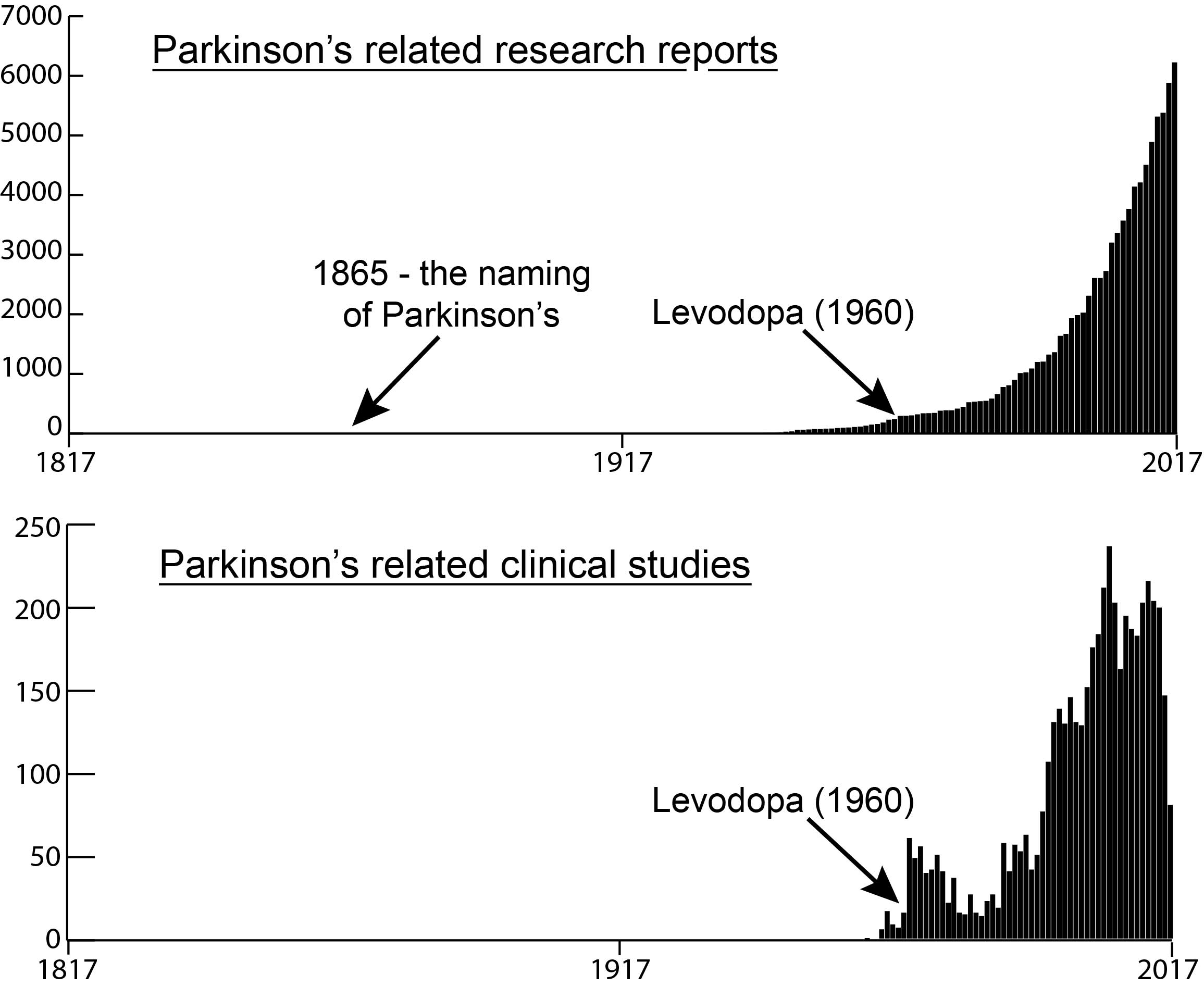
The number of research reports and clinical trial studies per year since 1817

As everyone in the Parkinson’s community is aware, in 2017 we were observing the 200th anniversary of the first description of the condition by James Parkinson (1817). But what a lot of people fail to appreciate is how little research was actually done on the condition during the first 180 years of that period.

The graphs above highlight the number of Parkinson’s-related research reports published (top graph) and the number of clinical study reports published (bottom graph) during each of the last 200 years (according to the online research search engine Pubmed – as determined by searching for the term “Parkinson’s“).

PLEASE NOTE, however, that of the approximately 97,000 “Parkinson’s“-related research reports published during the last 200 years, just under 74,000 of them have been published in the last 20 years.

That means that 3/4 of all the published research on Parkinson’s has been conducted in just the last 2 decades.

And a huge chunk of that (almost 10% – 7321 publications) has been done in 2017 only.

So what happened in 2017? Continue reading “2017 – Year in Review: A good vintage”

Multiple System Atrophy: A prion disease?

‘Parkinsonisms’ refer to a group of neurological conditions that cause movement features similar to those observed in Parkinson’s disease. They include multiple system atrophy (MSA) and Progressive supranuclear palsy (PSP) and idiopathic Parkinson’s.

Newly published research now shines a light on a possible mechanism for differentiating between multiple system atrophy and idiopathic Parkinson’s.

In today’s post we will look at what multiple system atrophy is, review the new research report, and discuss what these results could mean for the Parkinson’s community.


Brain immaging of multiple system atrophy–related spatial covariance pattern (MSARP) and Parkinson disease–related spatial covariance pattern (PDRP). Source: Neurology

For a long time I have been looking to write a piece of Multiple system atrophy.

I have been contacted by several readers asking for more information about it, and the only thing really delaying me – other than the tsunami of Parkinson’s related research that I am currently trying to write posts for – was the lack of a really interesting piece of research to base the post around.

Guess what came into my inbox yesterday:

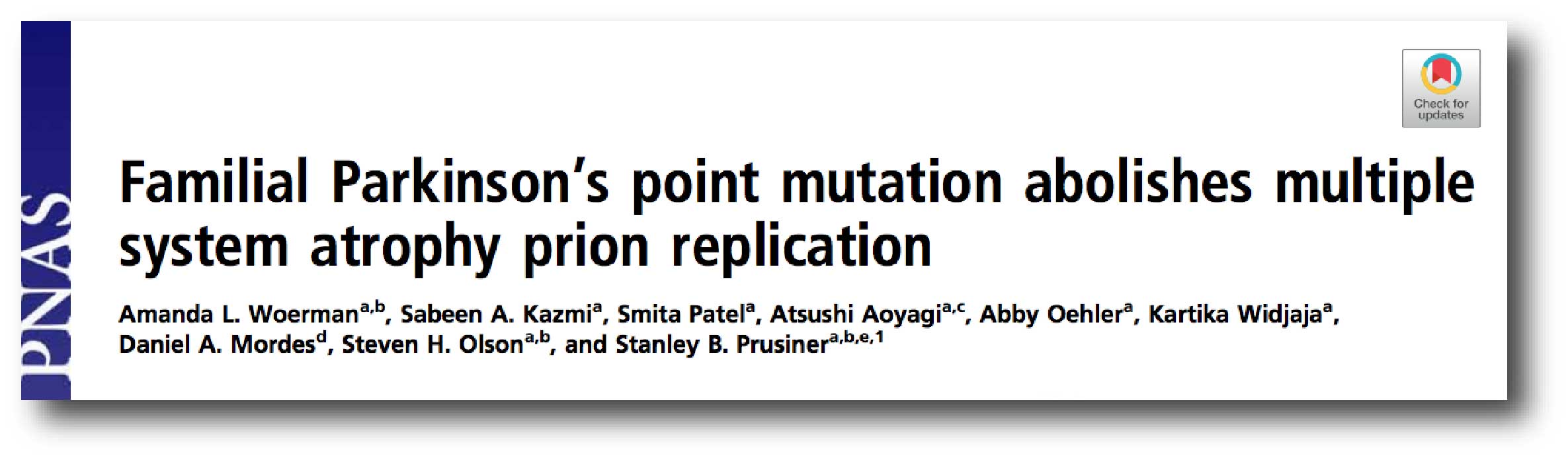
Title: Familial Parkinson’s point mutation abolishes multiple system atrophy prion replication.
Authors: Woerman AL, Kazmi SA, Patel S, Aoyagi A, Oehler A, Widjaja K, Mordes DA, Olson SH, Prusiner SB.
Journal: Proc Natl Acad Sci U S A. 2017 Dec 26. pii: 201719369.
PMID: 29279394

This is a really interesting piece of research, that continues a line of other really interesting research.

And if it is independently replicated and verified, it will have massive implications for the Parkinson’s community, particularly those affected by Multiple System Atrophy.

But before we deal with that, let’s start with the obvious question:

What is Multiple System Atrophy?

Continue reading “Multiple System Atrophy: A prion disease?”

Novartis focuses on improving PARKIN control

Last week, as everyone was preparing for Christmas celebrations, researchers at the pharmaceutic company Novartis published new research on a gene that is involved with Parkinson’s, called PARKIN (or PARK2).

They used a new gene editing technology – called CRISPR – to conduct a large screening study to identify proteins that are involved with the activation of PARKIN.

In today’s post we will look at what PARKIN does, review the research report, and discuss how these results could be very beneficial for the Parkinson’s community.


Source: Novartis

As many people within the Parkinson’s community will be aware, 2017 represented the 200th anniversary of the first report of Parkinson’s disease by James Parkinson.

It also the 20th anniversary of the discovery of first genetic mutation (or variant) that increases the risk of developing Parkinson’s. That genetic variation occurs in a region of DNA (a gene) called ‘alpha synuclein’. Yes, that same alpha synuclein that seems to play such a critical role in Parkinson’s (Click here to read more about the 20th anniversary).

In 2018, we will be observing the 20th anniversary of the second genetic variation associated with Parkinson.

That gene is called PARKIN:
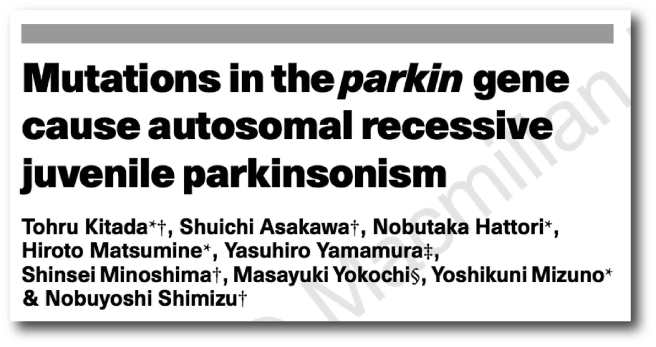
Title: Mutations in the parkin gene cause autosomal recessive juvenile parkinsonism.
Authors: Kitada T, Asakawa S, Hattori N, Matsumine H, Yamamura Y, Minoshima S, Yokochi M, Mizuno Y, Shimizu N
Journal: Nature. 1998 Apr 9; 392(6676):605-8
PMID: 9560156

In 1998, Japanese researchers published this report based on 5 individuals from 4 Japanese families who were affected by juvenile-onset Parkinson’s. In family 1, the affected individual was a female, 43 years old, born of first-cousin parents, and her two younger brothers are healthy. Her condition was diagnosed in her teens and it had then progressed very slowly afterwards. Her response to L-dopa was very positive, but L-dopa-induced dyskinesia were frequent. In family 2-4, affected individuals (born to unrelated parents) exhibited very similar clinical features to the subject in family 1. The age of onset was between 18 to 27 years of age.

Using previous research and various techniques the investigators were able to isolate genetic variations that were shared between the 5 affected individuals. They ultimately narrowed down their search to a section of DNA containing 2,960 base pairs, which encoded a protein of 465 amino acids.

They decided to call that protein PARKIN.
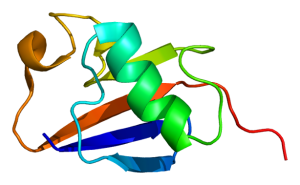
PARKIN Protein. Source: Wikipedia

How much of Parkinson’s is genetic?

Continue reading “Novartis focuses on improving PARKIN control”

Inhibiting LRRK2: The Denali Phase I results

Denali

This week Denali Therapeutics released the results of a phase I clinical trial of their primary product, called DNL-201.

DNL-201 is a LRRK2 inhibitor that the company is attempting to take to the clinic for Parkinson’s disease. 

In today’s post we will look at what LRRK2 is, how an inhibitor might help in Parkinson’s, and what the results of the trial actually mean.


Wonder_Lake_and_Denali

Denali. Source: Wikipedia

Denali (Koyukon for “the high one”; also known as Mount McKinley) in Alaska is the highest mountain peak in North America, with a summit elevation of 20,310 feet (6,190 m) above sea level. The first verified ascent to Denali’s summit occurred on June 7, 1913, by four climbers Hudson Stuck, Harry Karstens, Walter Harper, and Robert Tatum.

Tatum (left), Karstens (middle), and Harper (right). Source: Gutenberg

Robert Tatum later commented, “The view from the top of Mount McKinley is like looking out the windows of Heaven!”

More recently another adventurous group associated with ‘Denali’ have been trying to scale lofty heights, but of a completely different sort from the mountaineering kind.

Continue reading “Inhibiting LRRK2: The Denali Phase I results”

James: His legacy (Part 4)

On Tuesday 21st December, 1824, James Parkinson passed away in his home – two days after suffering a stroke.

It was the end of an amazing and extremely productive life.

In this post about James Parkinson – the final in the series of four observing the 200th anniversary of his first observation of Parkinson’s disease – we look at what happened following his death, and reflect on his overall legacy.


St Leonard’s church in Hoxton, London – James’ church

At the end of the third post on the life of James Parkinson (Click here to read that post), the Battle of Waterloo had just occurred and James was publishing the last of his writings.

One of the last major events in the life of James Parkinson occurred in 1823, when James was awarded the Royal College of Surgeons’ first Gold Medal.

Understand that this was a big deal.

The college had established the award way back in 1802 for “distinguished labours, researches and discoveries”. But it took them a full 21 years to find anyone that they thought worthy enough to be the first recipient.

And that first recipient: one James Parkinson

This event, however, represents very nicely how the legacy of James has changed over time. While the world currently associates James Parkinson with a neurological condition that he first described in 1817, the Royal College of Surgeons awarded him their first gold medal not for any of his medical publications, but rather for his “splendid Work on Organic Remains”.

parkinson3

Source: Lindahall

As I have written before, James was a bit of a rockstar to the geological/palaeontology community. His writings on what he called his “favourite science”, had earned him an international reputation and one has to wonder how he would feel now if he knew that his reputation lies elsewhere.

As JP aficionado Dr Cherry Lewis once wrote: history is fickle.

Continue reading “James: His legacy (Part 4)”