Monthy research review – August 2020


At the end of each month the SoPD writes a post which provides an overview of some of the major pieces of Parkinson’s-related research that were made available during August 2020.

The post is divided into seven parts based on the type of research:

  • Basic biology
  • Disease mechanism
  • Clinical research
  • New clinical trials (Oooh, new section for 2019!)
  • Clinical trial news
  • Other news
  • Review articles/videos


So, what happened during August 2020?

In world news:

August 4th – Two explosions caused by unsafely stored ammonium nitrate killed over 220 people, injure thousands, and severely damage the port in Beirut, Lebanon.

August 16th – In Death Valley (California), the appropriately named Furnace Creek (population of 24) logged a day time high temperature of 130° Fahrenheit (54.4° Celsius).

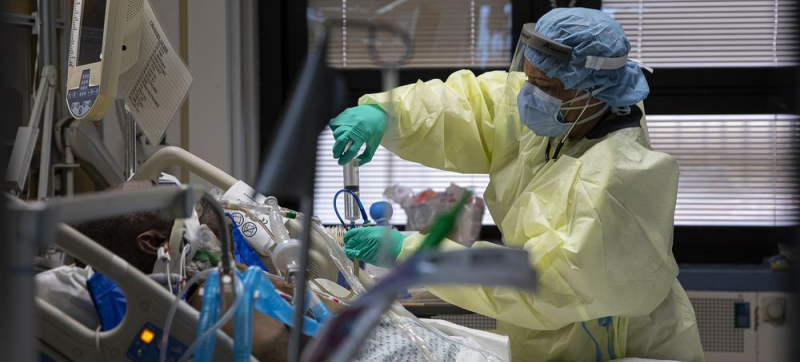
Augst 20th – The US FDA holds on Emergency Use Authorization for convalescent plasma the treatment of COVID–19, with health regulators stating the “importance of robust data through randomized control trials” and “that a pandemic does not change that”. Apparently the emerging data on the treatment was “too weak”
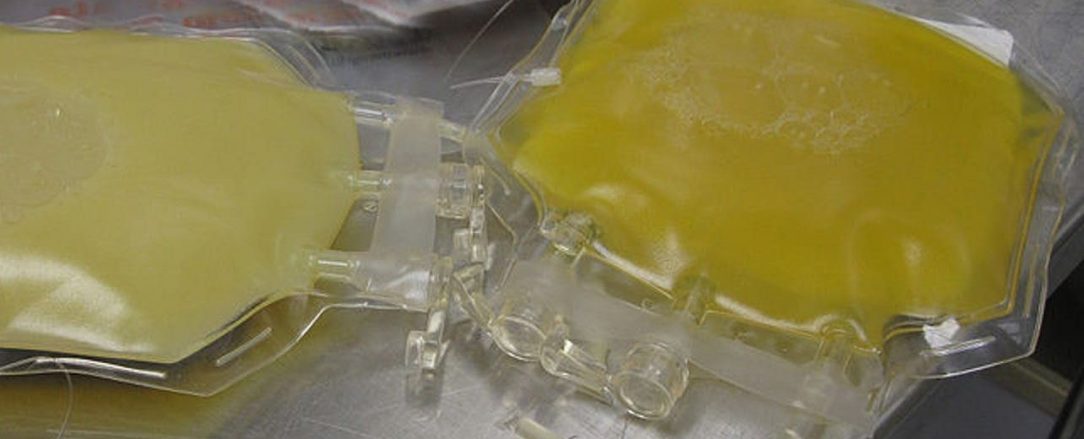
August 23rd – The US FDA issued “Emergency Use Authorization for convalescent plasma as potential promising COVID–19 treatment, Another Achievement in Administration’s Fight Against Pandemic” (Source). What a difference 3 days and no data makes….

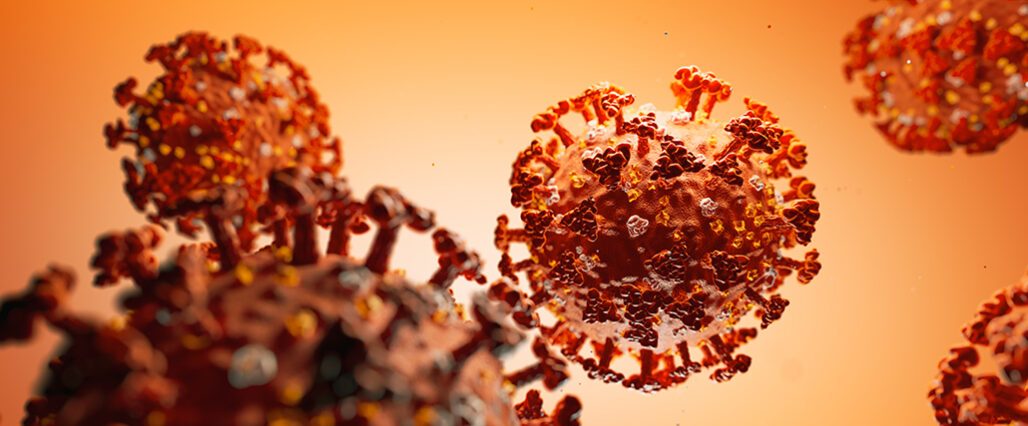
August 24th – A 33 year old man in Hong Kong became the first confirmed case of coronavirus reinfection (additional cases have been confirmed). Humans appear to have a short immunity to COVID-19 (2-3 months, similar to influenza).
In the world of Parkinson’s research, a great deal of new research and news was reported:

In August 2020, there were 890 research articles added to the Pubmed website with the tag word “Parkinson’s” attached (6,948 for all of 2020 so far). In addition, there was a wave to news reports regarding various other bits of Parkinson’s research activity (clinical trials, etc).

The top 6 pieces of Parkinson’s news

Continue reading “Monthy research review – August 2020”

Can sigma-1 get it done?

# # # #

An Australian charity seeking to find disease modifying therapies for Parkinson’s – The Shake It Up Australia Foundation – has announced a commitment to partially fund a clinical trial with a biotech firm called Anavex Life Sciences.

The trial will focus on a drug called ANAVEX2-73 (also known as ‘blarcamesine’). This experimental treatment is a Sigma-1 receptor agonist

In today’s post, we will discuss what the Sigma-1 receptor does, we will review some of the Parkinson’s research that has been conducted on this protein, and we will discuss what we know about the potential trial.

# # # #


A man on a mission. Source: Goulburnpost

The gentleman in the photo above is named Clyde Campbell.

True blue Aussie, innovative robotics engineer, keen sportsman, and all round nice guy.

Clyde also has Parkinson’s, which was diagnosed in 2009 after he noticed a tremor in his left hand while holding notes at a business meeting. After dealing with the initial shock of this life changing event, he turned his attention to doing something about it.

Clyde simply could not sit still and not do anything about his situation, so he grabbed the bull by the horns and decided to shake things up.In 2011, Clyde (and his brother Greg) founded a charity called the Shake It Up Australia Foundation:

Since its founding, the foundation has supported 38 Parkinson’s research projects across 12 institutes, with over AUS$11.5 million in funding. In addition, the organisation is a key partner in the Australian Parkinson’s Mission (Click here to read a previous SoPD post on this project).

To learn more about Clyde, watch this video where he shares his story:

This week the Shake It Up Australia Foundation made a big announcement.

What did they say?

Continue reading “Can sigma-1 get it done?”

The ibuprofen post

# # # #

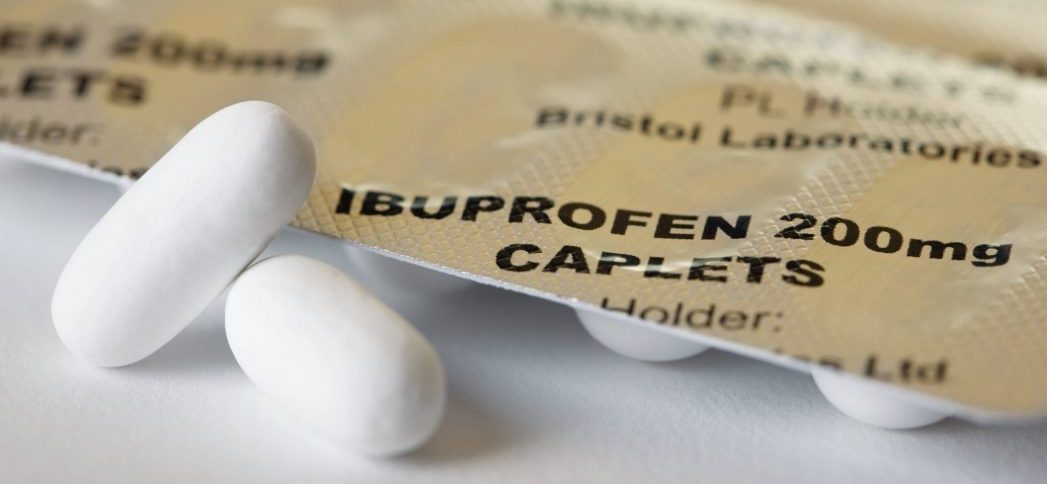
Ibuprofen is a nonsteroidal anti-inflammatory drug that is used for treating pain, fever, and inflammation.

Previous preclinical research has demonstrated that ibruproen has the ability to reduce the loss of neurons in models of Parkinson’s, and epidemiological data suggests that it may lower the risk of actually developing the condition.

Recently published research points towards a specific sub-set of individuals vulnerable to Parkinson’s that ibuprofen may be particularly useful for: LRRK2-genetic variant carriers.

In today’s post, we will discuss the origins of ibruprofen, review some of the previous research indicating neuroprotective properties, and do a deep dive into the new LRRK2 data.

# # # #


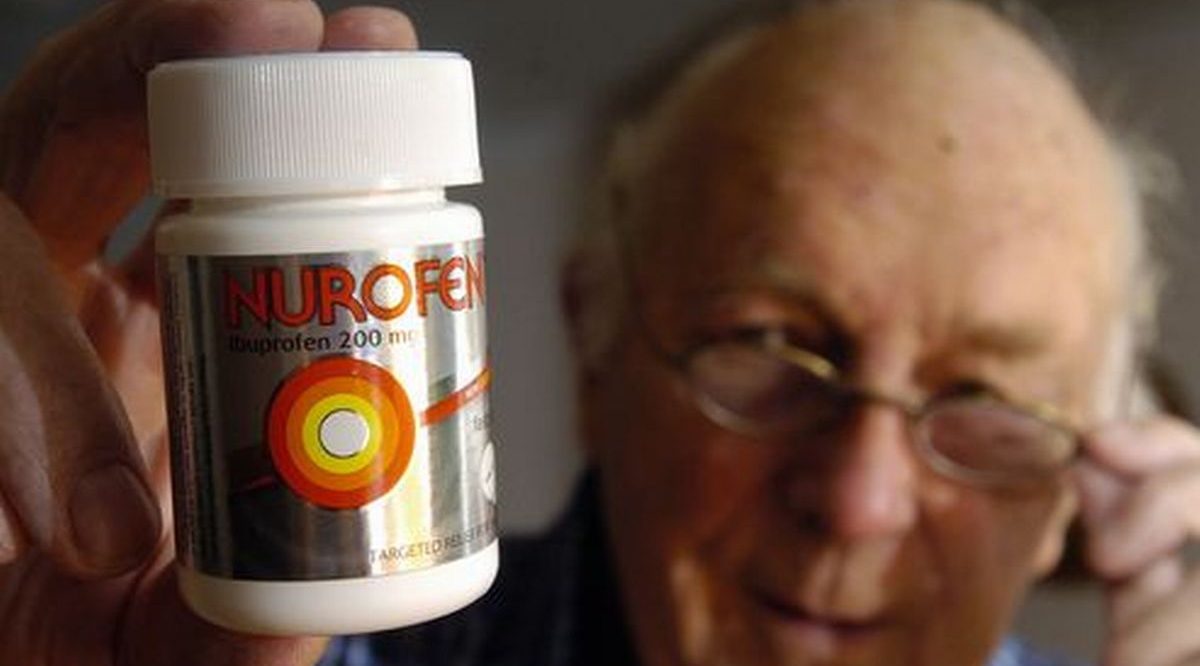
Source: BBC

This story starts in 1953.

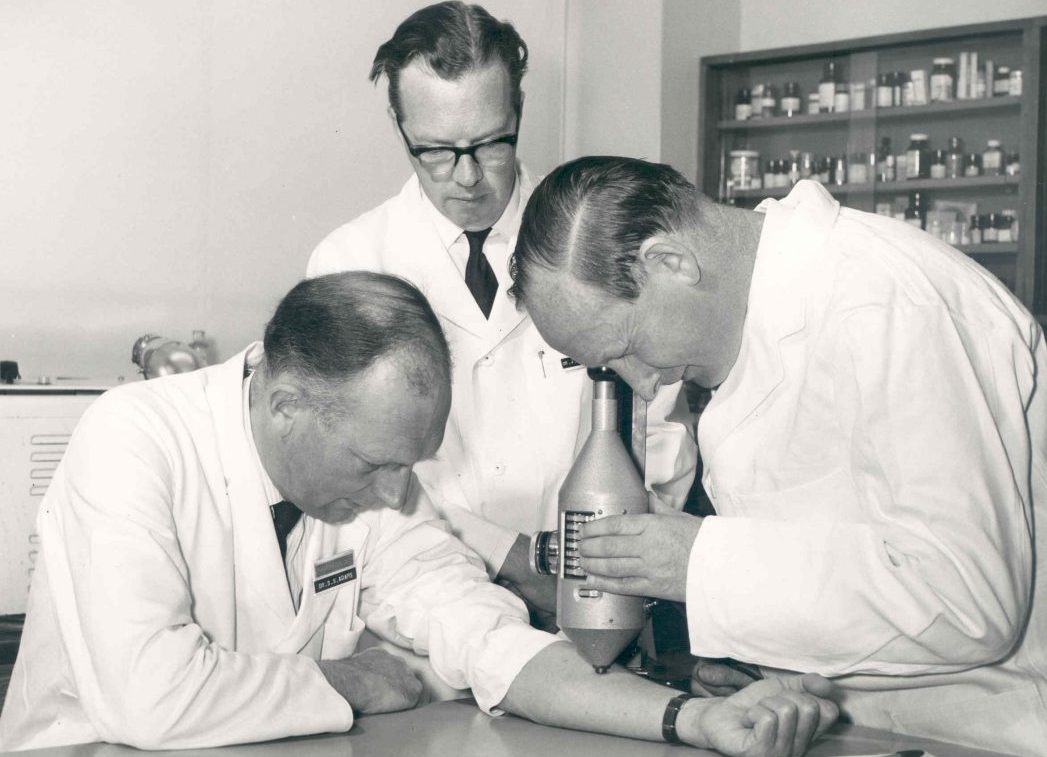
And it begins with two chemists – Stewart Adams and John Nicholson (Stewart is the chap in the banner photo at the top of this post holding the container of pills) – who were both working for Boots, a health/beauty retailer and pharmacy chain in the UK.

Source: Boots

Stewart and John were on a mission: To produce a new drug for rheumatoid arthritis.

You see, in 1953 there were only two drugs available for treating inflammatory pain: a corticosteroid drug and high dose aspirin. And neither of them was ideal. The chemists started their quest by looking for the activity of variations of aspirin, hoping to find a powerful alternative.

Adams (left) & Nicholson (middle). Source: Boots

Their search was not easy – it took 16 years and they screened over 20,000 molecules – but output of that effort was a drug called ibuprofen (sold under ‘Brufen’).

Legend has it that Adams initially tested the drug on himself as treatment for a particularly bad hangover (Source).

Ibuprofen was launched on the 3rd February 1969 as a treatment for rheumatoid arthritis in the United Kingdom, and it was introduced in the United States in 1974. It went on to become one of the most prescribed drugs in history and it is still widely used. In fact in 2015, Boots UK sold an average of one pack of ibuprofen every 2.92 seconds and, across all UK retailers, the sales figures for the medicine reached over £150 million.

This is all very interesting, but what does it have to do with Parkinson’s?

Continue reading “The ibuprofen post”

Monthy research review – July 2020

# # # #

At the end of each month the SoPD writes a post which provides an overview of some of the major pieces of Parkinson’s-related research that were made available during July 2020.

The post is divided into seven parts based on the type of research:

  • Basic biology
  • Disease mechanism
  • Clinical research
  • New clinical trials
  • Clinical trial news
  • Other news
  • Review articles/videos

# # # #


What happened in July 2020?

In world news:

July 1st – With the introduction of the new national security law, academics in Hong Kong expressed concern about being able to recruit talented researchers and to import critical high tech equipment (due to international sanctions – click here to read more about this).

July 16th – Six year old Bridger Walker gained social media fame after saving his sister from being attacked by a charging dog. Bridger was bitten several times on the head and face, requiring 90 stitches. Celebrities praised his brave actions:


July 17th – Capt Sir Tom Moore was knighted – what a legend! (Click here to read more about this).

July 25th – A record high temperature of 21.7°C (71.1°F) is recorded on the Arctic archipelago of Svalbard, according to the Norwegian Meteorological Institute.

July 31st – Researchers reported that human sperm do not swim the way we thought they did (rather rolling and lopsided tail flicks keep the cells moving in a straight line – click here to read more about this).

In the world of Parkinson’s research, a great deal of new research and news was reported:

In July 2020, there were 753 research articles added to the Pubmed website with the tag word “Parkinson’s” attached (6058 for all of 2020 so far). In addition, there was a wave to news reports regarding various other bits of Parkinson’s research activity (clinical trials, etc).

The top 5 pieces of Parkinson’s news

Continue reading “Monthy research review – July 2020”

Smarter than the average björn

# # # #

Certain life-style and environmental factors may render individuals more vulnerable to Parkinson’s, and a better understanding of them could aid in effects to reduce the incidence of the condition.

Some of these risk factors (such as smoking and drinking coffee – PLEASE DO NOT START SMOKING!) can reduce the risk of developing Parkinson’s, while others such as exposure to pesticides can increase the chances of PD.

Recently, researcher in Sweden have made a rather curious association: High IQ is associated with Parkinson’s

In today’s post, we will discuss the results of this new study and we will speculate a little with regards to what they could mean for Parkinson’s.

# # # #


Lund. Source: Copenhagen-travel

When I was younger and less beautiful, I spent half a decade of my life enjoying the charms of a small Swedish city called Lund.

I was there to do a PhD (the chance of a life time for a simple country boy from the back-waters of third world New Zealand), but I absolutely fell in love with the place (a quiet, cobble-stoned, academic town) and the local customs.

Source: Beaps

Life in Sweden was really good. They had a fantastic quality of life, but more importantly they encouraged a very strong sense of social consciousness, inclusion, and justice.

But there was one aspect of ‘svenska livet’ that surprised me.

Despite a strong military history, Sweden chose to adopt a policy of neutrality in 1815 and it has not taken part in any armed warfare since that time (with the exception of peacekeeping). And yet, the country has maintained mandatory military service (in Swedish: värnplikt) for men since 1901 (the practice was paused between 2010 and 2017, but has subsequently been restarted on a reduced level).

Interesting, but what does mandatory military service have to do with Parkinson’s?

Continue reading “Smarter than the average björn”

Does Parkinson’s have us by the short and curli?

# # # #

For a some time, issues with the gastrointestinal system has been associated with Parkinson’s. For example, gut-related complaints – such as constipation and irritable bowel syndrome – are believed to be risk factors for developing the condition.

Researchers have recently been exploring the bacteria that inhabit the gastrointestinal system in the hope of identifying species of microbes that could be directly influencing the condition. Exactly how these tiny organisms might be doing that, however, remains a mystery.

Now researchers have focused their attention on a particular type of protein that is being produced by some of those bacteria. It is called curli.

In today’s post, we will discuss what curli is, explore what functions it has, and do a deep dive into some of the data suggesting it could be involved with Parkinson’s.

# # # #


Me. In a skirt. Eating dirt. Not my worst moment. Source: Drqaisrani

It has to be said that our gastrointestinal systems are incredibly robust.

When I think of all the rubbish I put down my throat as a toddler (and then of all the rubbish I put into my gut as an adult) I am bewildered as to how that 30 feet of digestive machinery is still functioning. And yet it does.

Reasonably well, at least. There is that whole ice cream thing, but let’s not dwell on that (Click here to learn more about that).

Something’s missing in my life. Source: Morellisices

Despite all the accolades for its robustness, our guts do represent one of the greatest opportunities for foreign organisms to invade our bodies. It is a very supportive, resource-rich environment for many microbes, and they can easily take up residence without us even knowing.

Source: Huffington Post

And this is an important aspect of our guts, as it is becoming increasingly clear that some of these uninvited guests can have a very negative impact on our bodies.

Recently, there are been a huge amount of attention in Parkinson’s research focused on the gut and the bacteria that live within it for this very reason.

But what is the connection between the gut and Parkinson’s?

Continue reading “Does Parkinson’s have us by the short and curli?”

Ptbp1: “One and done”(?)

# # # #

Recently a lot of media attention has been focused on a new study that reported the replacement of lost dopamine neurons in a mouse model of Parkinson’s, which resulted in the correction the associated behavioural/motor issues.

The researchers involved achieved this amazing feat by simply reducing a single protein in a special type of helper cell in the brain, called astrocytes. By lowering the levels of the protein, they were able to transform the astrocytes into dopamine neurons.

Intriguingly, the study represented independent replication of a previous study that demonstrated a similar result – transformation of astrocytes inside a mouse brain into dopamine neurons by reducing a single protein.

The protein in both studies is called Ptbp1, and in today’s post we will discuss what this protein does, what the new study found, and what the implications of this work could be.

# # # #


Source: Howtogeek

Earlier this year, I stated in my 2020 wish list for Parkinson’s research (Click here to read that post) that one of the big themes I was hoping to see more of was further research on regenerative approaches for the condition.

We have discussed this a few times, but any “curative” treatment for Parkinson’s will require 3 components:

  1. A disease halting mechanism – to slow/stop the progression of the disease
  2. A neuroprotective agent – to protect the remaining cells & provide a nurturing environment for,
  3. Some form of restorative/regenerative therapy – replacing what has been lost

Now the encouraging news is that if you look at the SoPD “The Road Ahead: 2020” post, you will see that there is a great deal of research being conducted on all three of these components at the clinical stage (in addition to vast amounts of work on the preclinical level).

But it is fair to say that the bulk of the clinical research being conducted on restorative therapy for Parkinson’s is centred around the transplantation of stem cell-derived dopamine neurons to replace the cells that have been lost in Parkinson’s (click here to read a recent SoPD post on this topic).

Embryonic stem cells in a petridish. Source: Wikipedia

In my wish list for 2020, I was hoping to see regenerative approaches beyond the well trodden path of cell transplantation (growing cells in culture and then injecting them into the brain).

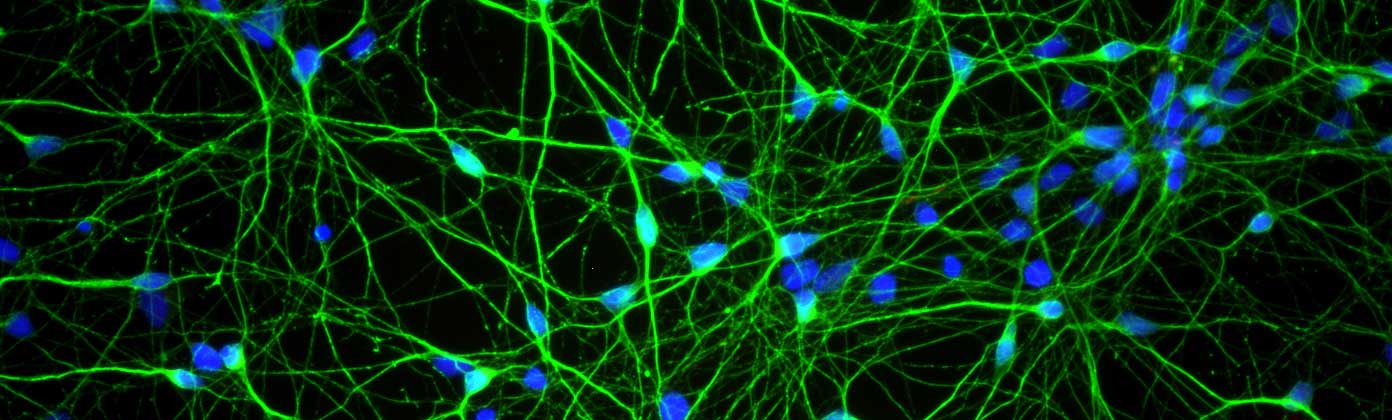
Dopamine neurons (green) in cell culture. Source: Axolbio

Rather, I was hoping to see more research on new regenerative approaches that target/manipulate endogenous pathways in the brain – forcing changes within the central nervous system itself.

I didn’t have high expectations in this department, but I have to admit that now I have been pleasantly surprised by the number of research reports that have been published thus far this year highlighting novel regenerative approaches. We have discussed several of them here on the SoPD already (Click here and here for examples), and today we are going to review another which was recently published in the prestigious scientific journal Nature.

This is what all the news papers have been talking about?

Indeed. There has been a lot of media attention focused on this research report.

So what does the new study report?

Continue reading “Ptbp1: “One and done”(?)”

The hunt for a vaccine

# # # #

This week, the biotech firm AFFiRiS published the long awaited results of their Phase 1 clinical trial evaluating a vaccine for Parkinson’s. The vaccine – called PD01A – targets a protein that clumps/aggregates together in certain neurons in the brains of people with Parkinson’s.

The multi-year study suggests that the treatment is safe and tolerated. In addition, it causes the immune system to generate antibodies that target the aggregated form of alpha synuclein.

And while it must be remembered that this is a small, open-label study, there are some intriguing statements made in the report.

In today’s post, we will discuss what PD01A is, review the results of the clinical study, and explore what happens next.

# # # #


Source: NHI

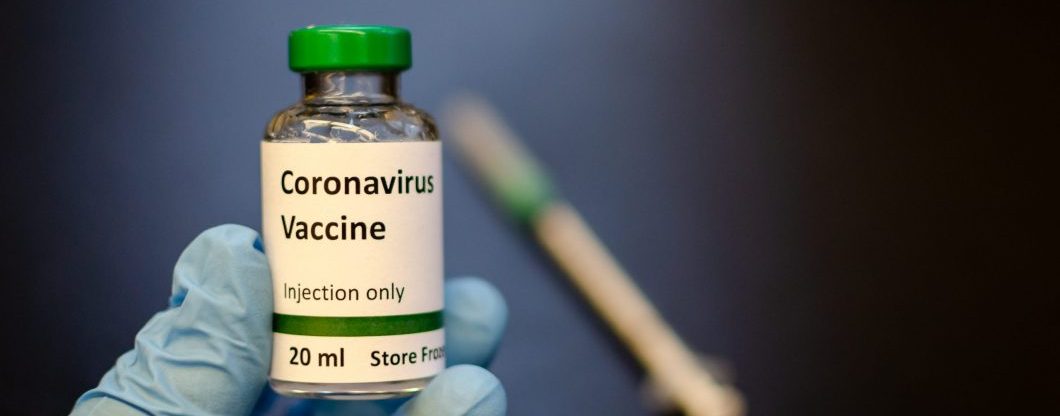
As the world awaits the development of a vaccine that will combat COVID-19, the neurodegenerative research community has quietly been watching a biotech company in Austria that has been developing a vaccine of a different sort: A vaccine for Parkinson’s.

The company is called AFFiRiS:

Source: Twitter

And this week they published the results of their Phase 1 safety/tolerability clinical trial of their immunotherapy treatment (PD01A) that they are testing in people with recently diagnosed Parkinson’s.

What is immunotherapy?

Continue reading “The hunt for a vaccine”

Dexamethasone for Parkinsons? Not so elementary my dear Watson

# # # #

Artificial intelligence (AI) is being applied by scientists to all aspects of Parkinson’s research. From drug discovery to protein folding, the power of these supercomputers is being utilized and it is starting to bear interesting pieces of fruit.

Recently a group of scientists in Toronto (Canada) have reported a study using AI to identify clinically available drugs that may reduce the risk of developing Parkinson’s (or slow it onset).

Specifically, using IBM’s Watson super computer, they screened through a medical records database (the Ontario Drug Benefit), and identified several classes of drugs that reduced the risk of developing PD.

In today’s post, we will review the results of the recent report and consider the implications.

# # # #


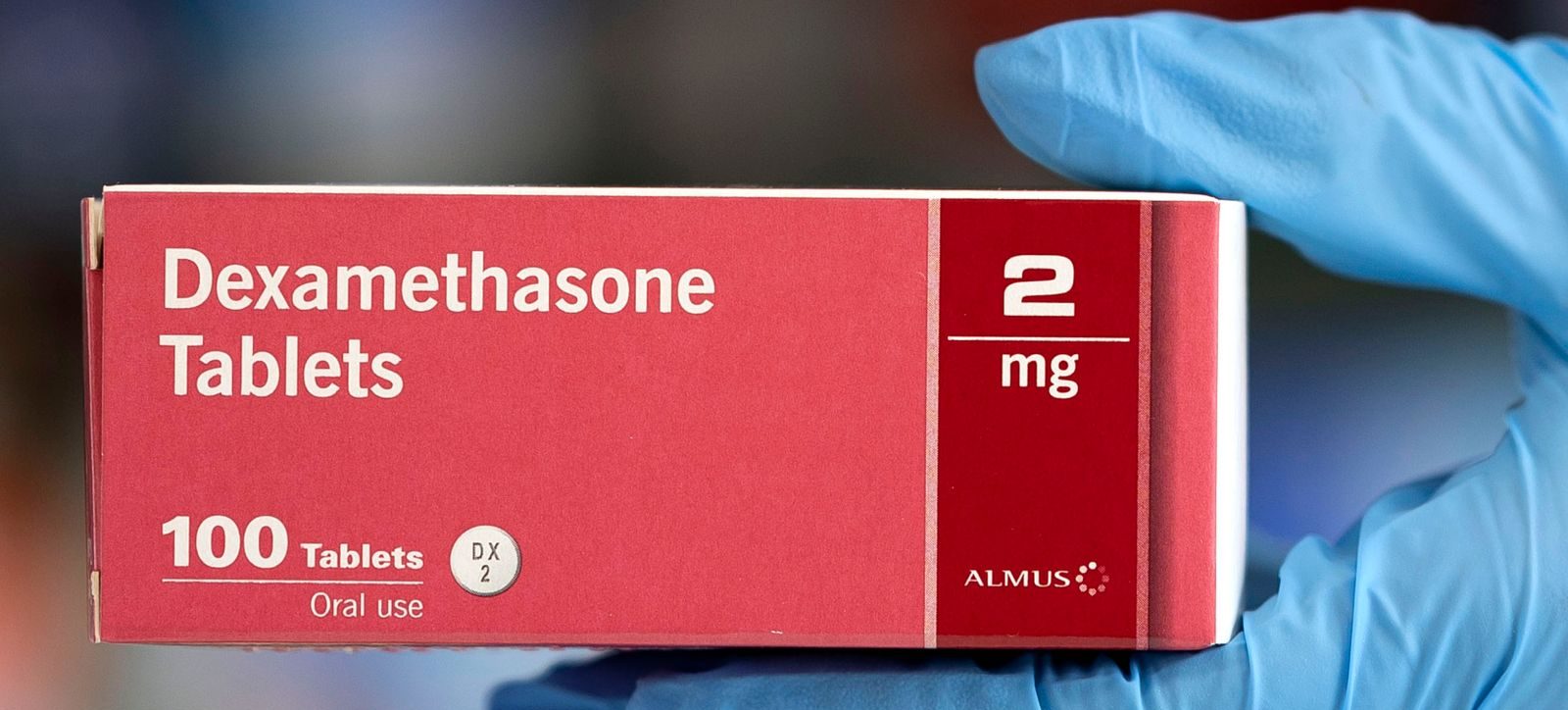
Dexamethasone. Source: Sky

This week we received fantastic news from the coordinators of the UK RECOVERY Trial that they have identified an agent that appears to have a significant impact on improving survival for individuals affected by COVID19 infections.

The RECOVERY (Randomised Evaluation of COVid-19 thERapY) trial – launched across 175 NHS hospitals in the UK in March – is one of the world’s largest randomized, controlled trials for coronavirus treatments (Click here to read more about this details of the trial). The study currently has more than 11,000 patients enrolled and it is evaluating 6 agents for their ability to combat the COVID-19 virus, SARS-CoV-2.

This week the researchers conducting the study announced that the corticosteroid dexamethasone – a medicine that reduces inflammation by mimicking anti-inflammatory hormones produced by the body – was able to reduced the risk of dying in infected individuals (on receiving oxygen therapy but were not on ventilators) by 20%. The agent had no effect on people with less severe cases of COVID-19.

Source: Bloomberg

It is a remarkable achievement – involving 2,100 patients who received the drug at a low-to-moderate dose of 6 milligrams per day for 10 days and were compared against approximately 4,000 patients who received standard care for the coronavirus infection (UPDATE 22/6/2020: a manuscript of the result is now avaiable – click here to read it).

Yeah, it’s brilliant. But what does this have to do with Parkinson’s?

Well, very recently dexamethasone has been identified as potentially having an effect on another medical condition.

Care to take a wild guess as to which condition that might be?

Continue reading “Dexamethasone for Parkinsons? Not so elementary my dear Watson”

Oligodendrocytes?!?

# # # #

Oligodendrocytes are a supportive cell in the brain. They produces a protective coating – called myelin – which insulates the primary projecting branch of neuronal (called axons) and aids in the rapid transmission of signals in the brain.

Medical conditions associated with these cells include the inflammatory condition of multiple sclerosis. It is fair to say that oligodendrocytes have been largely neglected in the context of Parkinson’s research.

But that might be about to rapidly change.

In today’s post, we will discuss what oligodendrocytes do, and explore new research that may point towards a role for oligodendrocytes in Parkinson’s.

# # # #


Source: Youtube

The name “oligodendrocyte” comes from the Greek.

‘Oligos’ (ολιγος) meaning small or little; ‘dendros’ (δενδρος) meaning tree or bush; and ‘kytos(κύτος) meaning ‘cavity’ or ‘cell’.

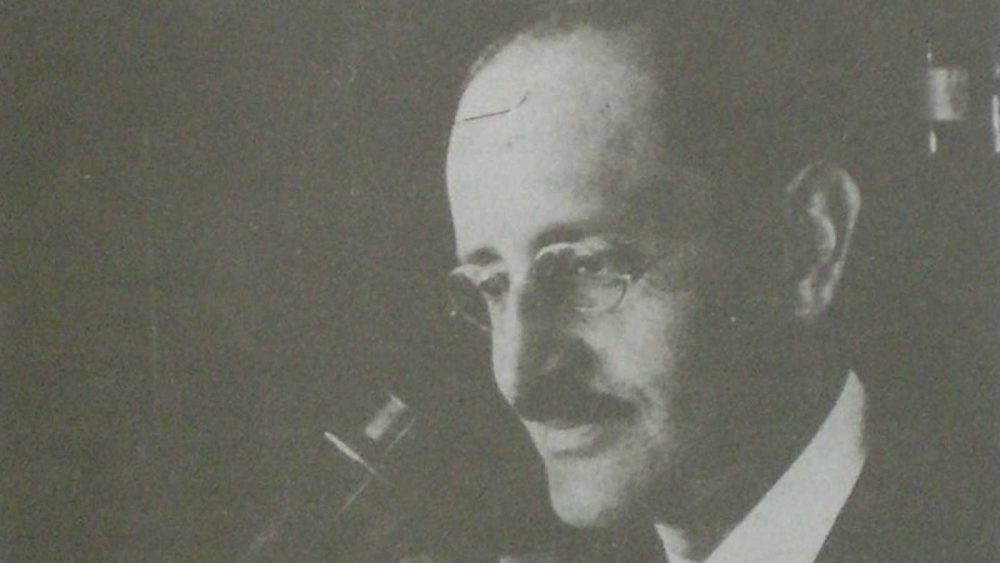
The name was given to cells in the brain with small branches by the Spanish neuroscientist Dr Pío del Río Hortega (1882–1945):

Pío del Río Hortega. Source: RTVE

Del Río Hortega developed a staining method that allowed him to differentiate what the great Ramón y Cajal referred to as the “third element” of cells in the brain. Initially calling them “interfascicular cells”, Del Río Hortega later changed the name to oligodendroglia.

Title: La glía de escasas radiaciones (oligodendroglía).
Author: Del Río-Hortega P.
Journal: Bol. Real Soc. Esp. Hist. Nat.(1921). 21, 63–92.
PMID: N/A

(For those who would like to read more about Pio del Río-Hortega – click here for an excellent review)

Cool. But what do oligodendrocytes do?

Continue reading “Oligodendrocytes?!?”