At last: Selnoflast

# # # #

One of the most common questions I get from SoPD readers is what’s new with inflammasome research? Another version of this question is where are the clinical trials for NLRP3 inhibitors in Parkinson’s?

Readers have become very enchanted by this new class of anti-inflammatory drugs as a potential future treatment for Parkinson’s – and there is preclinical evidence to support this vibe. But the  clinical development of these experimental therapies has been slow. 

Recently, the pharmaceutical company Roche has initiated Phase 1b testing of their NLRP3 inhibitor (called Selnoflast) in people with Parkinson’s – the first in this class. 

In today’s post, we will discuss what the inflammasome is, how NLRP3 inhibitors work, and what the new clinical trial involves.

# # # #


On the 21st September 2020, the website for an Ireland-based biotech company called Inflazome suddenly disappeared. In its place was a single page, that stated the large pharmaceutical company Roche had purchased the biotech firm and taken on all of its inflammasome-targeting intellectual property (Source).

This was a big deal for folks who were watching the inflammasome research world. It suggested that the big players (pharma) were now interested in this space ($449 million interested in the case of Inflazome). And since then, there has been a rush of other pharma companies buying or developing inflammasome-targeting agents.

The Inflazome purchase was also interesting because the company was targeting Parkinson’s as one of their indications of interest.

And it would appear that Roche is now following up on this interest, having initiated a clinical trial program focused on inflammasomes in Parkinson’s.

Hang on a second. Remind me, what are inflammasomes?

Continue reading “At last: Selnoflast” →

Would the real James Parkinson please stand up

# # # #

In today’s post, we will discuss a common mistake that is made in presentations about Parkinson’s disease. 

# # # #


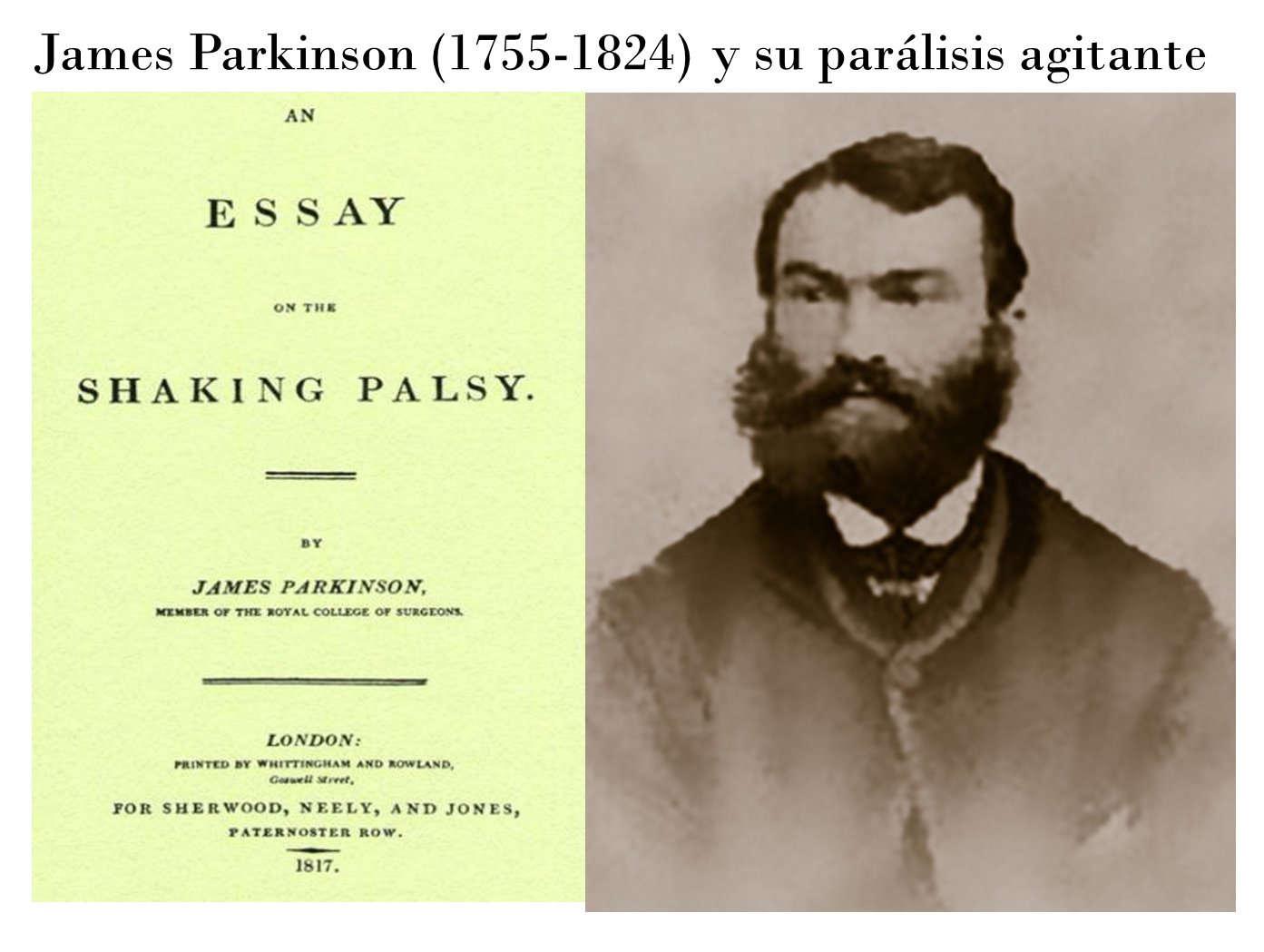
I was recently listening to a public lecture on the topic of Parkinson’s, and the presenter (who shall remain nameless) started with a slide that showed this image:

And they began with the grand proclamation that “this is Dr James Parkinson, after whom the condition of Parkinson’s disease is named“.

As they said these words, my blood boiled.

Why?!?

There were two things terribly wrong with their statement.

  1. James was not a doctor – In the 18/19th centuries, “doctors” in England had to undergo formal university training to gain possession of a degree in medicine before they could begin to practice medicine. James never went to university, and thus, he was not a “doctor”. Rather, James was an apothecary – like his father – which is a medical professional who formulated and dispensed remedies. Today he would be called a ‘pharmacist’ or ‘chemist’. But back in the 17/1800s, apothecary prepared and administered medicines.

Ok. And what was number 2?

2. The image is not James Parkinson of Parkinson’s disease fame.

Oh, I see. Who is it then?

It is a James Parkinson. But it’s not our James Parkinson.

Huh?

Continue reading “Would the real James Parkinson please stand up” →

The trans-omics of -omics

# # # #

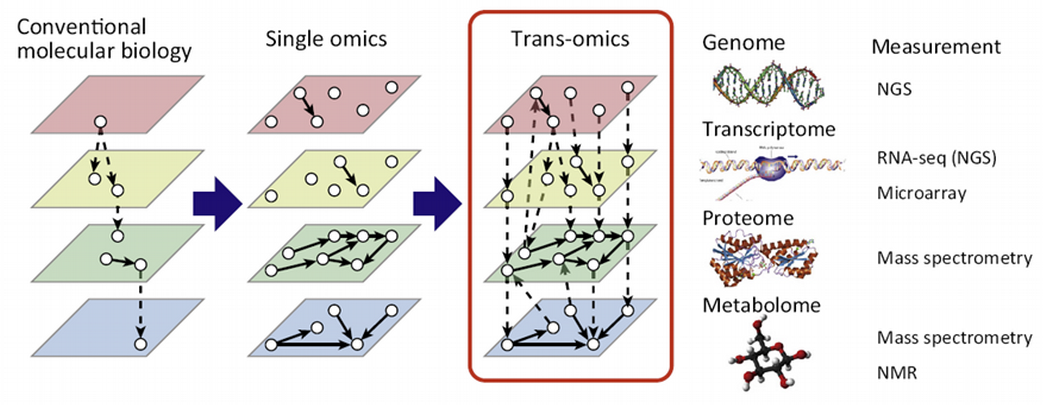
“Precision medicine” is an emerging model of therapeutic intervention in which treatment options are tailored to a specific subtype of a condition or even on an individual patient-based metric that involves an intergrated analysis of his/her comprehensive “-omics” data.

Many different methods of stratifying patients have been proposed and many of them involve adding the word “-omics” to the end of their labels. But these efforts may start to pay big dividends in clinical trials exploring potentially disease modifying therapies in the not too distant future, including in the case of Parkinson’s.

In today’s post, we will look at one such clinical study exploring better patient stratification in Parkinson’s.

# # # #


The original “Make America Great Again”. Source: NYTimes

I think it all started with Ronald Regan.

But I’m not really too sure.

Or more specifically, not Reagan himself, but rather the 1980s conservative radio broadcaster Paul Harvey.

Paul Harvey. Source: Youtube

You see, Harvey was the person who apparently came up with the portmanteau “Reaganomics“. People liked the play on words and thought that it was a clever little label to explain a rather complex subject. But the name kicked off a barrage of imitators with every man and his dog coming up with their own version of -omics.

And scientists really got carried away with the adoption of different kinds of -omics. Every field of research it seems has continuously been inventing new “-omics”. There’s even a wikipedia page for all the different kinds of -omics, and their use has changed our speecheomics (and yes, that really is an actual word).

I am used your posts having odd starting points, but where exactly is this intro going?

Well, I needed to introduce that idea of “-omics” in order for the rest of this post to work.

Oh I see. So what do we mean by -omics?

Continue reading “The trans-omics of -omics” →

Disease modification-ish

# # # #

Semantics matters – particularly regarding our communication on ideas like “disease modification” for neurodegenerative conditions.

There is a big difference between “disease eradication” (zero worldwide incidence), “disease correction” (the halting/reversing of progression) and “disease modification” (improving the trajectory of disease).

Recently, researchers in Japan have demonstrated “disease modification” in motor neuron disease with a form of vitamin B12.

In today’s post, we will review this new research and discuss how it could be relevant to Parkinson’s.

# # # #


Source: LexFridman

During labourious household chores (think: washing the dishes, hanging laundry, or spending time with my daughter), I am usually listening to an audiobook or podcast. One favourite podcast is that of Dr Lex Fridman – an AI researchers at MIT who interviews interesting individuals and discusses a broad range of topics (from neuroscience to weird stuff like aliens, and the meaning of life often gets dragged in as well).

In episode #158, Lex spoke with Zev Weinstein (15 year old son of Prof Eric Weinstein) and I was really struck with how eloquently this young man spoke about philosophy and science, but also the communication of ideas.

Source: Youtube

And at one point in the discussion, Zev said: “Many underestimate the extent to which language and communication really impacts and shapes the ideas and thoughts that are being communicated, and I think if we are willing to accept imperfect labels to categorize particular people or thoughts, in some sense we are corrupting an abstraction in order to represent it and communicate about it. And I think, as we have discussed, those abstractions are particularly important when everything is on fire” – Zev Weinstein (18.03 minutes into the video). The interview occurred in early 2021 around the events of 6th January, hence the “everything on fire” reference.

But the words on “corrupting an abstraction in order to represent it and communicate about it” resonated with me.

And it got me thinking.

Thinking about what?

Continue reading “Disease modification-ish” →

Monthly Research Review – October 2022

# # # #

At the end of each month the SoPD writes a post which provides an overview of some of the major pieces of Parkinson’s-related research that were made available during October 2022.

The post is divided into 10 parts based on the type of research:

# # # #


So, what happened during October 2022?

In world news:

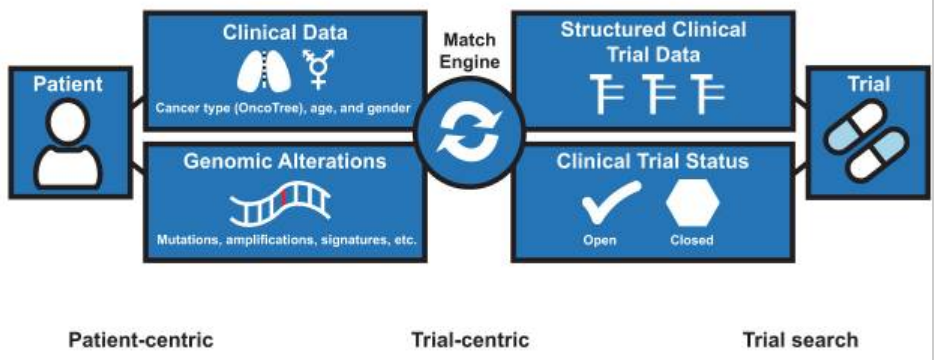
6th October – An open source platform (called “MatchMiner“) which matches genomically profiled cancer patients to precision medicine drug trials is presented (Click here and here to read more about this).


7th October –  Neuroscientists report experimental MRI results suggesting that brain functions operate non-classically and their data may support the idea of quantum mechanisms being involved in consciousness as the signal pattern declined when human participants fell asleep (Click here to read more about this).


16th-23rd October – The 20th National Congress of the Chinese Communist Party is held. Xi Jinping is elected as General Secretary of the Chinese Communist Party by the Central Committee, beginning a third term as the leader of China.


20th October – UK Prime Minister Liz Truss resigned after 45 days in the role.


28th October – Elon Musk completed his $44 billion acquisition of Twitter.


In the world of Parkinson’s research, a great deal of new research and news was reported:

In October 2022, there were 902 research articles added to the Pubmed website with the tag word “Parkinson’s” attached (9786 for all of 2022 so far). In addition, there was a wave to news reports regarding various other bits of Parkinson’s research activity (clinical trials, etc).

The top 5 pieces of Parkinson’s news

Continue reading “Monthly Research Review – October 2022” →

PWP: Parrots with Parkinson’s?

# # # #

Lewy bodies are densely packed aggregates of proteins and lipids that can be found in some neurons in the brain of many people with Parkinson’s. They have long been considered a cardinal feature of the Parkinsonian brain.

To date, humans are the only species that have displayed evidence of Lewy bodies.

But very recently new data has suggested that Lewy body-like pathology might not be so human-specific.

In today’s post, we will discuss what are Lewy bodies are and explore the new research report suggesting that they might not be unique to humans. 

# # # #


Source: Theanimalfacts

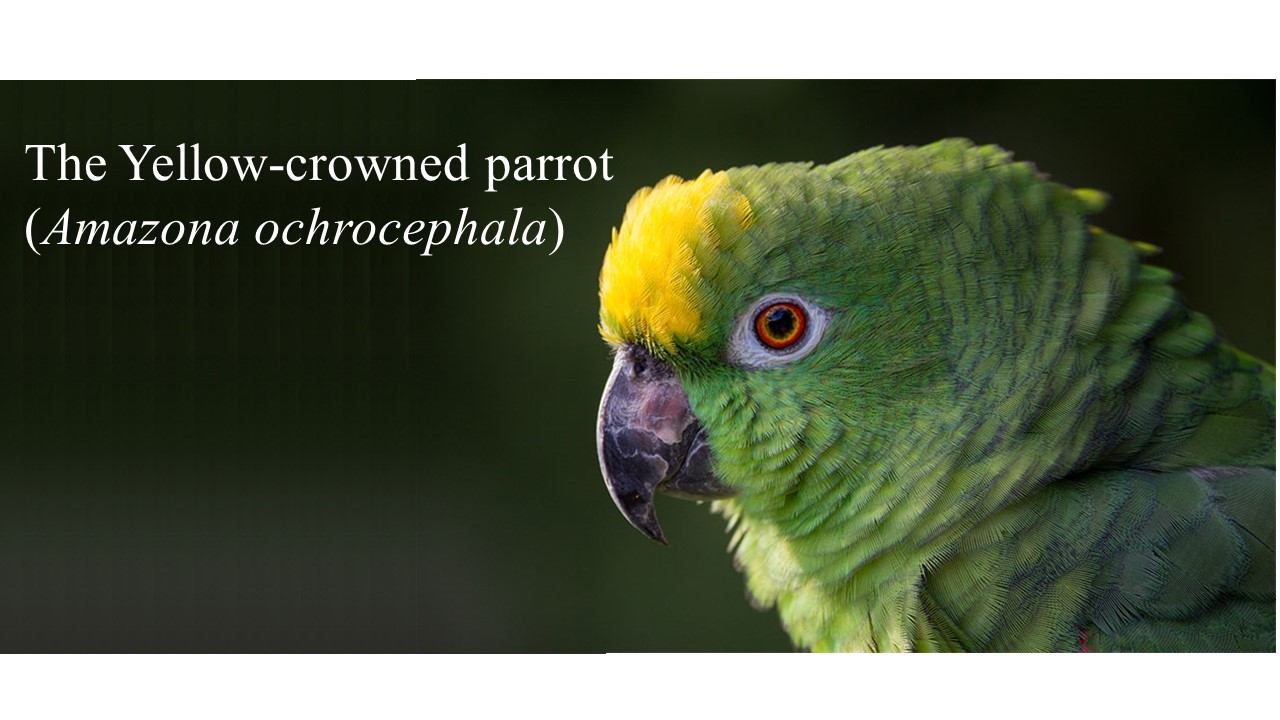
The yellow-crowned parrot are remarkably similar to humans.

They have a lifespan of 60 to 80 years (in captivity; 20 to 30 years in the wild), and they are monogamous in their pairing, with pairs often remaining together for life. And they are rather vocal (but curiously they don’t have vocal cords).

Ok, their courtship is slightly different to humans (it involves lots of bowing, drooping, flicking of wings, raising of feet, and dilating of pupils) and chocolate is extremely poisonous to them.

But by and large, they are remarkably similar to us (at least as far as birds go).

Great, but what does any of this have to do with Parkinson’s?

Continue reading “PWP: Parrots with Parkinson’s?” →

Monthly Research Review – August 2022

# # # #

At the end of each month the SoPD writes a post which provides an overview of some of the major pieces of Parkinson’s-related research that were made available during August 2022.

The post is divided into 10 parts based on the type of research:

# # # #


So, what happened during August 2022?

In world news:

August 1st – Patrick, a 4 year old pony became the mayor of the Devonshire village of Cockington – a village frequented by a teenage Agatha Christie – after more than 200 people signing an online petition (Click here to read more about this).


4th August – China initiated its largest ever military exercise around Taiwan, an event that coincided with a controversial visit to the island nation by the Speaker of the US House of Representatives Nancy Pelosi, the highest-ranking U.S official to visit Taiwan since the 1990s.


15th August – Iranian President Ebrahim Raisi signed a decree to enforce the country’s hijab and chastity law. The new law resulted in a new list of restrictions on how women can dress and “women who publish their pictures without a hijab on the Internet will be deprived of some social rights for six months to one year” (Source).


18th August – The editing of multiple genes in soybean by researchers has been shown to improve photosynthesis and boost yields by 20% (Click here to read more about this).


31st August – Sincarnate’s AI (“Midjourney“)-generated work “Théâtre D’opéra Spatial” took first place in the digital category at the Colorado State Fair… and the other artists were not impressed (“We’re watching the death of artistry unfold before our eyes” – Click here to read more about this)


In the world of Parkinson’s research, a great deal of new research and news was reported:

In August 2022, there were 863 research articles added to the Pubmed website with the tag word “Parkinson’s” attached (7996 for all of 2022 so far). In addition, there was a wave to news reports regarding various other bits of Parkinson’s research activity (clinical trials, etc).

The top 6 pieces of Parkinson’s news

Continue reading “Monthly Research Review – August 2022” →

GCase: Mutants matter?

# # # #

Tiny genetic variations in a region of DNA called the GBA gene are associated with an increased risk of developing Parkinson’s. The information in the GBA gene provides the instructions for making an enzyme (called GCase) which is involved with waste disposal inside of cells.

Individuals with Parkinson’s who carry a variation in their GBA gene typically have low levels of GCase activity, so researchers have been attempting to identify therapeutic molecules that will enhance the level and activity of GCase as an approach towards slowing the progression of Parkinson’s.

Recently, however, new research has provide novel insights into how the biology of GCase pathway may be affected in individuals with Parkinson’s who carry a GBA genetic variation. 

In today’s post, we will explain what the GBA gene and GCase enzyme are, review the new research, and consider the potential implications of these findings.

# # # #


Prof Sulzer. Source: Youtube

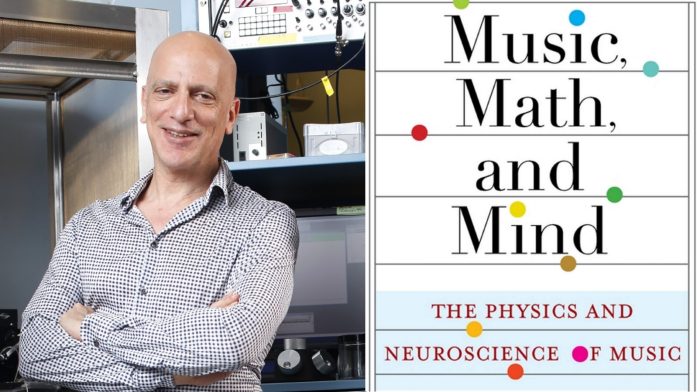
Professor David Sulzer is one individual in the scientific research community who truly fascinates me.

In addition to being at the absolute top of his game academically (he is a professor of Psychiatry, Neurology, Pharmacology at Columbia University and maintains a very large research group investigating neurodegenerative conditions), he is also a composer and musician with a discography that any professional artists would be extremely proud of (his recording alias is Dave Soldier).

He’s also written books (for example “Music Math and Mind“).

Source: Twitter

Where he finds the time to do all of these thing I do not know, but I really like the combination of art and science.

Oh, and did I forget to mention the Thai Elephant Orchestra?

I’m sorry: The what?!?

Just watch:

They have released three CDs and the band grew up to 14 elephants.

Fascinating, but what does this have to do with Parkinson’s?

Continue reading “GCase: Mutants matter?” →

Monthly Research Review: January 2022

# # # #

At the end of each month the SoPD writes a post which provides an overview of some of the major pieces of Parkinson’s-related research that were made available during January 2022.

The post is divided into 10 parts based on the type of research:

# # # #


So, what happened during January 2022?

In world news:

January 7th – COVID-19 pandemic: The number of COVID-19 cases exceeds 300 million worldwide.

January 10th – The first successful heart transplant from a pig to a human patient is reported.

January 11th to 13th – A rare rotating ice disk formation (300+ feet wide) developed on the Presumpscot River in Maine (USA) and someone thought it deserved to be on the news (and its own Twitter account).

January 15th – A large eruption of ‘Hunga Tonga’ – a submarine volcano in Tonga – triggered tsunami warnings in Australia, Canada, Chile, Fiji, Japan, New Zealand, Samoa, and the United States.

January 26th – An electronically tagged Arctic hare’s dash across northern Canada had researchers scratching their heads. The animal covered a total of 388 kilometers in 49 days – which is the longest such journey among hares and is changing how scientists think about tundra ecology.


In the world of Parkinson’s research, a great deal of new research and news was reported:

In January 2022, there were 1,073 research articles added to the Pubmed website with the tag word “Parkinson’s” attached (compared to 11,668 for all of 2021). In addition, there was a wave to news reports regarding various other bits of Parkinson’s research activity (clinical trials, etc).

The top 6 pieces of Parkinson’s news

Continue reading “Monthly Research Review: January 2022” →

The luminance of a lighthouse

# # # #

LRRK2 inhibition represents one of several biological approaches to slowing the progression of Parkinson’s that is currently being clinically tested.

Leading the charge in the development of LRRK2 inhibitors is a biotech company called Denali Therapeutics (in partnership with Biogen).

Recently, the company provided news on the immediate future clinical development plans for their lead molecule BIIB122.

In today’s post, we will look at what is going to happen next for LRRK2 inhibition.

# # # #


Source: Denali

Founded in 2013 by a group of former Genentech executives, San Francisco-based Denali Therapeutics is a biotech company which is focused on developing novel therapies for people suffering from neurodegenerative diseases.

In particular, they have been leading the charge on a new class of drugs for Parkinson’s called LRRK2 inhibitors.

What are LRRK2 inhibitors?

Continue reading “The luminance of a lighthouse” →