Keep an eye on mild TBI

Last week one of the most comprehensive analyses assessing the risk of developing Parkinson’s following mild traumatic brain injury (or TBI) was published.

Using data collected from US military veterans, the study concluded that mild TBI was associated with a 56% increased risk of developing Parkinson’s.

In today’s post, we will review the study, discuss what TBI means, and consider what implications this study could have for the Parkinson’s community.


Source: Jamesriverarmory

At a recent research conference, a young PhD student was looking at me from across the room.

Finally, she walked across to me and asked:

“Excuse me. Are you the goat guy?”

I smiled.

It had been a while since anyone had asked me this.

“Yes,” I replied, “I am the goat guy”

Let me explain:

Continue reading “Keep an eye on mild TBI”

The Mannitol results

Last week the first results of an ambitious project are being shared with the Parkinson’s community.

Clinicrowd is a “crowd sourcing platform exploring disease treatments that Pharma companies have no interest to investigate or promote”. Their initial focus was Parkinson’s (though they now have additional projects for other medical conditions), and their first experimental treatment for Parkinson’s was the sweetener ‘mannitol’.

The results provide some interesting insights into the properties of mannitol and into crowd sourced projects.

In today’s post, we will discuss what mannitol is, why it is interesting, outline the Clinicrowd project, and review the results of the mannitol study.


152386jpg

Mannitol. Source: Qualifirst

Without a shadow of doubt, one of the most popular topics searched for on this website is ‘mannitol’.

In 2017, the second most visited page on the site (behind only the main/home page) was a post called “Update – Mannitol and Parkinson’s“. And as if to put an exclamation point on the matter, the fourth most visited page was “Manna from heaven? Mannitol and Parkinson’s

Understand though, that both of these posts were actually written in 2016!

Throughout 2017-18, not a week has gone by without someone contacting me to ask about mannitol and the ‘CliniCrowd‘ project.

Thus, it brings me great pleasure to sit down tonight and write this post.

What is mannitol?

Continue reading “The Mannitol results”

To B3 or not to B3, that is the question

The results of a recent clinical study for Parkinson’s conducted in Georgia (USA) has grabbed the attention of some readers.

The study involved Niacin (also known as nicotinic acid), which is a naturally occurring organic dietary compound and a form of vitamin B3.

The study was very small, but the researchers noticed something interesting in the blood of the participants: Niacin was apparently switching some of the immune cells from an inflammatory state to an anti-inflammatory state.

In today’s post, we will discuss what Niacin is, how it relates to Parkinson’s, and we will consider some of the issues with having too much niacin in your diet.


Source: Universal

It is one of the most common requests I get:

“Can you give an opinion on this supplement ____ or that vitamin ____ as a treatment for Parkinson’s?”

And I don’t like giving opinions, because (my standard disclosure) “I am not a clinician, just a research scientist. And even if i was a clinician, it would be unethical for me to comment as I am not familiar with each individual’s medical history. The best person to speak to is your personal doctor“.

But I also don’t like giving opinions because of a terrible fear that if I write anything remotely positive about anything remotely supplemental or vitamintal (is that a word?), a small portion of readers will rush off and gorge themselves on anything that sounds remotely similar to that supplement or vitamin.

So you will hopefully understand why I am hesitant to write this post.

But having said that, the recently published results of a small clinical study conducted in Augusta (Georgia, USA) are rather interesting.

Continue reading “To B3 or not to B3, that is the question”

Two birds, one stone?

This week interesting research was published in the journal EMBO that looked at the Parkinson’s-associated protein Leucine-rich repeat kinase 2 (or LRRK2).

In their study, the researchers discovered that lowering levels of LRRK2 protein (in cells and animals) affected the ability of Mycobacterium tuberculosis – the bacteria that causes Tuberculosis – to replicate.

In today’s post, we will discuss what Tuberculosis is, how it relates to LRRK2 and Parkinson’s, and we will consider why this is potentially REALLY big news for Parkinson’s.


Daedalus and Icarus. Source: Skytamer

In Greek Mythology, there is the tale of Daedalus and Icarus.

Daedalus was a really smart guy, who designed the labyrinth on Crete, which housed the Minotaur (the ‘part man, part bull’ beast). For all his hard work, however, Daedalus was shut up in a tower and held captive by King Minos to stop the knowledge of his Labyrinth from spreading to the general public.

Source: Clansofhonor

But a mere tower was never going to stop Daedalus, and he set about fabricating wings for himself and his young son Icarus (who was also a captive).

Being stuck in the tower limited Daedalus’ access to feathers for making those wings, except of course for the large birds of prey that circled the tower awaiting the demise of Daedalus and his son. But he devised a clever way of throwing stones at the birds in such a way, that he is able to strike one bird and then the ricochet would hit a second bird.

And thus, the phase ‘killing two birds with one stone’ was born (or so it is said – there is also a Chinese origin for the phrase – Source).

Interesting. And this relates to Parkinson’s how?!?

Well, this week researchers in the UK have discovered that a protein associated with Parkinson’s is apparently also associated with another condition: Tuberculosis. And they also found that treatments being designed to target this protein in Parkinson’s, could also be used to fight Tuberculosis.

Two birds, one stone.

What is Tuberculosis?

Continue reading “Two birds, one stone?”

BIIB054: An immunotherapy update

Immunotherapy is an experimental treatment that is being tested in Parkinson’s in the hope that it will be able to slow down the progression of the condition.

This week the Pharmaceutical company Biogen provided an update regarding their immunotherapy program for Parkinson’s.

It involves a drug called BIIB054.

In today’s post we will look at what BIIB054 is, how it works, and review the results of Biogen’s first clinical trial with this treatment.


This week the 2018 American Academy of Neurology ANN Annual Meeting is being held in Los Angeles (California). The meeting is an opportunity each year for researchers to meet and share new discoveries. A lot of neuroscience-focused biotech companies use the meeting to release new clinical trial results.

And this year one result in particular has been rather encouraging.

At 3:30pm on 24th April, the pharmaceutical company Biogen made a presentation entitled “Randomized, Double-Blind, Placebo-Controlled, Single Ascending Dose Study of AntiAlpha-Synuclein Antibody BIIB054 in Patients with Parkinson’s Disease,” which provided some of the first insights into the companies immunotherapy program for Parkinson’s.

What is immunotherapy?

Continue reading “BIIB054: An immunotherapy update”

Monthly Research Review – March 2018

At the end of each month the SoPD writes a post which provides an overview of some of the major pieces of Parkinson’s-related research that were made available during March 2018.

The post is divided into four parts based on the type of research (Basic biology, disease mechanism, clinical research, and other news). 


So, what happened during March 2018?

In world news:

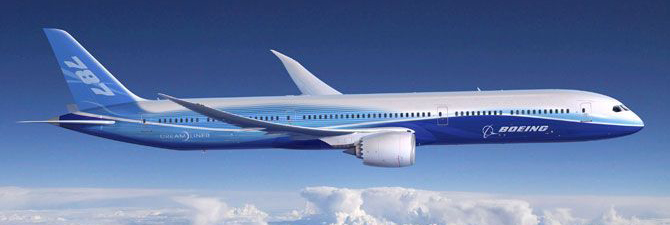
March 25th – Qantas launches direct non-stop Boeing 787 Dreamliner flights between Perth Airport and Heathrow Airport, making it the first commercially non-stop service between Australia and the United Kingdom (17 hours on a plane – strewth!).
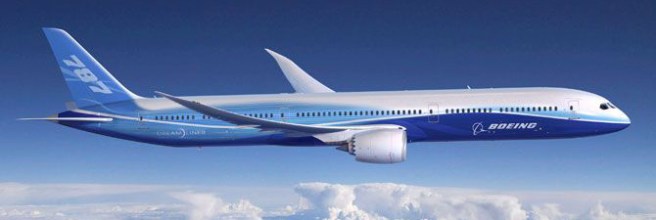
Boeing 787 Dreamliner. Source: Deredactie

March 14th – Prof Stephen Hawking, English theoretical physicist and cosmologist, sadly passed away at age 76. Diagnosed with in a very rare early-onset, slow-progressing form of Amyotrophic lateral sclerosis (ALS; also known as motor neurone disease or MND) in 1963 at age 21, he was gradually left him wheel chair bound. An amazing mind and a sad loss.

p03dn27d

Prof Stephen Hawking. Source: BBC

A funeral for Prof Hawking was held in Cambridge. The bell at Great St. Mary’s tolled 76 times at the start of the service. His remains will be cremated and his ashes will be interred at London’s Westminster Abbey near the remains of Isaac Newton.

King’s Parade in Cambridge was absolutely packed with mourners. Source: News.rthk

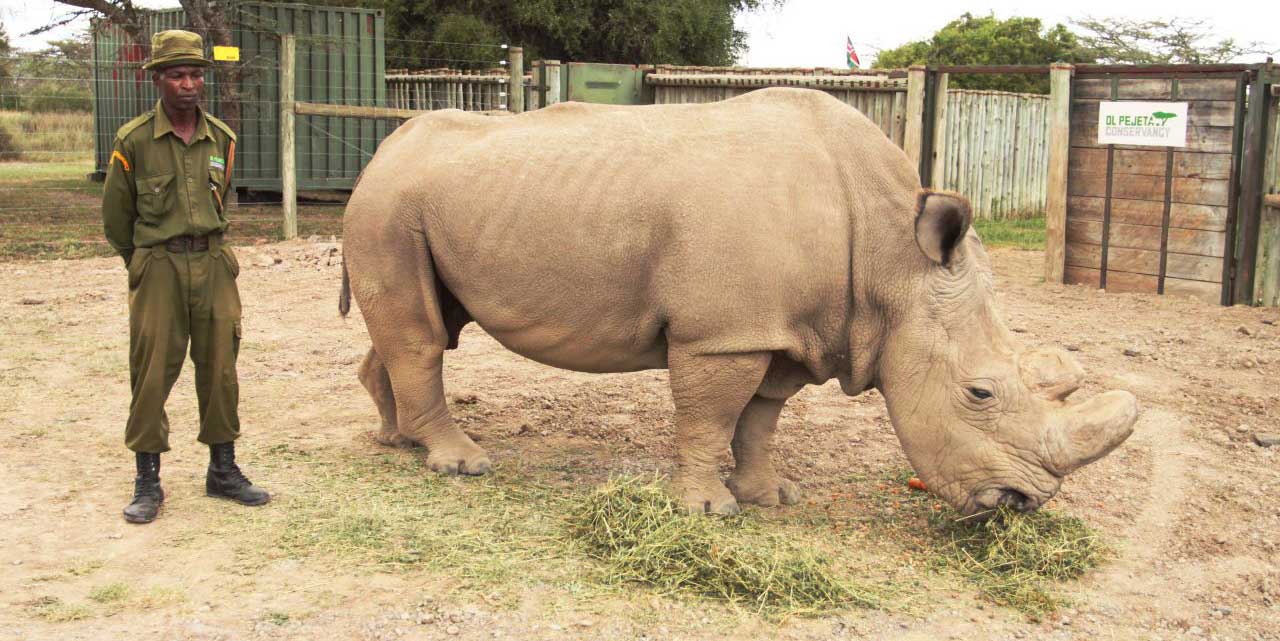
March 19th – In other sad news, ‘Sudan’, the world’s last male northern white rhinoceros died in Kenya, making the subspecies ‘functionally extinct’. Poachers had reduced the population from 2000 in the 1960s to just 15 1980s, and efforts to keep the species alive .
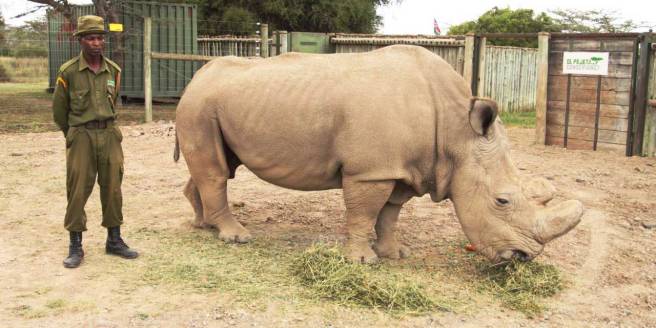
Sudan, the last surviving male northern white rhino. Source: PBS

March 24 – In over 800 cities internationally, people participated in student-led demonstrations against gun violence and mass shootings, calling for stronger gun control in the ‘March for our lives‘.

Source: Marchforourlives

And finally, on the 17th March, a driver in Milton Keynes (UK) got into big trouble with the law when he was pulled over and presented a police officer with an obvious fake drivers license (Source: Sky News):

Fake news Mr Trump? Clearly a fake. Everyone knows Homer lives at 742 Evergreen Terrace!

In the world of Parkinson’s research, a great deal of new research and news was reported:

Continue reading “Monthly Research Review – March 2018”

Making. It. Personal.

This is one of those posts (read: rants) where I want to put an idea out into the ether for someone to chew on. It starts with a very simple question:

Why is ‘the drug’ the focus of a clinical trial?

If our goal is to find beneficial therapies for people with Parkinson’s, then the way we currently clinically test drugs is utterly nonsensical.

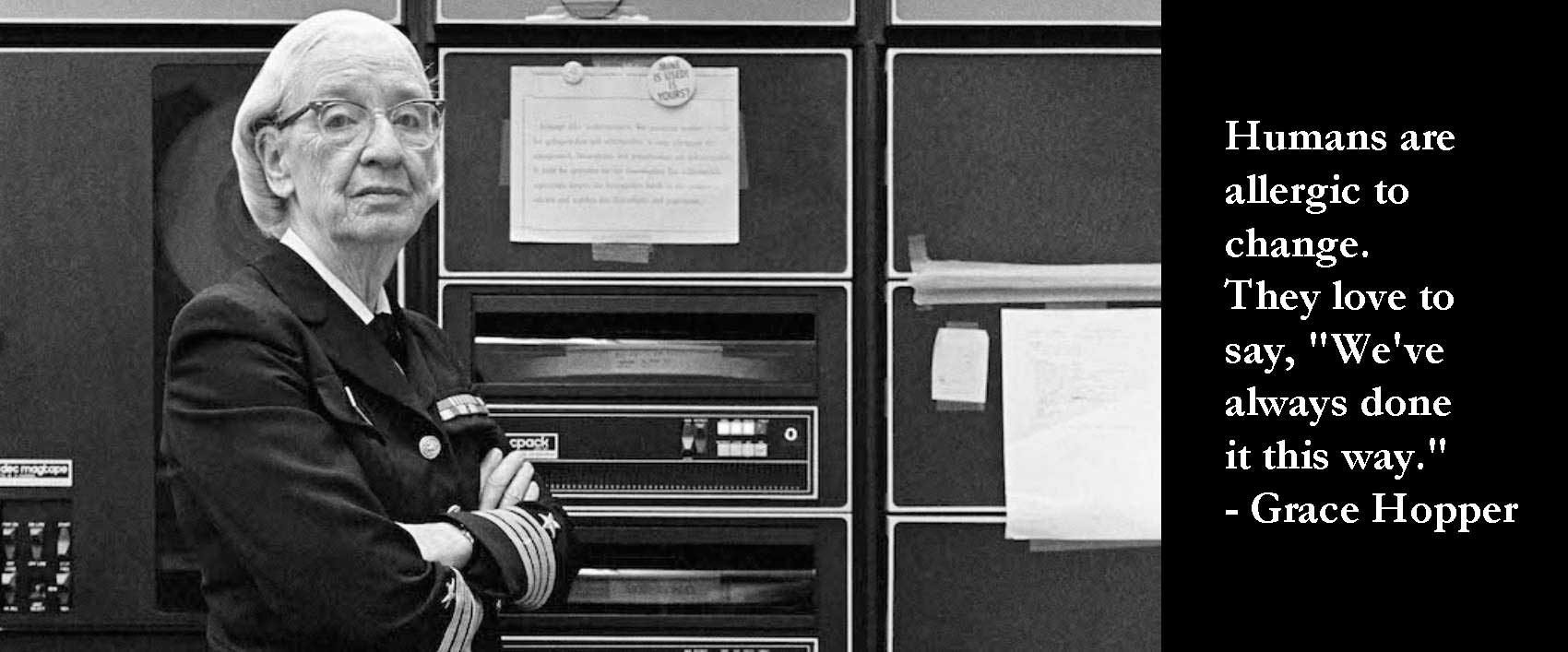
And if we do not change our “we’ve always done it this way” mindset, then we are simply going to repeat the mistakes of the past. Others are changing, so why aren’t we?

In today’s post, we will consider one possible alternative approach.


I hope you know who Grace Hopper is – if not, click here. Source: Mentalfloss

Why is ‘the drug‘ the focus of a clinical trial?

The way we clinically test drugs makes absolutely no sense when you actually stop and think about it.

Other medical disciplines (such as oncology) have woken up to this fact, and it is time for the field of Parkinson’s research to do this same.

Let me explain:

Continue reading “Making. It. Personal.”

Alpha Synuclein: New Species

On this website, we regularly talk about a Parkinson’s-associated protein called Alpha Synuclein.

It is widely considered to be ‘public enemy #1’ in the world of Parkinson’s research, or at the very least one of the major ‘trouble makers’. It is a curious little protein – one of the most abundant proteins in your brain. 

But did you know that there are different ‘species’ of alpha synuclein? 

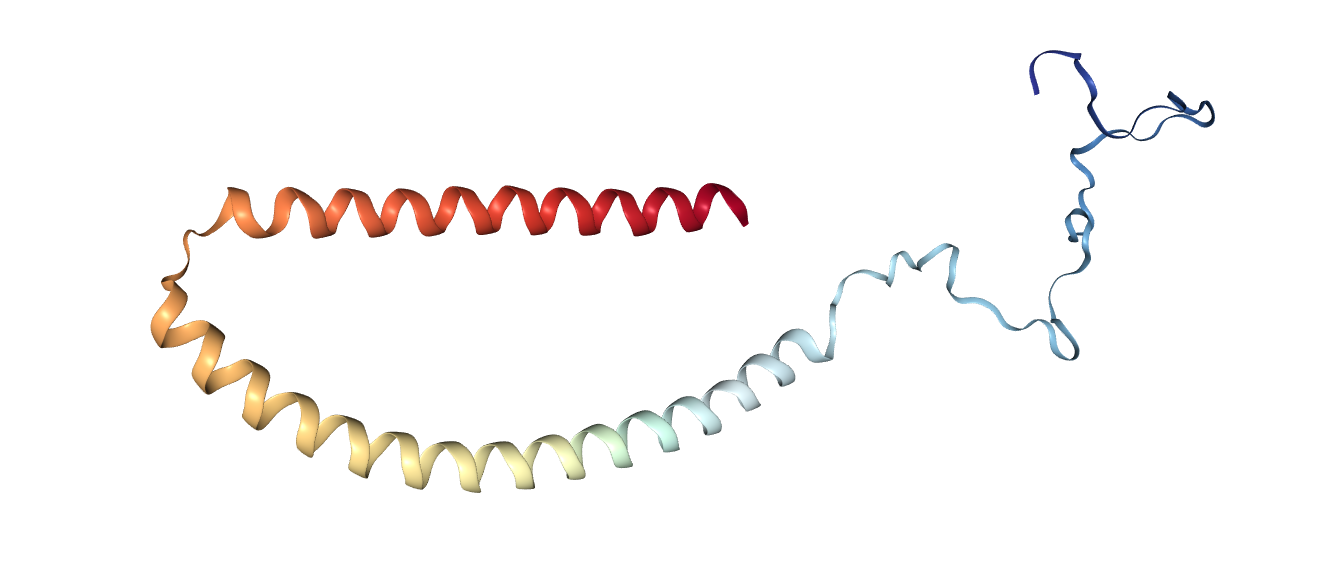
And recently researchers in Florida announced that they had identified an all new species of alpha synuclein that they have called “P-alpha-syn-star” or Pα-syn*.

In today’s post, we will discuss what is meant by the word ‘species’, look at the different species of alpha synuclein, and explore what this new species could mean for the Parkinson’s community.


 Source: Nationalgeographic

This microscopic creature is called Macrobiotus shonaicus. 

Isn’t it cute?

The researchers that discovered it found it in a Japanese parking lot.

It is one of the newest species of life discovered to date (Click here for the research report). It is a species of Tardigrade (meaning “slow stepper”; also known as a water bear or moss piglet). And for the uninitiated: Tardigrade are remarkable creatures.

Tardigrade. Source: BBC

They measure just 0.5 mm (0.02 in) long, there are approximately 1,150 known species of them, and they have been around for a VERY long time – with fossil records dating back to the Cambrian period (500 million years ago).

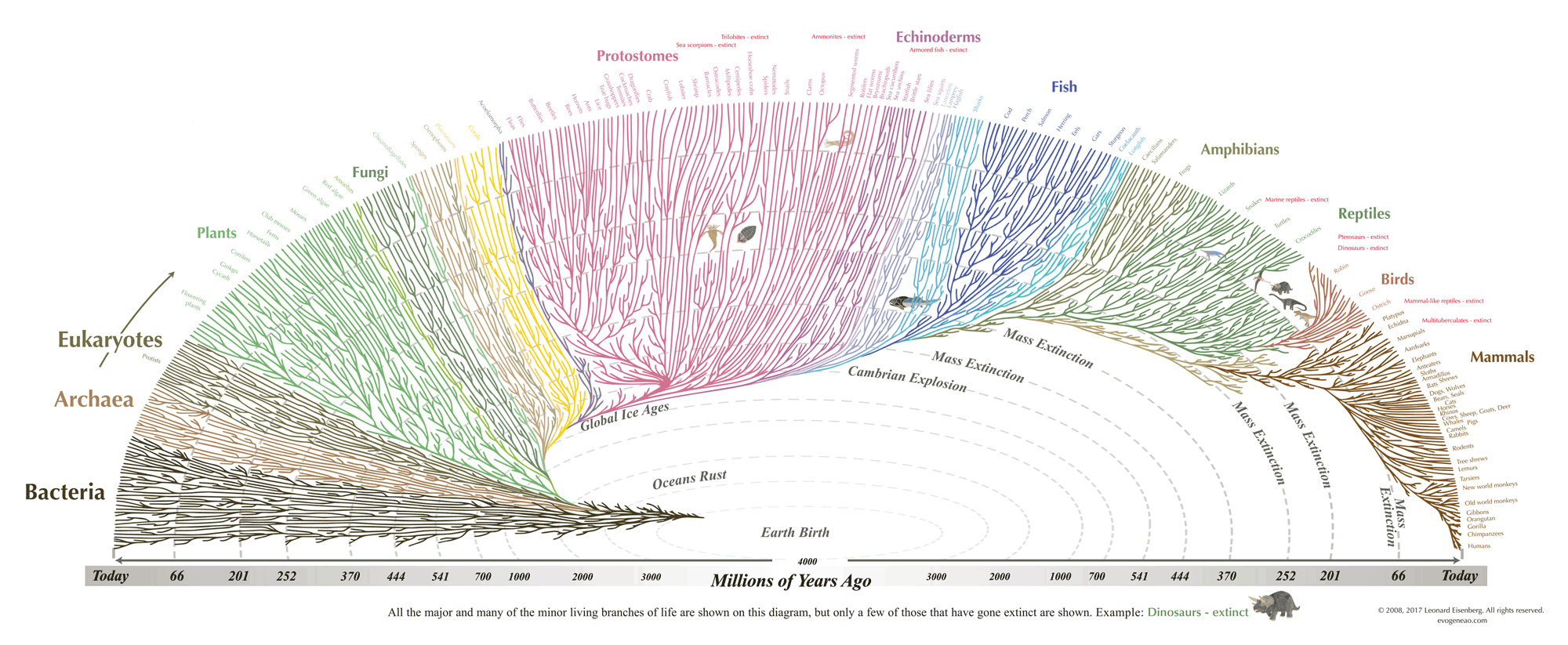
The tree of life (try and find the dinosaurs). Source: Evogeneao

But most importantly, tardigrade are EXTREMELY resilient:

  • they are the first known animals to survive in hard vacuum and UV radiation of outer space. Some of them can withstand extreme cold – down to temperatures of −458 °F (−272 °C), while other species of Tardigrade can withstand extremely hot temperatures  – up to 300 °F (150 °C) (Click here to read more)
  • they can withstand 1,000 times more radiation than other animals (Click here for more on that)
  • some species of Tardigrade can also withstand pressure of 6,000 atmospheres (that is nearly SIX times the pressure of water in the deepest ocean trench – the Mariana trench! Click here for more on this)
  • They are one of the few groups of species that are capable of suspending their metabolism; surviving for more than 30 years at −20 °C (−4 °F – Click here to read about this)

They are utterly remarkable creatures.

Great, but what does this have to do with Parkinson’s? Continue reading “Alpha Synuclein: New Species”

The Parkinson’s association-‘s’

In an effort to better understand Parkinson’s, researchers have repeatedly analysed data from large epidemiological studies in order to gain insight into factors that could have a possible causal influence in the development of the condition.

This week a manuscript was made available on the preprint website BioRxiv that provided us with a large database of information about aspects of life that are associated with increased incidence of Parkinson’s. 

Some new associations have been made… and some of them are intriguing, while others are simply baffling!

In today’s post, we will have a look at what has been learnt from epidemiological research on Parkinson’s, and then discuss the new research and what it could mean for Parkinson’s. 


What are the differentiators? Source: Umweltbundesamt

What makes me different from you?

Other than my ridiculous height and the freakishly good looks, that is. What influential factors have resulted in the two of us being so different?

Yes, there is the genetics component playing a role, sure. 7,500 generations of homo sapien has resulted in a fair bit of genetic variation across the species (think red hair vs brown hair, dark skin vs light skin, tall Scandinavians vs African pygmies, etc). And then there are aspects like developmental noise and epigenetics (factors that cause modifications in gene activity rather than altering the genetic code itself).

Source: Presentationvoice

And over-riding all of this, is a bunch of other stuff that we generally refer to simply as ‘life’. Habits and routines, likes and dislikes, war and famine, etc. The products of how we interact with the environment, and how it interacts with us.

But which of all these factors plays a role in determining our ultimate outcome?

It is a fascinating question. One that absorbs a large area of medical research, particularly with regards to factors that could be influential in causing a specific chronic conditions.

What does this have to do with Parkinson’s?

Continue reading “The Parkinson’s association-‘s’”

‘Talking bout my resolution’

As we have previously discussed, 2017 was a fantastic year for Parkinson’s research (Click here to read that post). And as we approach the end of January, it is already apparent that 2018 is likely to be as good if not better (Click here for an overview of what to expect from 2018).

The transition into a new year brings with it a period of reflection and resolutions. At the start of each year I usually have a post that asks for readers feedback regarding how the SoPD website could be improved.

This year is going to be slightly different.

In today’s post we will discuss some of the ideas that I have in mind for 2018 – any and all reader feedback would be greatly appreciated.


The title of today’s post is a play on words. It is a salute to the song ‘My generation’ by the rock band “The Who” (click on the image above to hear the song). The song was released as a single on the 29th October 1965. It reached No. 2 in the UK and No. 74 in America.

Despite never actually reaching No.1, Rolling Stone magazine still named ‘My generation’ the 11th greatest song of all time (Source). The British music magazine New Musical Express (NME), noted that the song “encapsulated the angst of being a teenager,” and was a “nod to the mod counterculture” (Source).

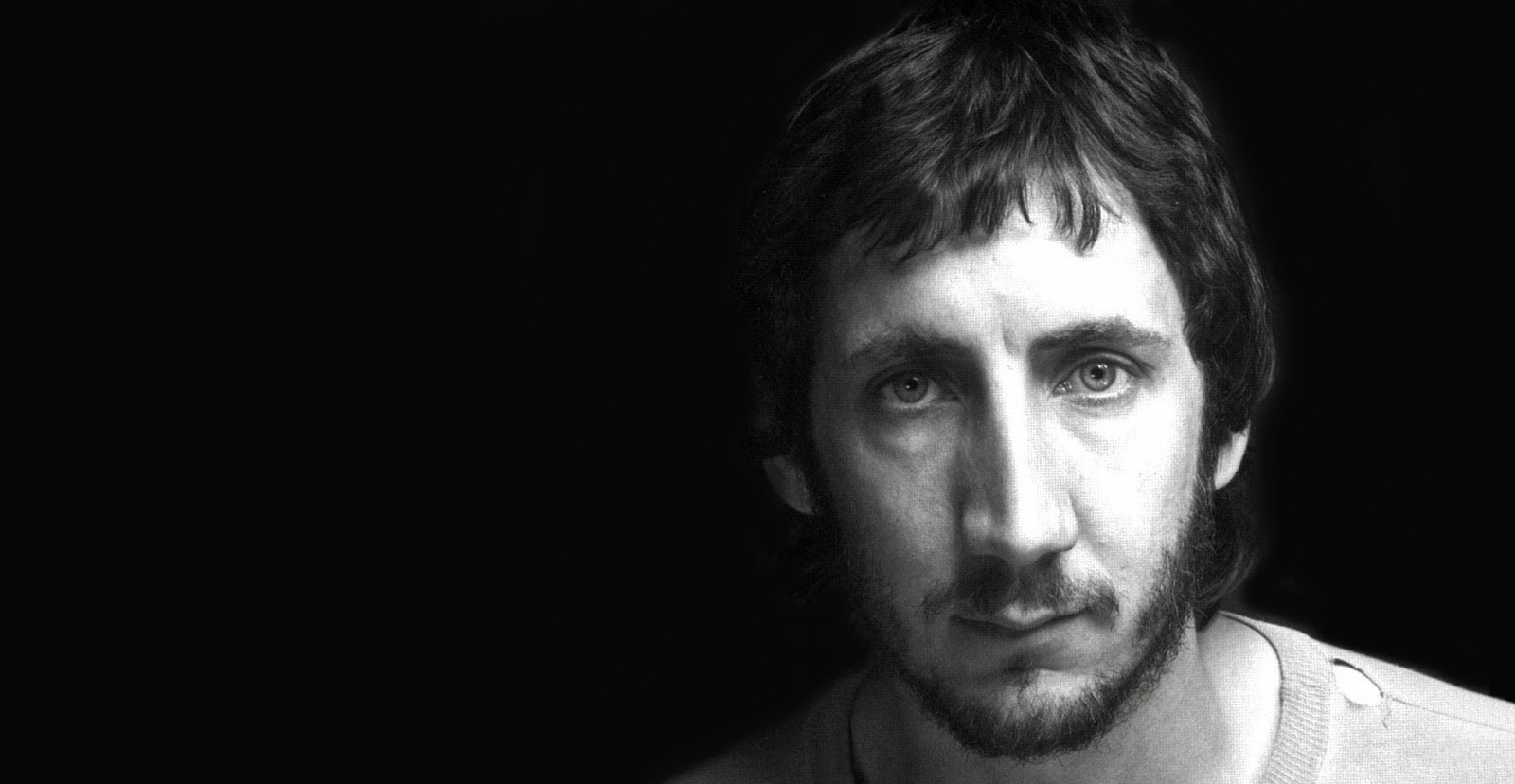
Pete Townshend. Source: Rnrchemist

The Who‘s guitarist, Pete Townshend, apparently wrote “My Generation,” on his 20th birthday (19th May 19th, 1965), while riding a train from London to Southampton for a television appearance. He claims that it was never meant to be the battle cry for young mod rebels that it went on to become.

Rather it was intended to express Townshend’s fears about ‘the impending strictures of adult life’. He preferred to stay young, free and experimental.

I am not having any teenage angst issues or fearing the very current strictures of adult life. I am simply using a play of the song’s title here in order to discuss a new year’s resolution I have made regarding the SoPD website over the never 12 months.

Let me explain.

Continue reading “‘Talking bout my resolution’”