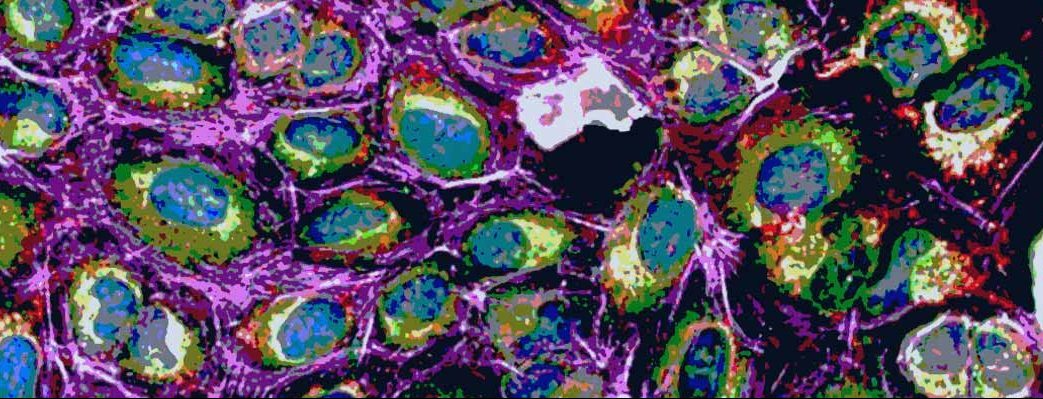
The age-associated changes of PARKIN

# # # #

Tiny variations in a region of DNA referred to as “Parkin” are associated with an increased risk of developing Parkinson’s (particularly young onset forms of the conditions). The Parkin DNA provide the instructions for making a protein that is involved with many functions inside cells.

New research indicates that as we age, Parkin protein becomes less available. In fact, by the time we turn 50 years of age, “Parkin is largely insoluble”, meaning that the majority of the protein is no longer able to do its job.

This shift appears to involve oxidation changes.

In today’s post, we will discuss what Parkin and oxidation are, how Parkin might be affected by oxidation, and how this information might be useful to treating Parkin-associated Parkinson’s.

# # # #


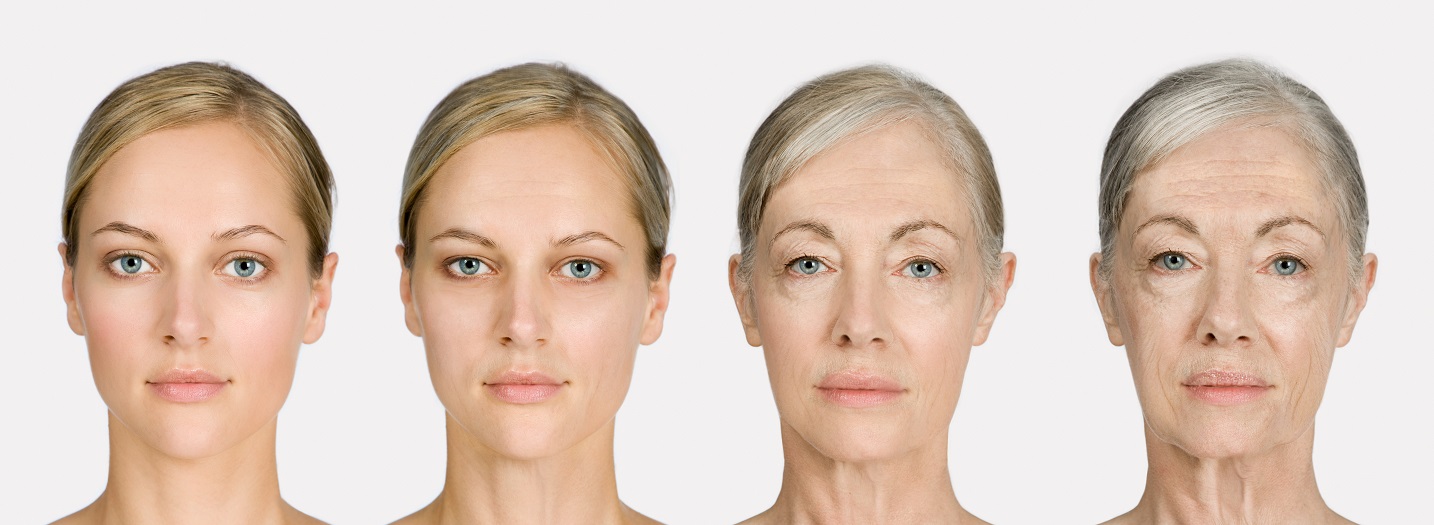
Me (I wish) before 27. Source: Pinterest

I don’t know about you, but 27 was my peak.

Before my 27th birthday, I could run around all over the place – acting like an idiot, with all the energy in the world. I was invincible and having lots of fun. And yes, some vices might have been involved – I would drink myself blind on a Friday night, wake up fresh the next day and do it all merrily again.
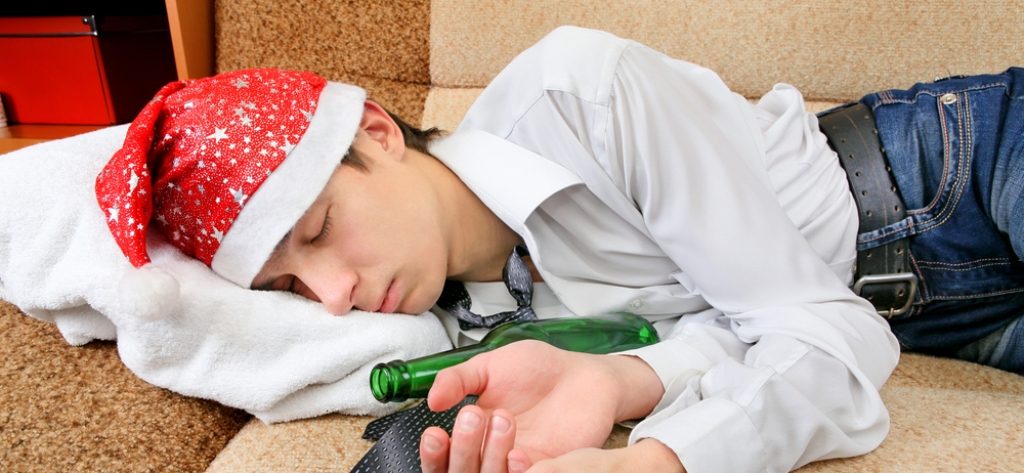
Me before 27. Source: Thefix

But then, my 27th birthday came along and I woke up the next day tired and feeling… fatigued. Weary even. And definitely with less enthusiasm than I had before I passed out the night before. My father called it a “hang-over” (which up until that time I had naively/idiotically thought I was immune to).

Me, before (left) and after 27 (right). Source: Wanna-joke

But I gradually developed this sinking feeling that it was something else.

Something more sinister.

It was as though something had changed. Something inside of me.

And I distinctly remember a moment of realisation, when I asked “Am I getting old???”

My father saw my concern and gave me sage advice (“It’s like I always say, aging ain’t for sissies“), and with that I changed my ways.

Source: DS

Since that moment, I have been fascinated by the biology of aging, particularly in the context of Parkinson’s (age is the main correlate with neurodegenerative conditions like Parkinson’s and Alzheimer’s). So it was with great interest that I read a manuscript in November last year that had been posted on the openly-available preprint database bioRxiv.

What did the manuscript say?

Continue reading “The age-associated changes of PARKIN”

2021: Wish list

# # # #

Here at the Science of Parkinson’s, we don’t like making predictions – that’s a fool’s game.

We would rather focus our attention on interesting ideas and trends, discussing what we hope to see happen in the future, and exploring different ways and means by which change could occur. It is done in the hope that someone will pick up the ball and run with it (ideally, they already have the ball!).

In today’s post, we will outline the SoPD wish list for 2021. 

# # # #


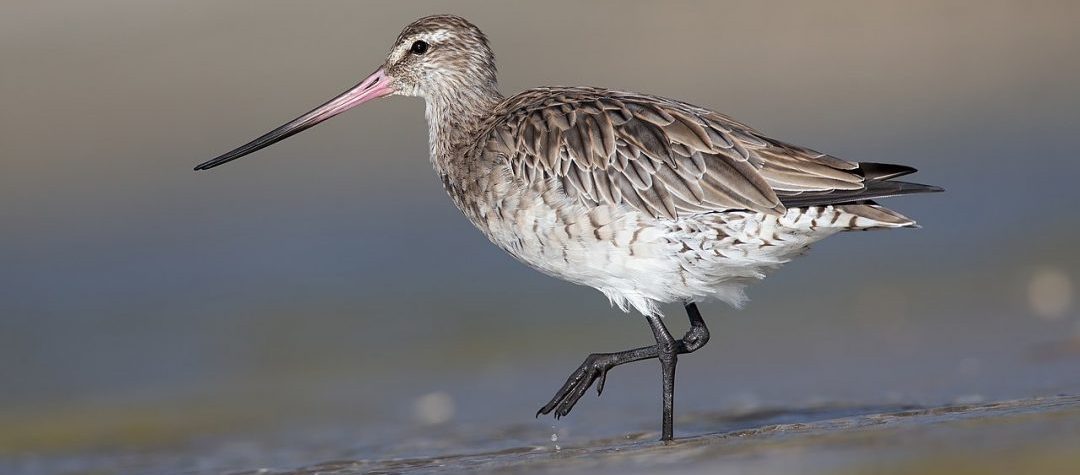
My parents recently took my young neice and nephew to the Pūkorokoro Miranda Shorebird Centre, just south of Auckland city in New Zealand. There, the kids were introduced to Bar-tailed Godwits – a long-billed, long-legged wading bird.

Bar-tailed godwit. Source: Wikipedia

To look at them, there is nothing very remarkable about Godwits… that is, of course, until you look at how far they migrate each year.

You see, Godwits have a rather busy calendar, with a lot of their time being spent racking up air miles.

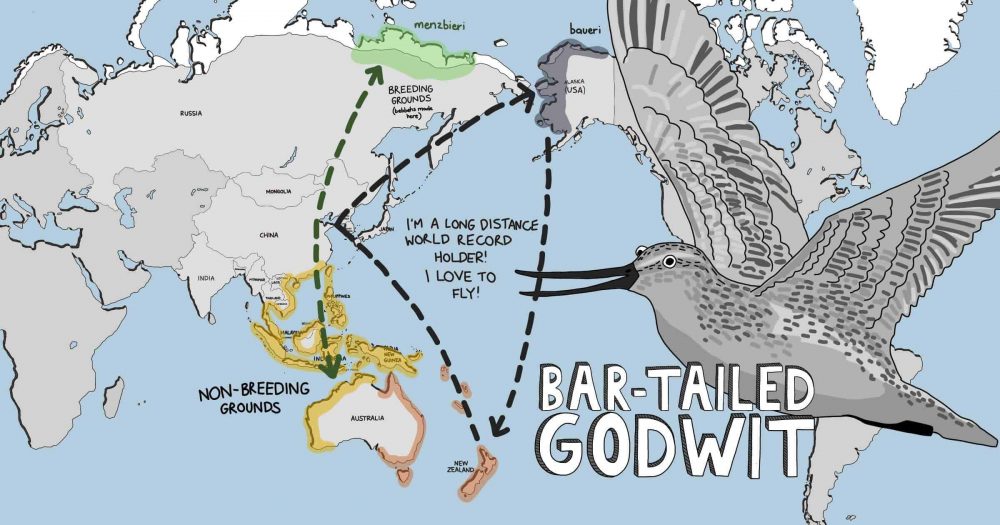
These little bird fly from Alaska to New Zealand and back (via either China) every year!

Source: Wingthreads

The round-trip is over 29,000 km (or 18,000 miles), and the journey across the Pacific Ocean from Alaska to New Zealand is the longest non-stop flight of any bird in the world (in fact, it is the longest trip made without pausing for food by any animal – Source).

My nephew is 8 and my neice is 10.

They were rather “meh” about the birds, and somewhat more impressed by the ice cream that they got for the ride home.

Source: Morellisices

I on the otherhand was fascinated with these little birds when my mum was telling me about their day out. So many questions were popping into my head (like the obvious “what possesses them to fly that far?!?” and “how on Earth do they know where they are going in the middle of the Pacific ocean?!?“). But I was equally impressed by how much they could accomplish in the span of a 12 month period (I mean: 30,000 km!!!).

And naturally that got me thinking about the annual “Wish list” post for the SoPD website, which discusses what I am hoping to see from Parkinson’s research over the next 12 months (beyond the obvious curative therapies).

In today’s post, we discuss our wish list for Parkinson’s research in 2021.

Continue reading “2021: Wish list”

PARP-kinson’s goes chlorogenic

# # # #

For a long time it was been reported that coffee may be able to reduce the risk of developing Parkinson’s, but the mechansim by which this association could be occurring has remained elusive.

Now researchers from South Korea have discovered a biological pathway that could help to explain the protective association.

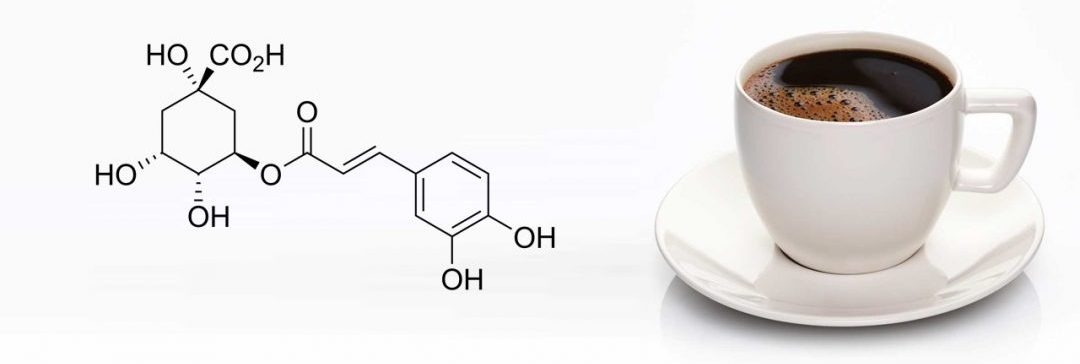
It involves a protein called PARP and a chemical called chlorogenic acid.

In today’s post, we will explore the research suggesting a link between coffee and a lower risk of Parkinson’s, discuss what PARP and chlorogenic acid are, and review the new research that may bring all four topics together.

# # # #


kaldi-adapted-from-uker

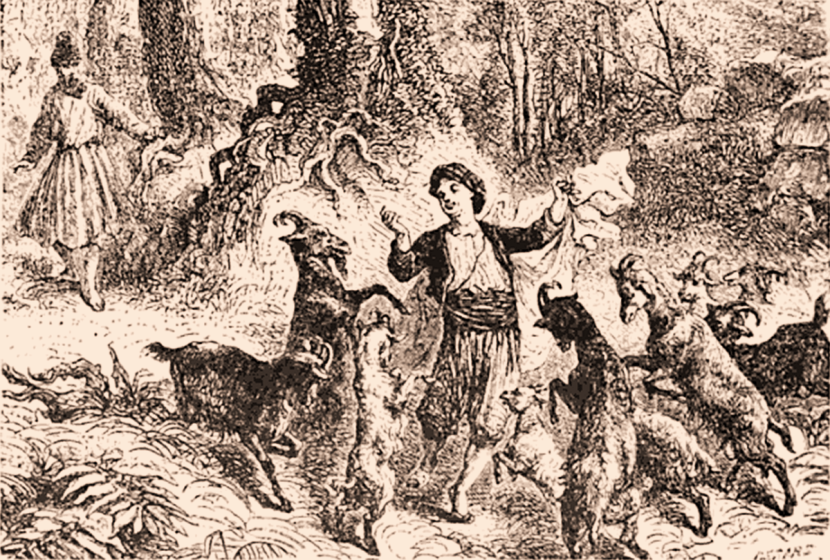
Kaldi the goat herder. Source: CoffeeCrossroads

Legend has it that in 800AD, a young Ethiopian goat herder named Kaldi noticed that his animals were “dancing”.

They had been eating some berries from a tree that Kaldi did not recognise, but being a plucky young fellow – and being fascinated by the merry behaviour of his four-legged friends – Kaldi naturally decided to self-experiment by eating some of the berries for himself.

The result?

He became “the happiest herder in happy Arabia” (Source).

This amusing encounter was apparently how humans discovered coffee. It is most likely a fiction as the earliest credible accounts of coffee-consumption emerge from the 15th century in the Sufi shrines of Yemen, but since then coffee has gone on to become one of the most popular drinks in the world.

coffee-cup-images-5

Fancy a cuppa? Source: Science-All

Interesting, but what does coffee have to do with Parkinson’s?

Continue reading “PARP-kinson’s goes chlorogenic”

Prevail lands on a Lilly pad

# # # #

2020 has been a dreadful year for most of the world – burdened by the outbreak and consequences of COVID-19. Despite this, there has been a steady stream of biotech acquisitions related to Parkinson’s which have helped to keep morale high in the PD research community.

In October alone, we saw the Portuguese pharmaceutical company Bial purchase GBA-associated Parkinson’s biotech firm Lysosomal Therapeutics (Click here to read more about this) and the acquisition of the inflammasome-focused biotech firm Inflazome was being bought by Roche (Click here to read more about this).

Today brought news of yet another pharmaceutical company – this time Eli Lilly purchasing a Parkinson’s-focused biotech company (Prevail Therapeutics).

In today’s post, we will explore what Prevail Therapeutics does, why Eli Lilly might be so interested in this company, and why it could be an encouraging move for individuals with a sub-type of Parkinson’s.

# # # #


Colonel Eli Lilly. Source: SS

The civil war veteran, Colonel Eli Lilly started his pharmaceutical career in a drug store in Greencastle (Indiana) in 1869.

Several years later (in 1873) he shifted into the manufacturing of pharmaceuticals (in association with John F Johnston). Two years after that, Lily disolved their partnership, sold his assets, and used the proceeds to set up “Eli Lilly and Co” in Indianapolis.

Source: Wikimedia

He started the company in a rented building on the 10th May, 1876. He was 38 years old, with working capital of $1400 and just three employees. The first medicine that he produced was quinine – a drug used to treat malaria.

Since that humble start, the company (now more commonly known as just “Lilly”) has grown to become one of the 20 largest pharmaceutical companies in the world (Source), with offices in 18 countries and products sold in 125 countries (Source).

Lilly was the first company to mass-produce the polio vaccine and it was also one of the first pharmaceutical companies to produce human insulin using recombinant DNA. Lilly is currently the largest manufacturer of psychiatric medications, including Prozac (Source).

Today, the company employs approximately 38,000 people worldwide, and operates through two key business divisions:

  • Human Pharmaceutical Products, which involves the production and sale of prescription medications in the fields of endocrinology, oncology, cardiovascular health, and neuroscience
  • Animal Health Products, comprising the development and sale of treatments for domestic and farm animals

This is all very interesting, but what does any of it have to do with Parkinson’s?

This week the biotech world was alerted to the news that Eli Lilly was purchasing a biotech company that is focused on developing a novel treatment for a subtype of Parkinson’s.

That company is called Prevail Therapeutics.

What does Prevail Therapeutics do?

Continue reading “Prevail lands on a Lilly pad”

TGF-beta: The Parkinson’s superfamily?

# # # #

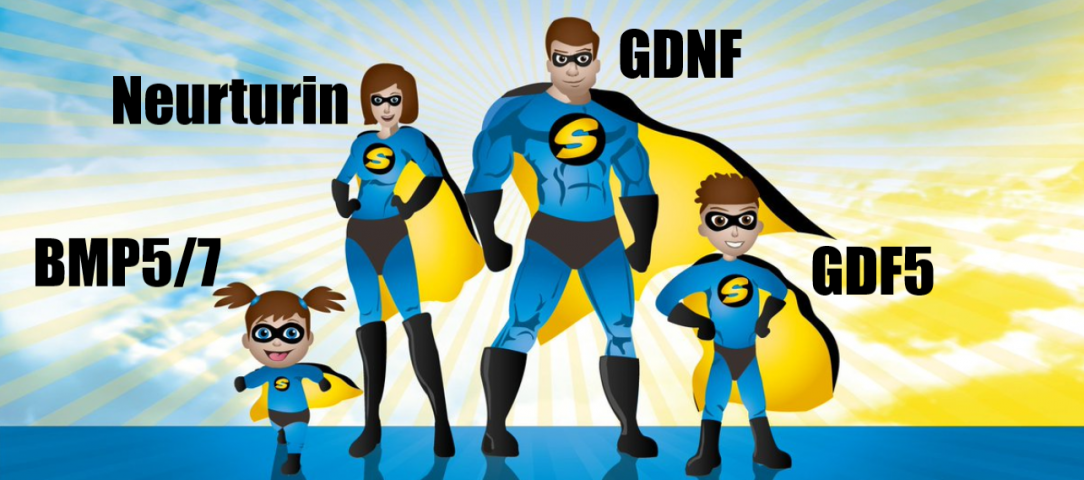
A lot of Parkinson’s research has focused on a neurotrophic factor called glial cell-derived neurotrophic factor (or GDNF).

But GDNF only represents a small fraction of a much larger class of neurotrophic factors, called the Transforming growth factor-β (TGF-β) superfamily.

Recently, researchers have been investigating some of the other TGF-β family members in preclinical models of Parkinson’s and they have been making some interesting discoveries.

In today’s post, we will discuss what is meant by neurotrophic factor, explore who else is in the TGF-β superfamily, and look at two recent reports highlighting family members in the context of Parkinson’s.

# # # #


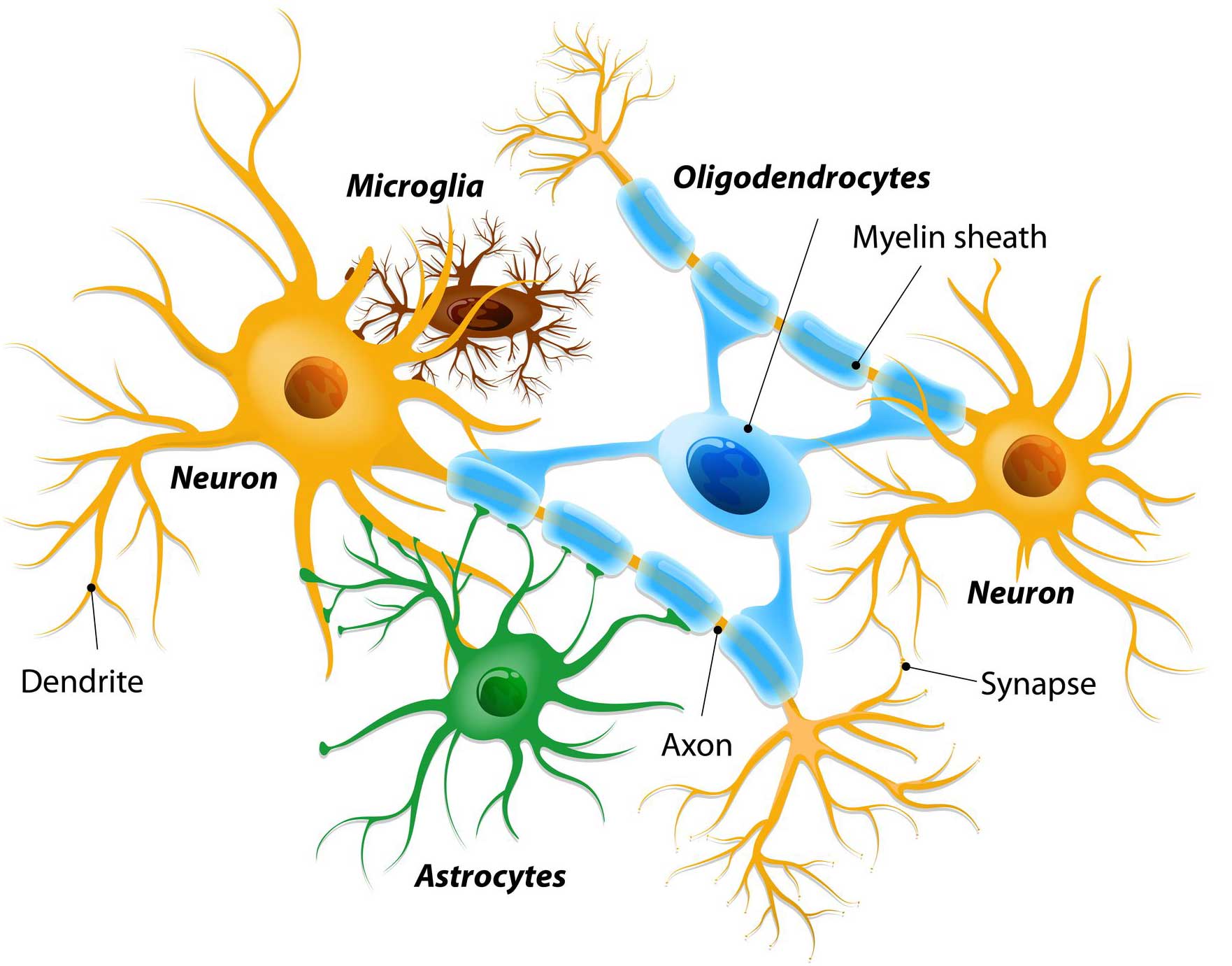
Different types of cells in the brain. Source: Dreamstime

Glial cells are the support cells in the brain. While neurons are considered to be the ‘work horses’ of neurological function – passing messages and storing memories – glial cells are in the background making sure that neurons are protected and well nurtured.

There are different types of glial cells, including astrocytes, oligodendrocytes and microglia. And each type has a specific function, for example microglia are the brain’s resident immune cells checking up on the health of the neurons while oligodendrocytes provide the neurons with a protective covering (called myelin sheath) which also helps to speed up the signalling of neurons.

A human astrocyte. Source: Wikipedia

Astrocytes provide nutrients and neurotrophic factors to neurons and make sure the environment surrounding the neurons is balanced and supportive. Glial cells are absolutely critical to the normal functioning of the brain.

What are neurotrophic factors?

Continue reading “TGF-beta: The Parkinson’s superfamily?”

Bayer doubles down on Parkinson’s?

# # # #

News today of two biotech companies merging did not cause much of a ripple in the media, but the wider implications of the move are rather significant for Parkinson’s.

Today it was announced that Brain Neurotherapy Bio (BNB) is going to merge with Asklepios Biopharmaceutical (aka AskBio). BNB are currently clinically testing a GDNF gene therapy approach for Parkinson’s, and AskBio is a subsidary of the large Pharmaceutical company Bayer.

This is the same ‘Bayer’ that last year bought BlueRock Therapeutics – a biotech company focused on cell transplantation for Parkinson’s (Click here to read a previous SoPD post about that).

In today’s post, we will discuss what BNB are doing and why this merger is particularly interesting.

# # # #


Source: BBRF

One of the themes this year on the SoPD website has been an effort to highlight (and encourage) more focus on alternative restorative therapies for Parkinson’s. There are a lot of different approaches exploring very different methods of slowing the progression of Parkinson’s, but most of the current clinical efforts investigating restorative therapies are oriented solely around cell transplantation.

What we really need are some novel strategies for replacing what is lost and encouraging re-growth from cells that remain.

Most of the SoPD posts exploring this idea during 2020 have been looking at very blue sky ideas (Click here, here, here and here to read some examples). But we have also been keeping an eye on biotech efforts in this domain, and today we received some interesting news which involved the merger of two biotech companies.

The merger occurred between Asklepios Biopharmaceutical (aka AskBio) and Brain Neurotherapy Bio.

ASKBio is a “gene therapy company dedicated to improving the lives of patients with rare diseases and other genetic disorders“. Gene therapy involves using DNA to treat medical conditions, rather than drugs. The DNA is usually delivered to the tissue requiring correction by carefully engineered viruses.

Brain Neurotherapy Bio is also a gene therapy biotech company that is currently clinically testing a GDNF gene therapy approach for Parkinson’s.

What is GDNF?

Continue reading “Bayer doubles down on Parkinson’s?”

The drug development pipeline for Parkinson’s

# # # #

For a long time a regular request from SoPD readers has been to provide an overview of the clinical trial landscape for Parkinson’s, particularly in the area of drug development.

Such projects are difficult, however, as the landscape is broad and dynamic – lots of different approaches being applied and new entrants continually entering the arena. These are positive features, but to characterise the whole field is beyond my simple cognitive abilities.

But recently three Parkinson’s research advocates (with help from the research department at The Cure Parkinson’s Trust) tackled this challenge, and the output of their efforts was published in the Journal of Parkinson’s disease in July of this year.

In today’s post, we will discuss advocacy, review the current clinical trial pipeline for Parkinson’s, and explore how an analysis of this pipeline could be improved.

# # # #


Raymond Carver (Source)

“He understood that it took only one lunatic and a torch to bring everything to ruin”
– Raymond Carver

I enjoy old Raymond Carver short story collections (his 1983 ‘Cathedral‘ in particular).

He is not for everyone, but I like him. Particularly ‘What We Talk About When We Talk About Love‘. It is a story about two couples sitting at a kitchen table, drinking gin, and trying to describe what is meant by love.

Source: Encorespotlight

I thought of this short story last year when I was asked during a Q&A session at a support group meeting, “What do we mean when we talk about advocacy?” (that was the exact wording).

I didn’t mention Carver in my answer. Rather I listed some of the various ways that people can become advocates for Parkinson’s. And there are many, and it really depends on what you want to do and what skills you have or want to learn (we will come back to this near the bottom of today’s post).

Source: Endslaverynow

Advocacy comes in many forms. And in today’s post I’d like to share one inspiring example of advocacy.

Earlier this year I played a small role in a wonderful project led by a team of Parkinson’s research advocates who were focused on trying to provide an overview of the clinical trial pipeline for therapies for Parkinson’s, with the goal of raising awareness within the PD community.

The results of their efforts were published in July.

What did they find?

Continue reading “The drug development pipeline for Parkinson’s”

Monthly Research Review – November 2020


At the end of each month the SoPD writes a post which provides an overview of some of the major pieces of Parkinson’s-related research that were made available during November 2020.

The post is divided into seven parts based on the type of research:

  • Basic biology
  • Disease mechanism
  • Clinical research
  • New clinical trials
  • Clinical trial news
  • Conferences/lectures
  • Other news
  • Review articles/videos


So, what happened during November 2020?

In world news:

November 2nd – While COVID antibodies do not appear to last very long (similar to seasonal flu), a new study suggests that another aspect of the immune response to a COVID infection can last more than 6 months. Analysis of blood samples from a cohort of 2000+ clinical and non-clinical healthcare workers (including 100 who tested seropositive for SARS-CoV-2) found that virus specific T cells were detectable more than six months after infection (Click here to read the study and click here to read a summary).

November 9th – Potential COVID vaccine #1 – Early data from the Pfizer/BioNTech Phase III trial indicates that their COVID vaccine is 90% effective (Click here to read more about this).

10th NovemberBest. Shot. Ever – During the US Masters practice round Jon Rahm hit an impossible hole in one:


16th November – Potential COVID vaccine #2 – biotech firm Moderna announced its coronavirus vaccine is 94.5% effective against COVID-19 (Click here to read more about this).

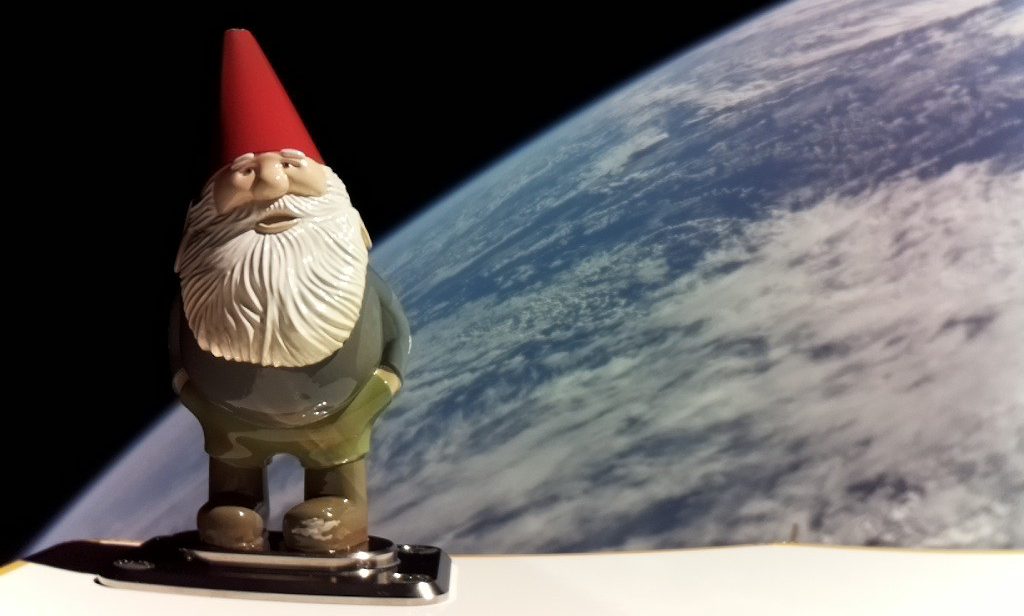
22nd November – New Zealand-based rocket company Rocket lab launched their ‘Return to Sender’ mission – the company’s 16th Electron rocket mission that deployed 30 small satellites into orbit (to date the company has launched 96 satellites), and they managed to recover the first stage of the vehicle. But more importantly, the flight also carried “Gnome Chompski” into space:

23rd November – Potential COVID vaccine #3 – a coronavirus vaccine developed by the University of Oxford (along with AstraZeneca) was reported to be highly effective (providing at least 70% protection – Click here to read more about this).

In the world of Parkinson’s research, a great deal of new research and news was reported:

In November 2020, there were 885 research articles added to the Pubmed website with the tag word “Parkinson’s” attached (9811 for all of 2020 so far). In addition, there was a wave to news reports regarding various other bits of Parkinson’s research activity (clinical trials, etc).

The top 5 pieces of Parkinson’s news

Continue reading “Monthly Research Review – November 2020”

EDITORIAL: Paywalls

# # # #

Today’s post is a rant about the research publishing industry – explaining the hole they have dug for themselves and us (via profiteering and a lack of innovation), discussing how the research community supports the system, and exploring efforts to solve the problem.

You will be forgiven if you don’t read on, but understand that this subject is important.

# # # #


Source: Fifteendesign

A reader recently emailed me regarding the 500th post with a list of questions. One of which was: if you were not doing Parkinson’s research, what would you be doing?

In a previous SoPD post I have discussed my “Plan B“, but that involves Parkinson’s subject matter so it doesn’t really count here.

If I’m honest, and I wasn’t working in the area of Parkinson’s, I would be doing one of two things:

OPTION  #1:  I would be working for Eric Eisner.

Eric Eisner. Source: Yes

In 1998, Mr Eisner quit a high-flying career in Hollywood deal-making and walked into a forgotten corner of Los Angeles education system.

In the Lennox School District – with the support of the Richstone Family Center – he sat down with a group of 7th graders with the simple goal: identifying underserved academically promising students. Once identified, Mr Eisner would equip them with resources and support to facilitate their success through high school, college, and beyond.

In 2010, a not-for-profit program had grown out of his efforts and it became known as the Young Eisner Scholars (or simply “YES”).

Source: Twitter

I first learnt about this amazing initiative from an episode of Malcolm Gladwell’s podcast, Revisionist History, called “Carlos doesn’t remember” (seriously, you should listen to that episode).

Mr Eisner’s YES program is now nation-wide in the US, and in 2017 they were supporting more than 500 students from elementary school through to graduate school (source).

YES is my kind of capitalism, but Mr Eisner needs to think globally – the next Ramanujan is out there.

OPTION #2:  I would be working to help solve the problem of scientific research publishing.

Source: Tsepustuksia

This is a constant source of frustration for yours truly.

At present, large publishing houses control the dissemination of most of the research being generated around the world by keeping it behind pay-to-view paywalls (they also charge researchers an “administration fee” to publish in their journal and insist that they sign over the copyright of the publication to the publisher).

Charging a fee on what should be public information is the worse kind of capitalism: It is rent seeking.

And this week one of the big academic publishing companies made an announcement that made me shake my head.

What did they announce?

Continue reading “EDITORIAL: Paywalls”

Very Keynesian: Cell painting

# # # #

Our ability to grow cells in culture (in petri dishes and flasks in laboratories) has been critical to our efforts to learn more about the biology of Parkinson’s and to screen for novel potential therapies.

Recently, researchers have employed more sophisticated methods of characterising cells in culture, to achieve greater insights. These effort have led to some interesting work from investigators at Google Research and The New York Stem Cell Foundation Research Institute.

They used a powerful new technique called “Cell Painting”.

In today’s post, we will outline what Cell Painting is, discuss what the new research demonstrates, and explore what their findings could mean for Parkinson’s research.

# # # #


John Maynard Keynes. Source: NYTimes

I recently read an interesting story about the economist John Maynard Keynes.

In 1918 Keynes was working as a Treasury adviser when a friend – the art critic Roger Fry – told him about a sale of impressionist works that was about to occur in Paris. The collection was from the artist Edgar Degas, who had died in late 1917.

Edgar Degas. Source: Wikimedia

With the great war still raging in northern France, intrepid Keynes somehow managed to convince not only the UK Government to give him money, but also for the director of The National Gallery, Sir Charles Holmes, to join him on his mad dash to Paris. They boarded a boat to Boulogne and then travelled by train to Paris, carrying a suitcase containing £20,000 in French banknotes (understand that this is equivalent to £1.1 million in todays money).

As the auction started, Paris was rocked by the sound of German artillery. Many of the hopeful bidders at the auction fled, but Keynes and Holmes stood their ground and secured some incredible bargains (not only for the British Government, but also for themselves – such as a still life with seven apples, by Paul Cézanne that Keynes purchased for himself).

Cézanne’s seven apples. Source: Wikimedia

Upon arrival back in England, Keynes could not carry all of his newly acquired luggage, so he left his Cézanne under a hedge on the side of the road. Upon arrival at their lodgings for the night, he instructed their host that ‘if you’d like to go down to the road, there’s a Cezanne just behind the gate‘.

It was a very Keynesian enterprise as that Cézanne painting alone is probably worth well over £30 million if it went to auction today.

Interesting, but what does this have to do with Parkinson’s?

Nothing, but today’s post is about a different kind of painting, so I thought I’d start off with this little anecdote.

What does painting have to do with Parkinson’s?

Continue reading “Very Keynesian: Cell painting”