Is there NOP hope for Parkinson’s?

Please do not misread the title of this post!

Compounds targeting the Nociceptin receptor (or NOP) could provide the Parkinson’s community with novel treatment options in the not-too-distant future.

In pre-clinical models of Parkinson’s, compounds designed to block NOP have demonstrated neuroprotective properties, while drugs that stimulate NOP appear to be beneficial in reducing L-dopa induced dyskinesias. 

In today’s post we look at exactly what NOP is and what it does, we will review some of the Parkinson’s-based research that have been conducted so far, and we will look at what is happening in the clinic with regards to NOP-based treatments.


4237_20160422175355

Source: LUMS

On the surface of every cell in your body, there are lots of small proteins that are called receptors.

They are numerous and ubiquitous.

And they function act like a ‘light switch’ – allowing for certain biological processes to be initiated or inhibited. All a receptor requires to be activated (or blocked) is a chemical messenger – called a ligand – to come along and bind to it.
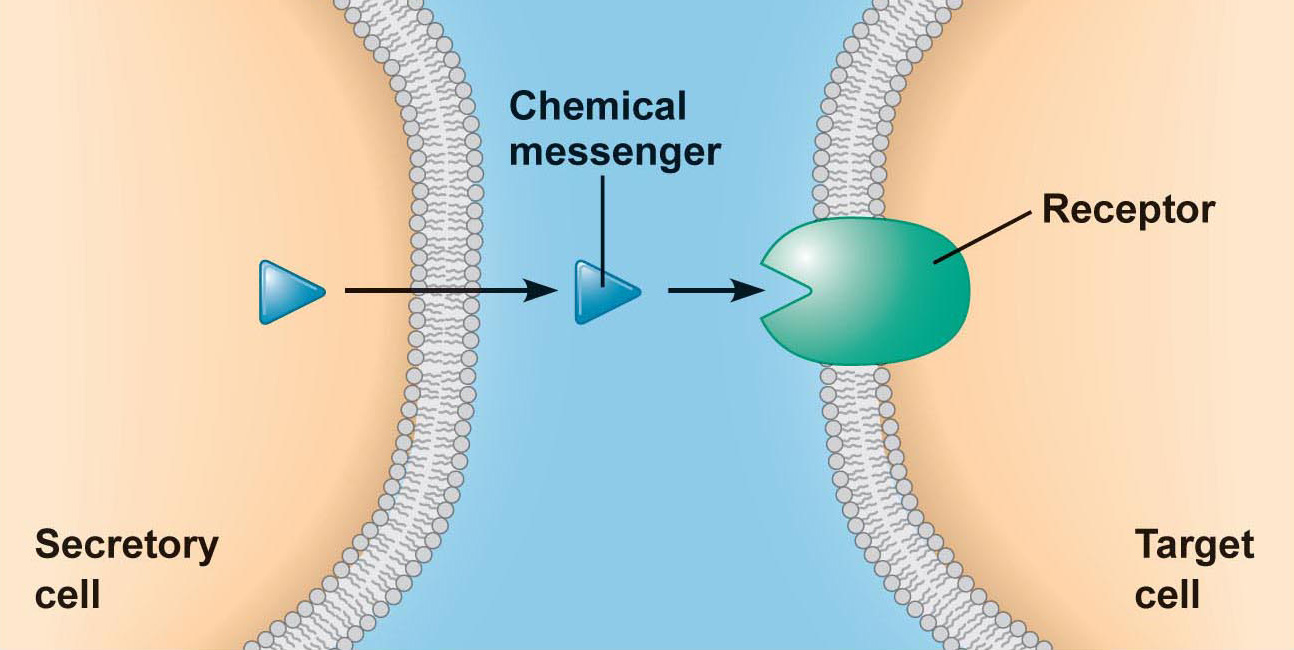
An example of a receptor on a cell. Source: Droualb

Each type of receptor has a particular structure, which is specific to certain shaped ligands (the chemical messenger I mentioned above). These ligands are floating around in the extracellular space (the world outside of the cell), having been released (or secreted) by other cells.

And this process represents one of the main methods by which cells communicate with each other.

By binding to a receptor, the ligand can either activate the receptor or alternatively block it. The activator ligands are called agonists, while the blockers are antagonists.
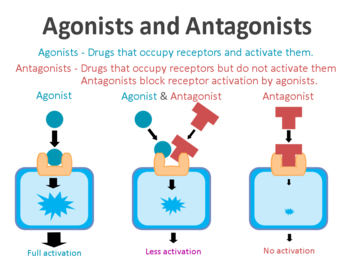
Agonists_and_antagonists

Agonist vs antagonist. Source: Psychonautwiki

Many of the drugs we currently have available in the clinic function in this manner.

For example, with Parkinson’s medications, some people will be taking Pramipexole (‘Mirapex’ and ‘Sifrol’) or Apomorphine (‘Apokyn’) to treat their symptoms. These drugs are Dopamine agonists because they bind to the dopamine receptors, and help with dopamine-mediated functions (dopamine being one of the chemicals that is severely in the Parkinsonian brain). As you can see in the image below the blue dopamine agonists can bypass the dopamine production process (which is reduced in Parkinson’s) and bind directly to the dopamine receptors on the cells that are the intended targets of dopamine.

Source: Bocsci

There are also dopamine antagonists (such as Olanzapine or ‘Zyprexa’) which blocks dopamine receptors. These drugs are not very helpful to Parkinson’s, but dopamine antagonist are commonly prescribed for people with schizophrenia.

Are there other receptors of interest in Parkinson’s?

Continue reading “Is there NOP hope for Parkinson’s?” →

Monthly Research Review – March 2018

At the end of each month the SoPD writes a post which provides an overview of some of the major pieces of Parkinson’s-related research that were made available during March 2018.

The post is divided into four parts based on the type of research (Basic biology, disease mechanism, clinical research, and other news). 


So, what happened during March 2018?

In world news:

March 25th – Qantas launches direct non-stop Boeing 787 Dreamliner flights between Perth Airport and Heathrow Airport, making it the first commercially non-stop service between Australia and the United Kingdom (17 hours on a plane – strewth!).

Boeing 787 Dreamliner. Source: Deredactie

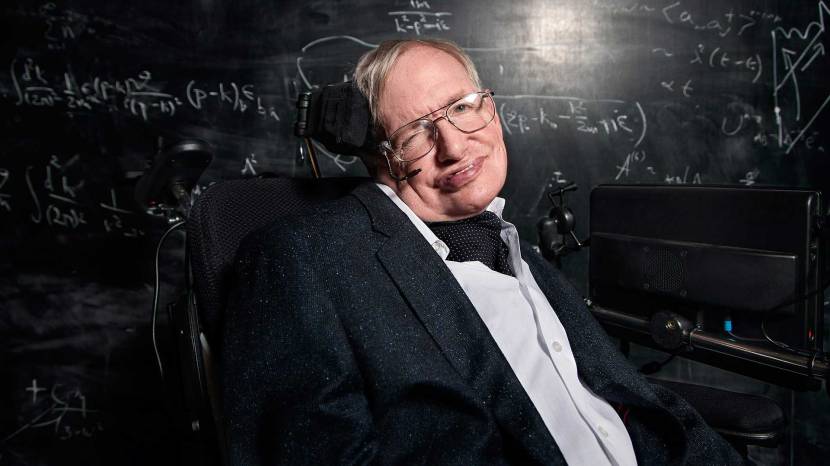
March 14th – Prof Stephen Hawking, English theoretical physicist and cosmologist, sadly passed away at age 76. Diagnosed with in a very rare early-onset, slow-progressing form of Amyotrophic lateral sclerosis (ALS; also known as motor neurone disease or MND) in 1963 at age 21, he was gradually left him wheel chair bound. An amazing mind and a sad loss.

p03dn27d

Prof Stephen Hawking. Source: BBC

A funeral for Prof Hawking was held in Cambridge. The bell at Great St. Mary’s tolled 76 times at the start of the service. His remains will be cremated and his ashes will be interred at London’s Westminster Abbey near the remains of Isaac Newton.

King’s Parade in Cambridge was absolutely packed with mourners. Source: News.rthk

March 19th – In other sad news, ‘Sudan’, the world’s last male northern white rhinoceros died in Kenya, making the subspecies ‘functionally extinct’. Poachers had reduced the population from 2000 in the 1960s to just 15 1980s, and efforts to keep the species alive .

Sudan, the last surviving male northern white rhino. Source: PBS

March 24 – In over 800 cities internationally, people participated in student-led demonstrations against gun violence and mass shootings, calling for stronger gun control in the ‘March for our lives‘.

Source: Marchforourlives

And finally, on the 17th March, a driver in Milton Keynes (UK) got into big trouble with the law when he was pulled over and presented a police officer with an obvious fake drivers license (Source: Sky News):

Fake news Mr Trump? Clearly a fake. Everyone knows Homer lives at 742 Evergreen Terrace!

In the world of Parkinson’s research, a great deal of new research and news was reported:

Continue reading “Monthly Research Review – March 2018” →

Objective measures: Getting smart about pills

There has been a lot of discussion on this site (and elsewhere on the web) regarding the need for more objective systems of measuring Parkinson’s – particularly in the setting of clinical trials.

Yes, subjective reports of patient experience are important, but they can easily be biased by ‘placebo responses’.

Thus, measures that are beyond the clinical trial participants conscious control – and focused on biological outcomes – are needed. 

In today’s post, we will consider one possible approach: Smart pills. We will discuss what they are, how they work, and how they could be applied to Parkinson’s research.


Source: Chicagotribune

In order to encourage a growing discussion regarding objective measures of Parkinson’s (and to follow up on previous rants – Click here and here for examples), I have decided to regularly (once a month) highlight new technologies that could provide the sort of unbiased methods of data collection that are required for assessing whether a treatment is having an impact on Parkinson’s.

Today, we will look at smart pills.

What is a smart pill?

Continue reading “Objective measures: Getting smart about pills” →

Making. It. Personal.

This is one of those posts (read: rants) where I want to put an idea out into the ether for someone to chew on. It starts with a very simple question:

Why is ‘the drug’ the focus of a clinical trial?

If our goal is to find beneficial therapies for people with Parkinson’s, then the way we currently clinically test drugs is utterly nonsensical.

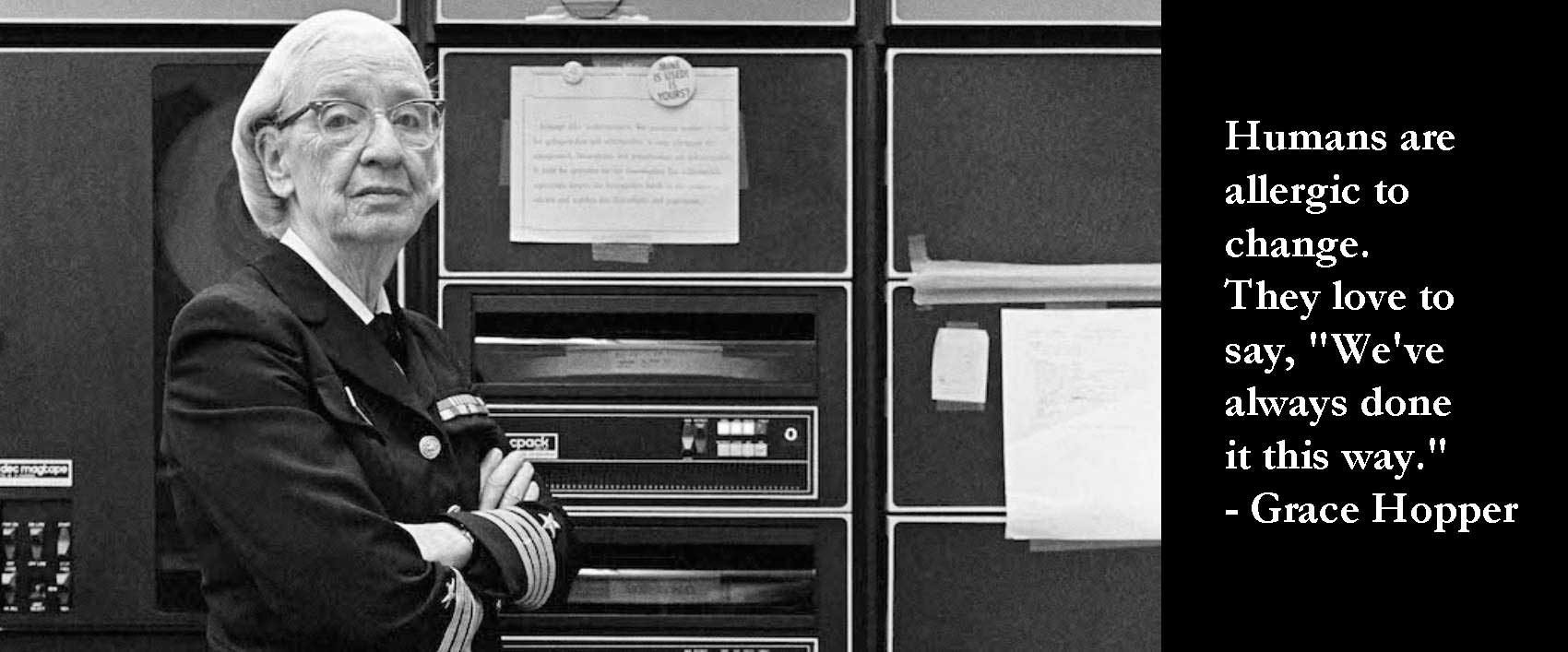
And if we do not change our “we’ve always done it this way” mindset, then we are simply going to repeat the mistakes of the past. Others are changing, so why aren’t we?

In today’s post, we will consider one possible alternative approach.


I hope you know who Grace Hopper is – if not, click here. Source: Mentalfloss

Why is ‘the drug‘ the focus of a clinical trial?

The way we clinically test drugs makes absolutely no sense when you actually stop and think about it.

Other medical disciplines (such as oncology) have woken up to this fact, and it is time for the field of Parkinson’s research to do this same.

Let me explain:

Continue reading “Making. It. Personal.” →

“What’s the evolutionary advantage of Parkinson’s?”

Each year King’s College London holds the Edmond J. Safra Memorial Lecture. It is a public event – exploring cutting-edge research on Parkinson’s – held in honour of the late philanthropist and financier, Mr Edmond J Safra, .

I was lucky enough to attend this year’s event (entitled A vision of tomorrow: How can technology improve diagnosis and treatment for Parkinson’s patients?). It highlighted the fantastic research being carried out by Professor Marios Politis and his team.

During the Q&A session of the event though, a question was asked from the audience regarding what the evolutionary advantage of Parkinson’s might be. The question drew a polite chuckle from the audience.

But the question wasn’t actually as silly as some might think.

In today’s post we look at some evidence suggesting an evolutionary advantage involving Parkinson’s.


King’s College London Chapel. Source: Schoolapply

Despite the impressive name, King’s College London is not one of the grand old universities of England.

Named after its patron King George IV (1762-1830), the university was only founded in 1829 (compare this with 1096 for Oxford and 1209 for Cambridge; even silly little universities like Harvard date back further – 1636). The university is spread over five separate campuses, geographically spread across London. But if you ever get the chance to visit the main Strand campus, ask for the chapel and take a moment to have a look – it is very impressive (the image above really doesn’t do it justice).

As I mentioned in the intro, each year King’s College London holds the Edmond J. Safra Memorial Lecture. It is an event that is open to the public and it involves a discussion regarding innovative new research on Parkinson’s. The evening is held in honour of the late Mr Edmond J Safra.

Edmond J. Safra. Source: Edmondjsafrafoundation

This year, Professor Marios Politis and members of his research group were presenting lectures on “How can technology improve diagnosis and treatment for Parkinson’s”. The lectures were very interesting, but the reason I am writing about it here is because during the question and answer session at the end of the lectures, the following question was asked:

“What’s the evolutionary advantage of Parkinson’s?”

Given the debilitating features of the condition, the audience was naturally amused by the question. And there was most likely several people present who would have thought the idea of any evolutionary advantage to Parkinson’s a ridiculous concept.

But it’s not.

And there is actually research to suggest that something evolutionary could be happening with Parkinson’s.

?!?!? What do you mean?

Continue reading ““What’s the evolutionary advantage of Parkinson’s?”” →

The dilemma of success

Late last year, I wrote a post for Parkinson’s UK‘s excellent blog on Medium.

My piece was called the Dilemma of Success, and it explored a hypothetical situation that we may very well face in the not-so-distant future.

Optimistic as I am about the future of Parkinson’s research, I think this is a very serious issue – one which the Parkinson’s community needs to discuss and start planning for. I am re-posting it here today as I am keen for some thoughts/discussion on this matter.

 
BP

Lord Robert Baden-Powell. Source: Utahscouts

My scout master looked around the horse shoe, making eye contact with each of us, before asking a simple question:

“When did Noah build the ark?”

My fellow scouts and I looked at each other. Some of us were wondering if the guy had completely lost the plot and somehow thought that it was Sunday morning and he was doing the sermon. Others seriously looked like they were trying to calculate an exact date.

He waited a moment for one of us to offer up some idiotic attempt at an answer, before he solemnly said:

“Before the rain”

It’s one of those childhood moments that didn’t make sense at the time, but comes back to haunt you whenever you can foresee certain troubles coming over the hill towards you.


The dilemma of success

It will be nice to have this problem, but it will still be a problem.
And we need to plan for it

Continue reading “The dilemma of success” →

Alpha Synuclein: New Species

On this website, we regularly talk about a Parkinson’s-associated protein called Alpha Synuclein.

It is widely considered to be ‘public enemy #1’ in the world of Parkinson’s research, or at the very least one of the major ‘trouble makers’. It is a curious little protein – one of the most abundant proteins in your brain. 

But did you know that there are different ‘species’ of alpha synuclein? 

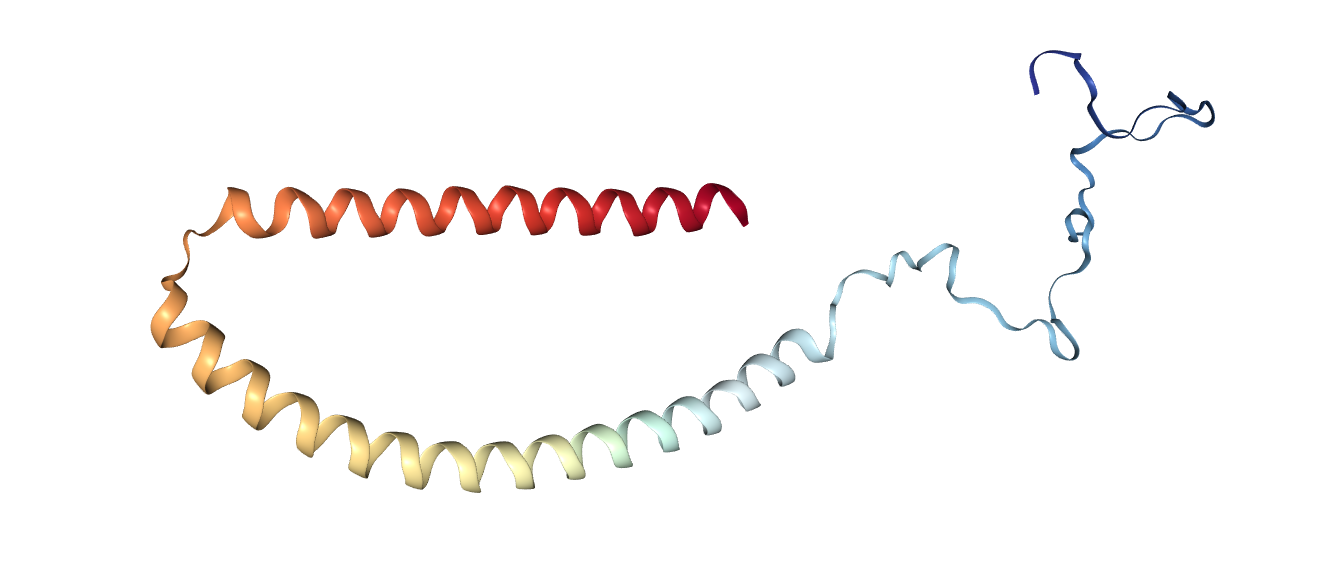
And recently researchers in Florida announced that they had identified an all new species of alpha synuclein that they have called “P-alpha-syn-star” or Pα-syn*.

In today’s post, we will discuss what is meant by the word ‘species’, look at the different species of alpha synuclein, and explore what this new species could mean for the Parkinson’s community.


 Source: Nationalgeographic

This microscopic creature is called Macrobiotus shonaicus. 

Isn’t it cute?

The researchers that discovered it found it in a Japanese parking lot.

It is one of the newest species of life discovered to date (Click here for the research report). It is a species of Tardigrade (meaning “slow stepper”; also known as a water bear or moss piglet). And for the uninitiated: Tardigrade are remarkable creatures.

Tardigrade. Source: BBC

They measure just 0.5 mm (0.02 in) long, there are approximately 1,150 known species of them, and they have been around for a VERY long time – with fossil records dating back to the Cambrian period (500 million years ago).

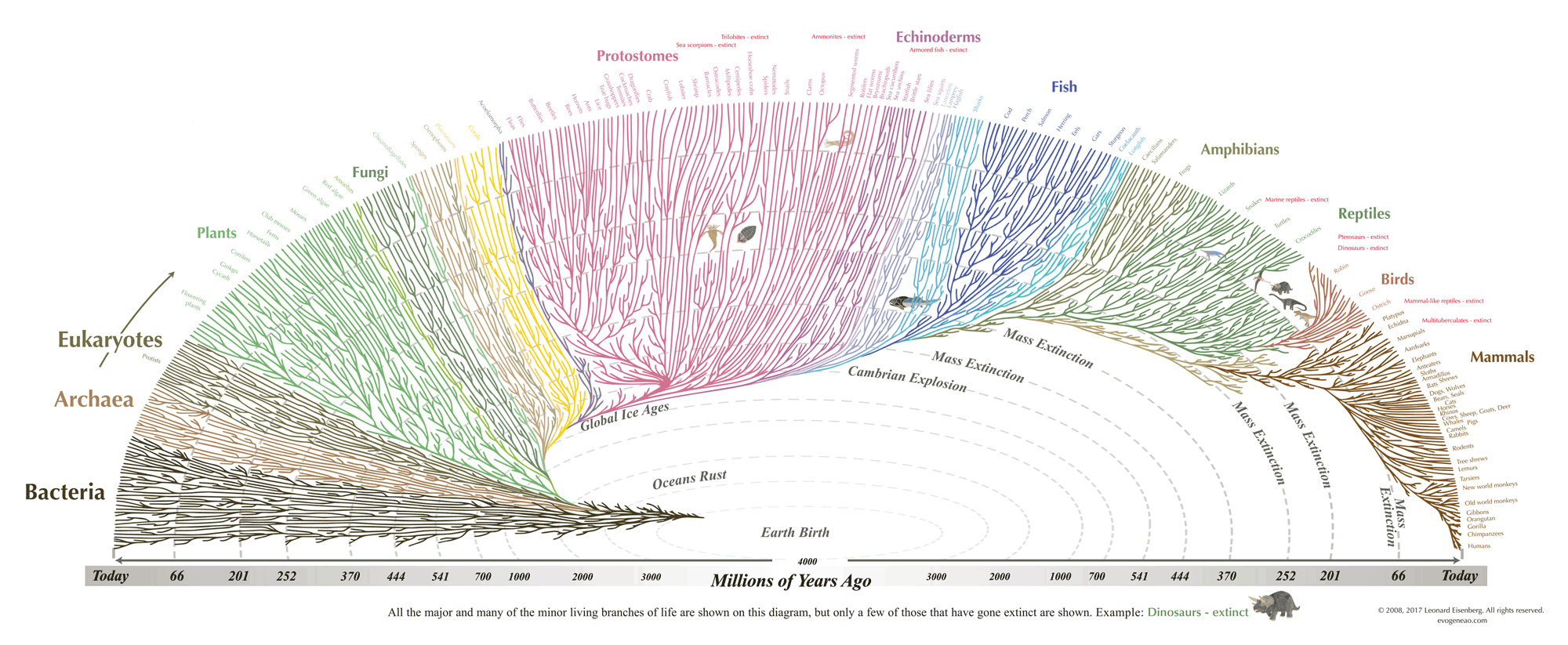
The tree of life (try and find the dinosaurs). Source: Evogeneao

But most importantly, tardigrade are EXTREMELY resilient:

  • they are the first known animals to survive in hard vacuum and UV radiation of outer space. Some of them can withstand extreme cold – down to temperatures of −458 °F (−272 °C), while other species of Tardigrade can withstand extremely hot temperatures  – up to 300 °F (150 °C) (Click here to read more)
  • they can withstand 1,000 times more radiation than other animals (Click here for more on that)
  • some species of Tardigrade can also withstand pressure of 6,000 atmospheres (that is nearly SIX times the pressure of water in the deepest ocean trench – the Mariana trench! Click here for more on this)
  • They are one of the few groups of species that are capable of suspending their metabolism; surviving for more than 30 years at −20 °C (−4 °F – Click here to read about this)

They are utterly remarkable creatures.

Great, but what does this have to do with Parkinson’s? Continue reading “Alpha Synuclein: New Species” →

Voyager Therapeutics: Phase I clinical trial update

Today biotech company Voyager Therapeutics announced an update on their ongoing phase Ib clinical trial. The trial is evaluating the safety and tolerance of a gene therapy approach for people with advanced Parkinson’s.

Gene therapy is a technique that involves inserting new DNA into a cell using viruses. In this clinical trial, the virally delivered DNA helps the infected cell to produce dopamine in order to alleviate the motor features of Parkinson’s.

In today’s post we will discuss what gene therapy is, review the new results mentioned in the update, and look at other gene therapy approaches for Parkinson’s.


Source: Baltimoresun

Voyager Therapeutics is a clinical-stage gene therapy company that is focused on treatments for neurological conditions, such as Parkinson’s. Today the company announced an update of their ongoing Phase 1b trial of their product VY-AADC01 (Click here to see the press release).

VY-AADC01 represents a new class of treatment for Parkinson’s, as it is a form of gene therapy.

What is gene therapy?

The gene therapy involves introducing a piece of DNA into a cell which will cause the cell to produce proteins that they usually do not (either by nature or by mutation). The DNA is artificially inserted into cells and the cell’s protein producing machinery does the rest.

Source: Yourgenome

How does gene therapy work?

Continue reading “Voyager Therapeutics: Phase I clinical trial update” →

The Parkinson’s association-‘s’

In an effort to better understand Parkinson’s, researchers have repeatedly analysed data from large epidemiological studies in order to gain insight into factors that could have a possible causal influence in the development of the condition.

This week a manuscript was made available on the preprint website BioRxiv that provided us with a large database of information about aspects of life that are associated with increased incidence of Parkinson’s. 

Some new associations have been made… and some of them are intriguing, while others are simply baffling!

In today’s post, we will have a look at what has been learnt from epidemiological research on Parkinson’s, and then discuss the new research and what it could mean for Parkinson’s. 


What are the differentiators? Source: Umweltbundesamt

What makes me different from you?

Other than my ridiculous height and the freakishly good looks, that is. What influential factors have resulted in the two of us being so different?

Yes, there is the genetics component playing a role, sure. 7,500 generations of homo sapien has resulted in a fair bit of genetic variation across the species (think red hair vs brown hair, dark skin vs light skin, tall Scandinavians vs African pygmies, etc). And then there are aspects like developmental noise and epigenetics (factors that cause modifications in gene activity rather than altering the genetic code itself).

Source: Presentationvoice

And over-riding all of this, is a bunch of other stuff that we generally refer to simply as ‘life’. Habits and routines, likes and dislikes, war and famine, etc. The products of how we interact with the environment, and how it interacts with us.

But which of all these factors plays a role in determining our ultimate outcome?

It is a fascinating question. One that absorbs a large area of medical research, particularly with regards to factors that could be influential in causing a specific chronic conditions.

What does this have to do with Parkinson’s?

Continue reading “The Parkinson’s association-‘s’” →

Monthly Research Review – February 2018

At the end of each month, the Science of Parkinson’s writes a post which provides an overview of some of the major pieces of Parkinson’s-related research that were made available.

In this post we review some of the research from February 2018.

The post is divided into four parts based on the type of research (Basic biology, disease mechanism, clinical research, and other news). 


Seeing shadows: Punxsutawney Phil. Source: Wordonfire

In major world event news: On the 2nd February of 2018, Punxsutawney Phil – the groundhog who resides at Gobbler’s Knob of Punxsutawney, Pennsylvania – scurried out of his little hole and saw his shadow. This omen indicates that we have a long winter. Given how hard and bitter this particular winter has been, Americans naturally rejoiced.

On the 6th February, SpaceX successfully launched a Tesla sports car into space – see the video below for the highlights (and if you don’t have time to watch it all, at the very least jump forward to 3:45 and watch the two boosters land simultaneously – surely they didn’t plan for it to be that perfect!)

In other news, on the 1st February, the Centers for Disease Control and Prevention announced that it was dramatically downsizing its epidemic prevention activities in 39 out of 49 countries, due to concerns about funding.

And of course we had the 2018 Winter Olympics – where New Zealand came in 27th on the medals board:

Source: Madison365

In the world of Parkinson’s research, a great deal of new research and news was reported.

In February 2018, there were 698 research articles added to the Pubmed website with the tag word “Parkinson’s” attached (1577 for all of 2018 so far). In addition, there was a wave to news reports regarding various other bits of Parkinson’s research activity (clinical trials, etc).

The top 5 pieces of PD news

Continue reading “Monthly Research Review – February 2018” →