The LRRK Ascending

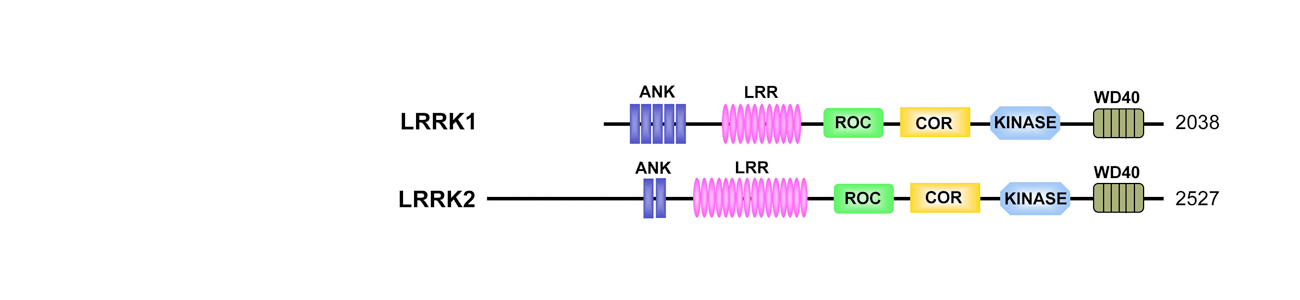
Genetic mutations (or ‘variants’) in the Leucine-rich repeat kinase 2 (or LRRK2; also known as Dardarin) gene are associated with increased risk of Parkinson’s. As a result this gene has become the focus of a lot of genetic research.

But what about LRRK2’s less well-known, rather neglected sibling LRRK1?

In today’s post, we will look at new research that suggests the LRRK siblings could both be involved with Parkinson’s disease. 


I recommend to the reader that today’s post should be read with the following music playing in the background:

Inspired by a poem of the same title, English composer Ralph Vaughan Williams wrote ‘The Lark Ascending’ in 1914. It is still to this day, a tune that remains a firm favourite with BBC listeners here in the UK (Source).

On to business:

While the music and the poem are about a songbird, today’s SoPD post deals with a different kind of Lark.

Or should I say LRRK.

This is Sergey Brin.

sergey_brin

Nice guy.

He was one of the founders of a small company you may have heard of – it’s called “Google”.

Having changed the way the world searches the internet, he is now turning his attention to other projects.

One of those other projects is close to our hearts: Parkinson’s disease.

Continue reading “The LRRK Ascending”

CRISPR-Cas9: “New CRISPY Parkinson’s research”

Recently a Parkinson’s-associated research report was published that was the first of many to come.

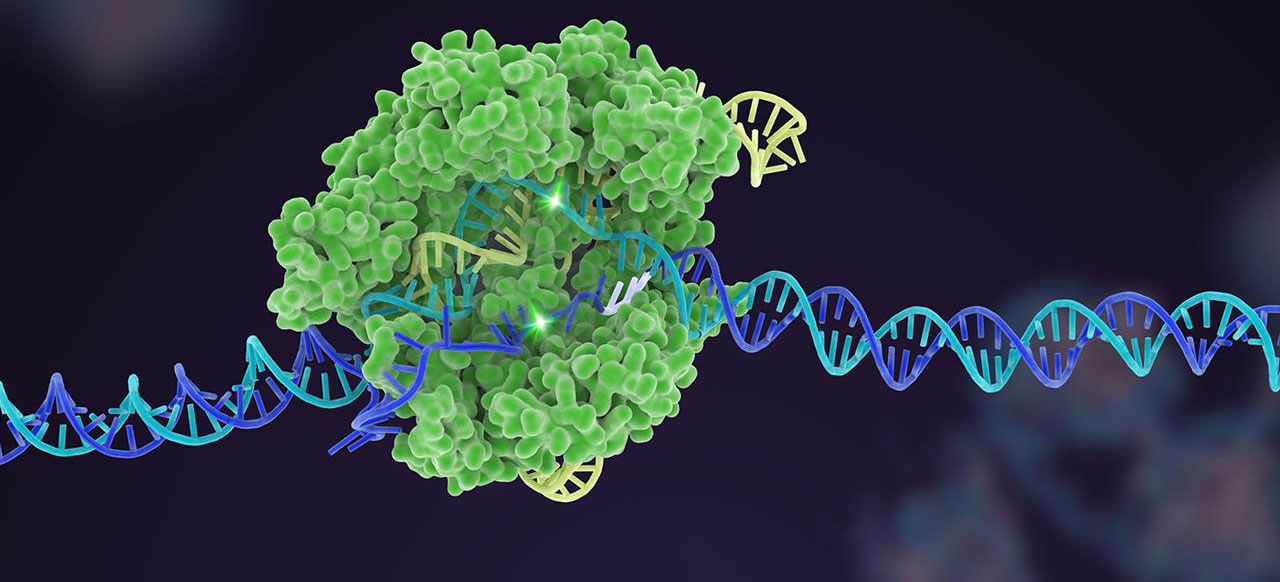
It involves the use of a genetic screening experiment that incorporates new technology called ‘CRISPR’.

There is an absolute tidal wave of CRISPR-related Parkinson’s disease research coming down the pipe towards us, and it is important that the Parkinson’s community understands how this powerful technology works.

In today’s post we will look at what the CRISPR technology is, how it works, what the new research report actually reported, and discuss how this technology can be used to tackle a condition like Parkinson’s.


Me and my mother (and yes, the image is to scale). Source: Openclipart

My mother: Simon, what is all this new ‘crispy’ research for Parkinson’s I heard about on the news?

Me: Huh? (I was not really paying attention to the question. Terrible to ignore one’s mother I know, but what can I say – I am the black sheep of the family)

My mother: Yes, something about ‘crispy’ and Parkinson’s.

Me: Oh! You mean CRISPR. Yeah, it’s really cool stuff.

My mother: Ok, well, can you explain it all to me please, this ‘Crisper’ stuff?

Me: Absolutely.

CRISPR.101 (or CRISPR for beginners)

In almost every cell of your body, there is a nucleus.

It is the command centre for the cell – issuing orders and receiving information concerning everything going on inside and around the cell. The nucleus is also a storage bank for the genetic blueprint that provides most of the instructions for making a physical copy of you. Those grand plans are kept bundled up in 23 pairs of chromosomes, which are densely coiled strings of a molecule called Deoxyribonucleic acid (or DNA).

DNA’s place inside the cell. Source: Kids.Britannica

Continue reading “CRISPR-Cas9: “New CRISPY Parkinson’s research””

Clinical trials: The Power of One

As the age of personalised medicine approaches, innovative researchers are rethinking the way we conduct clinical studies. “Rethinking” in radical ways – think: individualised clinical trials! 

One obvious question is: Can you really conduct a clinical trial involving just one participant?

In this post, we will look at some of the ideas and evaluate the strengths and weaknesses these approaches.


A Nobel prize medal. Source: Motley

In the annals of Nobel prize history, there are a couple winners that stands out for their shear….um, well,…audacity.

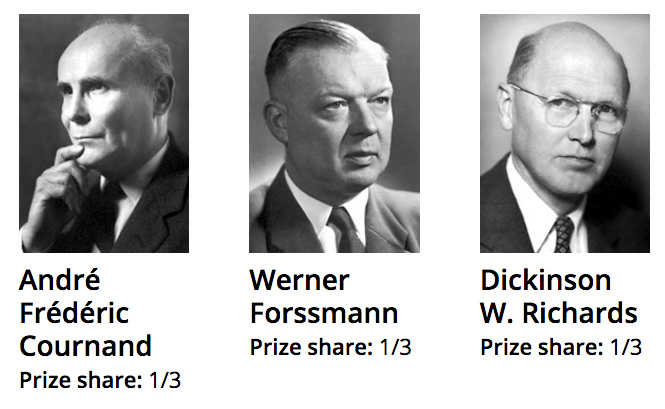
One example in particular, was the award given to physician Dr Werner Forssmann. In 1956, Andre Cournand, Dickinson Richards and Forssmann were awarded the Nobel Prize in Physiology or Medicine “for their discoveries concerning heart catheterisation and pathological changes in the circulatory system”. Forssmann was responsible for the first part (heart catheterisation).

Source: Nobelprize

In 1929, at the age of 25, Forssmann performed the first human cardiac catheterisation – that is a procedure that involves inserting a thin, flexible tube directly into the heart via an artery (usually in the arm, leg or neck). It is a very common procedure performed on a daily basis in any hospital today. But in 1929, it was revolutionary. And the audacious aspect of this feat was that Forssmann performed the procedure on himself!

And if you think that is too crazy to be true, please read on.

But be warned: this particular story gets really bonkers.

Continue reading “Clinical trials: The Power of One”

Resveratrol’s neglected siblings


We have previously discussed the powerful antioxidant Resveratrol, and reviewed the research suggesting that it could be beneficial in the context of Parkinson’s disease (Click here to read that post).

I have subsequently been asked by several readers to provide a critique of the Parkinson’s-associated research focused on Resveratrol’s twin sister, Pterostilbene (pronounced ‘Terra-still-bean’).

But quite frankly, I can’t.

Why? Because there is NO peer-reviewed scientific research on Pterostilbene in models of Parkinson’s disease.

In today’s post we will look at what Pterostilbene is, what is known about it, and why we should seriously consider doing some research on this compound (and its cousin Piceatannol) in the context of Parkinson’s disease.


Blue berries are the best natural source of Pterostilbene. Source: Pennington

So this is likely to be the shortest post in SoPD history.

Why?

Because there is nothing to talk about.

There is simply no Parkinson’s-related research on the topic of today’s post: Pterostilbene. And that is actually a crying shame, because it is a very interesting compound.

What is Pterostilbene?

Like Resveratrol, Pterostilbene is a stilbenoid.

Stilbenoids are a large class of compounds that share the basic chemical structure of C6-C2-C6:

Resveratrol is a good example of a stilbenoid. Source: Wikipedia

Stilbenoids are phytoalexins (think: plant antibiotics) produced naturally by numerous plants. They are small compounds that become active when the plant is under attack by pathogens, such as bacteria or fungi. Thus, their function is generally considered to part of an anti-microbial/anti-bacterial plant defence system for plants.

The most well-known stilbenoid is resveratrol which grabbed the attention of the research community in a 1997 study when it was found to inhibit tumour growth in particular animal models of cancer:

Continue reading “Resveratrol’s neglected siblings”

Trying to ‘beet’ Parkinson’s in the developing world

Recently I discussed my ‘Plan B’ idea, which involves providing a cheap alternative to expensive drugs for folks living in the developing world with Parkinson’s (Click here for that post).

While doing some research for that particular post, I came across another really interesting bit of science that is being funded by Parkinson’s UK.

It involves Beetroot.

In today’s post we will look at how scientists are attempting turn this red root vegetable into a white root vegetable in an effort to solve Parkinson’s in the developing world.


Pompeii and Mount Vesuvius. Source: NationalGeo

During visits to the ancient Roman city of Pompeii (in Italy), tourists are often drawn by their innocent curiosity to the ‘red light’ district of the city. And while they are there, they are usually amused by the ‘descriptive’ murals that still line the walls of the buildings in that quarter.

So amused in fact that they often miss the beetroots.

Huh? Beetroots?

Yes, beetroots.

I’m not suggesting that anyone spends a great deal of time making a close inspection of the walls, but if you look very carefully, you will often see renditions of beetroots.

They are everywhere. For example:

Two beetroots hanging from the ceiling.

Again: Huh?

The Romans considered beetroot to be quite the aphrodisiac, believing that the juice ‘promoted amorous feelings’. They also ate the red roots for medicinal purposes, consuming it as a laxative or to cure fever.

And this medicinal angle lets me segway nicely into the actual topic of today’s post. You see, in the modern era researcher are hoping to use beetroot for medicinal purposes again. But this time, the beetroot will be used to solve an issue close to my heart: treating people with Parkinson’s in the developing world.

Using beetroot to treat Parkinson’s?

Continue reading “Trying to ‘beet’ Parkinson’s in the developing world”

PACAP and a snail model of Parkinson’s

We are going to talk about a snail model of Parkinson’s disease. I kid you not.

Love them or hate them, recent research on snails is helping us to better understand a potential therapeutic target for Parkinson’s disease, called Pituitary adenylate cyclase-activating polypeptide (or PACAP).

In today’s post we will look at what PACAP is, outline the new snail research, and discuss what they mean for people living with Parkinson’s disease.


Snail2

The humble snail. Source: Warrenphotographic

In a recent post, I talked about a class of drugs called Dipeptidyl peptidase-4 (or DPP-4) inhibitors (Click here to read that post). DPP-4 is a ubiquitous enzyme (it is present on most cells in your body) that breaks down certain proteins.

In that post, I listed some of the proteins that DPP-4 targets – they include:

  • Gastrin-releasing peptide (GRP)
  • Glucagon
  • Glucagon-like peptide-1 (GLP-1)
  • Glucagon-like peptide-2 (GLP-2)
  • Granulocyte-macrophage colony-stimulating factor (GM-CSF)
  • GHRH and IGF-1
  • High-mobility group box 1 (HMGB1)
  • Macrophage-derived chemokine (MDC)
  • Macrophage inflammatory protein-1 α (MIP-1 α), chemokine (C-C motif) ligand 3-like 1 (CCL3L1), or LD78β
  • Pituitary adenylate cyclase-activating polypeptide (PACAP)
  • Neuropeptide Y (NPY)
  • Regulated on activation, normal T cell expressed and secreted (Rantes)
  • Stromal cell-derived factor-1 (SDF-1)
  • Substance P (SP)

Lots of interesting proteins with regards to Parkinson’s disease on this list, including GLP-1 which has been turned in the drug Exenatide (which has demonstrated positive effects in recent clinical trials for Parkinson’s disease – click here and here to read more about this). Another interesting protein on the list is ‘Granulocyte-macrophage colony-stimulating factor‘ (GM-CSF) which we have also discussed in a previous post (Click here to read that post). A synthetic version of GM-CSF (called Sargramostim) has recently been tested in a clinical trial of Parkinson’s disease in Nebraska, and the results of that Phase I trial have been very encouraging.

By treating people with DPP-4 inhibitors (also known as ‘gliptins’), one would be blocking the breaking down of these potentially beneficial proteins – increasing the general amount of GLP-1 and GMCSF that is floating around in the body.


EDITOR’S NOTE: DPP-4 inhibitors have not yet been clinically tested in Parkinson’s disease, and thus we have no idea if they are safe in people with this condition. They are being mentioned here purely as part of an academic discussion.


One protein on the list of DPP-4 targets above that we have not yet discussed is Pituitary adenylate cyclase-activating polypeptide (or PACAP).

And today we are going to have a look at it.

Why?

Continue reading “PACAP and a snail model of Parkinson’s”

A clever new Trk for Rasagiline

The protein Alpha Synuclein has long been considered the bad-boy of Parkinson’s disease research. Possibly one of the main villains in the whole scheme of things. 

New research suggests that it may be interfering with a neuroprotective pathway, leaving the affected cell more vulnerable to stress/toxins. But that same research has highlighted a novel beneficial feature of an old class of drugs: MAO-B inhibitors.

In today’s post we will outline the new research, discuss the results, and look at whether this new Trk warrants a re-think of MAO-B inhibitors.


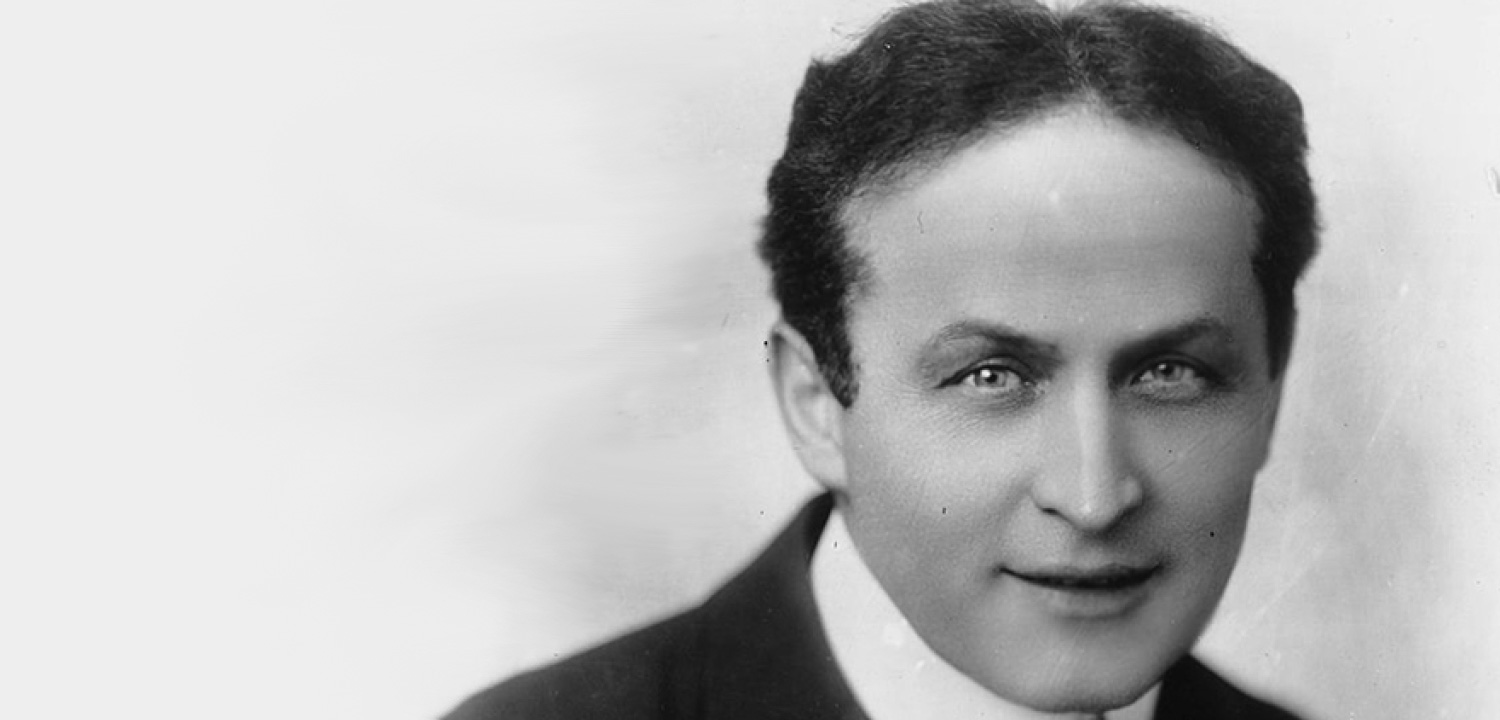
The great Harry Houdini. Source: Wikipedia

I’m not sure about you, but I enjoy a good magic trick.

That exhilarating moment when you are left wondering just one thing: How do they do that?

(Seriously, at 4:40 a baguette comes out of thin air – how did he do that?)

Widely believed to have been one of the greatest magicians of all time (Source), Harry Houdini is still to this day revered among those who practise the ‘dark arts’.

Born Erik Weisz in Budapest (in 1874), Houdini arrived in the US in 1878. Fascinated with magic, in 1894, he launched his career as a professional magician and drew attention for his daring feats of escape. He renamed himself “Harry Houdini” – the first name being derived from his childhood nickname, “Ehrie,” and the last name paying homage to the great French magician Jean Eugène Robert-Houdin. In 1899, Houdini’s act caught the eye of Martin Beck, an entertainment manager, and from there the rest is history. Constantly upping the ante, his feats became bolder and more death defying.

And the crowds loved him.

From stage, he moved on to film – ultimately starting his own production company, Houdini Picture Corporation. In addition, he was a passionate debunker of psychics and mediums, his training in magic helping him to expose frauds (which turned him against his former friend Sir Arthur Conan Doyle, who believed deeply in spiritualism).

This is all very interesting, but what does any of it have to do with Parkinson’s?

Continue reading “A clever new Trk for Rasagiline”

NIX-ing the PARKIN and PINK1 problem

In American slang, to ‘nix‘ something is to ‘put an end to it’.

Curiously, a protein called NIX may be about to help us put an end to Parkinson’s disease, at least in people with specific genetic mutations.

In today’s post we will look at what NIX is, outline a new discovery about it, and discuss what this new information will mean for people living with Parkinson’s disease.


Sydney harbour. Source: uk.Sydney

Before we start, I would like the reader to appreciate that I am putting trans-Tasman rivalry side here to acknowledge some really interesting research that is being conducted in Australia at the moment.

And this is really interesting.

I have previously spoken a lot about mitochondria and Parkinson’s on this website. For the uninitiated, mitochondria are the power house of each cell. They help to keep the lights on. Without them, the party is over and the cell dies.

Mitochondria

Mitochondria and their location in the cell. Source: NCBI

You may remember from high school biology class that mitochondria are tiny bean-shaped objects within the cell. They convert nutrients from food into Adenosine Triphosphate (or ATP). ATP is the fuel which cells run on. Given their critical role in energy supply, mitochondria are plentiful (some cells have thousands) and highly organised within the cell, being moved around to wherever they are needed.

Like you and I and all other things in life, however, mitochondria have a use-by date.

As mitochondria get old and worn out (or damaged) with time, the cell will recycle them via a process called mitophagy (a blending of the words mitochondria and autophagy – the waste disposal system of each cell).

What does this have to do with Parkinson’s disease?

Well, about 10% of Parkinson’s cases are associated with particular genetic variations that render people vulnerable to developing the condition. Some of these mutations are in sections of DNA (called genes) that provide the instructions for proteins that are involved in the process of mitophagy. Two genes, in particular, are the focus of a lot of Parkinson’s-related research – they are called PARKIN and PINK1.

What do PARKIN and PINK1 do?

Continue reading “NIX-ing the PARKIN and PINK1 problem”

We need a clinical trial of broccoli. Seriously!

In a recent post, I discussed research looking at foods that can influence the progression of Parkinson’s (see that post here). I am regularly asked about the topic of food and will endeavour to highlight more research along this line in future post.

In accordance with that statement, today we are going to discuss Cruciferous vegetables, and why we need a clinical trial of broccoli.

I’m not kidding.

There is growing research that a key component of broccoli and other cruciferous vegetables – called Glucoraphanin – could have beneficial effects on Parkinson’s disease. In today’s post, we will discuss what Glucoraphanin is, look at the research that has been conducted and consider why a clinical trial of broccoli would be a good thing for Parkinson’s disease.


Cruciferous vegetables. Source: Diagnosisdiet

Like most kids, when I was young I hated broccoli.

Man, I hated it. With such a passion!

Usually they were boiled or steamed to the point at which they have little or no nutritional value, and they largely became mush upon contact with my fork.

The stuff of my childhood nightmares. Source: Modernpaleo

As I have matured (my wife might debate that statement), my opinion has changed and I have come to appreciate broccoli. Our relationship has definitely improved.

In fact, I have developed a deep appreciation for all cruciferous vegetables.

And yeah, I know what you are going to ask:

What are cruciferous vegetables?

Cruciferous vegetables are vegetables of the Brassicaceae family (also called Cruciferae). They are a family of flowering plants commonly known as the mustards, the crucifers, or simply the cabbage family. They include cauliflower, cabbage, garden cress, bok choy, broccoli, brussels sprouts and similar green leaf vegetables.

Cruciferous vegetables. Source: Thetherapyshare

So what have Cruciferous vegetables got to do with Parkinson’s?

Well, it’s not the vegetables as such that are important. Rather, it is a particular chemical that this family of plants share – called Glucoraphanin – that is key.

What is Glucoraphanin?

Continue reading “We need a clinical trial of broccoli. Seriously!”

Plan B: Itchy velvet beans – Mucuna pruriens

Mucuna-Pruriens-Mood-and-Hormone-Velvet-Bean

The motor features of Parkinson’s disease can be managed with treatments that replace the chemical dopamine in the brain. 

While there are many medically approved dopamine replacement drugs available for people affected by Parkinson’s disease, there also are more natural sources.

In today’s post we will look at the science and discuss the research supporting one of the most potent natural source for dopamine replacement treatment: Mucuna pruriens


Plan.B-oneway

Source: Yourtimeladies

When asked by colleagues and friends what is my ‘plan B’ (that is, if the career in academia does not play out – which is highly probable I might add – Click here to read more about the disastrous state of biomedical research careers), I answer that I have often considered throwing it all in and setting up a not-for-profit, non-governmental organisation to grow plantations of a tropical legume in strategic places around the world, which would provide the third-world with a cheap source of levodopa – the main treatment in the fight against Parkinson’s disease.
Mucuna_pruriens_08

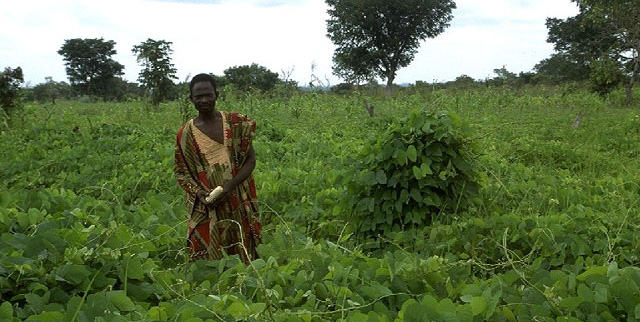
Plan B: A legume plantation. Source: Tropicalforages

The response to my answer is generally one of silent wonder – that is: me silently wondering if they think I’m crazy, and them silently wondering what on earth I’m talking about.

As romantic as the concept sounds, there is an element of truth to my Plan B idea.

I have read many news stories and journal articles about the lack of treatment options for those people with Parkinson’s disease living in the developing world.

South-Africa-hospital

Hospital facilities in the rural Africa. Source: ParkinsonsLife

Some of the research articles on this topic provide a terribly stark image of the contrast between people suffering from Parkinson’s disease in the developing world versus the modernised world. A fantastic example of this research is the work being done by the dedicated researchers at the Parkinson Institute in Milan (Italy), who have been conducting the “Parkinson’s disease in Africa collaboration project”.
5x1000.banner-5x1000-2017-medicigk-is-331

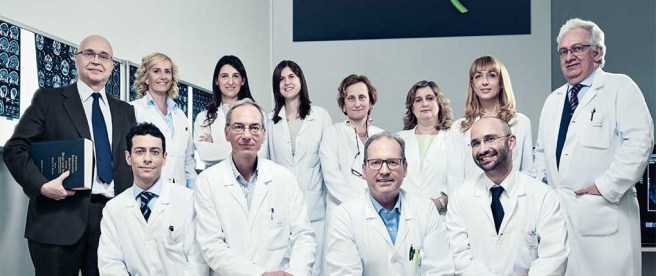
The researchers at the Parkinson Institute in Milan. Source: Parkinson Institute 

The project is an assessment of the socio-demographic, epidemiological, clinical features and genetic causes of Parkinson’s disease in people attending the neurology out-patients clinic of the Korle Bu Teaching and Comboni hospitals. Their work has resulted in several really interesting research reports, such as this one:
Ghana
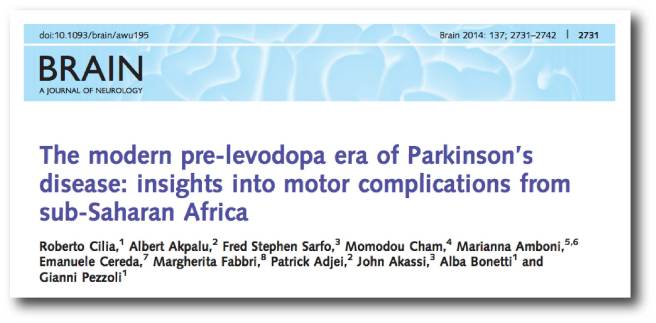
Title: The modern pre-levodopa era of Parkinson’s disease: insights into motor complications from sub-Saharan Africa.
Authors: Cilia R, Akpalu A, Sarfo FS, Cham M, Amboni M, Cereda E, Fabbri M, Adjei P, Akassi J, Bonetti A, Pezzoli G.
Journal: Brain. 2014 Oct;137(Pt 10):2731-42.
PMID: 25034897          (This article is OPEN ACCESS if you would like to read it)

In this study, the researchers collected data in Ghana between December 2008 and November 2012, and each subject was followed-up for at least 6 months after the initiation of Levodopa therapy. In total, 91 Ghanaians were diagnosed with Parkinson’s disease (58 males, average age at onset 60 ± 11 years), and they were compared to 2282 Italian people with Parkinson’s disease who were recruited during the same period. In long-term follow up, 32 Ghanaians with Parkinson’s disease were assessed (with an average follow period of 2.6 years).

There are some interesting details in the results of the study, such as:

  • Although Levodopa therapy was generally delayed – due to availability and affordability – in Ghana (average disease duration before Levodopa treatment was 4.2 years in Ghana versus just 2.4 years in Italy), the actual disease duration – as determined by the occurrence of motor fluctuations and the onset of dyskinesias – was similar in the two populations.

Ghana2

Source: PMC

  • The motor fluctuations were similar in the two populations, with a slightly lower risk of dyskinesias in Ghanaians.
  • Levodopa daily doses were higher in Italians, but this difference was no longer significant after adjusting for body weight.
  • Ghanaian Parkinson’s sufferers who developed dyskinesias were younger at onset than those who did not.

Reading these sorts of research reports, I am often left baffled by the modern business world’s approach to medicine. I am also left wondering how an individual’s experience of Parkinson’s disease in some of these developing nations would be improved if a cheap alternative to the dopamine replacement therapies was available.

Are any cheap alternatives available?

Continue reading “Plan B: Itchy velvet beans – Mucuna pruriens”