Multiple System Atrophy: A prion disease?

‘Parkinsonisms’ refer to a group of neurological conditions that cause movement features similar to those observed in Parkinson’s disease. They include multiple system atrophy (MSA) and Progressive supranuclear palsy (PSP) and idiopathic Parkinson’s.

Newly published research now shines a light on a possible mechanism for differentiating between multiple system atrophy and idiopathic Parkinson’s.

In today’s post we will look at what multiple system atrophy is, review the new research report, and discuss what these results could mean for the Parkinson’s community.


Brain immaging of multiple system atrophy–related spatial covariance pattern (MSARP) and Parkinson disease–related spatial covariance pattern (PDRP). Source: Neurology

For a long time I have been looking to write a piece of Multiple system atrophy.

I have been contacted by several readers asking for more information about it, and the only thing really delaying me – other than the tsunami of Parkinson’s related research that I am currently trying to write posts for – was the lack of a really interesting piece of research to base the post around.

Guess what came into my inbox yesterday:
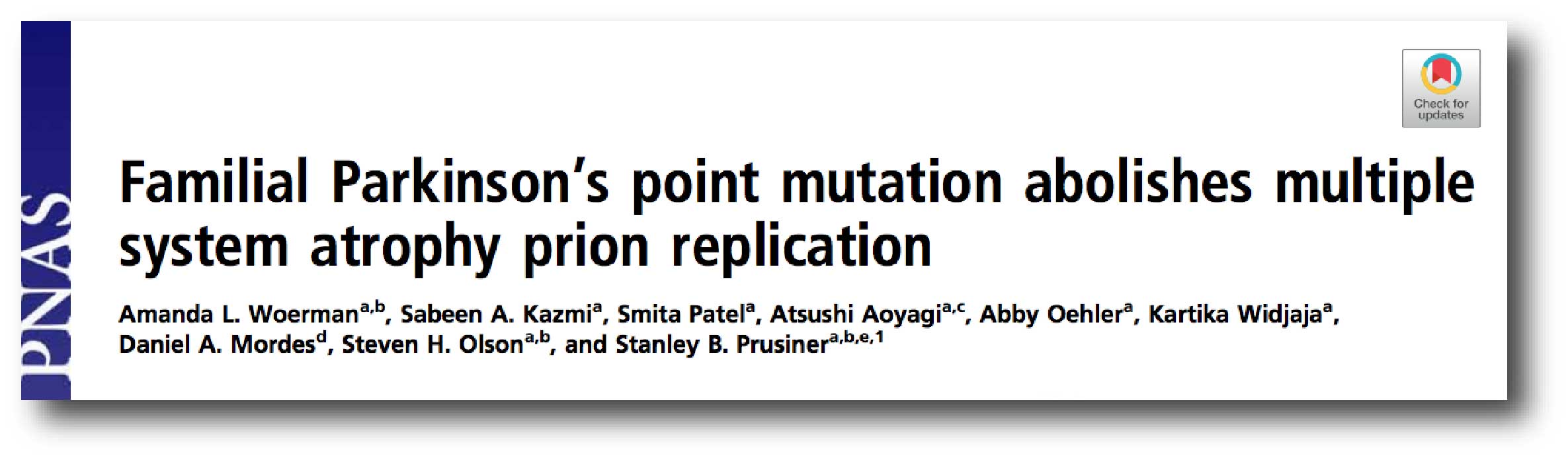
Title: Familial Parkinson’s point mutation abolishes multiple system atrophy prion replication.
Authors: Woerman AL, Kazmi SA, Patel S, Aoyagi A, Oehler A, Widjaja K, Mordes DA, Olson SH, Prusiner SB.
Journal: Proc Natl Acad Sci U S A. 2017 Dec 26. pii: 201719369.
PMID: 29279394

This is a really interesting piece of research, that continues a line of other really interesting research.

And if it is independently replicated and verified, it will have massive implications for the Parkinson’s community, particularly those affected by Multiple System Atrophy.

But before we deal with that, let’s start with the obvious question:

What is Multiple System Atrophy?

Continue reading “Multiple System Atrophy: A prion disease?”

Novartis focuses on improving PARKIN control

Last week, as everyone was preparing for Christmas celebrations, researchers at the pharmaceutic company Novartis published new research on a gene that is involved with Parkinson’s, called PARKIN (or PARK2).

They used a new gene editing technology – called CRISPR – to conduct a large screening study to identify proteins that are involved with the activation of PARKIN.

In today’s post we will look at what PARKIN does, review the research report, and discuss how these results could be very beneficial for the Parkinson’s community.


Source: Novartis

As many people within the Parkinson’s community will be aware, 2017 represented the 200th anniversary of the first report of Parkinson’s disease by James Parkinson.

It also the 20th anniversary of the discovery of first genetic mutation (or variant) that increases the risk of developing Parkinson’s. That genetic variation occurs in a region of DNA (a gene) called ‘alpha synuclein’. Yes, that same alpha synuclein that seems to play such a critical role in Parkinson’s (Click here to read more about the 20th anniversary).

In 2018, we will be observing the 20th anniversary of the second genetic variation associated with Parkinson.

That gene is called PARKIN:

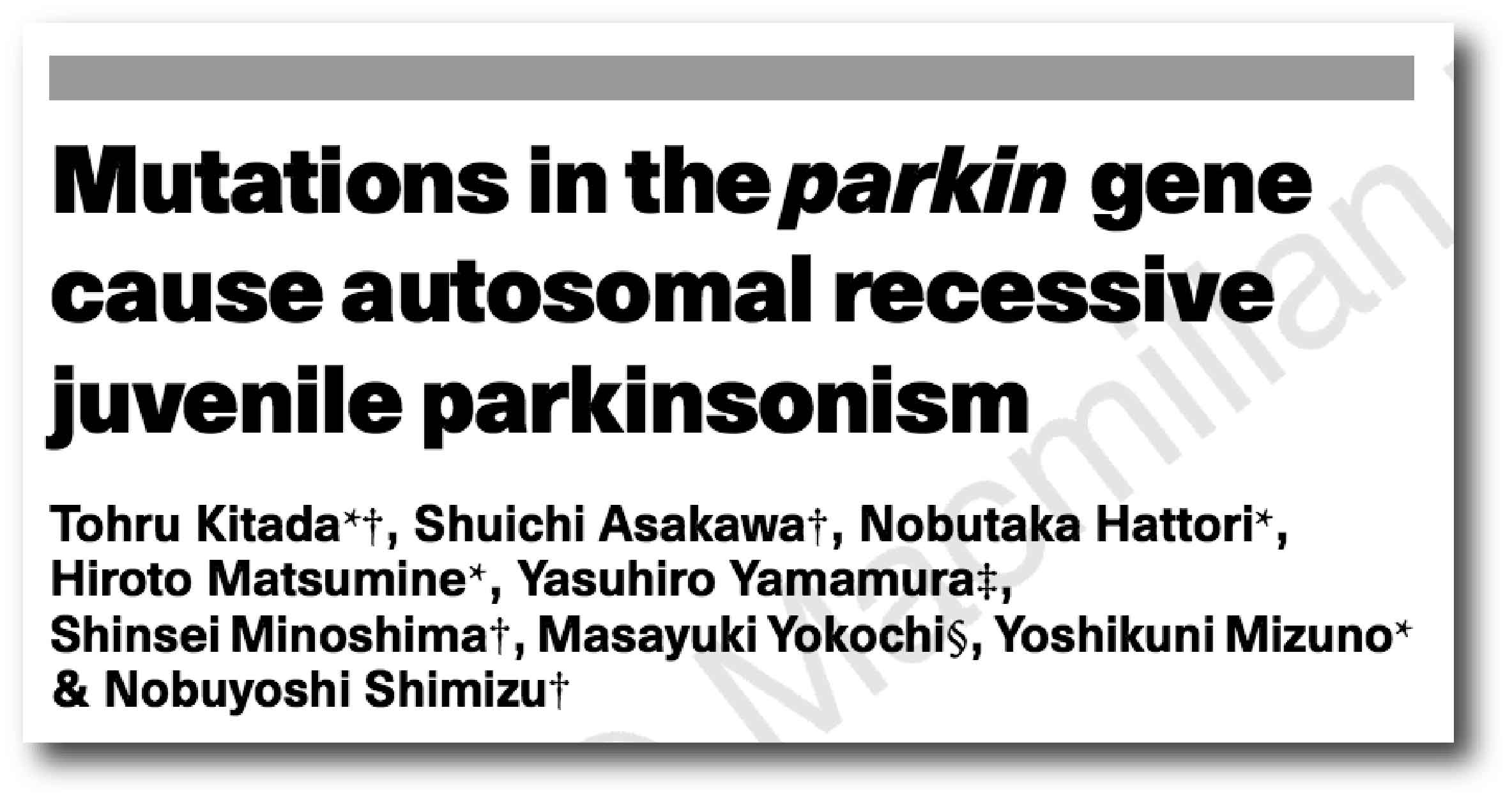
Title: Mutations in the parkin gene cause autosomal recessive juvenile parkinsonism.
Authors: Kitada T, Asakawa S, Hattori N, Matsumine H, Yamamura Y, Minoshima S, Yokochi M, Mizuno Y, Shimizu N
Journal: Nature. 1998 Apr 9; 392(6676):605-8
PMID: 9560156

In 1998, Japanese researchers published this report based on 5 individuals from 4 Japanese families who were affected by juvenile-onset Parkinson’s. In family 1, the affected individual was a female, 43 years old, born of first-cousin parents, and her two younger brothers are healthy. Her condition was diagnosed in her teens and it had then progressed very slowly afterwards. Her response to L-dopa was very positive, but L-dopa-induced dyskinesia were frequent. In family 2-4, affected individuals (born to unrelated parents) exhibited very similar clinical features to the subject in family 1. The age of onset was between 18 to 27 years of age.

Using previous research and various techniques the investigators were able to isolate genetic variations that were shared between the 5 affected individuals. They ultimately narrowed down their search to a section of DNA containing 2,960 base pairs, which encoded a protein of 465 amino acids.

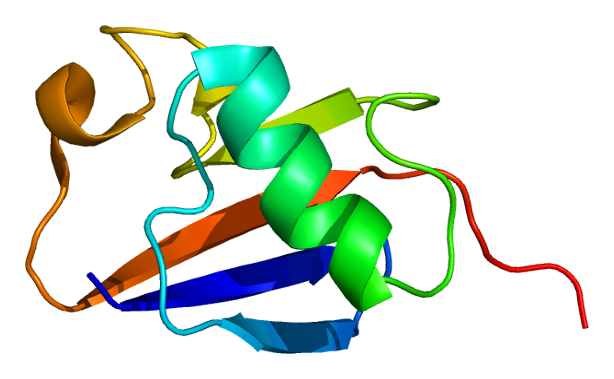
They decided to call that protein PARKIN.

PARKIN Protein. Source: Wikipedia

How much of Parkinson’s is genetic?

Continue reading “Novartis focuses on improving PARKIN control”

Inhibiting LRRK2: The Denali Phase I results

Denali

This week Denali Therapeutics released the results of a phase I clinical trial of their primary product, called DNL-201.

DNL-201 is a LRRK2 inhibitor that the company is attempting to take to the clinic for Parkinson’s disease. 

In today’s post we will look at what LRRK2 is, how an inhibitor might help in Parkinson’s, and what the results of the trial actually mean.


Wonder_Lake_and_Denali

Denali. Source: Wikipedia

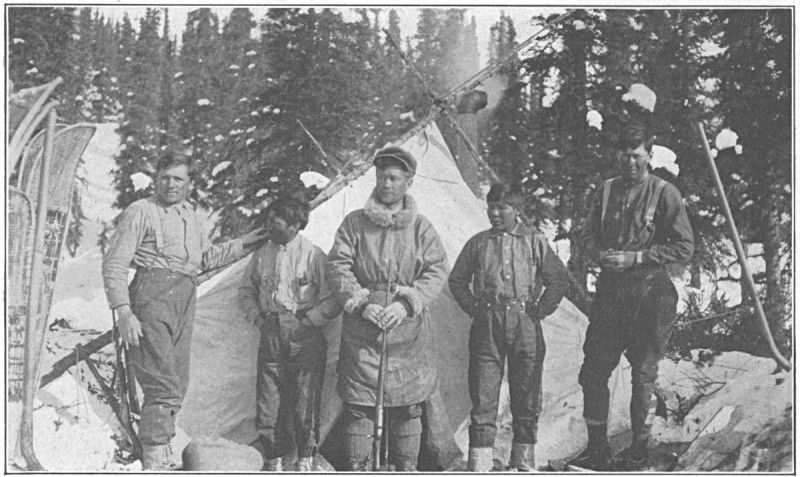
Denali (Koyukon for “the high one”; also known as Mount McKinley) in Alaska is the highest mountain peak in North America, with a summit elevation of 20,310 feet (6,190 m) above sea level. The first verified ascent to Denali’s summit occurred on June 7, 1913, by four climbers Hudson Stuck, Harry Karstens, Walter Harper, and Robert Tatum.

Tatum (left), Karstens (middle), and Harper (right). Source: Gutenberg

Robert Tatum later commented, “The view from the top of Mount McKinley is like looking out the windows of Heaven!”

More recently another adventurous group associated with ‘Denali’ have been trying to scale lofty heights, but of a completely different sort from the mountaineering kind.

Continue reading “Inhibiting LRRK2: The Denali Phase I results”

James: His legacy (Part 4)

On Tuesday 21st December, 1824, James Parkinson passed away in his home – two days after suffering a stroke.

It was the end of an amazing and extremely productive life.

In this post about James Parkinson – the final in the series of four observing the 200th anniversary of his first observation of Parkinson’s disease – we look at what happened following his death, and reflect on his overall legacy.


St Leonard’s church in Hoxton, London – James’ church

At the end of the third post on the life of James Parkinson (Click here to read that post), the Battle of Waterloo had just occurred and James was publishing the last of his writings.

One of the last major events in the life of James Parkinson occurred in 1823, when James was awarded the Royal College of Surgeons’ first Gold Medal.

Understand that this was a big deal.

The college had established the award way back in 1802 for “distinguished labours, researches and discoveries”. But it took them a full 21 years to find anyone that they thought worthy enough to be the first recipient.

And that first recipient: one James Parkinson

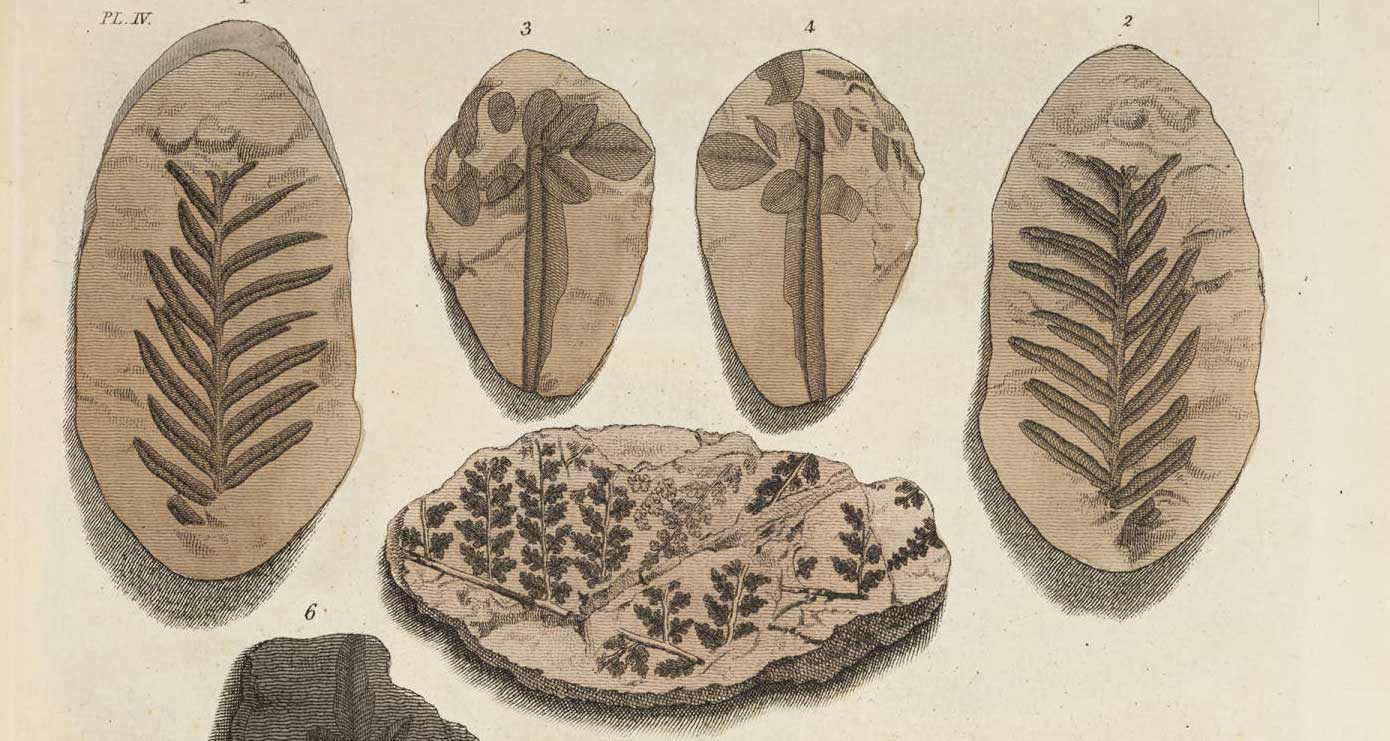
This event, however, represents very nicely how the legacy of James has changed over time. While the world currently associates James Parkinson with a neurological condition that he first described in 1817, the Royal College of Surgeons awarded him their first gold medal not for any of his medical publications, but rather for his “splendid Work on Organic Remains”.

parkinson3

Source: Lindahall

As I have written before, James was a bit of a rockstar to the geological/palaeontology community. His writings on what he called his “favourite science”, had earned him an international reputation and one has to wonder how he would feel now if he knew that his reputation lies elsewhere.

As JP aficionado Dr Cherry Lewis once wrote: history is fickle.

Continue reading “James: His legacy (Part 4)”

A virtual reality for Parkinson’s: Keapstone

parkinsons_virtual_biotech_graphic

In 2017, Parkinson’s UK – the largest charitable funder of Parkinson’s disease research in Europe – took a bold step forward in their efforts to find novel therapies.

In addition to funding a wide range of small and large academic research projects and supporting clinical trials, they have also decided to set up ‘virtual biotech’ companies – providing focused efforts to develop new drugs for Parkinson’s, targeting very specific therapeutic areas.

In today’s post we will look at the science behind their first virtual biotech company: Keapstone.


Virtual_Reality_Oculus_Rift

A virtual world of bioscience. Source: Cast-Pharma

I have previously discussed the fantastic Parkinson’s-related research being conducted at Sheffield University (Click here to read that post). Particularly at the Sheffield Institute for Translational Neuroscience (SITraN) which was opened in 2010 by Her Majesty The Queen. It is the first European Institute purpose-built and dedicated to basic and clinical research into Motor Neuron Disease as well as other neurodegenerative disorders such as Parkinson’s and Alzheimer’s disease.

The research being conducted at the SITraN has given rise to multiple lines of research following up interesting drug candidates which are gradually being taken to the clinic for various conditions, including Parkinson’s.

It’s all very impressive.

And apparently I’m not the only one who thought it was impressive.

Continue reading “A virtual reality for Parkinson’s: Keapstone”

PAQ-ing more punch for Parkinson’s

Punch

In the 1990, scientists identified some fruits that they suspected could give people Parkinson’s. 

These fruit are bad, they reported.

More recently, researchers have identified chemicals in that exist in those same fruits that could potential be used to treat Parkinson’s. 

These fruit are good, they announce.

In today’s post, we will explain why you should avoid eating certain members of the Annonaceae plant family and we will also look at the stream of research those plants have given rise to which could provide a novel therapy for Parkinson’s.


les_saintes_guadeloupe-1

Guadeloupe. Source: Bluefoottravel

In the late 1990s, researchers noticed something really odd in the French West Indies.

It had a very strange distribution of Parkinsonisms.

What are Parkinsonisms?

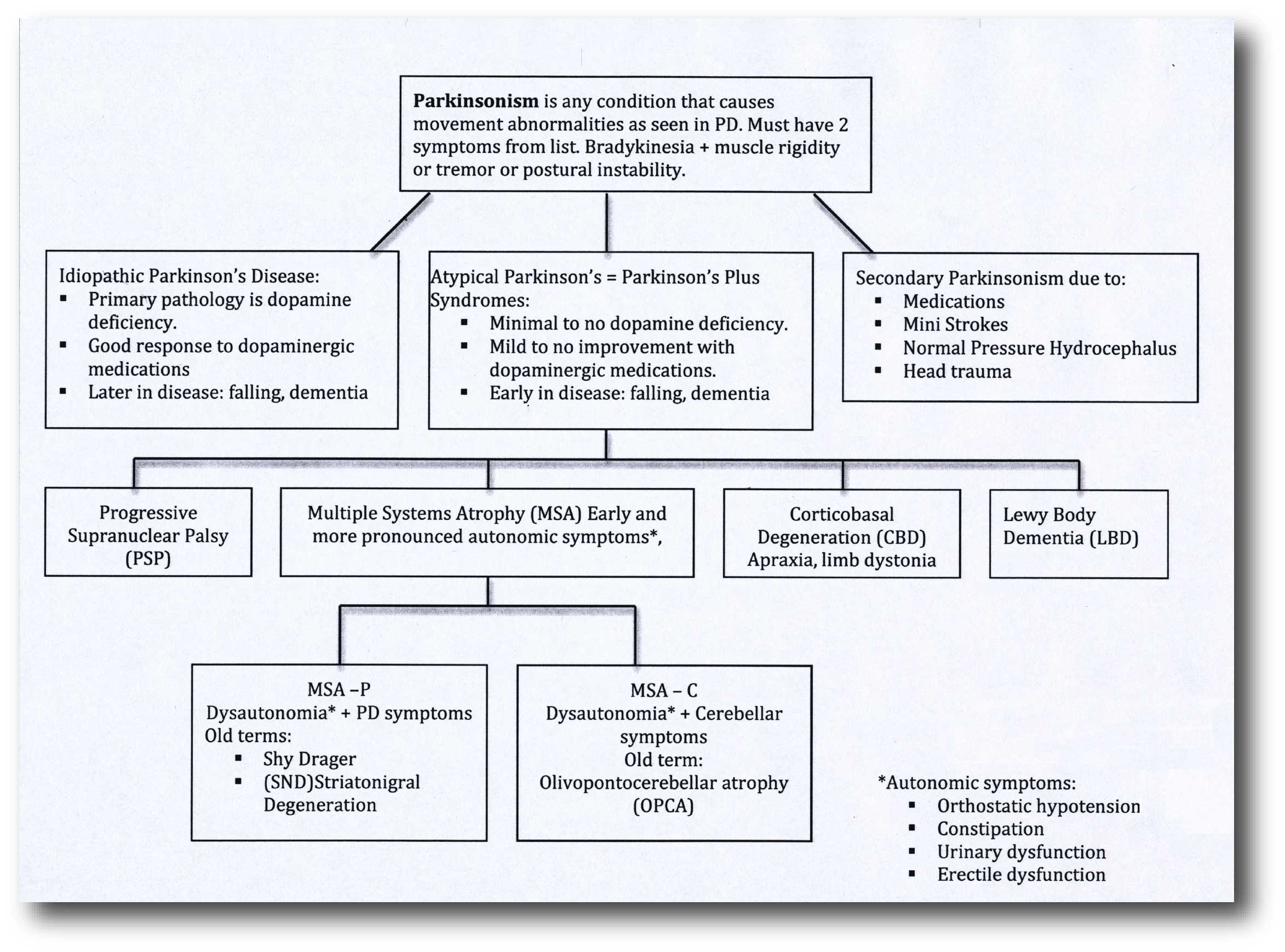
‘Parkinsonisms’ refer to a group of neurological conditions that cause movement features similar to those observed in Parkinson’s disease, such as tremors, slow movement and stiffness. The name ‘Parkinsonisms’ is often used as an umbrella term that covers Parkinson’s disease and all of the other ‘Parkinsonisms’.

Parkinsonisms are generally divided into three groups:

  1. Classical idiopathic Parkinson’s disease (the spontaneous form of the condition)
  2. Atypical Parkinson’s (such as multiple system atrophy (MSA) and Progressive supranuclear palsy (PSP))
  3. Secondary Parkinson’s (which can be brought on by mini strokes (aka Vascular Parkinson’s), drugs, head trauma, etc)

Source: Parkinsonspt

Some forms of Parkinsonisms that at associated with genetic risk factors, such as juvenile onset Parkinson’s, are considered atypical. But as our understanding of the genetics risk factors increases, we may find that an increasing number of idiopathic Parkinson’s cases have an underlying genetic component (especially where there is a long family history of the condition) which could alter the structure of our list of Parkinsonisms.

So what was happening in the French West Indies?

Continue reading “PAQ-ing more punch for Parkinson’s”

The anti-depressing research of antidepressants

Antidepressants are an important class of drugs in modern medicine, providing people with relief from the crippling effects of depression.

Recently, research has suggested that some of these drugs may also provide benefits to people suffering from Parkinson’s disease. But by saying this we are not talking about the depression that can sometimes be associated with this condition.

This new research suggests anti-depressants are actual providing neuroprotective benefits.

In today’s post we will discuss depression and its treatment, outline the recent research, and look at whether antidepressants could be useful for people with Parkinson’s disease.


Source: NatureWorldNews

It is estimated that 30 to 40% of people with Parkinson’s disease will suffer from some form of depression during the course of the condition, with 17% demonstrating major depression and 22% having minor depression (Click here to read more on this).

This is a very important issue for the Parkinson’s community.

Depression in Parkinson’s disease is associated with a variety of poor outcomes not only for the individuals, but also for their families/carers. These outcomes can include greater disability, less ability to care for oneself, faster disease progression, reduced cognitive performance, reduced adherence to treatment, worsening quality of life, and increased mortality. All of which causes higher levels of caregiver distress for those supporting the affected individual (Click here to read more about the impact of depression in early Parkinson’s).

What is depression?

Wikipedia defines depression as a “state of low mood and aversion to activity that can affect a person’s thoughts, behaviour, feelings, and sense of well-being” (Source). It is a common mental state that causes people to experience loss of interest or pleasure, feelings of guilt or low self-worth, disturbed sleep or appetite, low energy, and poor concentration.

Importantly, depression can vary significantly in severity, from simply causing a sense of melancholy to confining people to their beds.

Source: Prevention

What causes depression?

Continue reading “The anti-depressing research of antidepressants”

The TAU of Parkinson’s

Here at the SoPD, we regularly talk about the ‘bad boy’ of Parkinson’s disease – a protein called Alpha Synuclein.

Twenty years ago this year, genetic variations were identified in the alpha synuclein gene that increase one’s risk of developing Parkinson’s. In addition, alpha synuclein protein was found to be present in the Lewy bodies that are found in the brains of people with Parkinson’s. Subsequently, alpha synuclein has been widely considered to be the villain in this neurodegenerative condition and it has received a lot of attention from the Parkinson’s research community.

But it is not the only protein that may be playing a role in Parkinson’s.

Today’s post is all about TAU.


Source: Wallpaperswide

I recently informed my wife that I was thinking of converting to Taoism.

She met this declaration with more of a smile than a look of shock. And I was expecting the latter, as shifting from apatheism to any form of religious belief is a bit of a leap you will appreciate.

When asked to explain myself, I suggested to her that I wanted to explore the mindfulness of what was being proposed by Lao Tzu (the supposed author of the Tao Te Ching – the founding document of Taoism).

This answer also drew a smile from her (no doubt she was thinking that Simon has done a bit of homework to make himself sound like he knows what he was talking about).

But I am genuinely curious about Taoism.

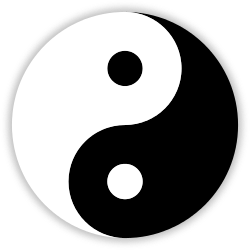
Most religions teach a philosophy and dogma which in effect defines a person. Taoism – which dates from the 4th century BCE – flips this concept on its head. It starts by teaching a single idea: The Tao (or “the way”) is indefinable. And then it follows up by suggesting that each person should discover the Tao on their own terms. Given that most people would prefer more concrete definitions in their own lives, I can appreciate that a lot of folks won’t go in for this approach.

Personally speaking, I quite like the idea that the Tao is the only principle and everything else is a just manifestation of it.

According to Taoism, salvation comes from just one source: Following the Tao.

Source: Wikipedia

Oh and don’t worry, I’m not going to force any more philosophical mumbo jumbo on you – Taoism is just an idea I am exploring as part of a terribly clichéd middle-life crisis I’m working my way through (my wife’s actual response to all of this was “why can’t you just be normal and go buy a motor bike or something?”).

My reason for sharing this, however, is that this introduction provides a convenient segway to what we are actually going to talk about in this post.

You see, some Parkinson’s researchers are thinking that salvation from neurodegenerative conditions like Parkinson’s will come from just one source: Following the TAU.

What is TAU?

Continue reading “The TAU of Parkinson’s”

James: The man behind the disease (Part 3)

parkinson1

This post is the third in our four part series on the life of Mr James Parkinson, in observance of 200 years since his first description of Parkinson’s disease.

Here we will look at the bulk of James’ adult life – not only his medical related activities, but also all of the ‘other stuff’ (for which he is not remembered). This is not intended to be an exhaustive history of his life, I am simply trying to share a brief overview of what one amazing man achieved with his life.

In addition, I will include some of the global events that were occurring during this time to provide a bit of context not only to the epoch that James lived in, but as to how those events helped to shape who he was.


Franklin's_return_to_Philadelphia_1785_cph.3g09906

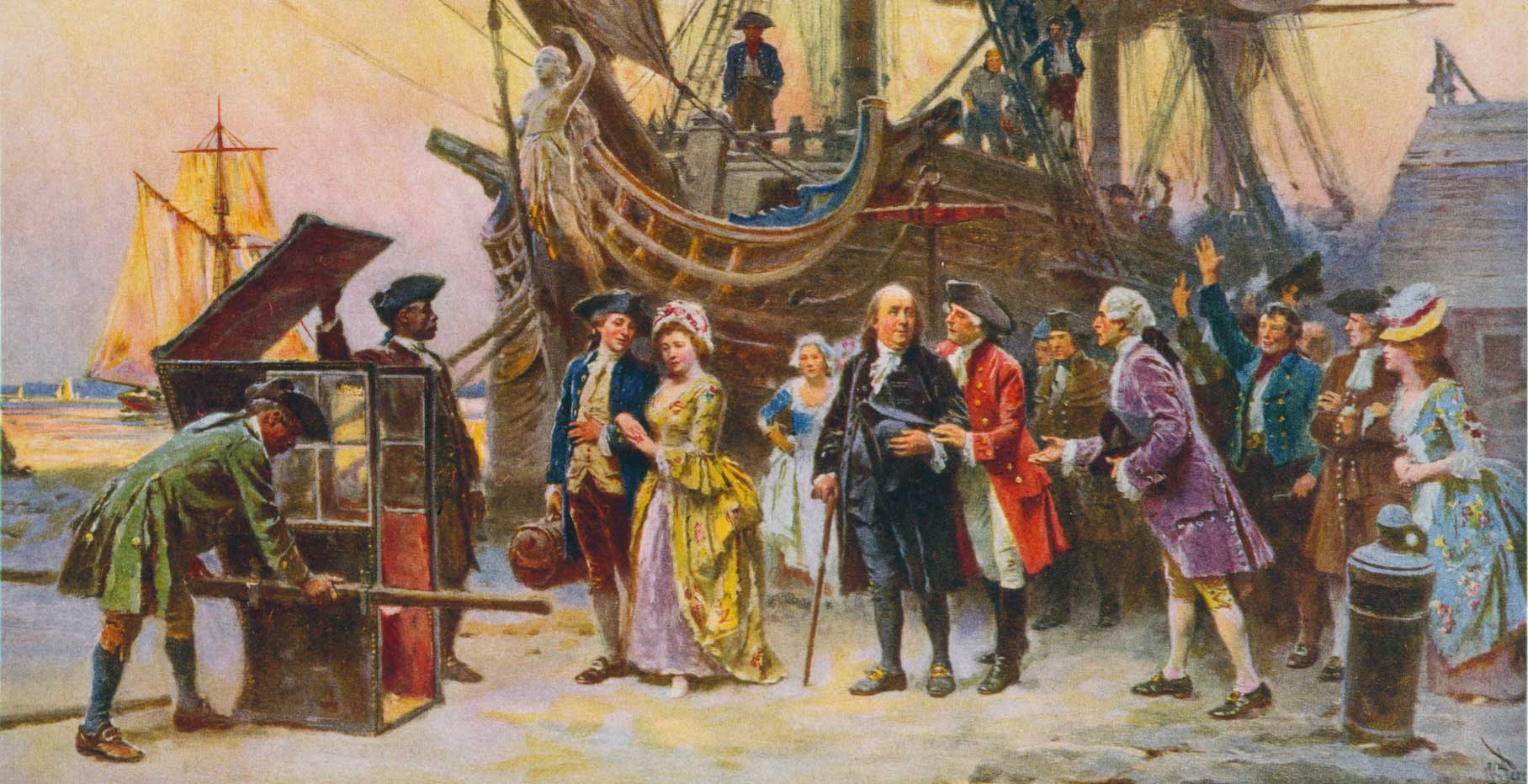
The return of Benjamin Franklin to Philadelphia in 1785. Source: Wikimedia

At the end of our first post about James Parkinson, it was 1785 and the recently married James was the sole medical practitioner at “Parkinson and Son”. His first son,  John William Keys Parkinson, was born that year (11th July – for more on James’ family, please click here). AND Perhaps given the weight of these responsibilities, combined with his disappointment regarding his medical training thus far, James sought out further education.

He found it in the form of evening lectures provided by the great Scottish surgeon, John Hunter. Between October 1785 and April 1786, James attended these session and we should all be very grateful that he did.

280px-John_Hunter_by_John_Jackson

John Hunter. Source: Wikipedia

These lectures were conducted in Hunter’s operating theatre in Castle Street, Leicester Square. They were approximately one hour in length, held three times per week and in all there were 68 of them.

And we are very fortunate today that James attended these lectures as we only know of their content because James wrote them down verbatim in shorthand (his notes were later published by his son John William Keys Parkinson – “Hunterian Reminiscences, Being The Substance Of A Course Of Lectures On The Principles And Practice Of Surgery Delivered By John Hunter In The Year 1785″). These notes were invaluable given that Hunter’s own notes were later destroyed by fire.

It was during these lectures that James was introduced to John Hunter’s collection of fossils and another of the great interest of James’ life began. While most people who know of James Parkinson associate him with the field of medicine, his contributions to the fields of geology and paleontology during his life time were far greater than those to medicine.

And truth be known, James is still something of a rockstar to geologists and paleontologists (no pun intended).

Continue reading “James: The man behind the disease (Part 3)”

CRISPR-Cas9: “New CRISPY Parkinson’s research”

Recently a Parkinson’s-associated research report was published that was the first of many to come.

It involves the use of a genetic screening experiment that incorporates new technology called ‘CRISPR’.

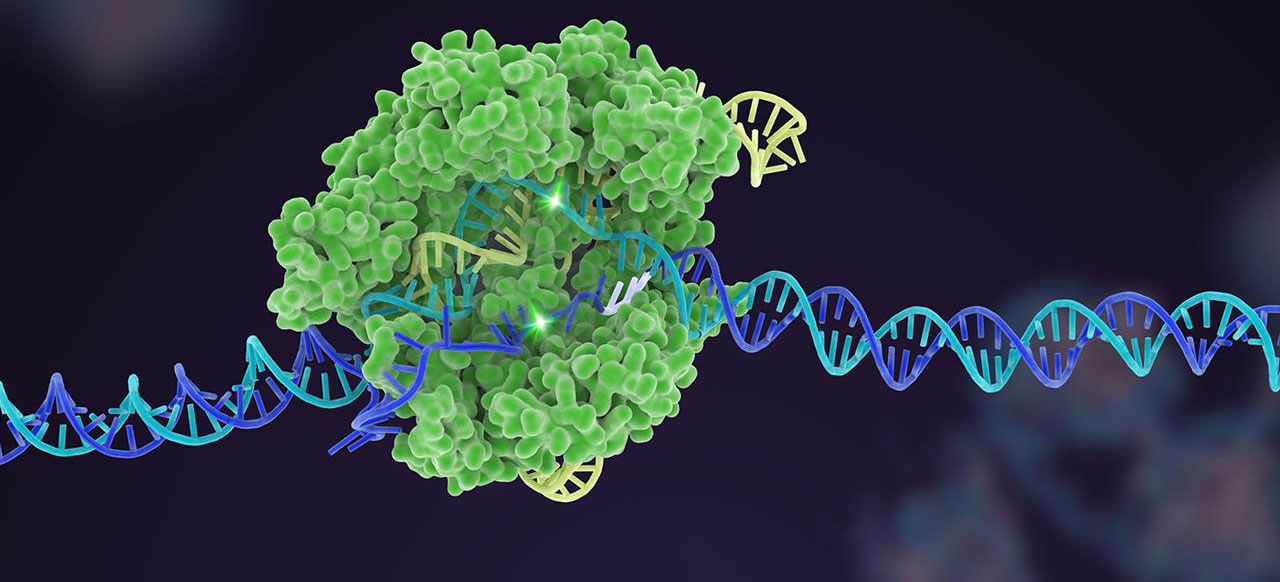
There is an absolute tidal wave of CRISPR-related Parkinson’s disease research coming down the pipe towards us, and it is important that the Parkinson’s community understands how this powerful technology works.

In today’s post we will look at what the CRISPR technology is, how it works, what the new research report actually reported, and discuss how this technology can be used to tackle a condition like Parkinson’s.


Me and my mother (and yes, the image is to scale). Source: Openclipart

My mother: Simon, what is all this new ‘crispy’ research for Parkinson’s I heard about on the news?

Me: Huh? (I was not really paying attention to the question. Terrible to ignore one’s mother I know, but what can I say – I am the black sheep of the family)

My mother: Yes, something about ‘crispy’ and Parkinson’s.

Me: Oh! You mean CRISPR. Yeah, it’s really cool stuff.

My mother: Ok, well, can you explain it all to me please, this ‘Crisper’ stuff?

Me: Absolutely.

CRISPR.101 (or CRISPR for beginners)

In almost every cell of your body, there is a nucleus.

It is the command centre for the cell – issuing orders and receiving information concerning everything going on inside and around the cell. The nucleus is also a storage bank for the genetic blueprint that provides most of the instructions for making a physical copy of you. Those grand plans are kept bundled up in 23 pairs of chromosomes, which are densely coiled strings of a molecule called Deoxyribonucleic acid (or DNA).

DNA’s place inside the cell. Source: Kids.Britannica

Continue reading “CRISPR-Cas9: “New CRISPY Parkinson’s research””