James: The man behind the disease (Part 3)

parkinson1

This post is the third in our four part series on the life of Mr James Parkinson, in observance of 200 years since his first description of Parkinson’s disease.

Here we will look at the bulk of James’ adult life – not only his medical related activities, but also all of the ‘other stuff’ (for which he is not remembered). This is not intended to be an exhaustive history of his life, I am simply trying to share a brief overview of what one amazing man achieved with his life.

In addition, I will include some of the global events that were occurring during this time to provide a bit of context not only to the epoch that James lived in, but as to how those events helped to shape who he was.


Franklin's_return_to_Philadelphia_1785_cph.3g09906

The return of Benjamin Franklin to Philadelphia in 1785. Source: Wikimedia

At the end of our first post about James Parkinson, it was 1785 and the recently married James was the sole medical practitioner at “Parkinson and Son”. His first son,  John William Keys Parkinson, was born that year (11th July – for more on James’ family, please click here). AND Perhaps given the weight of these responsibilities, combined with his disappointment regarding his medical training thus far, James sought out further education.

He found it in the form of evening lectures provided by the great Scottish surgeon, John Hunter. Between October 1785 and April 1786, James attended these session and we should all be very grateful that he did.

280px-John_Hunter_by_John_Jackson

John Hunter. Source: Wikipedia

These lectures were conducted in Hunter’s operating theatre in Castle Street, Leicester Square. They were approximately one hour in length, held three times per week and in all there were 68 of them.

And we are very fortunate today that James attended these lectures as we only know of their content because James wrote them down verbatim in shorthand (his notes were later published by his son John William Keys Parkinson – “Hunterian Reminiscences, Being The Substance Of A Course Of Lectures On The Principles And Practice Of Surgery Delivered By John Hunter In The Year 1785″). These notes were invaluable given that Hunter’s own notes were later destroyed by fire.

It was during these lectures that James was introduced to John Hunter’s collection of fossils and another of the great interest of James’ life began. While most people who know of James Parkinson associate him with the field of medicine, his contributions to the fields of geology and paleontology during his life time were far greater than those to medicine.

And truth be known, James is still something of a rockstar to geologists and paleontologists (no pun intended).

Continue reading “James: The man behind the disease (Part 3)”

The LRRK Ascending

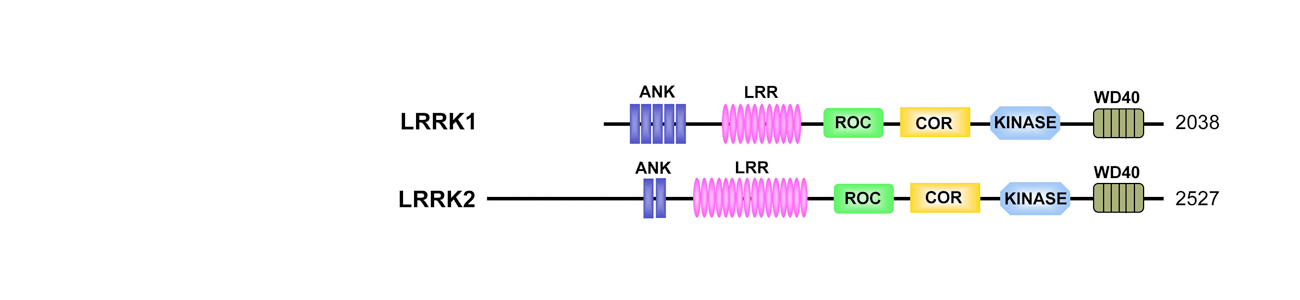
Genetic mutations (or ‘variants’) in the Leucine-rich repeat kinase 2 (or LRRK2; also known as Dardarin) gene are associated with increased risk of Parkinson’s. As a result this gene has become the focus of a lot of genetic research.

But what about LRRK2’s less well-known, rather neglected sibling LRRK1?

In today’s post, we will look at new research that suggests the LRRK siblings could both be involved with Parkinson’s disease. 


I recommend to the reader that today’s post should be read with the following music playing in the background:

Inspired by a poem of the same title, English composer Ralph Vaughan Williams wrote ‘The Lark Ascending’ in 1914. It is still to this day, a tune that remains a firm favourite with BBC listeners here in the UK (Source).

On to business:

While the music and the poem are about a songbird, today’s SoPD post deals with a different kind of Lark.

Or should I say LRRK.

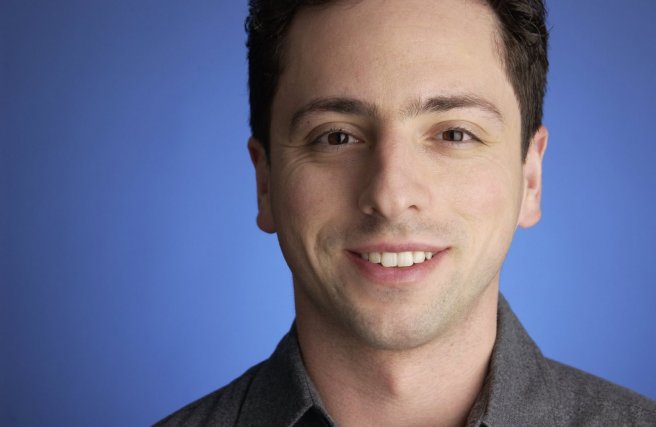
This is Sergey Brin.

sergey_brin

Nice guy.

He was one of the founders of a small company you may have heard of – it’s called “Google”.

Having changed the way the world searches the internet, he is now turning his attention to other projects.

One of those other projects is close to our hearts: Parkinson’s disease.

Continue reading “The LRRK Ascending”

CRISPR-Cas9: “New CRISPY Parkinson’s research”

Recently a Parkinson’s-associated research report was published that was the first of many to come.

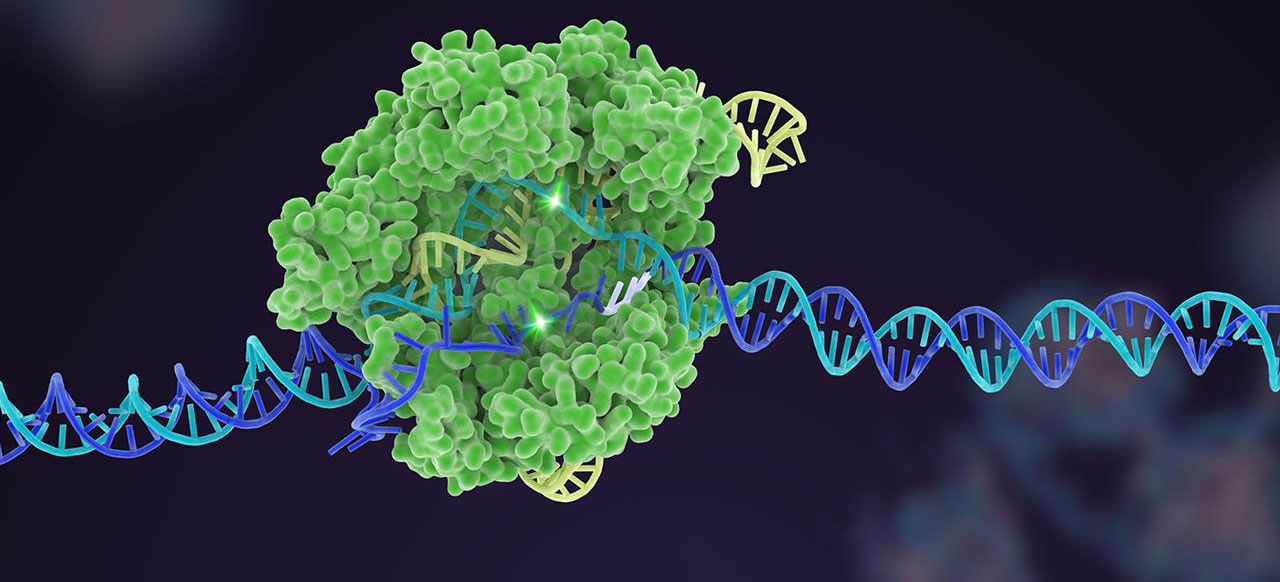
It involves the use of a genetic screening experiment that incorporates new technology called ‘CRISPR’.

There is an absolute tidal wave of CRISPR-related Parkinson’s disease research coming down the pipe towards us, and it is important that the Parkinson’s community understands how this powerful technology works.

In today’s post we will look at what the CRISPR technology is, how it works, what the new research report actually reported, and discuss how this technology can be used to tackle a condition like Parkinson’s.


Me and my mother (and yes, the image is to scale). Source: Openclipart

My mother: Simon, what is all this new ‘crispy’ research for Parkinson’s I heard about on the news?

Me: Huh? (I was not really paying attention to the question. Terrible to ignore one’s mother I know, but what can I say – I am the black sheep of the family)

My mother: Yes, something about ‘crispy’ and Parkinson’s.

Me: Oh! You mean CRISPR. Yeah, it’s really cool stuff.

My mother: Ok, well, can you explain it all to me please, this ‘Crisper’ stuff?

Me: Absolutely.

CRISPR.101 (or CRISPR for beginners)

In almost every cell of your body, there is a nucleus.

It is the command centre for the cell – issuing orders and receiving information concerning everything going on inside and around the cell. The nucleus is also a storage bank for the genetic blueprint that provides most of the instructions for making a physical copy of you. Those grand plans are kept bundled up in 23 pairs of chromosomes, which are densely coiled strings of a molecule called Deoxyribonucleic acid (or DNA).

DNA’s place inside the cell. Source: Kids.Britannica

Continue reading “CRISPR-Cas9: “New CRISPY Parkinson’s research””

Clinical trials: The Power of One

As the age of personalised medicine approaches, innovative researchers are rethinking the way we conduct clinical studies. “Rethinking” in radical ways – think: individualised clinical trials! 

One obvious question is: Can you really conduct a clinical trial involving just one participant?

In this post, we will look at some of the ideas and evaluate the strengths and weaknesses these approaches.


A Nobel prize medal. Source: Motley

In the annals of Nobel prize history, there are a couple winners that stands out for their shear….um, well,…audacity.

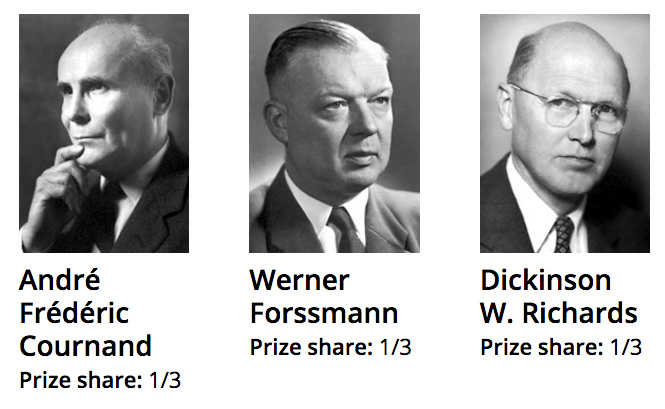
One example in particular, was the award given to physician Dr Werner Forssmann. In 1956, Andre Cournand, Dickinson Richards and Forssmann were awarded the Nobel Prize in Physiology or Medicine “for their discoveries concerning heart catheterisation and pathological changes in the circulatory system”. Forssmann was responsible for the first part (heart catheterisation).

Source: Nobelprize

In 1929, at the age of 25, Forssmann performed the first human cardiac catheterisation – that is a procedure that involves inserting a thin, flexible tube directly into the heart via an artery (usually in the arm, leg or neck). It is a very common procedure performed on a daily basis in any hospital today. But in 1929, it was revolutionary. And the audacious aspect of this feat was that Forssmann performed the procedure on himself!

And if you think that is too crazy to be true, please read on.

But be warned: this particular story gets really bonkers.

Continue reading “Clinical trials: The Power of One”

Are we getting NURR to the end of Parkinson’s disease?

Nuclear receptor related 1 protein (or NURR1) is a protein that is critical to the development and survival of dopamine neurons – the cells in the brain that are affected in Parkinson’s disease.

Given the importance of this protein for the survival of these cells, a lot of research has been conducted on finding activators of NURR1.

In today’s post we will look at this research, discuss the results, and consider issues with regards to using these activators in Parkinson’s disease.


Comet Hale–Bopp. Source: Physics.smu.edu

Back in 1997, 10 days after Comet Hale–Bopp passed perihelion (April 1, 1997 – no joke; perihelion being the the point in the orbit of a comet when it is nearest to the sun) and just two days before golfer Tiger Woods won his first Masters Tournament, some researchers in Stockholm (Sweden) published the results of a study that would have a major impact on our understanding of how to keep dopamine neurons alive.

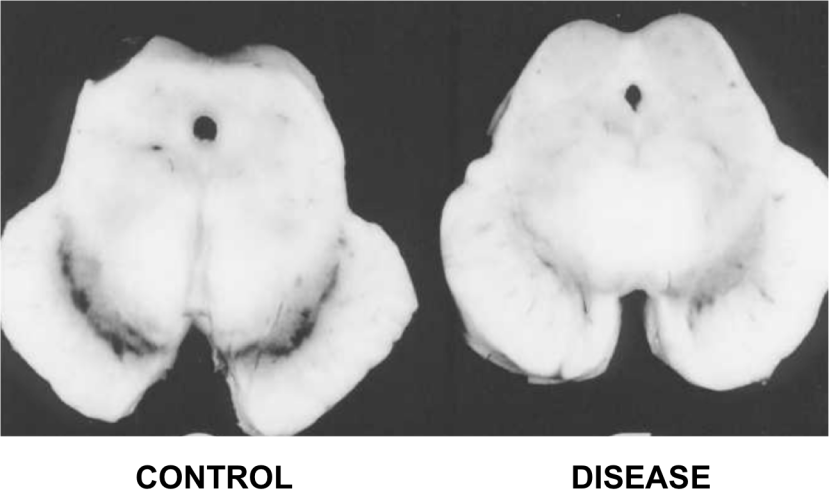
Dopamine neurons are one group of cells in the brain that are severely affected by Parkinson’s disease. By the time a person begins to exhibit the movement symptoms of the condition, they will have lost 40-60% of the dopamine neurons in a region called the substantia nigra. In the image below, there are two sections of brain – cut on a horizontal plane through the midbrain at the level of the substantia nigra – one displaying a normal compliment of dopamine neurons and the other from a person who passed away with Parkinson’s demonstrating a reduction in this cell population.

d1ea3d21c36935b85043b3b53f2edb1f87ab7fa6

The dark pigmented dopamine neurons in the substantia nigra are reduced in the Parkinson’s disease brain (right). Source:Memorangapp

The researchers in Sweden had made an amazing discovery – they had identified a single gene that was critical to the survival of dopamine neurons. When they artificially mutated the section of DNA where this gene lives – an action which resulted in no protein for this gene being produced – they generated genetically engineered mice with no dopamine neurons:

Title: Dopamine neuron agenesis in Nurr1-deficient mice
Authors: Zetterström RH, Solomin L, Jansson L, Hoffer BJ, Olson L, Perlmann T.
Journal: Science. 1997 Apr 11;276(5310):248-50.
PMID: 9092472

The researchers who conducted this study found that the mice with no NURR1 protein exhibited very little movement and did not survive long after birth. And this result was very quickly replicated by other research groups (Click here and here to see examples)

So what was this amazing gene called?

Continue reading “Are we getting NURR to the end of Parkinson’s disease?”

Resveratrol’s neglected siblings


We have previously discussed the powerful antioxidant Resveratrol, and reviewed the research suggesting that it could be beneficial in the context of Parkinson’s disease (Click here to read that post).

I have subsequently been asked by several readers to provide a critique of the Parkinson’s-associated research focused on Resveratrol’s twin sister, Pterostilbene (pronounced ‘Terra-still-bean’).

But quite frankly, I can’t.

Why? Because there is NO peer-reviewed scientific research on Pterostilbene in models of Parkinson’s disease.

In today’s post we will look at what Pterostilbene is, what is known about it, and why we should seriously consider doing some research on this compound (and its cousin Piceatannol) in the context of Parkinson’s disease.


Blue berries are the best natural source of Pterostilbene. Source: Pennington

So this is likely to be the shortest post in SoPD history.

Why?

Because there is nothing to talk about.

There is simply no Parkinson’s-related research on the topic of today’s post: Pterostilbene. And that is actually a crying shame, because it is a very interesting compound.

What is Pterostilbene?

Like Resveratrol, Pterostilbene is a stilbenoid.

Stilbenoids are a large class of compounds that share the basic chemical structure of C6-C2-C6:

Resveratrol is a good example of a stilbenoid. Source: Wikipedia

Stilbenoids are phytoalexins (think: plant antibiotics) produced naturally by numerous plants. They are small compounds that become active when the plant is under attack by pathogens, such as bacteria or fungi. Thus, their function is generally considered to part of an anti-microbial/anti-bacterial plant defence system for plants.

The most well-known stilbenoid is resveratrol which grabbed the attention of the research community in a 1997 study when it was found to inhibit tumour growth in particular animal models of cancer:

Continue reading “Resveratrol’s neglected siblings”

Trying to ‘beet’ Parkinson’s in the developing world

Recently I discussed my ‘Plan B’ idea, which involves providing a cheap alternative to expensive drugs for folks living in the developing world with Parkinson’s (Click here for that post).

While doing some research for that particular post, I came across another really interesting bit of science that is being funded by Parkinson’s UK.

It involves Beetroot.

In today’s post we will look at how scientists are attempting turn this red root vegetable into a white root vegetable in an effort to solve Parkinson’s in the developing world.


Pompeii and Mount Vesuvius. Source: NationalGeo

During visits to the ancient Roman city of Pompeii (in Italy), tourists are often drawn by their innocent curiosity to the ‘red light’ district of the city. And while they are there, they are usually amused by the ‘descriptive’ murals that still line the walls of the buildings in that quarter.

So amused in fact that they often miss the beetroots.

Huh? Beetroots?

Yes, beetroots.

I’m not suggesting that anyone spends a great deal of time making a close inspection of the walls, but if you look very carefully, you will often see renditions of beetroots.

They are everywhere. For example:

Two beetroots hanging from the ceiling.

Again: Huh?

The Romans considered beetroot to be quite the aphrodisiac, believing that the juice ‘promoted amorous feelings’. They also ate the red roots for medicinal purposes, consuming it as a laxative or to cure fever.

And this medicinal angle lets me segway nicely into the actual topic of today’s post. You see, in the modern era researcher are hoping to use beetroot for medicinal purposes again. But this time, the beetroot will be used to solve an issue close to my heart: treating people with Parkinson’s in the developing world.

Using beetroot to treat Parkinson’s?

Continue reading “Trying to ‘beet’ Parkinson’s in the developing world”

PACAP and a snail model of Parkinson’s

We are going to talk about a snail model of Parkinson’s disease. I kid you not.

Love them or hate them, recent research on snails is helping us to better understand a potential therapeutic target for Parkinson’s disease, called Pituitary adenylate cyclase-activating polypeptide (or PACAP).

In today’s post we will look at what PACAP is, outline the new snail research, and discuss what they mean for people living with Parkinson’s disease.


Snail2

The humble snail. Source: Warrenphotographic

In a recent post, I talked about a class of drugs called Dipeptidyl peptidase-4 (or DPP-4) inhibitors (Click here to read that post). DPP-4 is a ubiquitous enzyme (it is present on most cells in your body) that breaks down certain proteins.

In that post, I listed some of the proteins that DPP-4 targets – they include:

  • Gastrin-releasing peptide (GRP)
  • Glucagon
  • Glucagon-like peptide-1 (GLP-1)
  • Glucagon-like peptide-2 (GLP-2)
  • Granulocyte-macrophage colony-stimulating factor (GM-CSF)
  • GHRH and IGF-1
  • High-mobility group box 1 (HMGB1)
  • Macrophage-derived chemokine (MDC)
  • Macrophage inflammatory protein-1 α (MIP-1 α), chemokine (C-C motif) ligand 3-like 1 (CCL3L1), or LD78β
  • Pituitary adenylate cyclase-activating polypeptide (PACAP)
  • Neuropeptide Y (NPY)
  • Regulated on activation, normal T cell expressed and secreted (Rantes)
  • Stromal cell-derived factor-1 (SDF-1)
  • Substance P (SP)

Lots of interesting proteins with regards to Parkinson’s disease on this list, including GLP-1 which has been turned in the drug Exenatide (which has demonstrated positive effects in recent clinical trials for Parkinson’s disease – click here and here to read more about this). Another interesting protein on the list is ‘Granulocyte-macrophage colony-stimulating factor‘ (GM-CSF) which we have also discussed in a previous post (Click here to read that post). A synthetic version of GM-CSF (called Sargramostim) has recently been tested in a clinical trial of Parkinson’s disease in Nebraska, and the results of that Phase I trial have been very encouraging.

By treating people with DPP-4 inhibitors (also known as ‘gliptins’), one would be blocking the breaking down of these potentially beneficial proteins – increasing the general amount of GLP-1 and GMCSF that is floating around in the body.


EDITOR’S NOTE: DPP-4 inhibitors have not yet been clinically tested in Parkinson’s disease, and thus we have no idea if they are safe in people with this condition. They are being mentioned here purely as part of an academic discussion.


One protein on the list of DPP-4 targets above that we have not yet discussed is Pituitary adenylate cyclase-activating polypeptide (or PACAP).

And today we are going to have a look at it.

Why?

Continue reading “PACAP and a snail model of Parkinson’s”

A clever new Trk for Rasagiline

The protein Alpha Synuclein has long been considered the bad-boy of Parkinson’s disease research. Possibly one of the main villains in the whole scheme of things. 

New research suggests that it may be interfering with a neuroprotective pathway, leaving the affected cell more vulnerable to stress/toxins. But that same research has highlighted a novel beneficial feature of an old class of drugs: MAO-B inhibitors.

In today’s post we will outline the new research, discuss the results, and look at whether this new Trk warrants a re-think of MAO-B inhibitors.


The great Harry Houdini. Source: Wikipedia

I’m not sure about you, but I enjoy a good magic trick.

That exhilarating moment when you are left wondering just one thing: How do they do that?

(Seriously, at 4:40 a baguette comes out of thin air – how did he do that?)

Widely believed to have been one of the greatest magicians of all time (Source), Harry Houdini is still to this day revered among those who practise the ‘dark arts’.

Born Erik Weisz in Budapest (in 1874), Houdini arrived in the US in 1878. Fascinated with magic, in 1894, he launched his career as a professional magician and drew attention for his daring feats of escape. He renamed himself “Harry Houdini” – the first name being derived from his childhood nickname, “Ehrie,” and the last name paying homage to the great French magician Jean Eugène Robert-Houdin. In 1899, Houdini’s act caught the eye of Martin Beck, an entertainment manager, and from there the rest is history. Constantly upping the ante, his feats became bolder and more death defying.

And the crowds loved him.

From stage, he moved on to film – ultimately starting his own production company, Houdini Picture Corporation. In addition, he was a passionate debunker of psychics and mediums, his training in magic helping him to expose frauds (which turned him against his former friend Sir Arthur Conan Doyle, who believed deeply in spiritualism).

This is all very interesting, but what does any of it have to do with Parkinson’s?

Continue reading “A clever new Trk for Rasagiline”

NIX-ing the PARKIN and PINK1 problem

In American slang, to ‘nix‘ something is to ‘put an end to it’.

Curiously, a protein called NIX may be about to help us put an end to Parkinson’s disease, at least in people with specific genetic mutations.

In today’s post we will look at what NIX is, outline a new discovery about it, and discuss what this new information will mean for people living with Parkinson’s disease.


Sydney harbour. Source: uk.Sydney

Before we start, I would like the reader to appreciate that I am putting trans-Tasman rivalry side here to acknowledge some really interesting research that is being conducted in Australia at the moment.

And this is really interesting.

I have previously spoken a lot about mitochondria and Parkinson’s on this website. For the uninitiated, mitochondria are the power house of each cell. They help to keep the lights on. Without them, the party is over and the cell dies.

Mitochondria

Mitochondria and their location in the cell. Source: NCBI

You may remember from high school biology class that mitochondria are tiny bean-shaped objects within the cell. They convert nutrients from food into Adenosine Triphosphate (or ATP). ATP is the fuel which cells run on. Given their critical role in energy supply, mitochondria are plentiful (some cells have thousands) and highly organised within the cell, being moved around to wherever they are needed.

Like you and I and all other things in life, however, mitochondria have a use-by date.

As mitochondria get old and worn out (or damaged) with time, the cell will recycle them via a process called mitophagy (a blending of the words mitochondria and autophagy – the waste disposal system of each cell).

What does this have to do with Parkinson’s disease?

Well, about 10% of Parkinson’s cases are associated with particular genetic variations that render people vulnerable to developing the condition. Some of these mutations are in sections of DNA (called genes) that provide the instructions for proteins that are involved in the process of mitophagy. Two genes, in particular, are the focus of a lot of Parkinson’s-related research – they are called PARKIN and PINK1.

What do PARKIN and PINK1 do?

Continue reading “NIX-ing the PARKIN and PINK1 problem”